Thronende Göttin (Astarte?)
1. Hälfte 6. Jh. v. Chr.
During the ninth century B. C., Kition was settled by Phoenician immigrants, who erected a holy-site to Astarte the Goddess of Plenty, Love and Death. In this smaller-than-life limestone statue, a sitting woman is probably the cult-image of the Oriental goddess. The arms of the throne are carried by winged Sphinxes, the companions of Astarte, whose fronts are shown as fully-dressed masculine figures. The goddess, with spiral tresses and a long robe, is richly bedecked. The heavy throat-chain and the artistic earrings in the form of smithied hangers are characteristic of Cyprus. The enthroned goddess represents a characteristically Cypriot mixture of styles, with her block form build, her schematic body shape, her manner of carrying her head and her idolatrous character. It rejects the ancient East Greek archetypes and shows the development of Egyptian, Oriental and Greek influences. A. Bernhard-Walcher u.a., Die Sammlung zyprischer Antiken im KHM. Sammlungskataloge des KHM Bd. 2, Wien 1999 (A. Bernhard-Walcher)
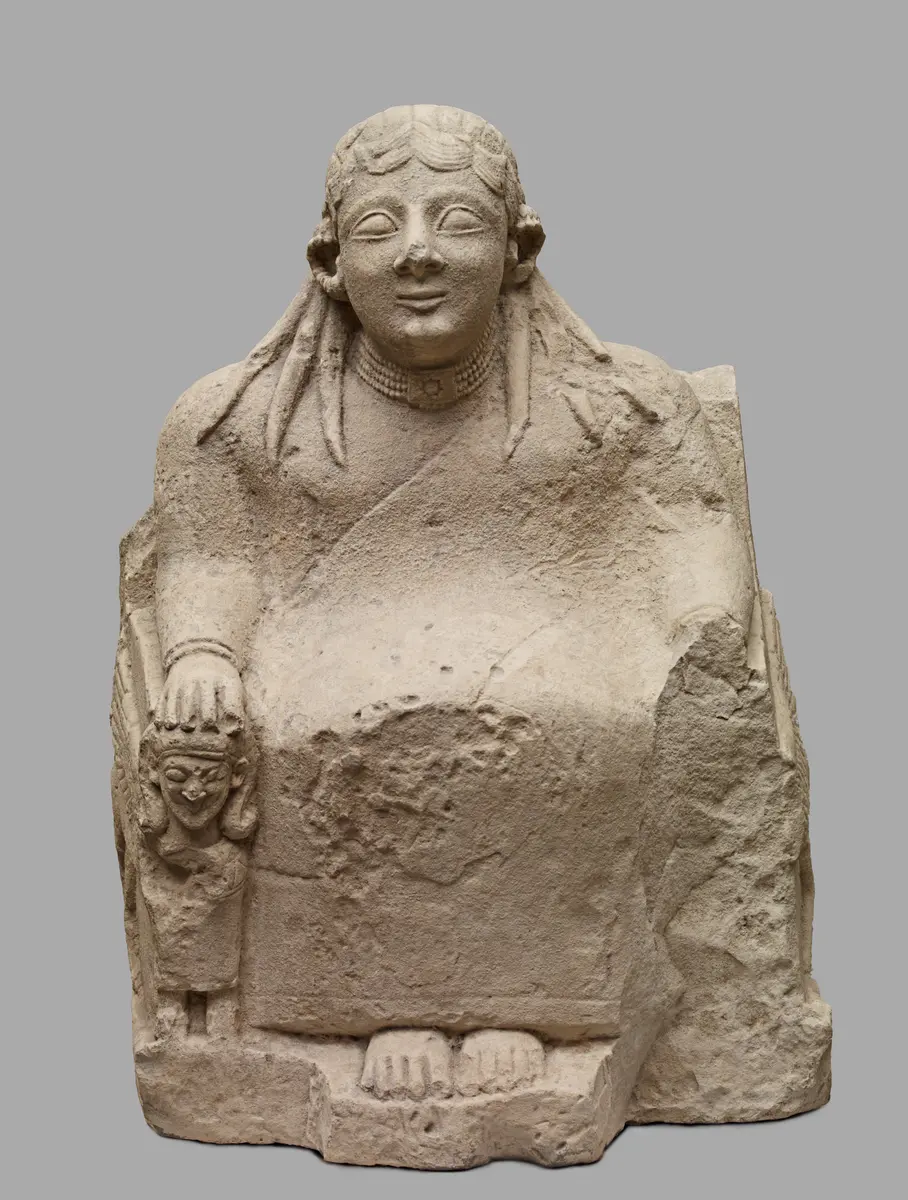
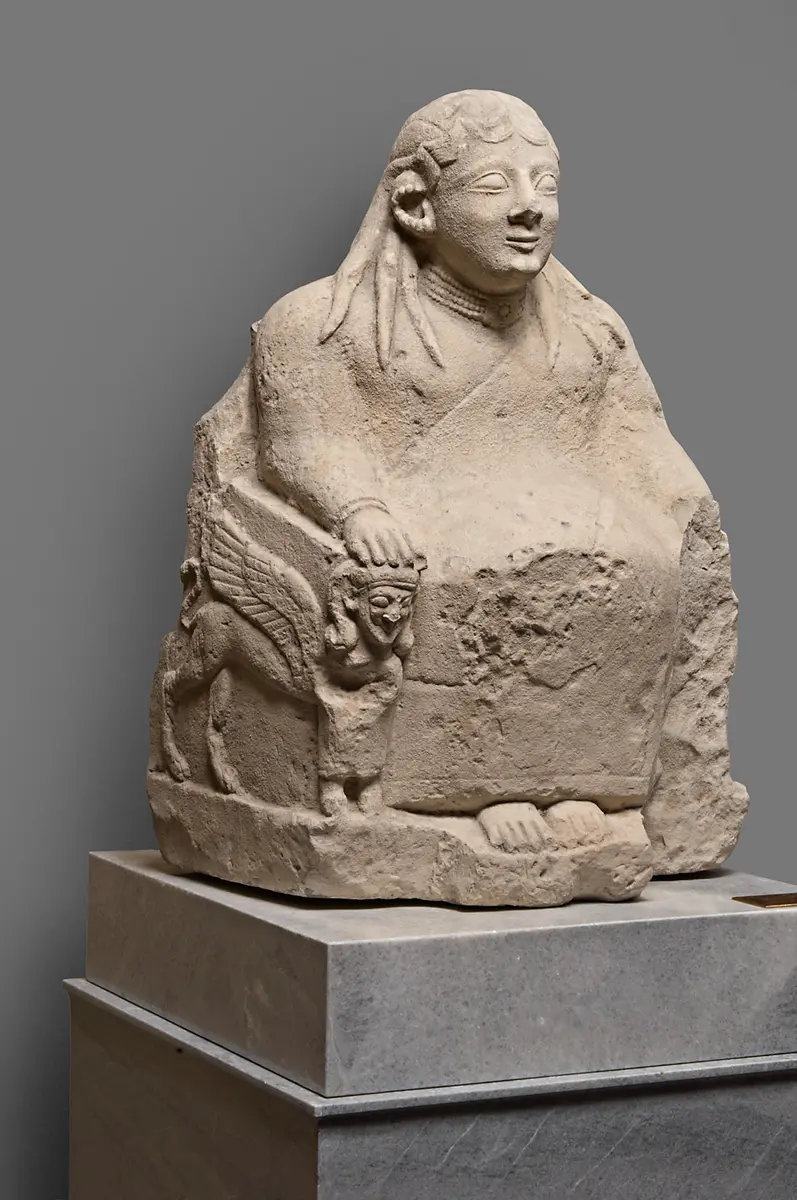
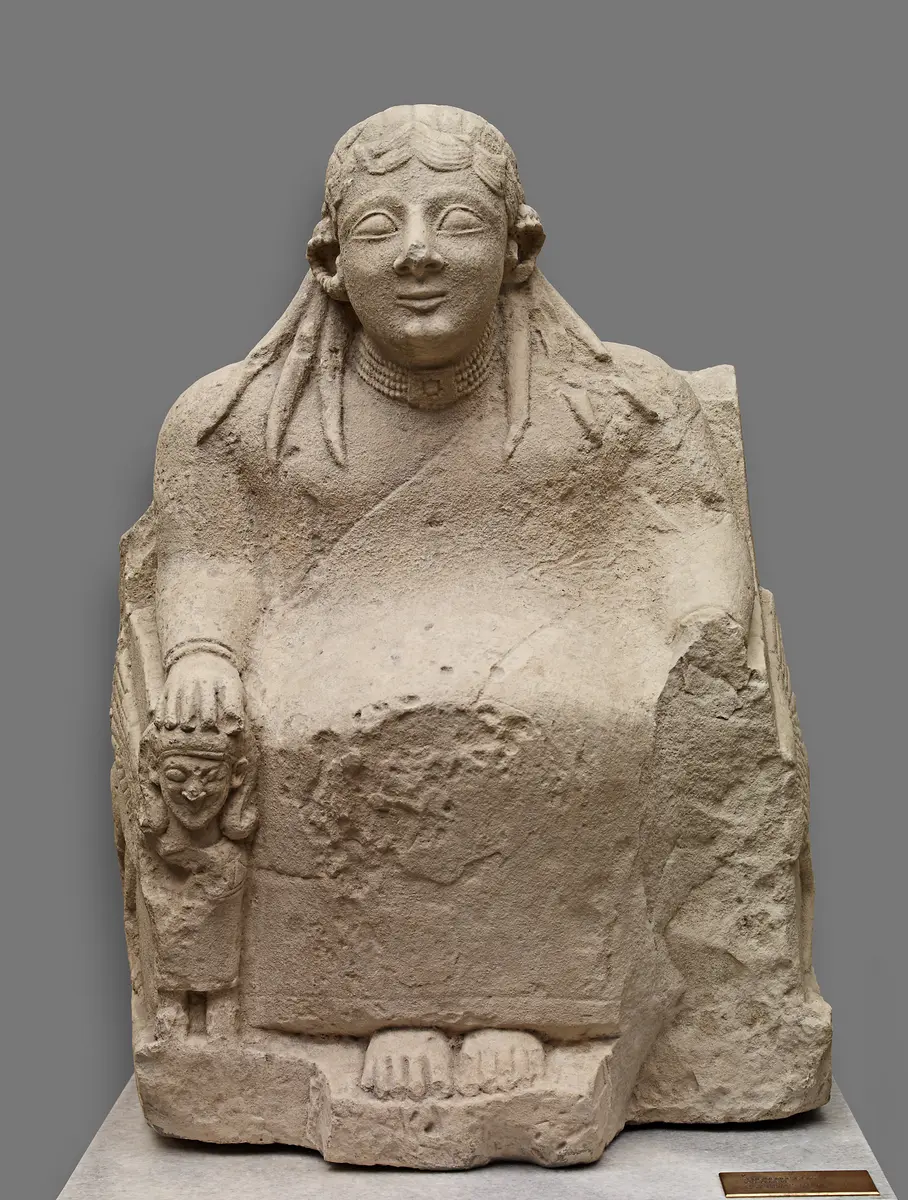
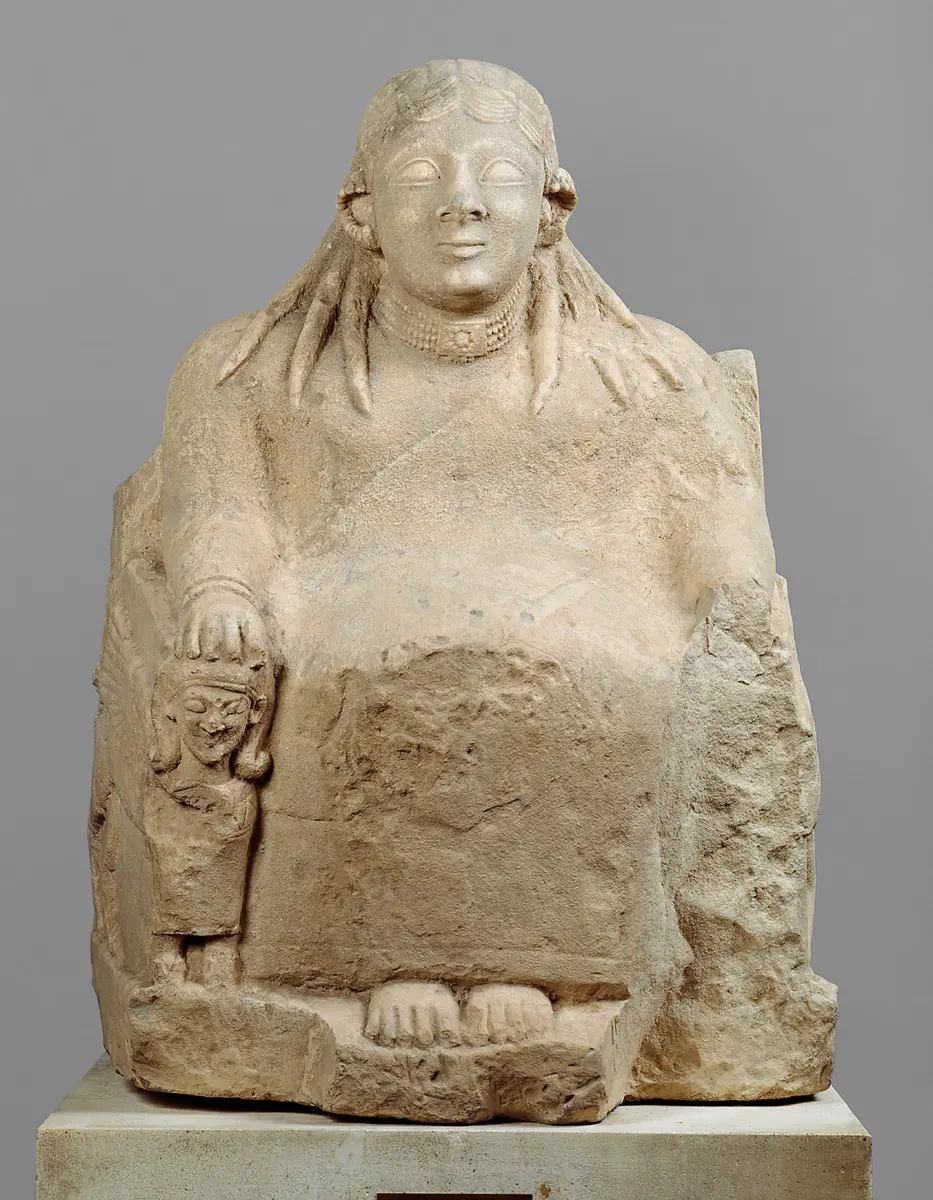
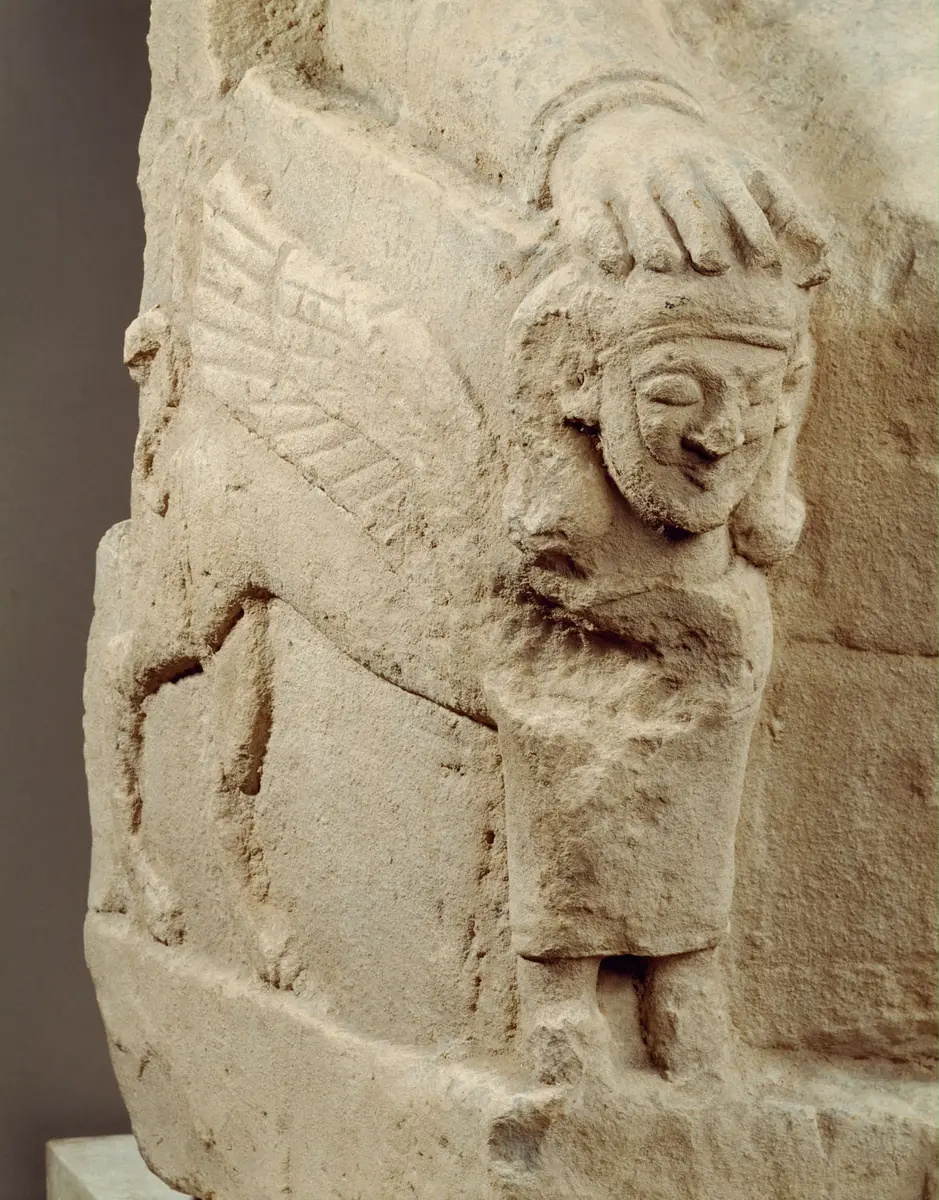
During the ninth century B. C., Kition was settled by Phoenician immigrants, who erected a holy-site to Astarte the Goddess of Plenty, Love and Death. In this smaller-than-life limestone statue, a sitting woman is probably the cult-image of the Oriental goddess. The arms of the throne are carried by winged Sphinxes, the companions of Astarte, whose fronts are shown as fully-dressed masculine figures. The goddess, with spiral tresses and a long robe, is richly bedecked. The heavy throat-chain and the artistic earrings in the form of smithied hangers are characteristic of Cyprus. The enthroned goddess represents a characteristically Cypriot mixture of styles, with her block form build, her schematic body shape, her manner of carrying her head and her idolatrous character. It rejects the ancient East Greek archetypes and shows the development of Egyptian, Oriental and Greek influences. A. Bernhard-Walcher u.a., Die Sammlung zyprischer Antiken im KHM. Sammlungskataloge des KHM Bd. 2, Wien 1999 (A. Bernhard-Walcher)
Time:
1. Hälfte 6. Jh. v. Chr.
Object Name
Statuette
Culture
Zyprisch
Location of discovery:
Zypern
Material/technology:
Kalkstein
Dimensions:
H. 81 cm, B. 54 cm, T. 43 cm
Copyright
Kunsthistorisches Museum, Antikensammlung
Invs.
Antikensammlung, I 1548
Provenance
Popper von Podhragy, Leopold, Wien; früher Slg. Graf Anton von Prokesch-Osten; 1936 Kauf
Browse more
Similar items you might be interested in
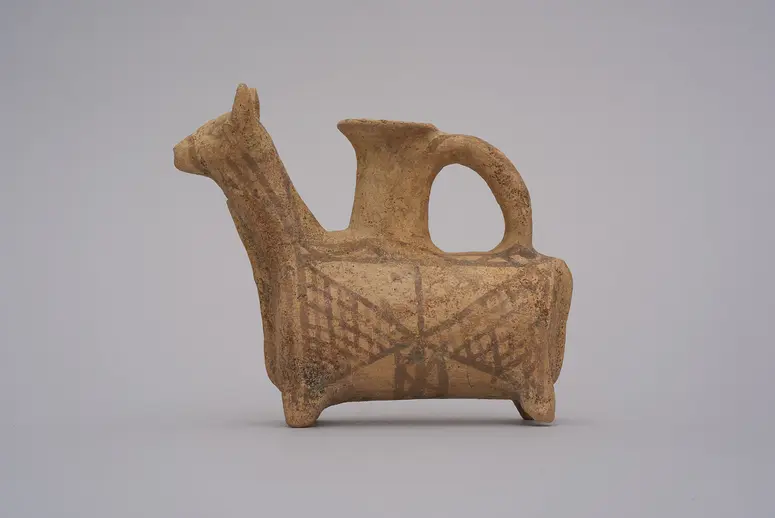
Askos in Stierform der Proto-White Painted Ware: Form eines Stieres Zyprisch, Bronzezeit, Spätzyprisch 1125 - 1050 v. Chr.
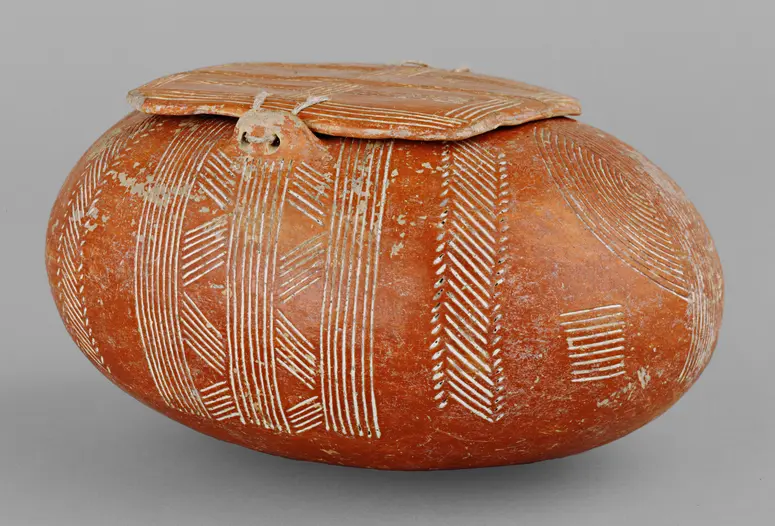
Deckelbüchse (Pyxis) der Red Polished III Ware: Ritzdekor Zyprisch, Bronzezeit, Früh- bis Mittelzyprisch 2000 - 1800 v. Chr.
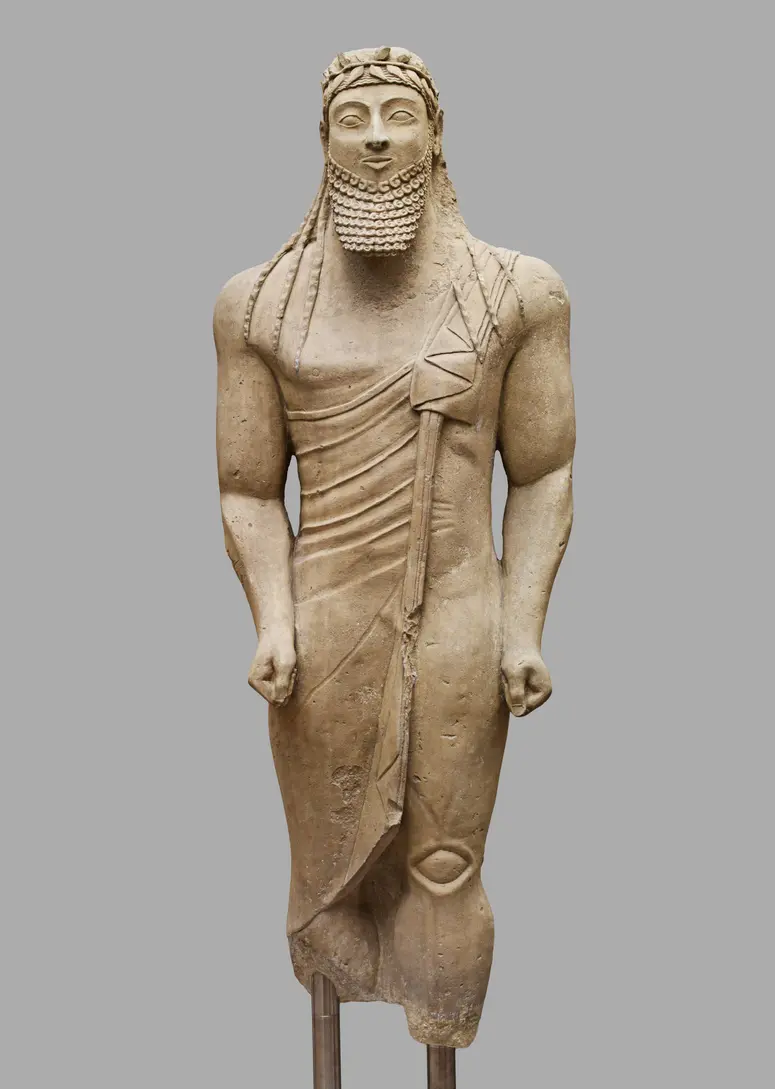
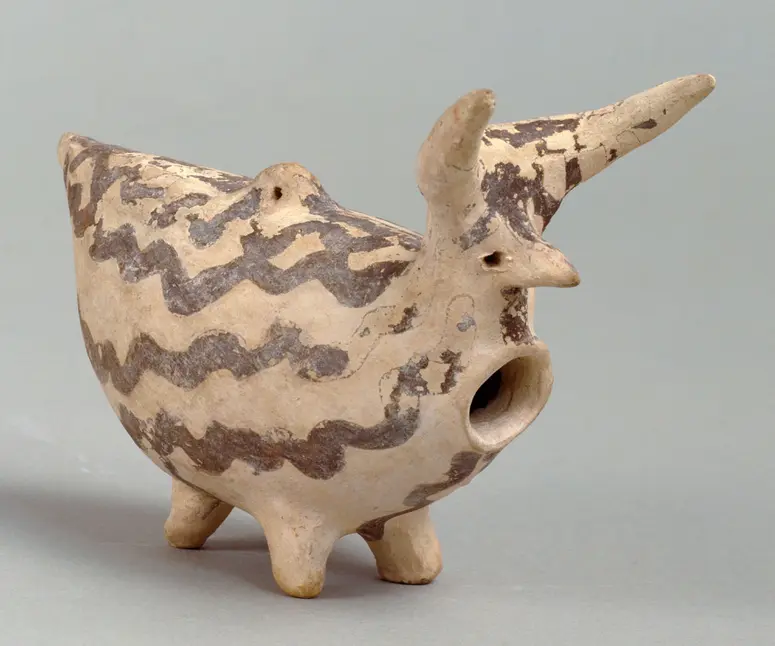
Askos der White Painted Ware: Form eines Stieres Zyprisch, Bronzezeit, Mittelzyprisch 1725 - 1600 v. Chr.
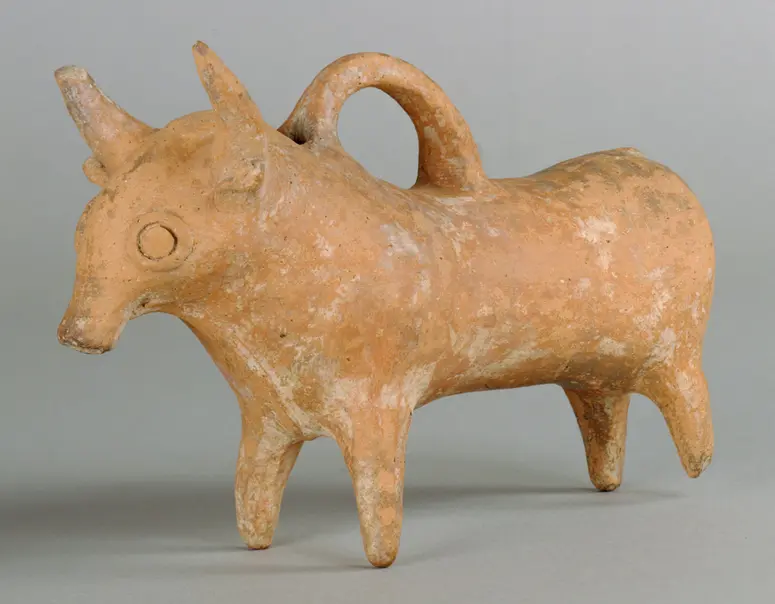
Rhyton der Base-Ring II Ware: Form eines Stieres Zyprisch, Bronzezeit, Spätzyprisch 1450 - 1200 v. Chr.
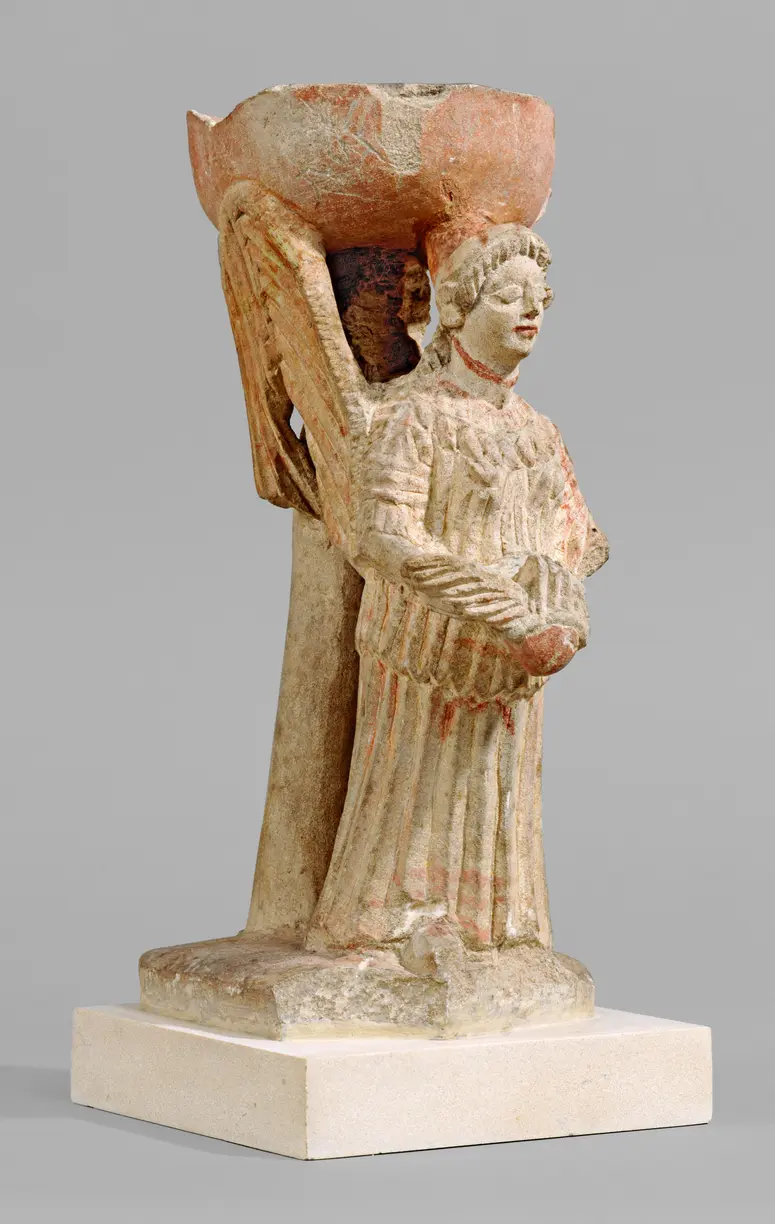
Räuchergefäß: Flügelfrau mit Räucherbecken Zyprisch, Eisenzeit, archaisch 1. Viertel 5. Jh. v. Chr.
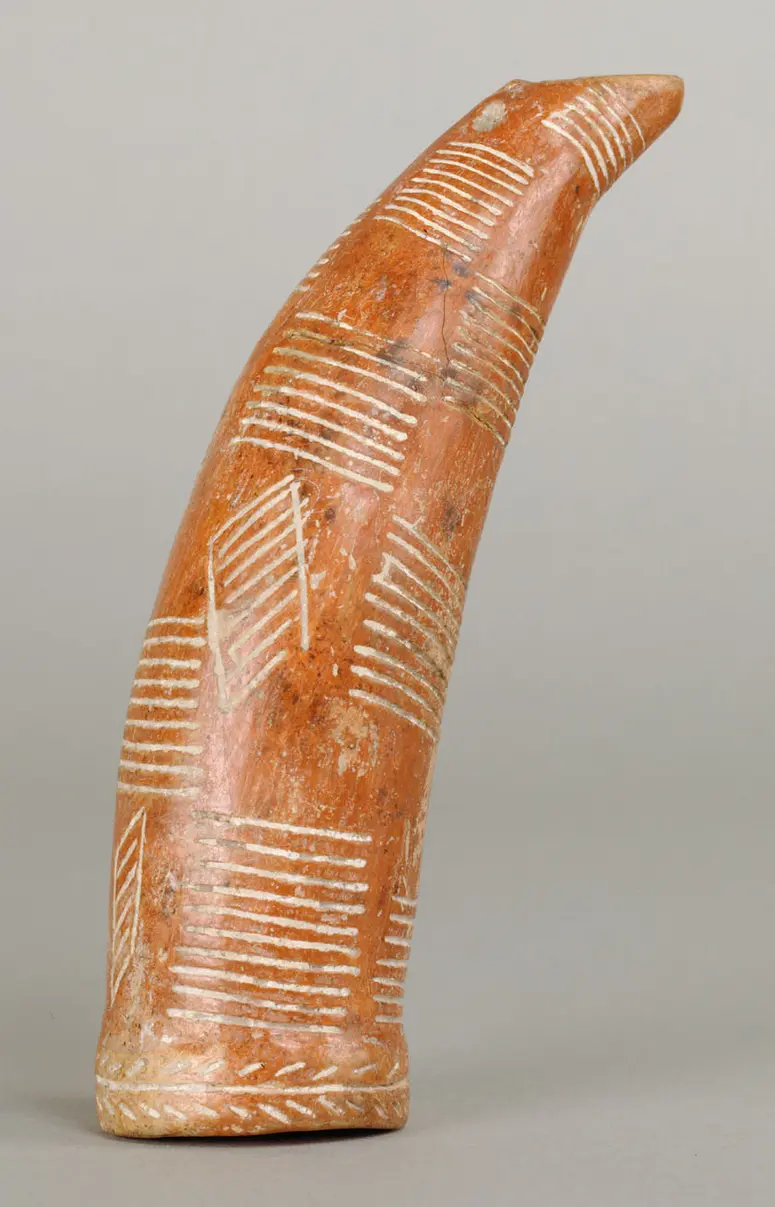
Hornförmiges Gefäß der Red Polished III Ware: Ritzdekor Zyprisch, Bronzezeit, Früh- bis Mittelzyprisch 2000 - 1800 v. Chr.
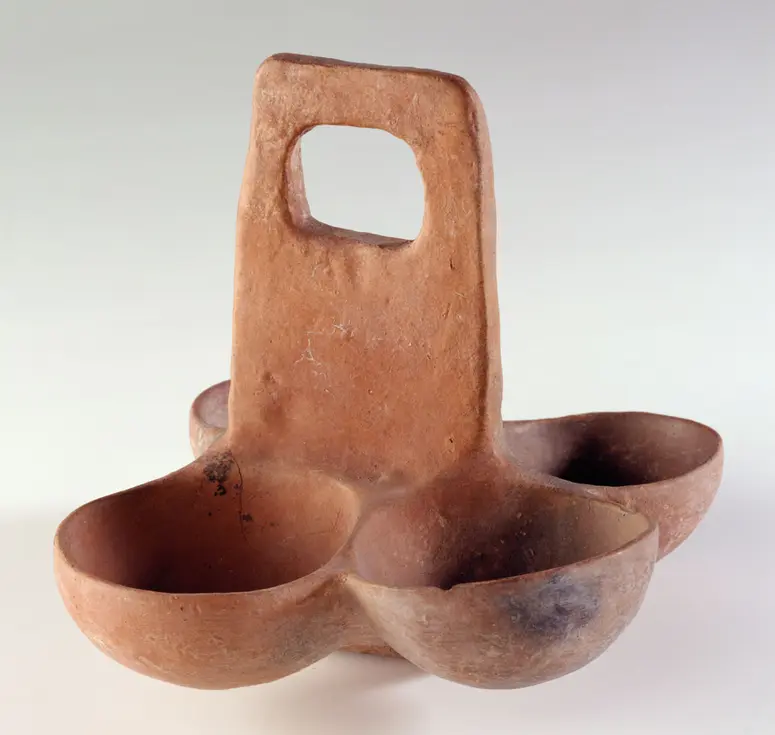
Kompositgefäß der Base-Ring I Ware (?): Halbkugelförmige Schalen Zyprisch, Bronzezeit, Spätzyprisch 1625 - 1450 v. Chr.
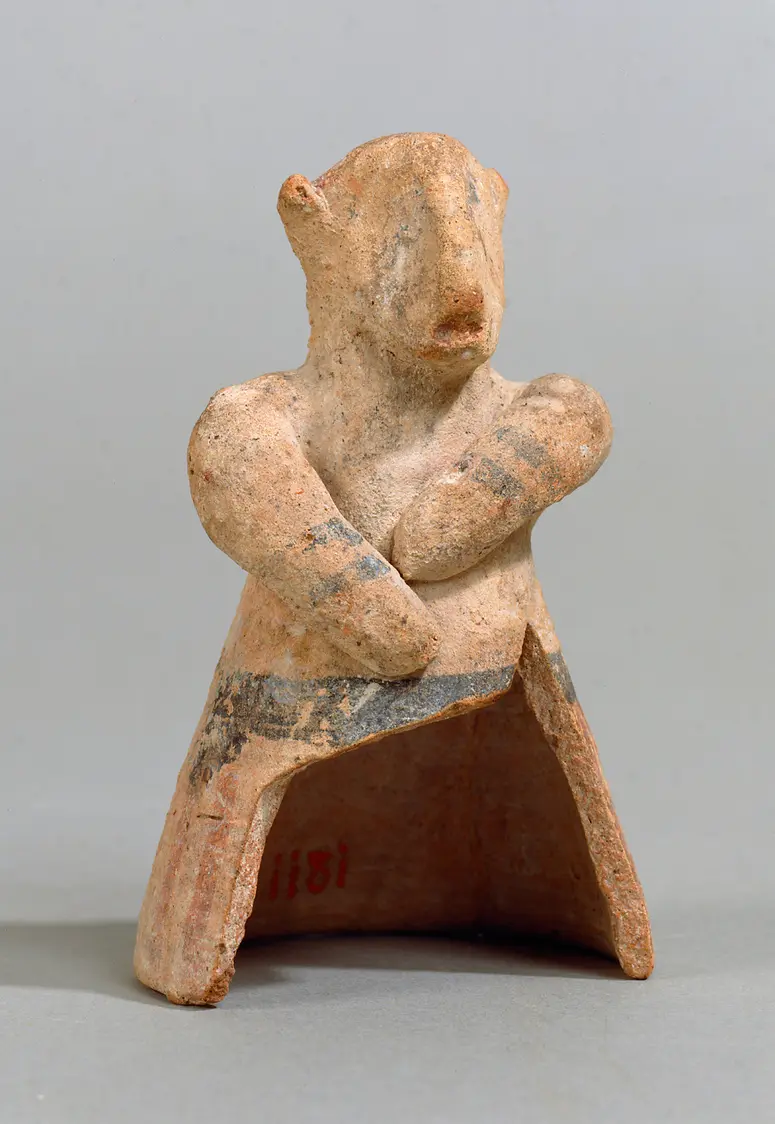
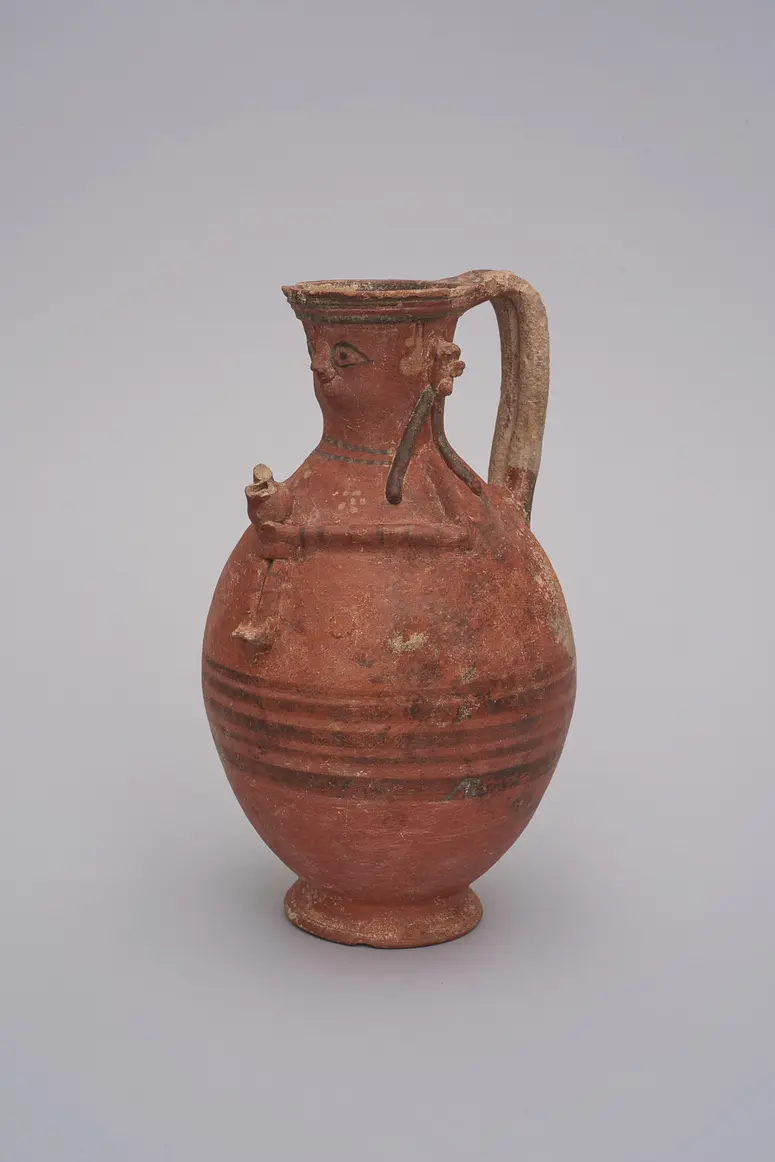
Kanne der Bichrome Red II (V) Ware: Anthropomorphe Form Zyprisch, Eisenzeit, archaisch 6. Jh. v. Chr.
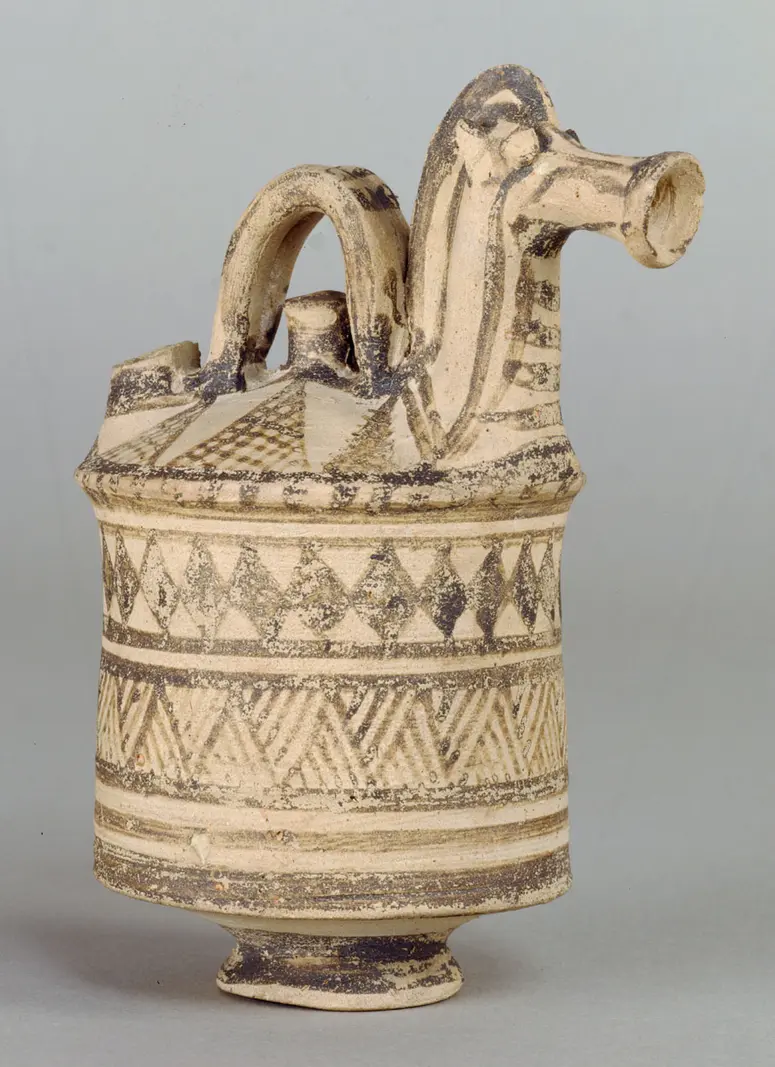
Askos der Proto-White Painted Ware: Pferdekopfprotome Zyprisch, Bronzezeit, Spätzyprisch 1125 - 1050 v. Chr.
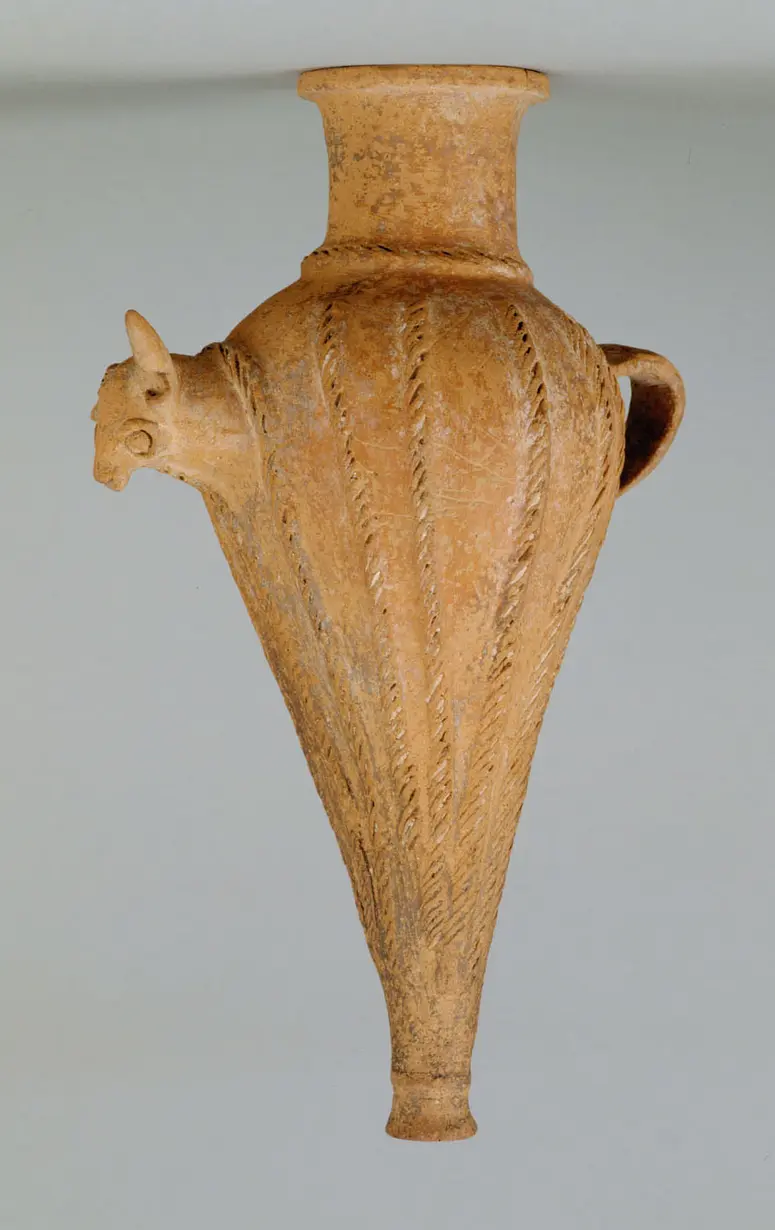
Trichter der Base-Ring I Ware: Stierkopfprotome Zyprisch, Bronzezeit, Spätzyprisch 1625 - 1450 v. Chr.
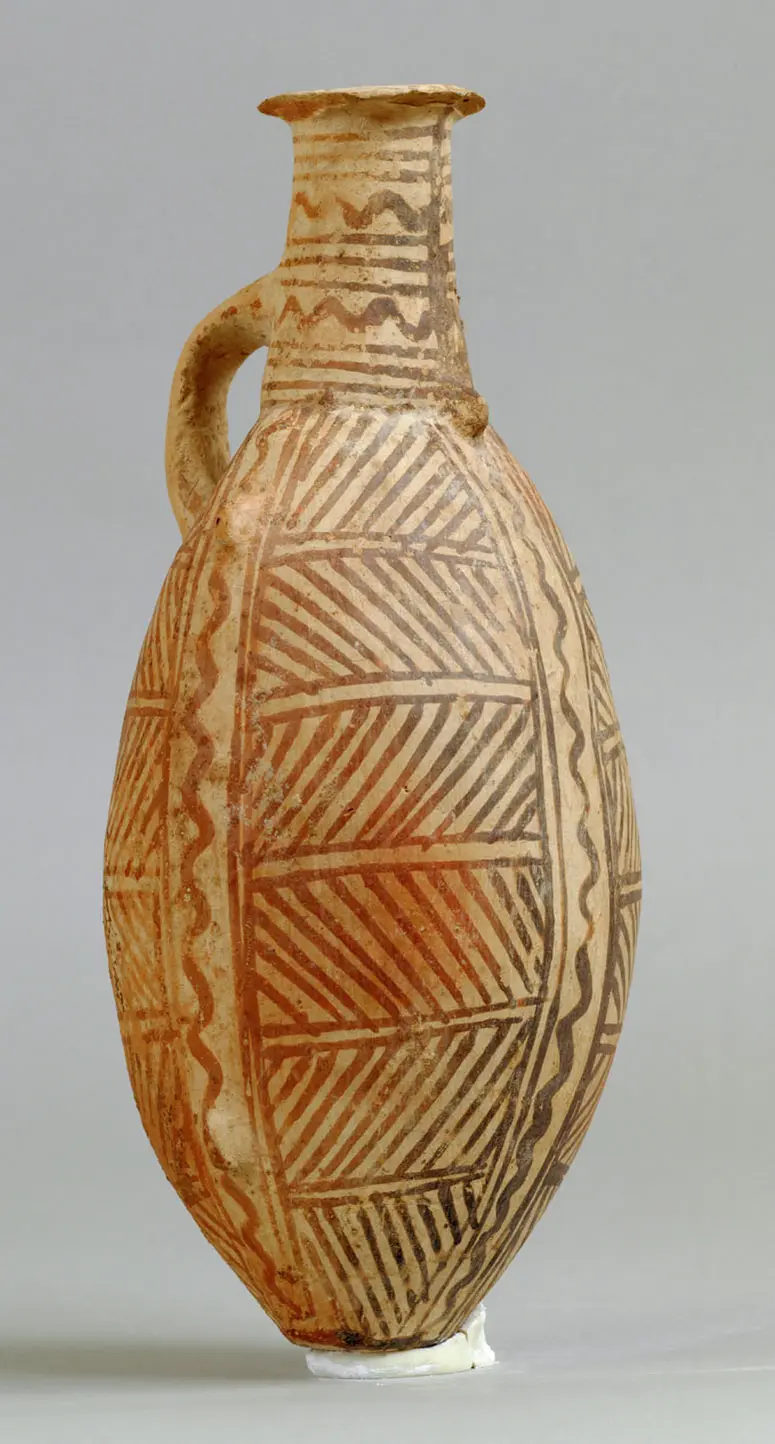
Flasche der White Painted IV Ware: Liniendekor Zyprisch, Bronzezeit, Mittelzyprisch 1725 - 1625 v. Chr.
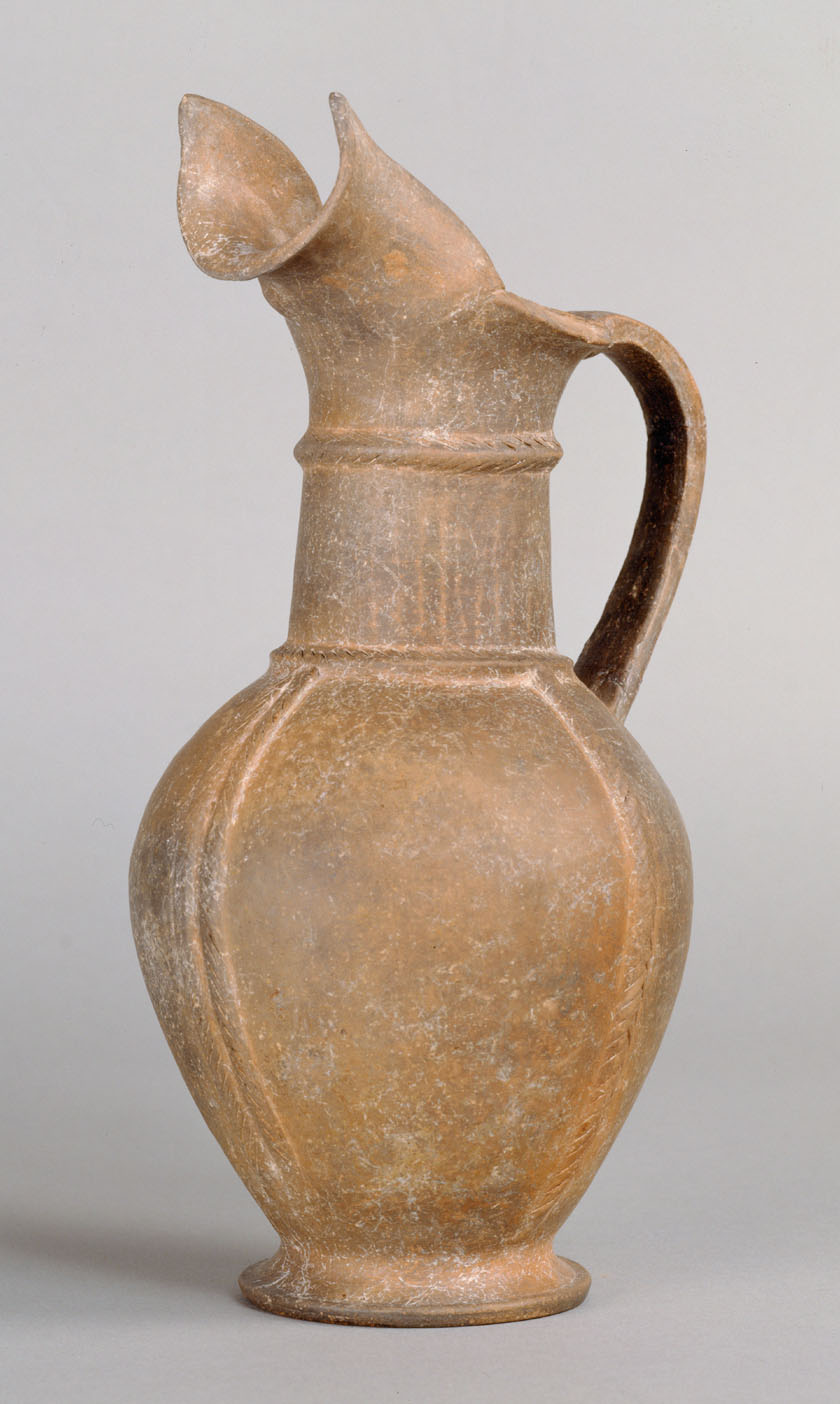
Schnabelkanne der Base-Ring I Ware: Bänder mit Ritzornamenten Zyprisch, Bronzezeit, Spätzyprisch 1625 - 1450 v. Chr.

Schnabelkanne der Red Polished III Ware: Doppelkonischer Gefäßkörper Zyprisch, Bronzezeit, Früh- bis Mittelzyprisch 2000 - 1800 v. Chr.
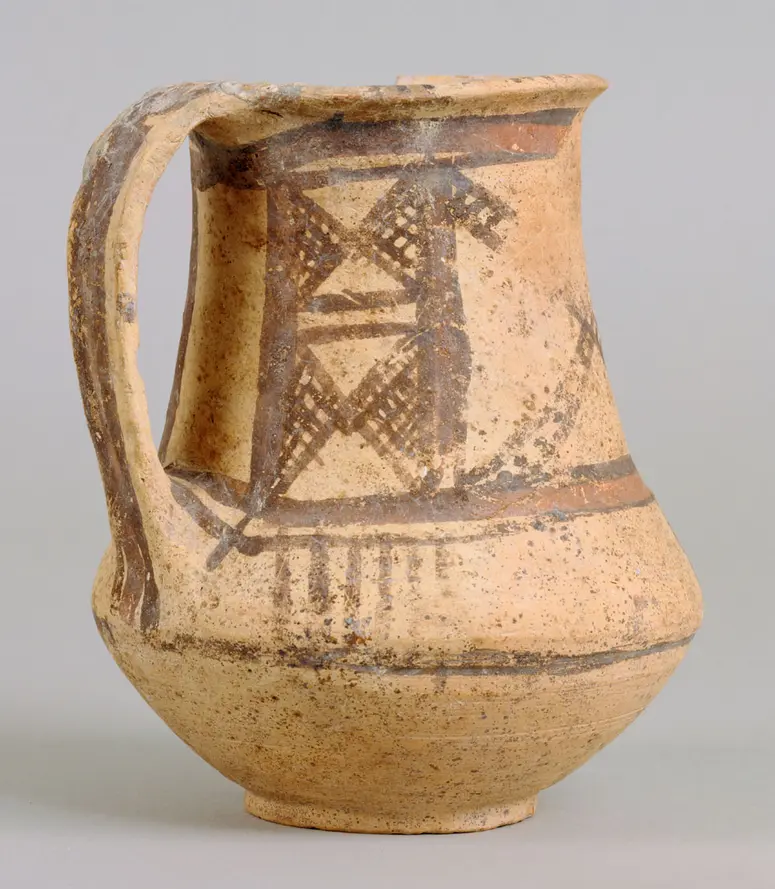
Henkelkrug der Bichrome Wheel-made Ware: Zweifarbige Ornamentik Zyprisch, Bronzezeit, Spätzyprisch 1625 - 1450 v. Chr.
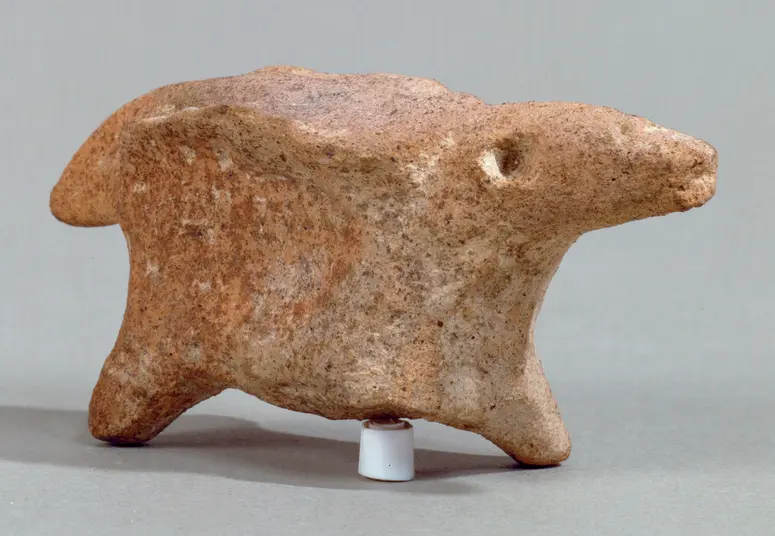
Statuette der Red Slip Ware: Tierfigur Zyprisch, Bronzezeit, Mittelzyprisch 1900 - 1800 v. Chr.
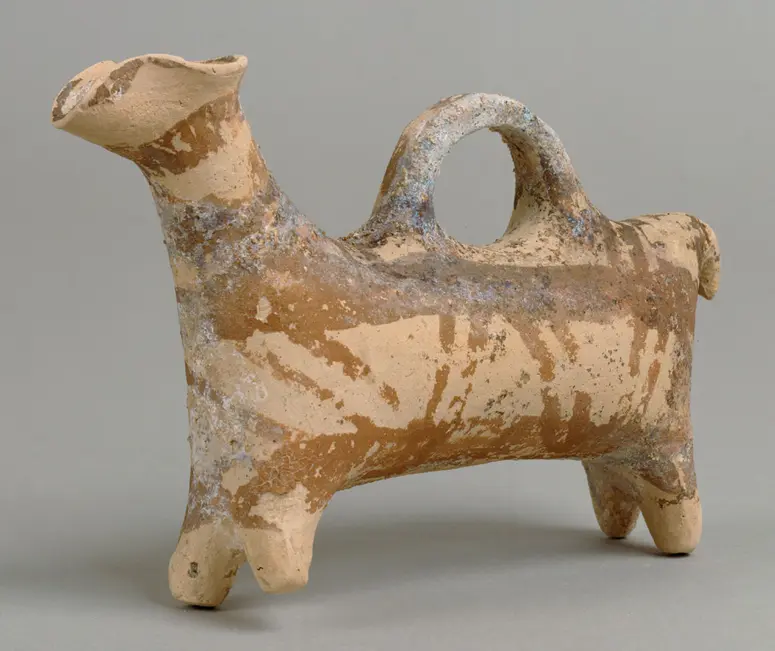
Askos der White Painted V Ware: Form eines Tieres Zyprisch, Bronzezeit, Mittelzyprisch 1725 - 1600 v. Chr.