Ritzdekor
2000 - 1800 v. Chr.
The oval spherical-depressed body of the lidded box (pyxis) with flattened bottom has an oval opening on top with the rim slightly curved inwards. On the shoulder there are two vertical knobs, each with two horizontal holes for attaching a lid. The rectangular, flat lid with rounded edges has two holes on each of its long sides. Along both narrow sides there is an incised decoration with a vertical band of ten and eleven parallel lines respectively, surrounded by fourteen concentric semi-circles on either side with a dot in the middle. Along both long sides run three vertical bands with seven parallel lines; in between are two vertical rows of transversal, opposing zigzag line groups (six lines each). At the edge of each long side is a vertical transversally stroked band, framed by vertical, small rows of strokes. At the transition between the long and narrow sides, one group of eight short, straight, horizontal lines on either side. On the lid a linear ornament with parallel lines along the whole long side (rims, middle), in the interstices, vertical and horizontal groups of lines alternately. The lidded box discovered in 1885 in a tomb at Ayia Paraskevi belongs to the type of pottery characteristic of the red polished ware II, which is substantiated primarily by tomb finds at Vounos. The oval pyxides, the forms of which can presumably be ascribed to Neolithic stone vessels of the Khirokitia culture, present incised decorations throughout. Some vessels have top decorations in the form of human beings or animals.
A. Bernhard-Walcher u.a., Die Sammlung zyprischer Antiken im KHM. Sammlungskataloge des KHM Bd. 2, Wien 1999
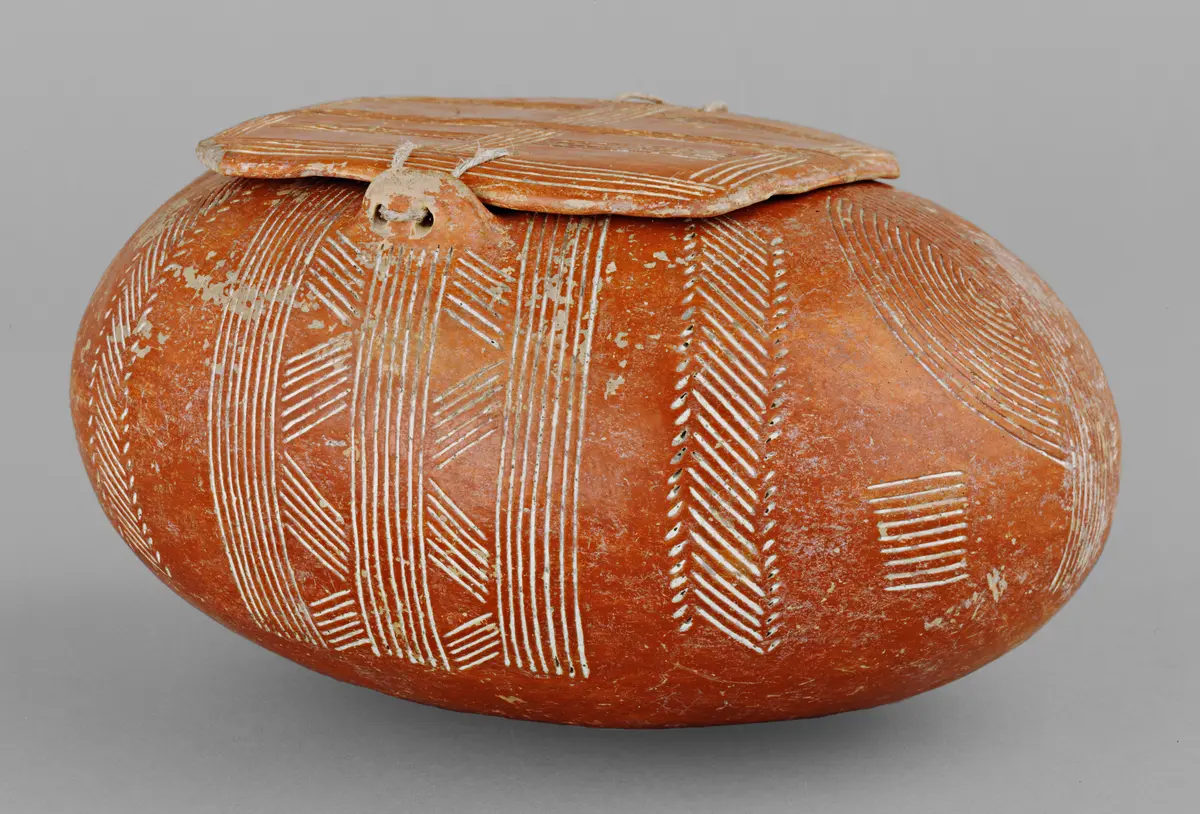
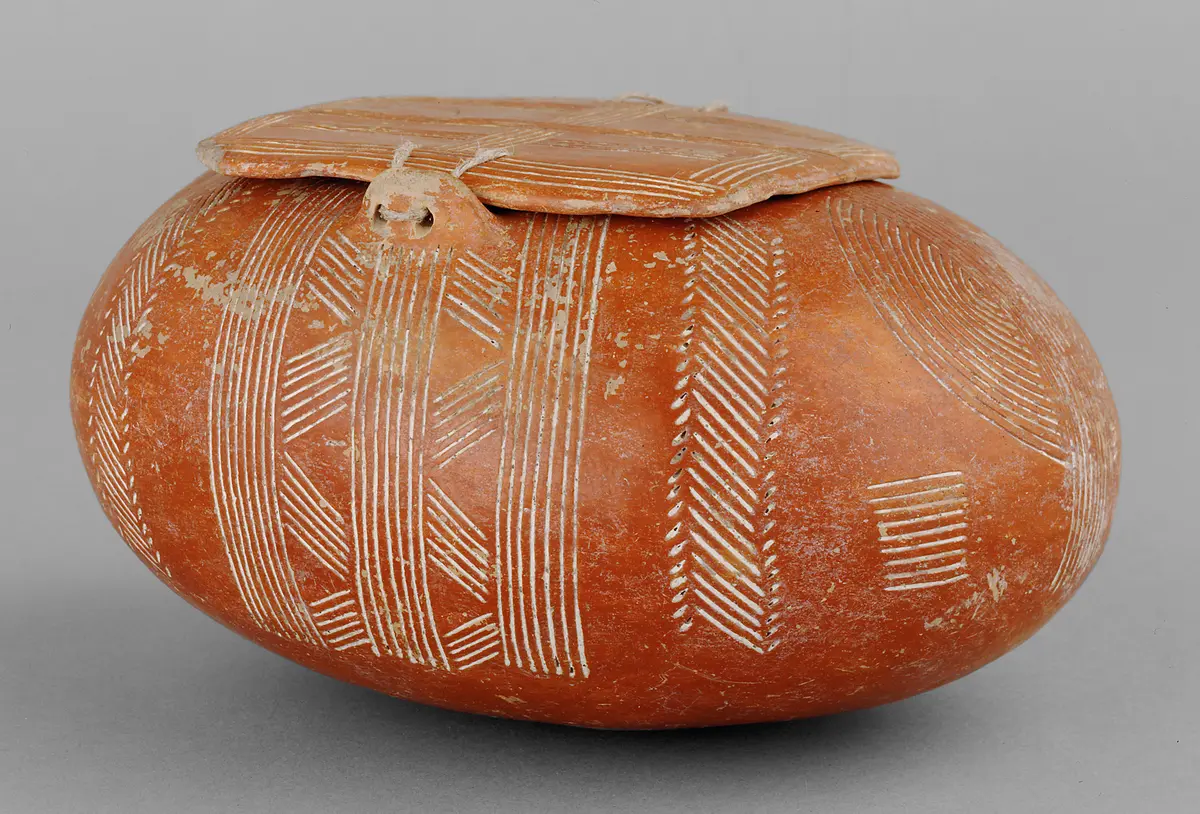
The oval spherical-depressed body of the lidded box (pyxis) with flattened bottom has an oval opening on top with the rim slightly curved inwards. On the shoulder there are two vertical knobs, each with two horizontal holes for attaching a lid. The rectangular, flat lid with rounded edges has two holes on each of its long sides. Along both narrow sides there is an incised decoration with a vertical band of ten and eleven parallel lines respectively, surrounded by fourteen concentric semi-circles on either side with a dot in the middle. Along both long sides run three vertical bands with seven parallel lines; in between are two vertical rows of transversal, opposing zigzag line groups (six lines each). At the edge of each long side is a vertical transversally stroked band, framed by vertical, small rows of strokes. At the transition between the long and narrow sides, one group of eight short, straight, horizontal lines on either side. On the lid a linear ornament with parallel lines along the whole long side (rims, middle), in the interstices, vertical and horizontal groups of lines alternately. The lidded box discovered in 1885 in a tomb at Ayia Paraskevi belongs to the type of pottery characteristic of the red polished ware II, which is substantiated primarily by tomb finds at Vounos. The oval pyxides, the forms of which can presumably be ascribed to Neolithic stone vessels of the Khirokitia culture, present incised decorations throughout. Some vessels have top decorations in the form of human beings or animals.
A. Bernhard-Walcher u.a., Die Sammlung zyprischer Antiken im KHM. Sammlungskataloge des KHM Bd. 2, Wien 1999
Time:
2000 - 1800 v. Chr.
Object Name
Deckelbüchse (Pyxis) der Red Polished III Ware
Culture
Zyprisch
Location of discovery:
Ayia Paraskevi (Nikosia, Zypern)
Material/technology:
Ton hellgrau; Oberfläche außen geglättet; Überzug rotbraun, poliert, glänzend; Innenseite tongrundig. Ritzungen weiß eingelegt. Handgeformt
Dimensions:
H. 9,3 cm, L. 18,5 cm, B. 14,2 cm
Copyright
Kunsthistorisches Museum, Antikensammlung
Invs.
Antikensammlung, IV 1857
Provenance
Ohnefalsch-Richter, Max; 1895 Kauf
Browse more
Similar items you might be interested in
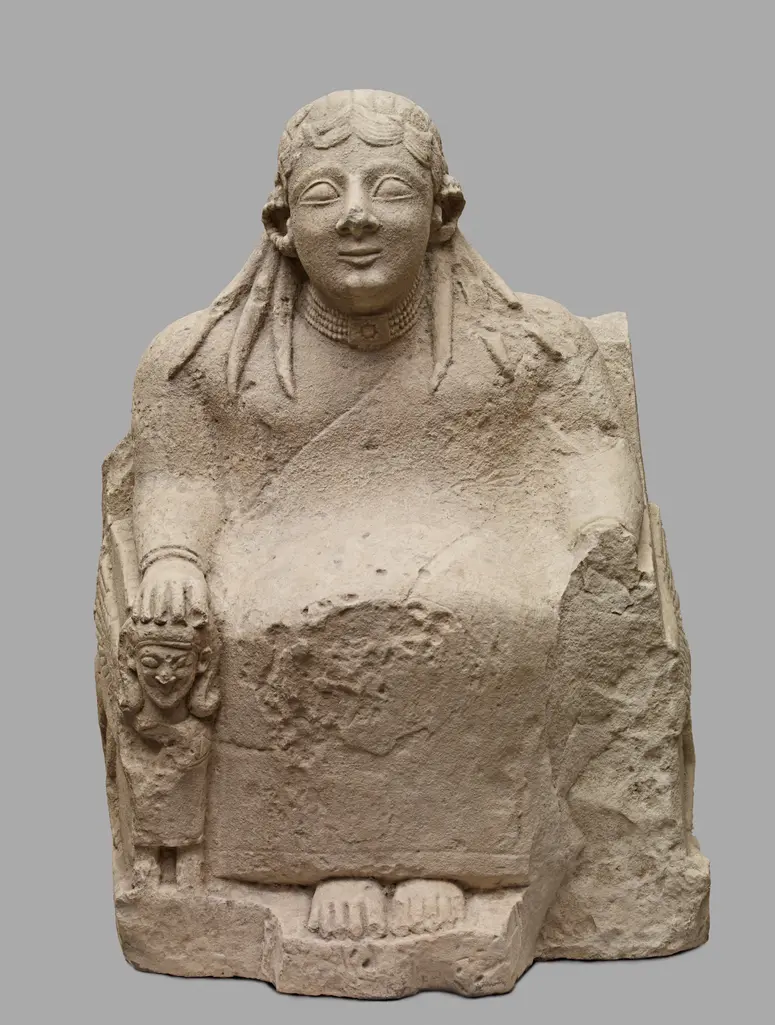
Statuette: Thronende Göttin (Astarte?) Zyprisch, Eisenzeit, archaisch 1. Hälfte 6. Jh. v. Chr.
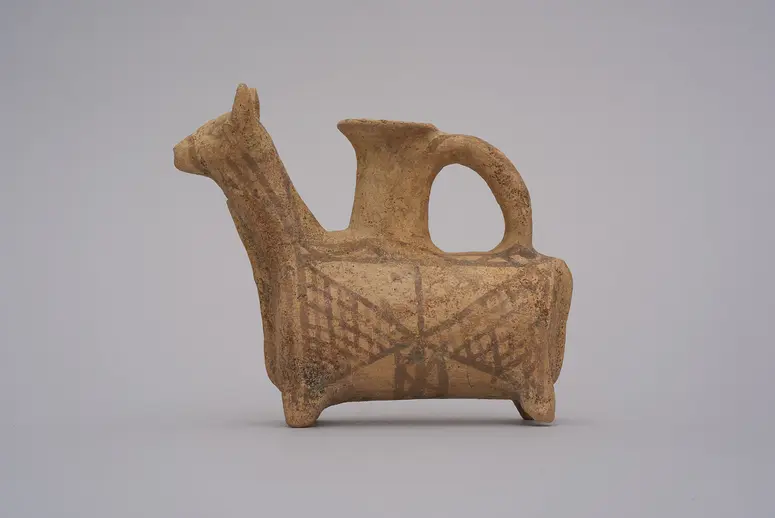
Askos in Stierform der Proto-White Painted Ware: Form eines Stieres Zyprisch, Bronzezeit, Spätzyprisch 1125 - 1050 v. Chr.
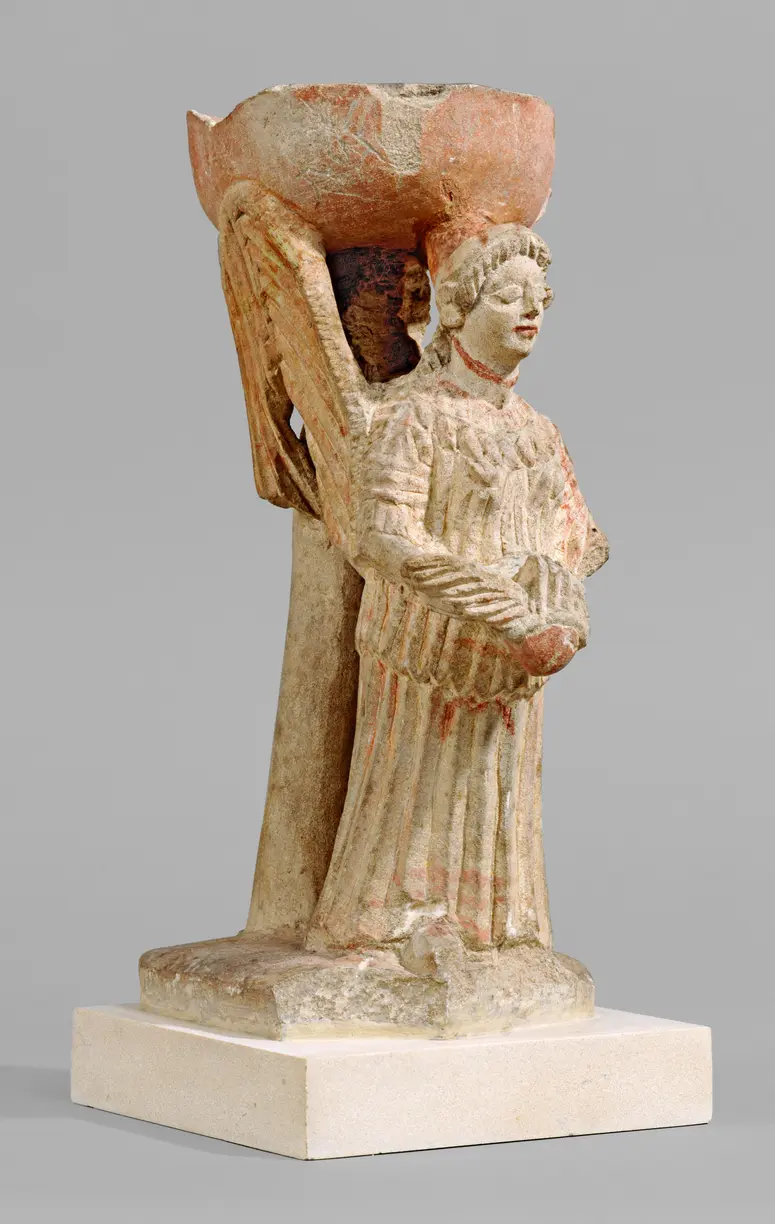
Räuchergefäß: Flügelfrau mit Räucherbecken Zyprisch, Eisenzeit, archaisch 1. Viertel 5. Jh. v. Chr.
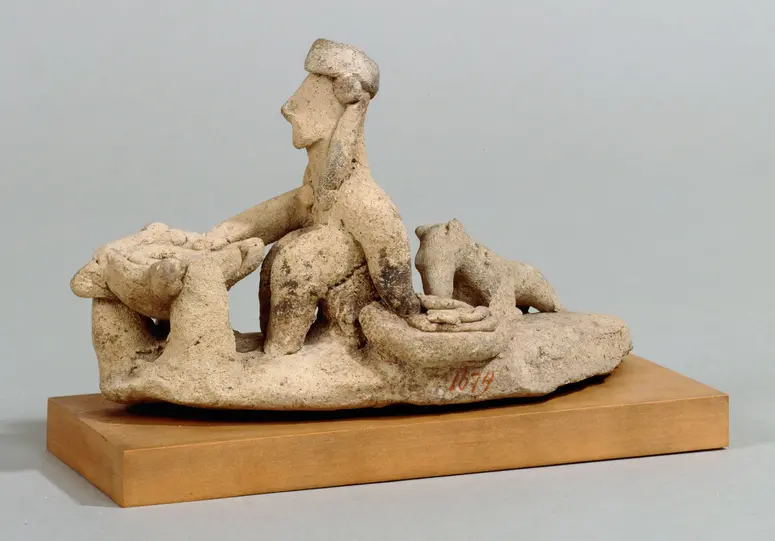
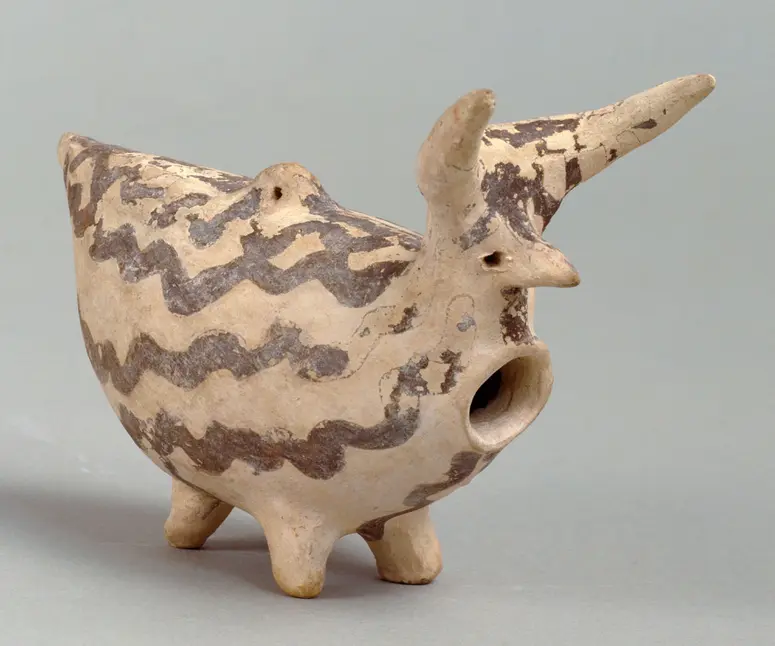
Askos der White Painted Ware: Form eines Stieres Zyprisch, Bronzezeit, Mittelzyprisch 1725 - 1600 v. Chr.
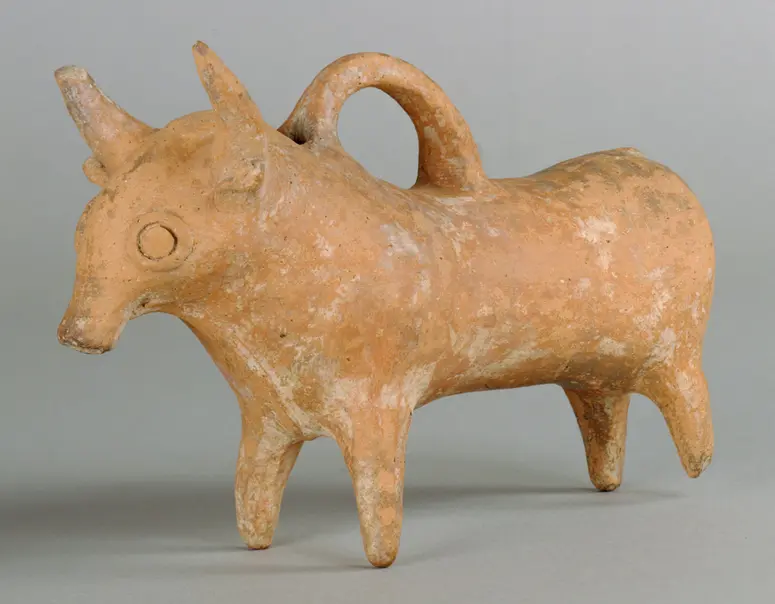
Rhyton der Base-Ring II Ware: Form eines Stieres Zyprisch, Bronzezeit, Spätzyprisch 1450 - 1200 v. Chr.
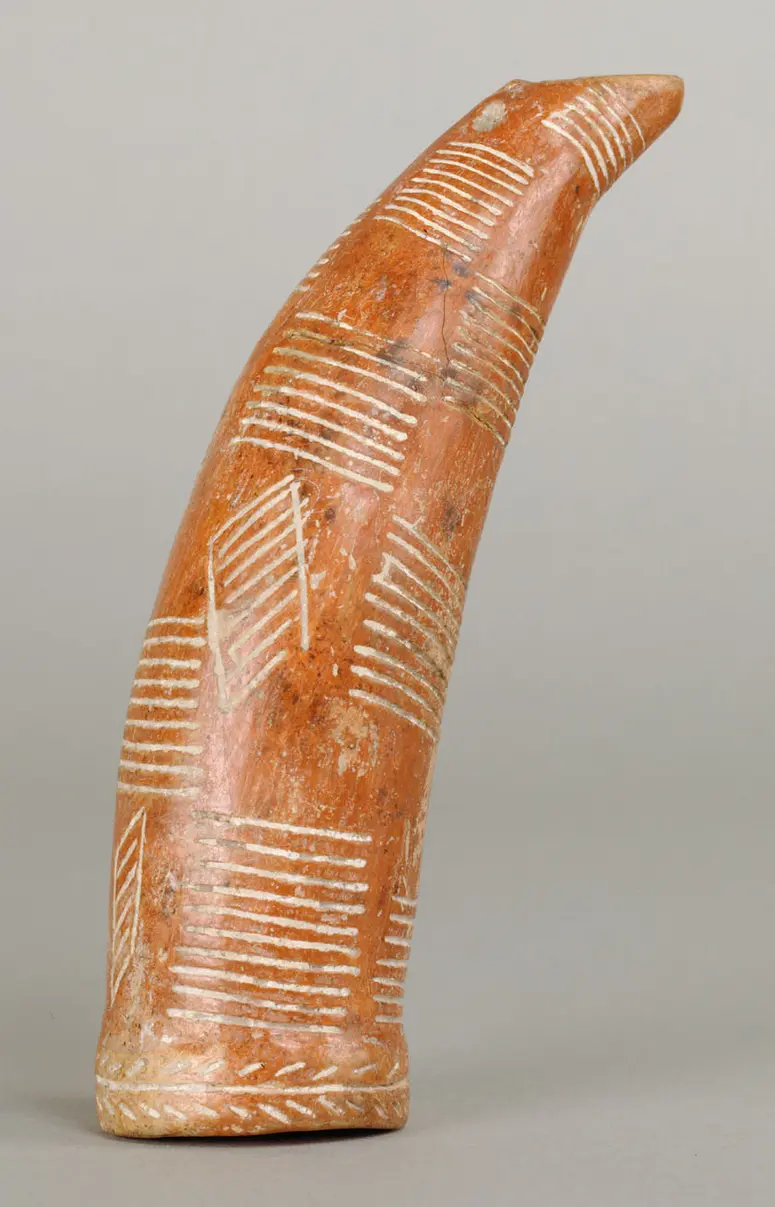
Hornförmiges Gefäß der Red Polished III Ware: Ritzdekor Zyprisch, Bronzezeit, Früh- bis Mittelzyprisch 2000 - 1800 v. Chr.
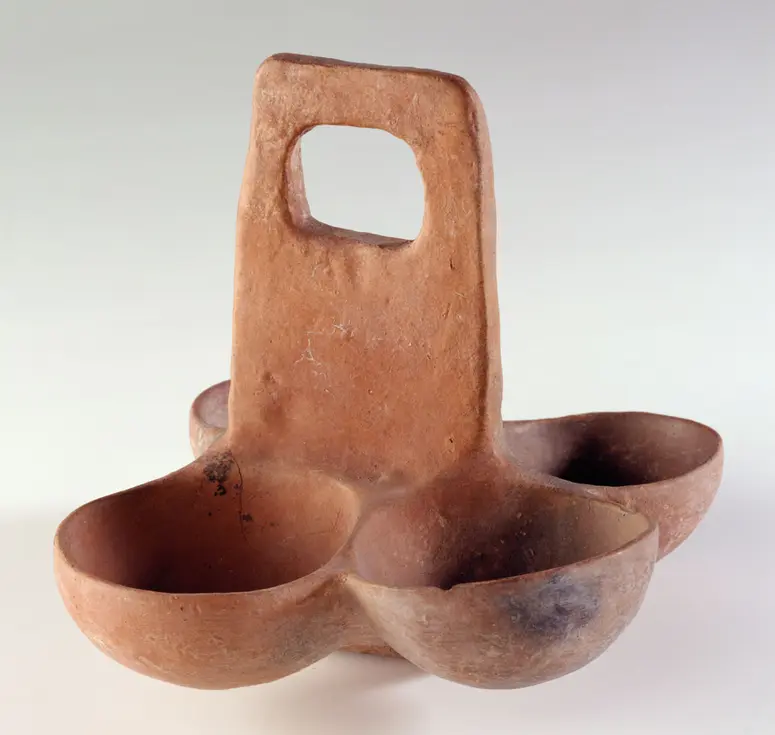
Kompositgefäß der Base-Ring I Ware (?): Halbkugelförmige Schalen Zyprisch, Bronzezeit, Spätzyprisch 1625 - 1450 v. Chr.
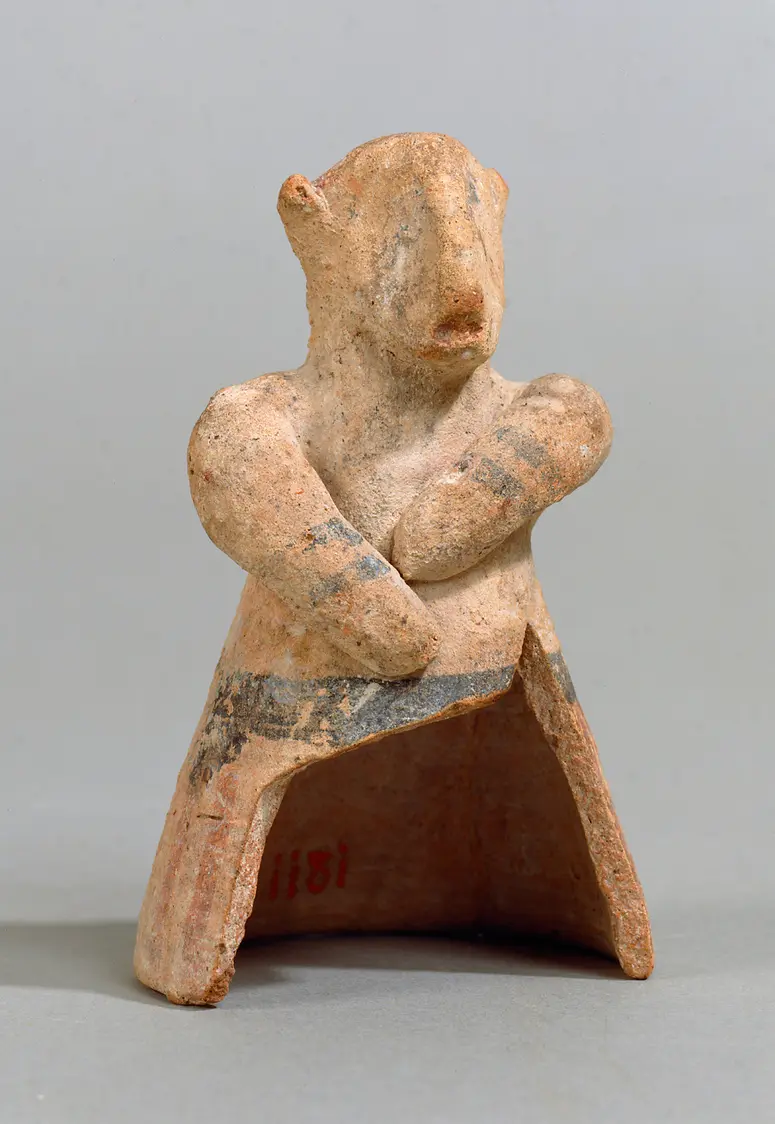
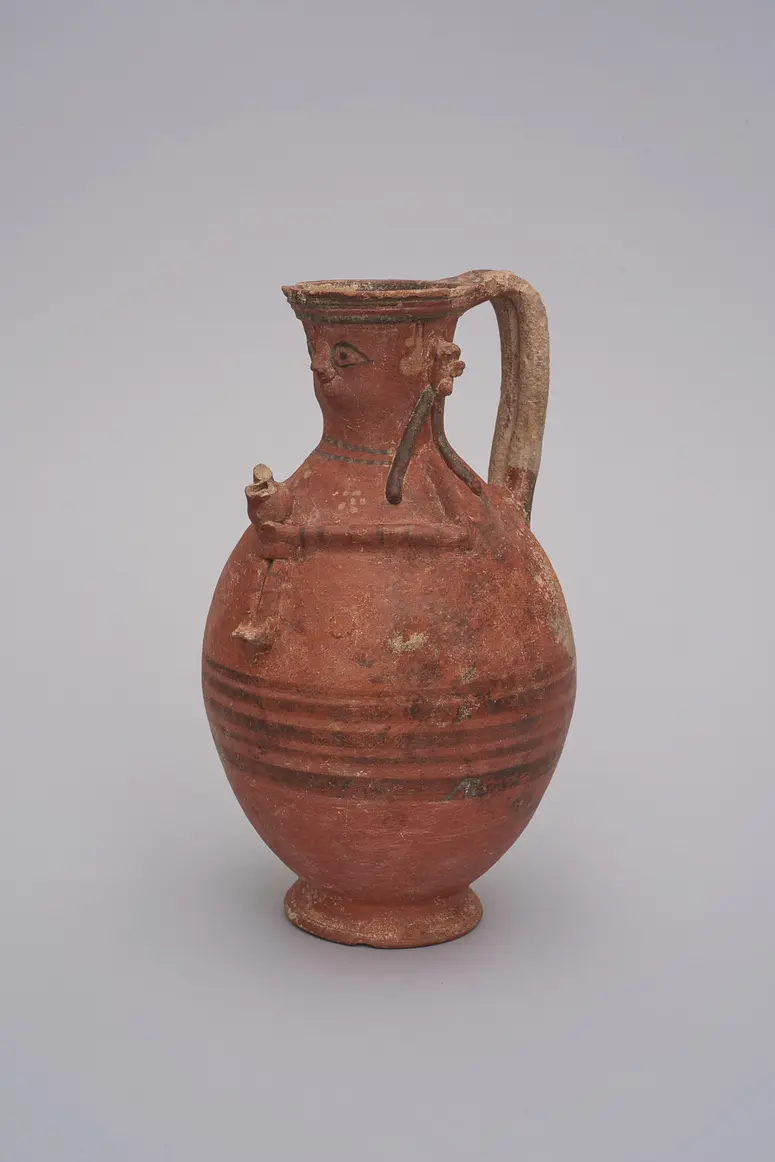
Kanne der Bichrome Red II (V) Ware: Anthropomorphe Form Zyprisch, Eisenzeit, archaisch 6. Jh. v. Chr.
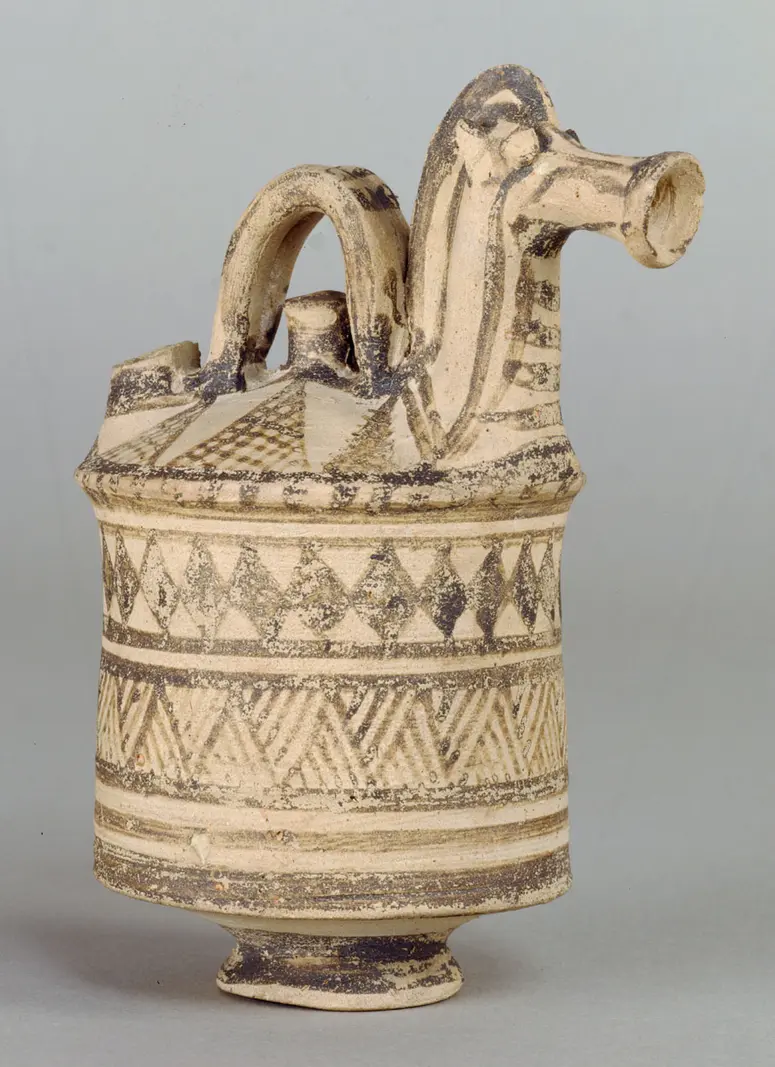
Askos der Proto-White Painted Ware: Pferdekopfprotome Zyprisch, Bronzezeit, Spätzyprisch 1125 - 1050 v. Chr.
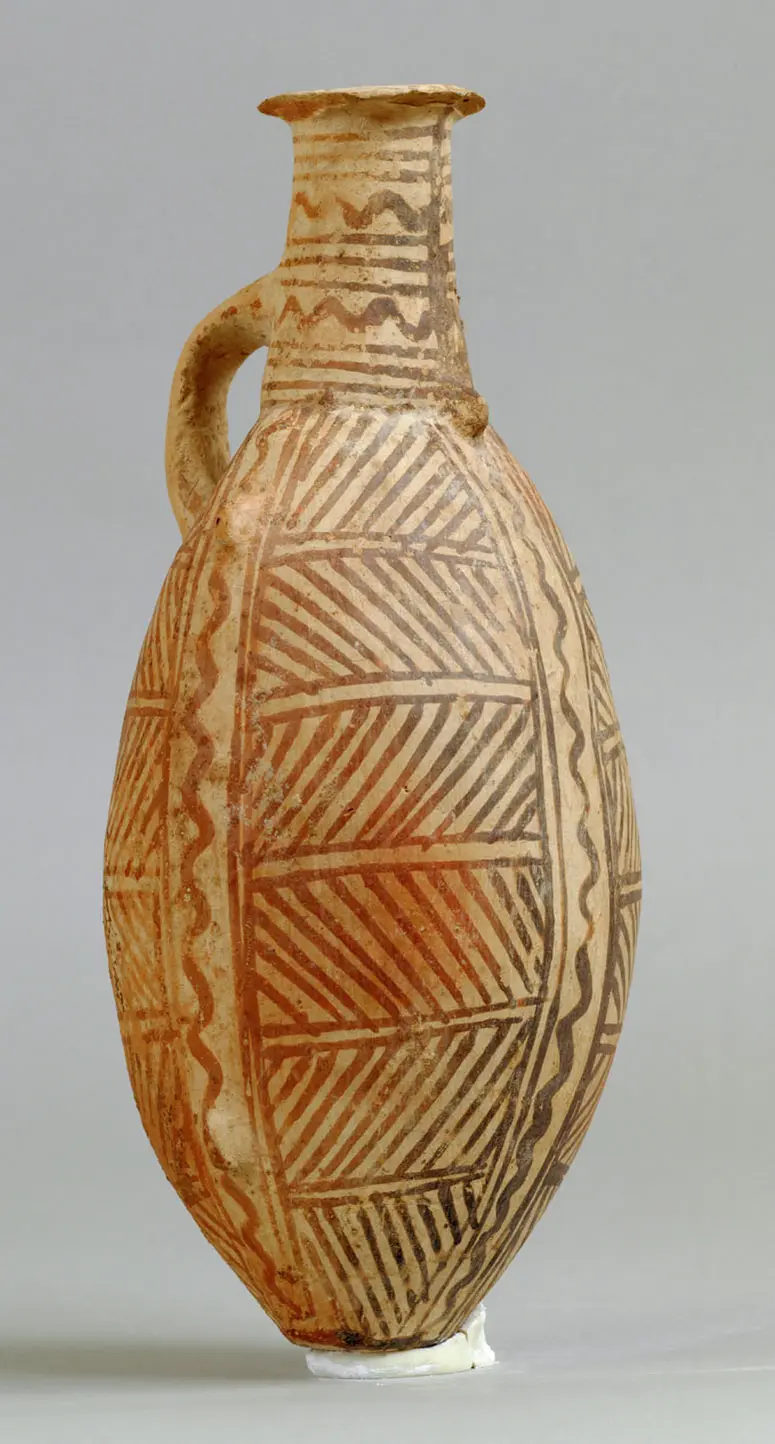
Flasche der White Painted IV Ware: Liniendekor Zyprisch, Bronzezeit, Mittelzyprisch 1725 - 1625 v. Chr.
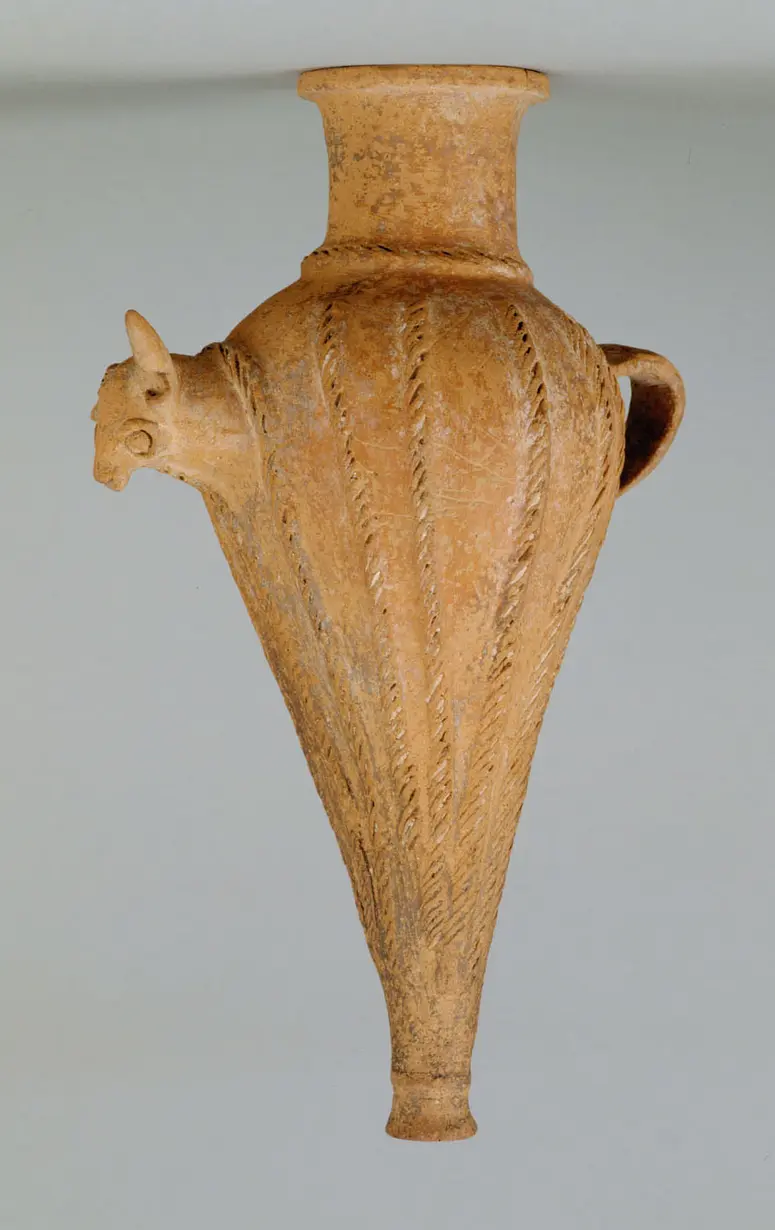
Trichter der Base-Ring I Ware: Stierkopfprotome Zyprisch, Bronzezeit, Spätzyprisch 1625 - 1450 v. Chr.
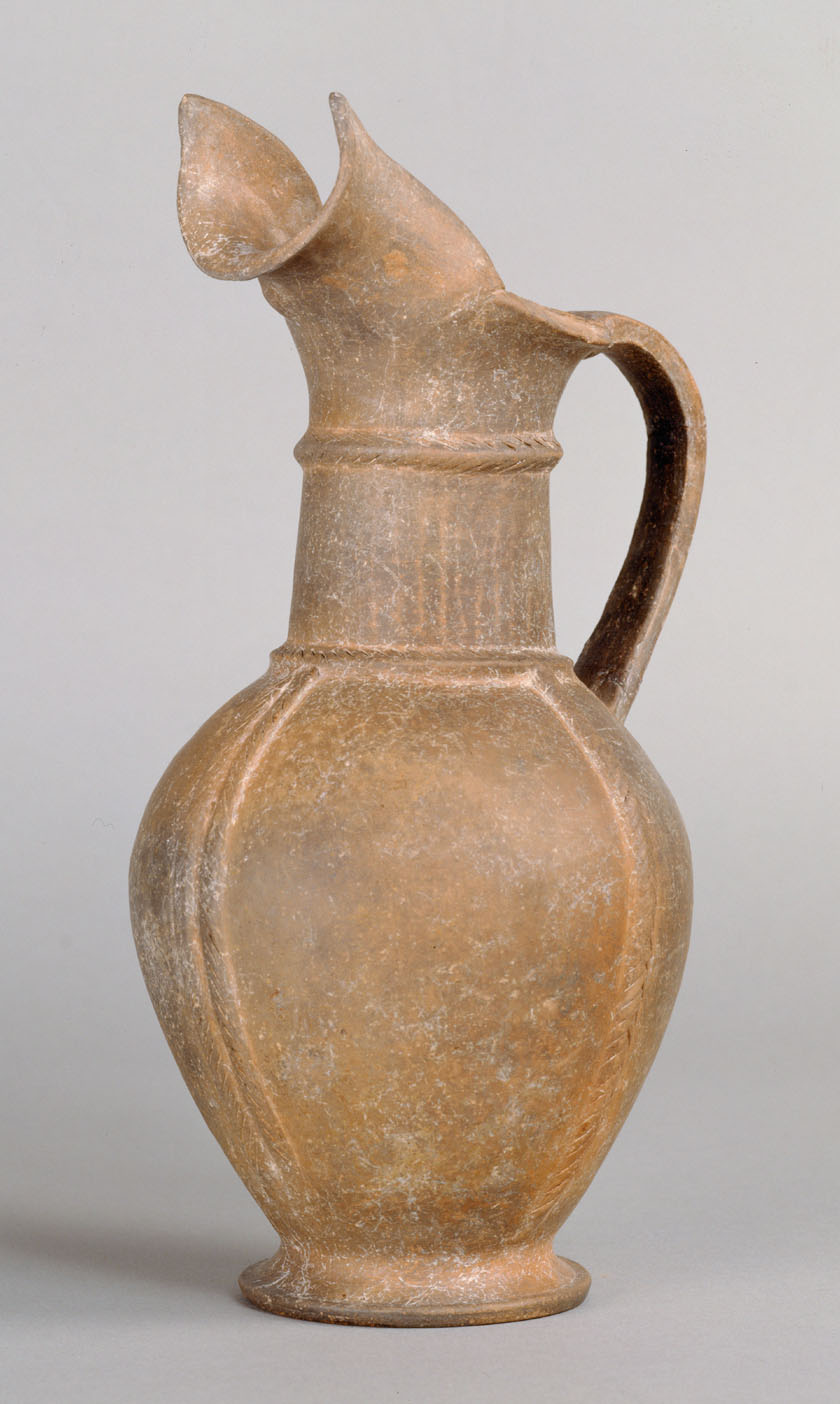
Schnabelkanne der Base-Ring I Ware: Bänder mit Ritzornamenten Zyprisch, Bronzezeit, Spätzyprisch 1625 - 1450 v. Chr.
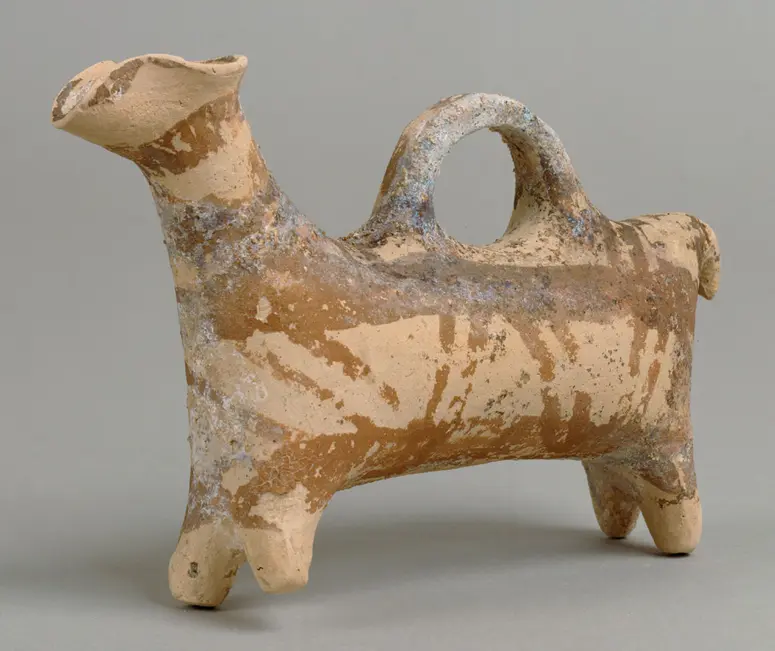
Askos der White Painted V Ware: Form eines Tieres Zyprisch, Bronzezeit, Mittelzyprisch 1725 - 1600 v. Chr.

Schnabelkanne der Red Polished III Ware: Doppelkonischer Gefäßkörper Zyprisch, Bronzezeit, Früh- bis Mittelzyprisch 2000 - 1800 v. Chr.
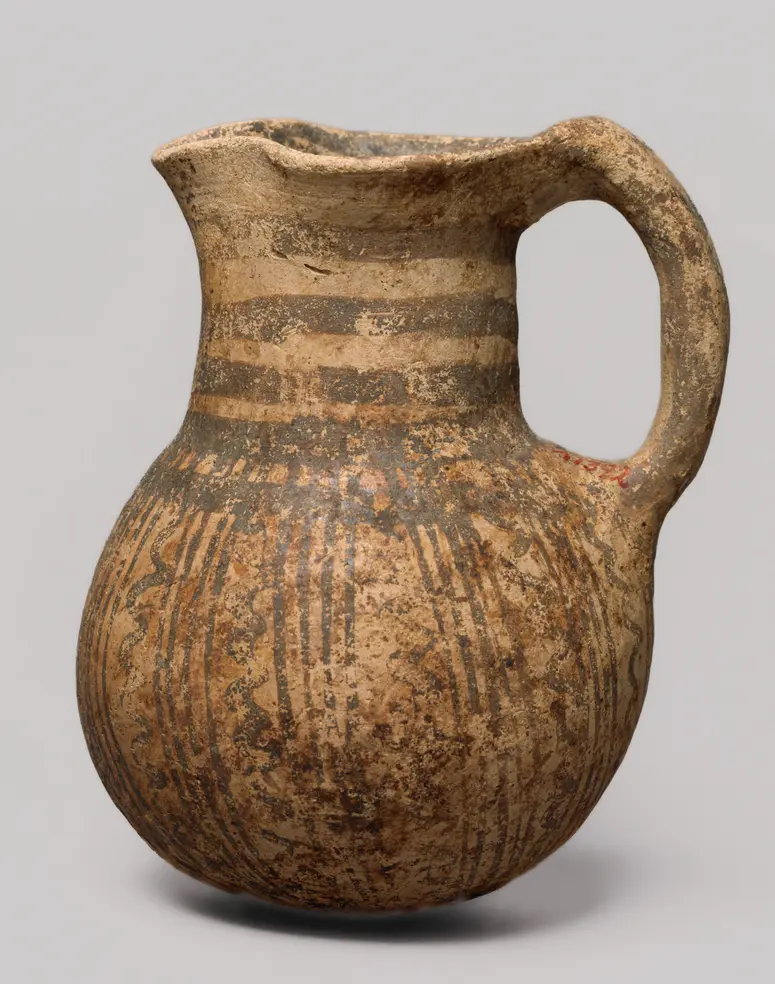
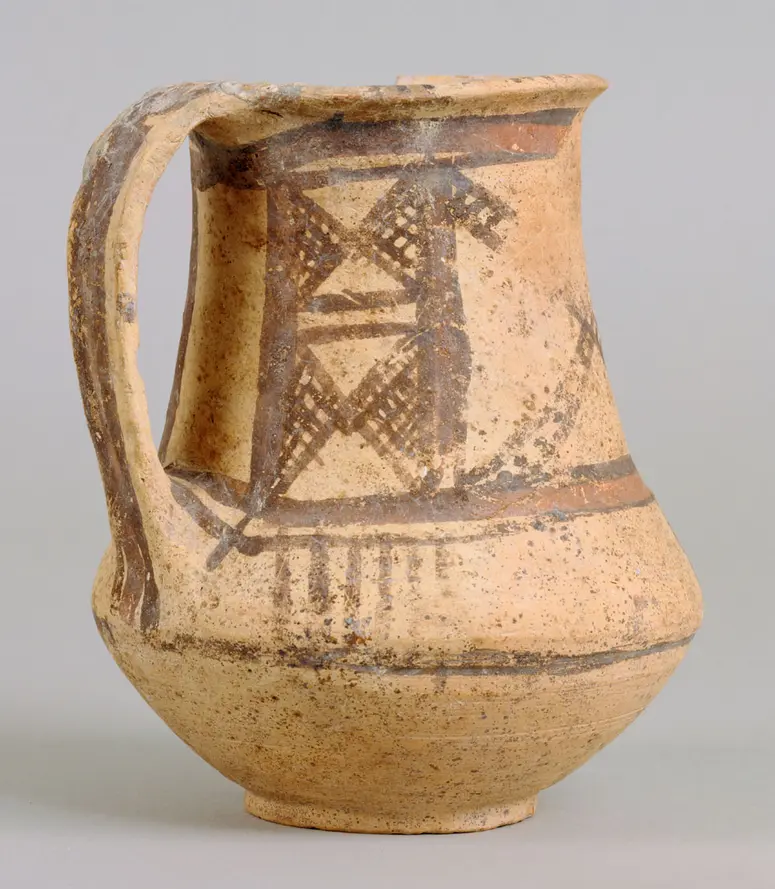
Henkelkrug der Bichrome Wheel-made Ware: Zweifarbige Ornamentik Zyprisch, Bronzezeit, Spätzyprisch 1625 - 1450 v. Chr.