Liniendekor
1725 - 1625 v. Chr.
This flask is of a type common during the Middle Bronze Age and because of its characteristic decoration is classified as white painted ware IV. The flask has an oblong, oval body with a small, slightly convex base and a carinated, short, conical neck with spreading funnel mouth. A vertical band handle extends from the shoulder to the lower part of the neck; on the opposite side of the base of the neck is a knob. On each of the narrow sides of the body are two more knobs.Dark-brown painted decoration: the body is separated into four fields by axially arranged, vertically framed wavy lines. In each of the fields are six horizontal strips of transversal hatching in alternate directions, each strip separated by two parallel, horizontal lines. The bottom edge is outlined. On the neck are three groups of three parallel horizontal lines, separated by single wavy lines, which on the front and back are cut by a vertical line. On the edge of the mouth circumambient zigzag line between simple parallel lines; on the top of the handle, double vertical zigzag line. The narrow sides of the handle and the tops of the knobs are outlined.
A. Bernhard-Walcher u.a., Die Sammlung zyprischer Antiken im KHM. Sammlungskataloge des KHM Bd. 2, Wien 1999
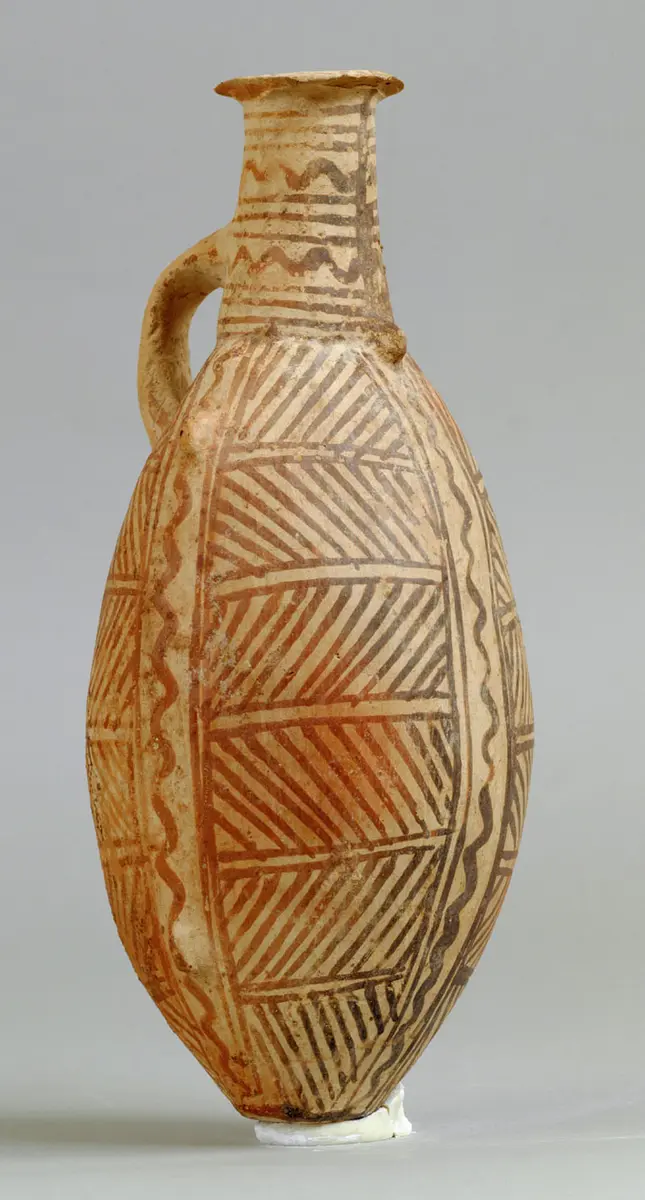
This flask is of a type common during the Middle Bronze Age and because of its characteristic decoration is classified as white painted ware IV. The flask has an oblong, oval body with a small, slightly convex base and a carinated, short, conical neck with spreading funnel mouth. A vertical band handle extends from the shoulder to the lower part of the neck; on the opposite side of the base of the neck is a knob. On each of the narrow sides of the body are two more knobs.Dark-brown painted decoration: the body is separated into four fields by axially arranged, vertically framed wavy lines. In each of the fields are six horizontal strips of transversal hatching in alternate directions, each strip separated by two parallel, horizontal lines. The bottom edge is outlined. On the neck are three groups of three parallel horizontal lines, separated by single wavy lines, which on the front and back are cut by a vertical line. On the edge of the mouth circumambient zigzag line between simple parallel lines; on the top of the handle, double vertical zigzag line. The narrow sides of the handle and the tops of the knobs are outlined.
A. Bernhard-Walcher u.a., Die Sammlung zyprischer Antiken im KHM. Sammlungskataloge des KHM Bd. 2, Wien 1999
Time:
1725 - 1625 v. Chr.
Object Name
Flasche der White Painted IV Ware
Culture
Zyprisch
Location of discovery:
Zypern
Material/technology:
Ton hellbraun; Überzug weiß bis hellgrau; Bemalung dunkelbraun. Handgeformt.
Dimensions:
H. 23,1 cm, B. 10,1 cm, T. 9,4 cm
Copyright
Kunsthistorisches Museum, Antikensammlung
Invs.
Antikensammlung, IV 4423
Provenance
Prähistorische Abteilung/NHM Wien; 1899 Kauf von C., Gerojannis; 1958 Tausch
Browse more
Similar items you might be interested in
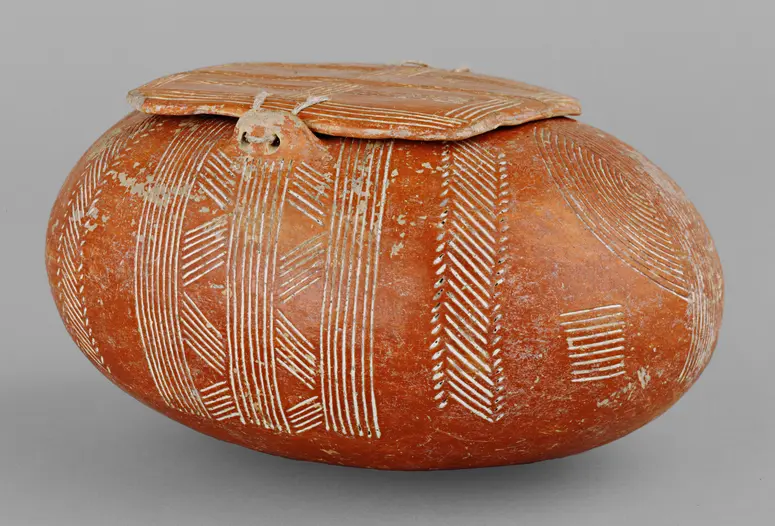
Deckelbüchse (Pyxis) der Red Polished III Ware: Ritzdekor Zyprisch, Bronzezeit, Früh- bis Mittelzyprisch 2000 - 1800 v. Chr.
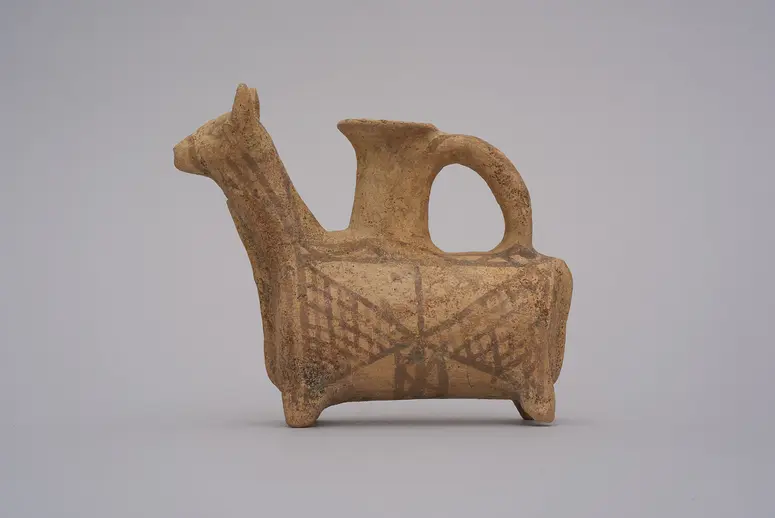
Askos in Stierform der Proto-White Painted Ware: Form eines Stieres Zyprisch, Bronzezeit, Spätzyprisch 1125 - 1050 v. Chr.
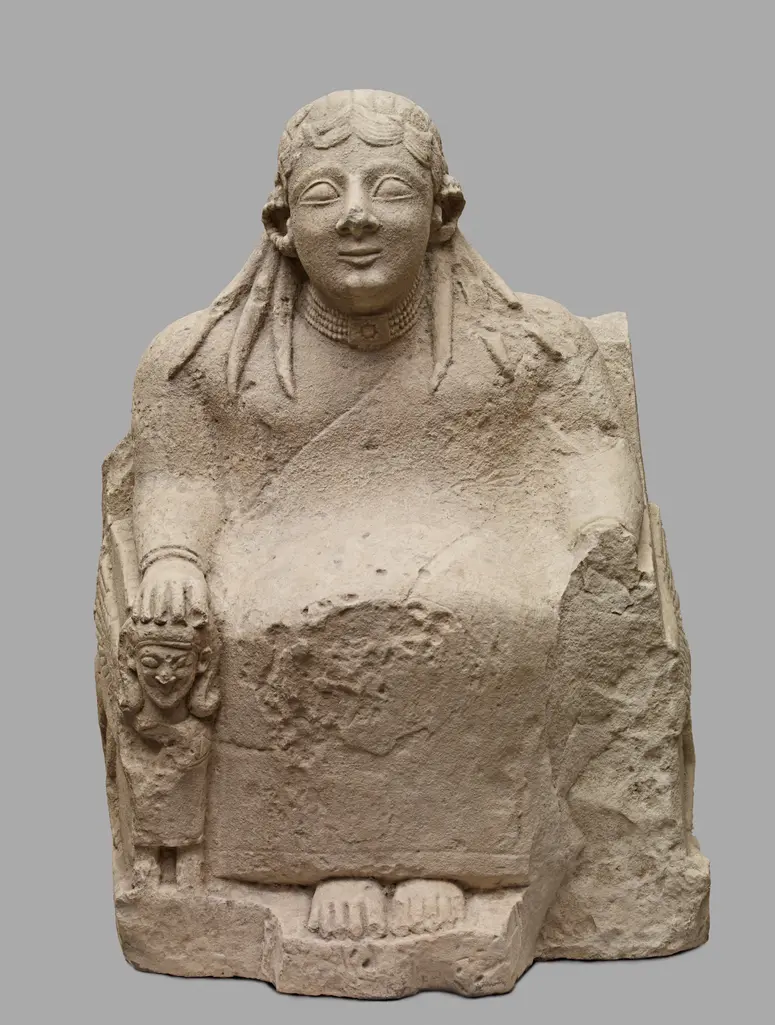
Statuette: Thronende Göttin (Astarte?) Zyprisch, Eisenzeit, archaisch 1. Hälfte 6. Jh. v. Chr.
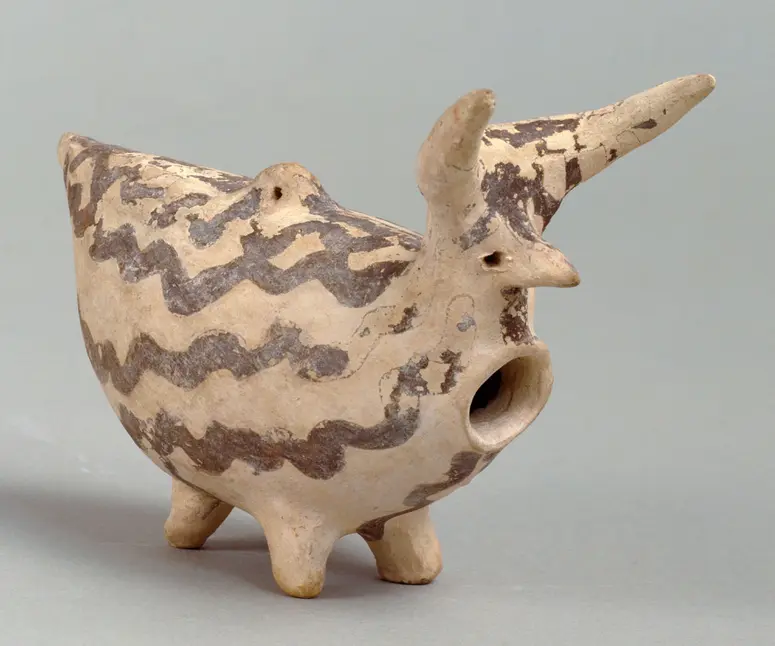
Askos der White Painted Ware: Form eines Stieres Zyprisch, Bronzezeit, Mittelzyprisch 1725 - 1600 v. Chr.
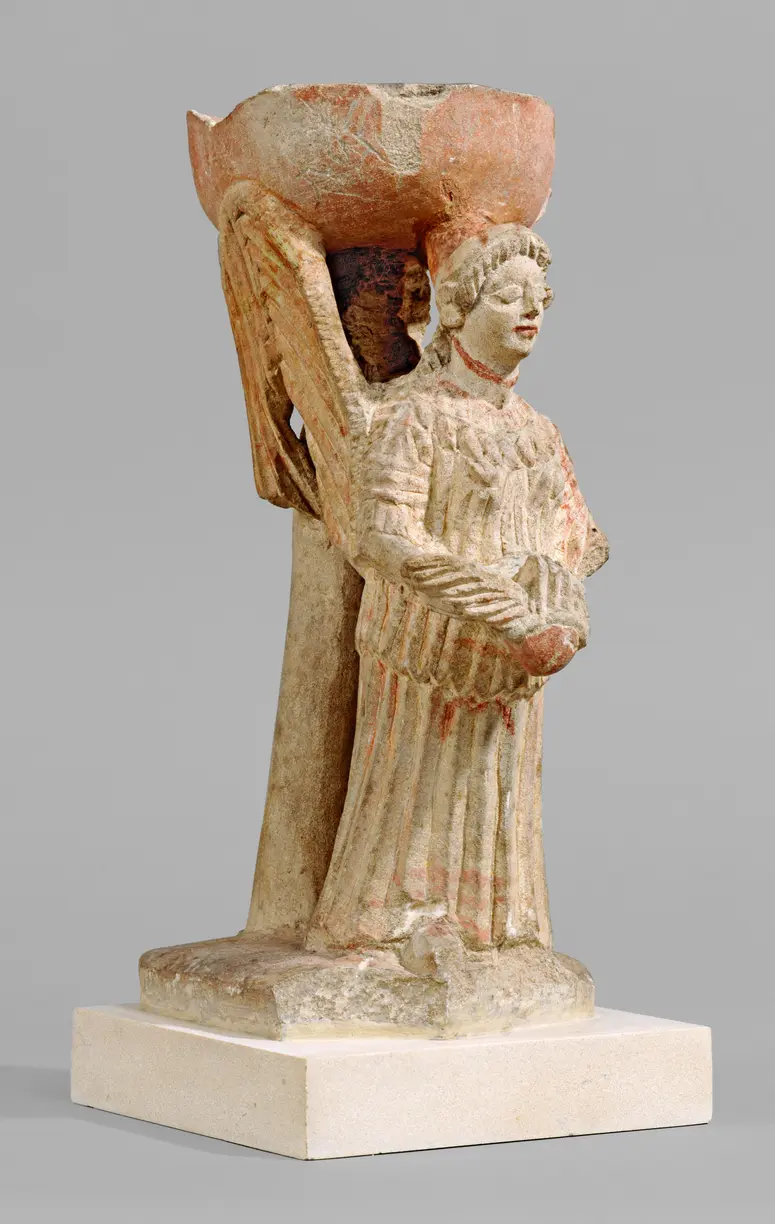
Räuchergefäß: Flügelfrau mit Räucherbecken Zyprisch, Eisenzeit, archaisch 1. Viertel 5. Jh. v. Chr.
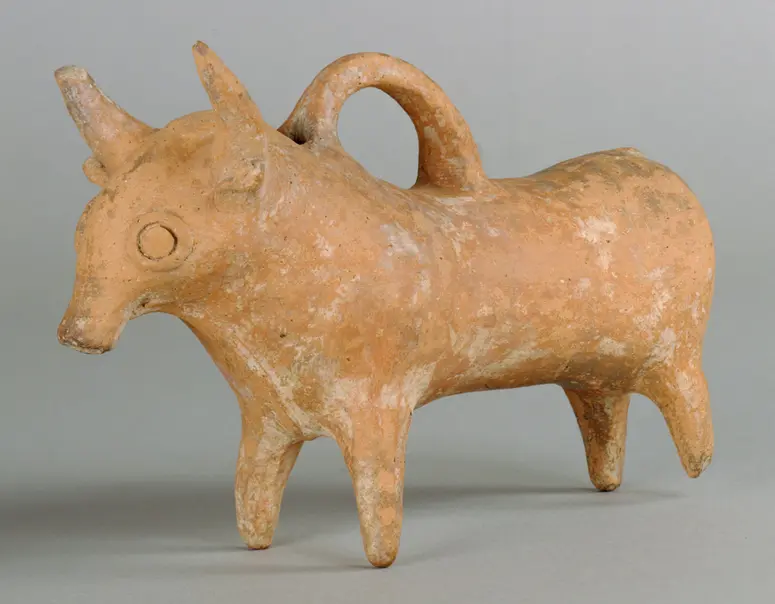
Rhyton der Base-Ring II Ware: Form eines Stieres Zyprisch, Bronzezeit, Spätzyprisch 1450 - 1200 v. Chr.
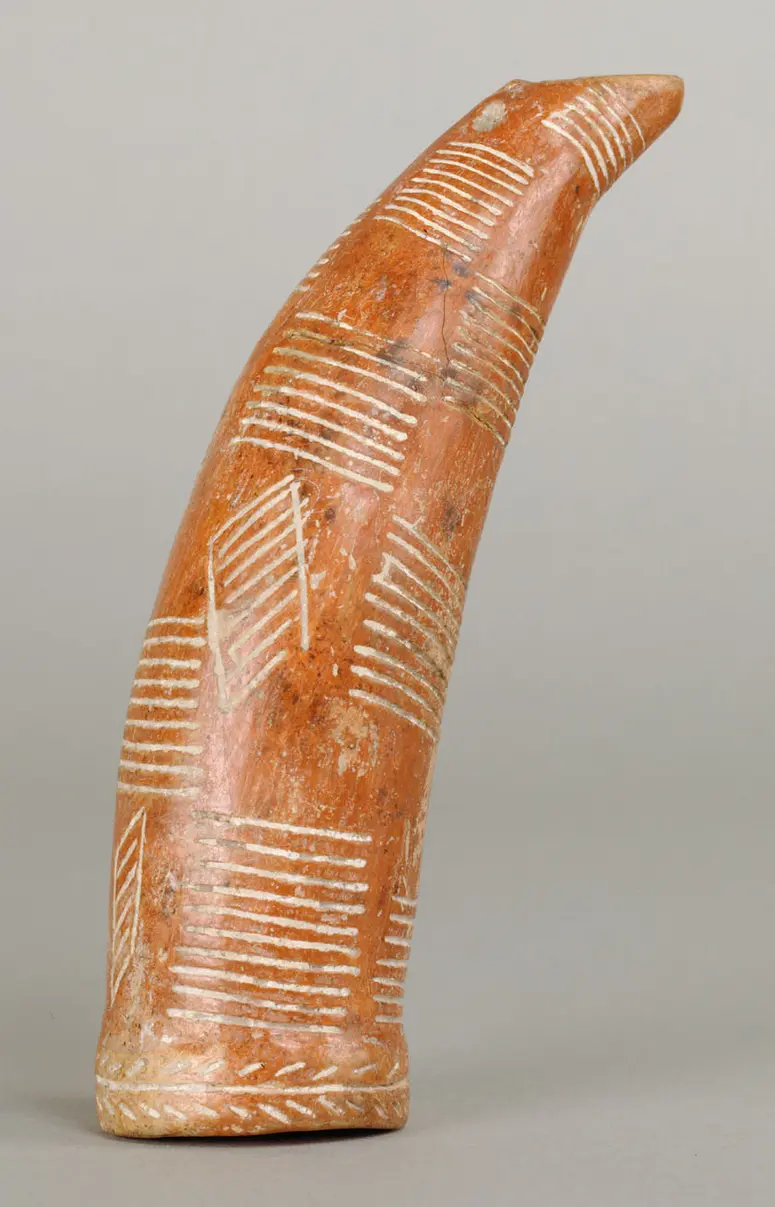
Hornförmiges Gefäß der Red Polished III Ware: Ritzdekor Zyprisch, Bronzezeit, Früh- bis Mittelzyprisch 2000 - 1800 v. Chr.
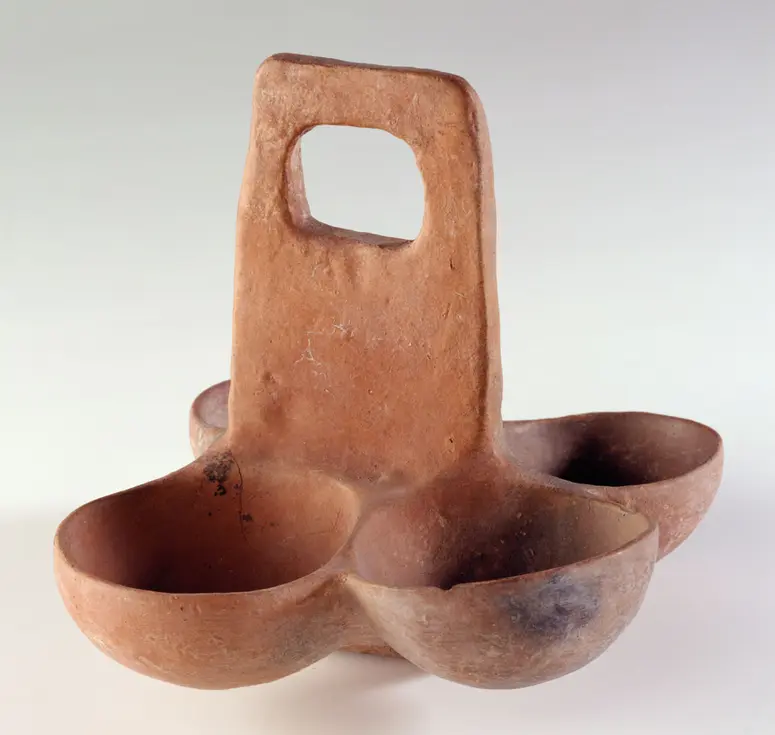
Kompositgefäß der Base-Ring I Ware (?): Halbkugelförmige Schalen Zyprisch, Bronzezeit, Spätzyprisch 1625 - 1450 v. Chr.
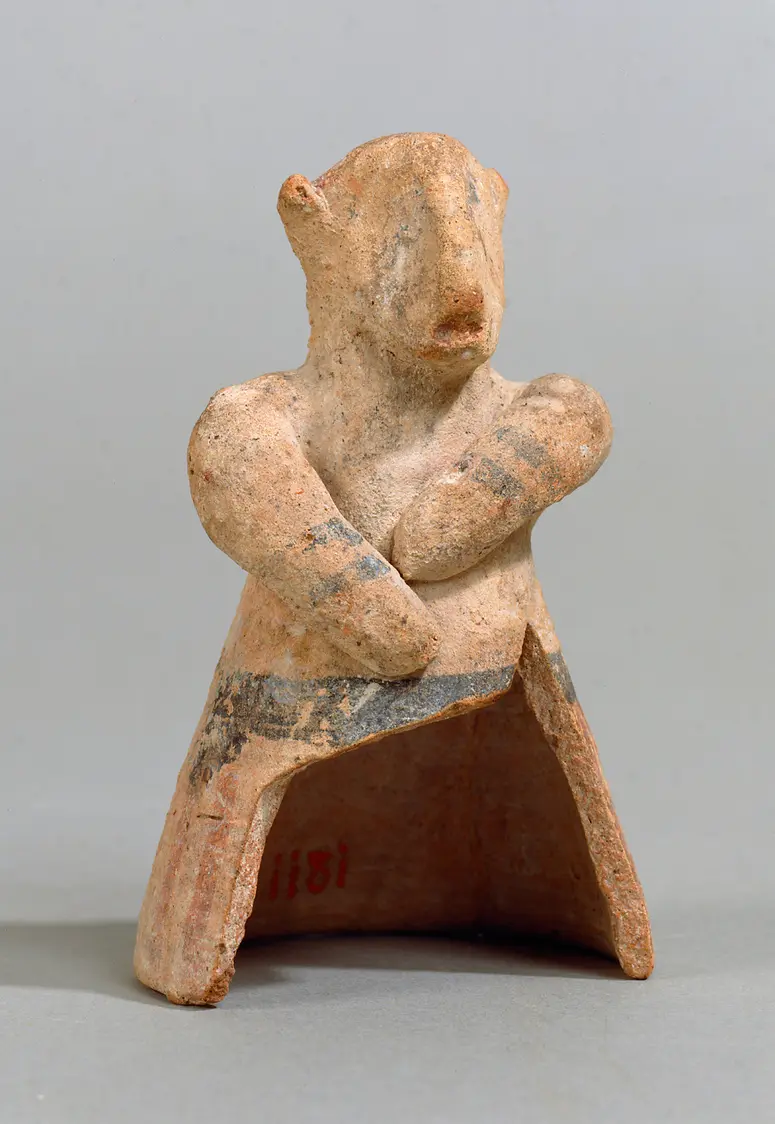
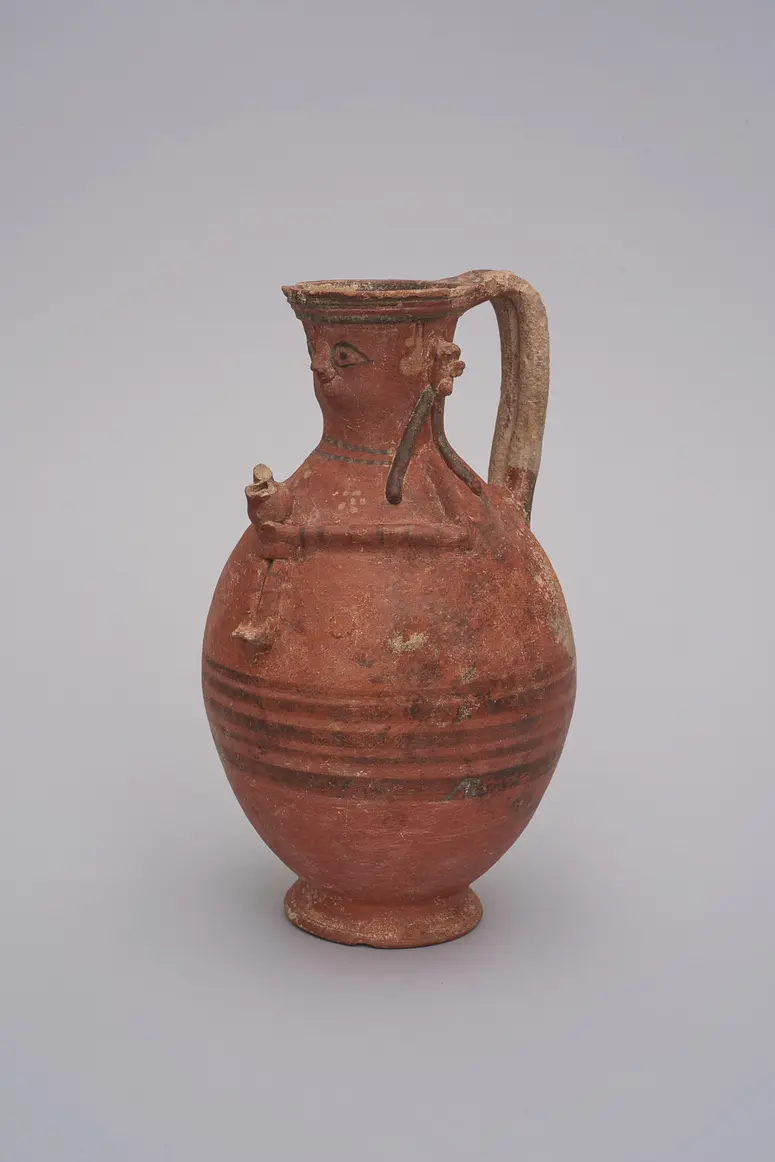
Kanne der Bichrome Red II (V) Ware: Anthropomorphe Form Zyprisch, Eisenzeit, archaisch 6. Jh. v. Chr.
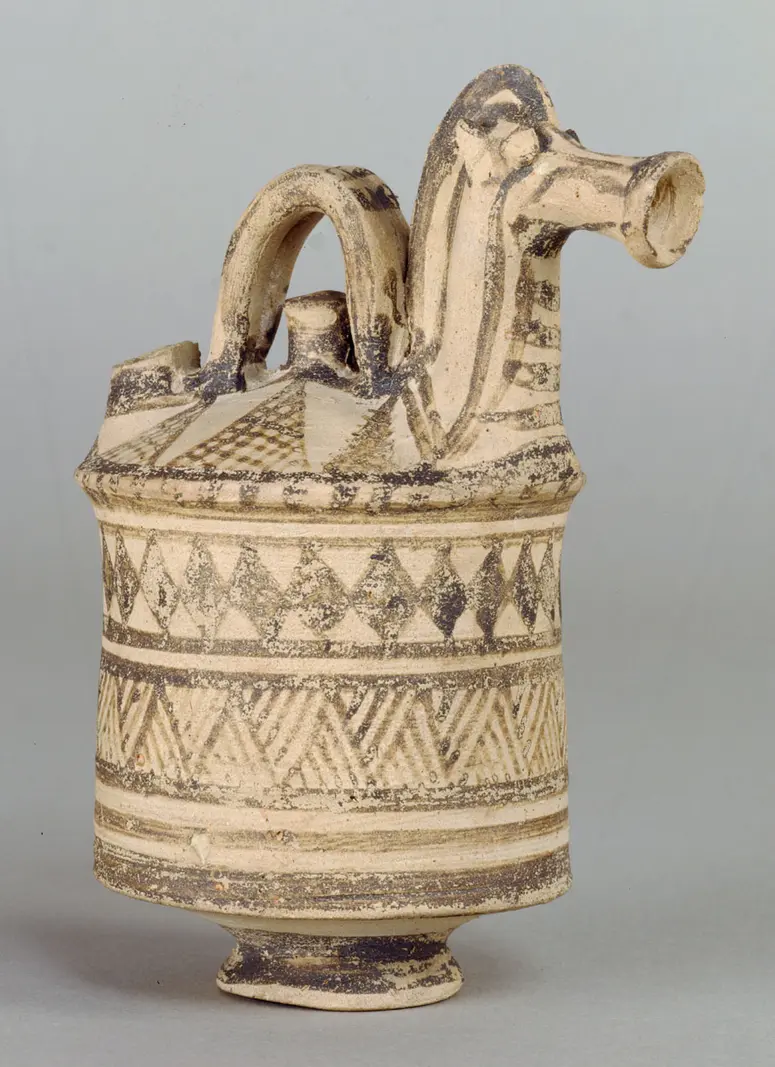
Askos der Proto-White Painted Ware: Pferdekopfprotome Zyprisch, Bronzezeit, Spätzyprisch 1125 - 1050 v. Chr.

Schnabelkanne der Red Polished III Ware: Doppelkonischer Gefäßkörper Zyprisch, Bronzezeit, Früh- bis Mittelzyprisch 2000 - 1800 v. Chr.
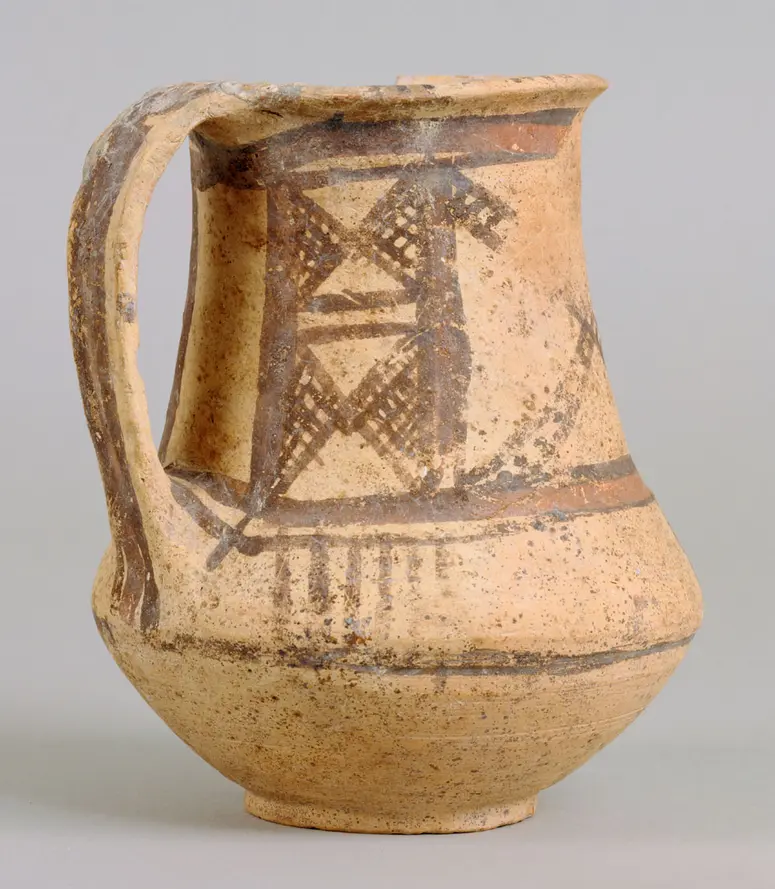
Henkelkrug der Bichrome Wheel-made Ware: Zweifarbige Ornamentik Zyprisch, Bronzezeit, Spätzyprisch 1625 - 1450 v. Chr.
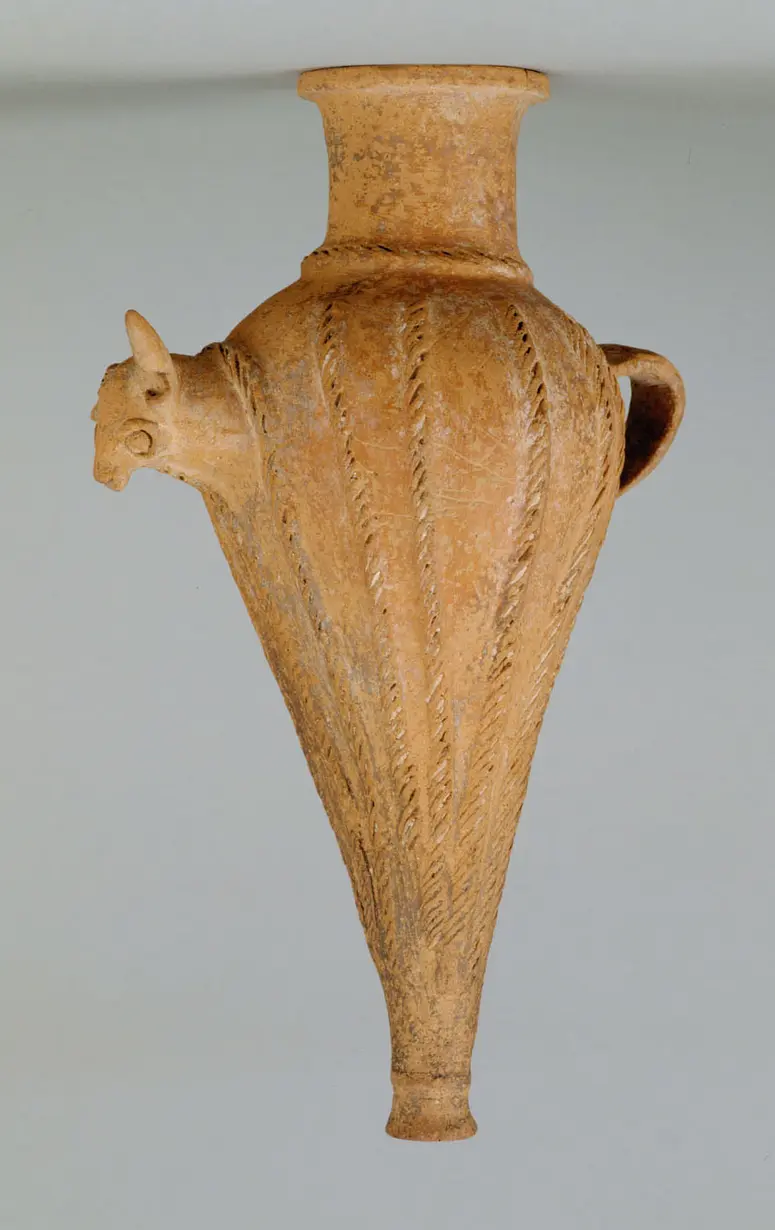
Trichter der Base-Ring I Ware: Stierkopfprotome Zyprisch, Bronzezeit, Spätzyprisch 1625 - 1450 v. Chr.
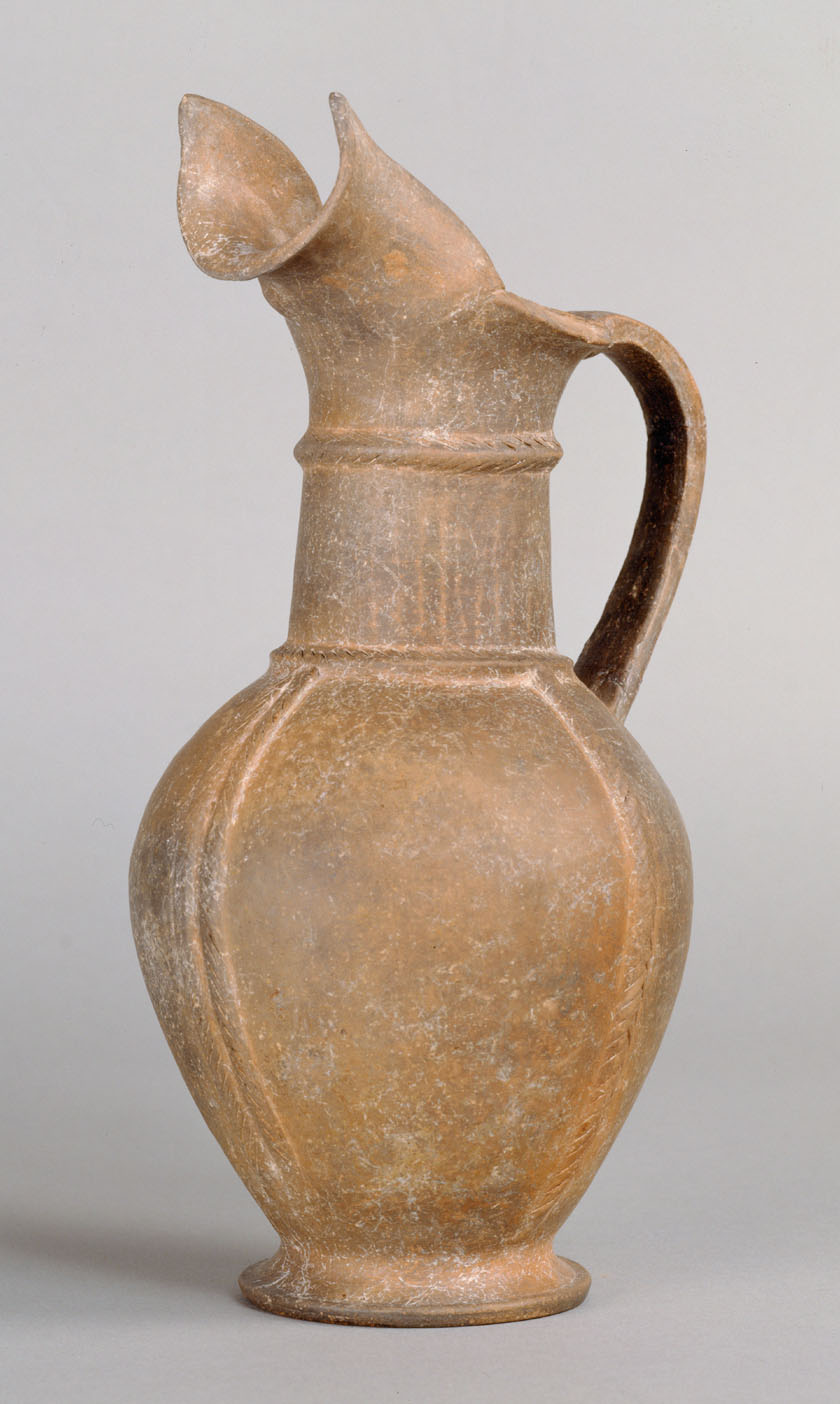
Schnabelkanne der Base-Ring I Ware: Bänder mit Ritzornamenten Zyprisch, Bronzezeit, Spätzyprisch 1625 - 1450 v. Chr.
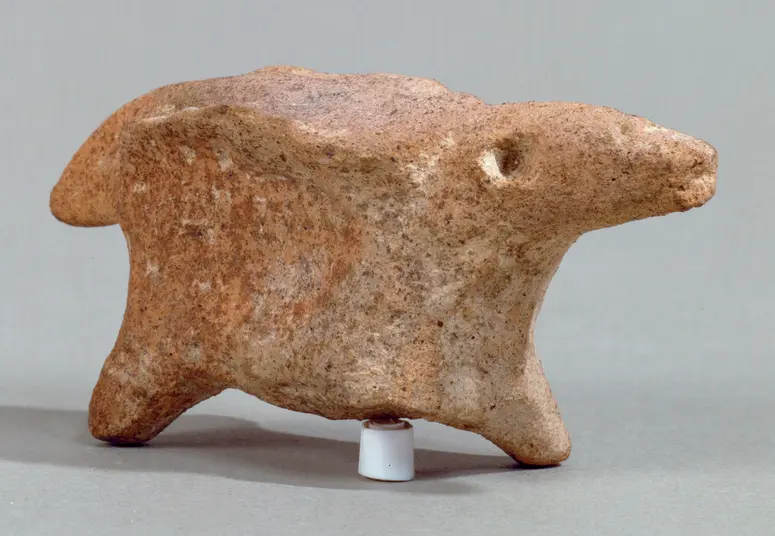
Statuette der Red Slip Ware: Tierfigur Zyprisch, Bronzezeit, Mittelzyprisch 1900 - 1800 v. Chr.
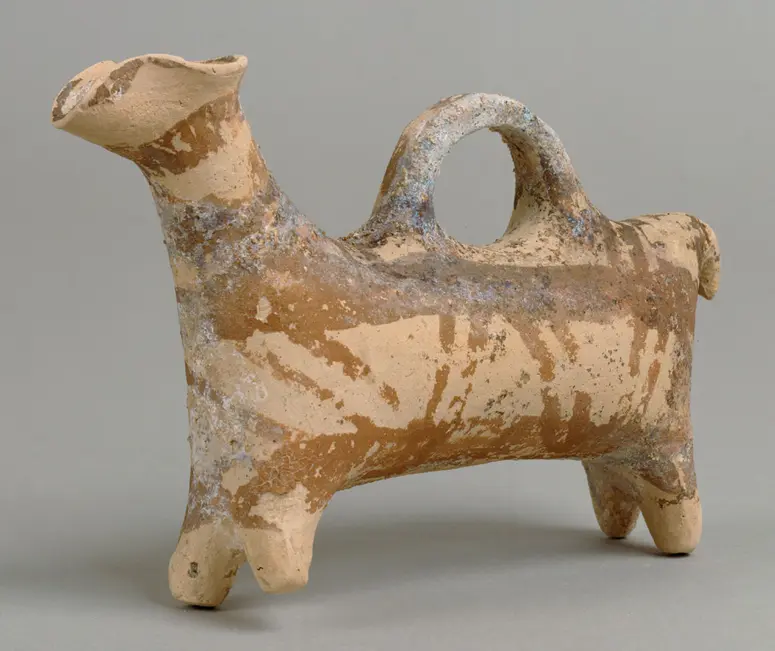
Askos der White Painted V Ware: Form eines Tieres Zyprisch, Bronzezeit, Mittelzyprisch 1725 - 1600 v. Chr.