Form eines Stieres
1450 - 1200 v. Chr.
The bull-shaped rhyton belongs to a type that is represented by numerous examples, all of which are from tomb contexts: Cylindrical body, narrow tubular spout. Short thin legs, pellet eyes depressed with a circle, small ears, horns curving upwards and slightly forward. Hole at the back of the head with a vertical basket handle behind it. Vertical tail in relief along the middle of the hind part.
A. Bernhard-Walcher u.a., Die Sammlung zyprischer Antiken im KHM. Sammlungskataloge des KHM Bd. 2, Wien 1999 (V. Karageorghis)
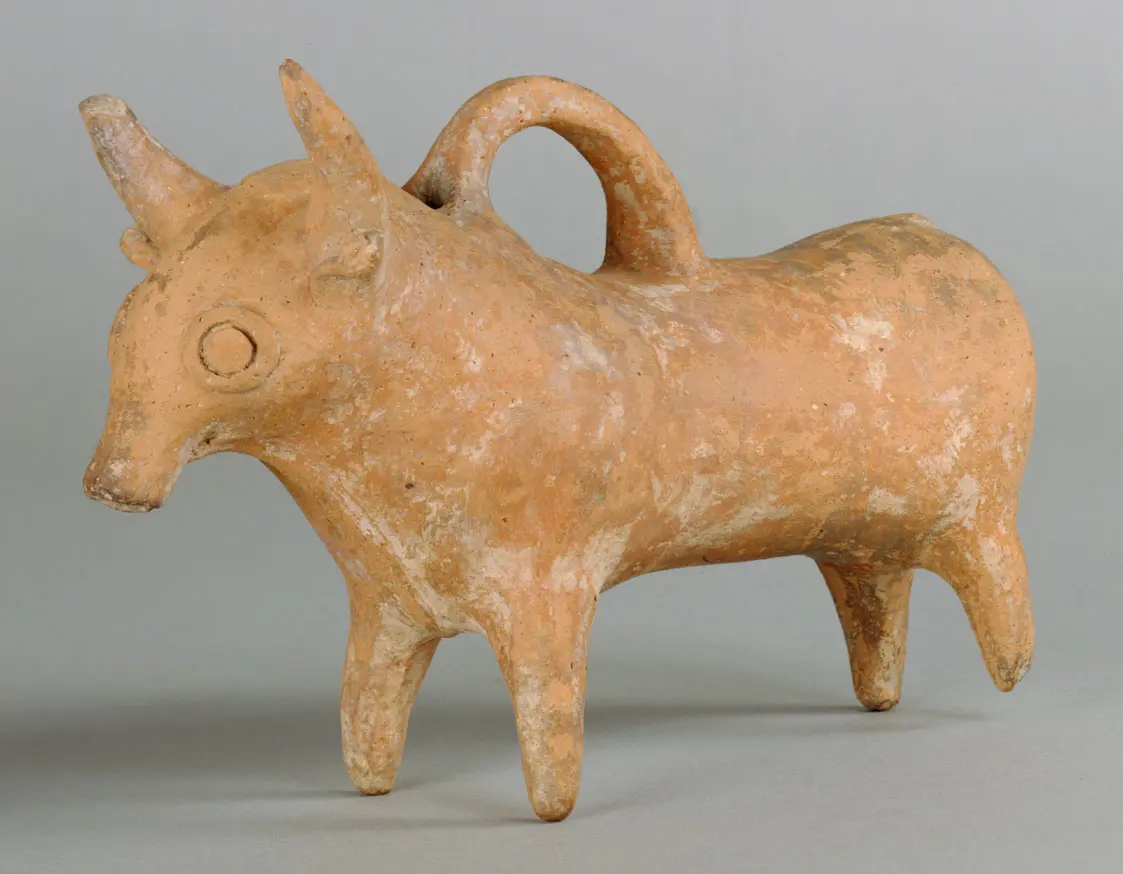
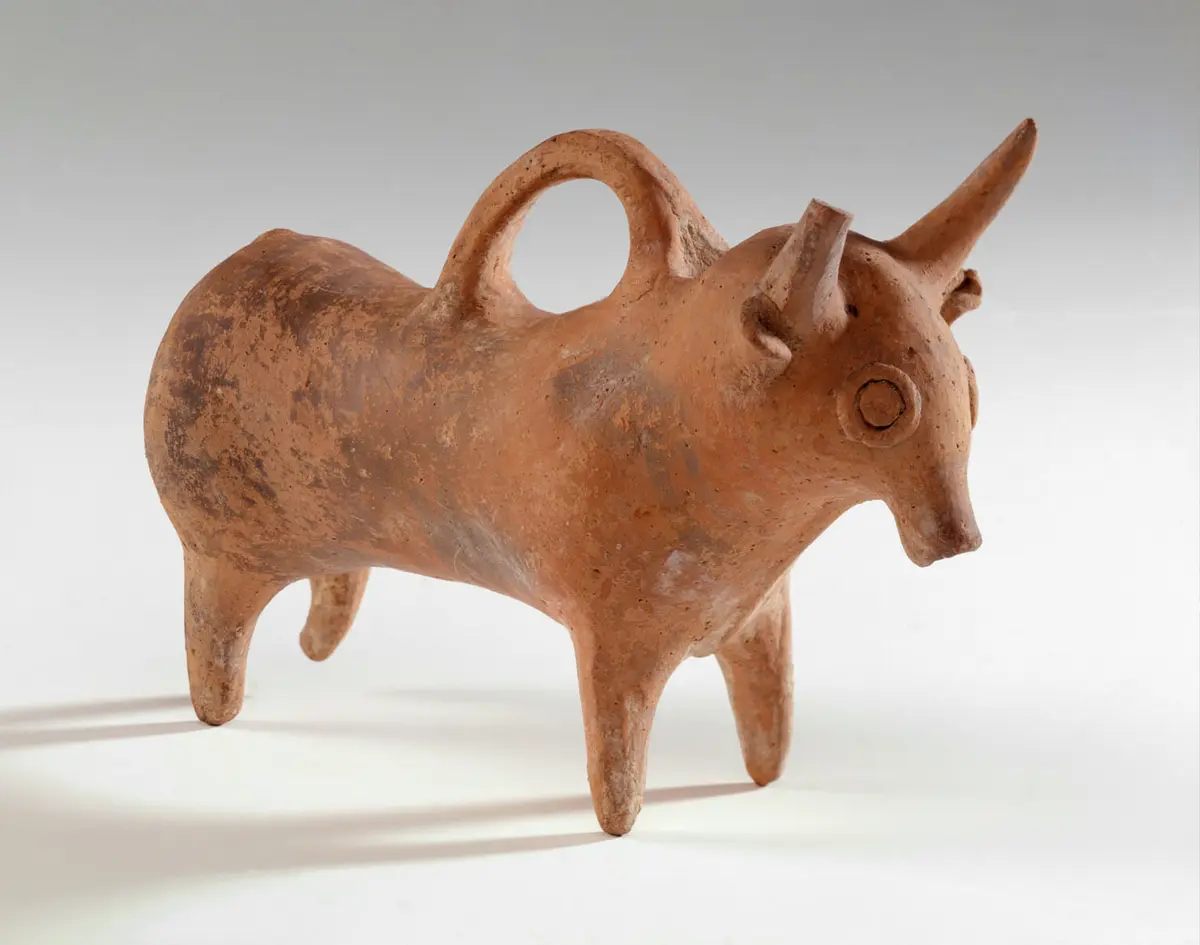
The bull-shaped rhyton belongs to a type that is represented by numerous examples, all of which are from tomb contexts: Cylindrical body, narrow tubular spout. Short thin legs, pellet eyes depressed with a circle, small ears, horns curving upwards and slightly forward. Hole at the back of the head with a vertical basket handle behind it. Vertical tail in relief along the middle of the hind part.
A. Bernhard-Walcher u.a., Die Sammlung zyprischer Antiken im KHM. Sammlungskataloge des KHM Bd. 2, Wien 1999 (V. Karageorghis)
Time:
1450 - 1200 v. Chr.
Object Name
Rhyton der Base-Ring II Ware
Culture
Zyprisch
Location of discovery:
Idalion (Dhali, Zypern)
Material/technology:
Ton hellbraun; Überzug rötlich bis dunkelbraun, matt; Bemalung weiß bis grau. Handgeformt.
Dimensions:
H. 10,7 cm, L. 15,2 cm, B. 5,3 cm
Copyright
Kunsthistorisches Museum, Antikensammlung
Invs.
Antikensammlung, V 1168
Provenance
Cesnola, Luigi Palma di, Konsul, Larnaka; 1869 Kauf
Browse more
Similar items you might be interested in
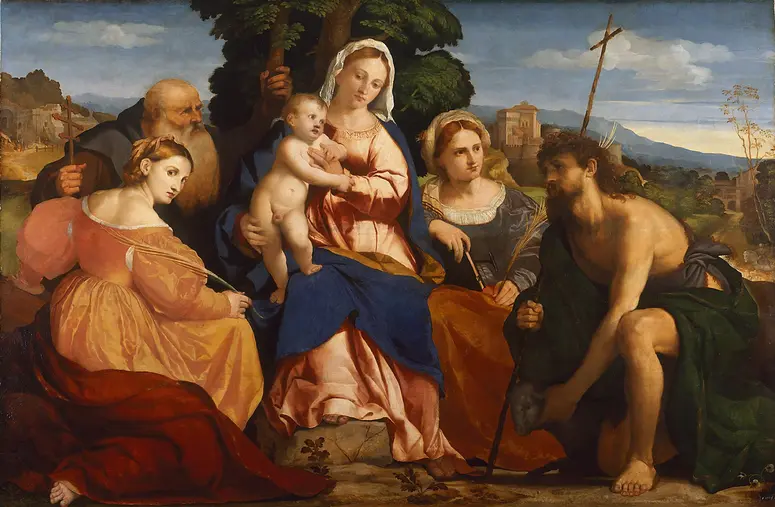
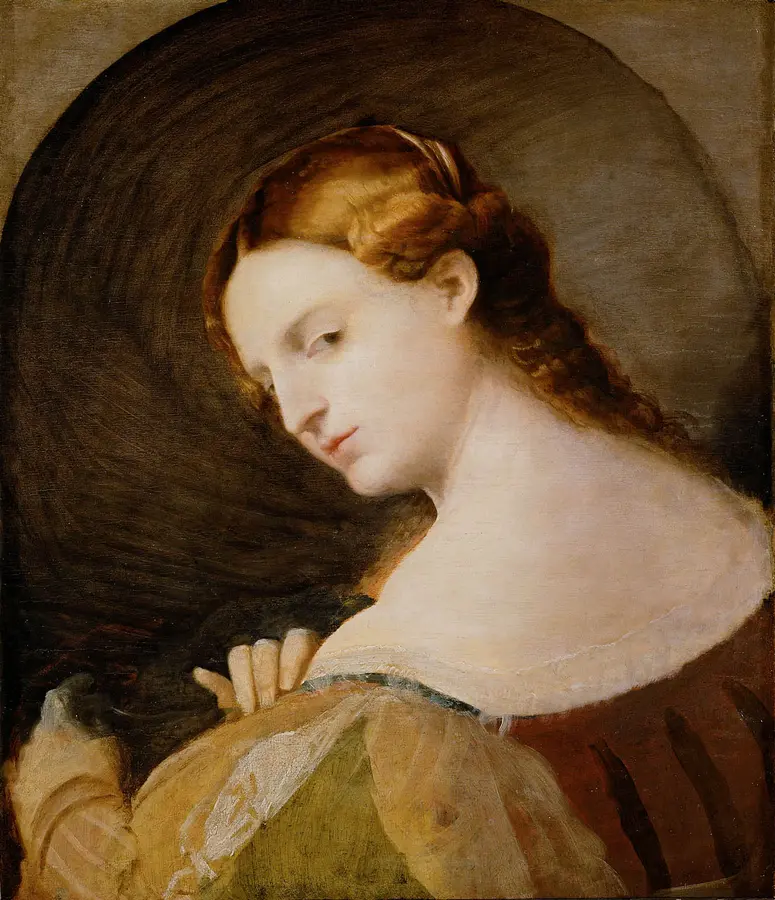
Portrait of a Young Woman in Profile Jacopo Negretti, gen. Palma il Vecchio around 1520/25
Young Woman in Blue Dress with Fan Jacopo Negretti, gen. Palma il Vecchio around 1512/14
Madonna mit Kind und Heiligen J. Löwy, K. und K. Hof-Photograph, Kunst- und Verlagsanstalt (Wien) 1888 bis 1910
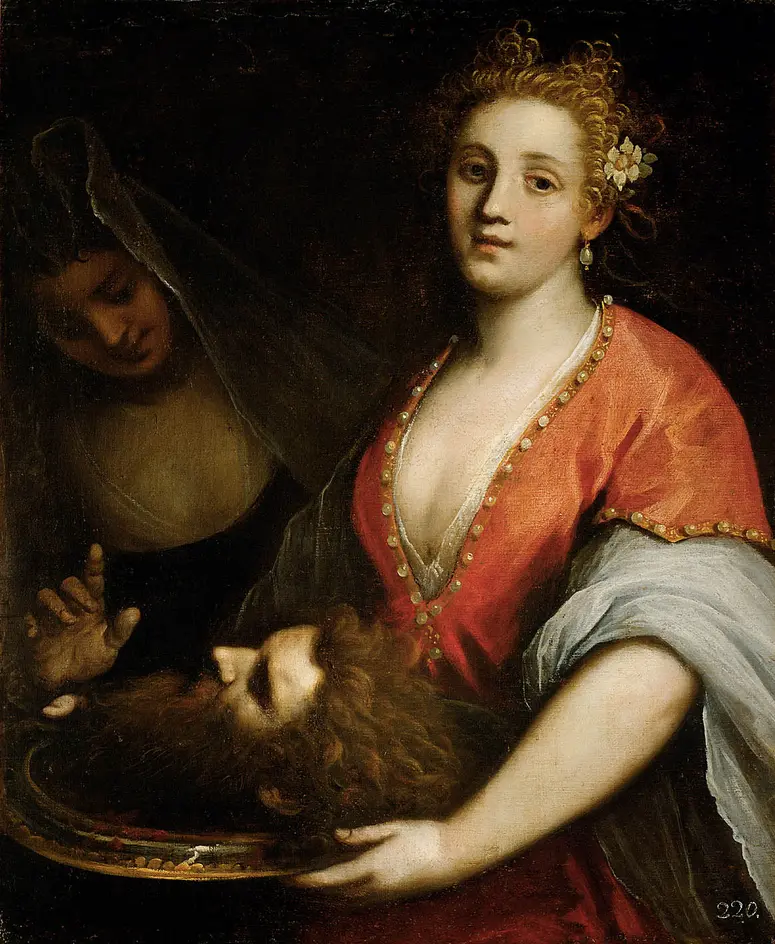
Salome with the Head of John the Baptist Jacopo Negretti, gen. Palma il Giovane around 1599
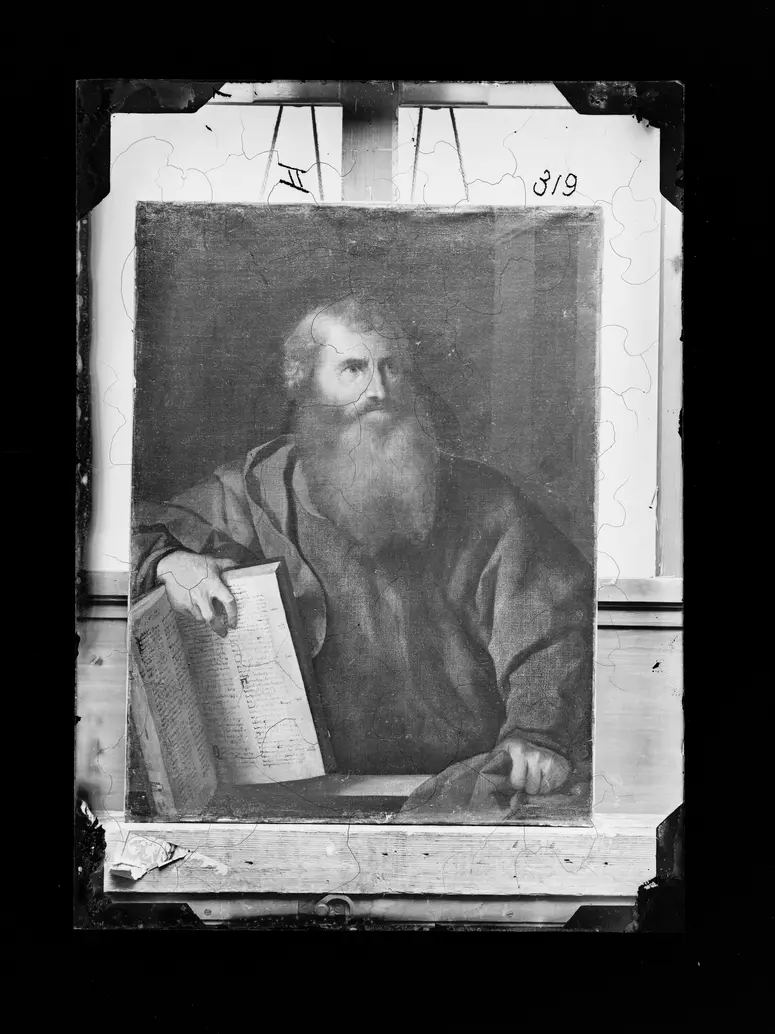
Evangelist Johannes J. Löwy, K. und K. Hof-Photograph, Kunst- und Verlagsanstalt (Wien) 1888 bis 1891
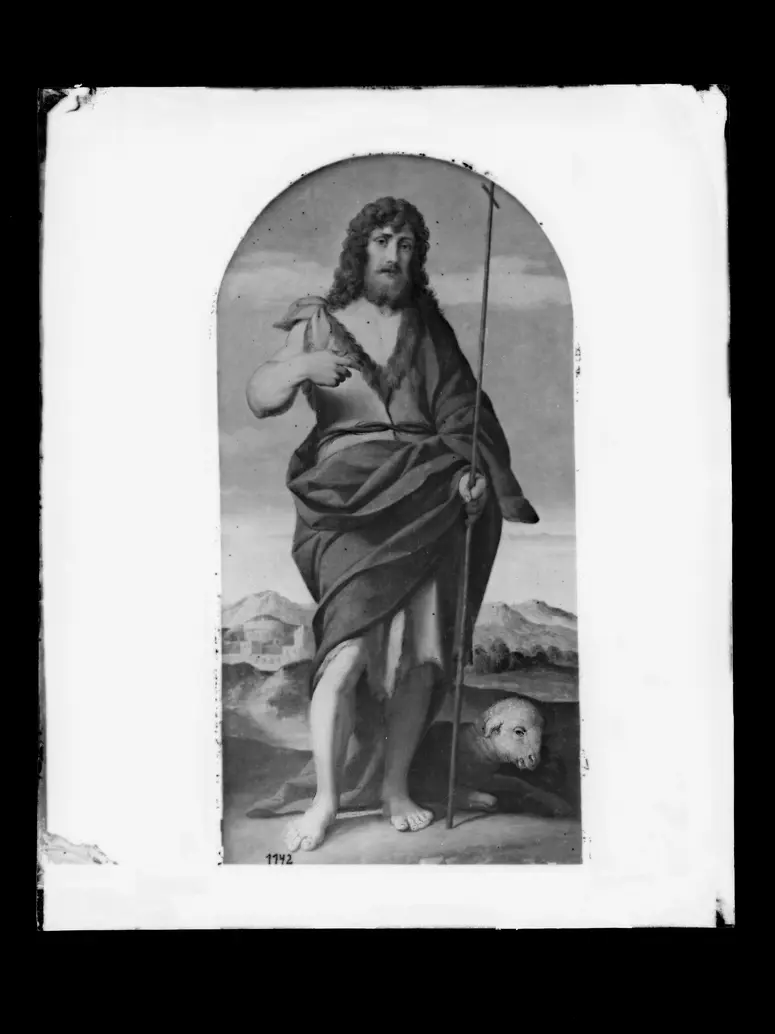
Johannes der Täufer J. Löwy, K. und K. Hof-Photograph, Kunst- und Verlagsanstalt (Wien) 1888 bis 1891
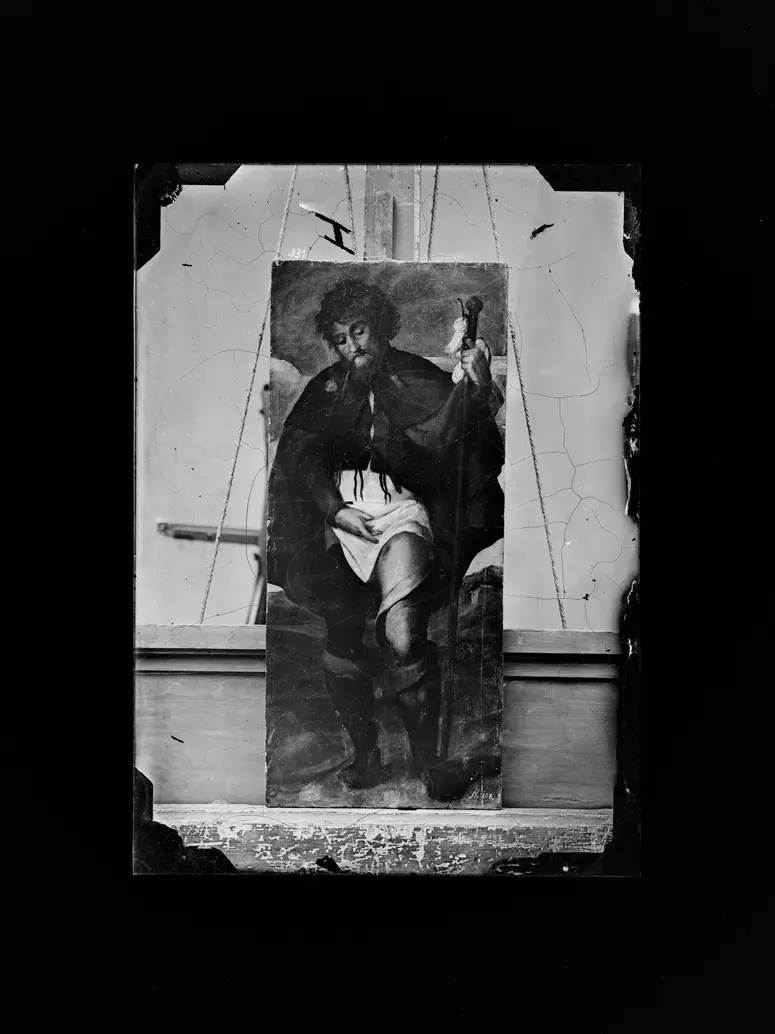
Hl. Rochus J. Löwy, K. und K. Hof-Photograph, Kunst- und Verlagsanstalt (Wien) 1888 bis 1891
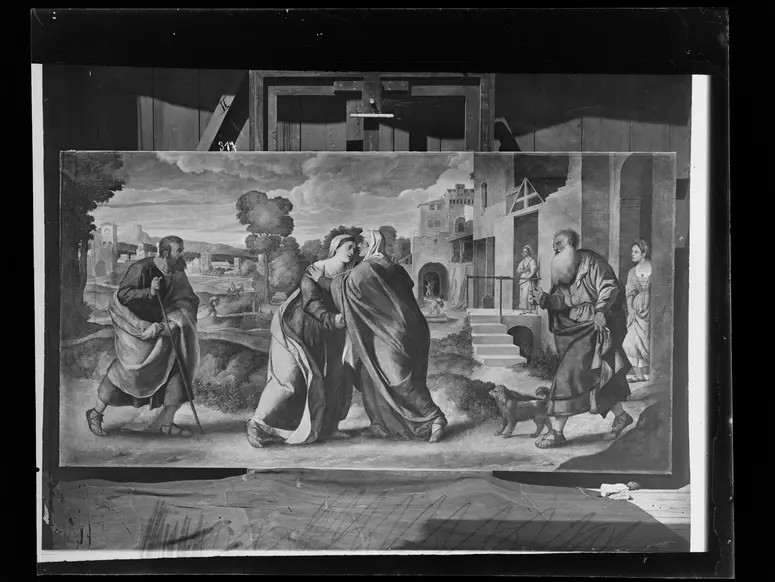
Heimsuchung Mariae J. Löwy, K. und K. Hof-Photograph, Kunst- und Verlagsanstalt (Wien) 1888 bis 1891

Hl. Sebastian J. Löwy, K. und K. Hof-Photograph, Kunst- und Verlagsanstalt (Wien) 1888 bis 1891
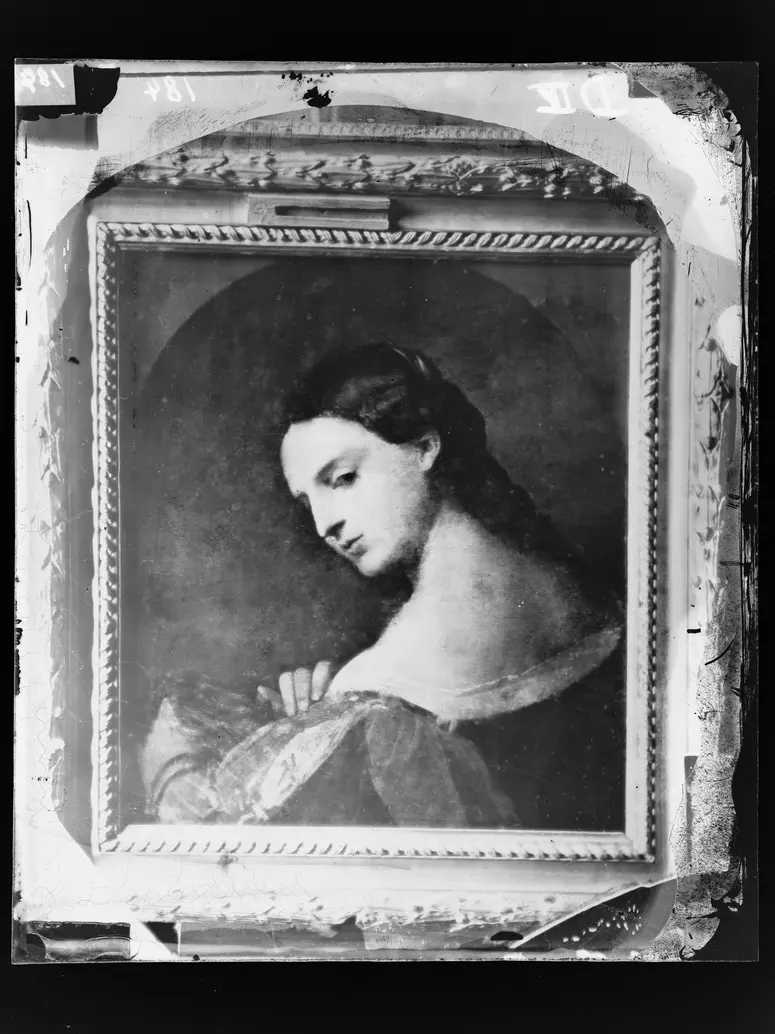
Bildnis einer jungen Frau im Profil J. Löwy, K. und K. Hof-Photograph, Kunst- und Verlagsanstalt (Wien) 1888 bis 1891