Form eines Stieres
1125 - 1050 v. Chr.
The askos is in the form of a horned animal, probably a bull, with a long cylindrical body and four short legs. It is of a type that had appeared already in the Middle Cypriote, continued into the Late Cypriote I and was present down to the Late Cypriote III period. The askos has an oblong cylindrical body standing on four stump legs. Cylindrical tubular neck arranged obliquely. Two horns, pellet ears, narrow pointed spout. Vertical cylindrical neck in the middle of the animal’s back, out-curved rim, handle from rim to body. Short tail in relief along the animal’s hind part. The dewlap is indicated by a ridge. Decoration in brown to dark brown matt paint. Each side of the body is decorated with two opposed latticed triangles. On either side of the neck, along the upper part of the body, a wavy band flanked by horizontal bands. Below the belly, in the middle, two straight and two wavy bands arranged transversally. The eyes are rendered with paint. Ring around muzzle, bands on sides of neck, diagonals at the back of neck, bands along sides of dewlap, wavy band along outer part of handle.
A. Bernhard-Walcher u.a., Die Sammlung zyprischer Antiken im KHM. Sammlungskataloge des KHM Bd. 2, Wien 1999 (V. Karageorghis)
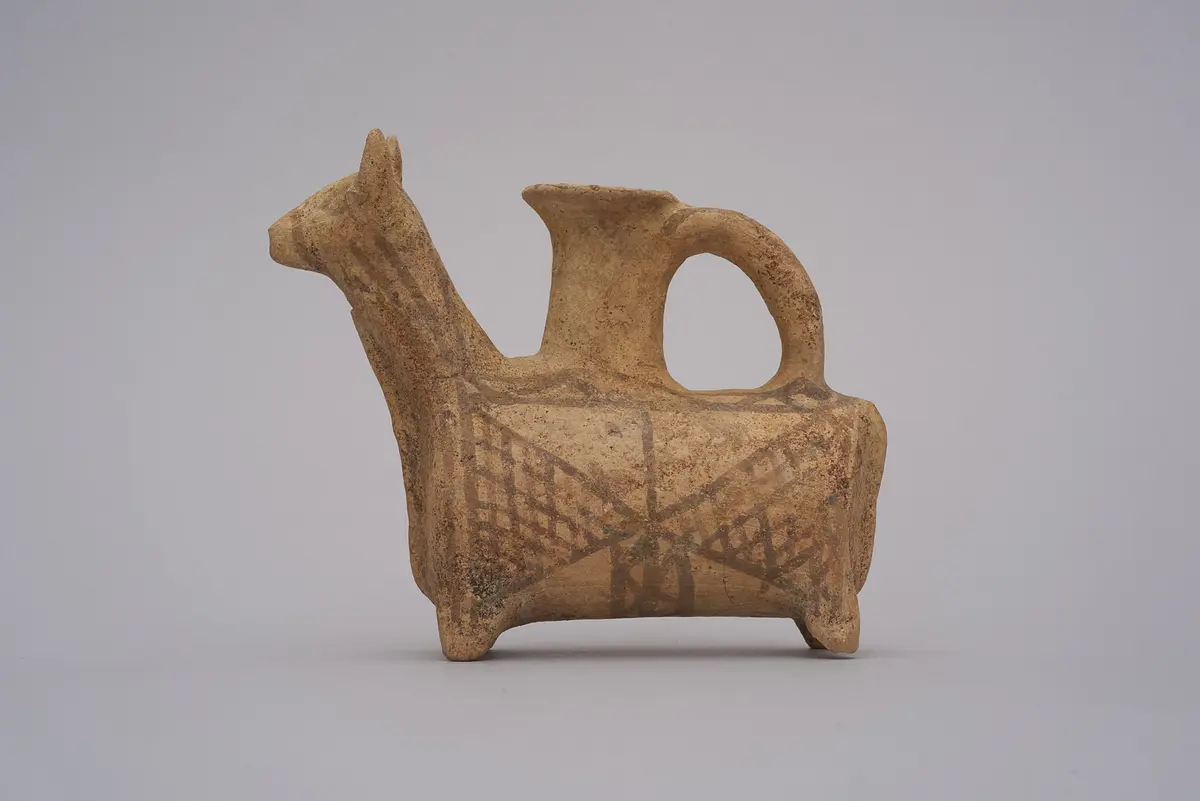
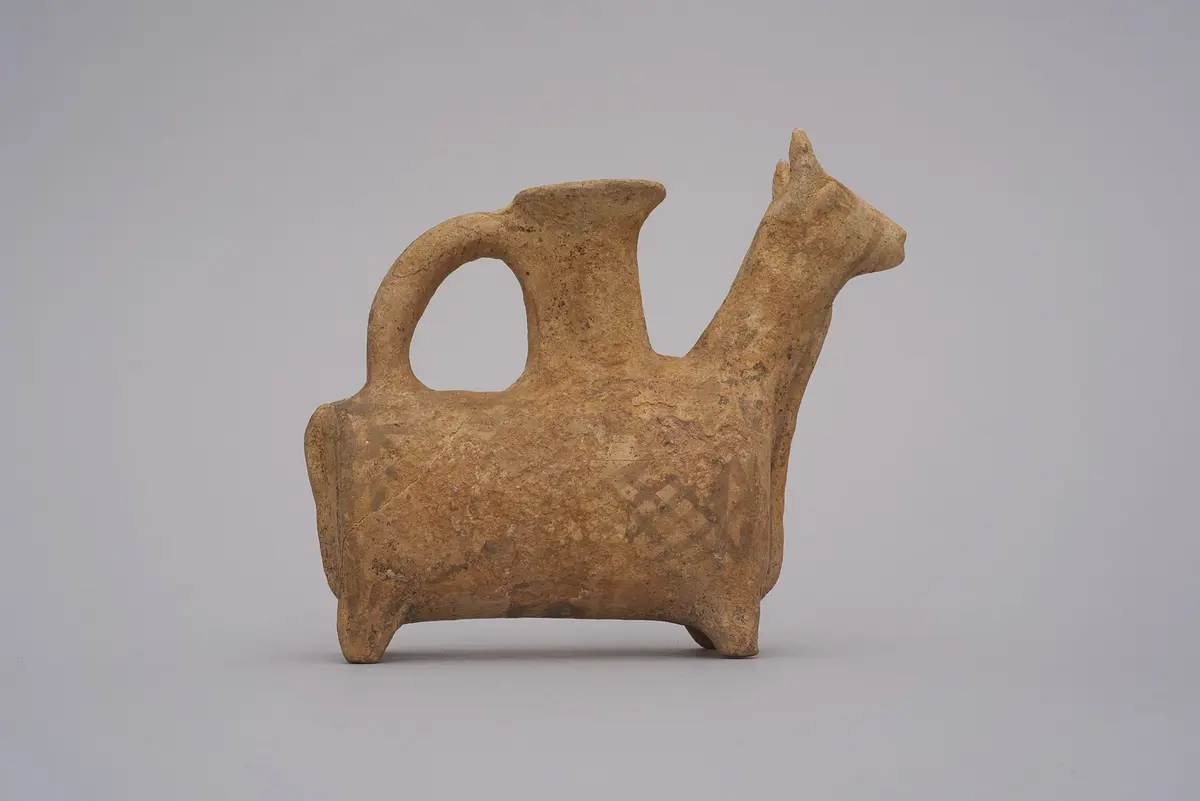
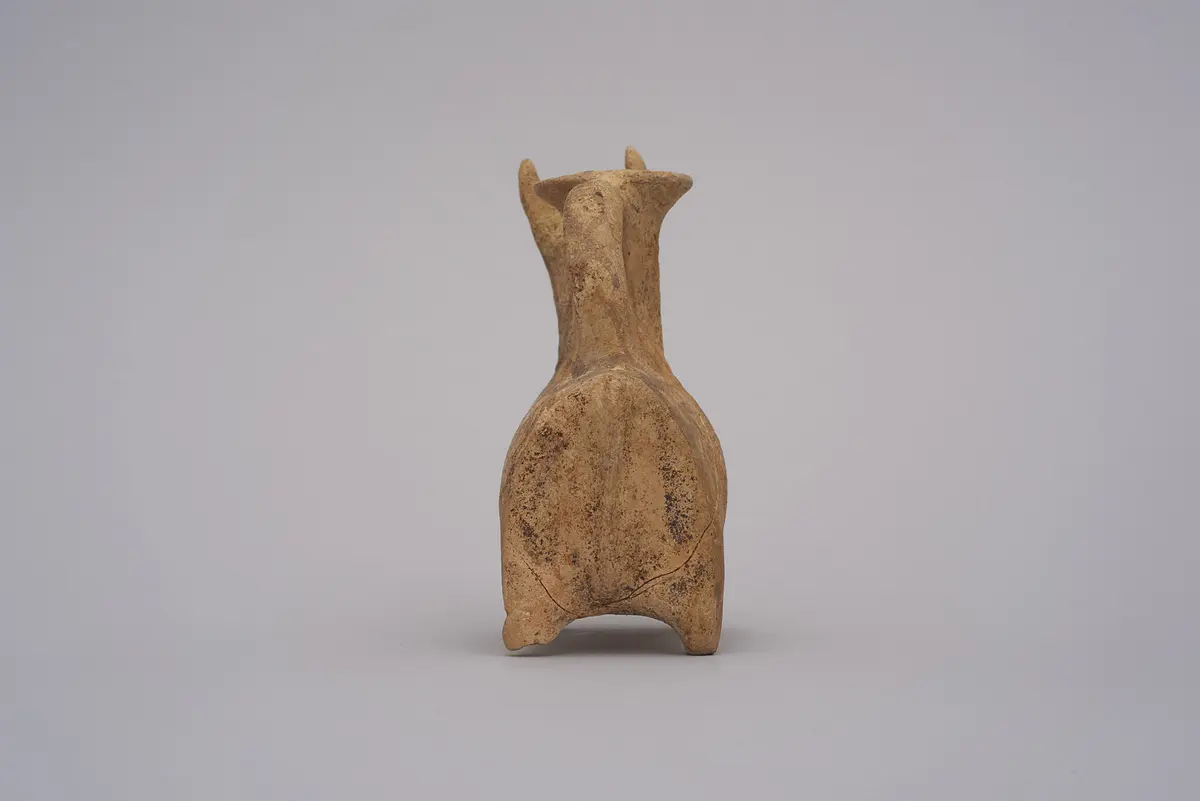
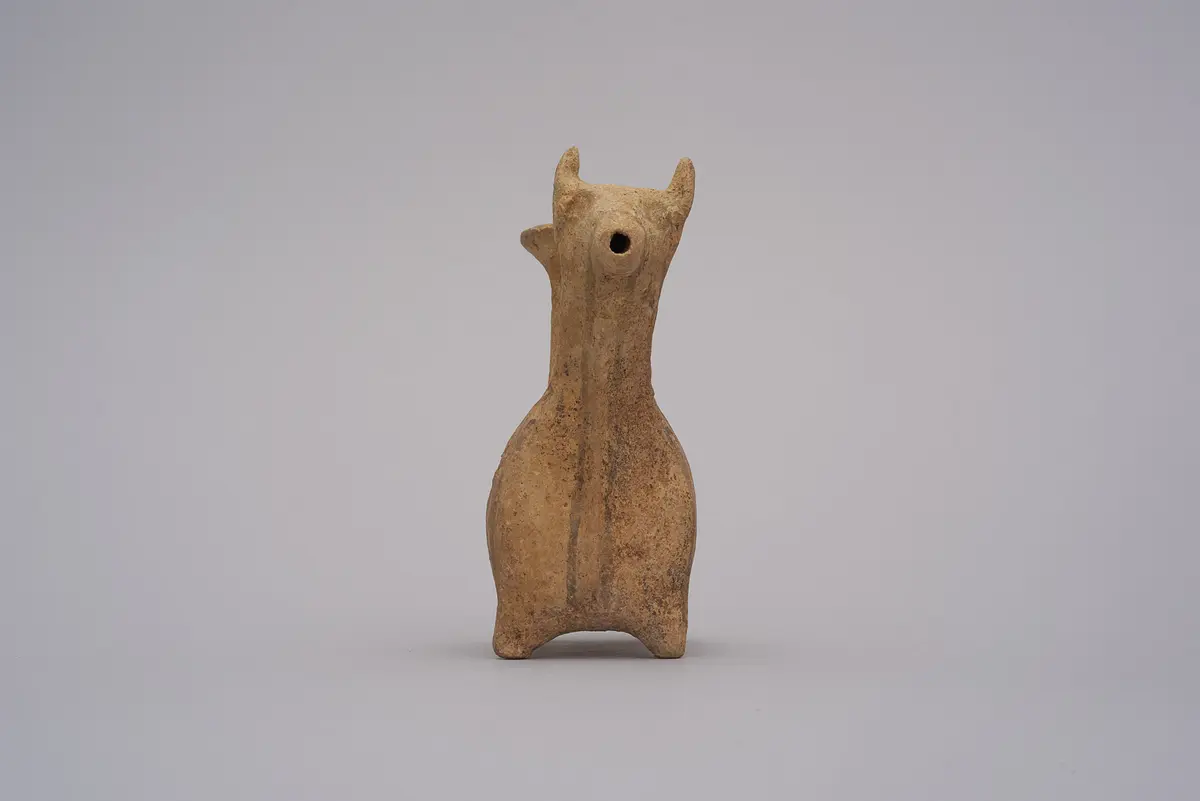
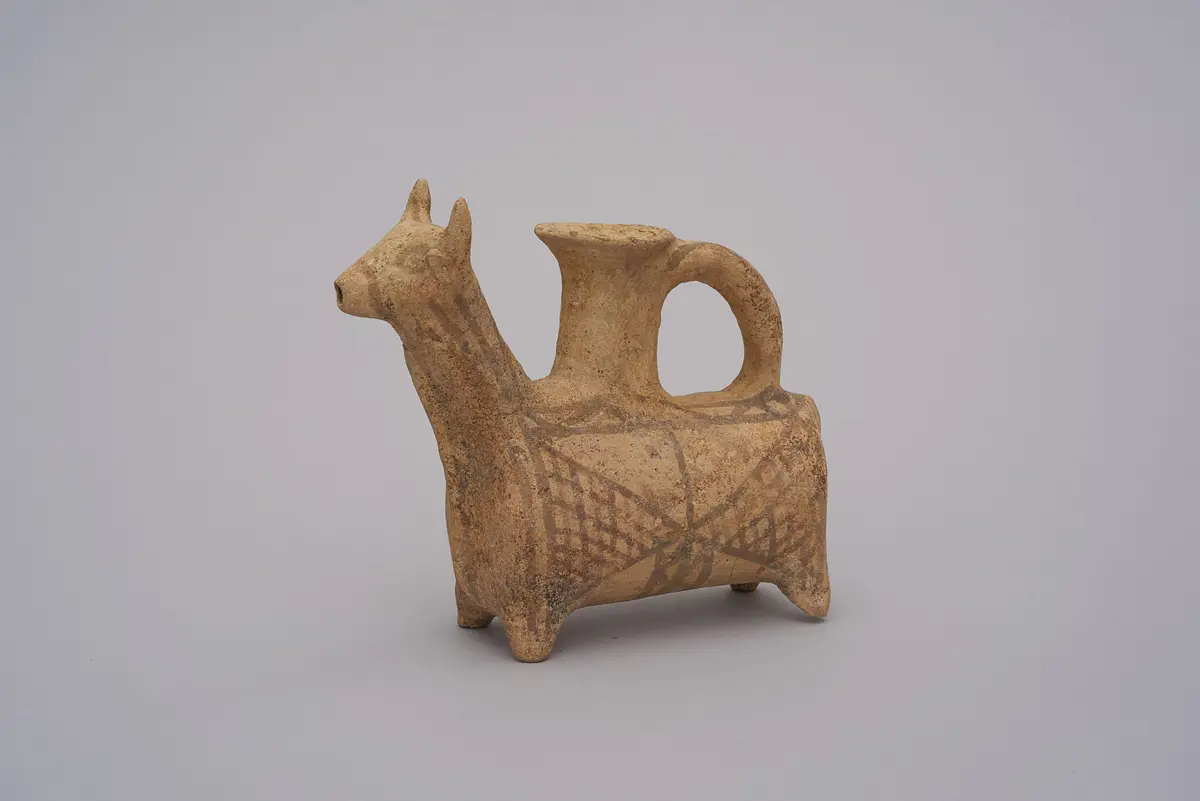
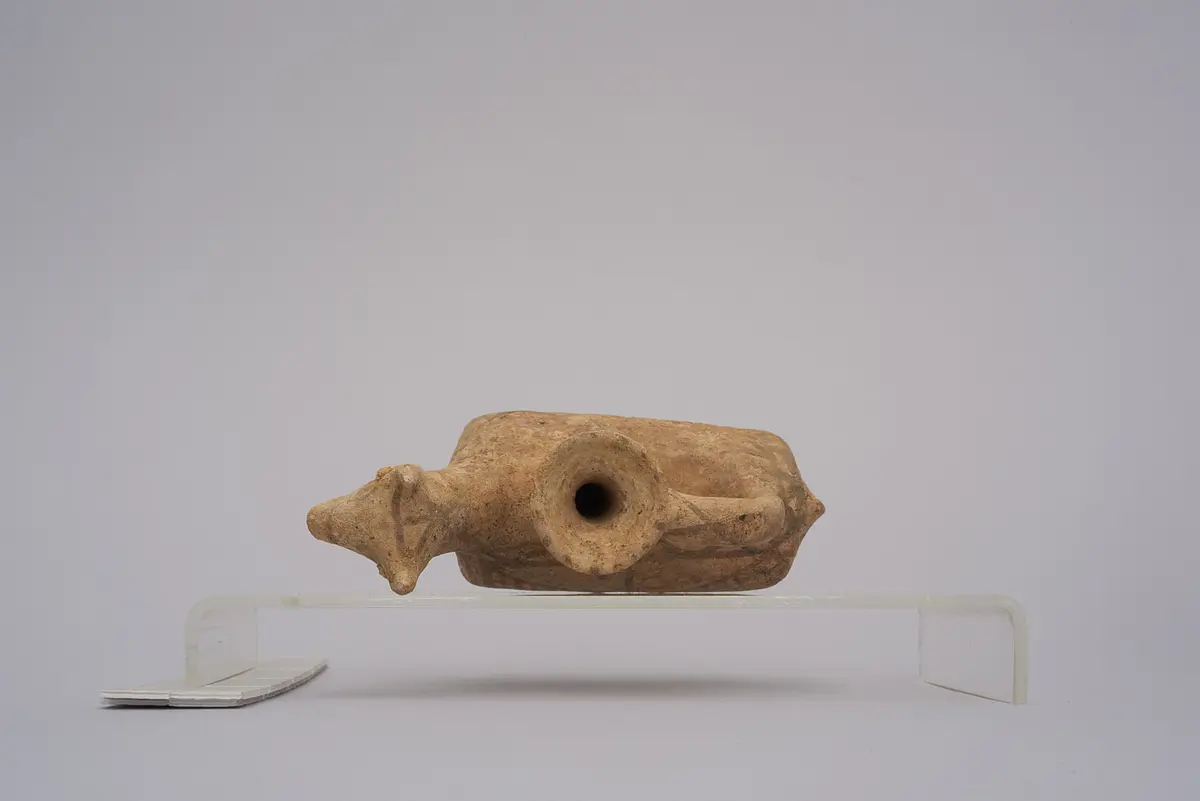
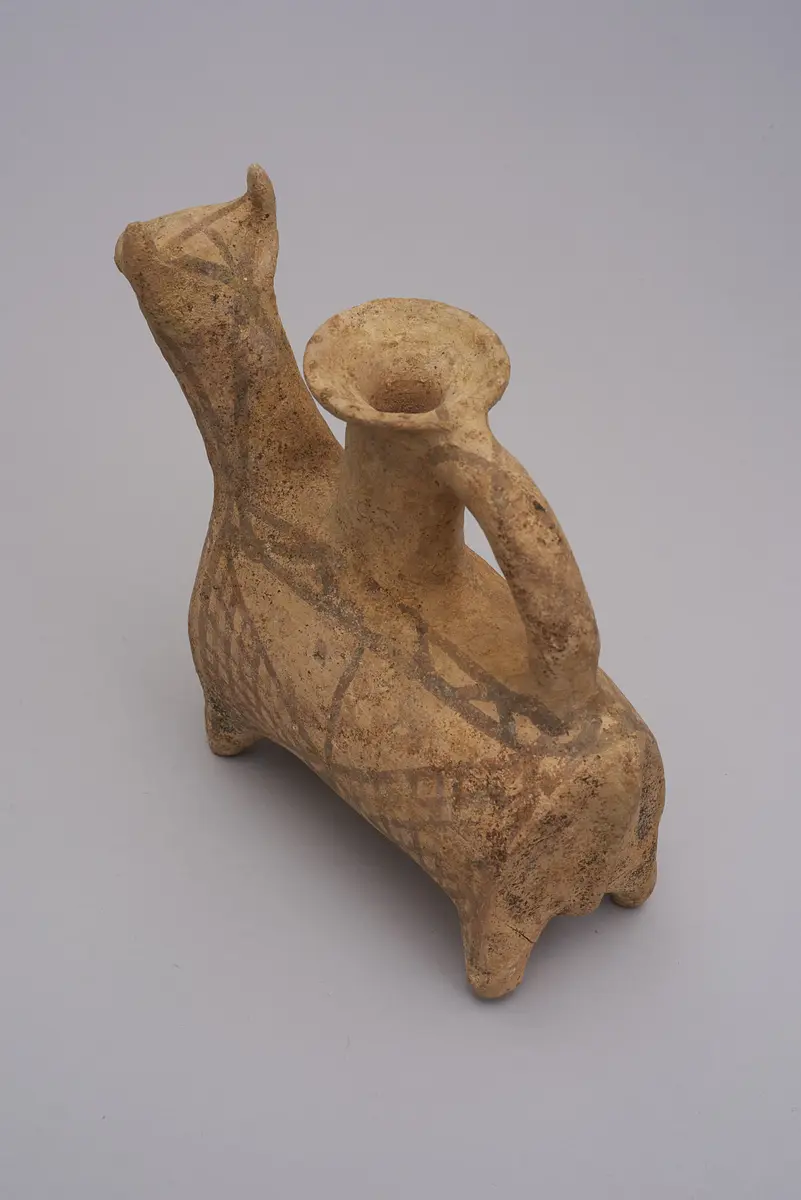
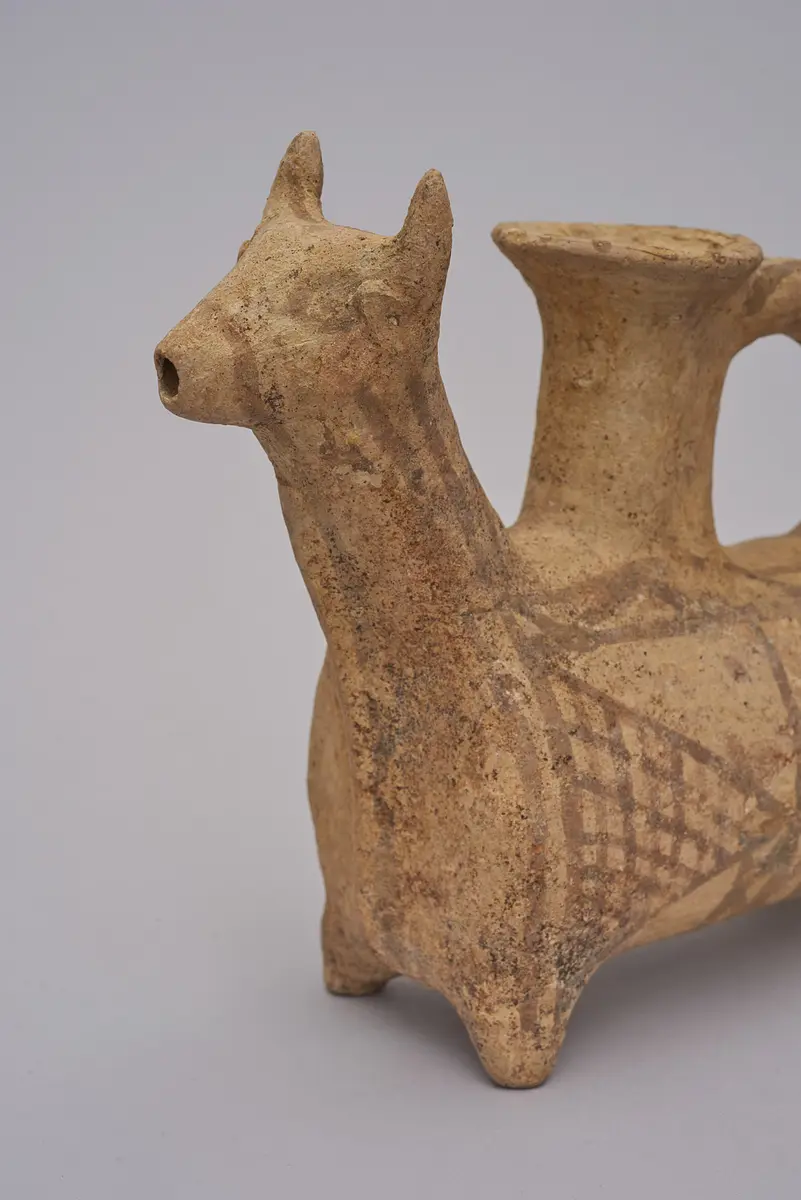
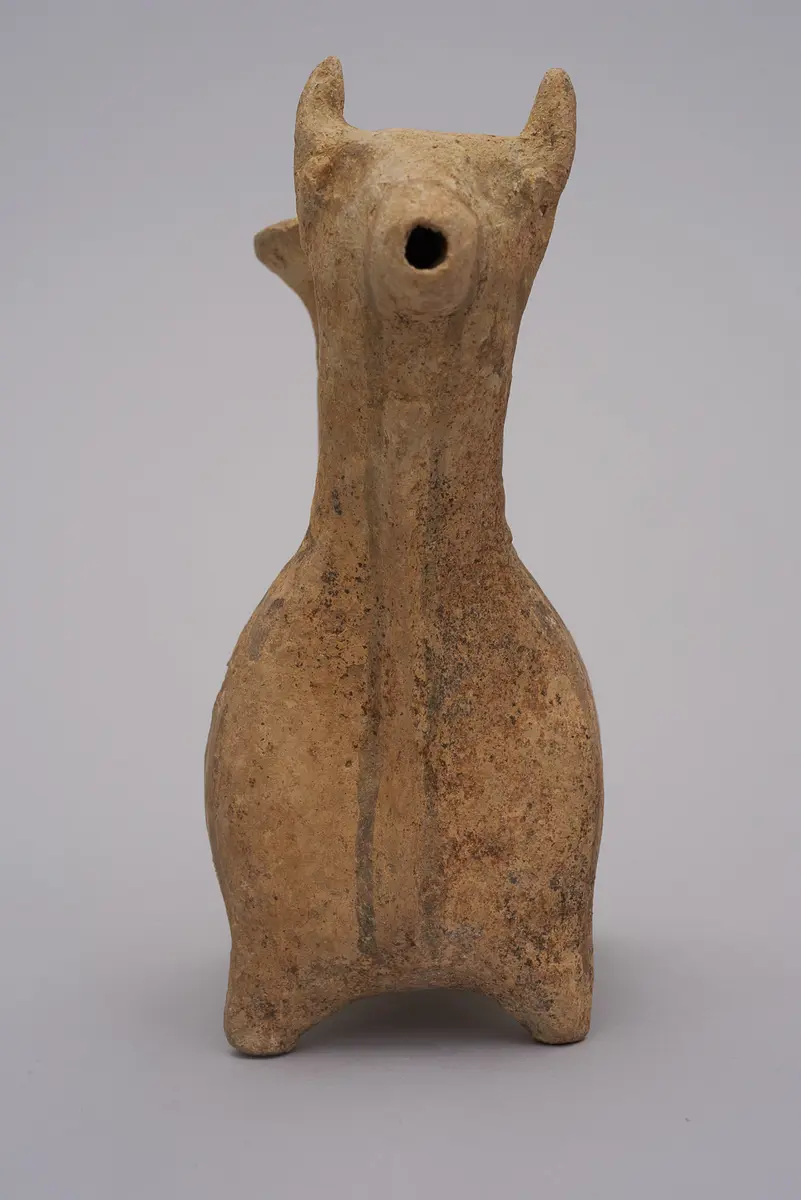
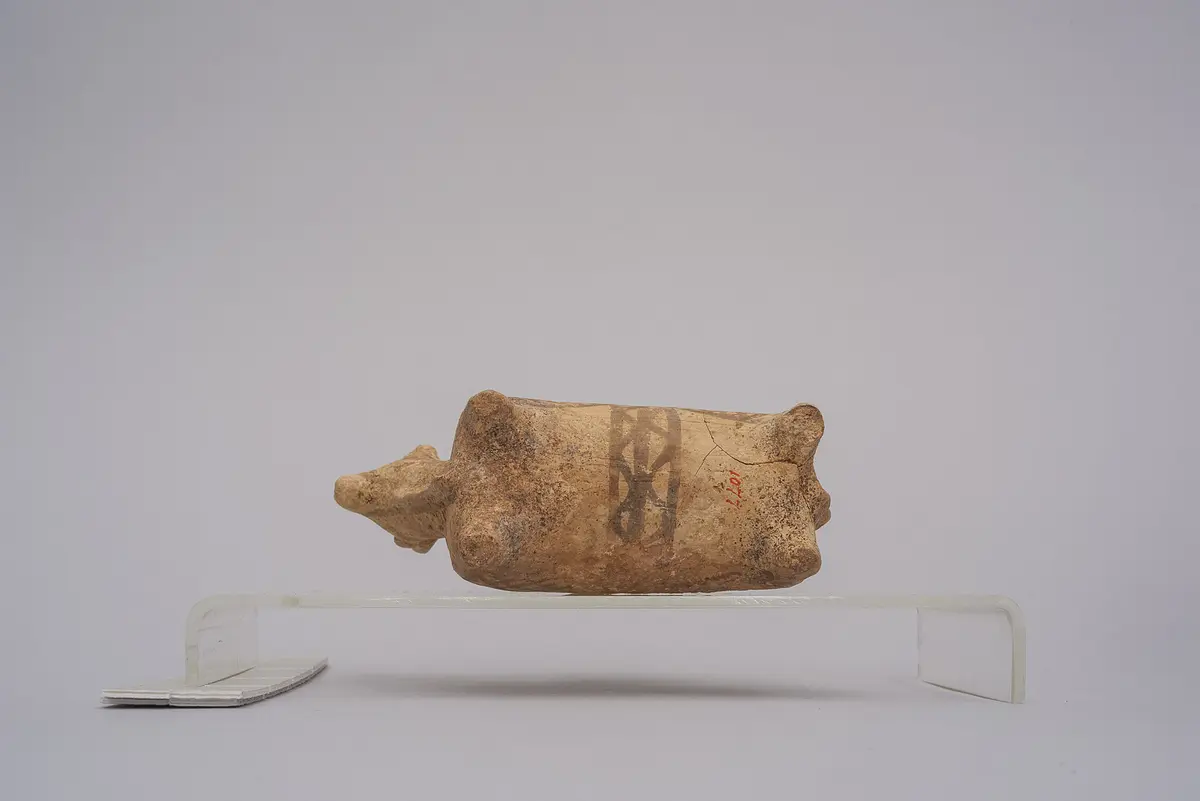
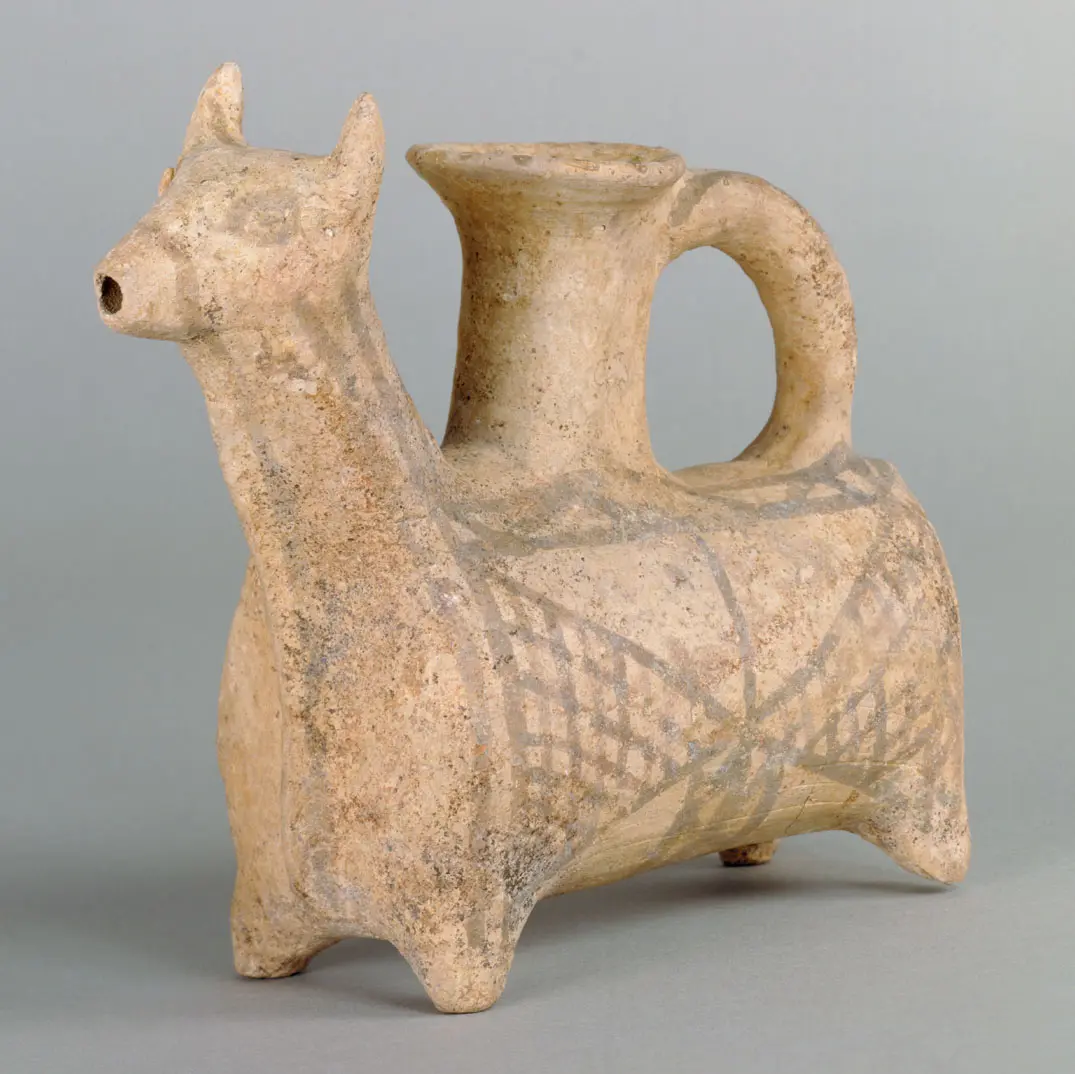
The askos is in the form of a horned animal, probably a bull, with a long cylindrical body and four short legs. It is of a type that had appeared already in the Middle Cypriote, continued into the Late Cypriote I and was present down to the Late Cypriote III period. The askos has an oblong cylindrical body standing on four stump legs. Cylindrical tubular neck arranged obliquely. Two horns, pellet ears, narrow pointed spout. Vertical cylindrical neck in the middle of the animal’s back, out-curved rim, handle from rim to body. Short tail in relief along the animal’s hind part. The dewlap is indicated by a ridge. Decoration in brown to dark brown matt paint. Each side of the body is decorated with two opposed latticed triangles. On either side of the neck, along the upper part of the body, a wavy band flanked by horizontal bands. Below the belly, in the middle, two straight and two wavy bands arranged transversally. The eyes are rendered with paint. Ring around muzzle, bands on sides of neck, diagonals at the back of neck, bands along sides of dewlap, wavy band along outer part of handle.
A. Bernhard-Walcher u.a., Die Sammlung zyprischer Antiken im KHM. Sammlungskataloge des KHM Bd. 2, Wien 1999 (V. Karageorghis)
Time:
1125 - 1050 v. Chr.
Object Name
Askos in Stierform der Proto-White Painted Ware
Culture
Zyprisch
Location of discovery:
Idalion (Dhali, Zypern)
Material/technology:
Ton hellbraun; Bemalung braun bis dunkelbraun; Drehscheibenarbeit.
Dimensions:
H. 13,4 cm, L. 15,4 cm
Copyright
Kunsthistorisches Museum, Antikensammlung
Invs.
Antikensammlung, V 1077
Provenance
Cesnola, Luigi Palma di, Konsul, Larnaka; 1869 Kauf
Browse more
Similar items you might be interested in
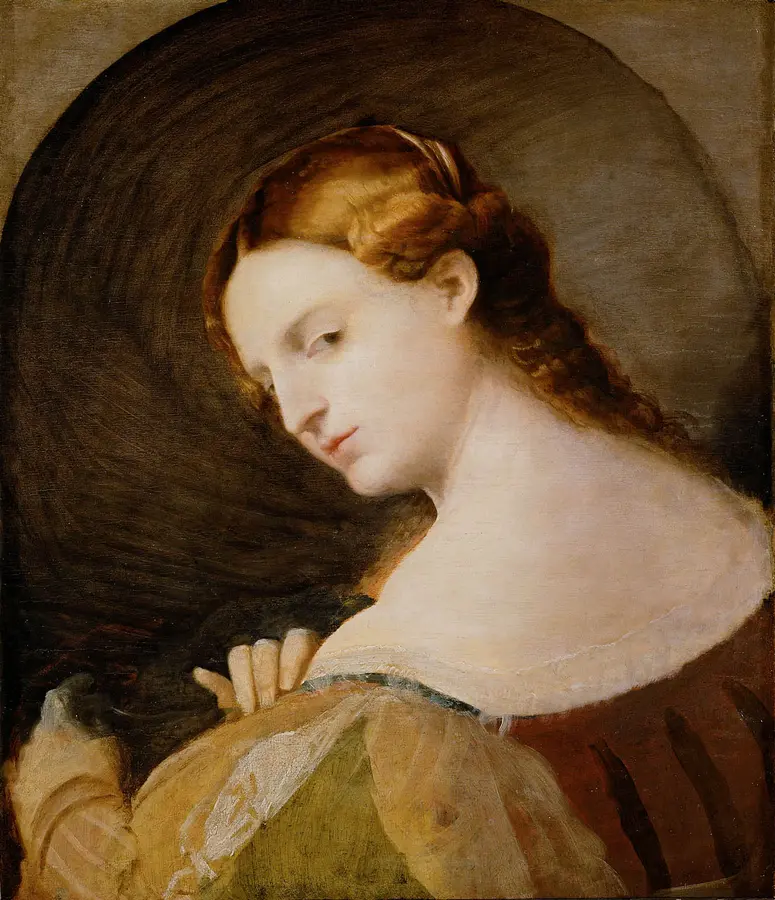
Portrait of a Young Woman in Profile Jacopo Negretti, gen. Palma il Vecchio around 1520/25
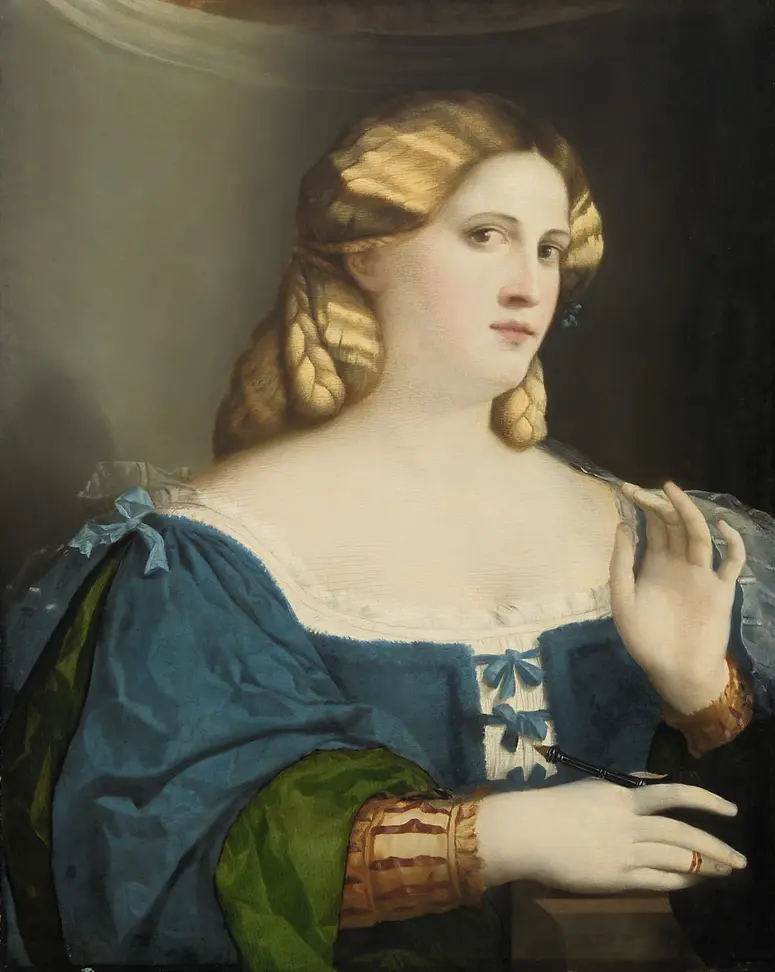
Young Woman in Blue Dress with Fan Jacopo Negretti, gen. Palma il Vecchio around 1512/14
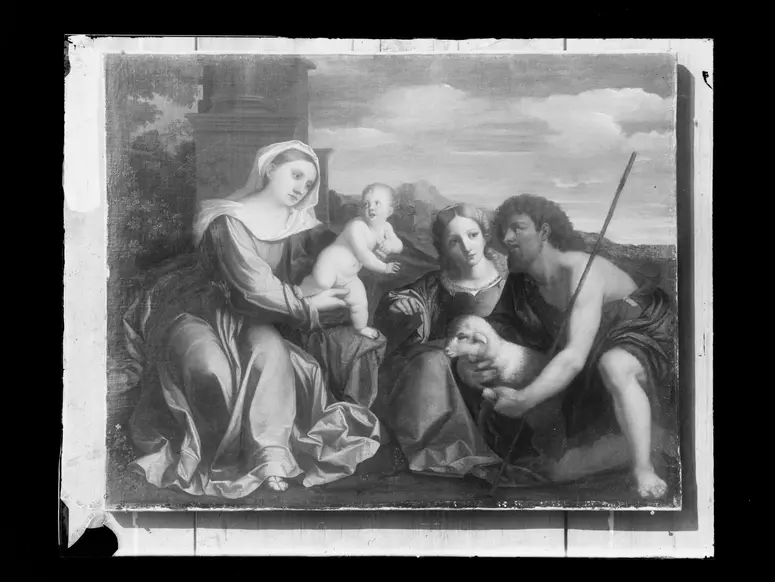
Madonna mit Kind und Heiligen J. Löwy, K. und K. Hof-Photograph, Kunst- und Verlagsanstalt (Wien) 1888 bis 1910
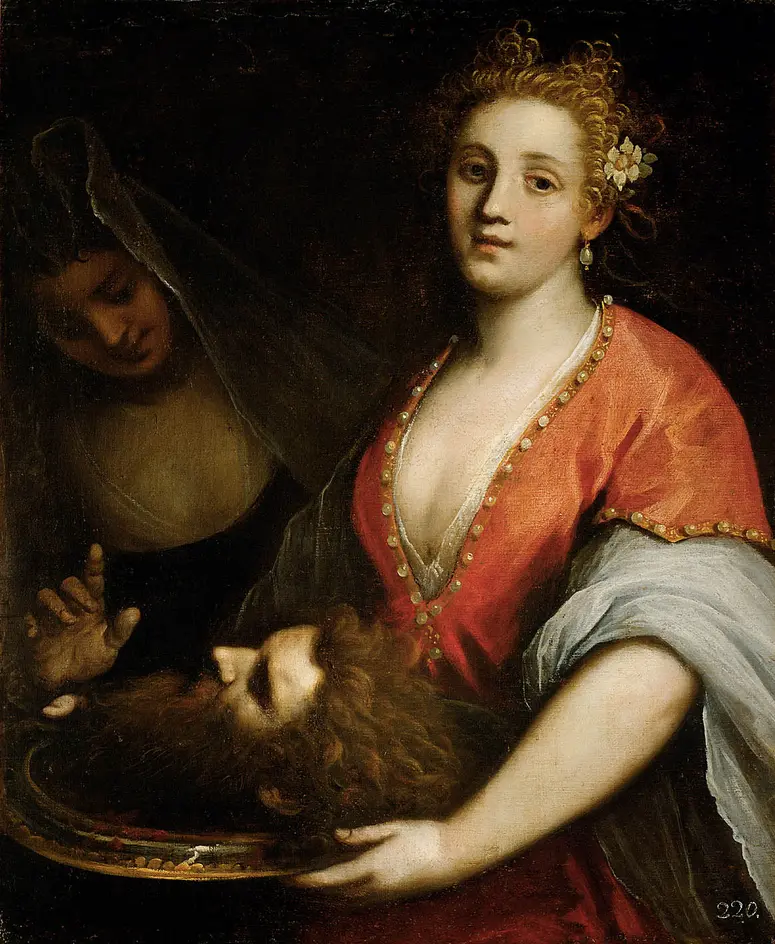
Salome with the Head of John the Baptist Jacopo Negretti, gen. Palma il Giovane around 1599
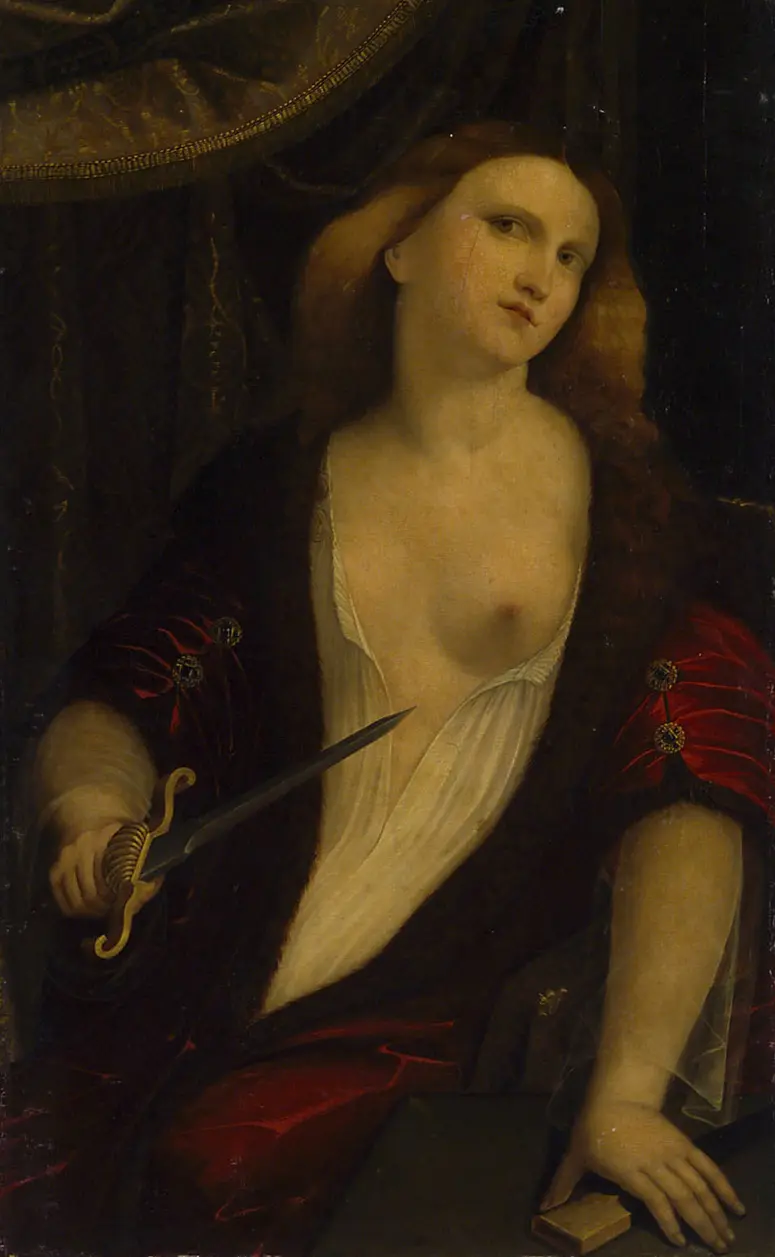
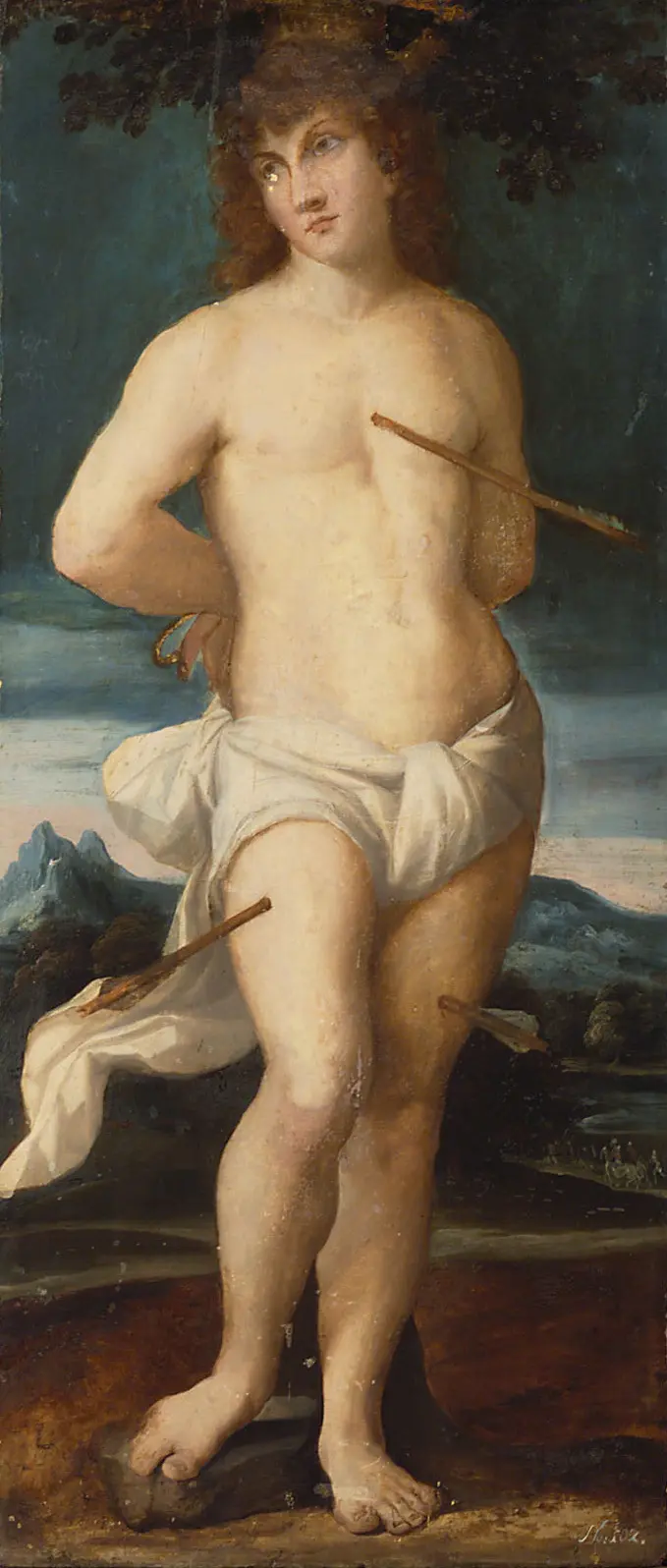
Evangelist Johannes J. Löwy, K. und K. Hof-Photograph, Kunst- und Verlagsanstalt (Wien) 1888 bis 1891
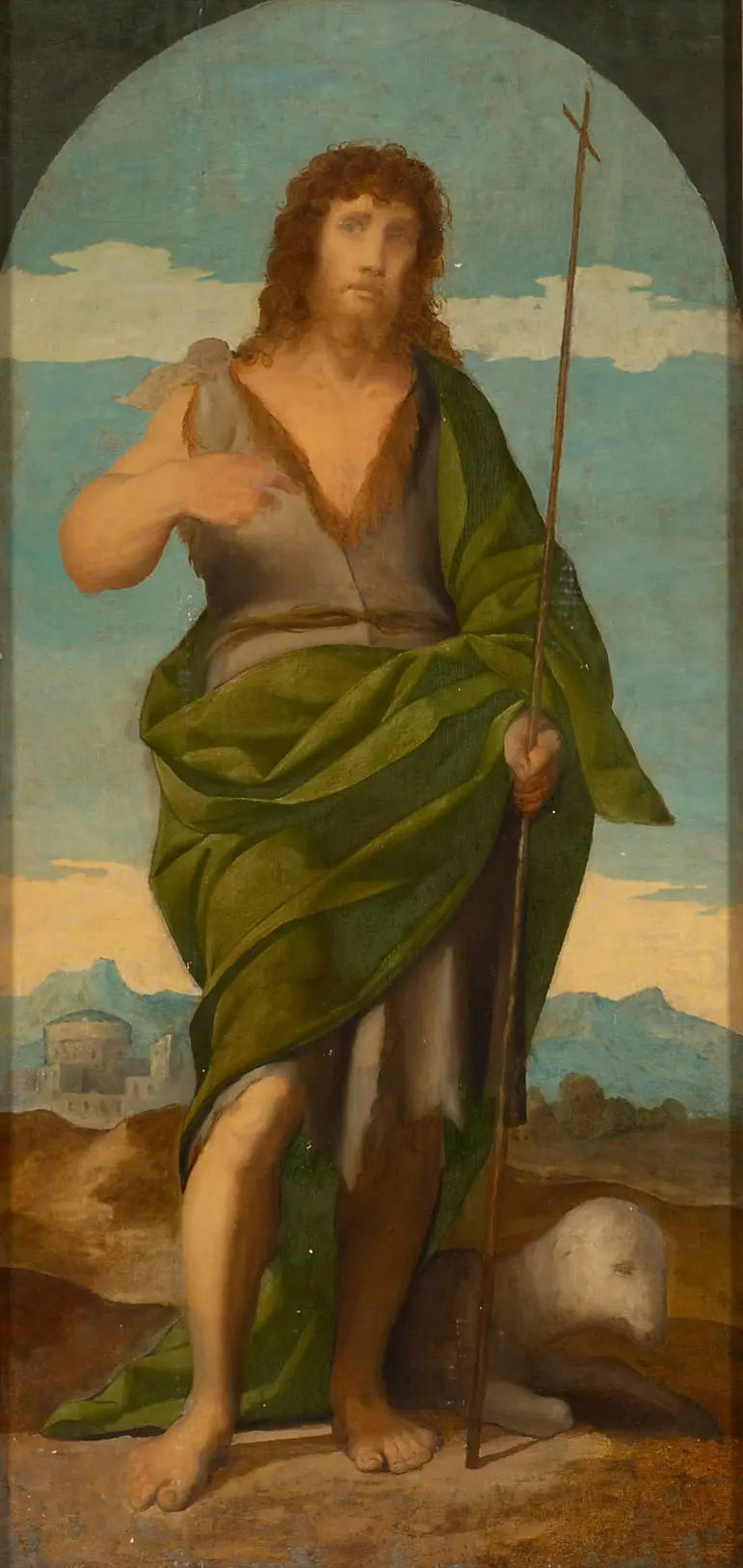
Johannes der Täufer J. Löwy, K. und K. Hof-Photograph, Kunst- und Verlagsanstalt (Wien) 1888 bis 1891
Hl. Rochus J. Löwy, K. und K. Hof-Photograph, Kunst- und Verlagsanstalt (Wien) 1888 bis 1891
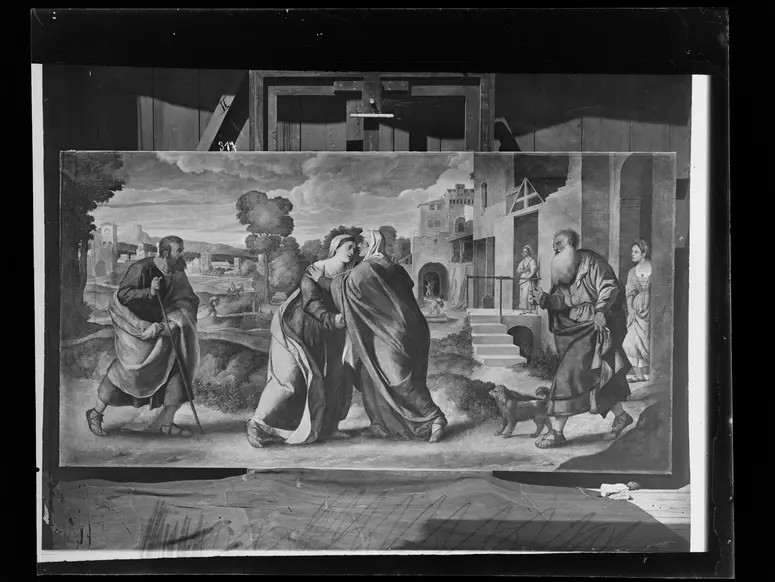
Heimsuchung Mariae J. Löwy, K. und K. Hof-Photograph, Kunst- und Verlagsanstalt (Wien) 1888 bis 1891

Hl. Sebastian J. Löwy, K. und K. Hof-Photograph, Kunst- und Verlagsanstalt (Wien) 1888 bis 1891
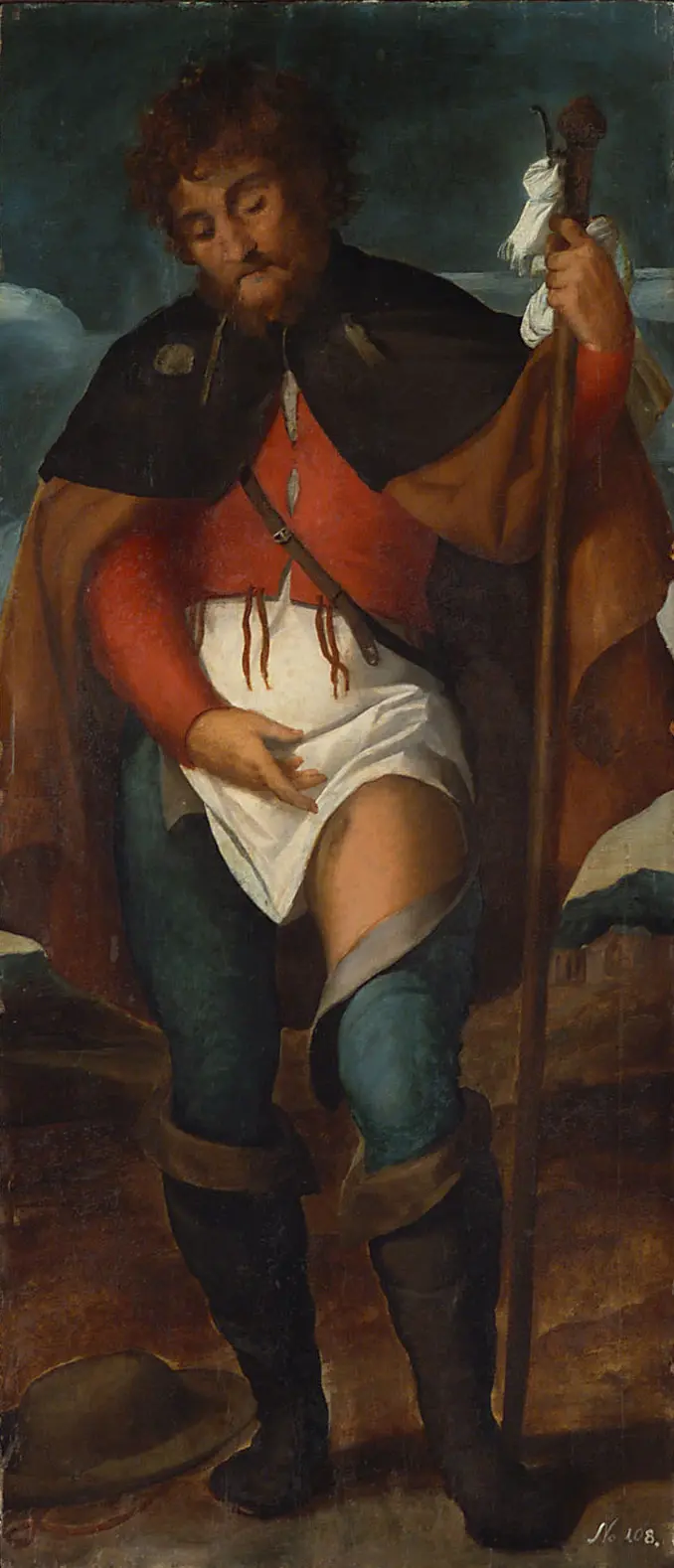
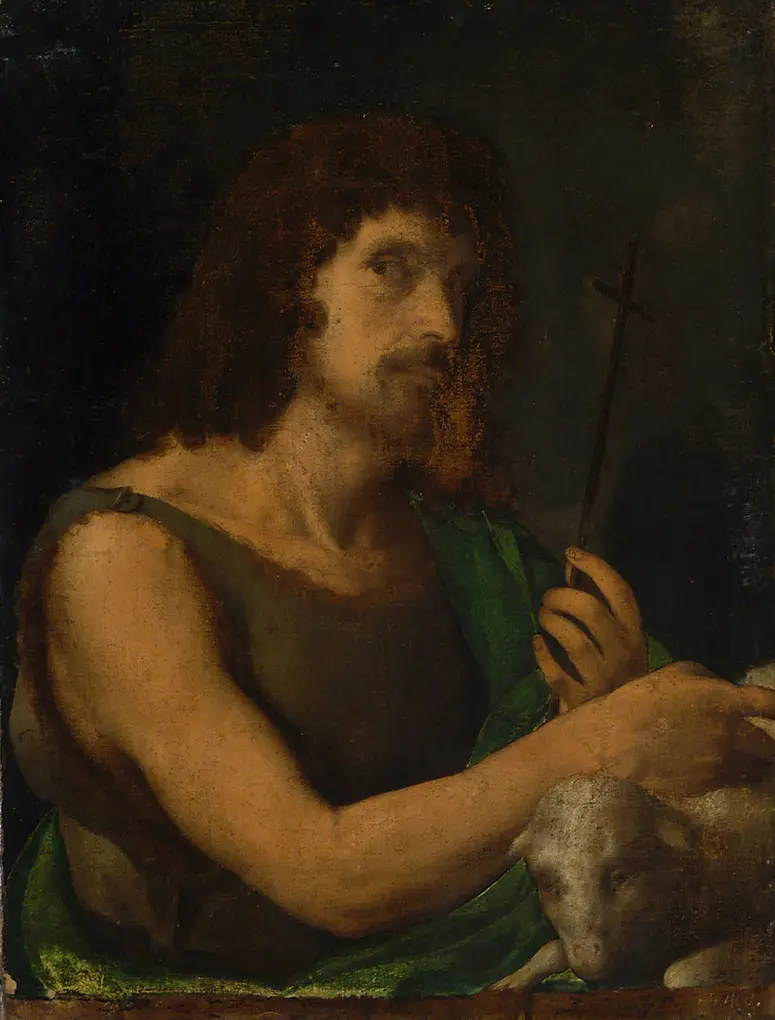
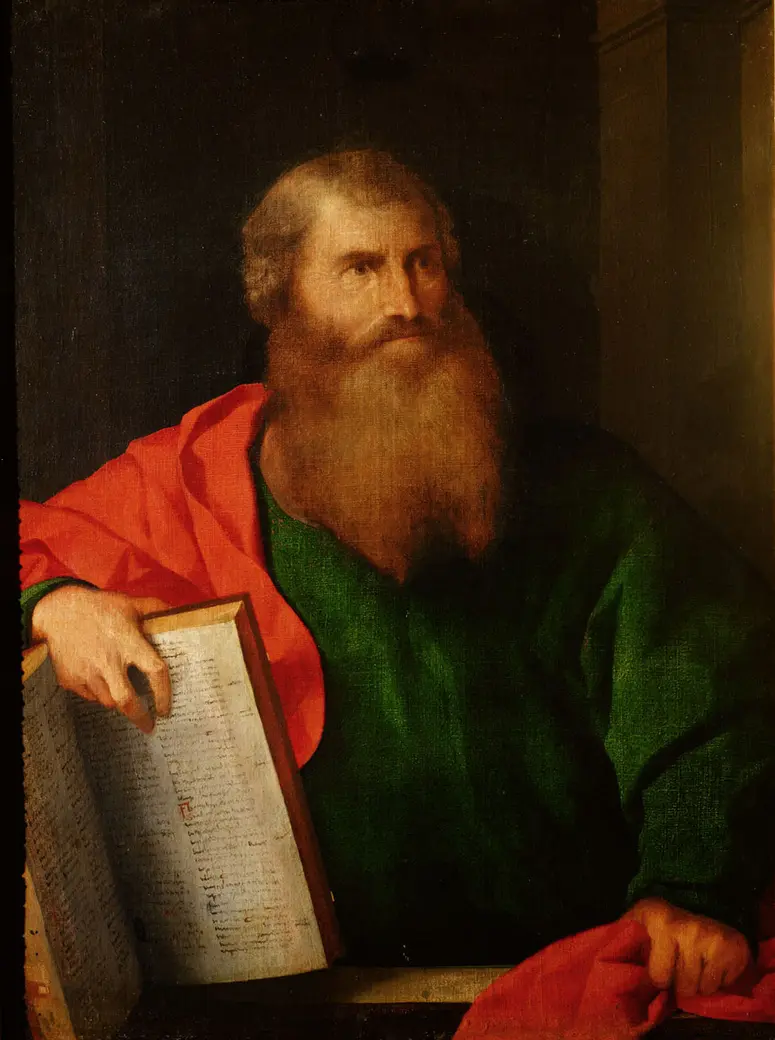
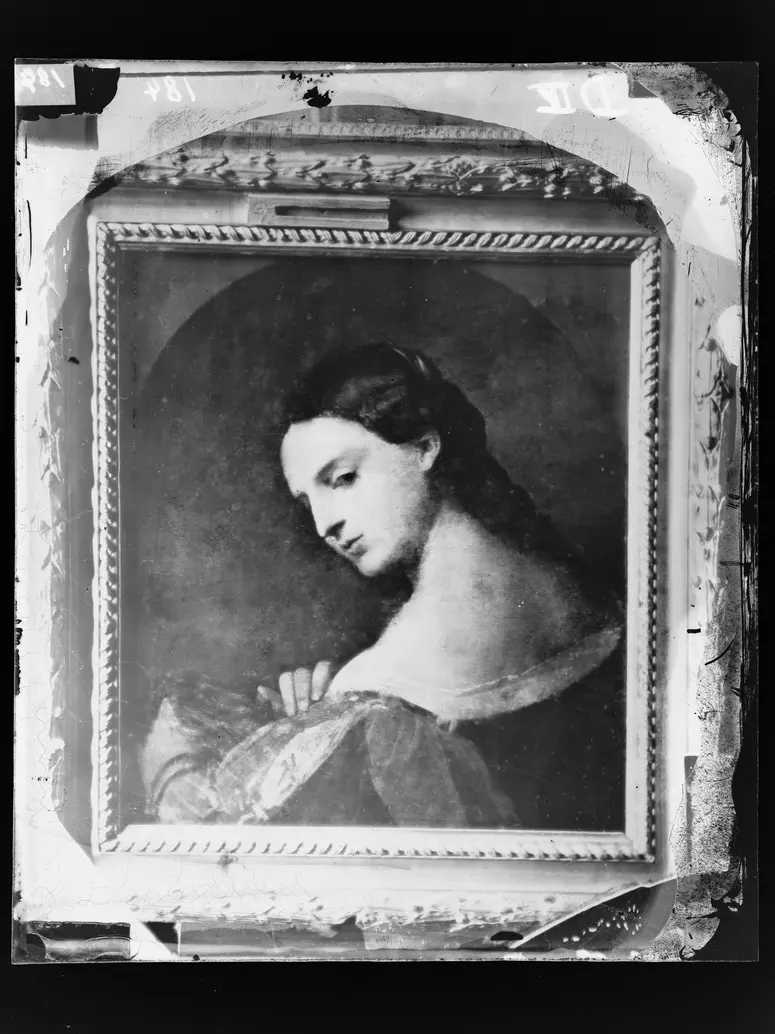
Bildnis einer jungen Frau im Profil J. Löwy, K. und K. Hof-Photograph, Kunst- und Verlagsanstalt (Wien) 1888 bis 1891