Flügelfrau mit Räucherbecken
1. Viertel 5. Jh. v. Chr.
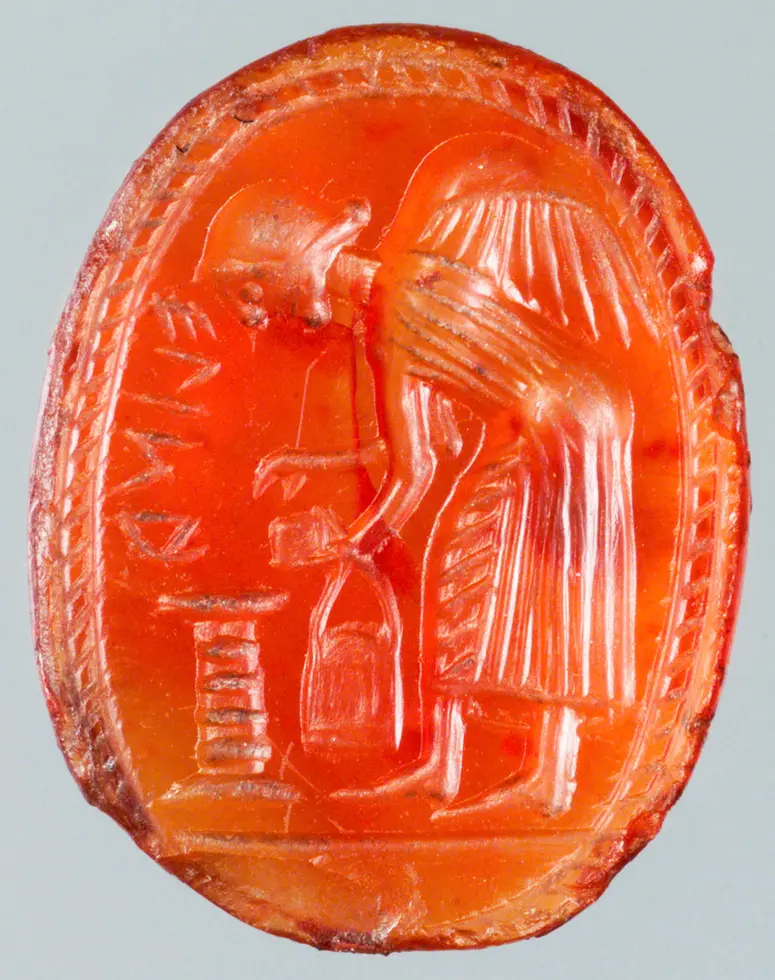
Incense sacrifice had a central meaning to the Paphos Aphrodite religion, and represented an important part of the cult’s ceremonies. Offering devices were usually incense burners (Thymiateria), made mostly out of clay, bronze, precious metal, sometimes out of stone. This incense burner with a winged woman is among the few remaining examples of the adorned limestone Thymiateria. Before a pillar-like stand which holds the round beaker, stands a feminine winged figure. She is dressed in a double-belted narrow chiton (blouse), diadem, earrings, throat-band, breast-chain and arm-rings. In the outstretched hand she holds a winged Sun, the symbol of the god Horus.
A. Bernhard-Walcher u. a., Die Sammlung zyprischer Antiken im KHM. Sammlungskataloge des KHM Bd. 2, Wien: 1999
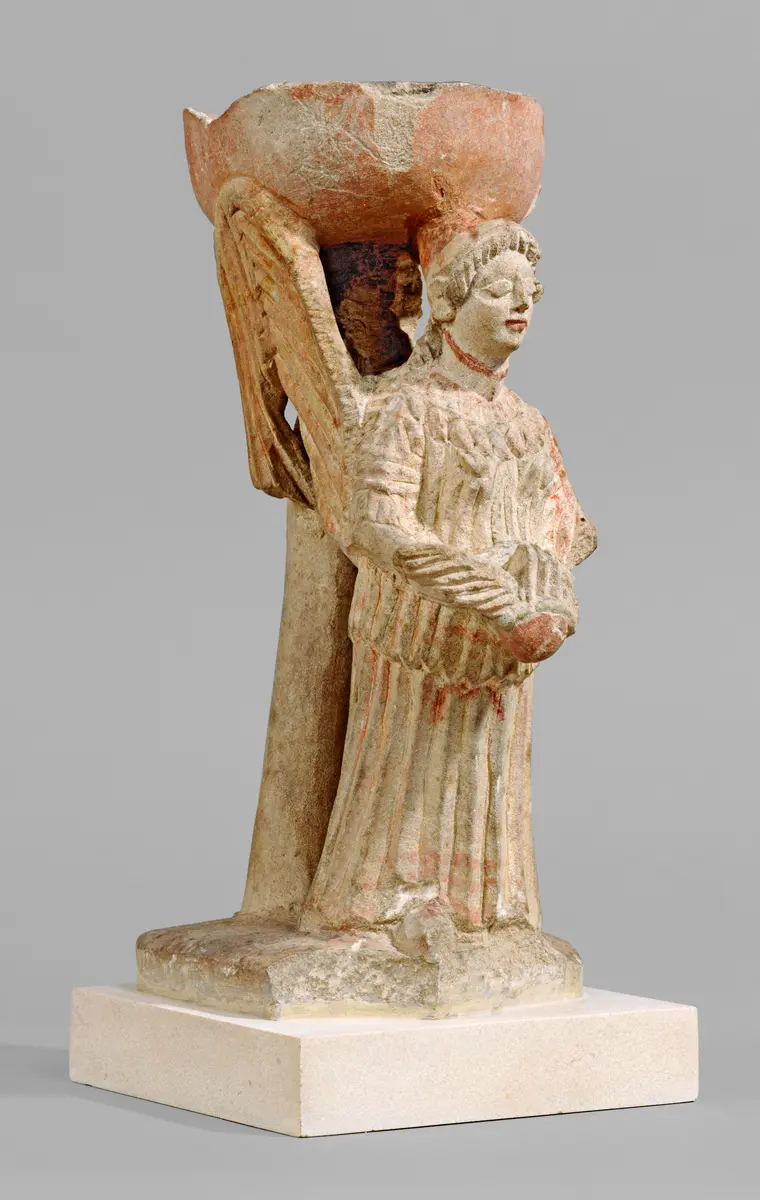
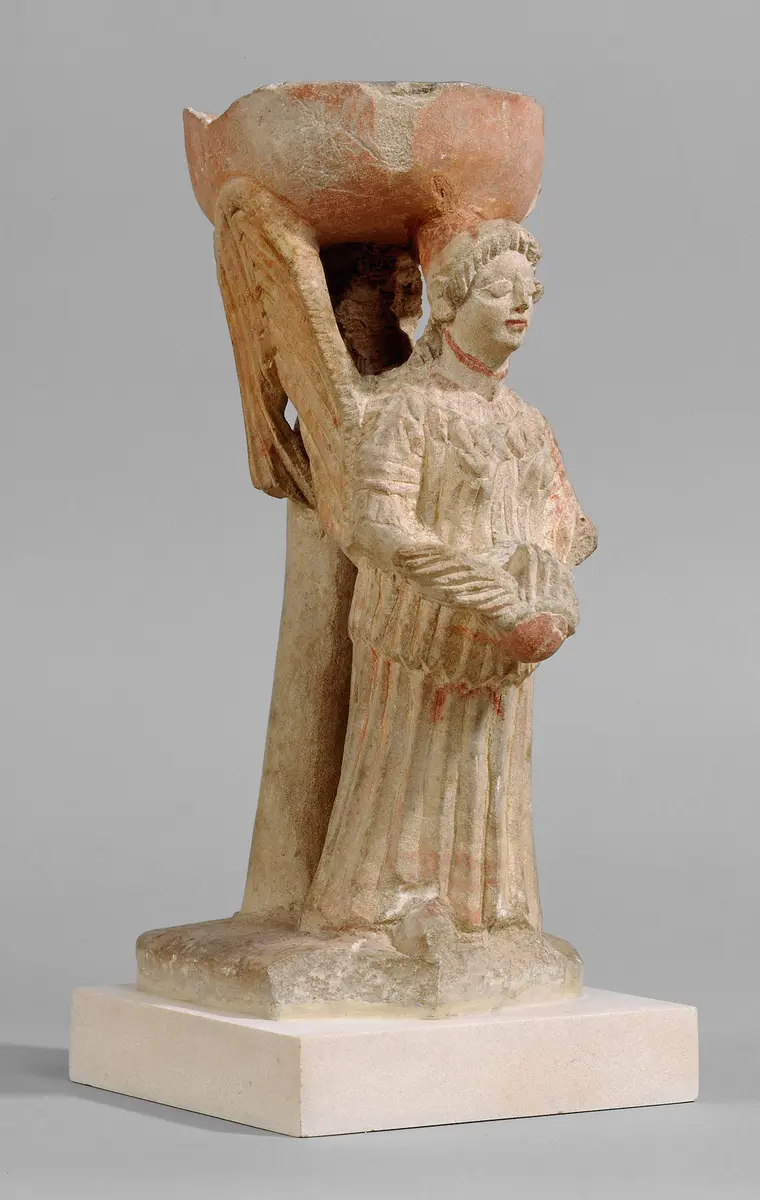
Incense sacrifice had a central meaning to the Paphos Aphrodite religion, and represented an important part of the cult’s ceremonies. Offering devices were usually incense burners (Thymiateria), made mostly out of clay, bronze, precious metal, sometimes out of stone. This incense burner with a winged woman is among the few remaining examples of the adorned limestone Thymiateria. Before a pillar-like stand which holds the round beaker, stands a feminine winged figure. She is dressed in a double-belted narrow chiton (blouse), diadem, earrings, throat-band, breast-chain and arm-rings. In the outstretched hand she holds a winged Sun, the symbol of the god Horus.
A. Bernhard-Walcher u. a., Die Sammlung zyprischer Antiken im KHM. Sammlungskataloge des KHM Bd. 2, Wien: 1999
Time:
1. Viertel 5. Jh. v. Chr.
Object Name
Räuchergefäß
Culture
Zyprisch
Location of discovery:
Voni (bei Kythrea, Zypern)
Material/technology:
Kalkstein; Reste roter und grüner Bemalung
Dimensions:
25 cm
Basis: 10,8 cm × 10,6 cm
Becken: 10 cm
Copyright
Kunsthistorisches Museum, Antikensammlung
Invs.
Antikensammlung, I 602
Provenance
Ohnefalsch-Richter, Max; 1884 Kauf
Browse more
Similar items you might be interested in
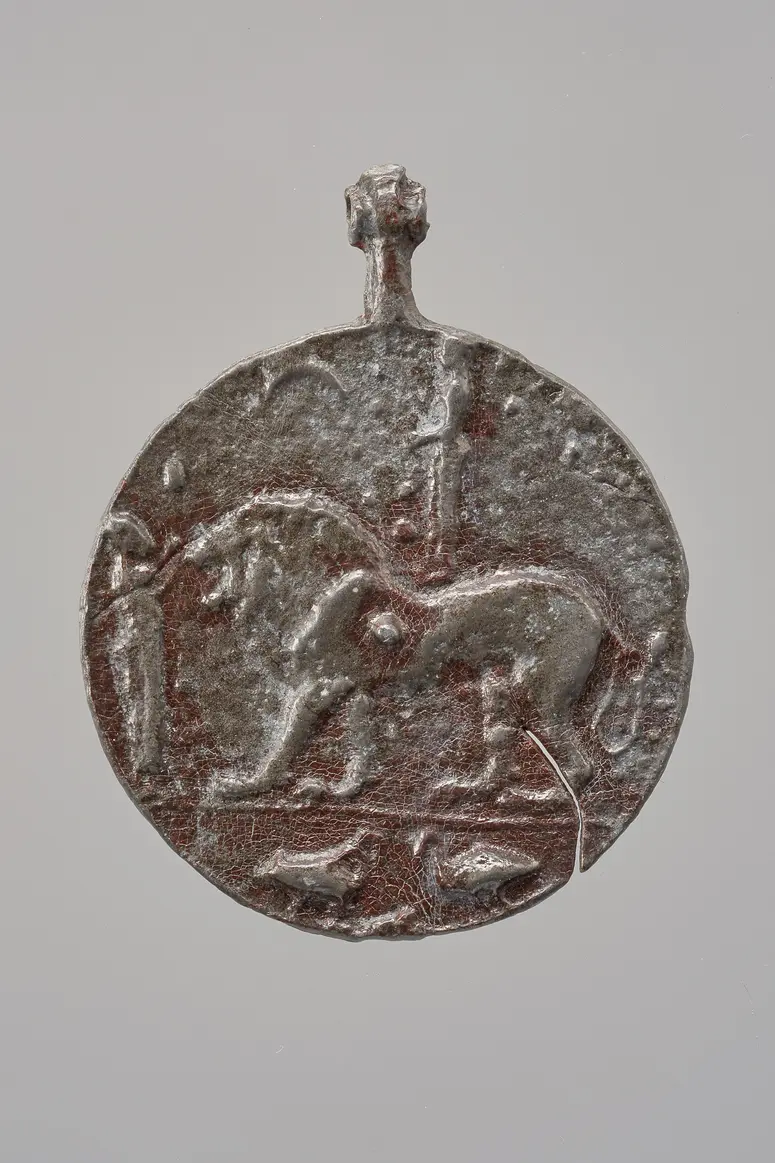
Votiv: Bleivotiv: Astarte auf Löwen Griechisch, Ostrgriechisch 2. Hälfte 6. Jh. v. Chr.

Grabdenkmal: Grabrelief: Totenmahl Griechisch, Hellenistisch 3. - 2. Jh. v. Chr.
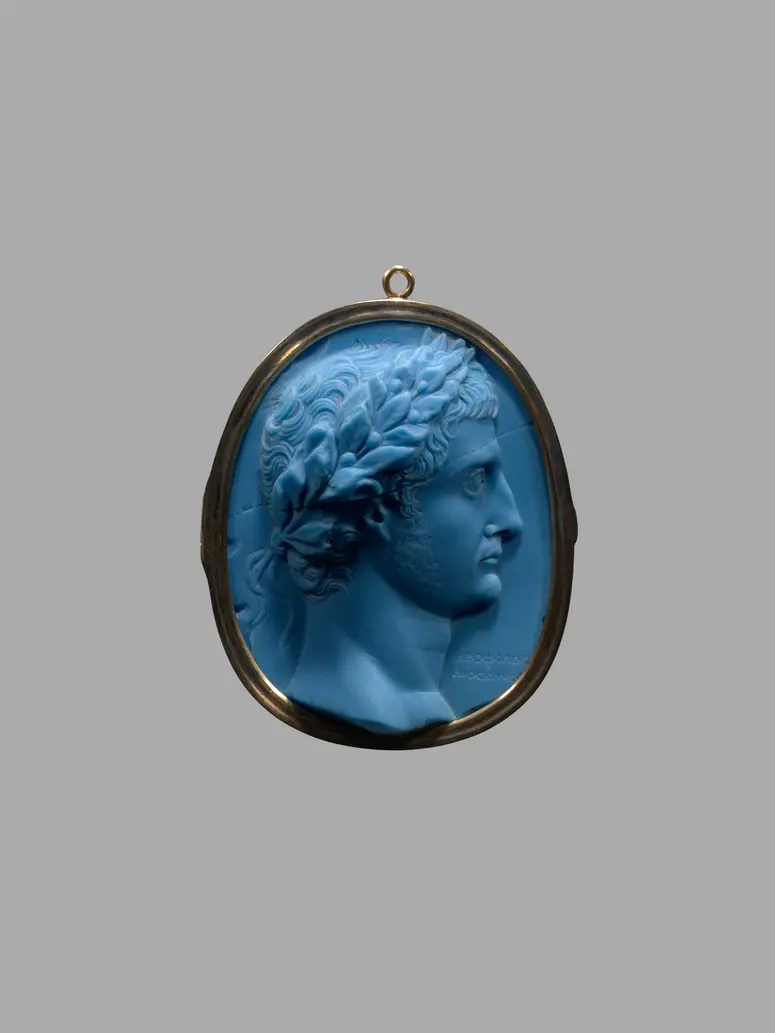
Glaskameo des Herophilos: Porträt des Drusus maior Römisch, Frühe Kaiserzeit um 20 n. Chr.
Stierkopfschale: Stierkopfschale Frühes Mittelalter 7. - 9. Jh. n. Chr. (2. Hälfte 8. Jh. n. Chr.?)
Medaillonkrug: Medaillonkrug Frühes Mittelalter 7. - 9. Jh. n. Chr. (1. Hälfte 8. Jh. n. Chr.?)
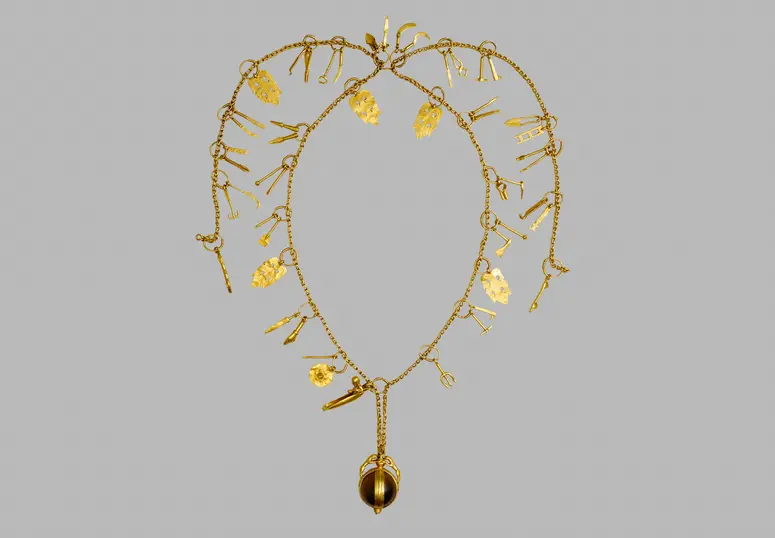
Goldkette mit 52 Anhängern: Goldkette mit 52 Anhängern Völkerwanderungszeit, Ostgermanisch (gepidisch?) Deponierung etwa 2. Viertel 5. Jh. n. Chr.

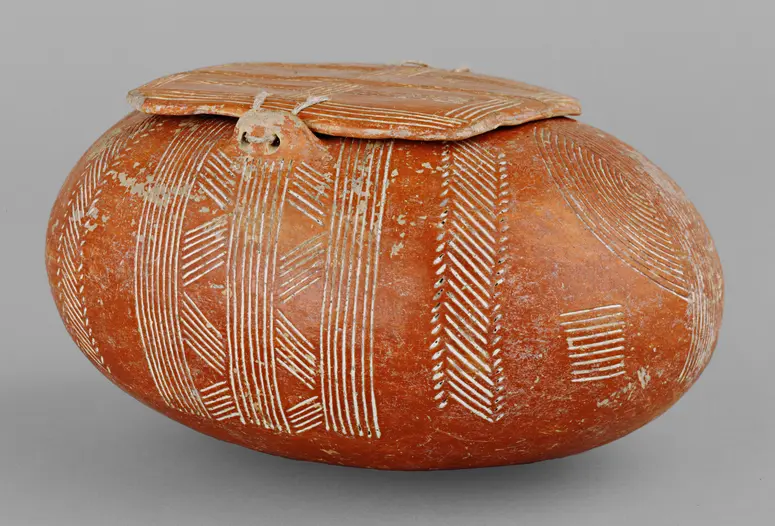
Deckelbüchse (Pyxis) der Red Polished III Ware: Ritzdekor Zyprisch, Bronzezeit, Früh- bis Mittelzyprisch 2000 - 1800 v. Chr.