Grabrelief: Totenmahl
3. - 2. Jh. v. Chr.
In an architectural frame a bearded hero wearing a polos is shown reclining on a couch (klinē); he is clutching a bowl in his right hand. The woman sitting at his feet is taking grains of incense from a casket and placing them on an incense burner (thymiaterion); food is set out on a table beside her. Next to the bed stand a vessel for mixing wine with water (krater) and a young cupbearer. From the left worshippers approach bearing gifts. The head of a horse is visible through the window in the back. Reliefs depicting heroic banquets form a distinct group among Greek votive reliefs. From the 3rd century BC onwards, they also functioned as funerary reliefs.

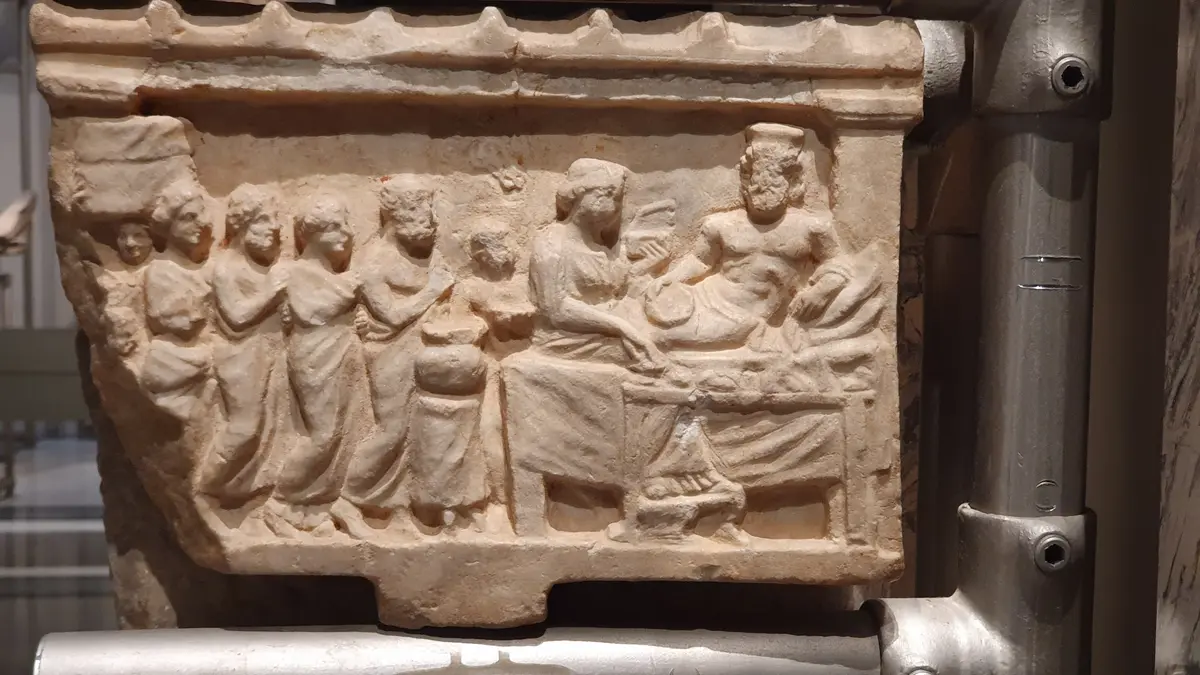
In an architectural frame a bearded hero wearing a polos is shown reclining on a couch (klinē); he is clutching a bowl in his right hand. The woman sitting at his feet is taking grains of incense from a casket and placing them on an incense burner (thymiaterion); food is set out on a table beside her. Next to the bed stand a vessel for mixing wine with water (krater) and a young cupbearer. From the left worshippers approach bearing gifts. The head of a horse is visible through the window in the back. Reliefs depicting heroic banquets form a distinct group among Greek votive reliefs. From the 3rd century BC onwards, they also functioned as funerary reliefs.
Time:
3. - 2. Jh. v. Chr.
Object Name
Grabdenkmal
Culture
Griechisch
Location of discovery:
Ephesos (Selçuk, Kleinasien, Türkei)
Material/technology:
Marmor
Dimensions:
L/H 23 × B 35 cm
Copyright
Kunsthistorisches Museum, Antikensammlung
Invs.
Antikensammlung, I 903
Provenance
Sultan, Abdul, Hamid, II.; Österreichische Ausgrabungen in Ephesos; Geschenk an Kaiser Franz Joseph; 1914 nachträglich inventarisiert
Browse more
Similar items you might be interested in
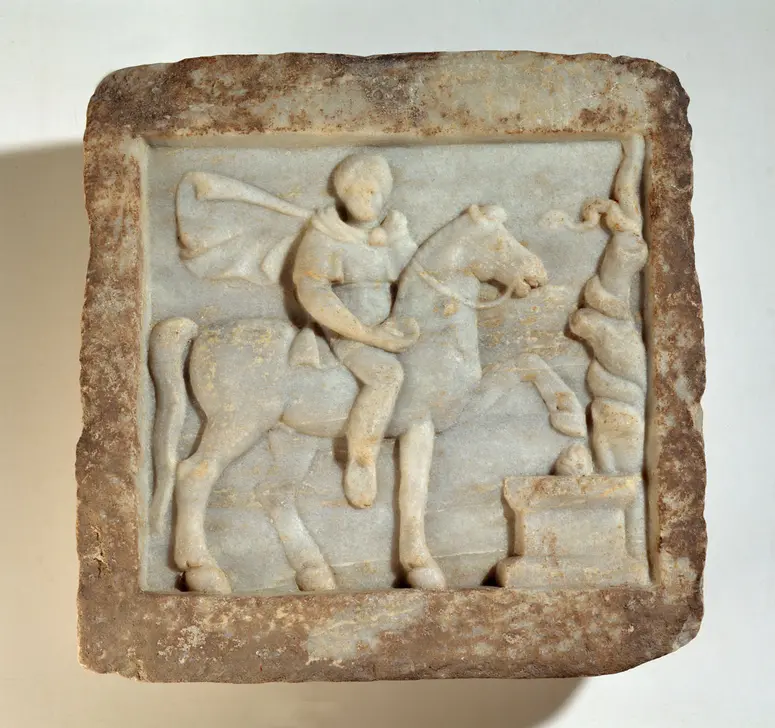
Grabdenkmal: Grabrelief: Reiter Griechisch 1. - 3. Jh. n. Chr.
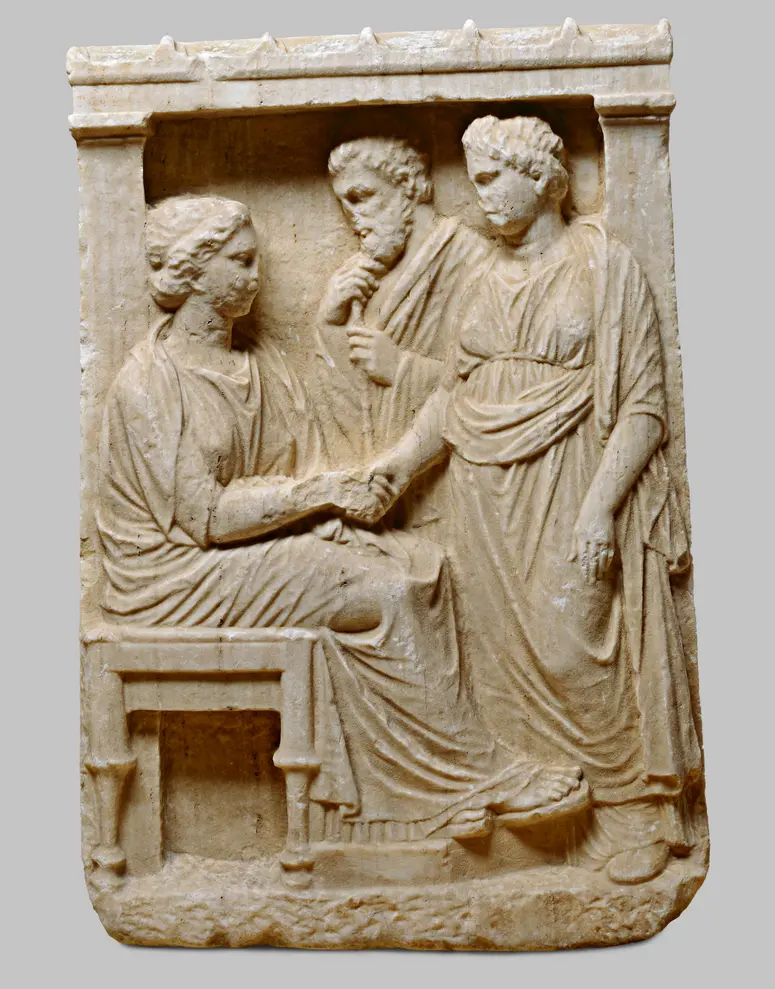
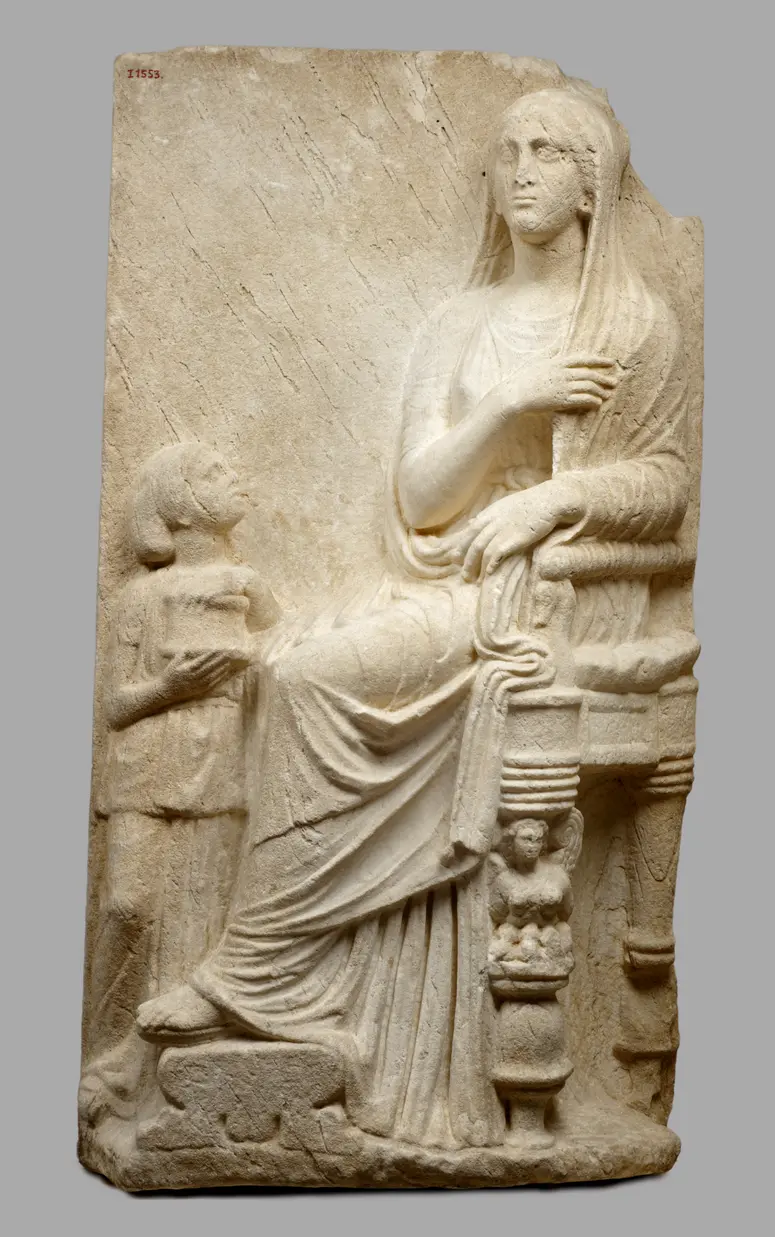
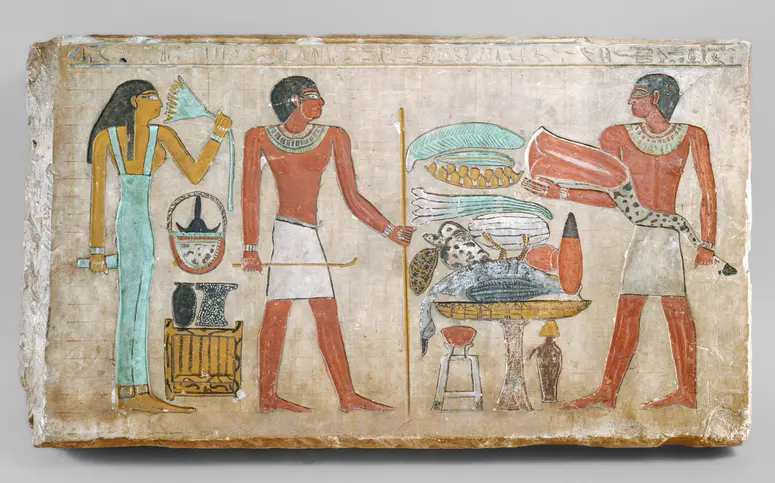
Relief with an offering scene Fundort unbekannt early 12th Dynasty, ca. 1980 BC
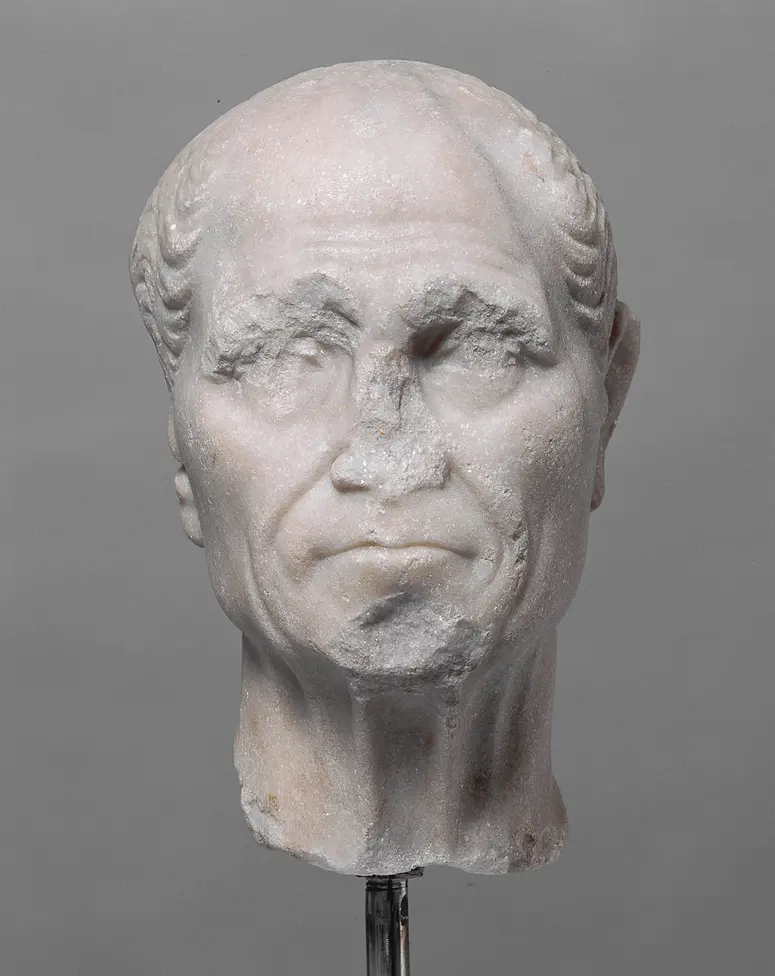
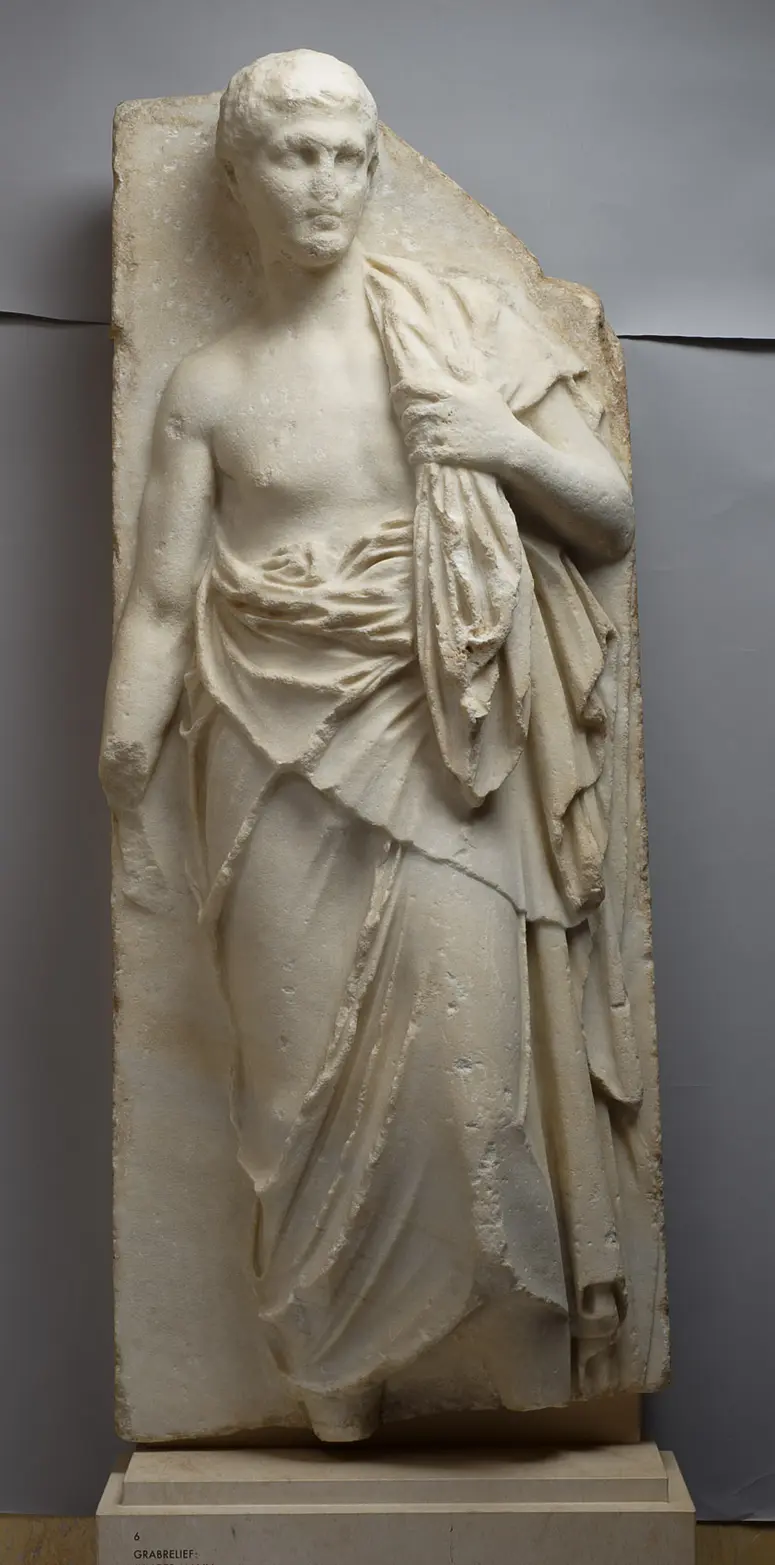
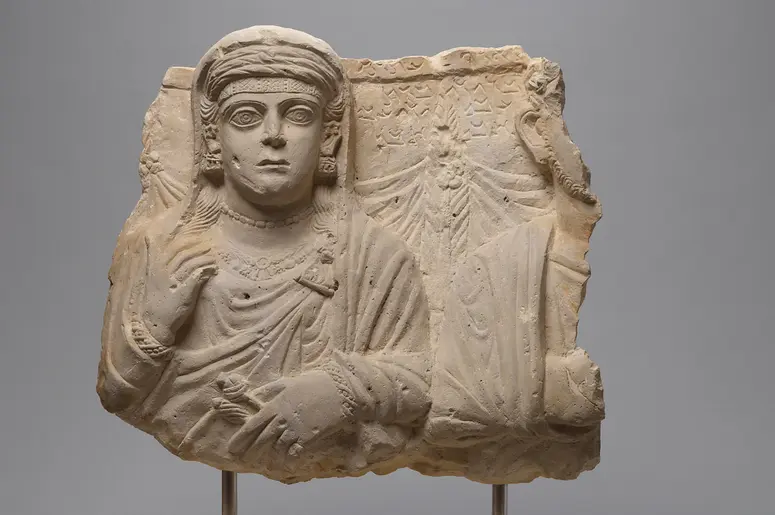
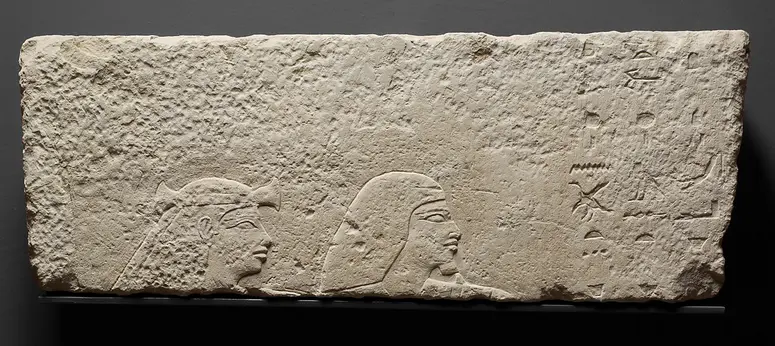
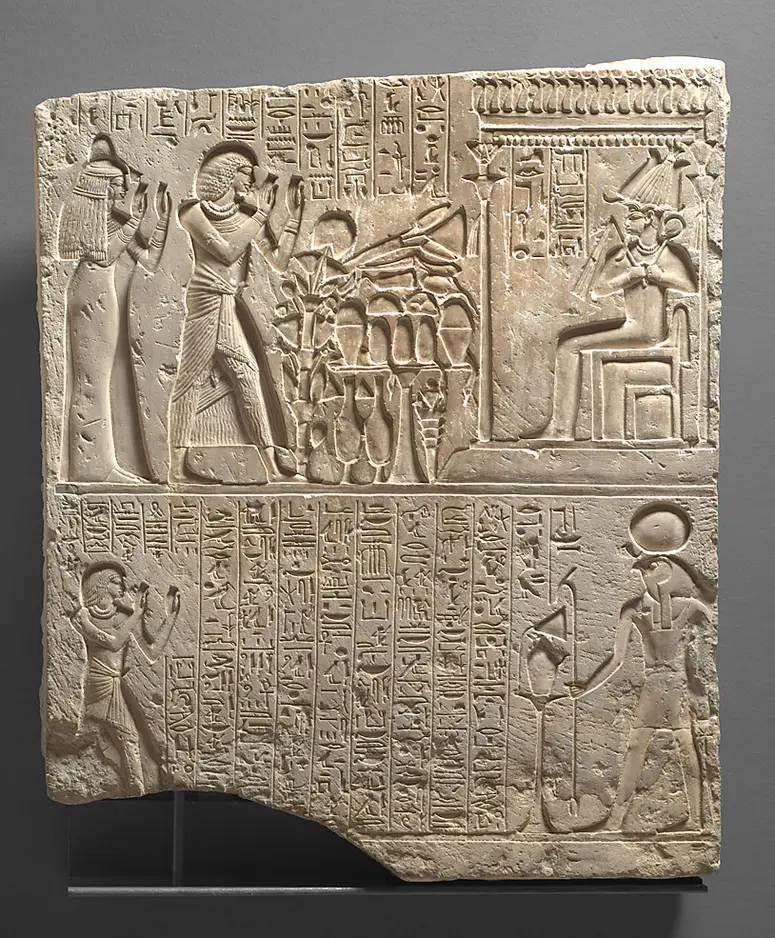
Relief from the tomb of Meri-re Saqqara 18th Dynasty, reign of Amenhotep III, 1410–1372 BC
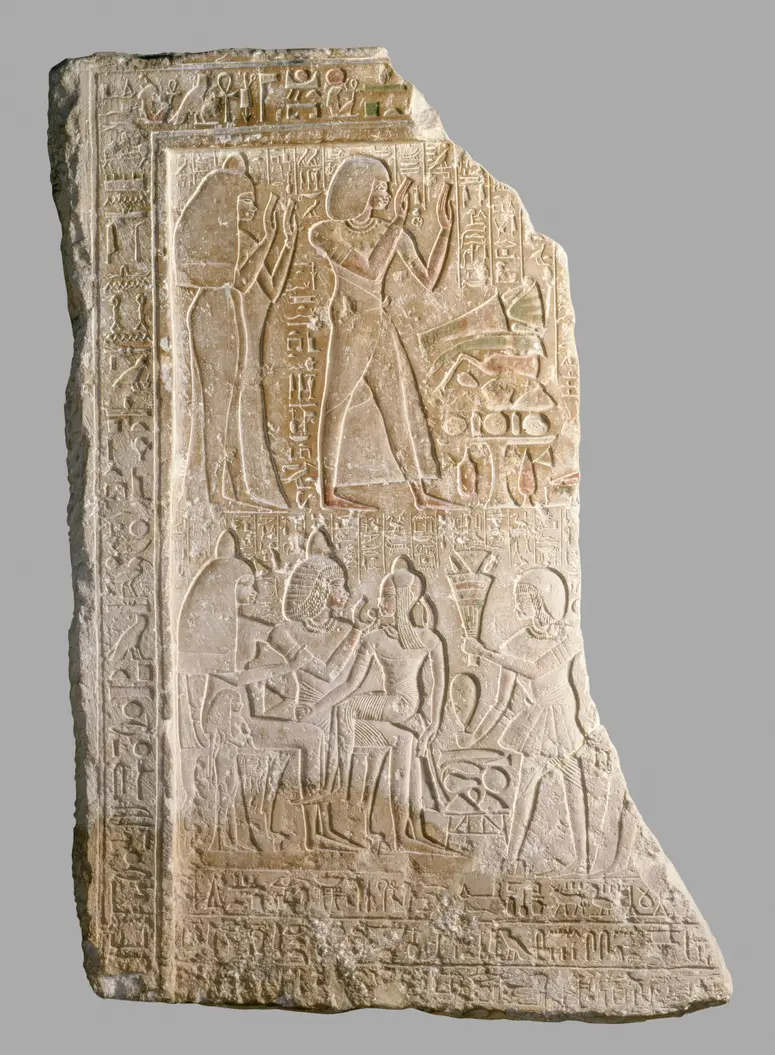
Relief from the tomb of Meri-re Saqqara 18th Dynasty, reign of Amenhotep III, 1410–1372 BC
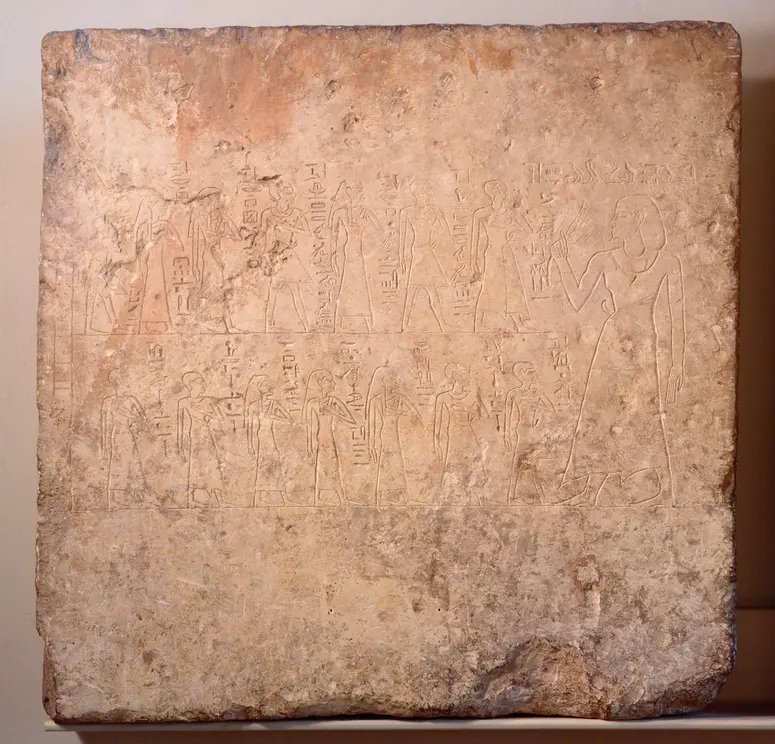
Grabrelief des Month-Priesters Dedu-sebek Dedi Theben oder Abydos, Gebiet von (vermutlich) Ca. 1800-1665 v. Chr.
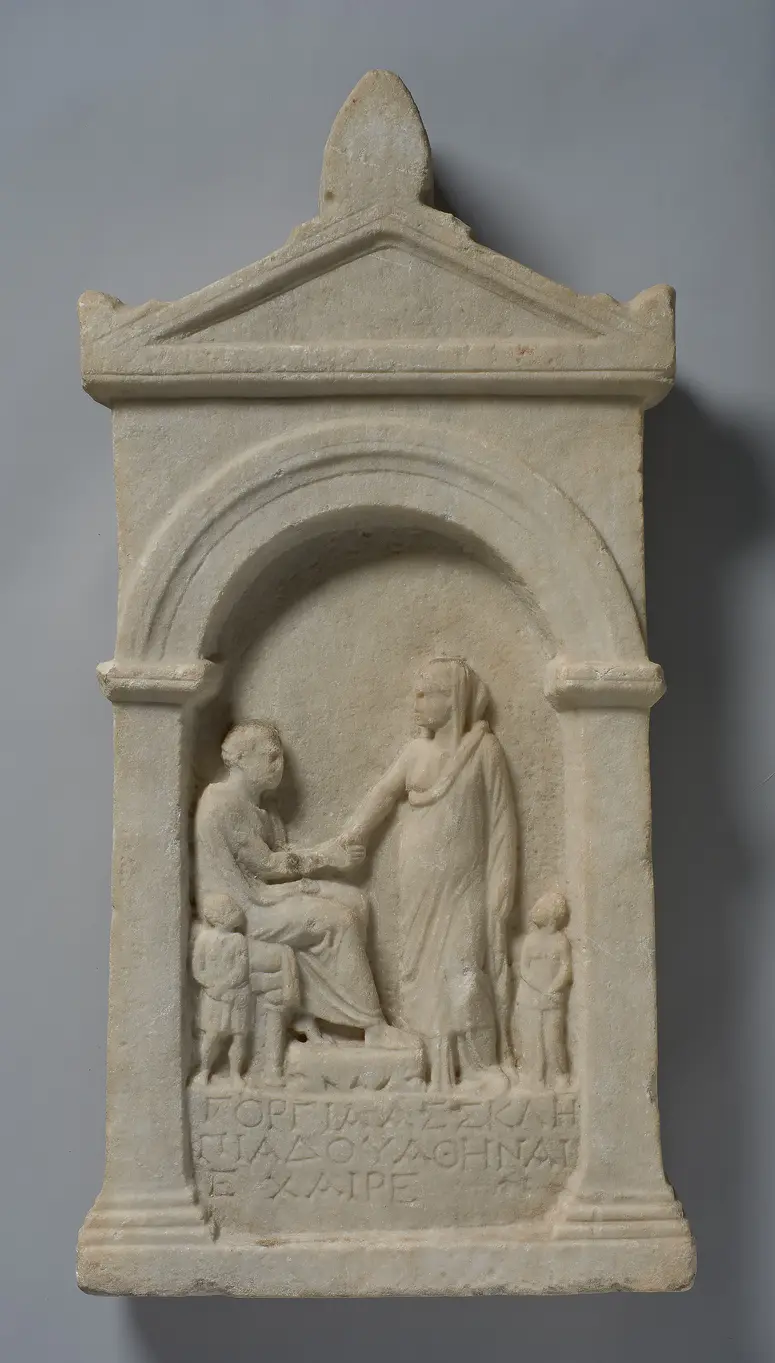
Grabdenkmal: Grabrelief des Gorgias Griechisch, Hellenistisch 3. Drittel 2. Jh. v. Chr.
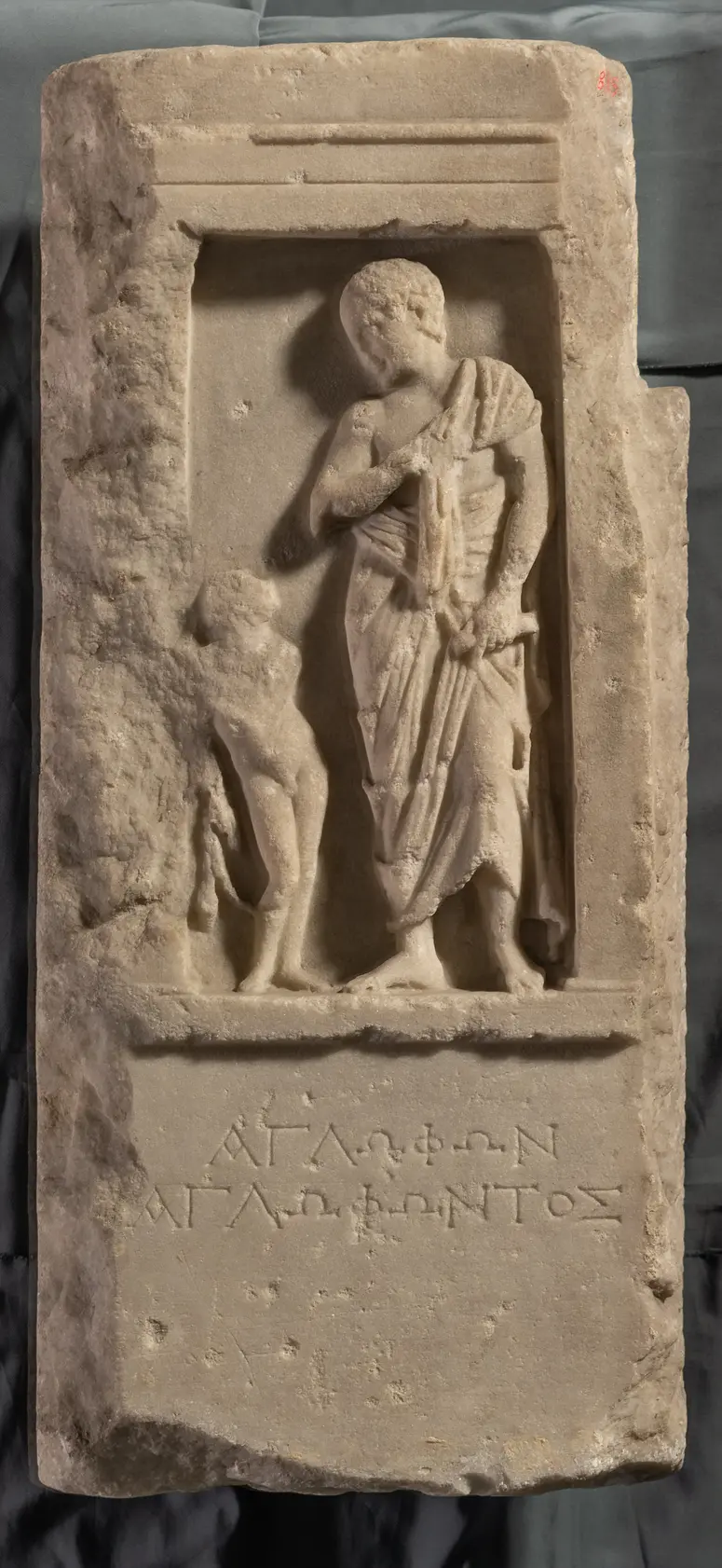
Grabdenkmal: Grabrelief des Aglophon Griechisch, Hellenistisch 2. Hälfte 3. Jh. v. Chr.
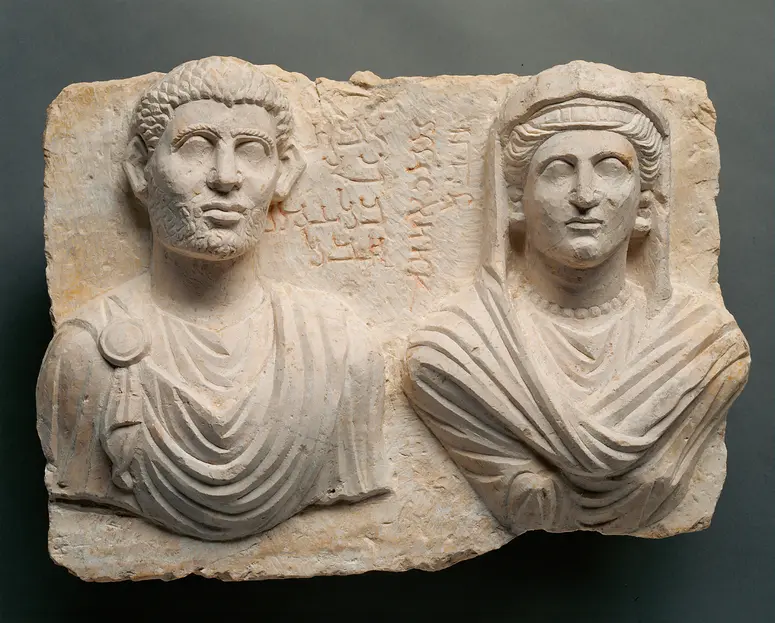

Grabdenkmal: Grabrelief des Apelles aus Herakleia Griechisch, Hellenistisch um 110 v. Chr.
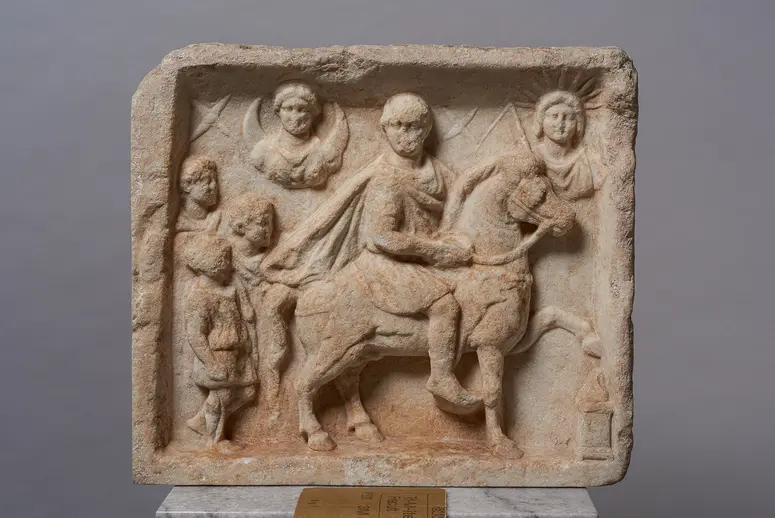

Grabdenkmal: Grabrelief mit Hadespforte und Inschrift Römisch, Späte Kaiserzeit 3. Jh. n. Chr.
Visierung zum Kenotaph Kaiser Maximilians I. in Innsbruck, Visierung, Entwurf, Graphik Florian Abel 1561 (?)