Grabrelief: Reiter
1. - 3. Jh. n. Chr.
This framed image celebrates the deceased as a heroic horseman. He is clutching a bowl in his right hand, and his cloak (clamys) is billowing in the wind. On the right is a sacrificial altar - the cone indicates a lit flame - and behind it stands a bare tree with a serpent wrapped around it, a symbol of the Underworld. Both depictions of funerary banquets and images of mounted heroes approaching an altar and a tree with a serpent were among the most popular funerary reliefs in Asia Minor.
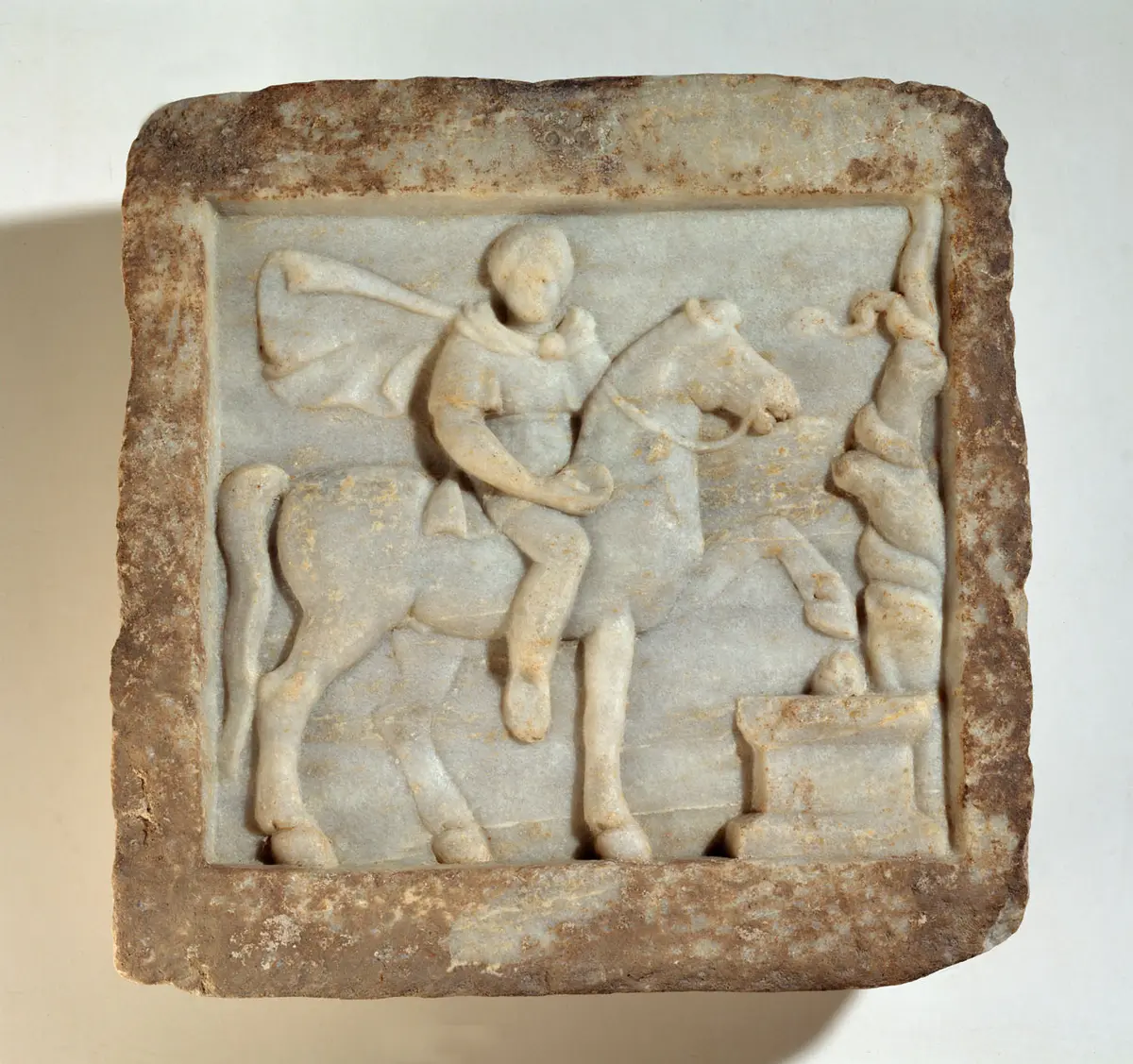
This framed image celebrates the deceased as a heroic horseman. He is clutching a bowl in his right hand, and his cloak (clamys) is billowing in the wind. On the right is a sacrificial altar - the cone indicates a lit flame - and behind it stands a bare tree with a serpent wrapped around it, a symbol of the Underworld. Both depictions of funerary banquets and images of mounted heroes approaching an altar and a tree with a serpent were among the most popular funerary reliefs in Asia Minor.
Time:
1. - 3. Jh. n. Chr.
Object Name
Grabdenkmal
Culture
Griechisch
Location of discovery:
Ephesos (Selçuk, Kleinasien, Türkei)
Material/technology:
Marmor
Dimensions:
L/H 35 × B 34 × D/T 9 cm
Copyright
Kunsthistorisches Museum, Antikensammlung
Invs.
Antikensammlung, I 871
Provenance
Österreichisches archäologisches Institut, in Ajasoluk erworben; 1905 Geschenk; 1911 nachträglich inventarisiert
Browse more
Similar items you might be interested in

Grabdenkmal: Grabrelief: Totenmahl Griechisch, Hellenistisch 3. - 2. Jh. v. Chr.
Grabdenkmal: Grabrelief des Aglophon Griechisch, Hellenistisch 2. Hälfte 3. Jh. v. Chr.

Grabdenkmal: Grabrelief des Apelles aus Herakleia Griechisch, Hellenistisch um 110 v. Chr.
Grabrelief des Month-Priesters Dedu-sebek Dedi Theben oder Abydos, Gebiet von (vermutlich) Ca. 1800-1665 v. Chr.

Relief from the tomb of Meri-re Saqqara 18th Dynasty, reign of Amenhotep III, 1410–1372 BC
Grabdenkmal: Grabrelief mit Hadespforte und Inschrift Römisch, Späte Kaiserzeit 3. Jh. n. Chr.
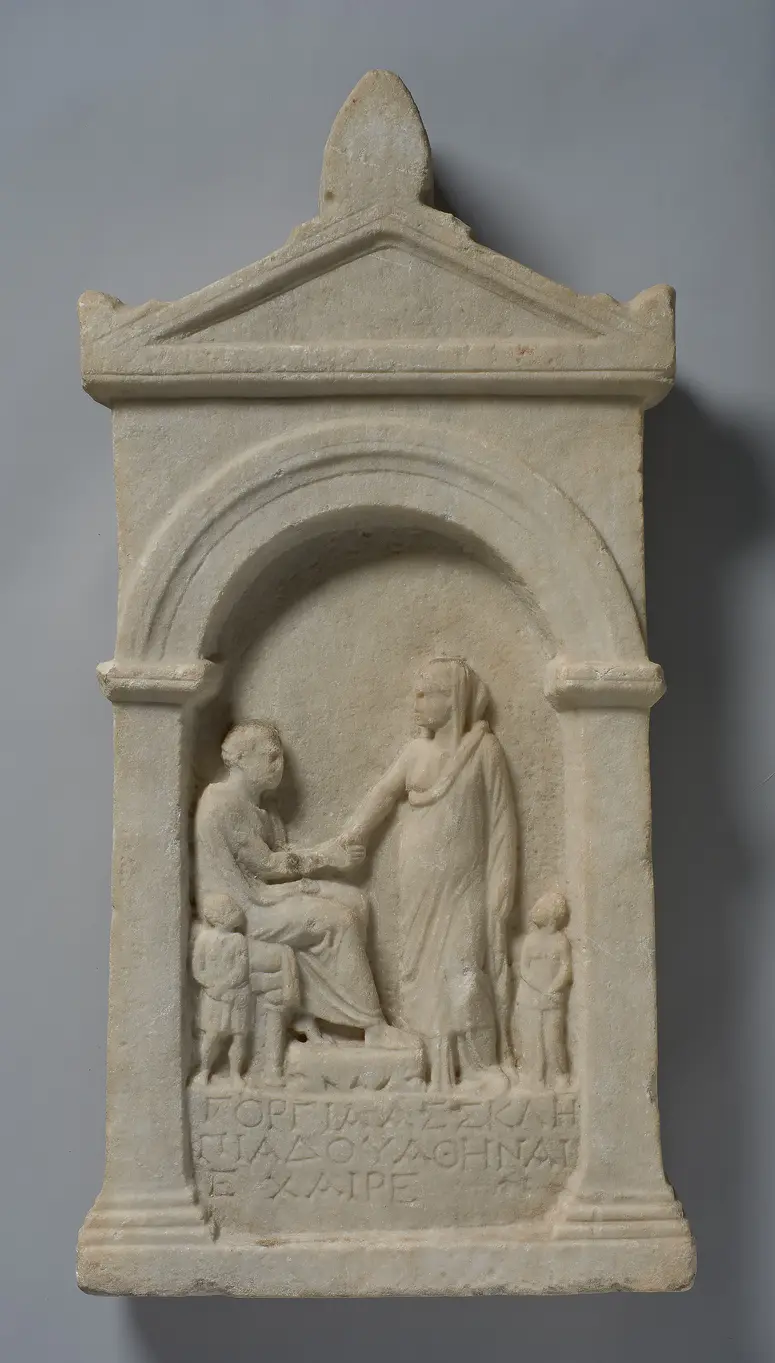
Grabdenkmal: Grabrelief des Gorgias Griechisch, Hellenistisch 3. Drittel 2. Jh. v. Chr.
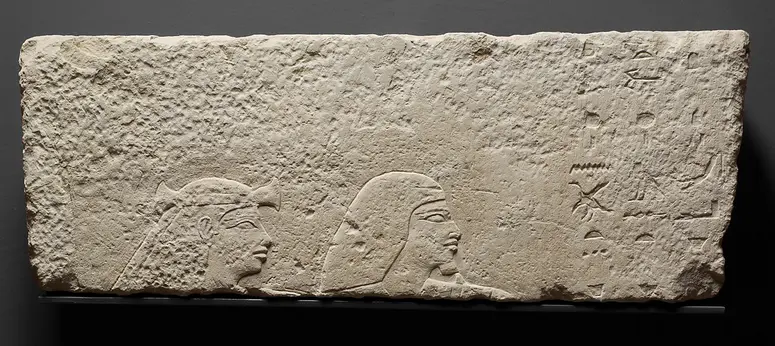
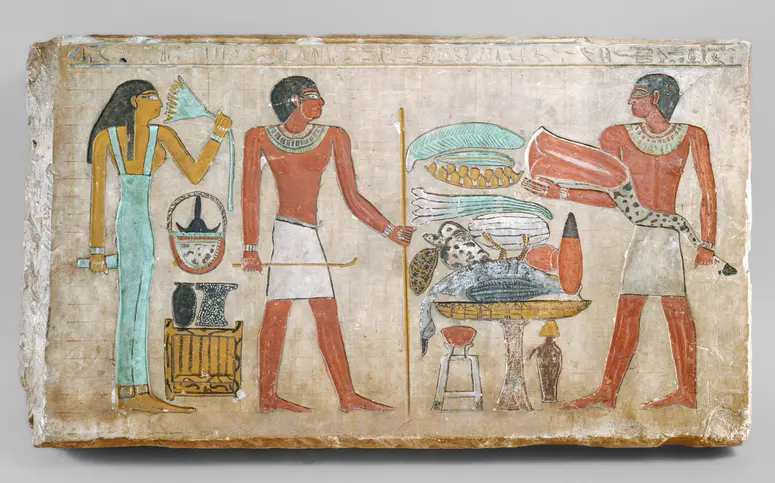
Relief with an offering scene Fundort unbekannt early 12th Dynasty, ca. 1980 BC
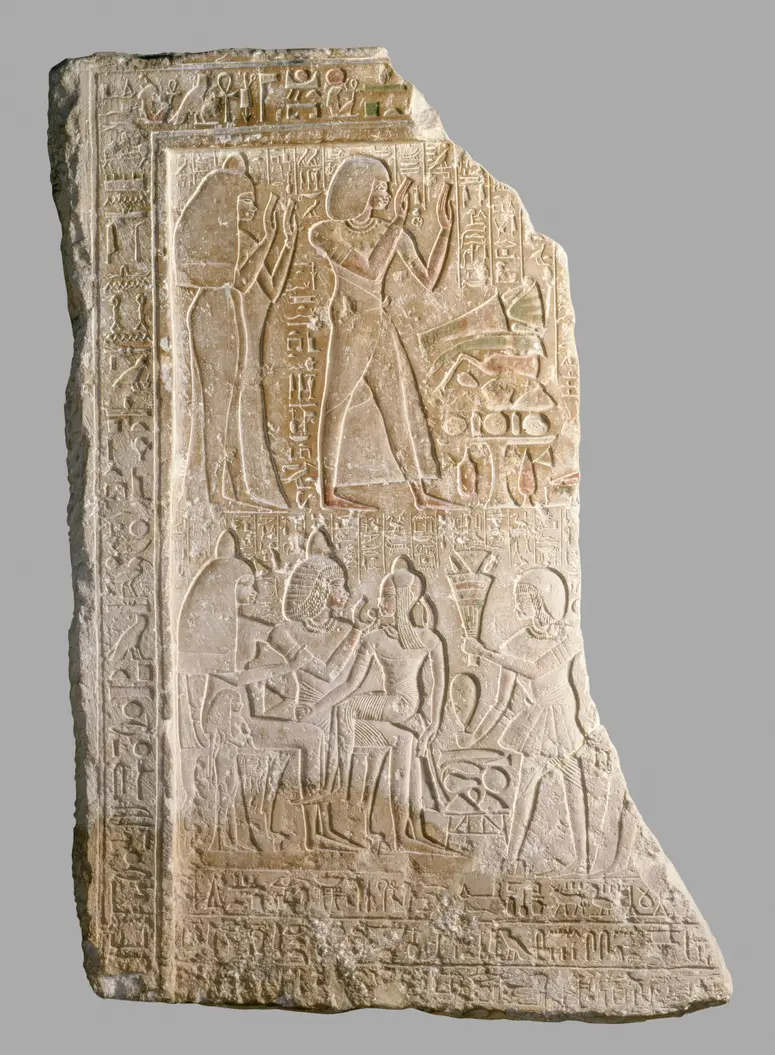
Relief from the tomb of Meri-re Saqqara 18th Dynasty, reign of Amenhotep III, 1410–1372 BC
Gewicht: Zwei Kaiserbüsten, Blockmonogramm Frühbyzantinisch, Spätantike 6. Jh. n. Chr.
Leopold Wilhelm, geboren 1614, Bischof v. Passau u. Straßburg 1625, v. Halberstadt 1628, v. Olmütz 1637, v. Breslau 1655, Hoch- und Deutschmeister 1642, Statthalter d. Niederlande 1646-56, gestorben 1662; Sohn Kaiser Ferdinands II. aus 1. Ehe Gonzales Coques vor 1659