Halbkugelförmige Schalen
1625 - 1450 v. Chr.
The small composite vessel was probably used cultically. Vessels composed of multiple basic forms are very frequent in Cypriote pottery. The composite vessel consists of four small, semi-globular bowls, connected in an irregular rectangle. Underneath, a protruding, round connecting bridge; opposite on the top, a high, vertical, wide handle with a rectangular opening in the upper third. The character of the clay and the glaze suggest that this vessel should be classified as base-ring ware; within this type it represents a singular form. There are parallels to it in red polished ware.
A. Bernhard-Walcher u.a., Die Sammlung zyprischer Antiken im KHM. Sammlungskataloge des KHM Bd. 2, Wien 1999
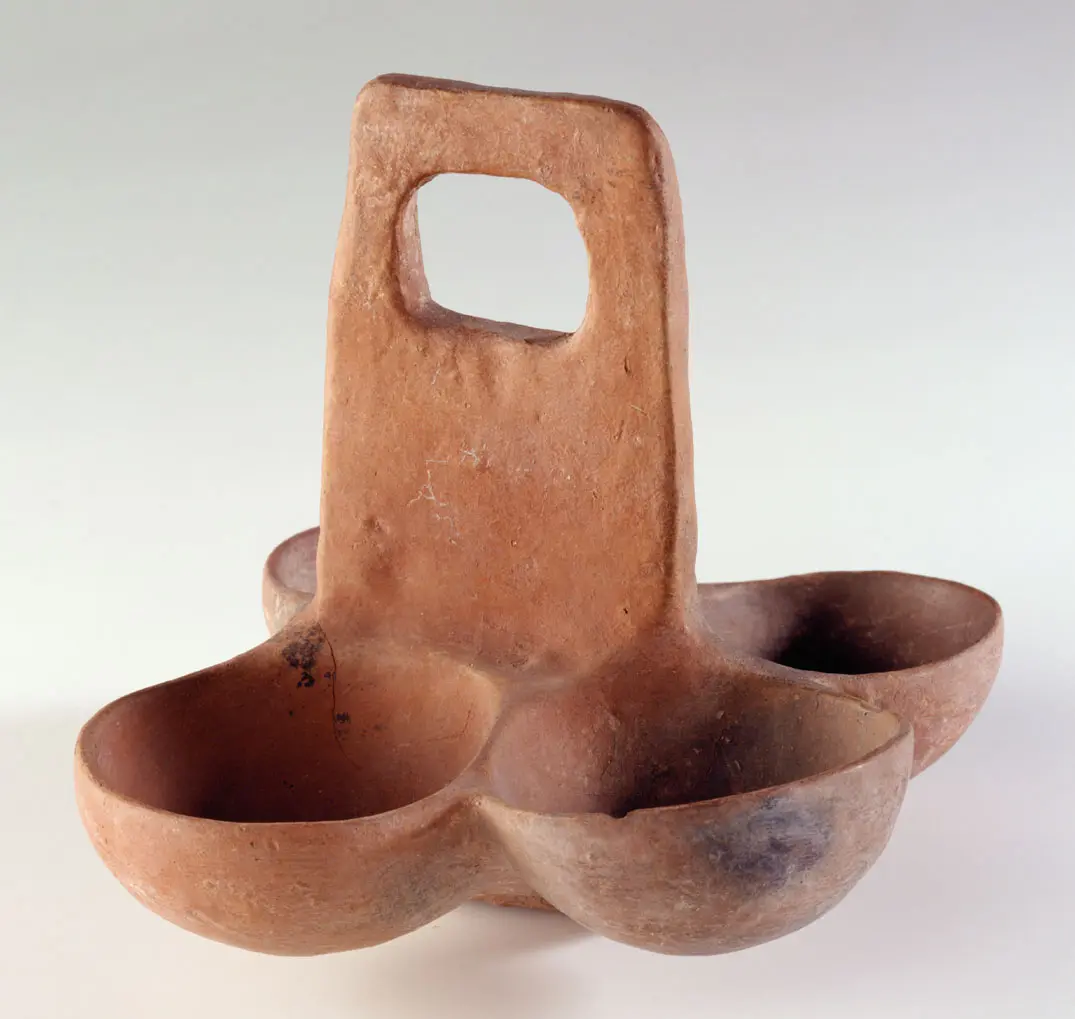
The small composite vessel was probably used cultically. Vessels composed of multiple basic forms are very frequent in Cypriote pottery. The composite vessel consists of four small, semi-globular bowls, connected in an irregular rectangle. Underneath, a protruding, round connecting bridge; opposite on the top, a high, vertical, wide handle with a rectangular opening in the upper third. The character of the clay and the glaze suggest that this vessel should be classified as base-ring ware; within this type it represents a singular form. There are parallels to it in red polished ware.
A. Bernhard-Walcher u.a., Die Sammlung zyprischer Antiken im KHM. Sammlungskataloge des KHM Bd. 2, Wien 1999
Time:
1625 - 1450 v. Chr.
Object Name
Kompositgefäß der Base-Ring I Ware (?)
Culture
Zyprisch
Location of discovery:
Ayia Paraskevi (Nikosia, Zypern)
Material/technology:
Ton hellbraun, im Kern grau; Überzug rotbraun bis graubraun, matt; schwarze Brandflecken. Handgeformt.
Dimensions:
H. 14,7 cm, L. 16 cm, B. 14,1 cm
Copyright
Kunsthistorisches Museum, Antikensammlung
Invs.
Antikensammlung, IV 1794
Provenance
Ohnefalsch-Richter, Max; 1890 Tausch
Browse more
Similar items you might be interested in
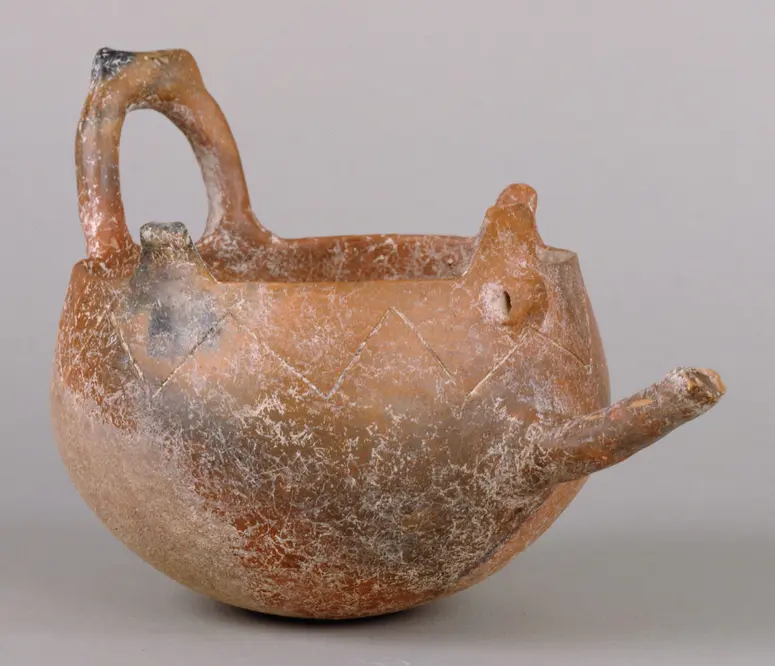
Henkelschale mit Ausguss der Red Polished III Ware: Ritzdekor Zyprisch, Bronzezeit, Früh- bis Mittelzyprisch 2000 - 1800 v. Chr.
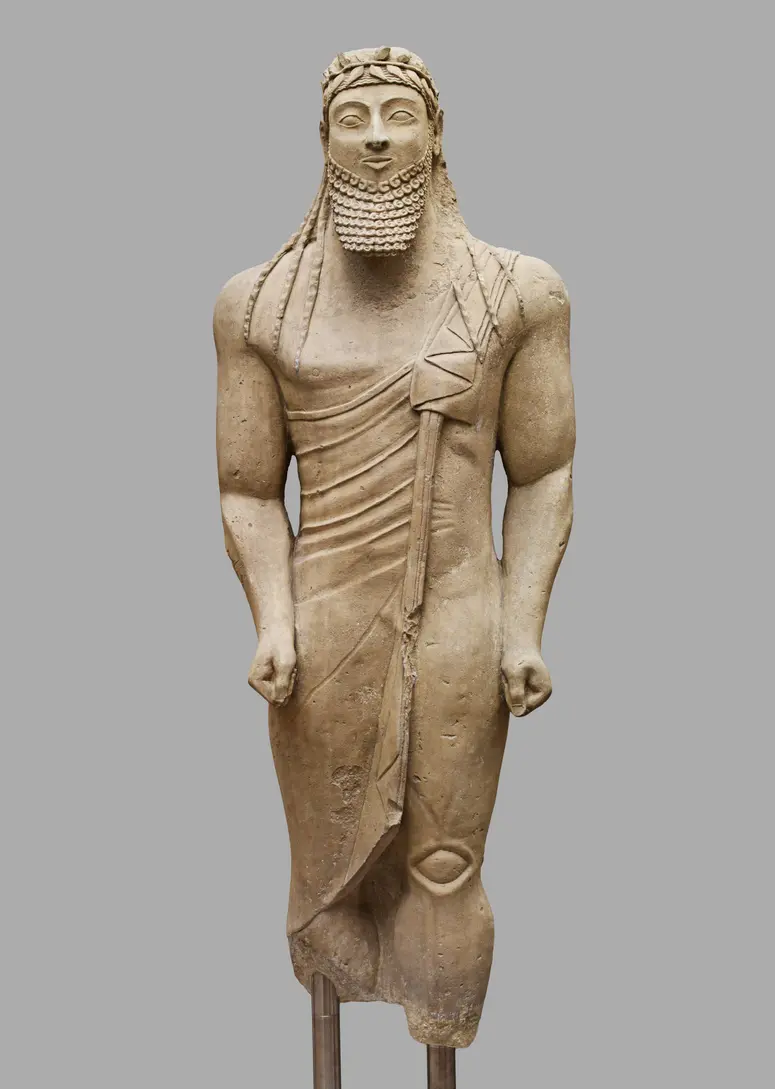
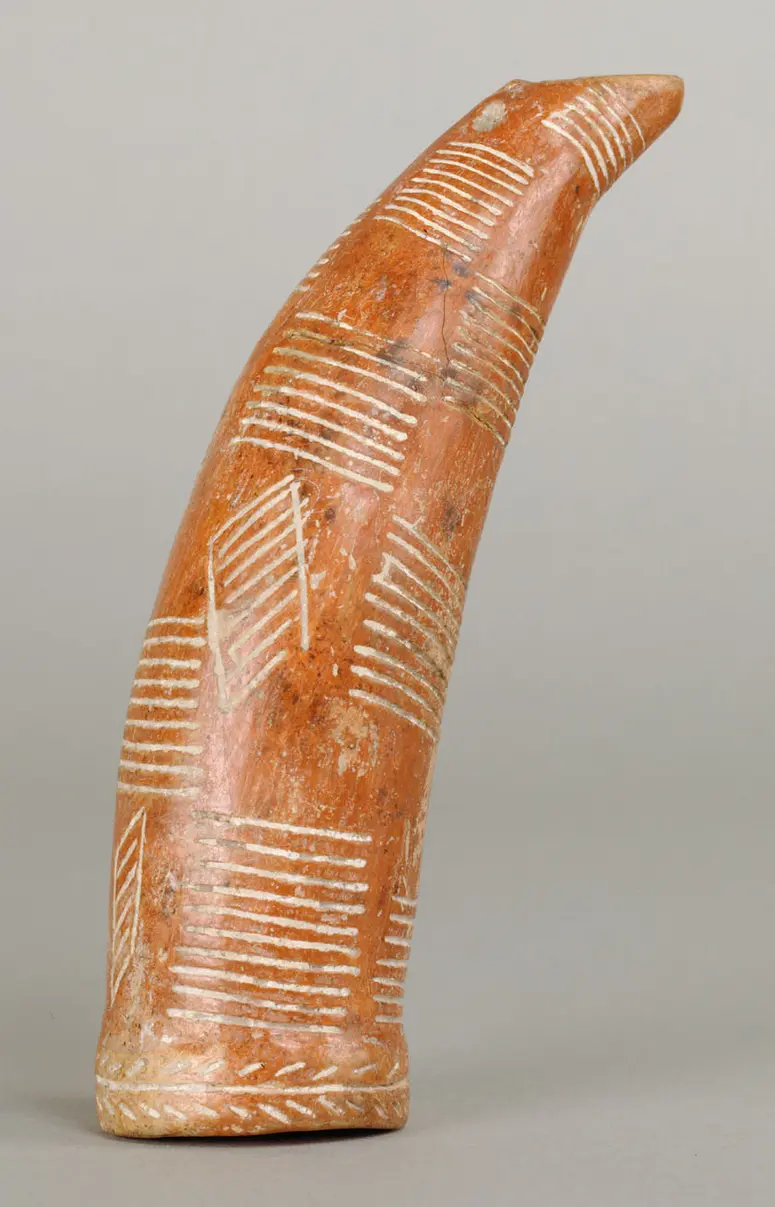
Hornförmiges Gefäß der Red Polished III Ware: Ritzdekor Zyprisch, Bronzezeit, Früh- bis Mittelzyprisch 2000 - 1800 v. Chr.
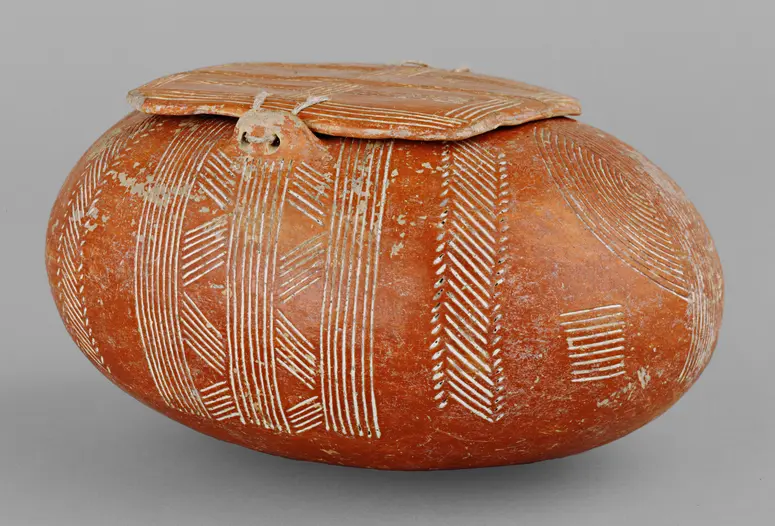
Deckelbüchse (Pyxis) der Red Polished III Ware: Ritzdekor Zyprisch, Bronzezeit, Früh- bis Mittelzyprisch 2000 - 1800 v. Chr.
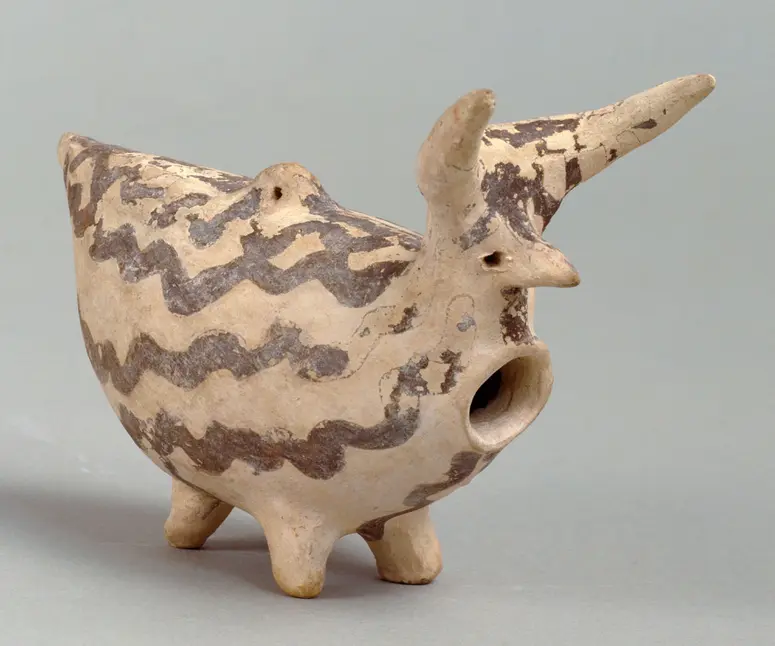
Askos der White Painted Ware: Form eines Stieres Zyprisch, Bronzezeit, Mittelzyprisch 1725 - 1600 v. Chr.
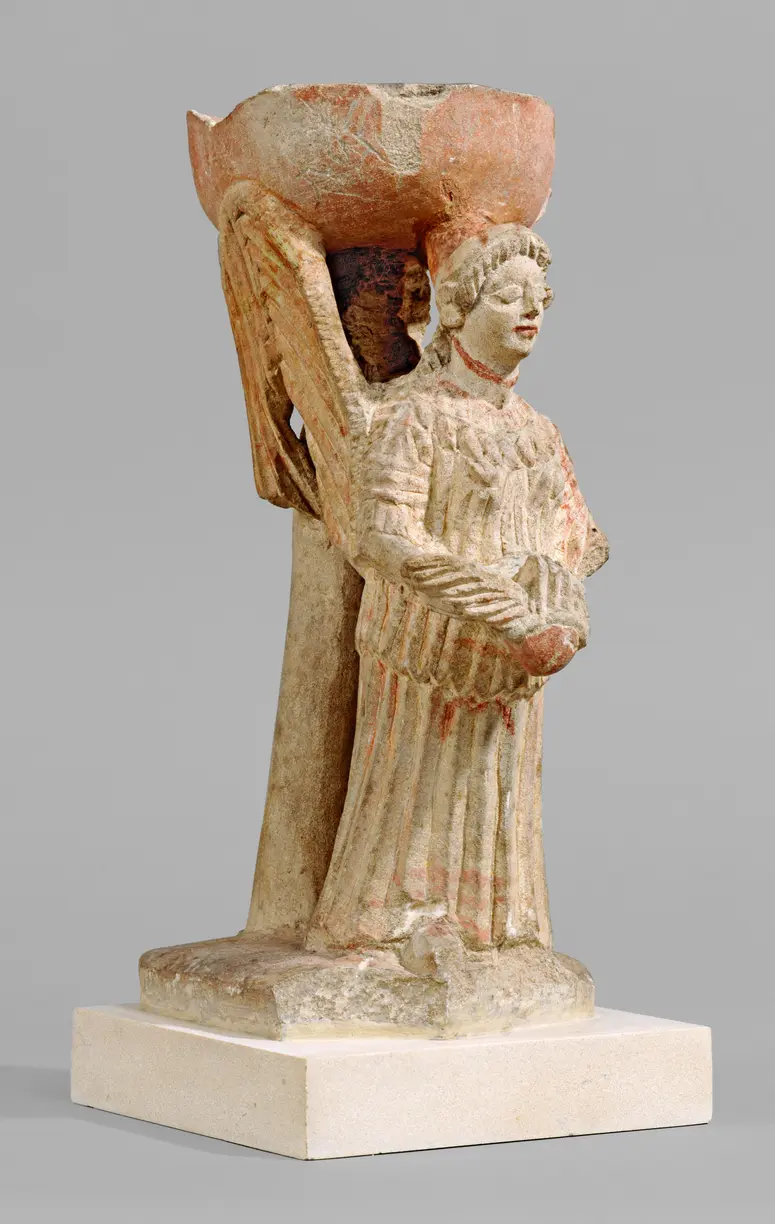
Räuchergefäß: Flügelfrau mit Räucherbecken Zyprisch, Eisenzeit, archaisch 1. Viertel 5. Jh. v. Chr.
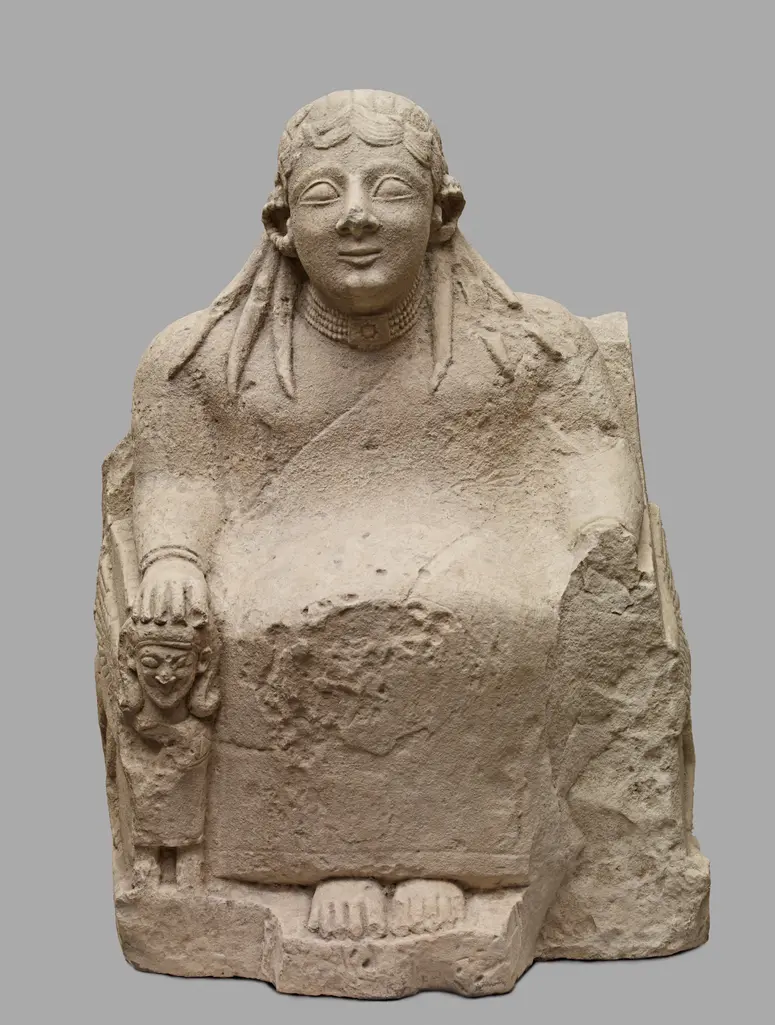
Statuette: Thronende Göttin (Astarte?) Zyprisch, Eisenzeit, archaisch 1. Hälfte 6. Jh. v. Chr.
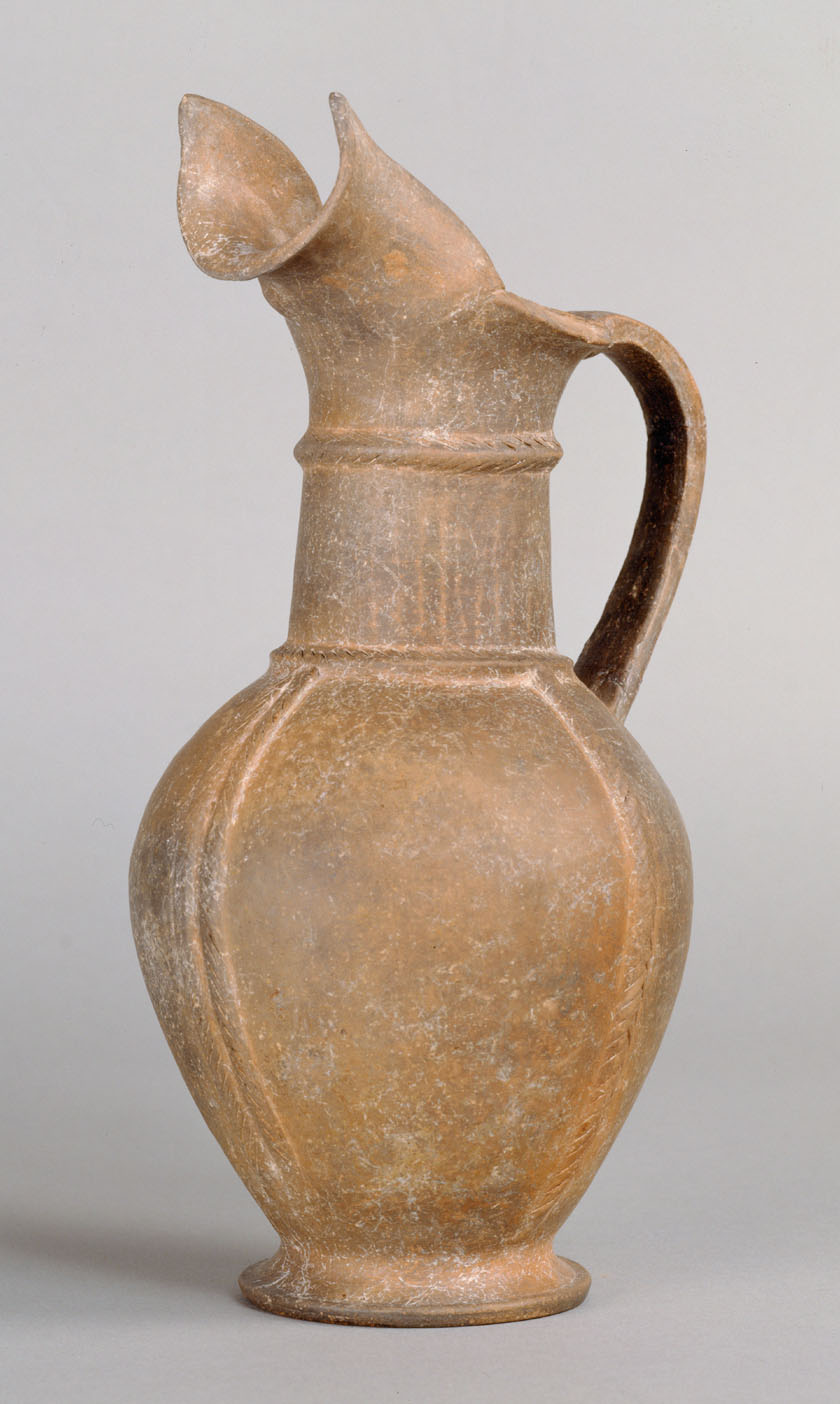
Schnabelkanne der Base-Ring I Ware: Bänder mit Ritzornamenten Zyprisch, Bronzezeit, Spätzyprisch 1625 - 1450 v. Chr.
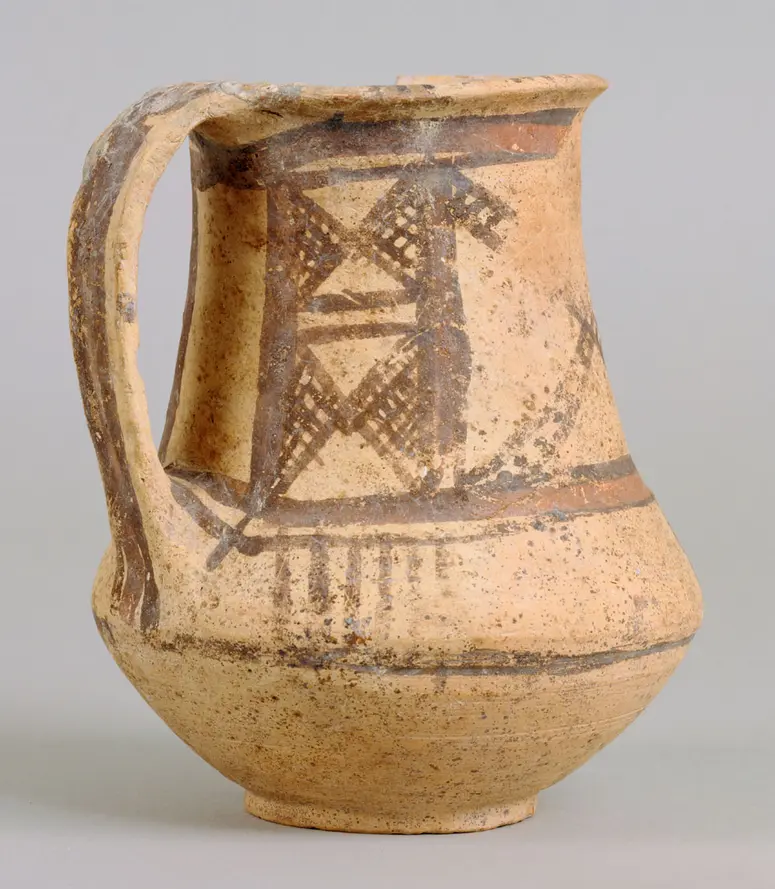
Henkelkrug der Bichrome Wheel-made Ware: Zweifarbige Ornamentik Zyprisch, Bronzezeit, Spätzyprisch 1625 - 1450 v. Chr.
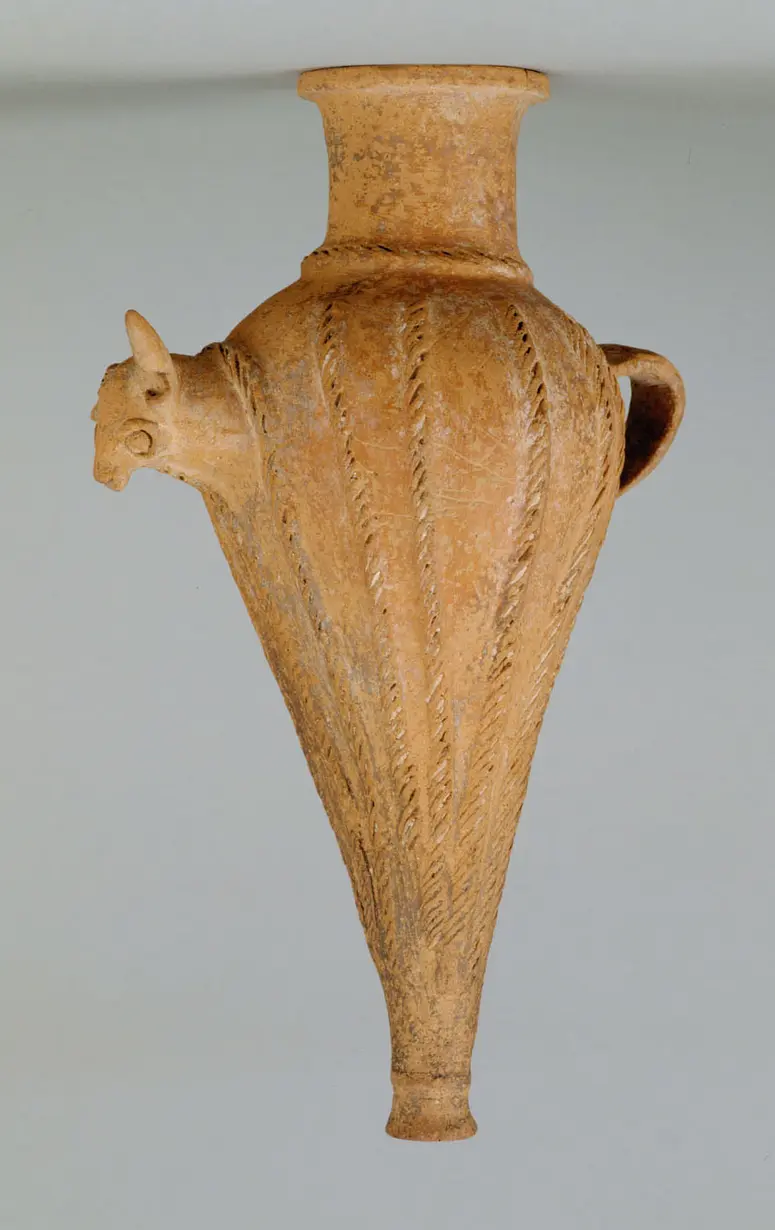
Trichter der Base-Ring I Ware: Stierkopfprotome Zyprisch, Bronzezeit, Spätzyprisch 1625 - 1450 v. Chr.
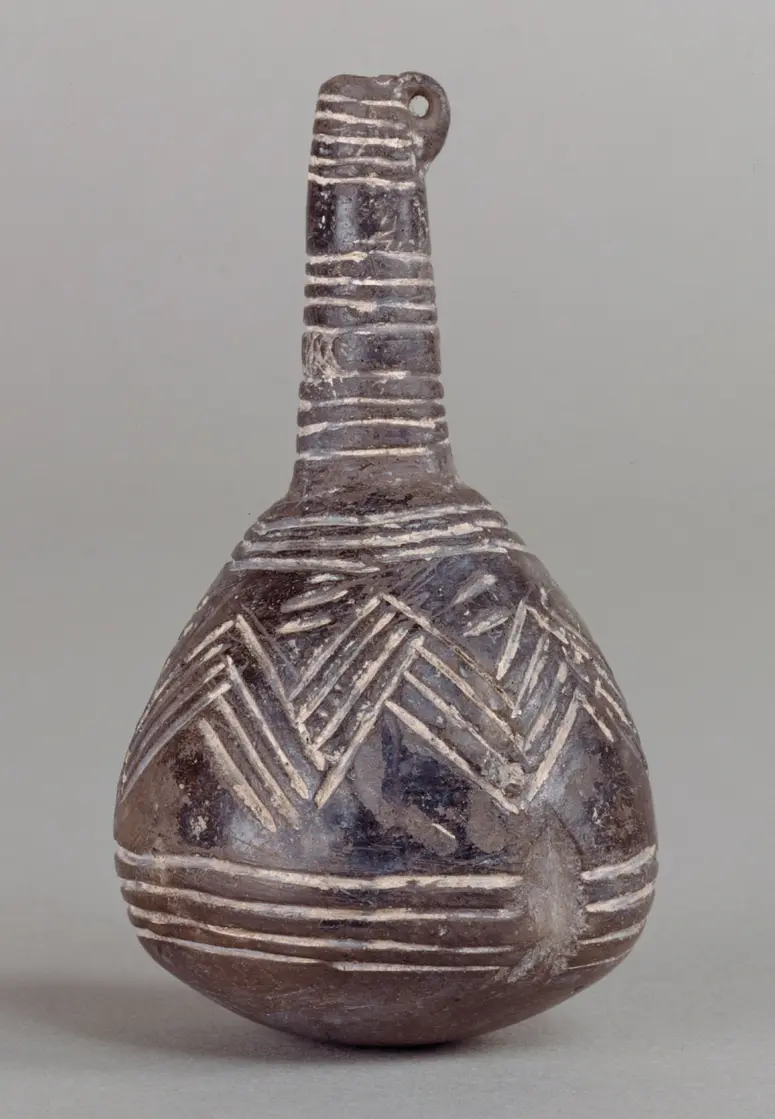
Fläschchen der Black Polished Ware: Ritzdekor Zyprisch, Bronzezeit, Früh- bis Mittelzyprisch 2000 - 1800 v. Chr.
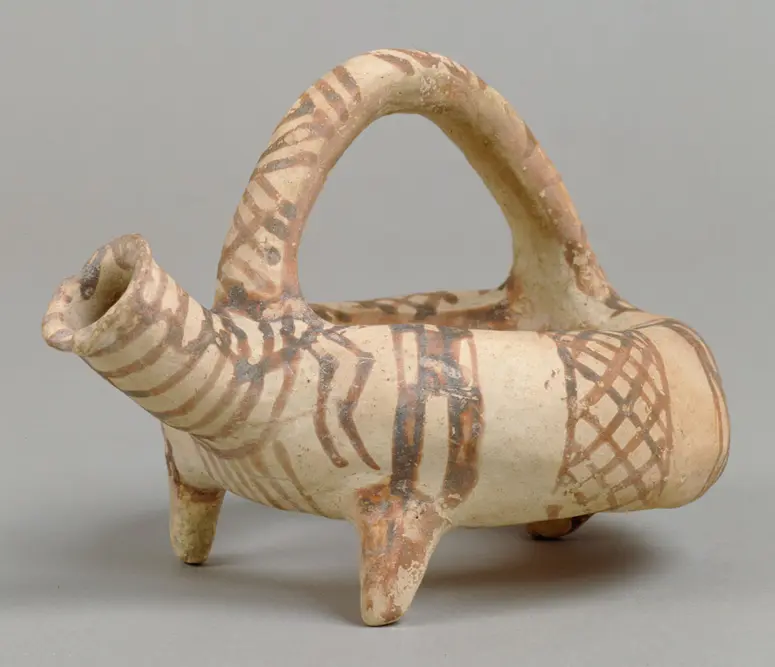
Ringaskos der White Painted III Ware: Liniendekor Zyprisch, Bronzezeit, Mittelzyprisch 1725 - 1625 v. Chr.
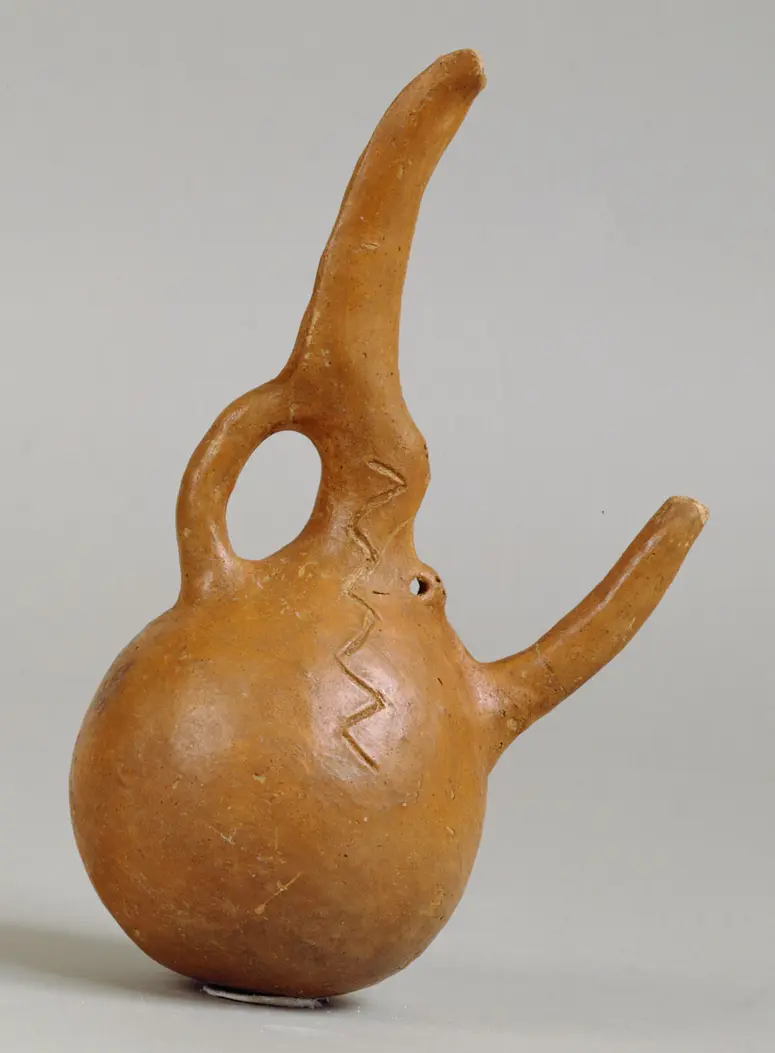
Schnabelkanne der Red Polished III Ware: Ritzdekor Zyprisch, Bronzezeit, Früh- bis Mittelzyprisch 2000 - 1800 v. Chr.
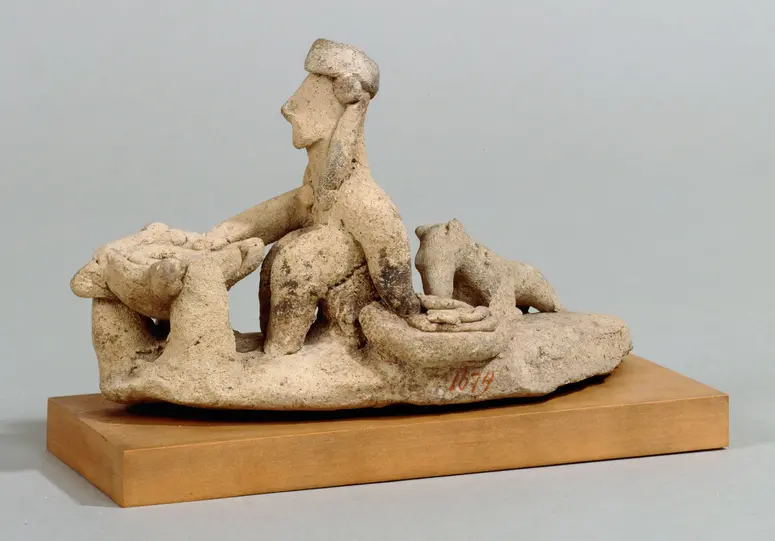

Schnabelkännchen mit Tierprotome der White Painted Ware: Liniendekor Zyprisch, Bronzezeit, Spätzyprisch 1625 - 1450 v. Chr.
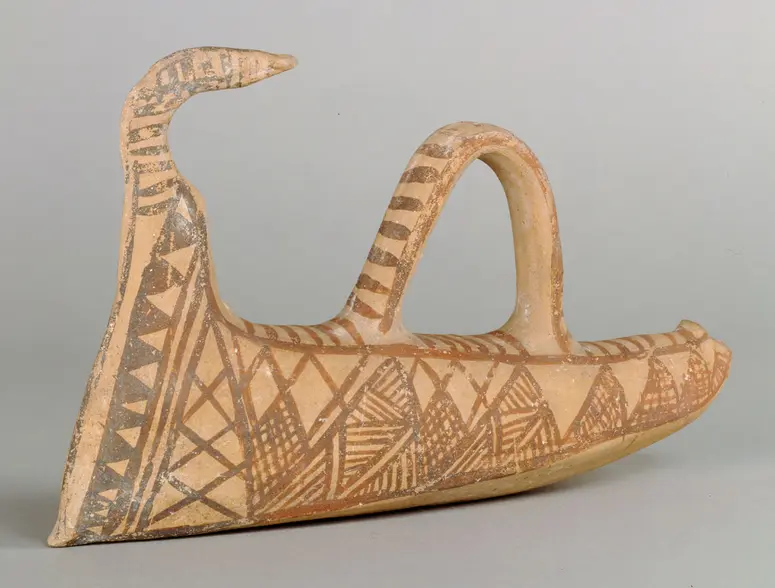
Askos der Proto-White Painted Ware: Form eines Schiffes Zyprisch, Bronzezeit, Spätzyprisch 1125 - 1050 v. Chr.
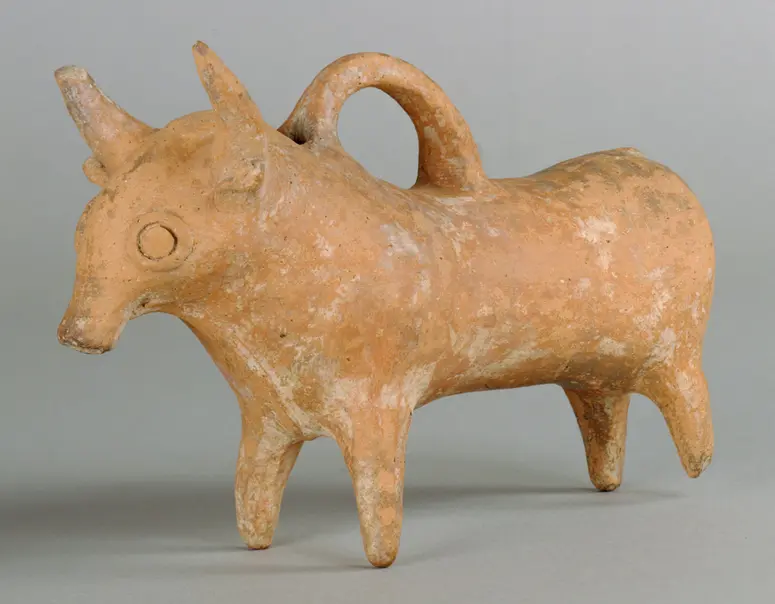
Rhyton der Base-Ring II Ware: Form eines Stieres Zyprisch, Bronzezeit, Spätzyprisch 1450 - 1200 v. Chr.
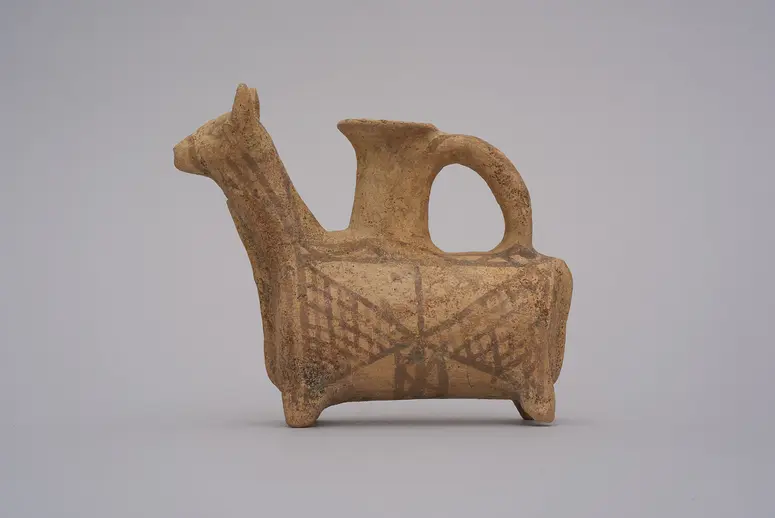
Askos in Stierform der Proto-White Painted Ware: Form eines Stieres Zyprisch, Bronzezeit, Spätzyprisch 1125 - 1050 v. Chr.