Ritzdekor
2000 - 1800 v. Chr.
The juglet is a common type of red polished ware III, of which there are simply decorated or undecorated vessels from tombs at Vounos and Lapithos. The Vienna object was probably discovered in 1885 in tomb 5 in Ayia Paraskevi. It has a globular body with round bottom. At the top of the vessel there is a short S-shaped curved neck with long spout. Below, on the shoulder, a narrow tubular spout. A vertical handle, oval in cross-section, extends from the top of the body to the bottom of the spout. On the opposite side of the neck is a horizontally perforated knob. The incised decoration on the front of the spout is formed by a zigzag line, below it on the neck is an incised rosette, four incised strokes on the perforated knob; on either side of the neck and shoulder one simple, vertical zigzag line. The relief decoration is a raised ridge between the perforated knob and the lower spout.
A. Bernhard-Walcher u.a., Die Sammlung zyprischer Antiken im KHM. Sammlungskataloge des KHM Bd. 2, Wien 1999
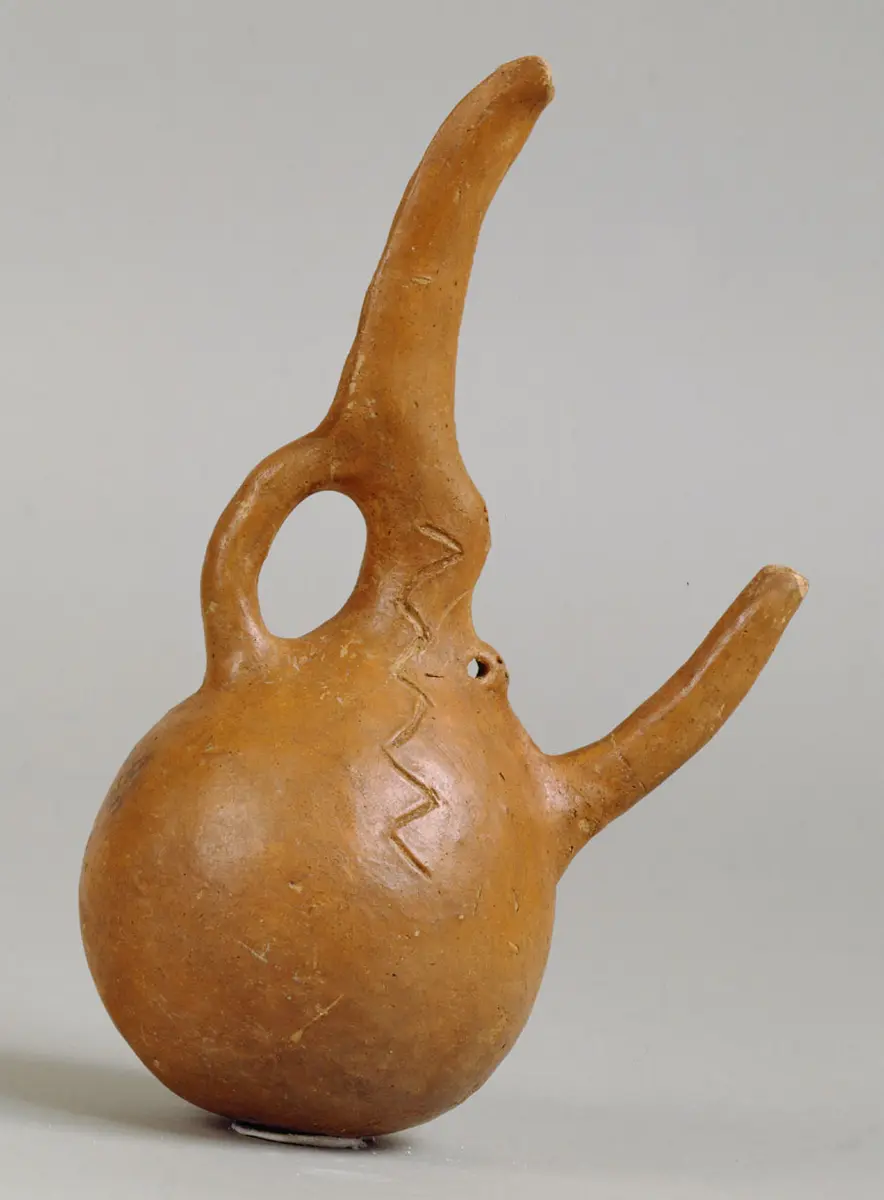
The juglet is a common type of red polished ware III, of which there are simply decorated or undecorated vessels from tombs at Vounos and Lapithos. The Vienna object was probably discovered in 1885 in tomb 5 in Ayia Paraskevi. It has a globular body with round bottom. At the top of the vessel there is a short S-shaped curved neck with long spout. Below, on the shoulder, a narrow tubular spout. A vertical handle, oval in cross-section, extends from the top of the body to the bottom of the spout. On the opposite side of the neck is a horizontally perforated knob. The incised decoration on the front of the spout is formed by a zigzag line, below it on the neck is an incised rosette, four incised strokes on the perforated knob; on either side of the neck and shoulder one simple, vertical zigzag line. The relief decoration is a raised ridge between the perforated knob and the lower spout.
A. Bernhard-Walcher u.a., Die Sammlung zyprischer Antiken im KHM. Sammlungskataloge des KHM Bd. 2, Wien 1999
Time:
2000 - 1800 v. Chr.
Object Name
Schnabelkanne der Red Polished III Ware
Culture
Zyprisch
Location of discovery:
Ayia Paraskevi (Nikosia, Zypern)
Material/technology:
Ton hellbraun, mit schwarzen Einschlüssen; Oberfläche geglättet; Überzug rotbraun, poliert, glänzend. Handgeformt
Dimensions:
H. (Gefäßkörper) 7,8 cm: H. 19.1 cm, Dm. 8 cm
Copyright
Kunsthistorisches Museum, Antikensammlung
Invs.
Antikensammlung, IV 4464
Provenance
Prähistorische Abteilung/NHM Wien; 1890 Kauf von M., Ohnefalsch-Richter (Inv. 16.099); 1981 Tausch
Browse more
Similar items you might be interested in
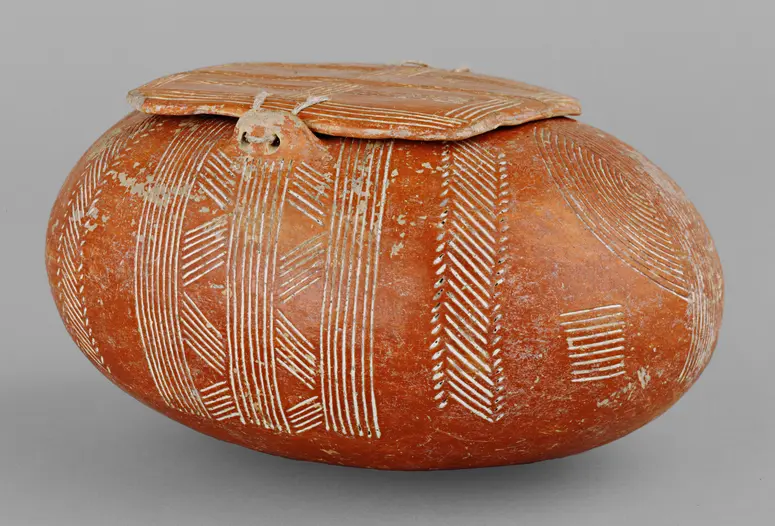
Deckelbüchse (Pyxis) der Red Polished III Ware: Ritzdekor Zyprisch, Bronzezeit, Früh- bis Mittelzyprisch 2000 - 1800 v. Chr.
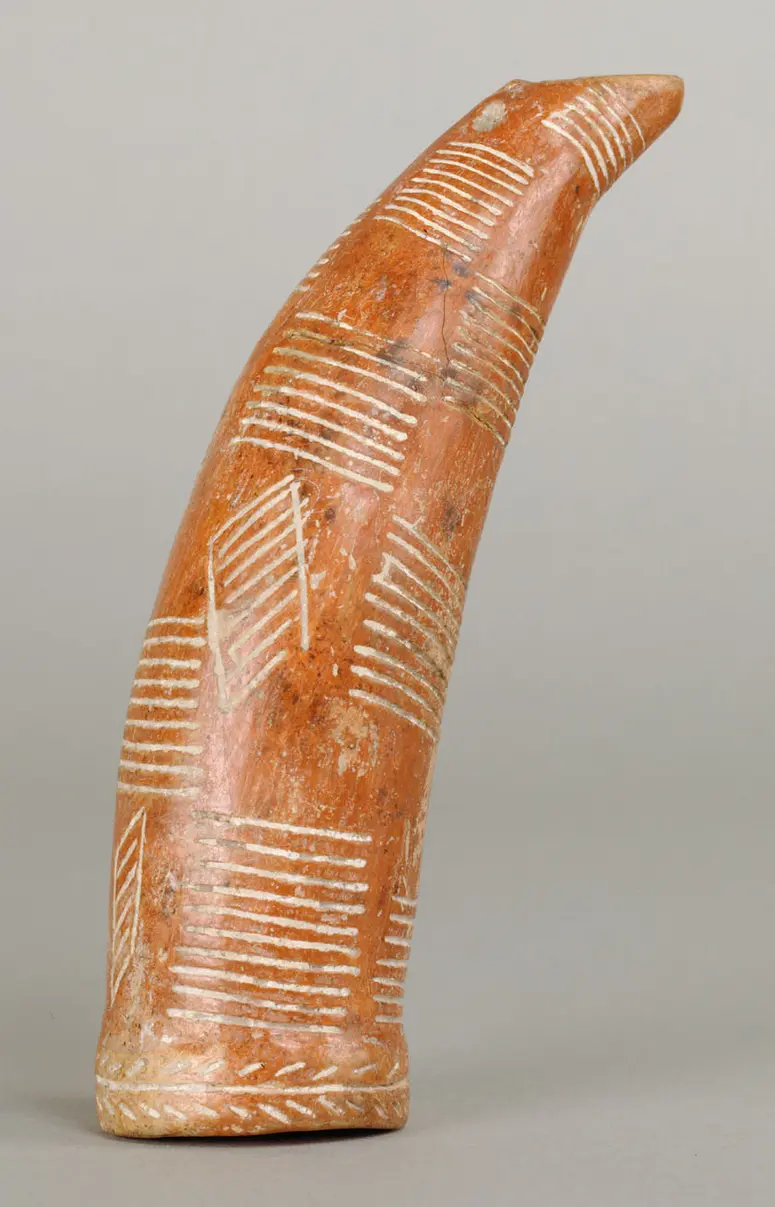
Hornförmiges Gefäß der Red Polished III Ware: Ritzdekor Zyprisch, Bronzezeit, Früh- bis Mittelzyprisch 2000 - 1800 v. Chr.
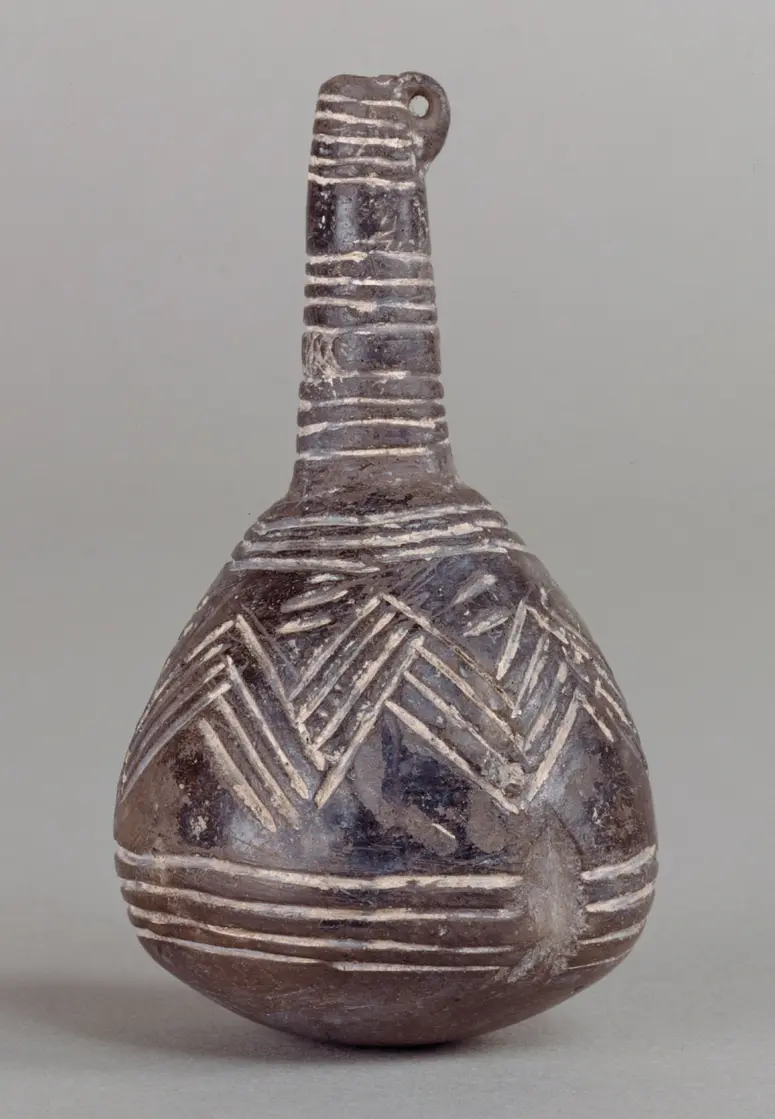
Fläschchen der Black Polished Ware: Ritzdekor Zyprisch, Bronzezeit, Früh- bis Mittelzyprisch 2000 - 1800 v. Chr.

Schnabelkanne der Red Polished III Ware: Doppelkonischer Gefäßkörper Zyprisch, Bronzezeit, Früh- bis Mittelzyprisch 2000 - 1800 v. Chr.
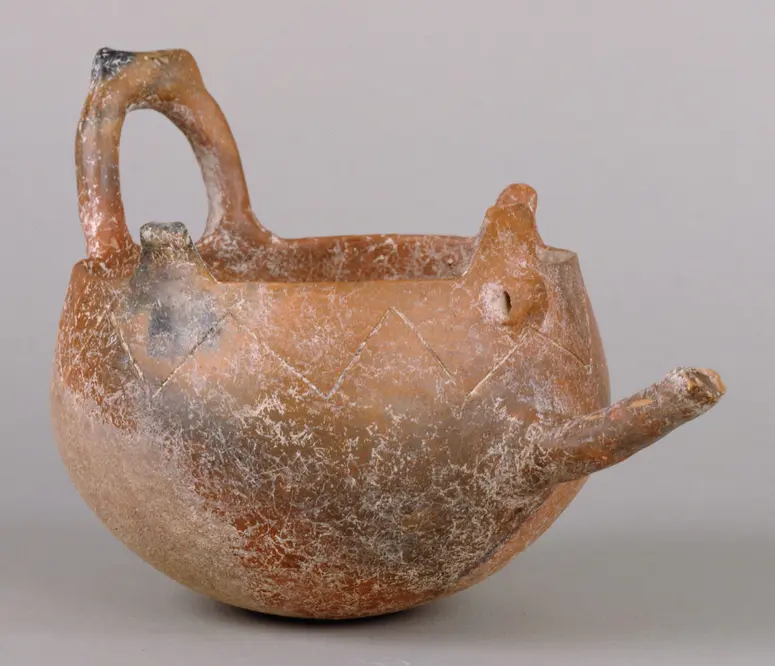
Henkelschale mit Ausguss der Red Polished III Ware: Ritzdekor Zyprisch, Bronzezeit, Früh- bis Mittelzyprisch 2000 - 1800 v. Chr.
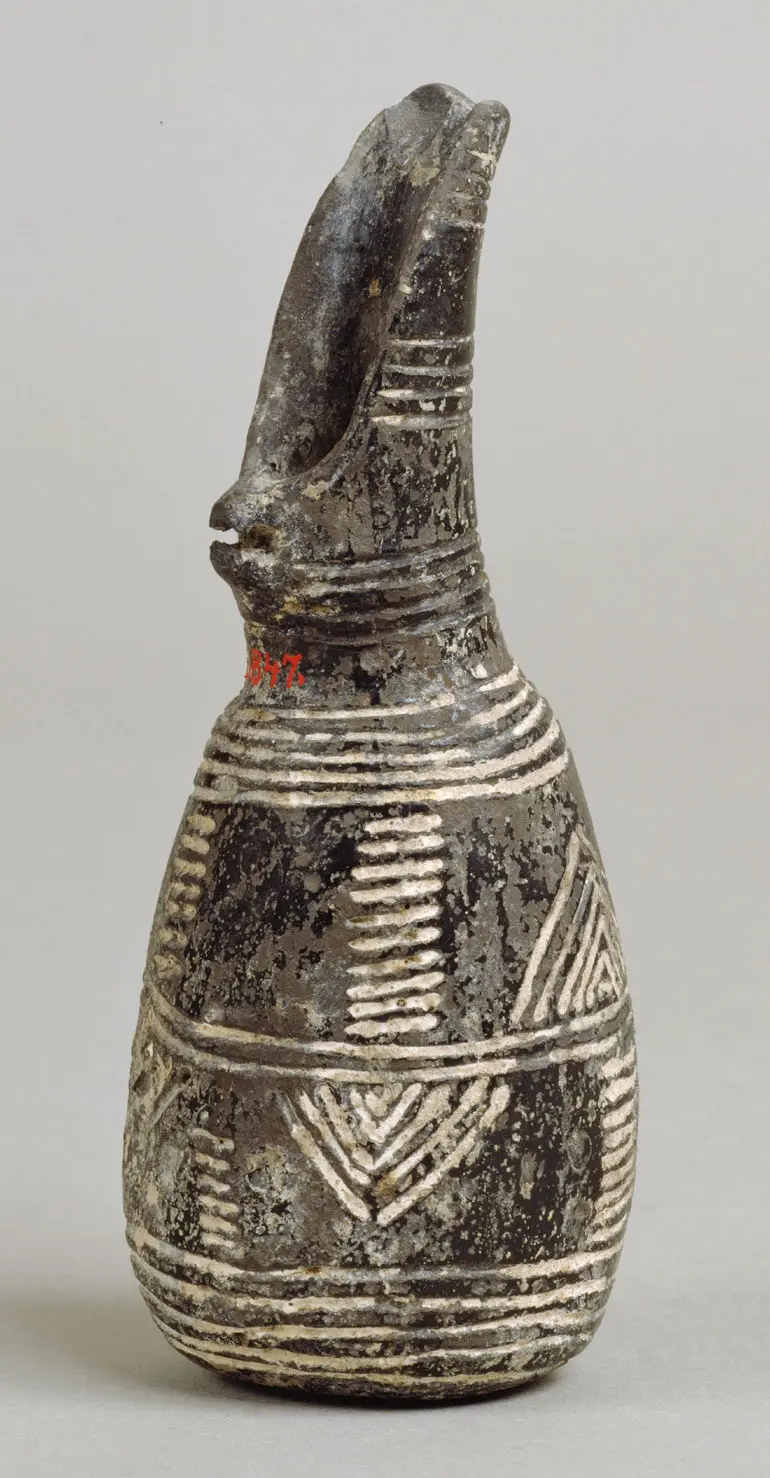
Schnabelkännchen der Black Polished Ware: Ritzdekor Zyprisch, Bronzezeit, Mittelzyprisch 1900 - 1725 v. Chr.
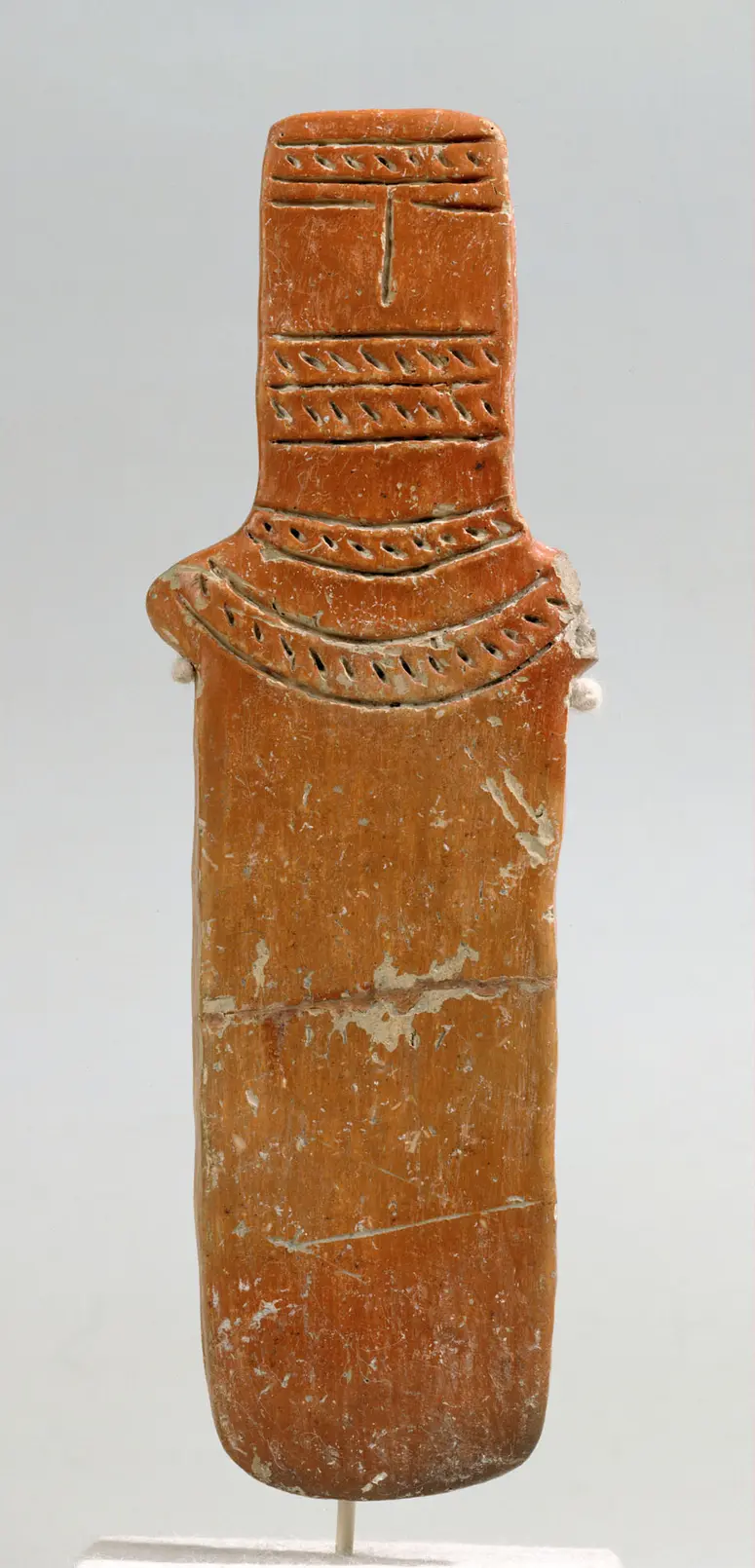
Brettidol der Red Polished Ware: Anthropomorphe Form Zyprisch, Bronzezeit, Frühzyprisch 2000 - 1900 v. Chr.
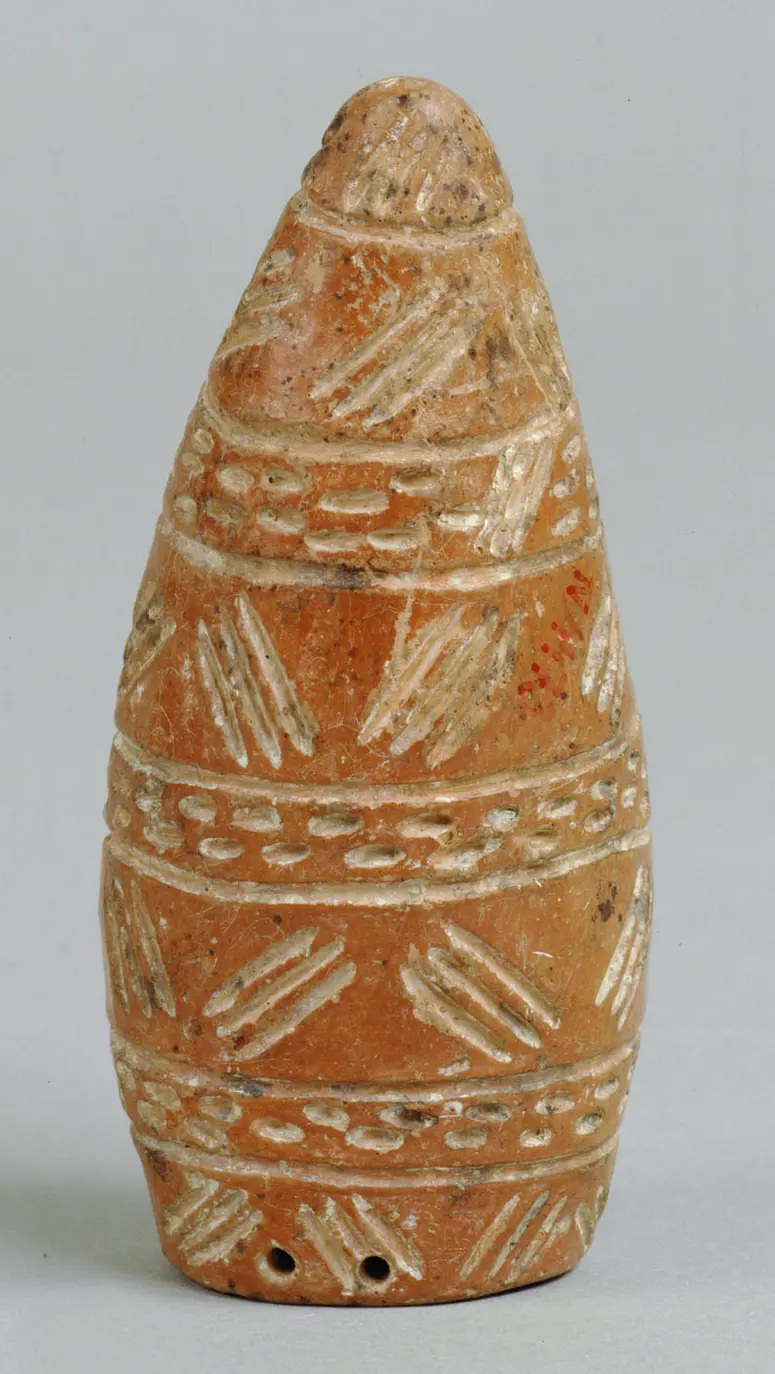
Hornförmiges Gefäß der Red Polished III Ware: Ritzdekor Zyprisch, Bronzezeit, Früh- bis Mittelzyprisch 2000 - 1800 v. Chr.
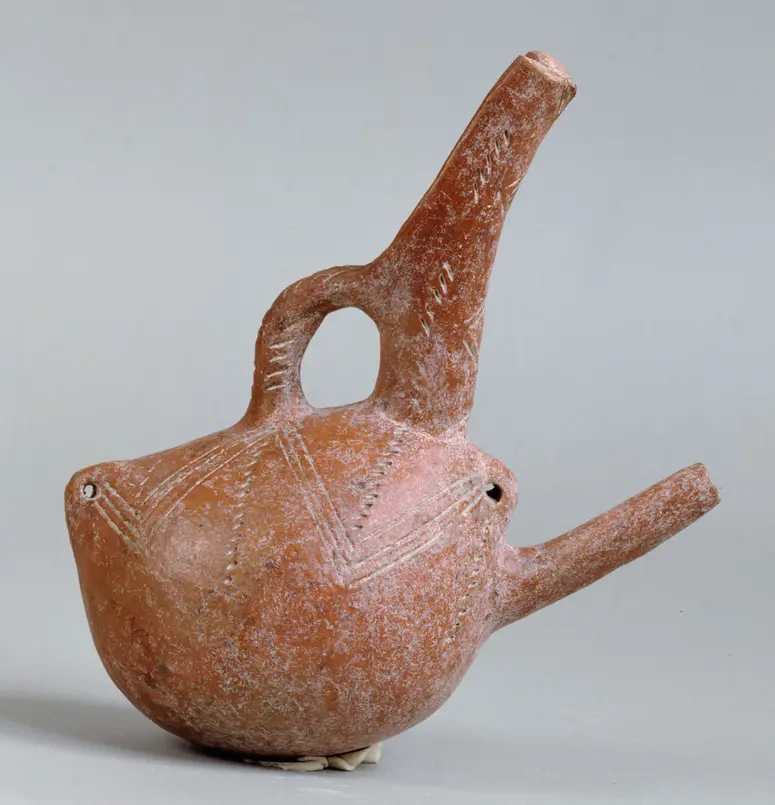
Schnabelkanne der Red Polished III Ware: Ritzdekor Zyprisch, Bronzezeit, Mittelzyprisch 1900 - 1800 v. Chr.
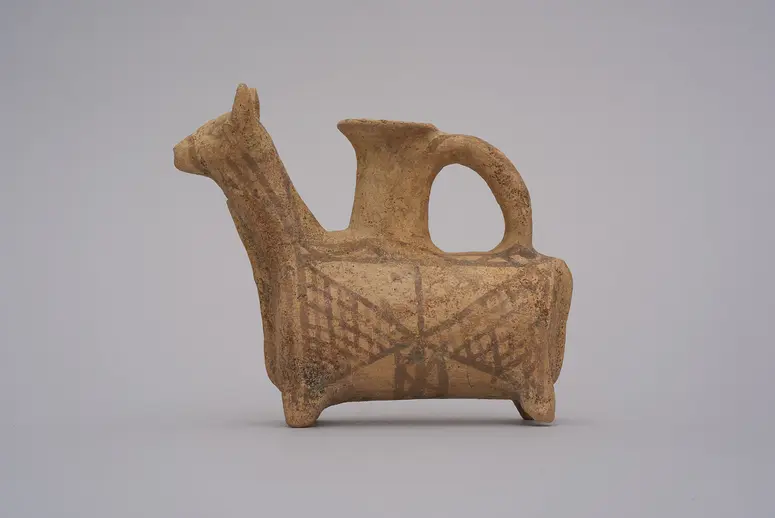
Askos in Stierform der Proto-White Painted Ware: Form eines Stieres Zyprisch, Bronzezeit, Spätzyprisch 1125 - 1050 v. Chr.
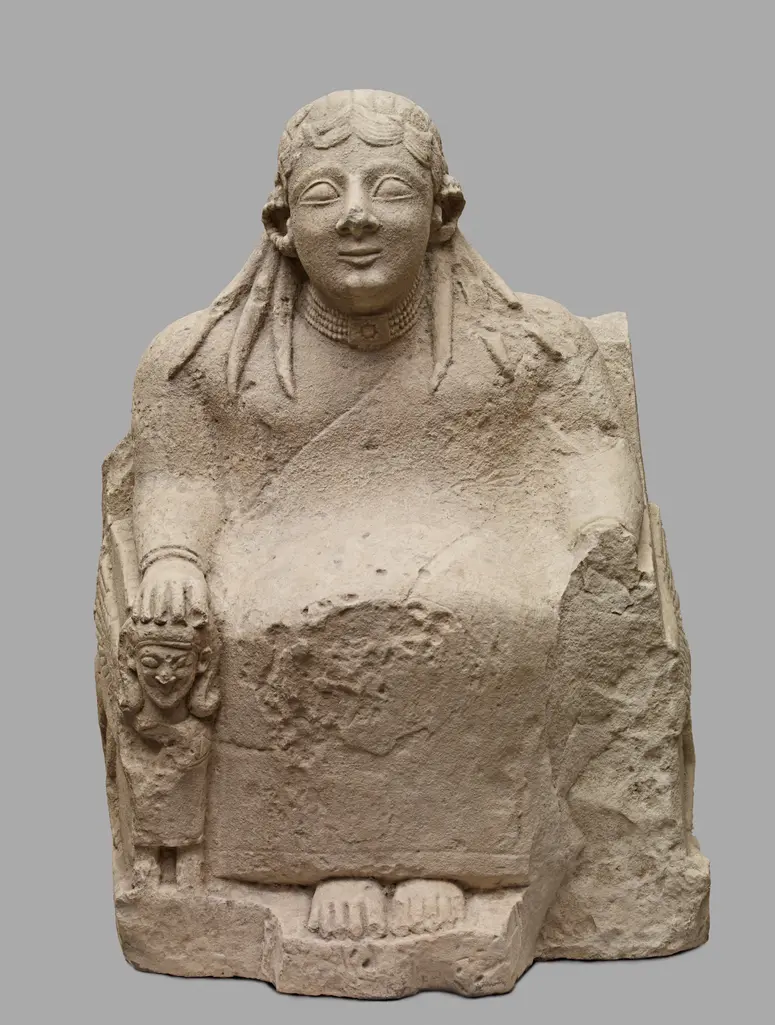
Statuette: Thronende Göttin (Astarte?) Zyprisch, Eisenzeit, archaisch 1. Hälfte 6. Jh. v. Chr.
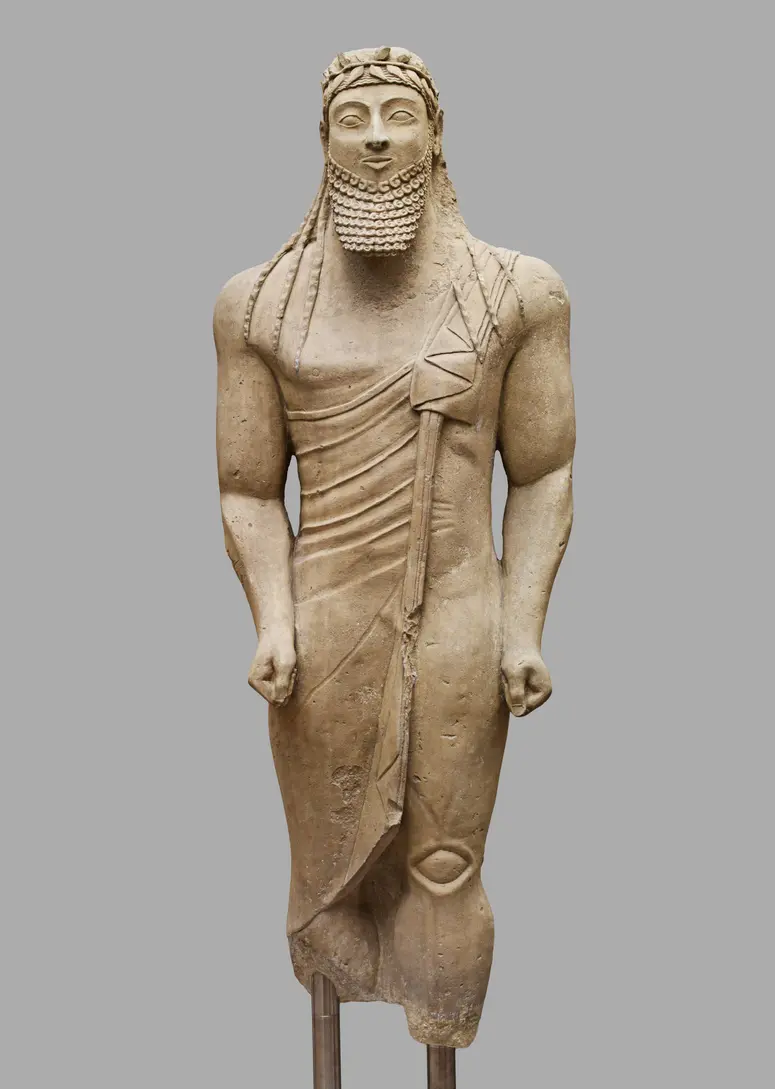
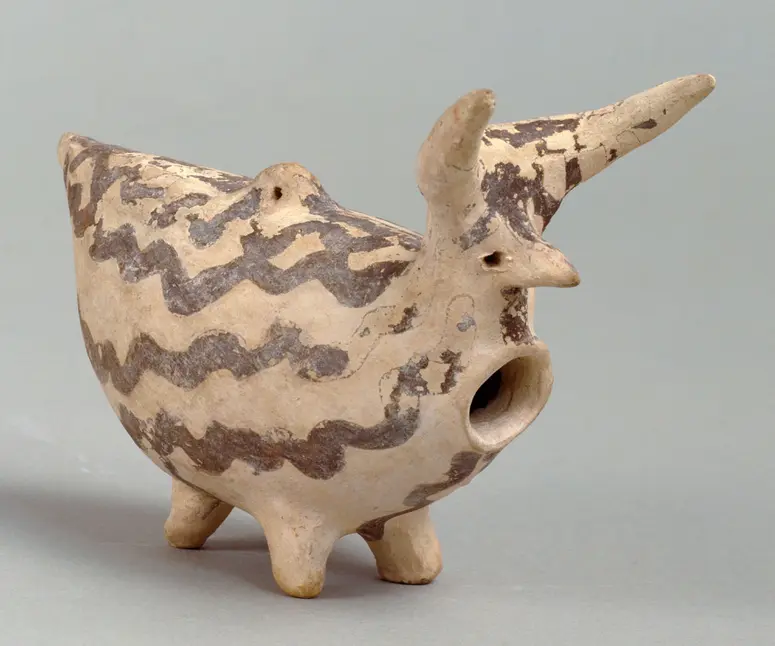
Askos der White Painted Ware: Form eines Stieres Zyprisch, Bronzezeit, Mittelzyprisch 1725 - 1600 v. Chr.
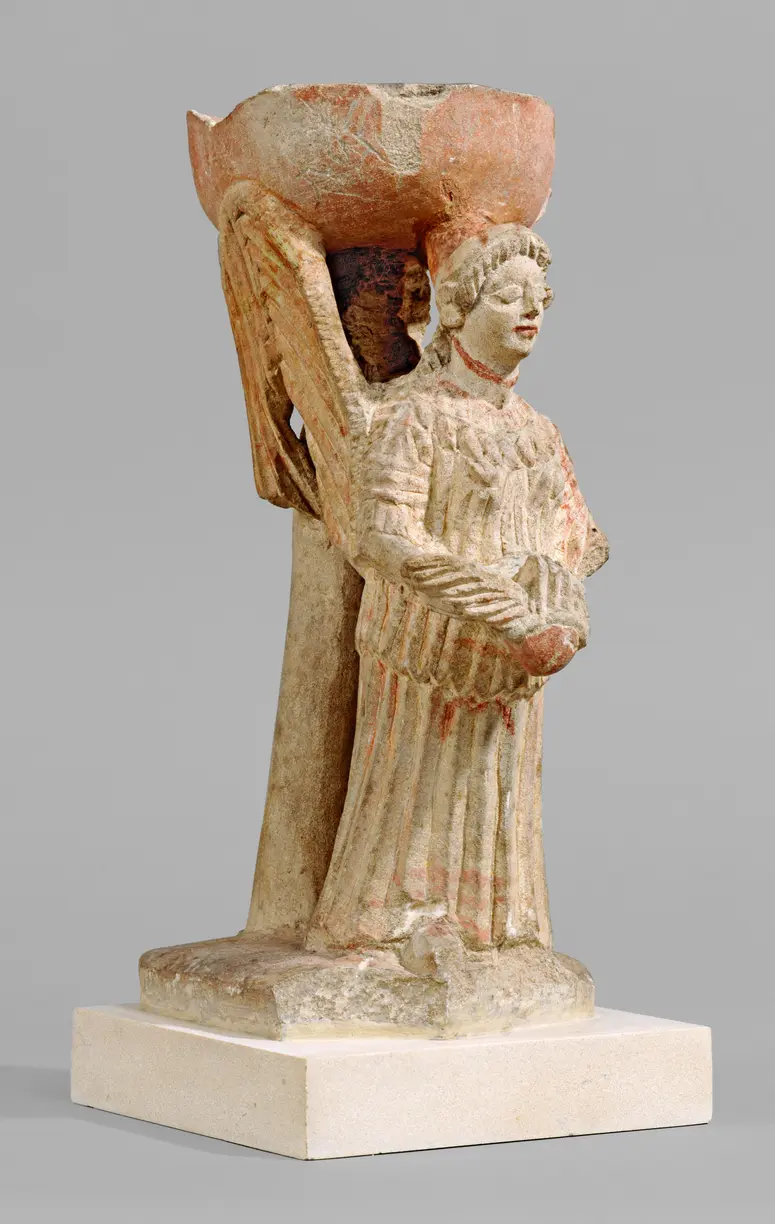
Räuchergefäß: Flügelfrau mit Räucherbecken Zyprisch, Eisenzeit, archaisch 1. Viertel 5. Jh. v. Chr.
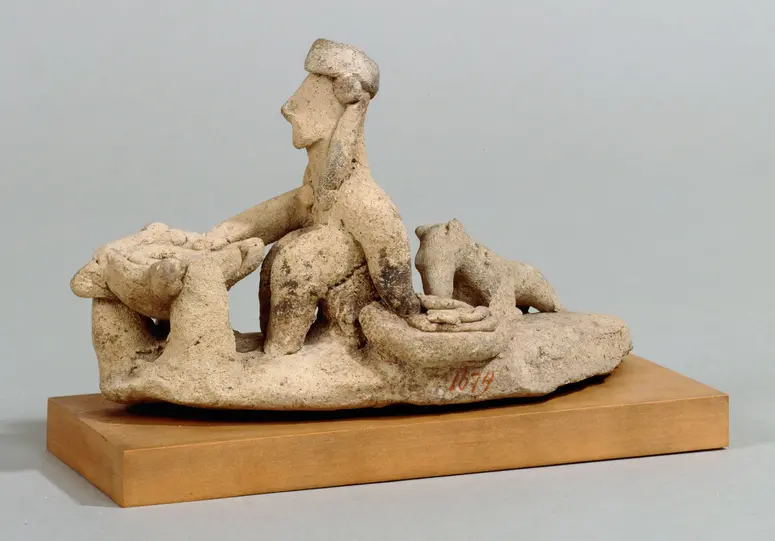
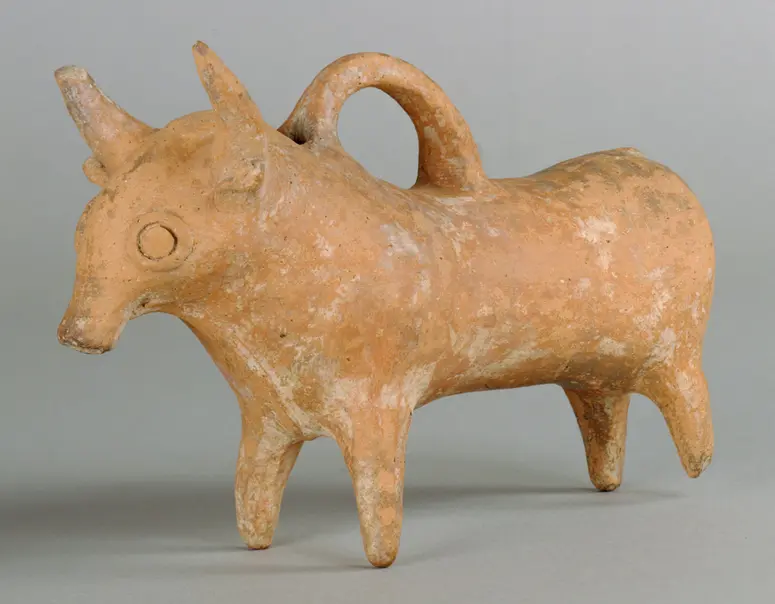
Rhyton der Base-Ring II Ware: Form eines Stieres Zyprisch, Bronzezeit, Spätzyprisch 1450 - 1200 v. Chr.
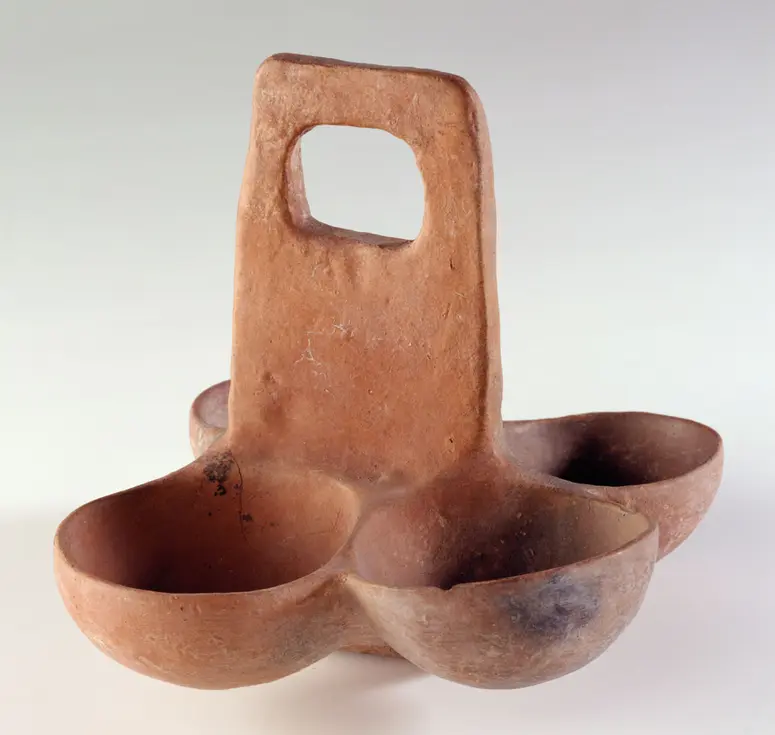
Kompositgefäß der Base-Ring I Ware (?): Halbkugelförmige Schalen Zyprisch, Bronzezeit, Spätzyprisch 1625 - 1450 v. Chr.