Organ-piano
ca. 1785 | Frantz Xaver Christoph
Franz Xaver Christoph’s claviorganum is undated but was probably built around 1785. It is thus the earliest combination instrument of this type to have been made in Vienna. It is also probably the only one in the world that is still playable in concert. The “Stoßmechanik” with hammer heads pointing towards the player allready has adjustable jacks; the hand stop for raising the dampers was to the side of the keyboard. This provided two different registers (playing with lifted dampers, and thus with pronounced reverberation / playing with a dampered sound); the use of pedal in the pianistic sense is, however, impossible. It is possible to create other tonal nuances on the piano by using the moderator. The pipework is activated by a sticker action located underneath the keyboard. A special feature of all combination instruments is that by modifying the touch (hard, accentuated touch or soft, legato style of playing) either the sound of the piano or that of the organ can be emphasised. The sliders of the four organ registers are divided so that bass and treble can be “stopped” separately. A unique feature is the 16’ reed stop. Although this is the lowest register, it is so rich in harmonics that it provides impressive highlights to the total sound. Originally a Venetian swell was located between the pipework and bottom of the piano to produce dynamic shading in the organ register. (rh)
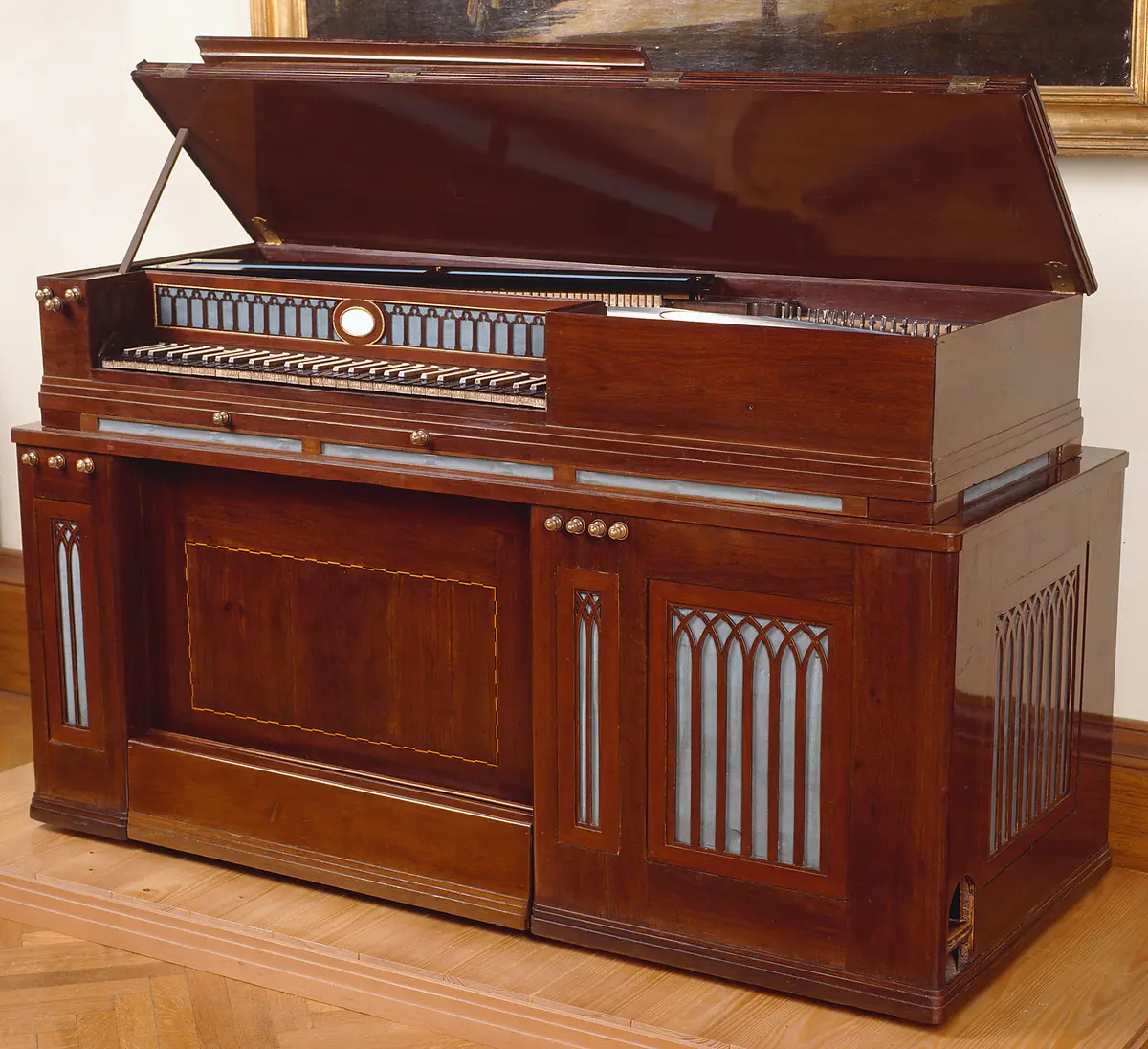
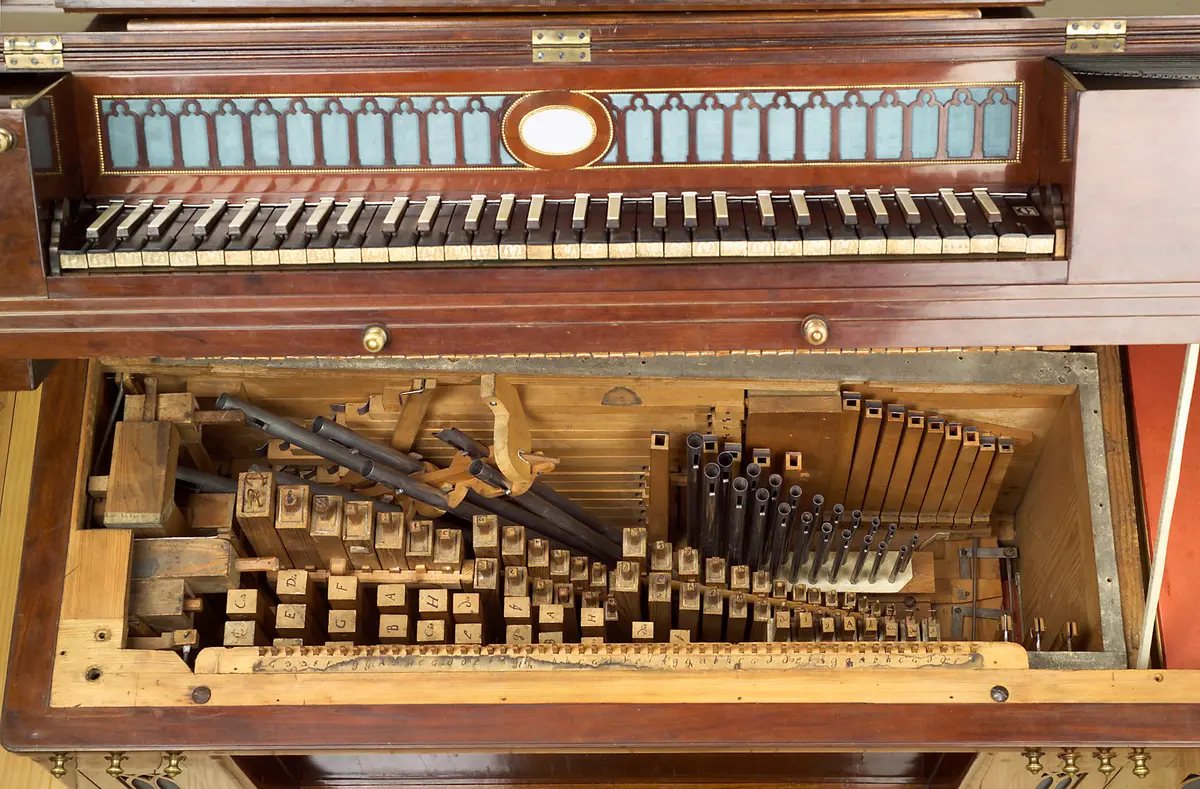
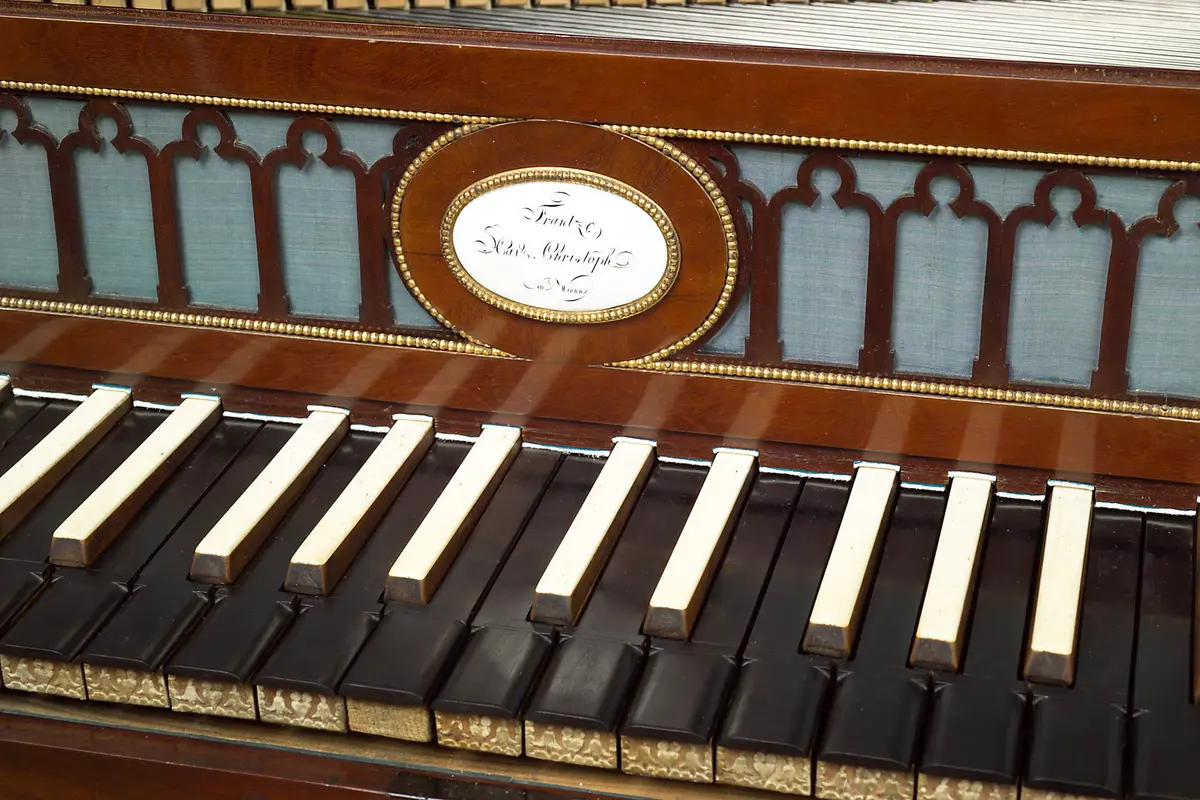
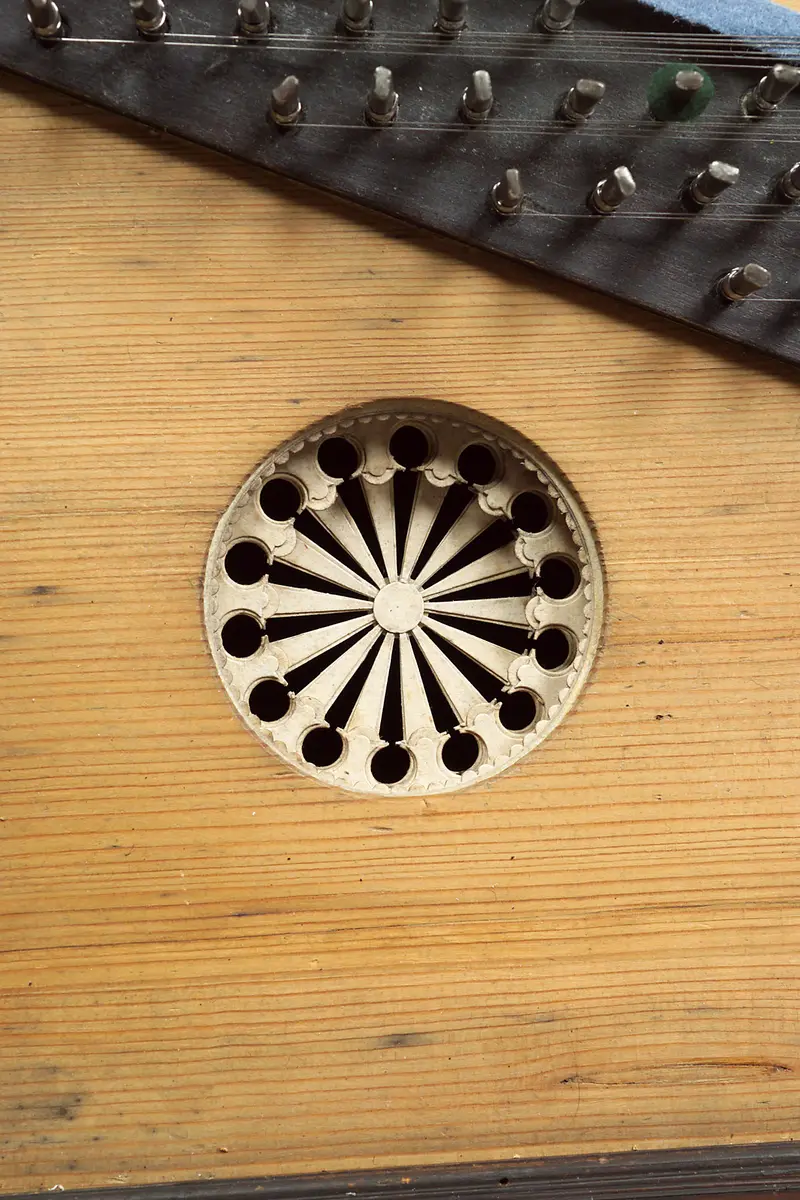
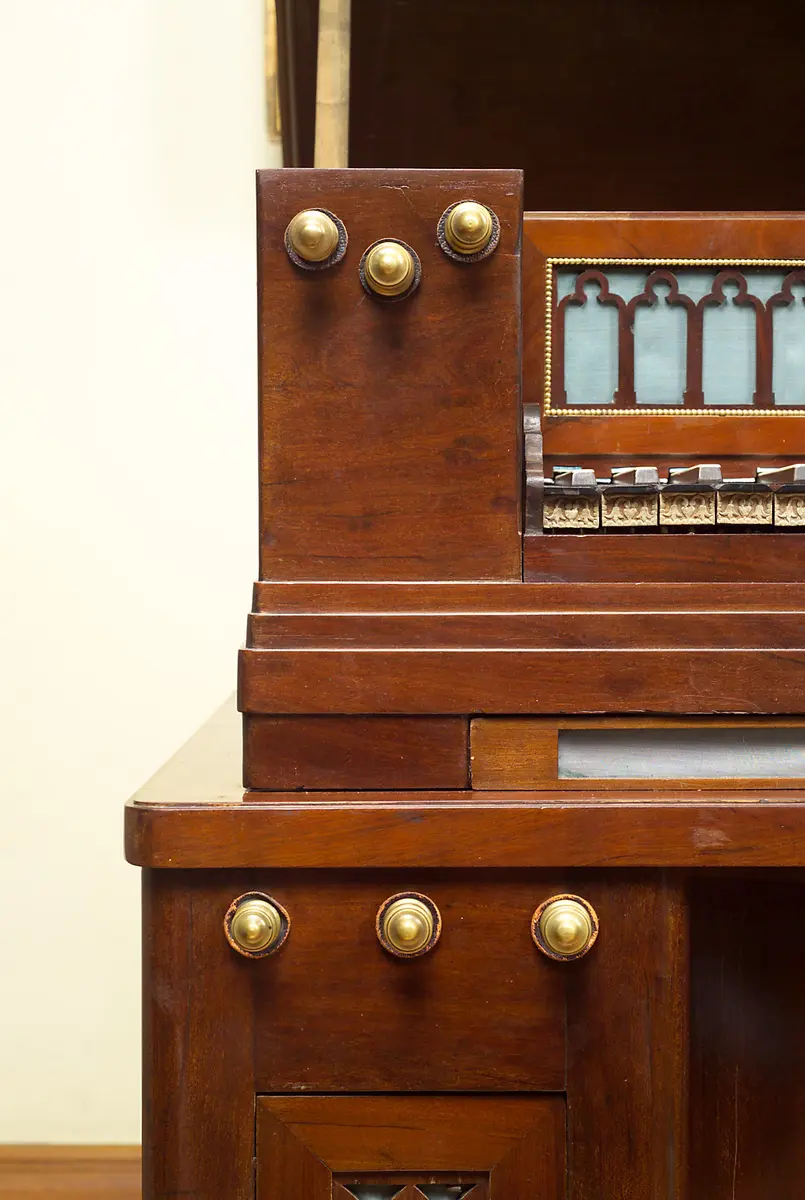
Franz Xaver Christoph’s claviorganum is undated but was probably built around 1785. It is thus the earliest combination instrument of this type to have been made in Vienna. It is also probably the only one in the world that is still playable in concert. The “Stoßmechanik” with hammer heads pointing towards the player allready has adjustable jacks; the hand stop for raising the dampers was to the side of the keyboard. This provided two different registers (playing with lifted dampers, and thus with pronounced reverberation / playing with a dampered sound); the use of pedal in the pianistic sense is, however, impossible. It is possible to create other tonal nuances on the piano by using the moderator. The pipework is activated by a sticker action located underneath the keyboard. A special feature of all combination instruments is that by modifying the touch (hard, accentuated touch or soft, legato style of playing) either the sound of the piano or that of the organ can be emphasised. The sliders of the four organ registers are divided so that bass and treble can be “stopped” separately. A unique feature is the 16’ reed stop. Although this is the lowest register, it is so rich in harmonics that it provides impressive highlights to the total sound. Originally a Venetian swell was located between the pipework and bottom of the piano to produce dynamic shading in the organ register. (rh)
Manufacturer:
Frantz Xaver Christoph (1733 - 1793)
Time:
ca. 1785
Object Name
Organ-piano
Culture
Austria, Vienna
Dimensions:
1640 mm x 700 mm x 925 mm
Copyright
Kunsthistorisches Museum, Sammlung alter Musikinstrumente
Invs.
Sammlung alter Musikinstrumente, 625
Browse more
Similar items you might be interested in
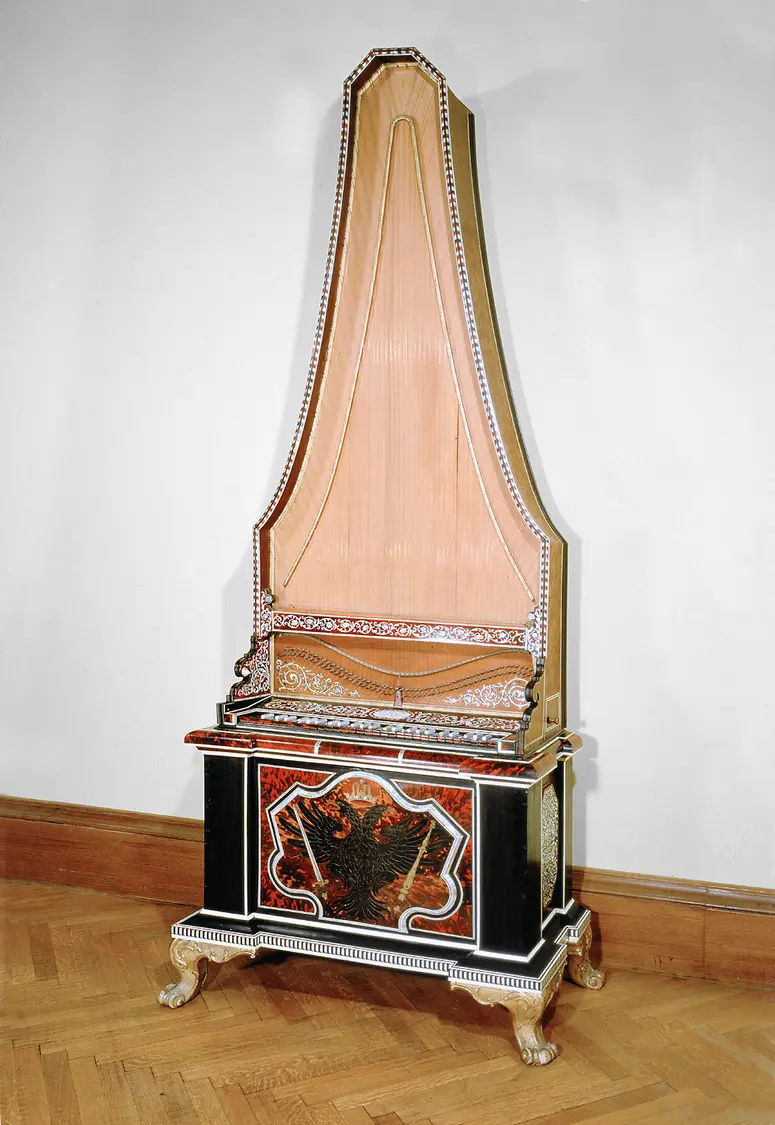
Manufacturer: Martin Kaiser 2nd half of the 17th century
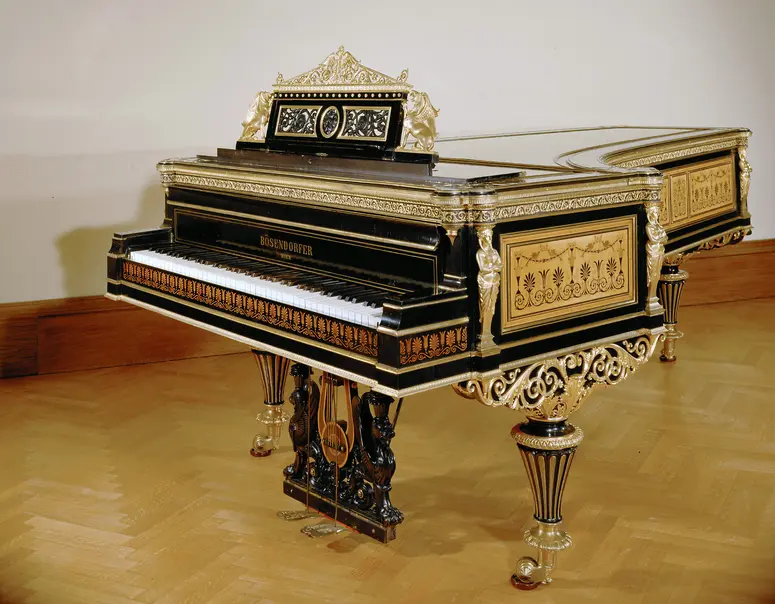
Manufacturer: Fa. Bösendorfer 1867
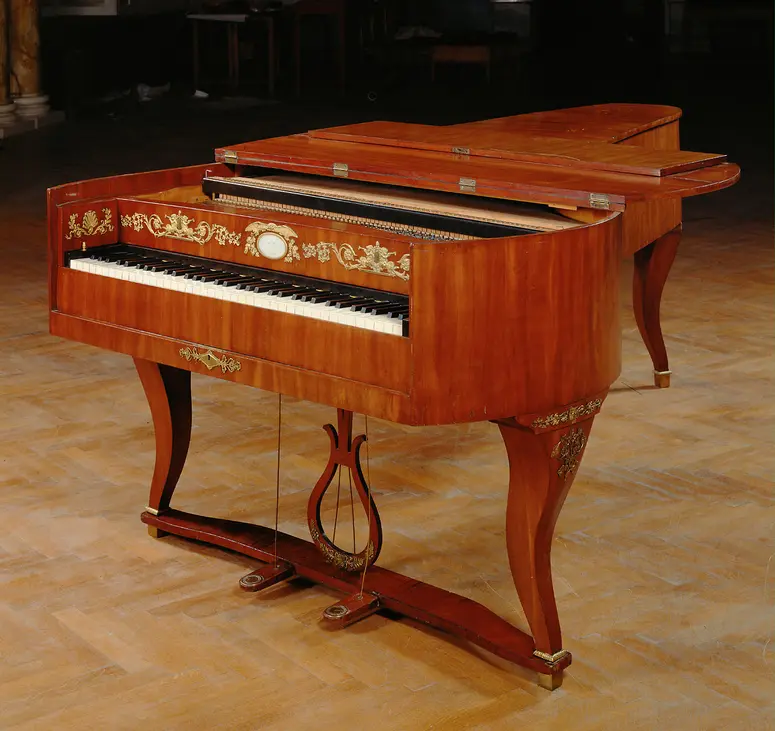
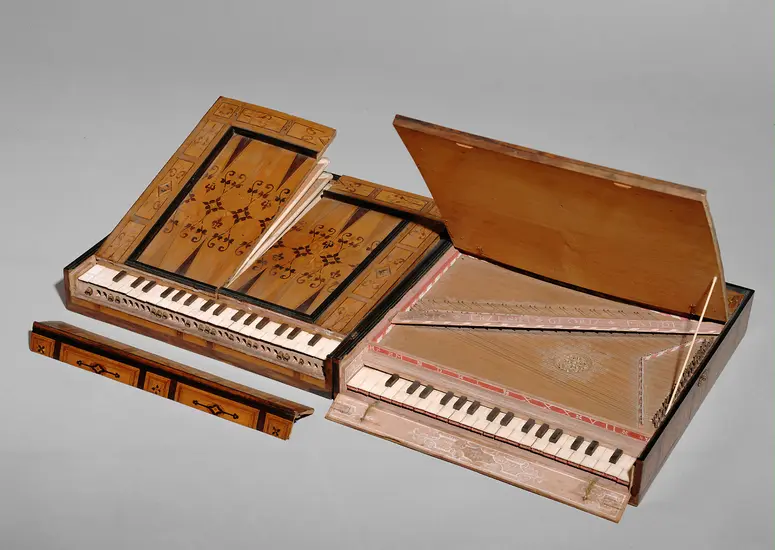
Manufacturer: Anton Meidting December 1587
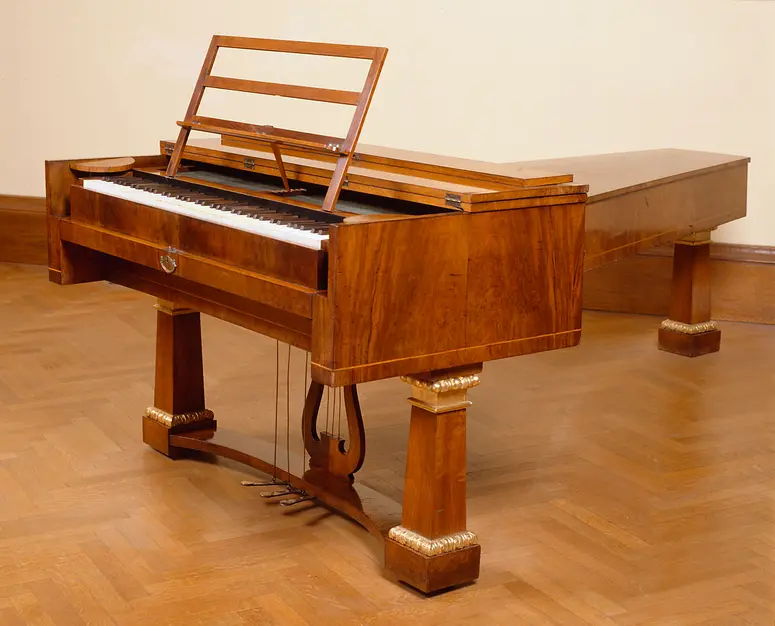
Manufacturer: Johann Baptist Streicher 1840
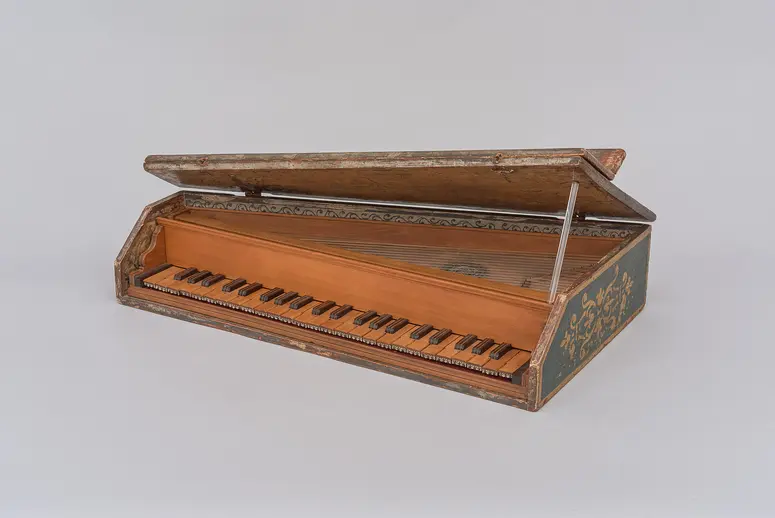
Manufacturer: anonym 2nd half of the 16th century (assigned)
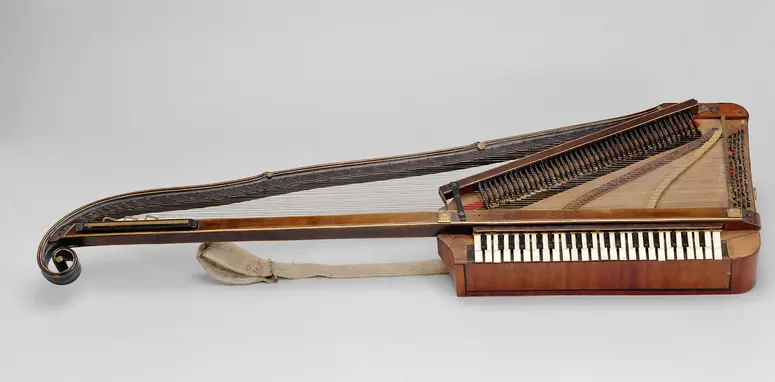
Manufacturer: Joseph Dohnal between 1795 and 1802
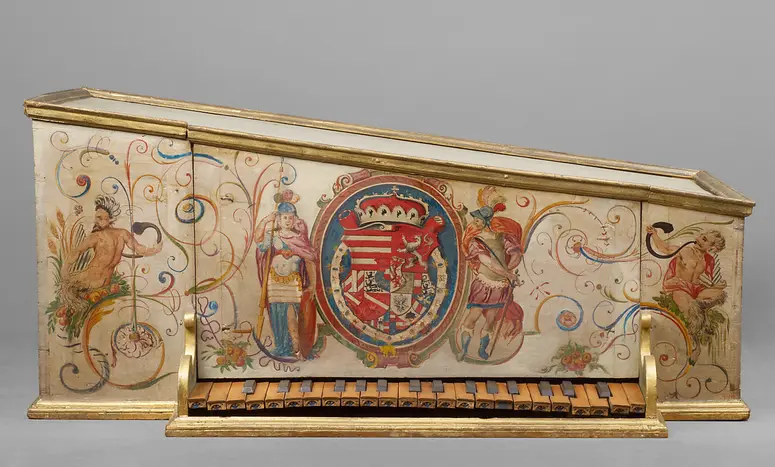
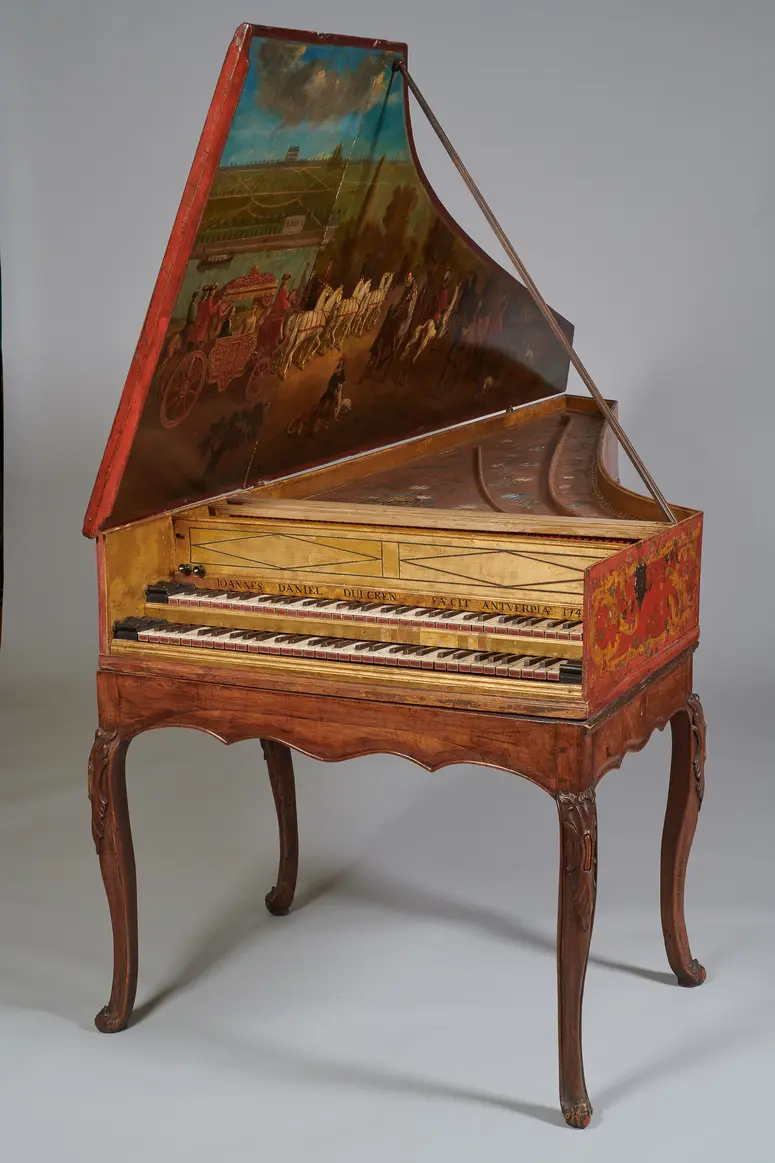
Manufacturer: Joann Daniel Dulcken 1745
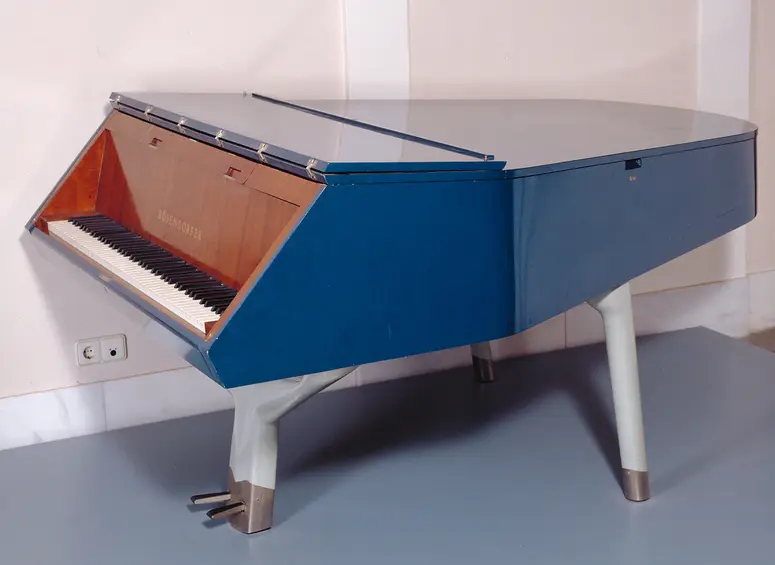
Manufacturer: Fa. Bösendorfer 1958
Servatius Rorif between 1564 - 1569
Manufacturer: Joseph Salodiensis 1559
Manufacturer: Ludwig Bösendorfer 07.05.1898 (completed)
Painting: Der junge Schubert Josef Abel beginning of the 19th century
Painting: Anton Walter (1756 - 1826), Porträt Friedrich August Mathias Gauermann 1825
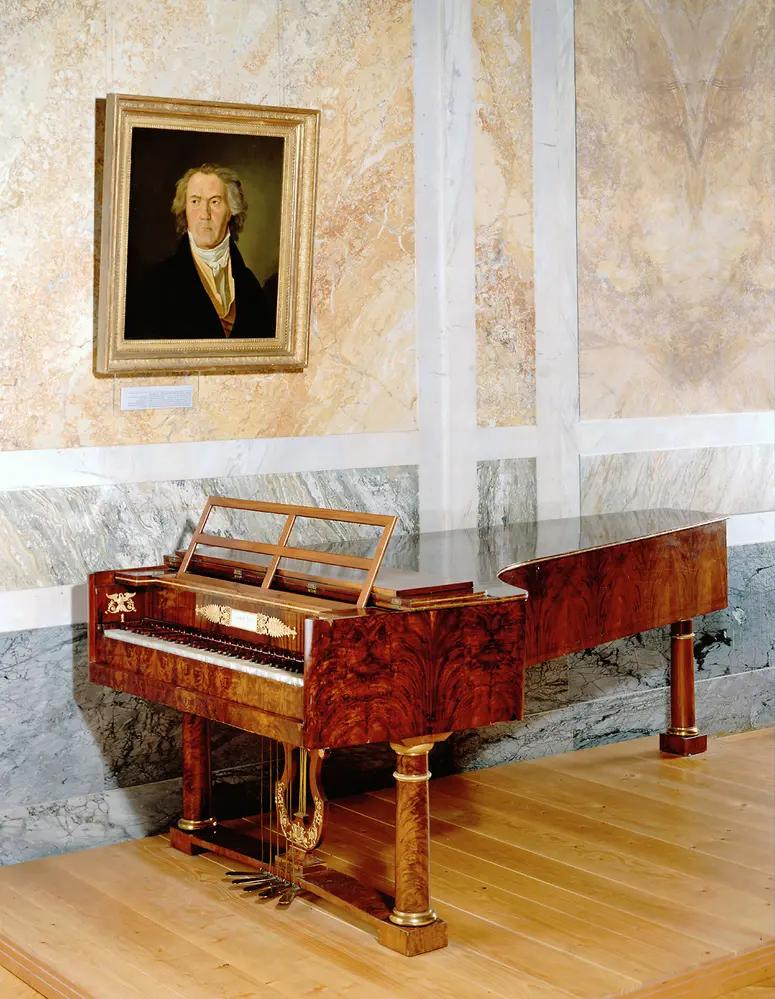
Manufacturer: Conrad Graf ca. 1820
Manufacturer: Johann Baptist Merklein approx. 1800