Harpsichord
1745 | Joann Daniel Dulcken
Besides Italy and France, Flanders - home of the harpsichords of Daniel Dulcken (1706-1757) - is considered a third such centre. Dulcken settled in Antwerp in 1738 and according to his contemporaries soon became the most important harpsichord maker after Ruckers. His instrument has two manuals, which allows for rapid changes of dynamics when each is set to a different register. The instrument is equipped with four registers, one of which is a four-foot register, which sounds an octave above written pitch. Due to the different plucking points of the three eight-foot registers, each has a different timbre. The casing of such harpsichords was usually plain and monochrome. Inside of the lid there is a painting, and it is likely that the artist composed its sujets (palace, waters, royal carrage, huntig scene) from different illustrations. (rh/bd)
Lit.:Rudolf Hopfner: Masterpieces from the Collection of Historic Musical Instruments. A Short Guide through the Kunsthistorisches Museum Vienna, Vol. 1, Vienna 2019.Victor Luithlen: Kunsthistorisches Museum. Katalog der Sammlung alter Musikinstrumente. Teil 1. Saitenklaviere, Wien 1966.
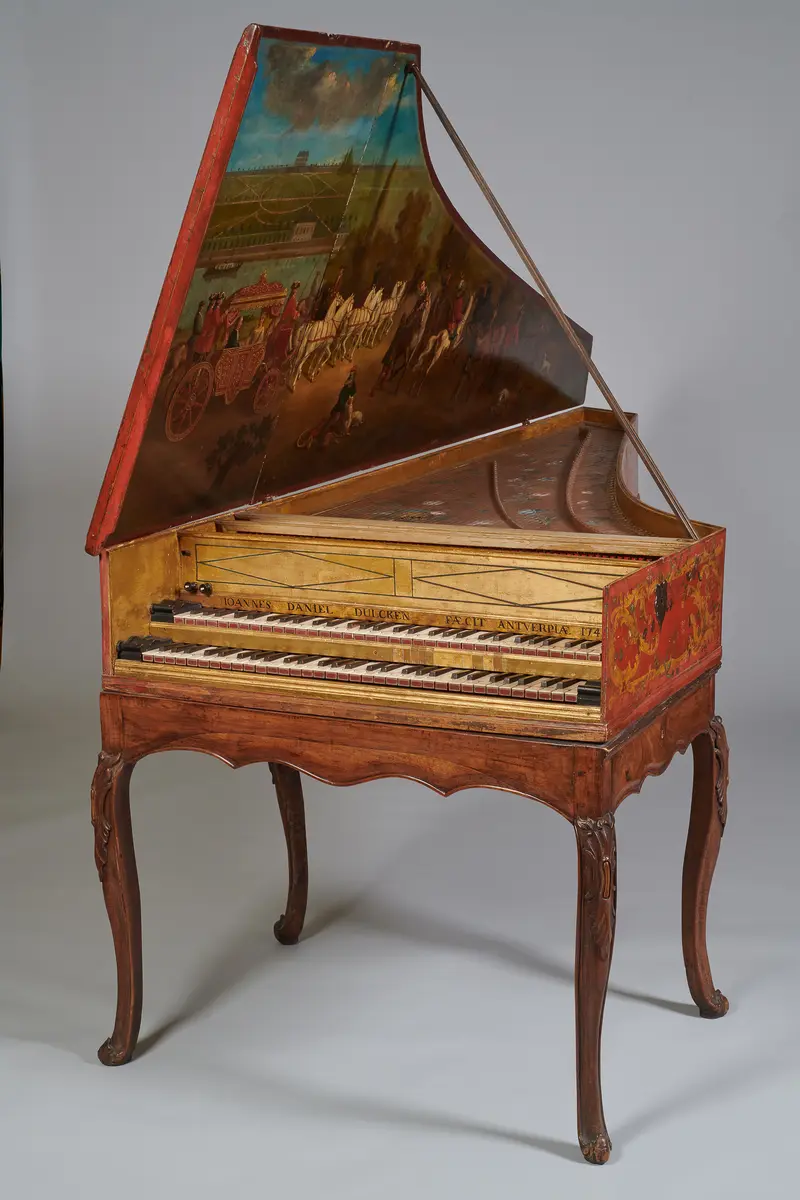
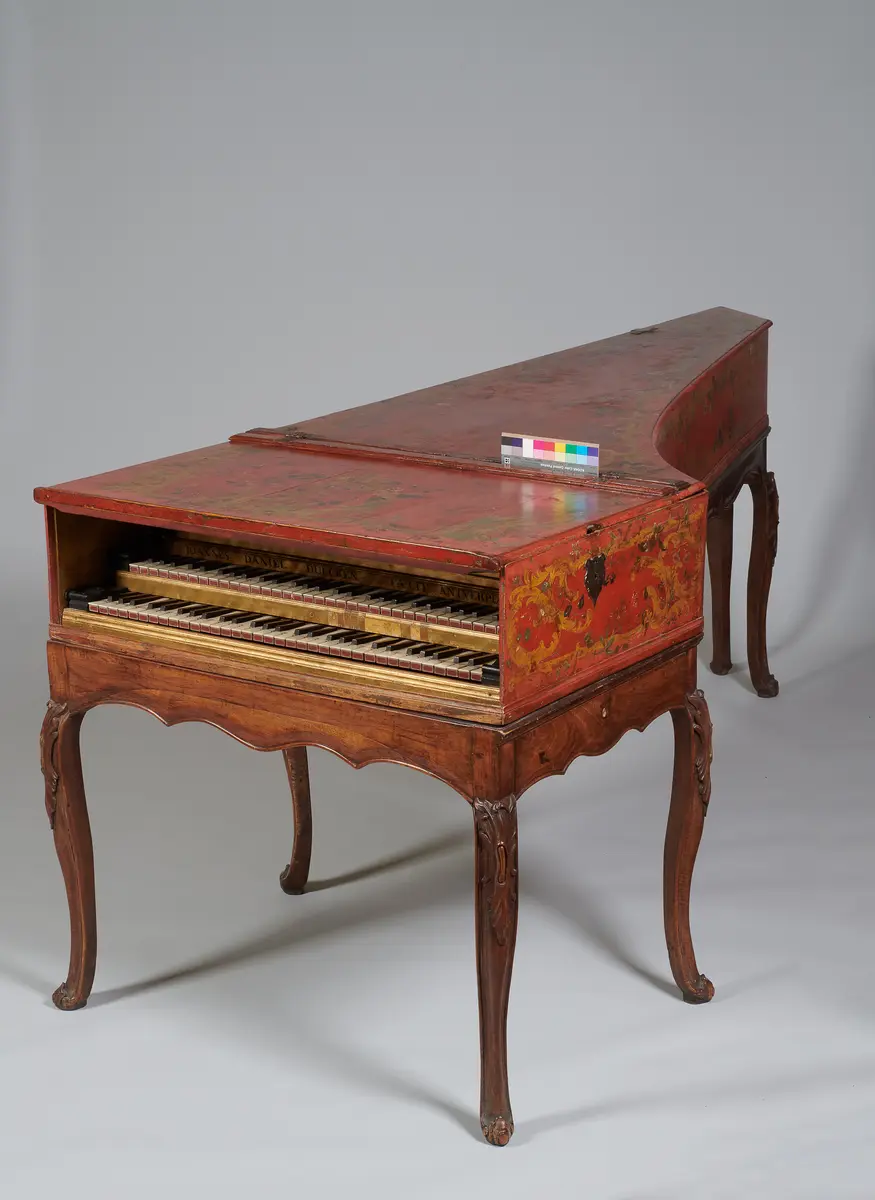
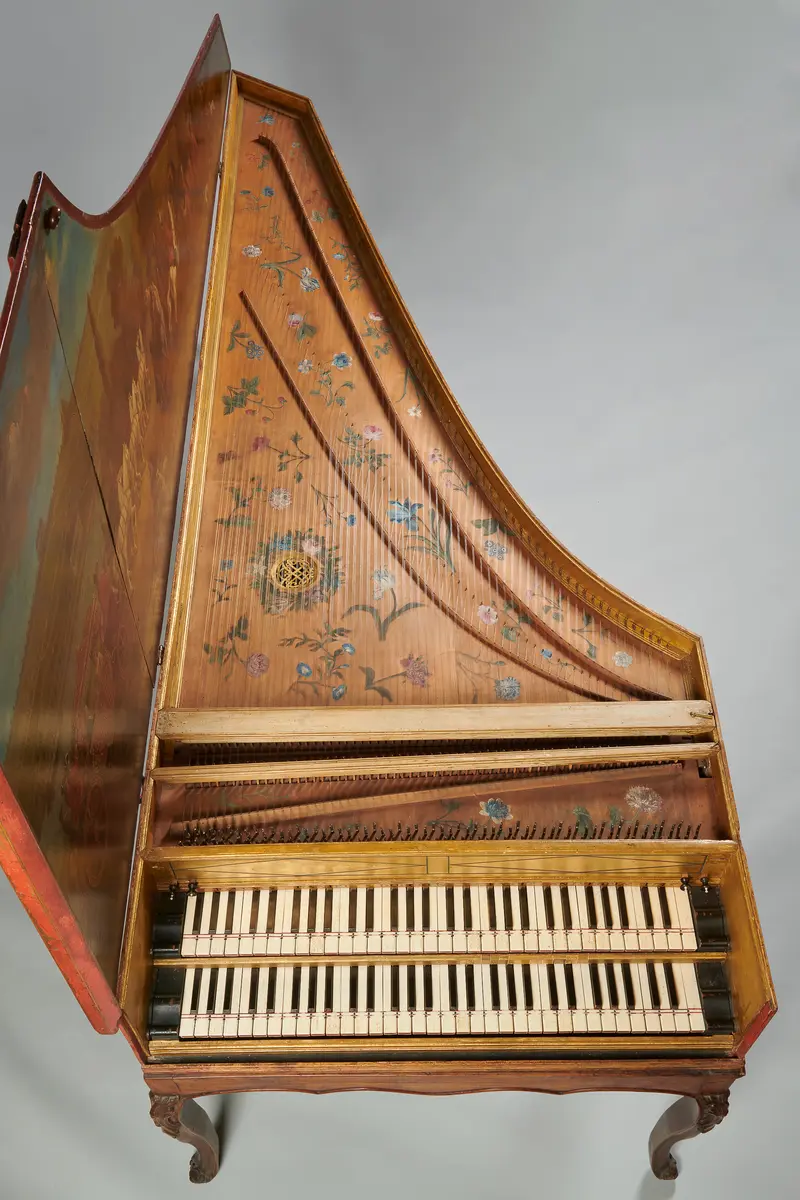
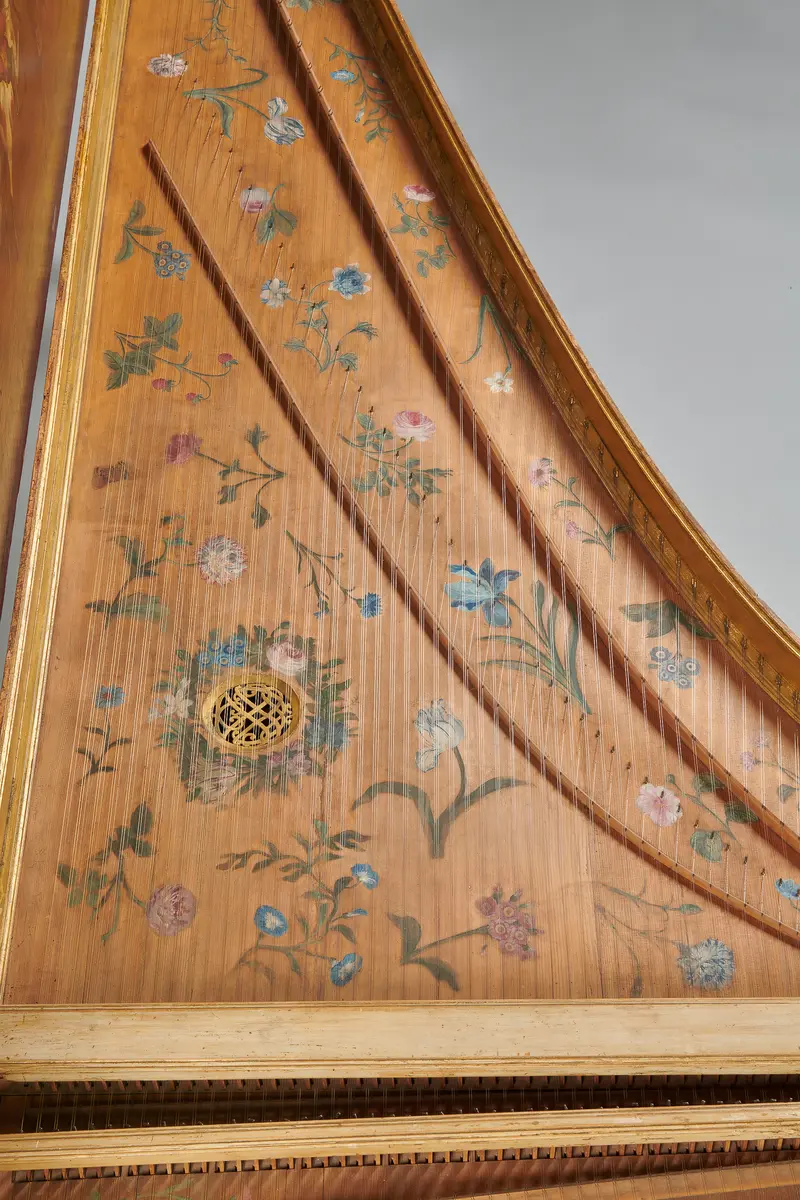
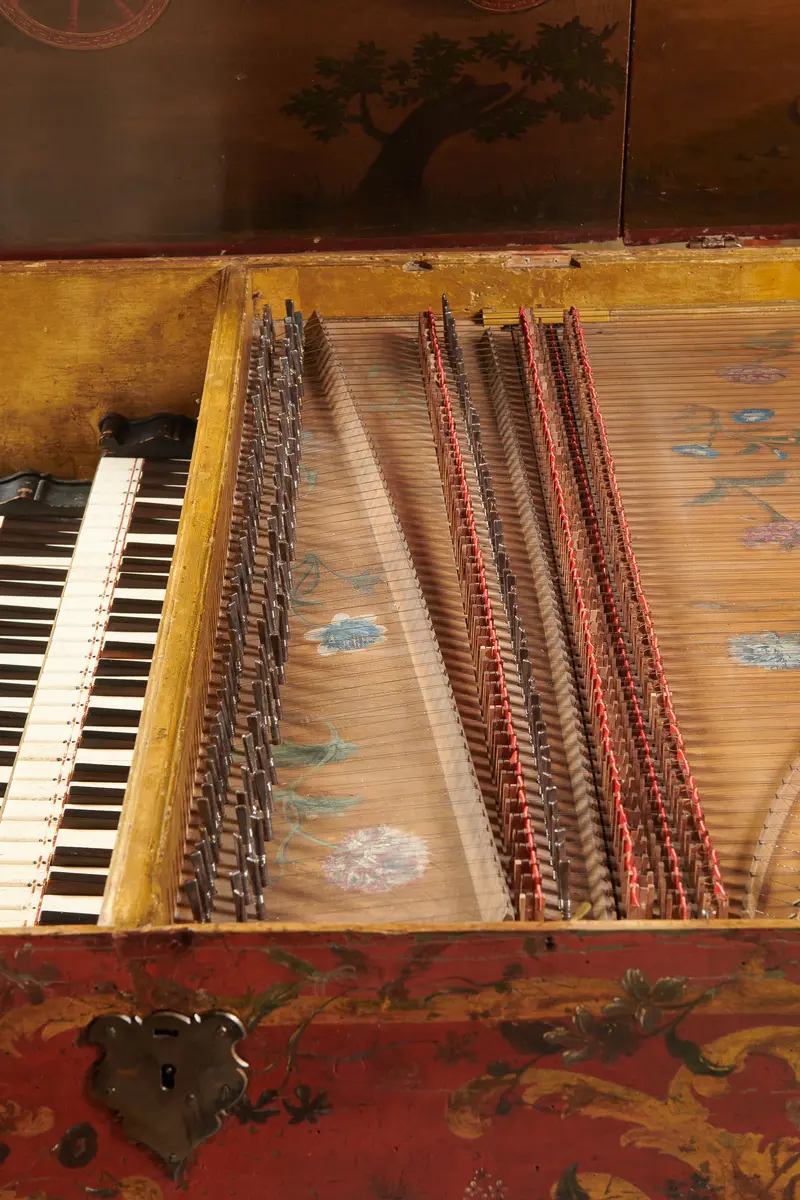
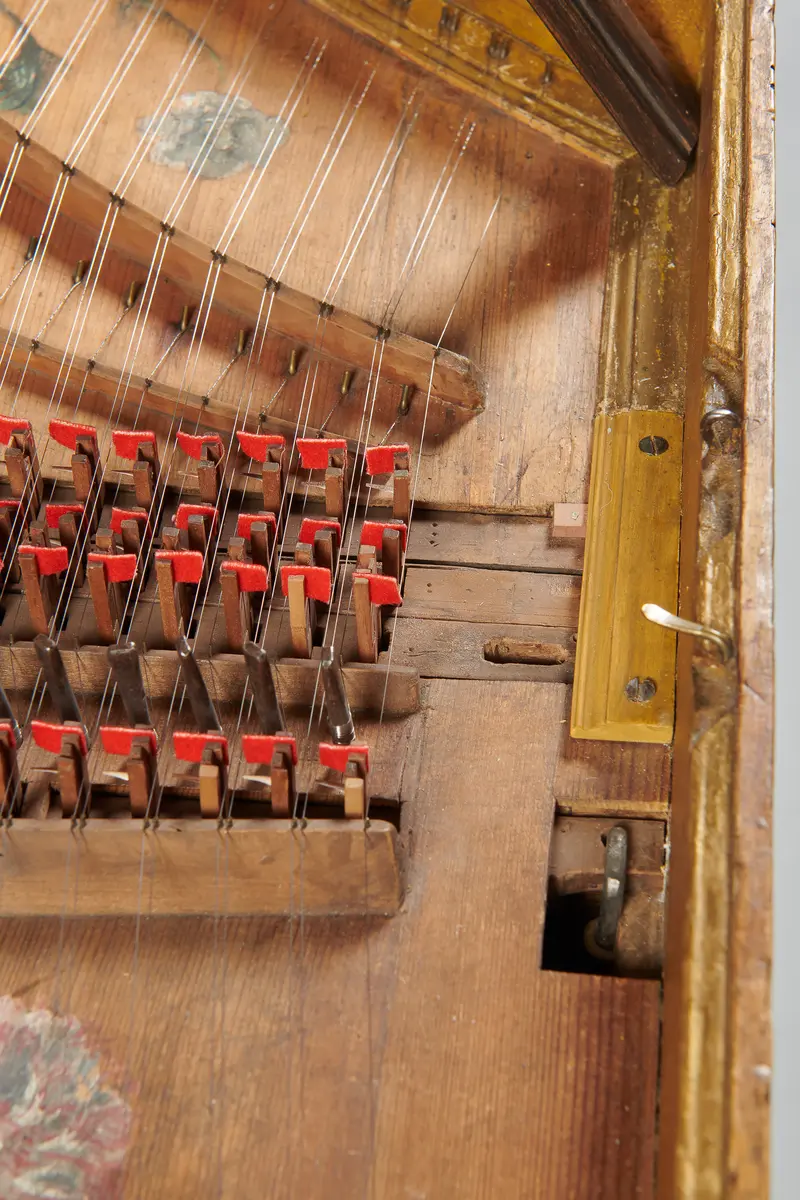
Besides Italy and France, Flanders - home of the harpsichords of Daniel Dulcken (1706-1757) - is considered a third such centre. Dulcken settled in Antwerp in 1738 and according to his contemporaries soon became the most important harpsichord maker after Ruckers. His instrument has two manuals, which allows for rapid changes of dynamics when each is set to a different register. The instrument is equipped with four registers, one of which is a four-foot register, which sounds an octave above written pitch. Due to the different plucking points of the three eight-foot registers, each has a different timbre. The casing of such harpsichords was usually plain and monochrome. Inside of the lid there is a painting, and it is likely that the artist composed its sujets (palace, waters, royal carrage, huntig scene) from different illustrations. (rh/bd)
Lit.:Rudolf Hopfner: Masterpieces from the Collection of Historic Musical Instruments. A Short Guide through the Kunsthistorisches Museum Vienna, Vol. 1, Vienna 2019.Victor Luithlen: Kunsthistorisches Museum. Katalog der Sammlung alter Musikinstrumente. Teil 1. Saitenklaviere, Wien 1966.
Manufacturer:
Joann Daniel Dulcken (1706 - 1757) DNB
Time:
1745
Object Name
Harpsichord
Culture
Belgium, Antwerp
Dimensions:
2620 mm x 975 mm x 1000 mm
Copyright
Kunsthistorisches Museum, Sammlung alter Musikinstrumente
Invs.
Sammlung alter Musikinstrumente, 726
Browse more
Similar items you might be interested in
Manufacturer: Martin Kaiser 2nd half of the 17th century
Manufacturer: Johann Baptist Merklein approx. 1800
Manufacturer: anonym 2nd half of the 16th century (assigned)
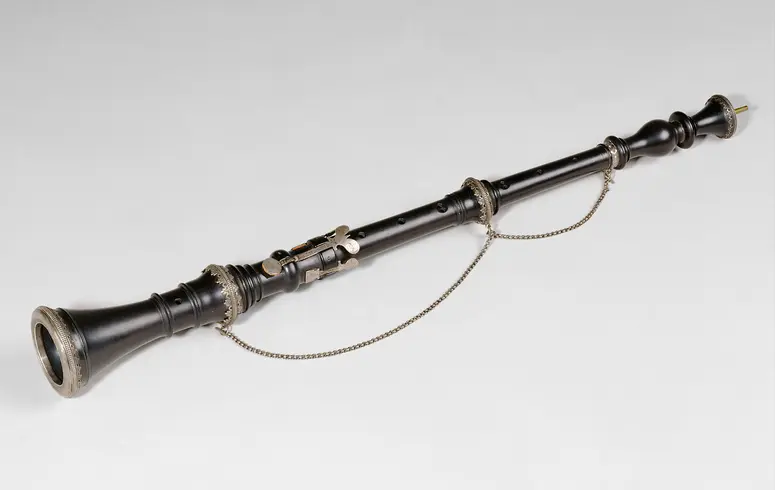
Manufacturer: Hendrik Richters beginning of the 18th century
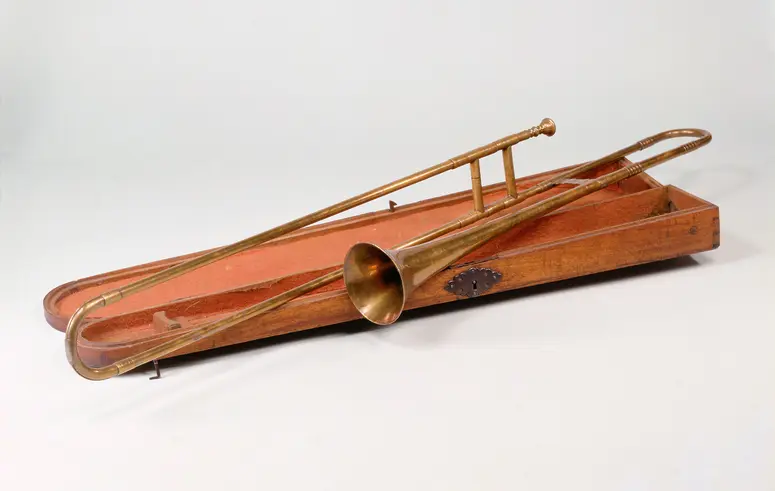
Manufacturer: Michael Leichamschneider 1732
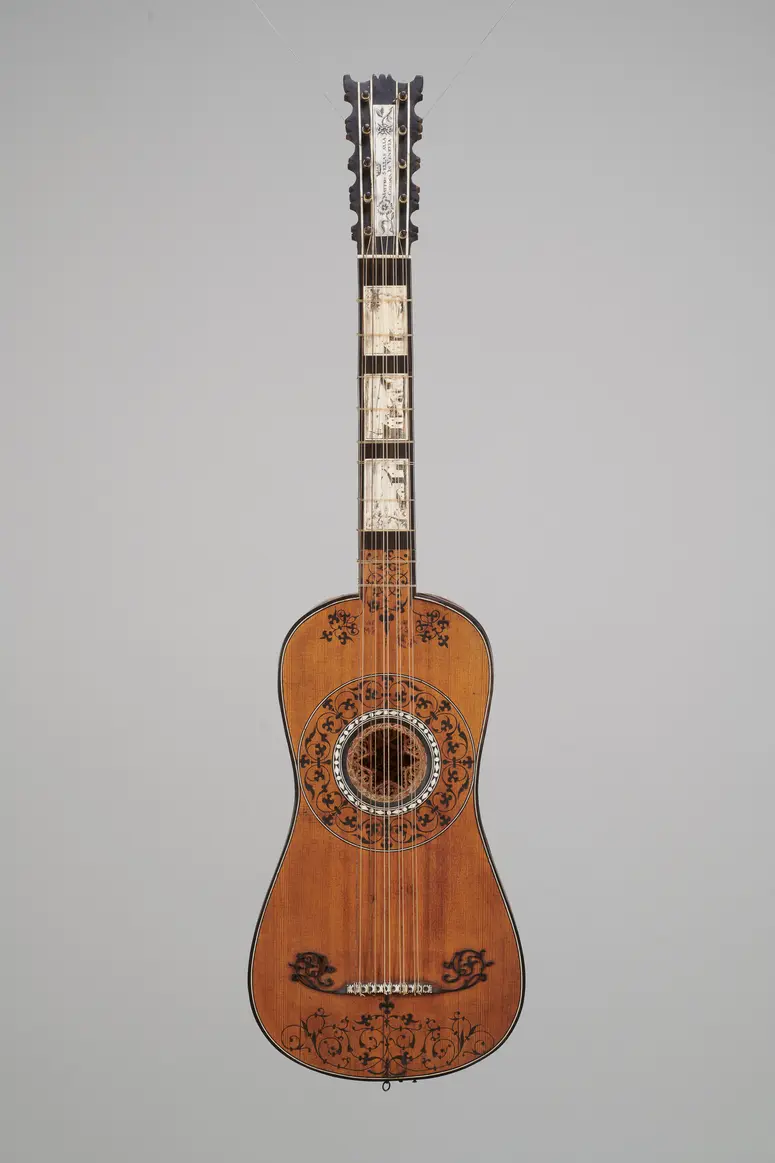
Manufacturer: Matthäus Seelos 1st half of the 17th century
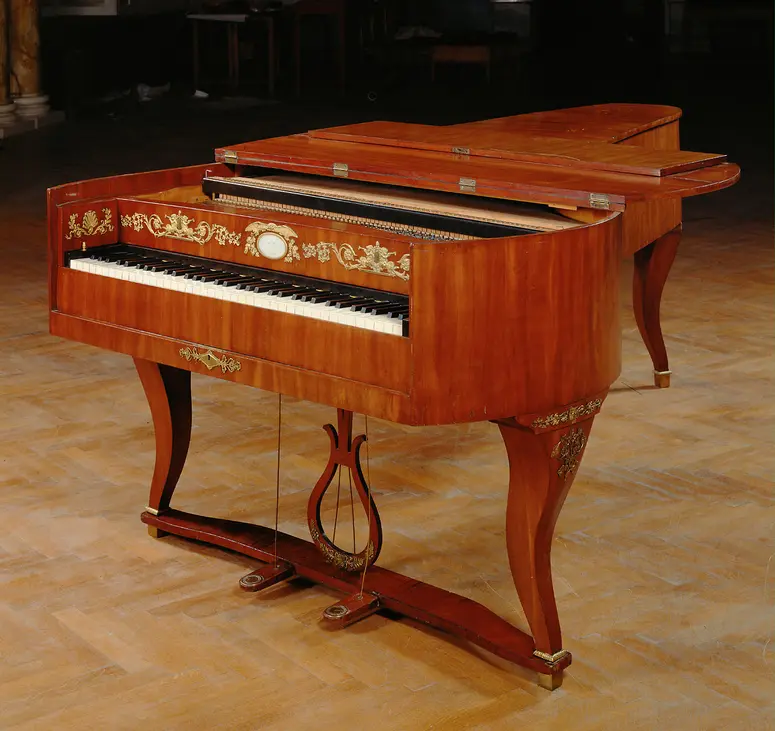
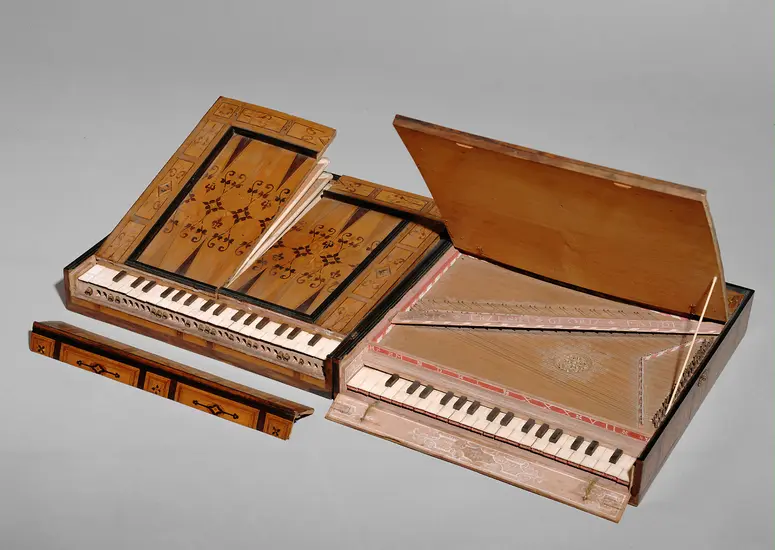
Manufacturer: Anton Meidting December 1587
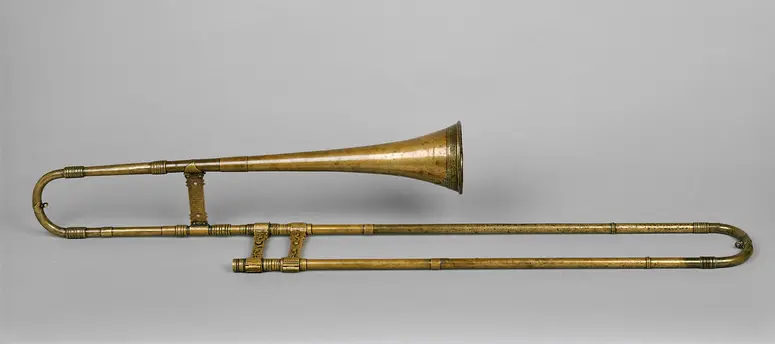
Manufacturer: Joerg Neuschel 1557
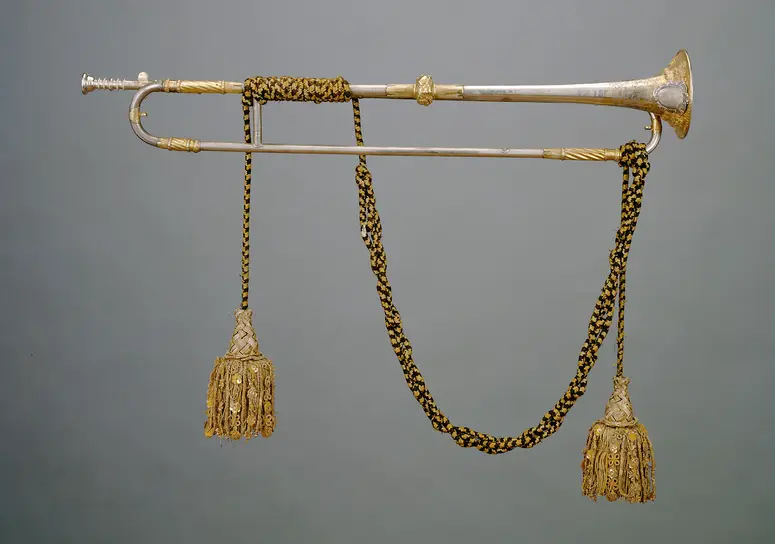
Manufacturer: Michael Leichamschneider 1741
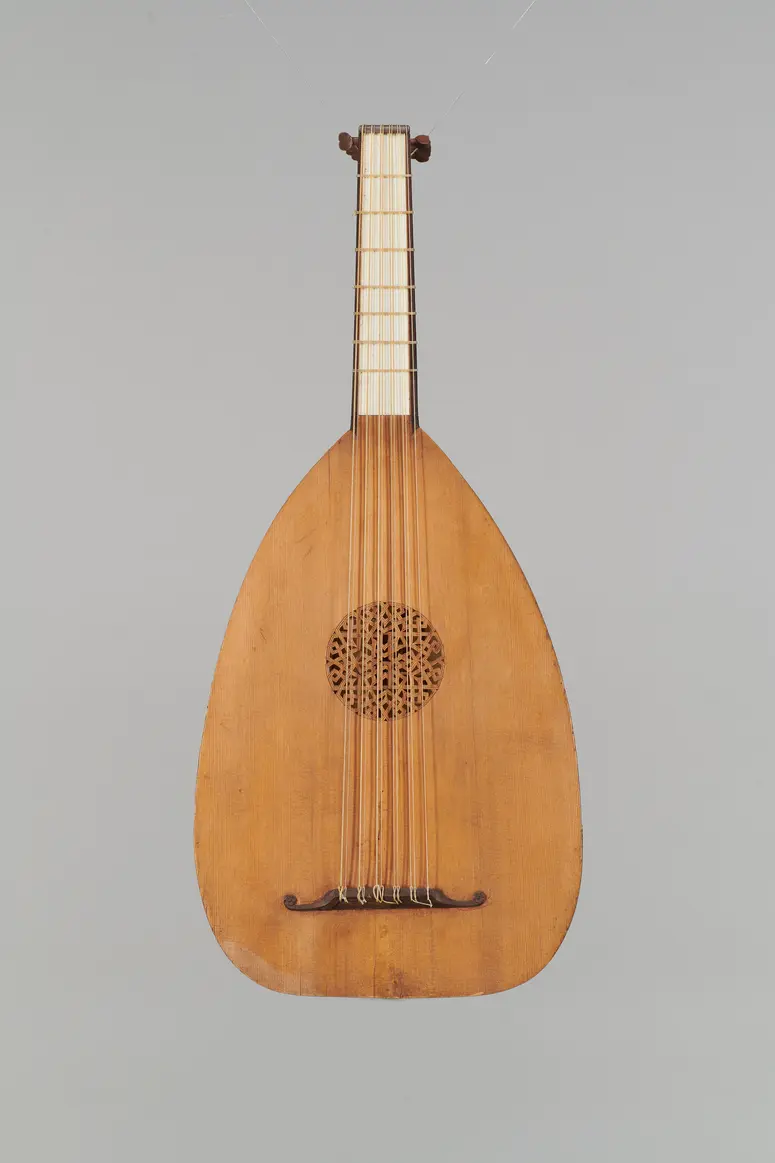
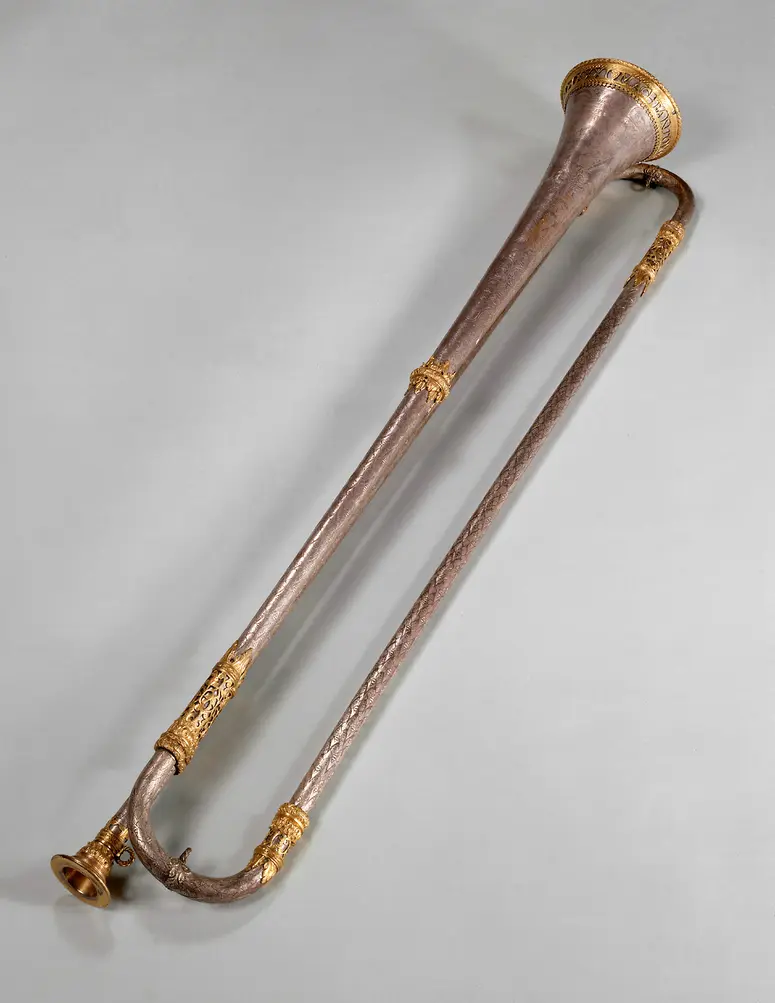
Manufacturer: Anton Schnitzer 1581
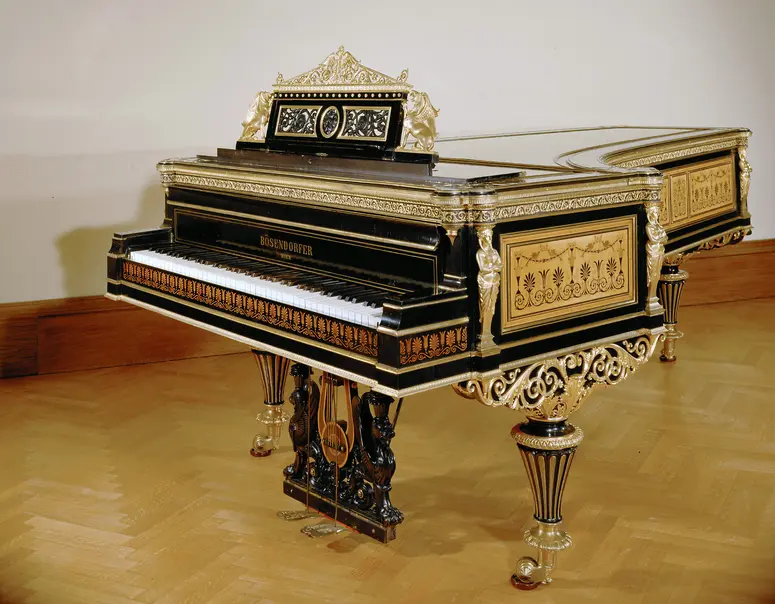
Manufacturer: Fa. Bösendorfer 1867
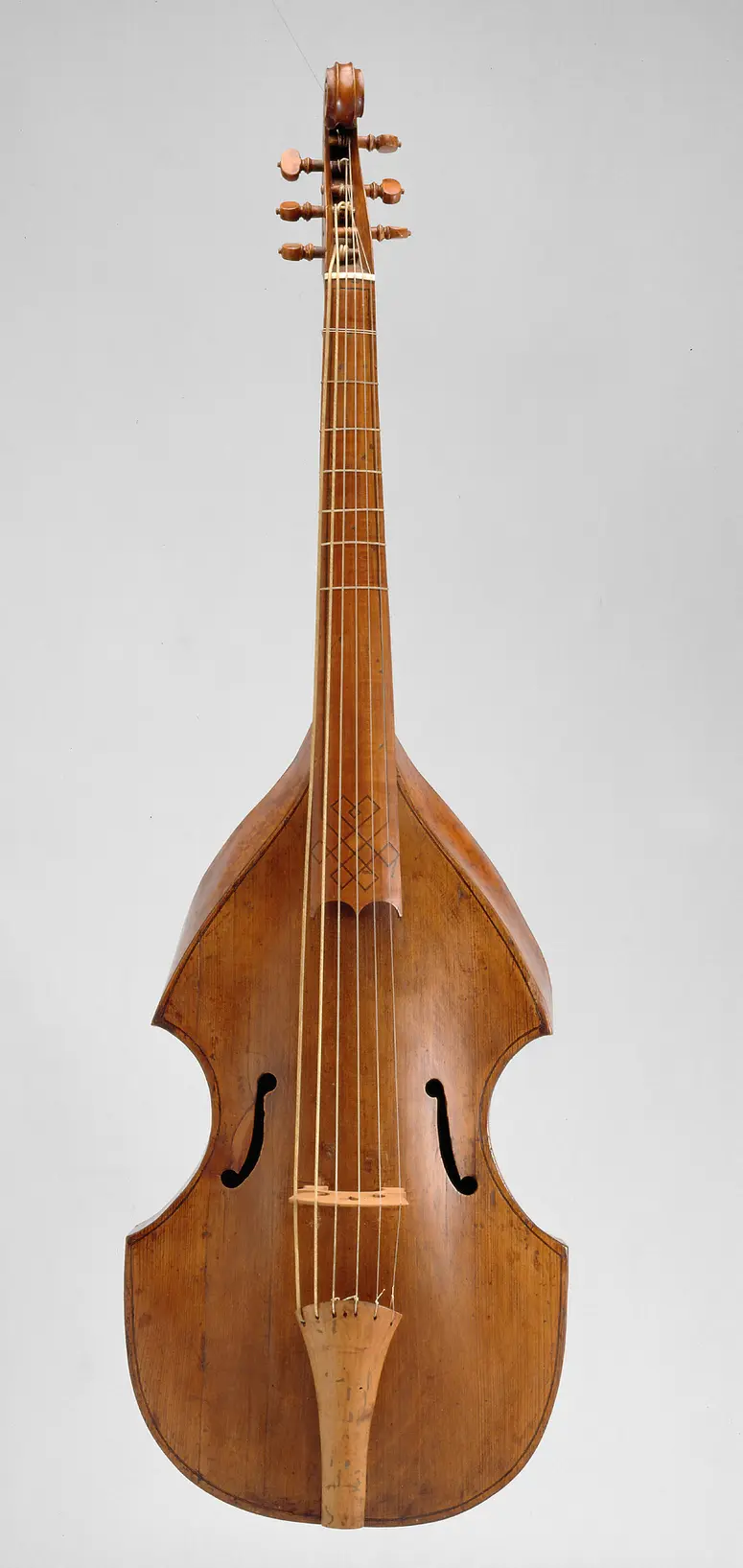
Manufacturer: Antonio Ciciliano presumably after 1602
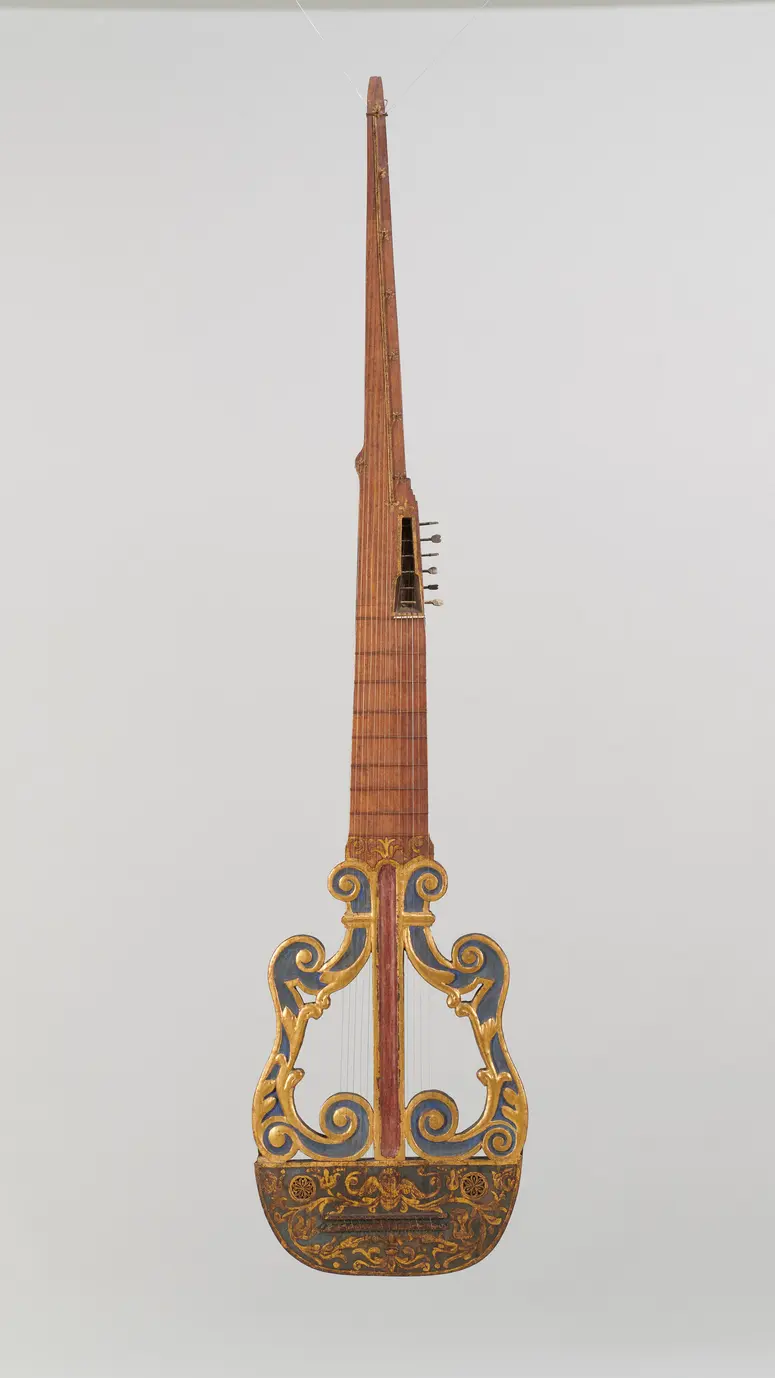
Manufacturer: Wenzel Kowansky 1749
Manufacturer: Girolamo de Virchis 1574