Crumhorn (bass)
1522 | Jörg Wier
A characteristic of Renaissance instruments is the rich variety of tone colours produced by different instrumental types. On the crumhorn the sound is produced by a double reed, though the player’s lips do not directly come into contact with it. The reed is situated in a windcap fitted to the upper end of the instrument. Blowing into the instrument produces an increase in air pressure that causes both segments of the double reed to vibrate. The bore of the crumhorn is cylindrical throughout almost its entire length and the instrument is not capable of overblowing. This means that the pitch range is relatively limited. Jörg Wier managed to extend the range of his bass crumhorn by attaching two brass slides which allowed the bottom note to be lowered by either one or two notes. (rh/bd)
Lit.:Beatrix Darmstädter: Die Krummhörner und die Windkapselschalmei aus der Sammlung alter Musikinstrumente, Sammlungskataloge des Kunsthistorischen Museums Wien, Bd. 8, Wien 2015.Rudolf Hopfner: Masterpieces from the Collection of Historic Musical Instruments. A Short Guide through the Kunsthistorisches Museum Vienna, Vol. 1, Vienna 2019.
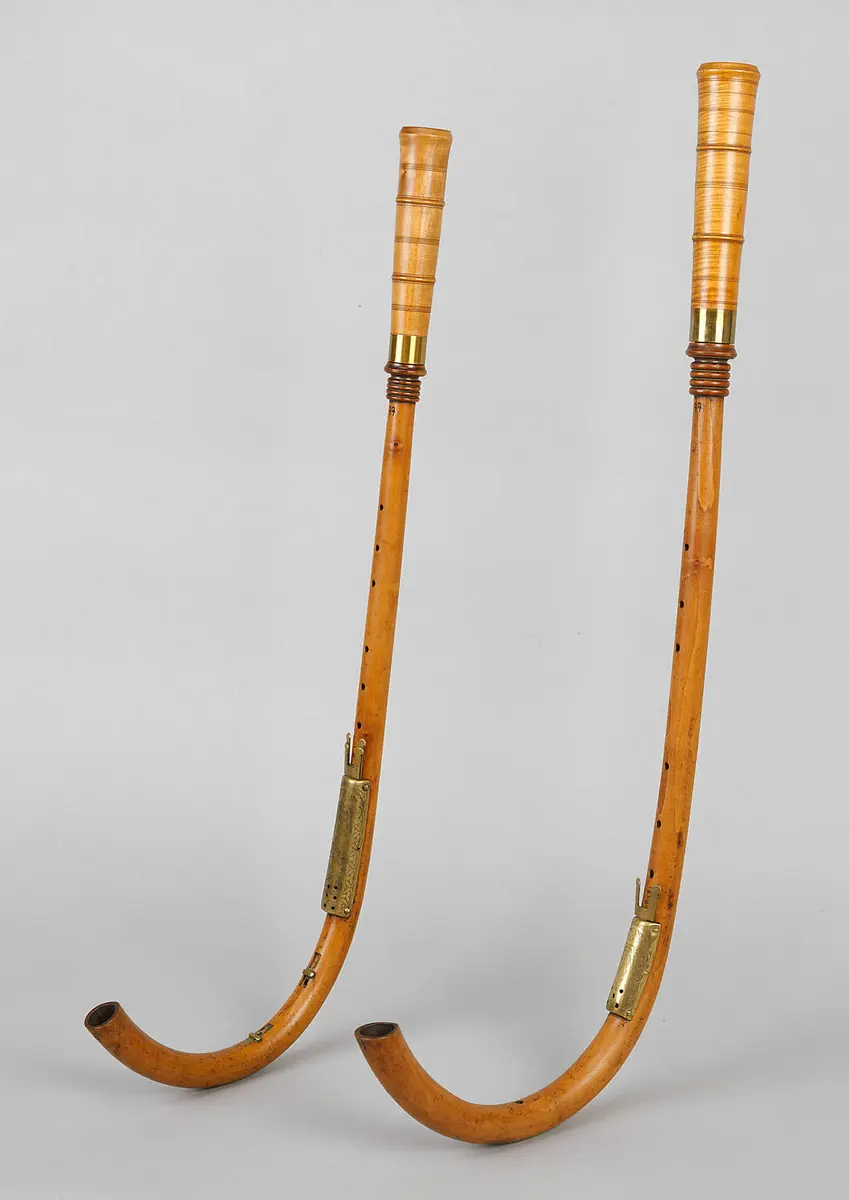
A characteristic of Renaissance instruments is the rich variety of tone colours produced by different instrumental types. On the crumhorn the sound is produced by a double reed, though the player’s lips do not directly come into contact with it. The reed is situated in a windcap fitted to the upper end of the instrument. Blowing into the instrument produces an increase in air pressure that causes both segments of the double reed to vibrate. The bore of the crumhorn is cylindrical throughout almost its entire length and the instrument is not capable of overblowing. This means that the pitch range is relatively limited. Jörg Wier managed to extend the range of his bass crumhorn by attaching two brass slides which allowed the bottom note to be lowered by either one or two notes. (rh/bd)
Lit.:Beatrix Darmstädter: Die Krummhörner und die Windkapselschalmei aus der Sammlung alter Musikinstrumente, Sammlungskataloge des Kunsthistorischen Museums Wien, Bd. 8, Wien 2015.Rudolf Hopfner: Masterpieces from the Collection of Historic Musical Instruments. A Short Guide through the Kunsthistorisches Museum Vienna, Vol. 1, Vienna 2019.
Browse more
Similar items you might be interested in
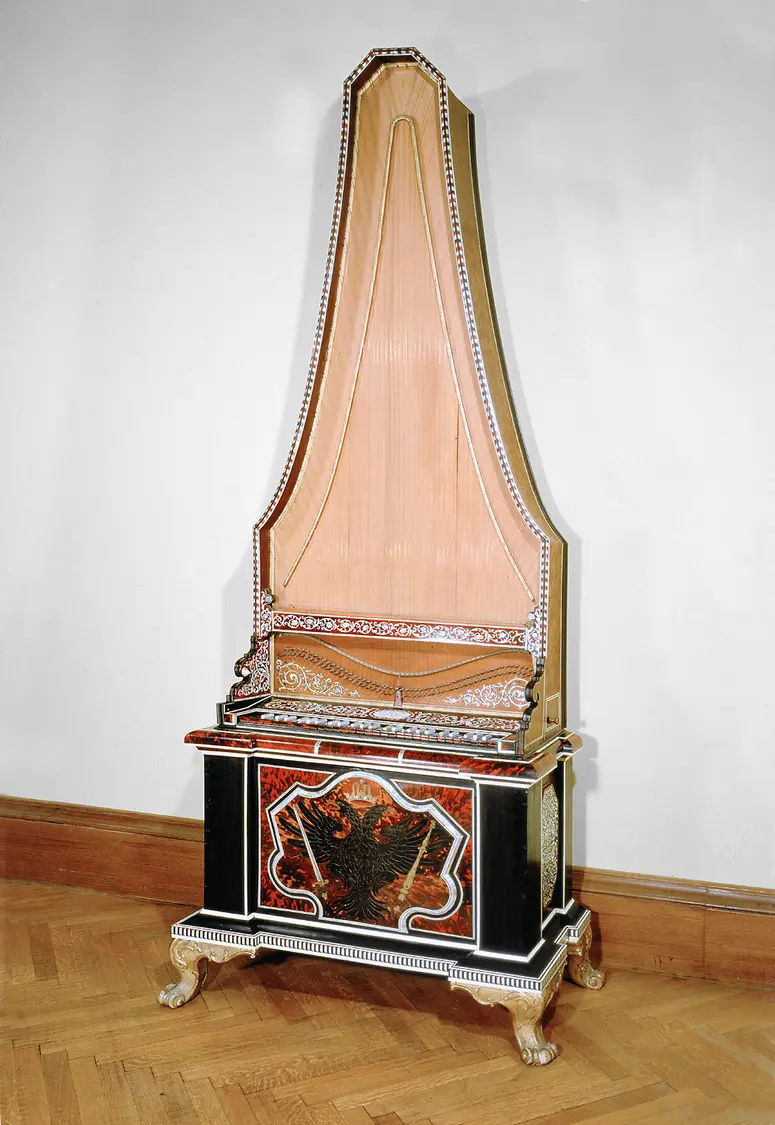
Manufacturer: Martin Kaiser 2nd half of the 17th century
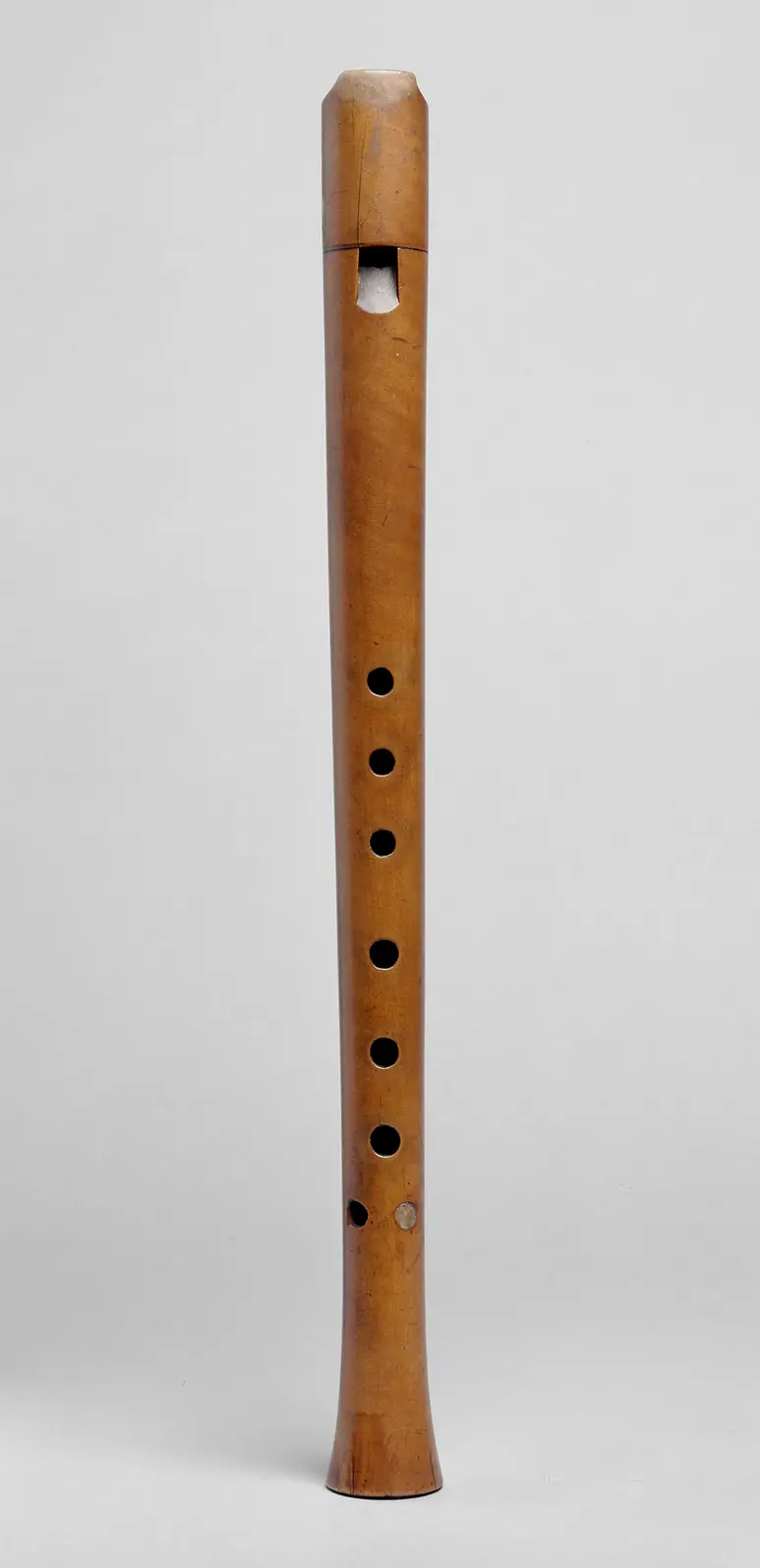
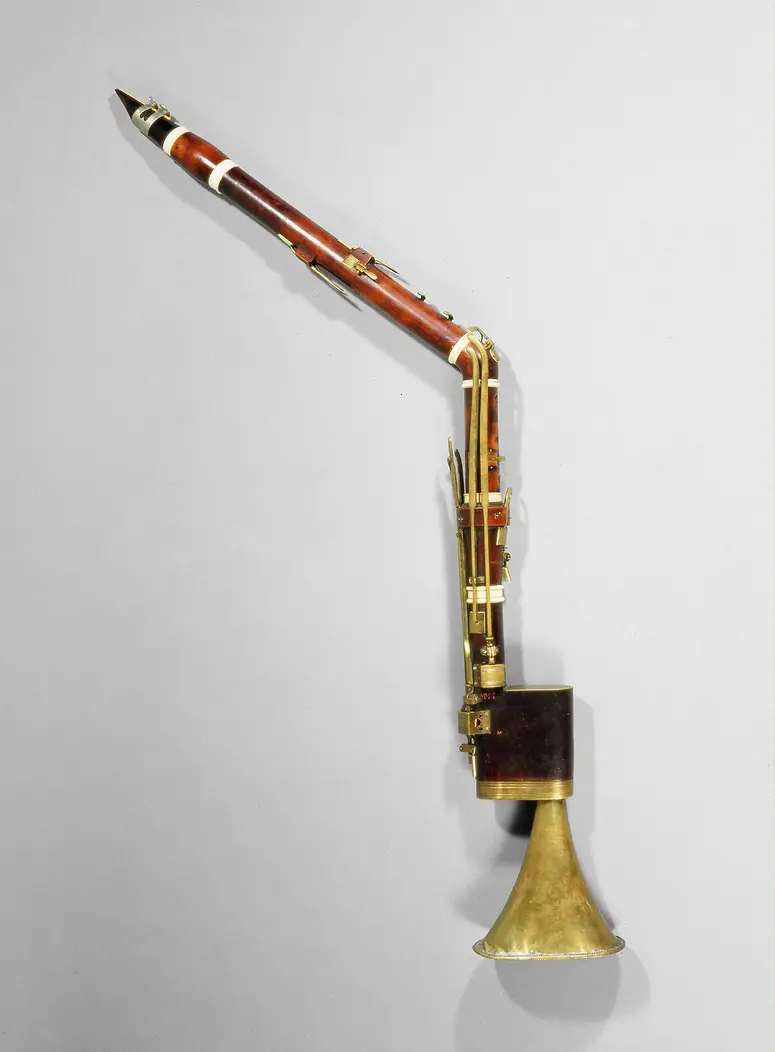
Manufacturer: Johann Baptist Merklein approx. 1800
Manufacturer: anonym 2nd half of the 16th century (assigned)
Manufacturer: Hendrik Richters beginning of the 18th century
Manufacturer: Michael Leichamschneider 1732
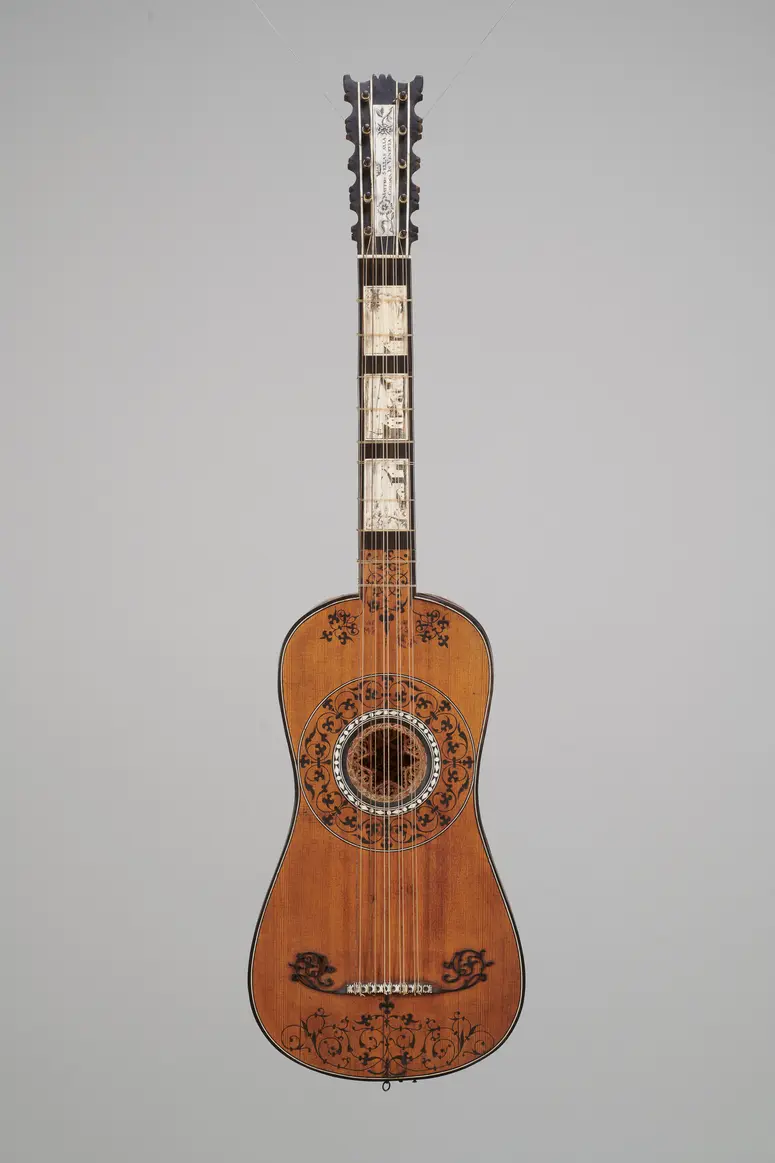
Manufacturer: Matthäus Seelos 1st half of the 17th century
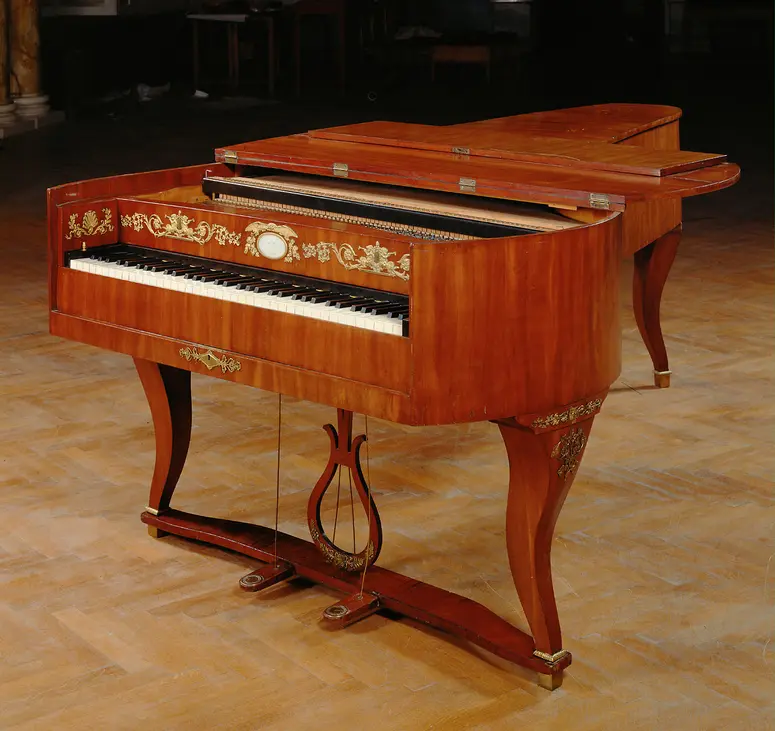
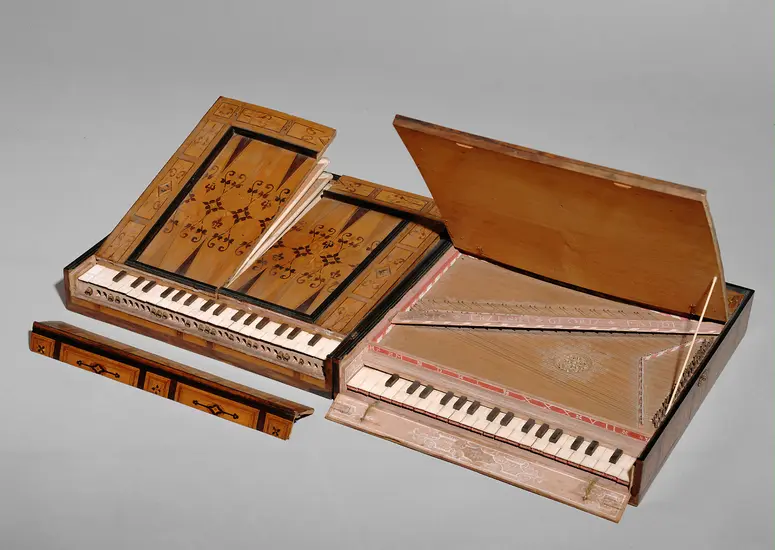
Manufacturer: Anton Meidting December 1587
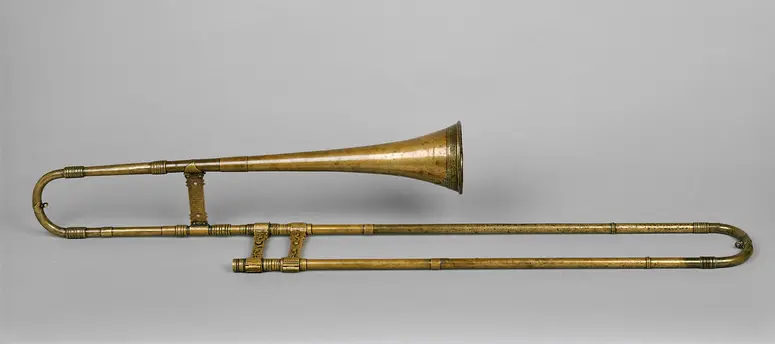
Manufacturer: Joerg Neuschel 1557
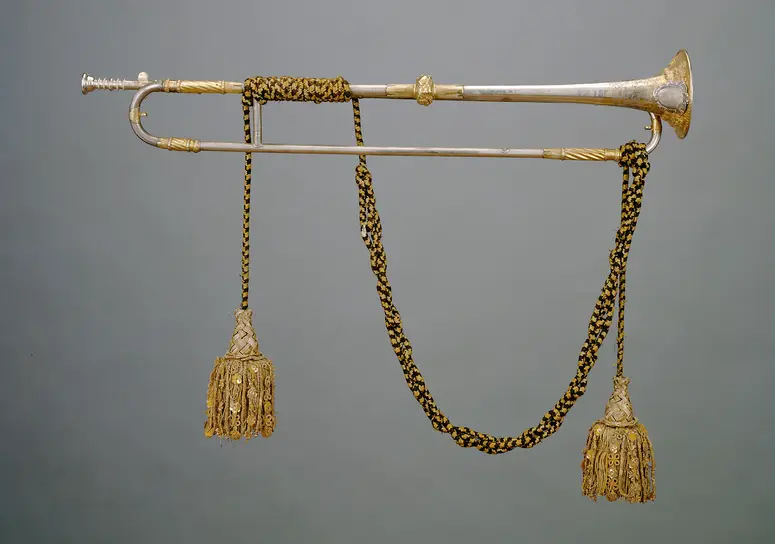
Manufacturer: Michael Leichamschneider 1741
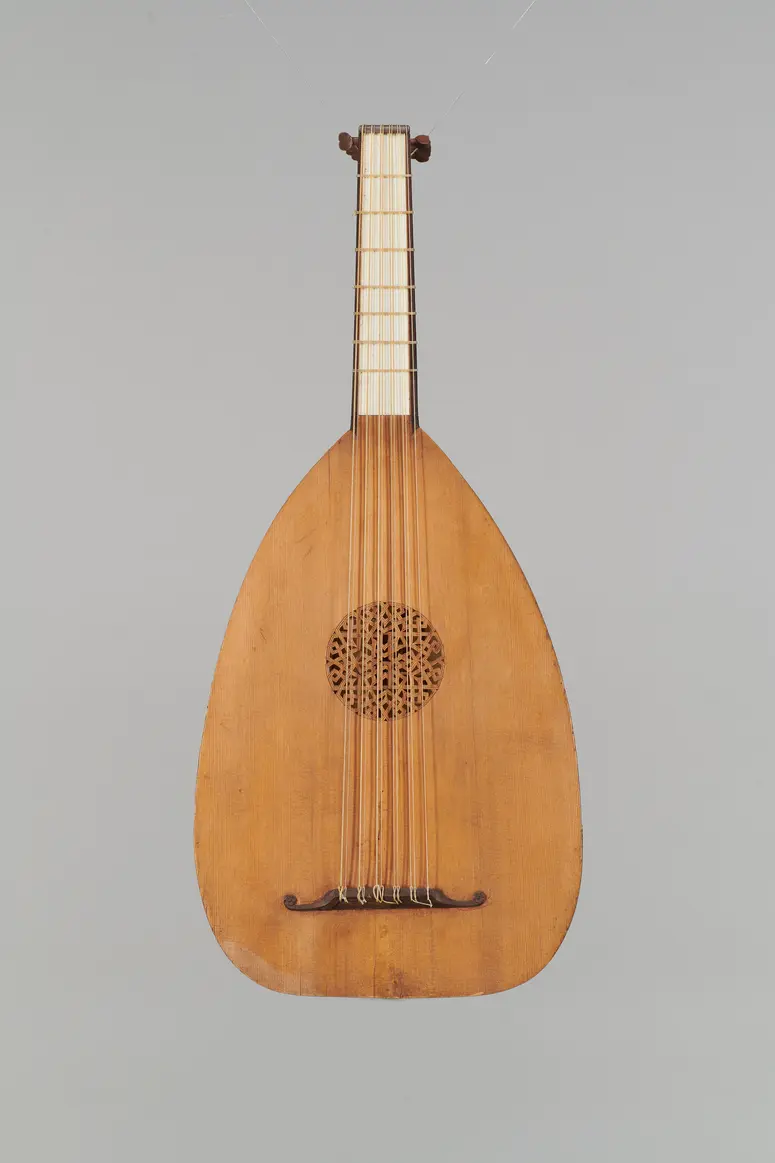
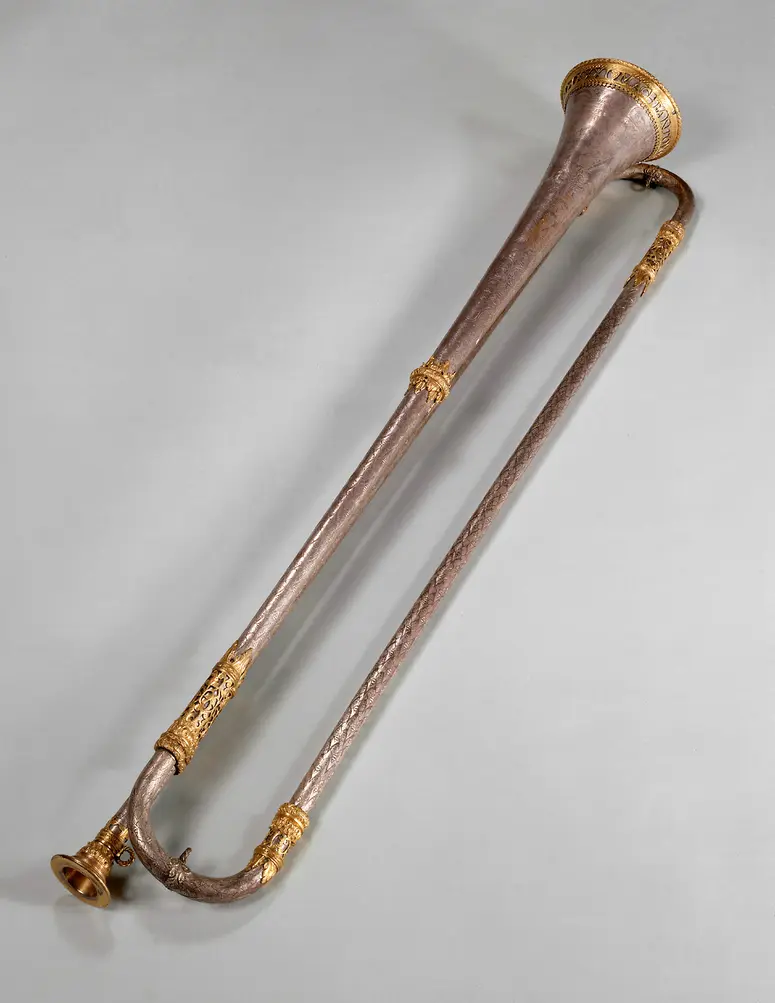
Manufacturer: Anton Schnitzer 1581
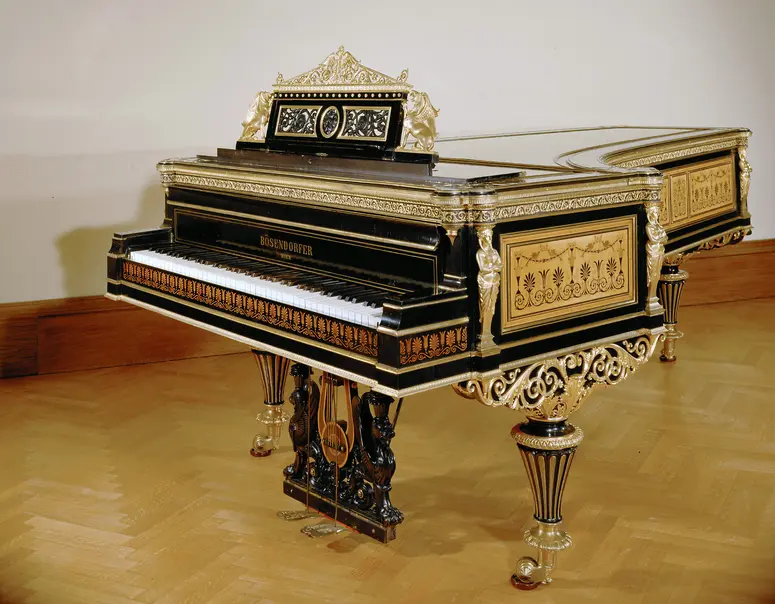
Manufacturer: Fa. Bösendorfer 1867
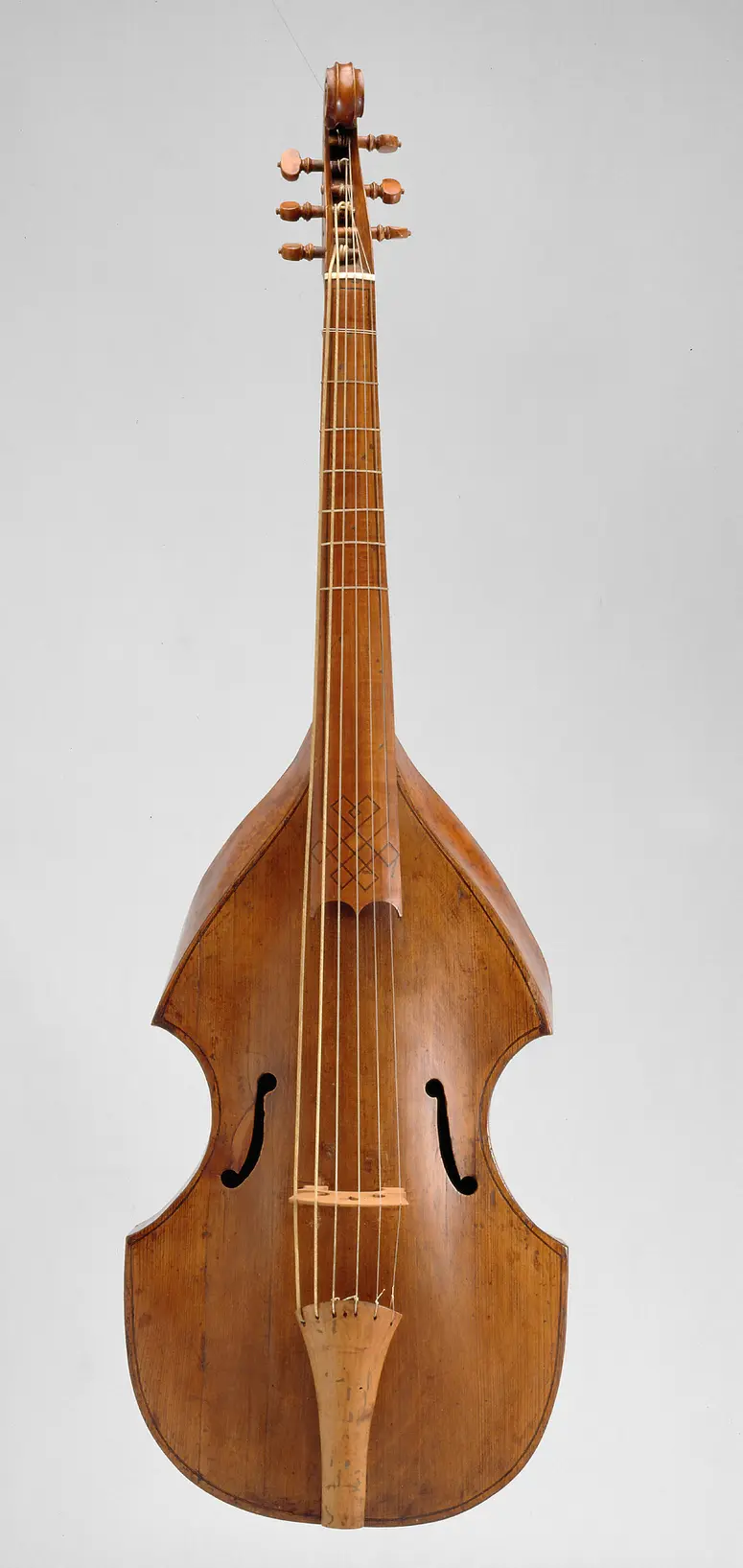
Manufacturer: Antonio Ciciliano presumably after 1602
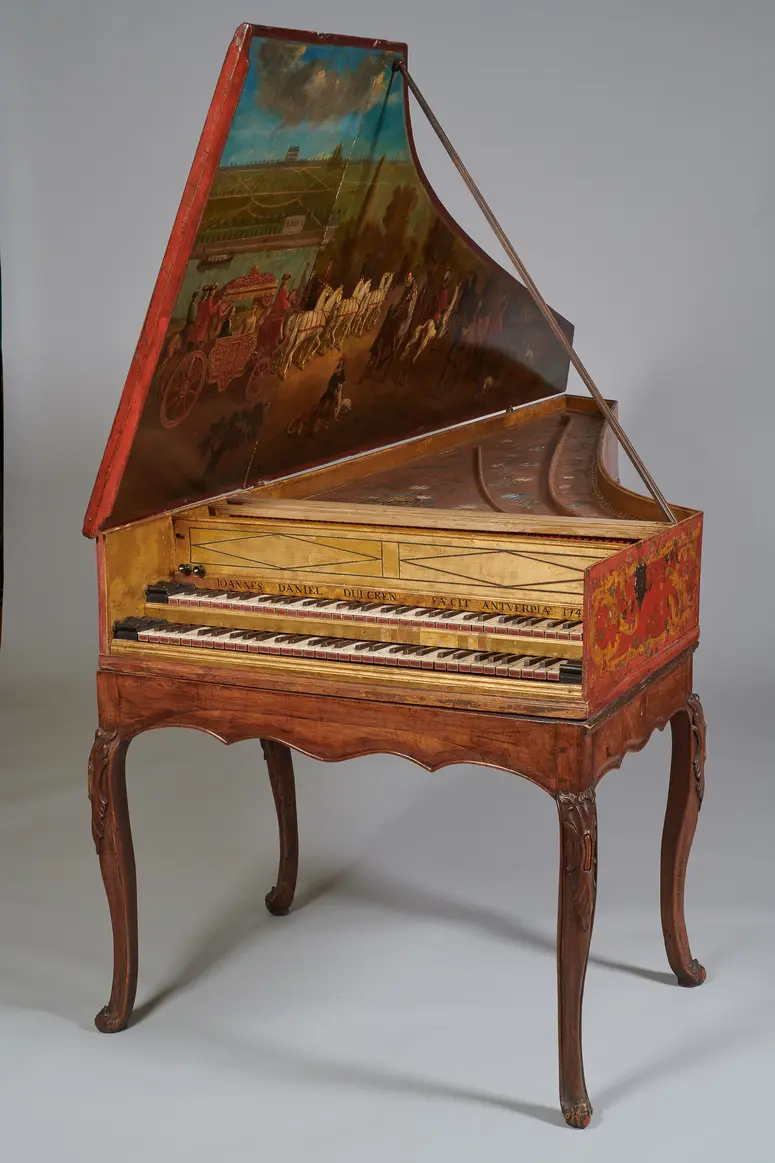
Manufacturer: Joann Daniel Dulcken 1745
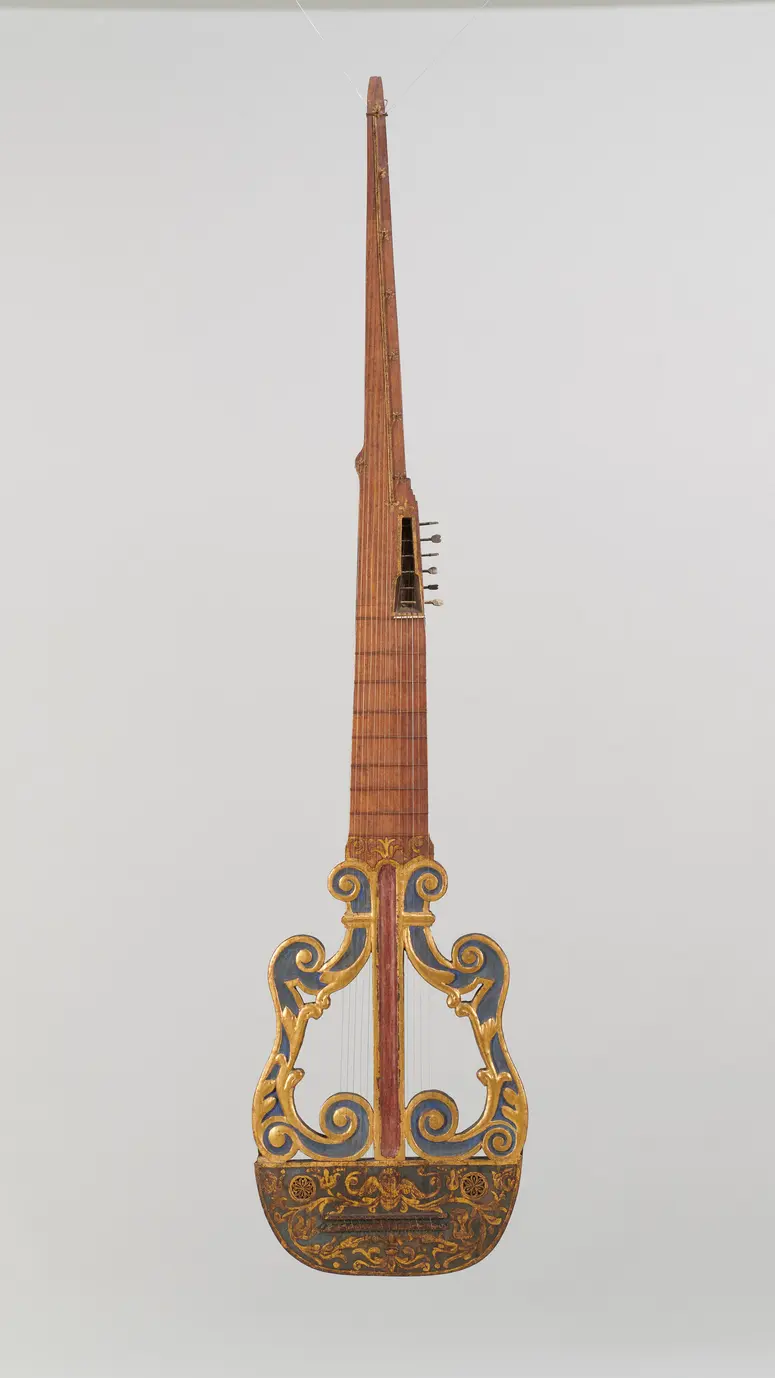
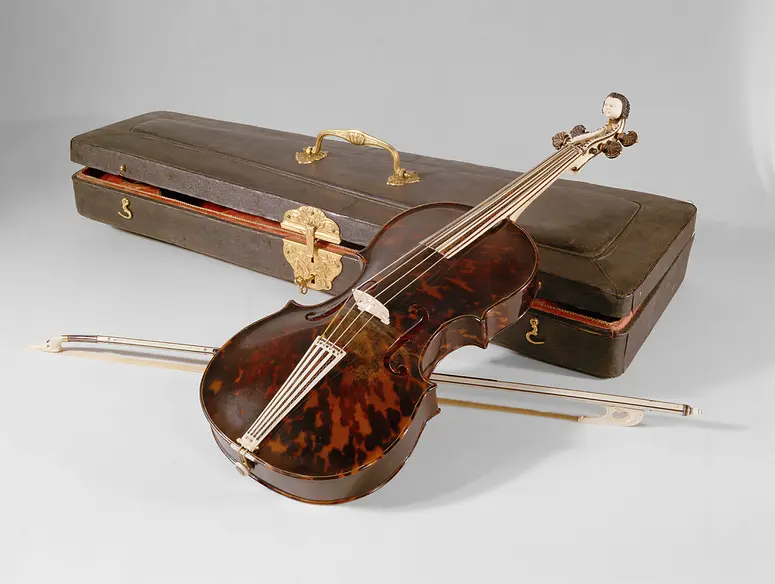
Manufacturer: Wenzel Kowansky 1749
Manufacturer: Girolamo de Virchis 1574