Chitarra battente (modified)
1st half of the 17th century | Matthäus Seelos
On this guitar by Matteo Sellas (ca. 1599-1654) there are metal pins on the lower end showing that it was originally a chitarra battente that was later converted into a five-course Baroque guitar. Guitars of the Baroque period were fitted with double-stringed courses, like lutes. The instrument displays craftsmanship of the highest order, both in the construction of the body and in the ornamental work. The body is built out of a series of narrow strips of yew, exploiting the natural colour-contrast between core and sap wood. In contrast to later guitars, Sellas’ instrument has an arched back. The optical design of the top plate is divided into three fields of inlaid trellis-work. The rosette around the sound hole is particularly artfully shaped, leading the eye into the depths with its terraced patterning. (rh)
Lit.: Rudolf Hopfne: Masterpieces from the Collection of Historic Musical Instruments. A Short Guide through the Kunsthistorisches Museum Vienna, Vol. 1, Vienna 2019
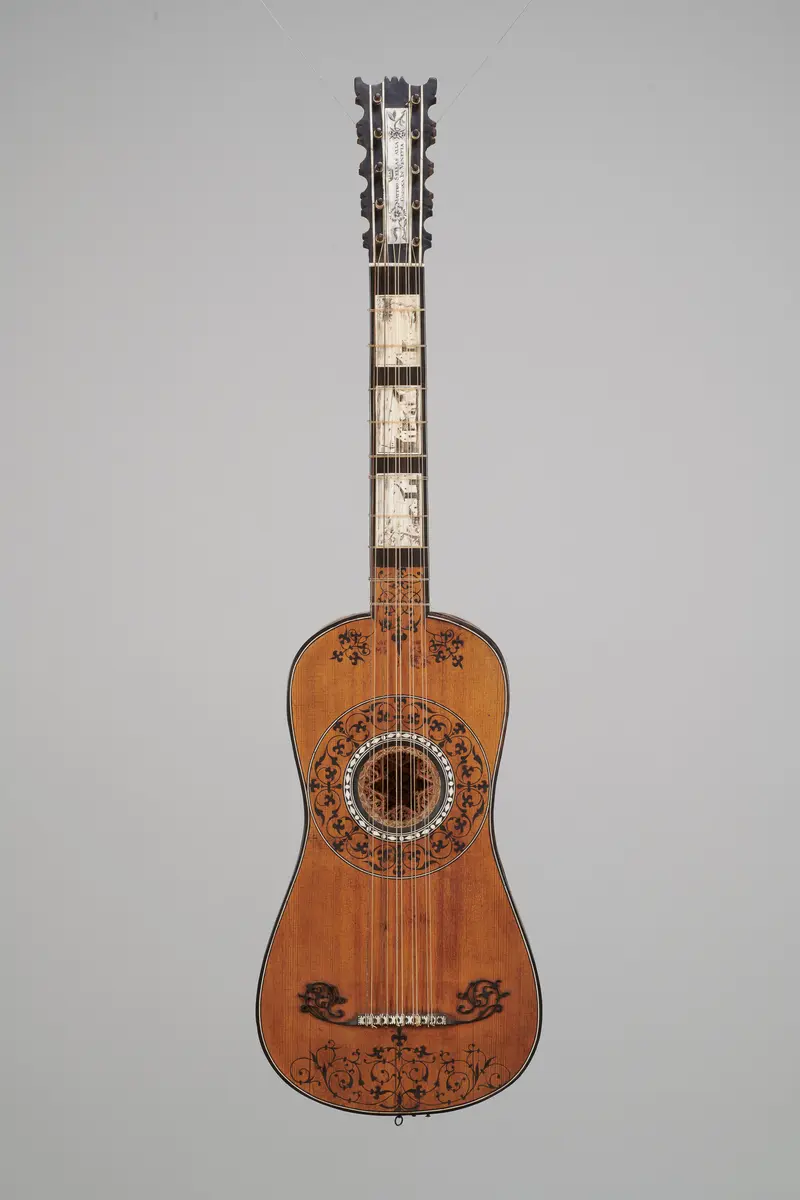
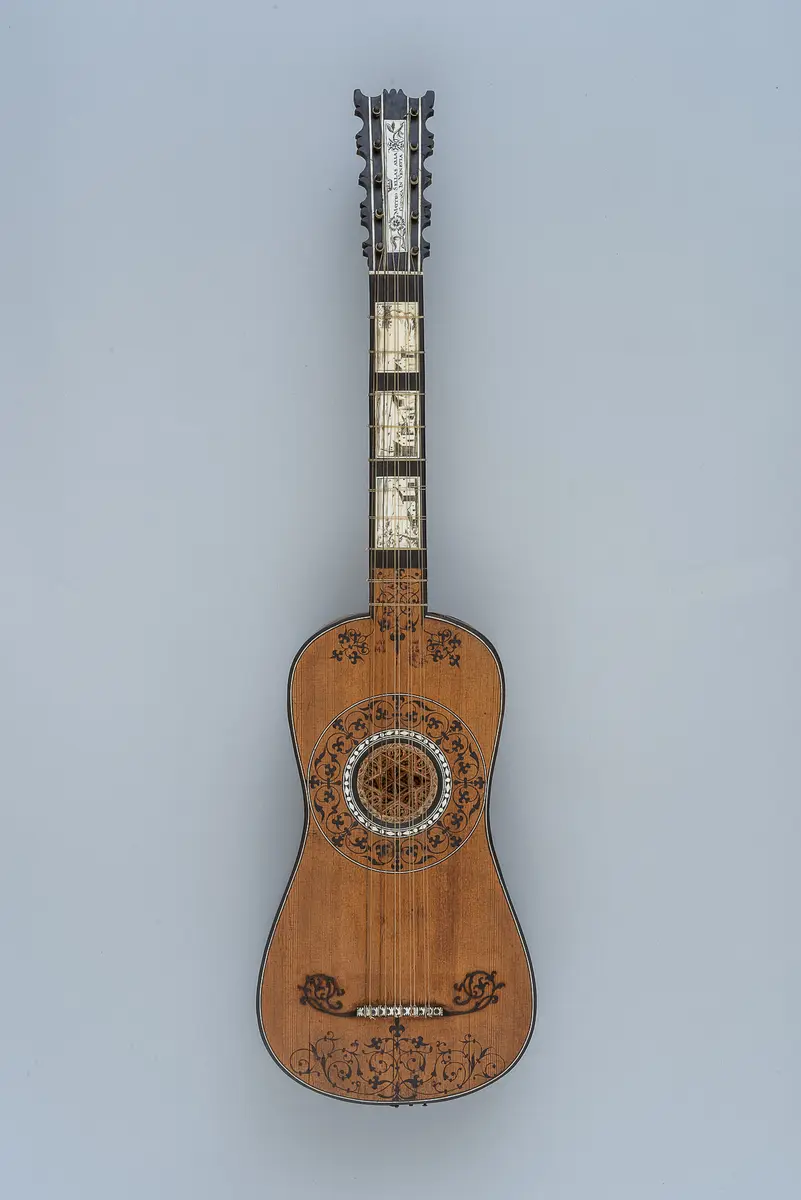
On this guitar by Matteo Sellas (ca. 1599-1654) there are metal pins on the lower end showing that it was originally a chitarra battente that was later converted into a five-course Baroque guitar. Guitars of the Baroque period were fitted with double-stringed courses, like lutes. The instrument displays craftsmanship of the highest order, both in the construction of the body and in the ornamental work. The body is built out of a series of narrow strips of yew, exploiting the natural colour-contrast between core and sap wood. In contrast to later guitars, Sellas’ instrument has an arched back. The optical design of the top plate is divided into three fields of inlaid trellis-work. The rosette around the sound hole is particularly artfully shaped, leading the eye into the depths with its terraced patterning. (rh)
Lit.: Rudolf Hopfne: Masterpieces from the Collection of Historic Musical Instruments. A Short Guide through the Kunsthistorisches Museum Vienna, Vol. 1, Vienna 2019
Manufacturer:
Matthäus Seelos (ca. 1599 - 1654) DNB
Time:
1st half of the 17th century
Object Name
Chitarra battente (modified)
Culture
Italy, Venice
Dimensions:
990 mm x 275 mm x 55 mm
Copyright
Kunsthistorisches Museum, Sammlung alter Musikinstrumente
Invs.
Sammlung alter Musikinstrumente, 47
Alte Inv.Nr.:
KK_8447
Schlosser Nr.:
C 51
Browse more
Similar items you might be interested in
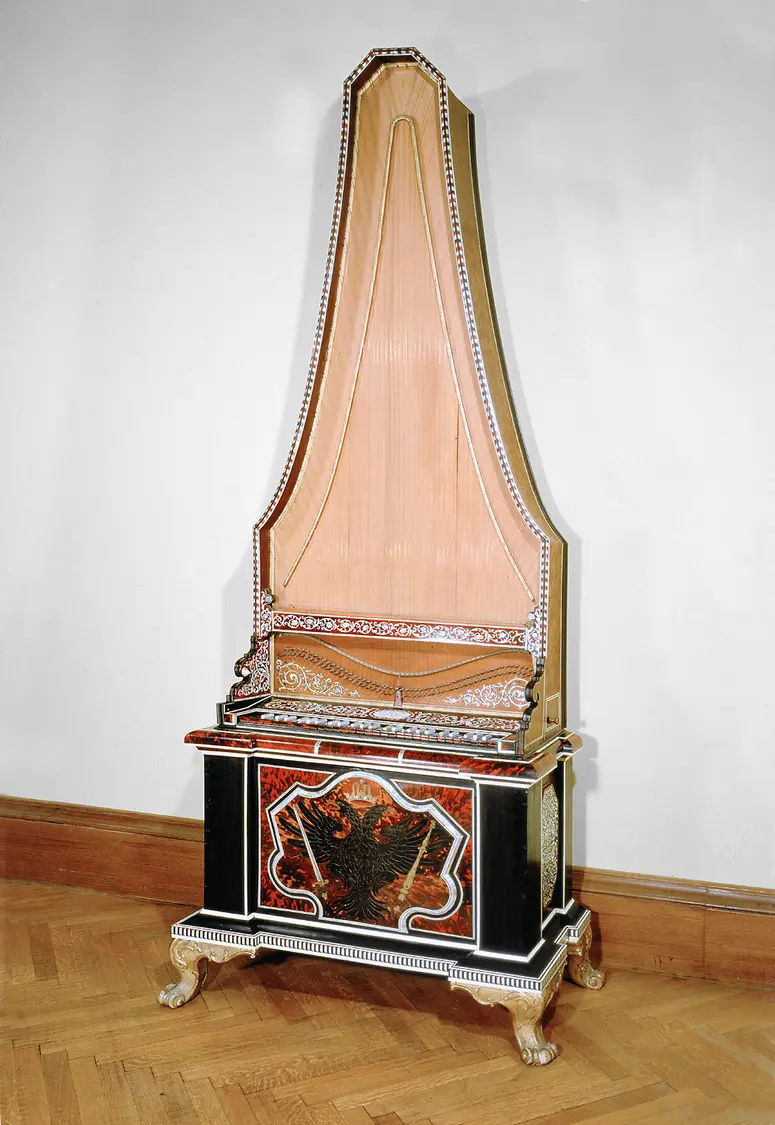
Manufacturer: Martin Kaiser 2nd half of the 17th century
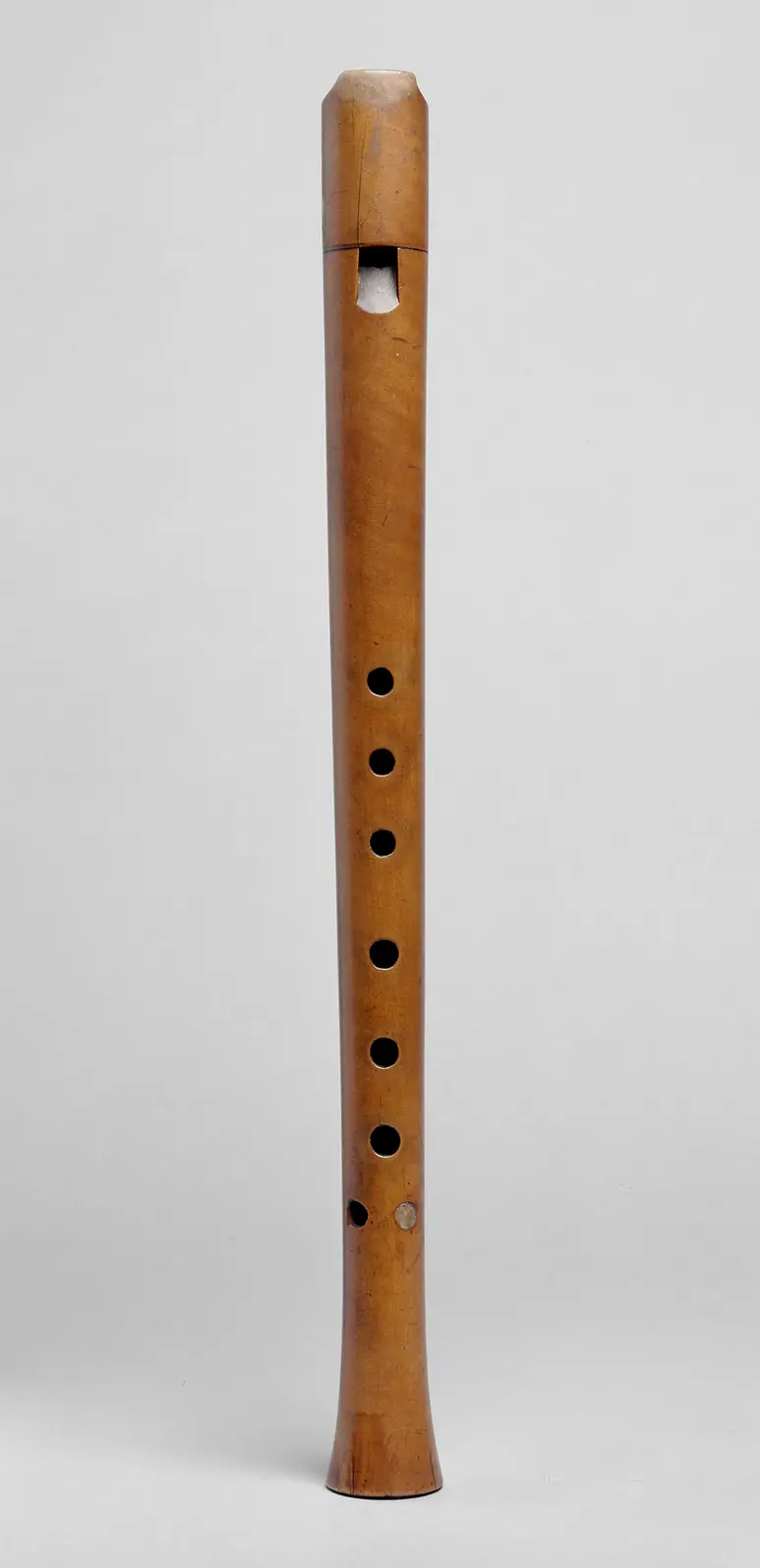
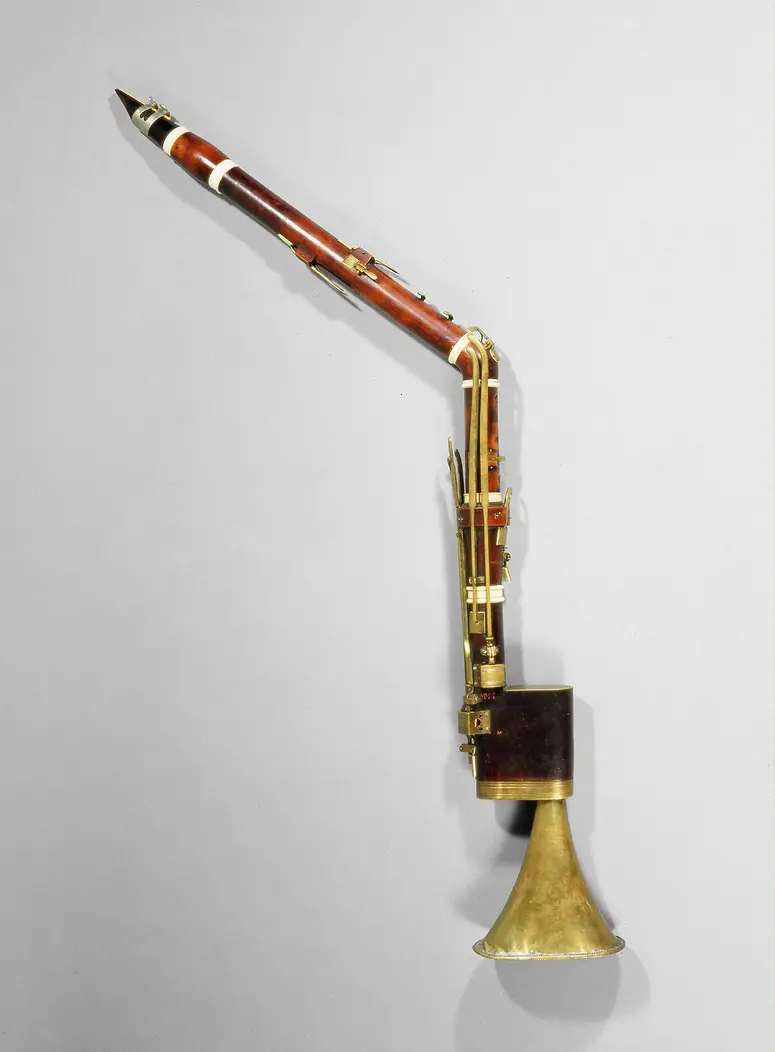
Manufacturer: Johann Baptist Merklein approx. 1800
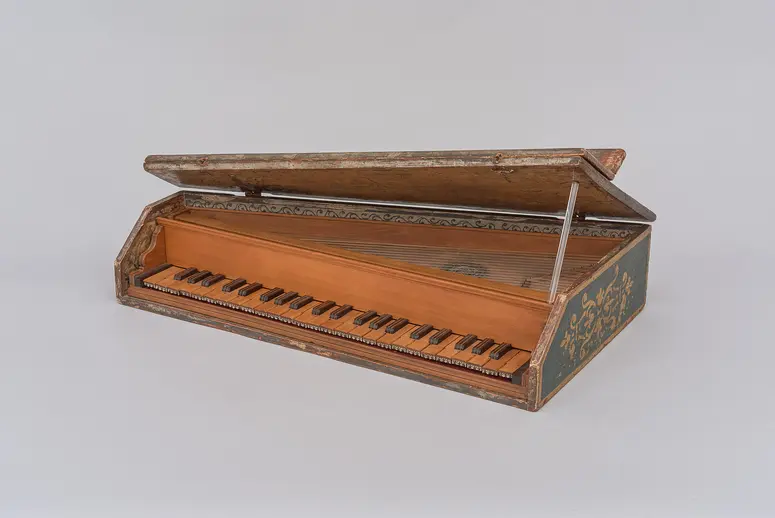
Manufacturer: anonym 2nd half of the 16th century (assigned)
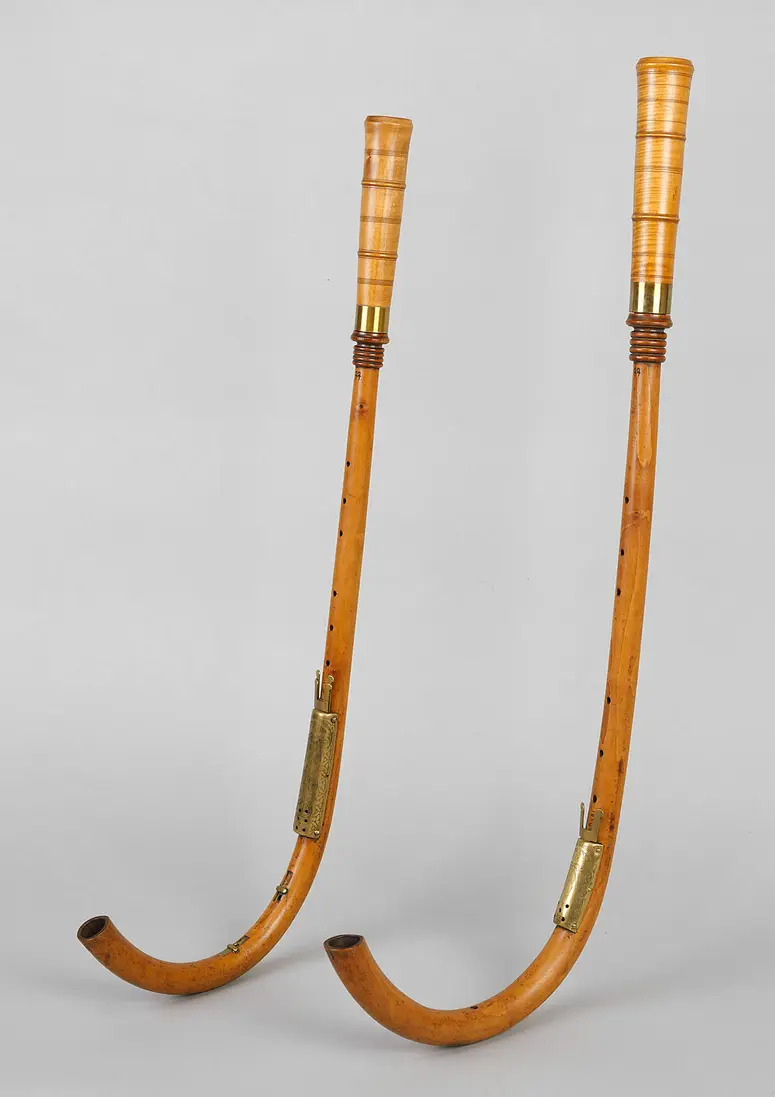
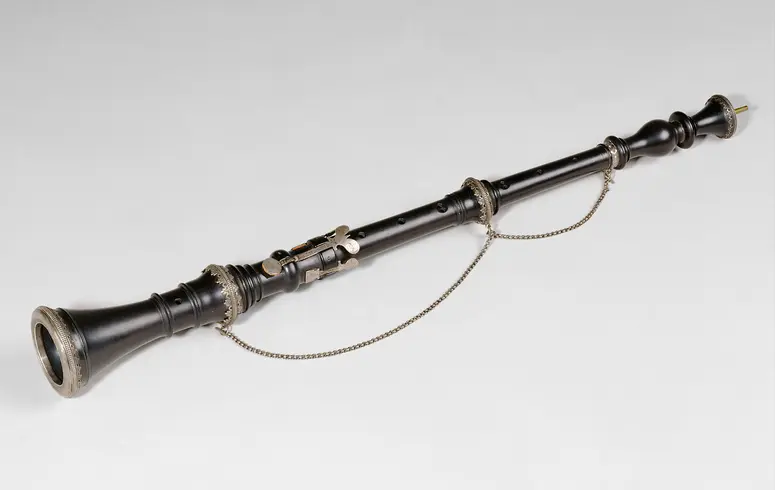
Manufacturer: Hendrik Richters beginning of the 18th century
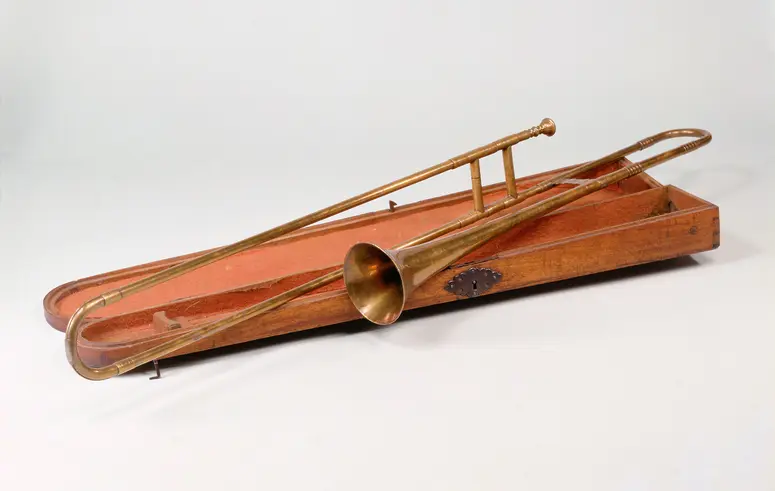
Manufacturer: Michael Leichamschneider 1732
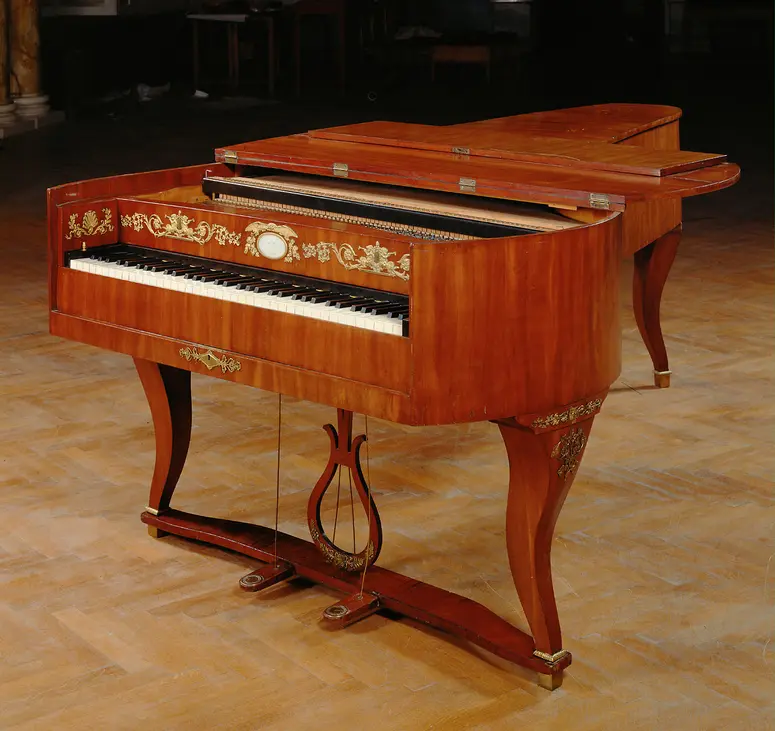
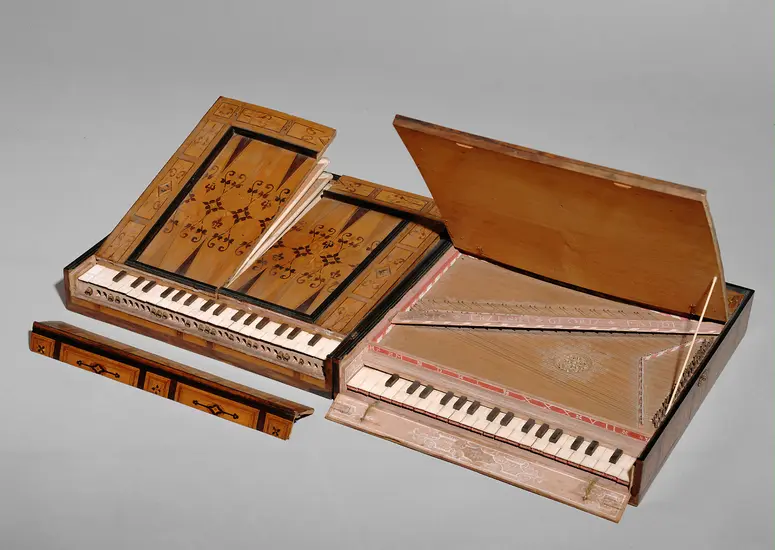
Manufacturer: Anton Meidting December 1587
Manufacturer: Joerg Neuschel 1557
Manufacturer: Michael Leichamschneider 1741
Manufacturer: Anton Schnitzer 1581
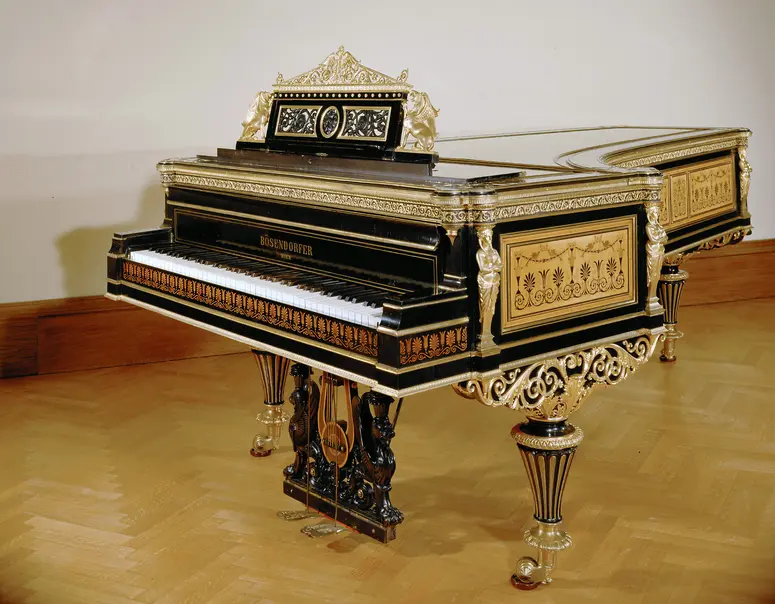
Manufacturer: Fa. Bösendorfer 1867
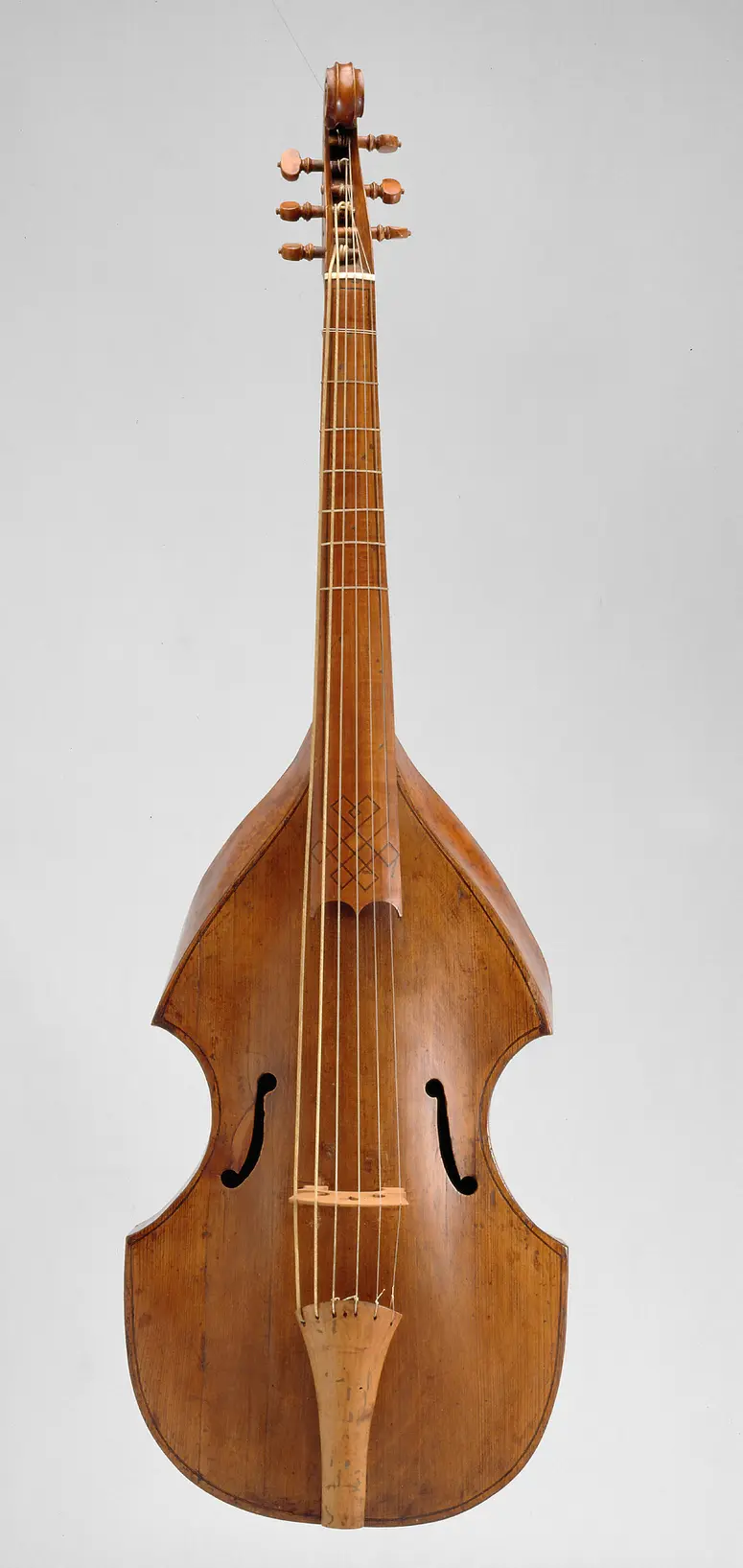
Manufacturer: Antonio Ciciliano presumably after 1602
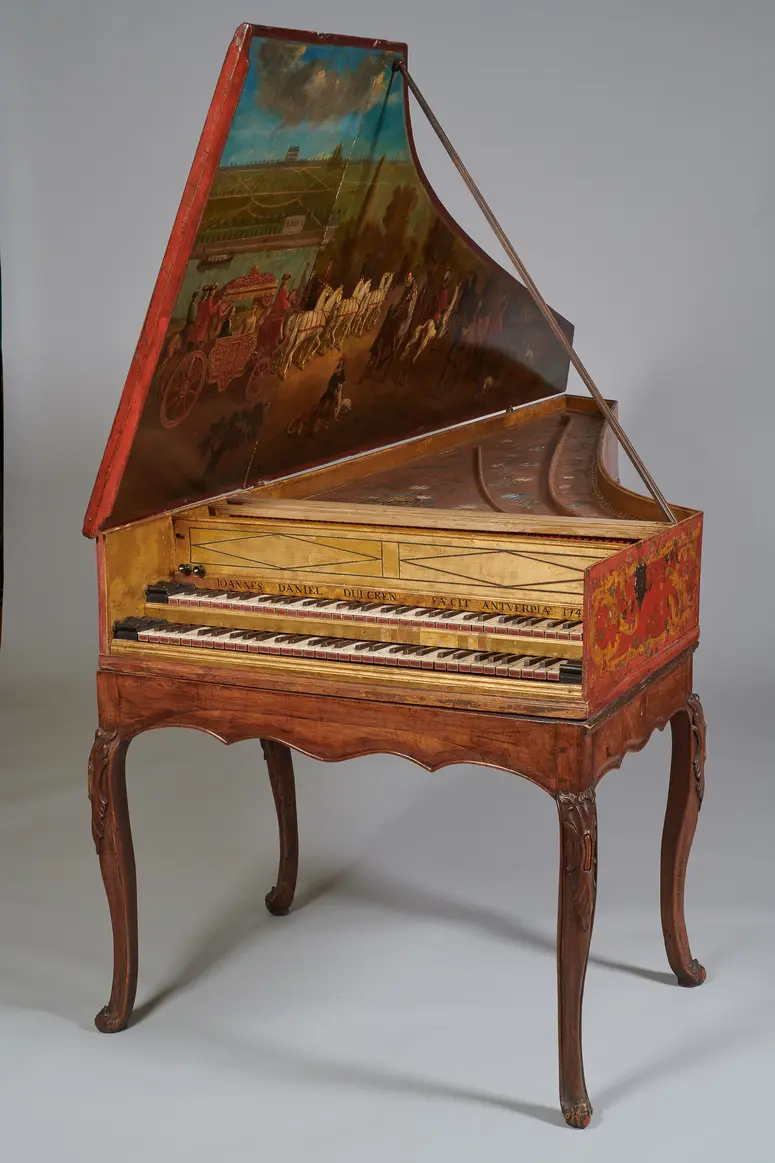
Manufacturer: Joann Daniel Dulcken 1745
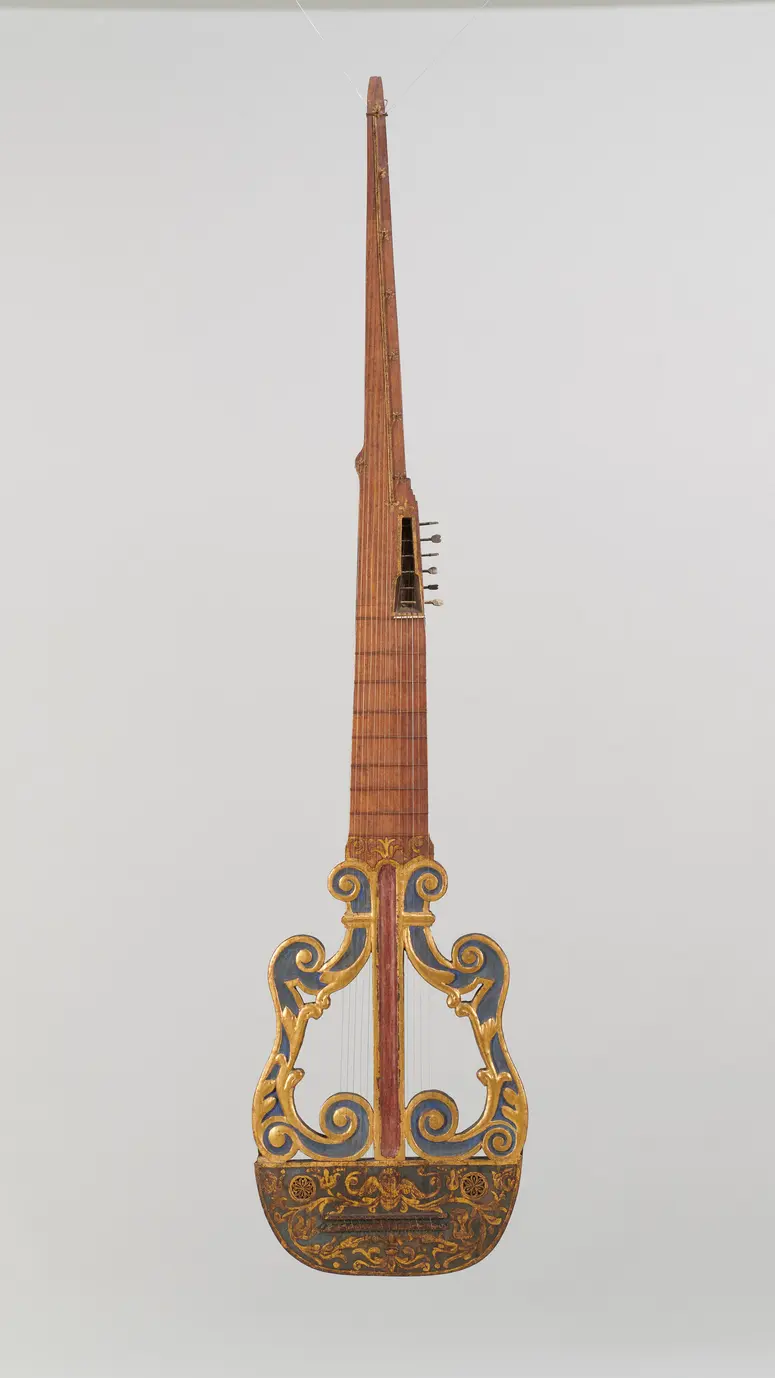
Manufacturer: Wenzel Kowansky 1749
Manufacturer: Girolamo de Virchis 1574