Basset horn
approx. 1800 | Johann Baptist Merklein
The clarinet and the basset horn, which sounds a third lower than the clarinet, were Wolfgang Amadeus Mozart’s declared favourite instruments. The basset horn was the invention of the Passau instrument makers Anton Mayrhofer senior and junior. Due to the considerable length of the bore, the instrument was curved to bring the finger holes and keys of the lower notes within the player’s reach. A characteristic feature of the basset horn is the box or ‘buch’ on the lower end of the instrument in which the bore runs in an S-shape, leading to the brass bell. The keys for the lowest notes cover holes bored into the box. Together with Theodor Lotz (1747-1792) in Pressburg and Vienna, Johann Baptist Merklein (1761-1847) was considered to be one of the best makers of the instrument. Merklein came from Rehberg in Franken and worked in Vienna. (rh/bd)
Lit.: Rudolf Hopfner: Masterpieces from the Collection of Historic Musical Instruments. A Short Guide through the Kunsthistorisches Museum Vienna, Vol. 1, Vienna 2019
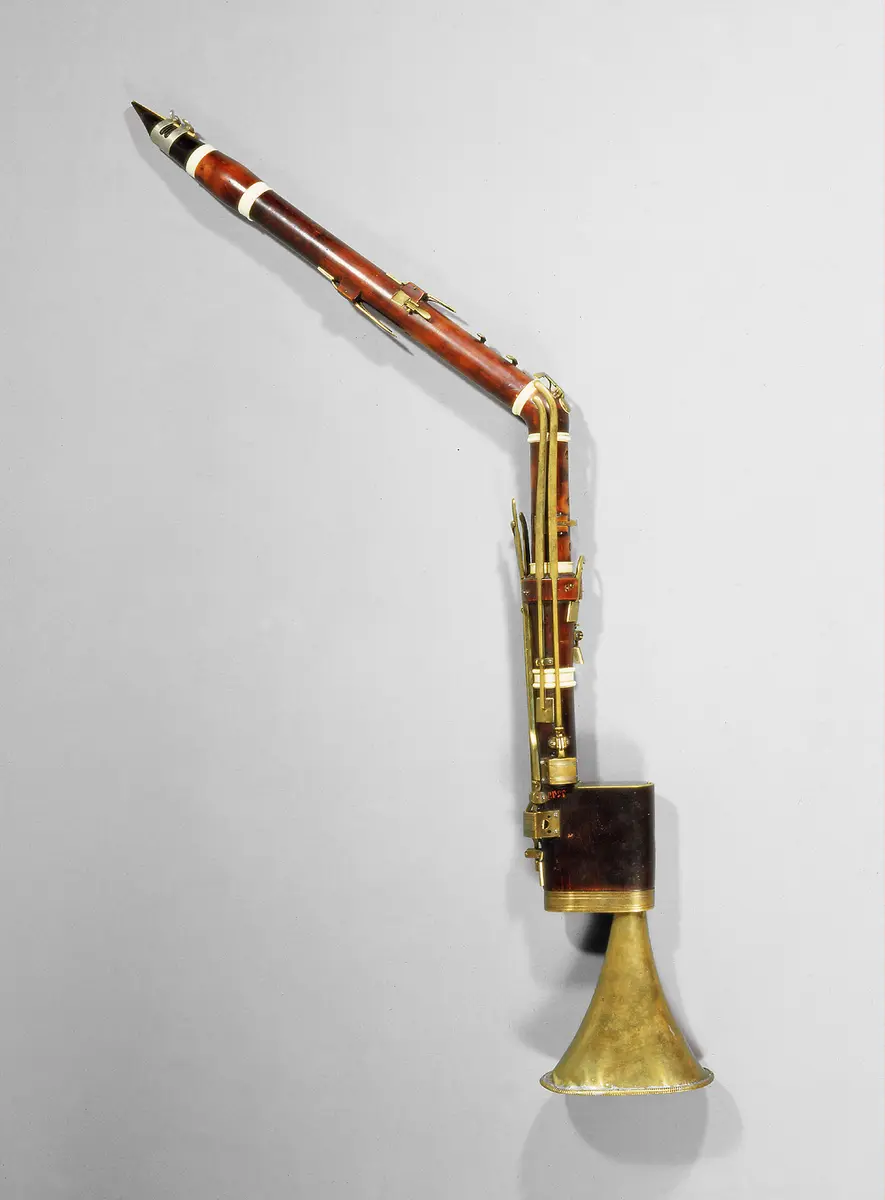
The clarinet and the basset horn, which sounds a third lower than the clarinet, were Wolfgang Amadeus Mozart’s declared favourite instruments. The basset horn was the invention of the Passau instrument makers Anton Mayrhofer senior and junior. Due to the considerable length of the bore, the instrument was curved to bring the finger holes and keys of the lower notes within the player’s reach. A characteristic feature of the basset horn is the box or ‘buch’ on the lower end of the instrument in which the bore runs in an S-shape, leading to the brass bell. The keys for the lowest notes cover holes bored into the box. Together with Theodor Lotz (1747-1792) in Pressburg and Vienna, Johann Baptist Merklein (1761-1847) was considered to be one of the best makers of the instrument. Merklein came from Rehberg in Franken and worked in Vienna. (rh/bd)
Lit.: Rudolf Hopfner: Masterpieces from the Collection of Historic Musical Instruments. A Short Guide through the Kunsthistorisches Museum Vienna, Vol. 1, Vienna 2019
Manufacturer:
Johann Baptist Merklein (1761 - 1847) DNB
Time:
approx. 1800
Object Name
Basset horn
Culture
Austria, Vienna
Dimensions:
920 mm x 350 mm x 60 mm
Copyright
Kunsthistorisches Museum, Sammlung alter Musikinstrumente
Invs.
Sammlung alter Musikinstrumente, 328
Alte Inv.Nr.:
KK_7249
Schlosser Nr.:
NE 342
Browse more
Similar items you might be interested in
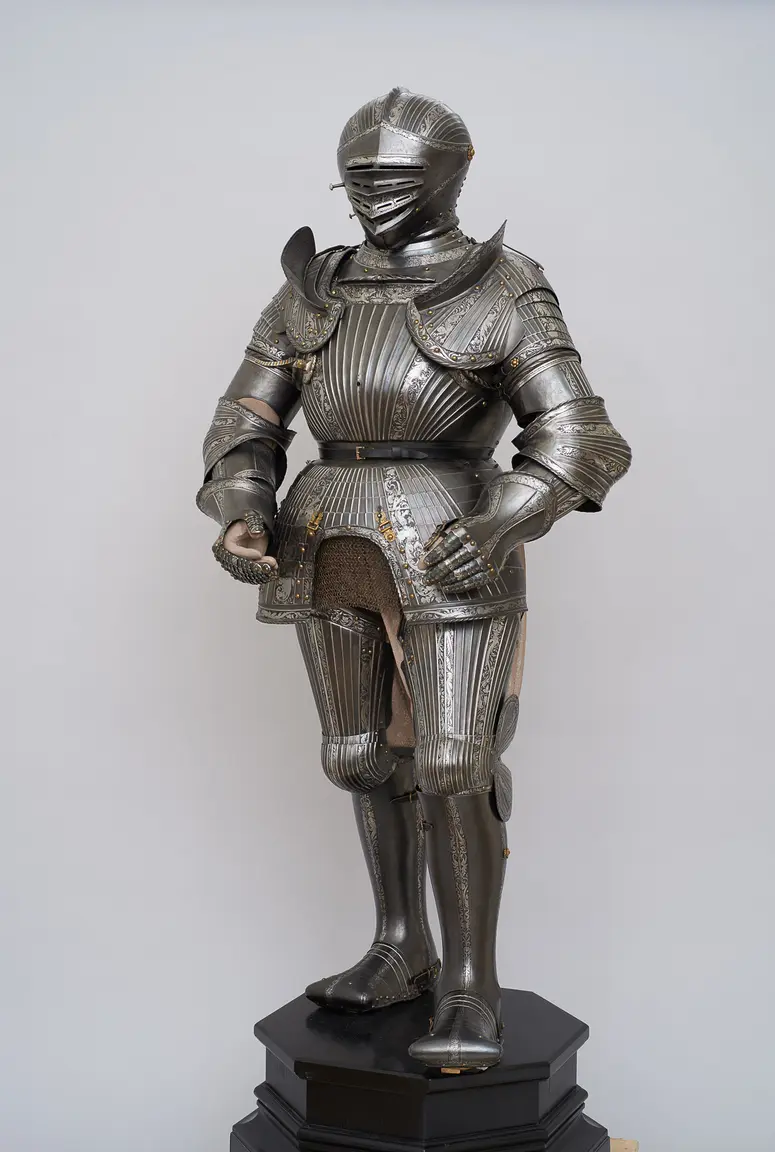
Riefelharnisch, Riefelküriss: Fluted field armour Johann Friedrich I. (1532-1547), Kurfürst von Sachsen Dated 1530
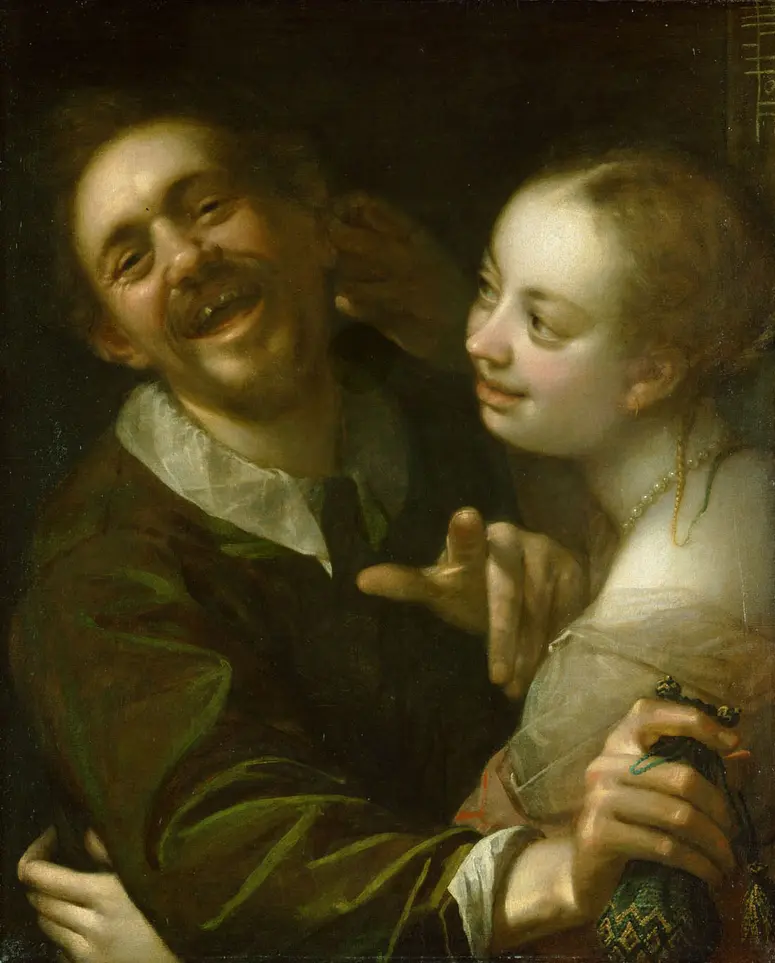
“Joking Couple”, Self-Portrait of the Artist with his Wife Hans von Aachen around 1596
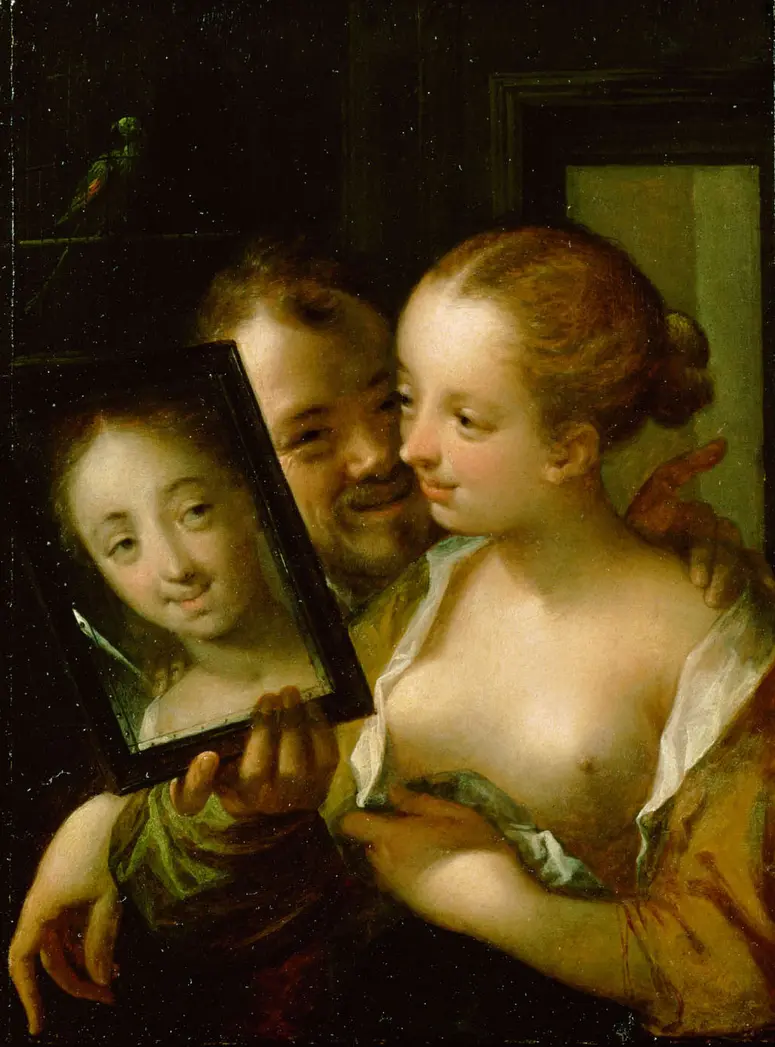
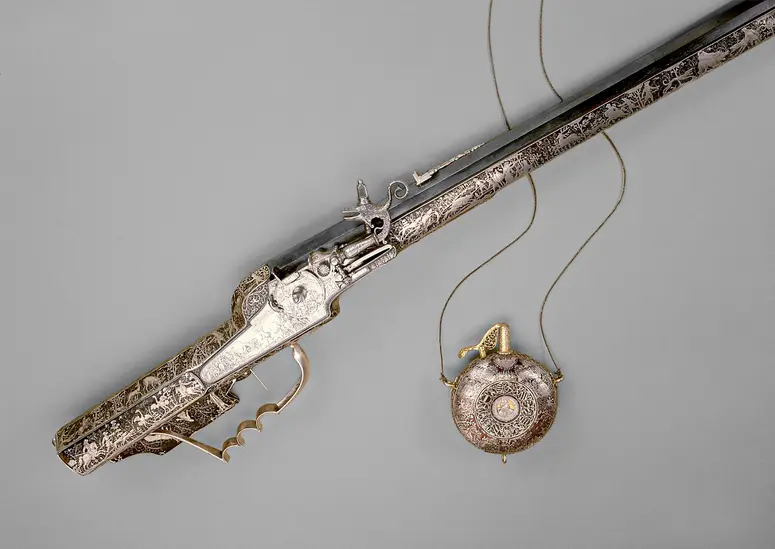
Leopold V. (1619-1632), Erzherzog und Graf von Tirol, Bischof von Passau und Straßburg 1628
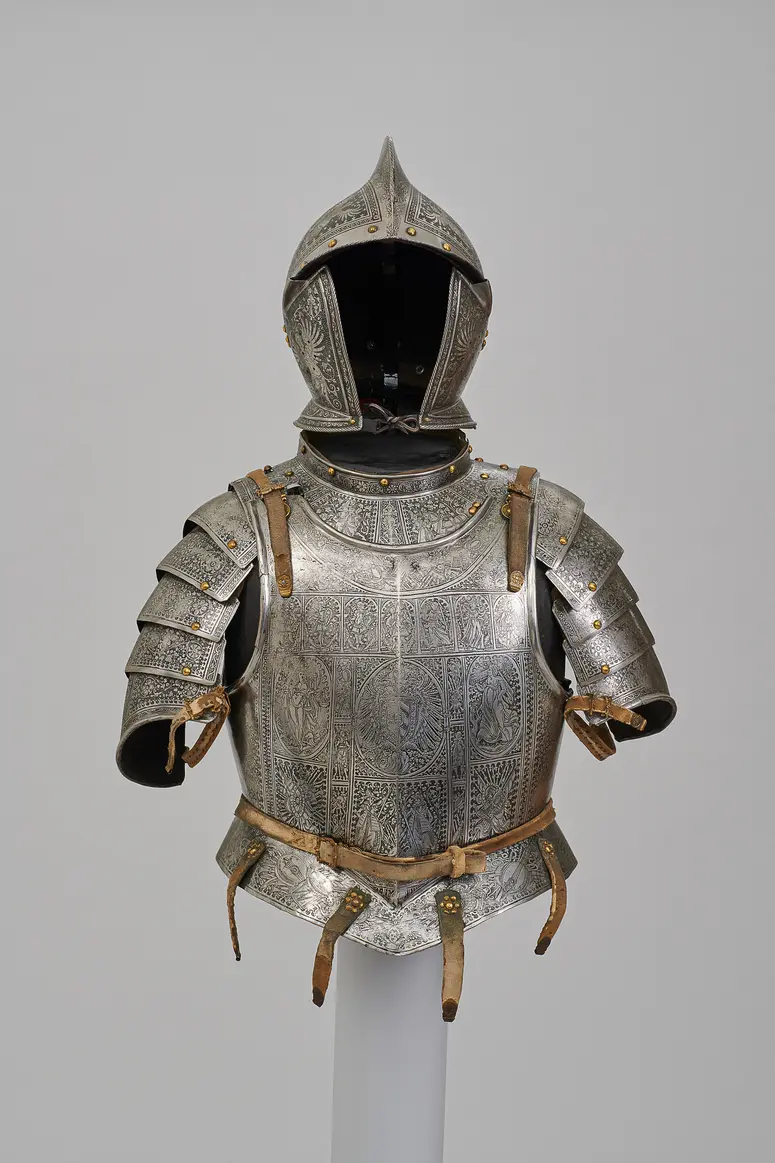
Hans Becher d. Ä. Plattnerarbeiten spätes 16. Jahrhundert, Ätzung datiert 1618, tlw. Ergänzungen
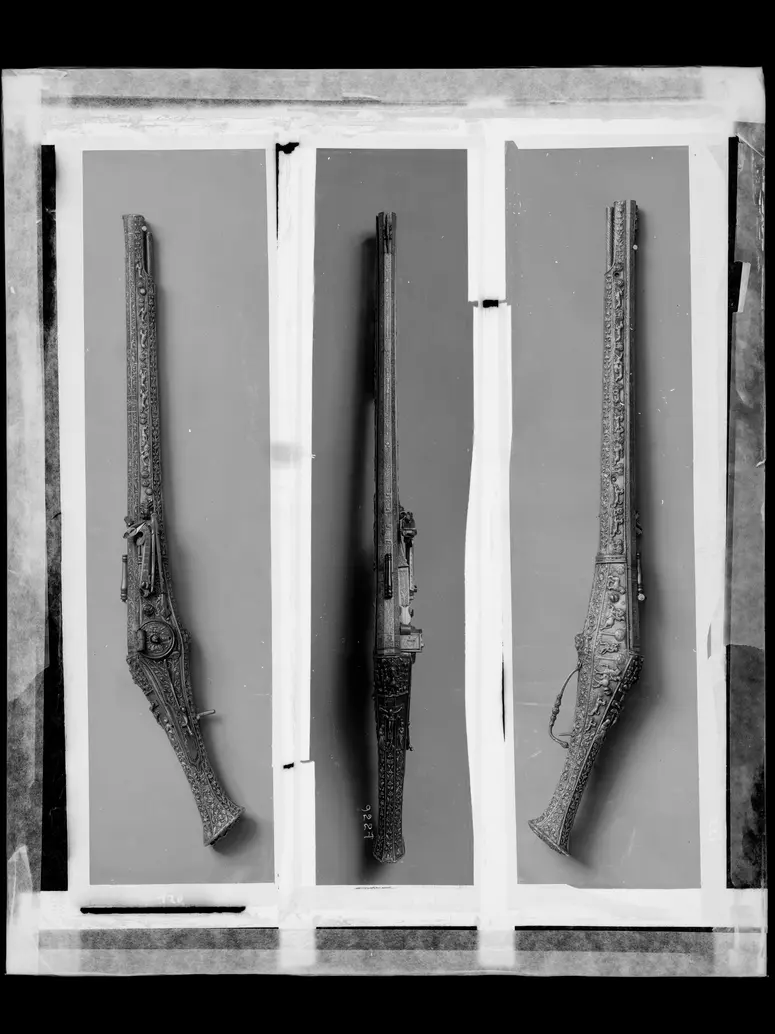
Langes Faustrohr mit Radschloss; Radschlosspistole (mit Ladestock) J. Löwy, K. und K. Hof-Photograph, Kunst- und Verlagsanstalt (Wien) 1892
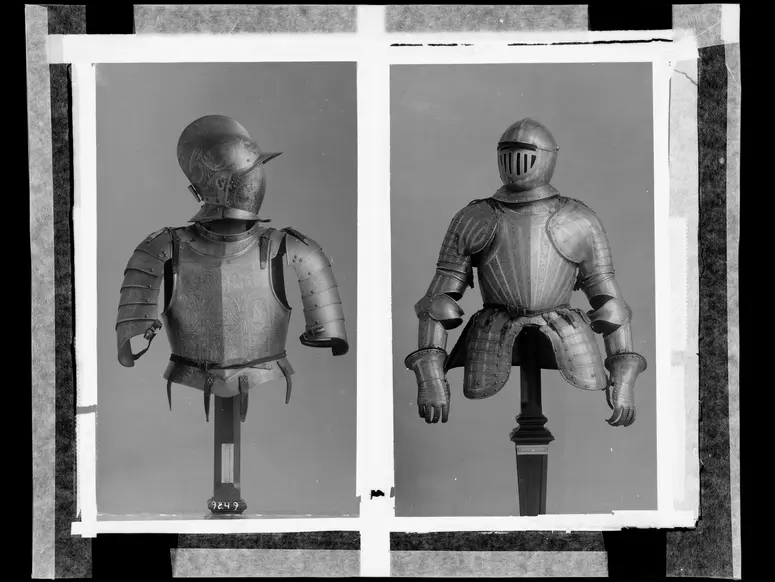
Halber Fußknechtharnisch; Feldküriss J. Löwy, K. und K. Hof-Photograph, Kunst- und Verlagsanstalt (Wien) 1892
Johann Friedrich I. (1532-1547), Kurfürst von Sachsen datiert 1530