Lute (alto)
approx. 1580 | Georg Gerle
The ivory lute from the Ambras Kunst und Wunderkammer shows Georg Gerle (1520-1591) to be a lute maker of the highest calibre. Only the belly, responsible for the timbre of the instrument, is made of spruce. It is adorned with a delicately carved rosette. The other parts of the instrument are made of ivory or are veneered with strips of this precious material. The technically most ambitious part of the lute is the shell made of strips of ivory. These were curved under heat and glued together over a mould. Dark strips of wood between the ribs create a contrast in colour. On the inside of the instrument thin strips of parchment secure the glue joints. The stringing of the instrument conforms to the Renaissance standard arrangement of five double courses and one single string. (rh)
Lit.: Rudolf Hopfner: Masterpieces from the Collection of Historic Musical Instruments. A Short Guide through the Kunsthistorisches Museum Vienna, Vol. 1, Vienna 2019
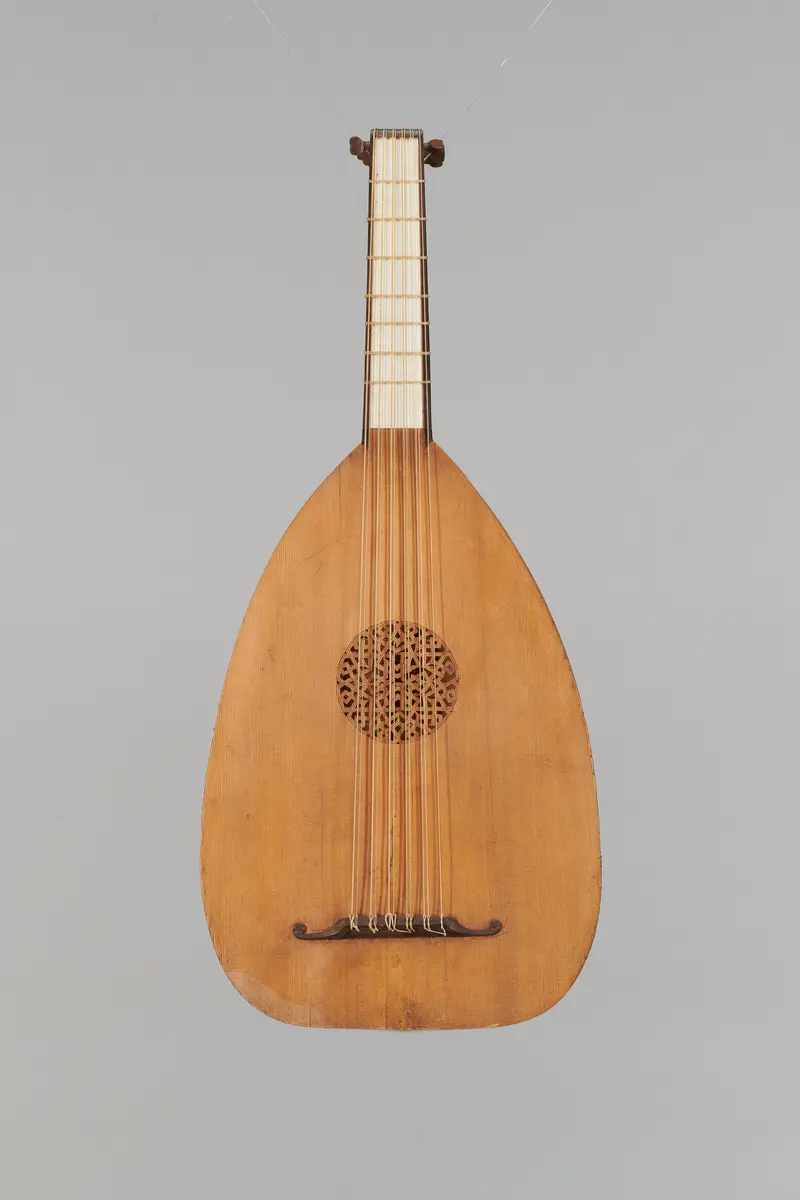
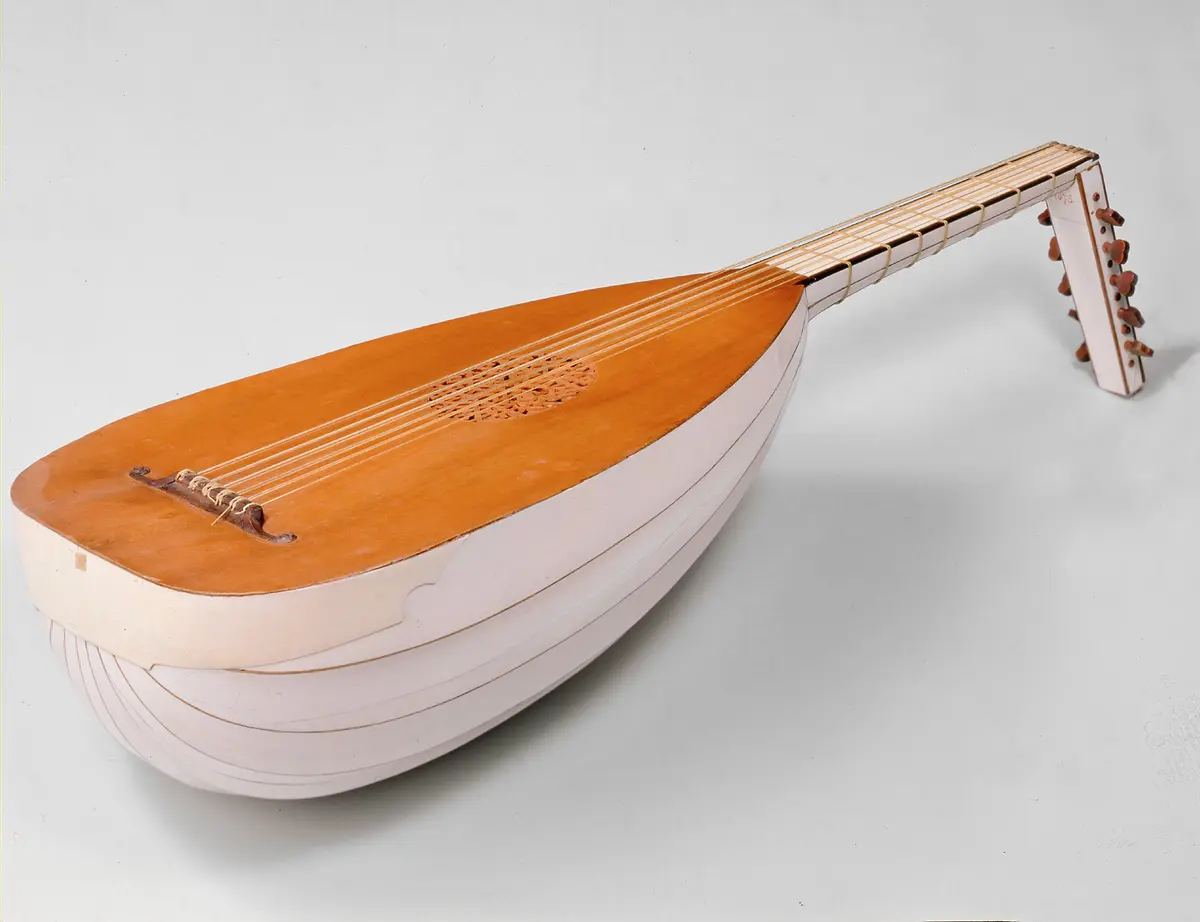
The ivory lute from the Ambras Kunst und Wunderkammer shows Georg Gerle (1520-1591) to be a lute maker of the highest calibre. Only the belly, responsible for the timbre of the instrument, is made of spruce. It is adorned with a delicately carved rosette. The other parts of the instrument are made of ivory or are veneered with strips of this precious material. The technically most ambitious part of the lute is the shell made of strips of ivory. These were curved under heat and glued together over a mould. Dark strips of wood between the ribs create a contrast in colour. On the inside of the instrument thin strips of parchment secure the glue joints. The stringing of the instrument conforms to the Renaissance standard arrangement of five double courses and one single string. (rh)
Lit.: Rudolf Hopfner: Masterpieces from the Collection of Historic Musical Instruments. A Short Guide through the Kunsthistorisches Museum Vienna, Vol. 1, Vienna 2019
Manufacturer:
Georg Gerle (ca. 1520 Immenthal - 1591 Innsbruck) DNB
Time:
approx. 1580
Object Name
Lute (alto)
Culture
Austria, Innsbruck
Dimensions:
900 mm x 310 mm x 150 mm
Copyright
Kunsthistorisches Museum, Sammlung alter Musikinstrumente
Invs.
Sammlung alter Musikinstrumente, 31
Alte Inv.Nr.:
KK_4075
Schlosser Nr.:
A 35
Browse more
Similar items you might be interested in
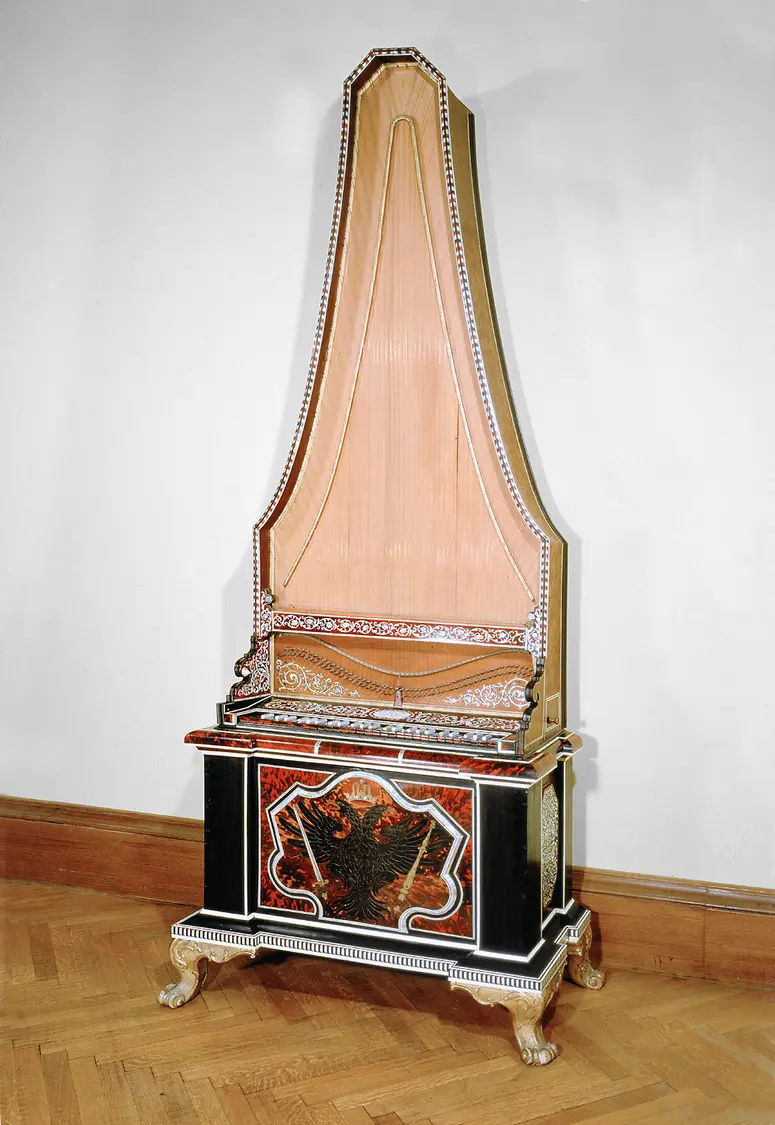
Manufacturer: Martin Kaiser 2nd half of the 17th century
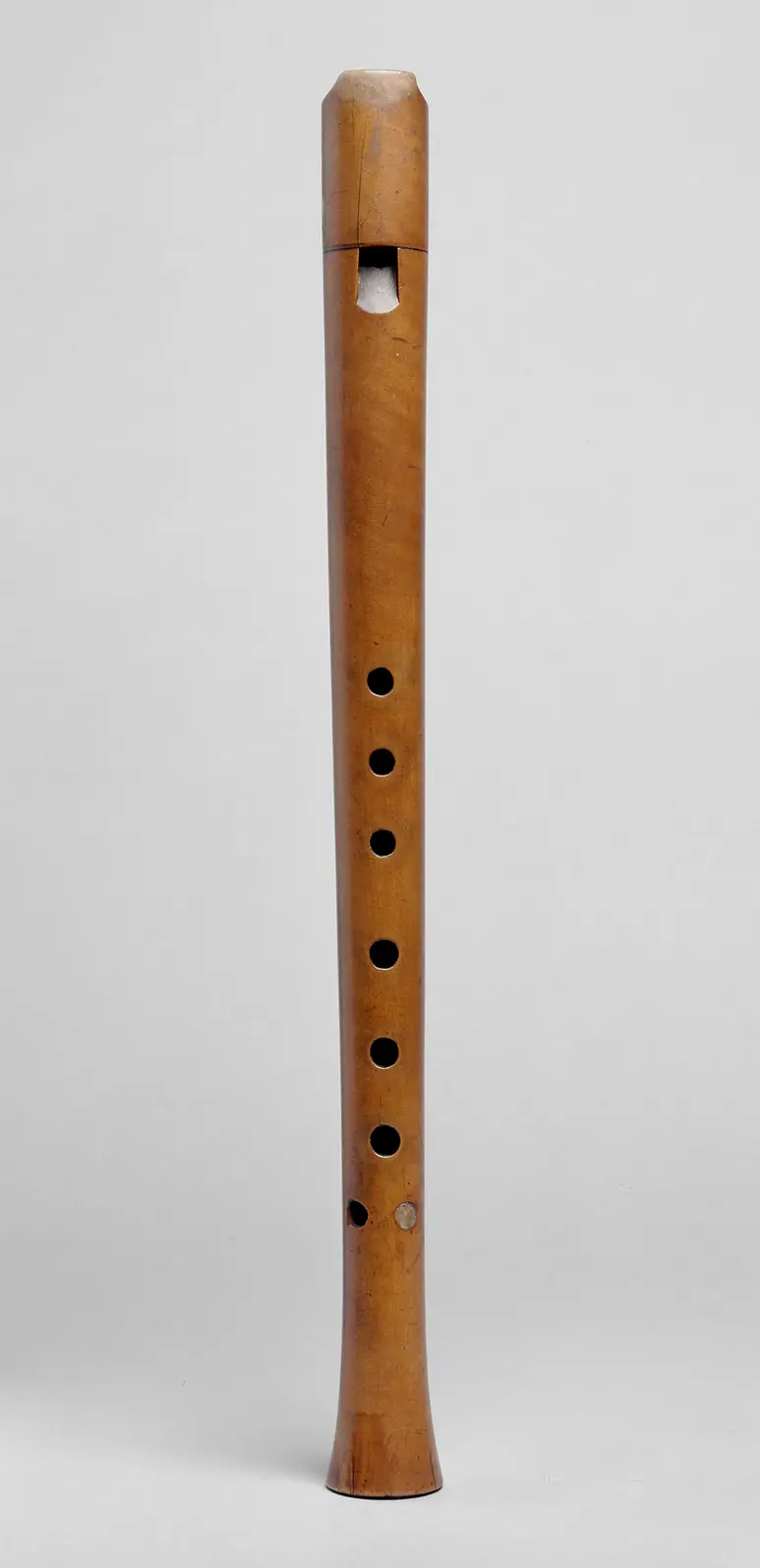
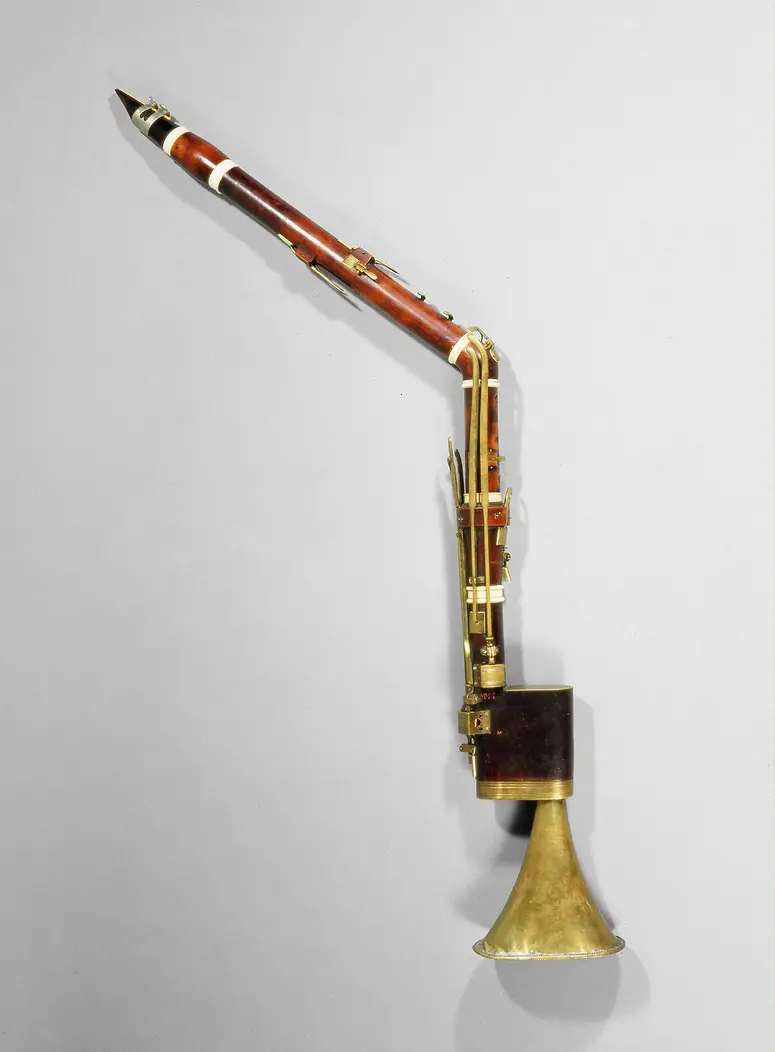
Manufacturer: Johann Baptist Merklein approx. 1800
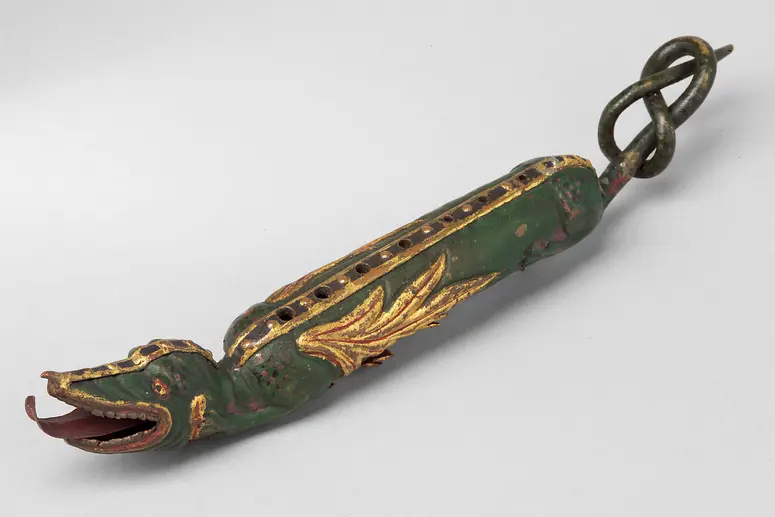
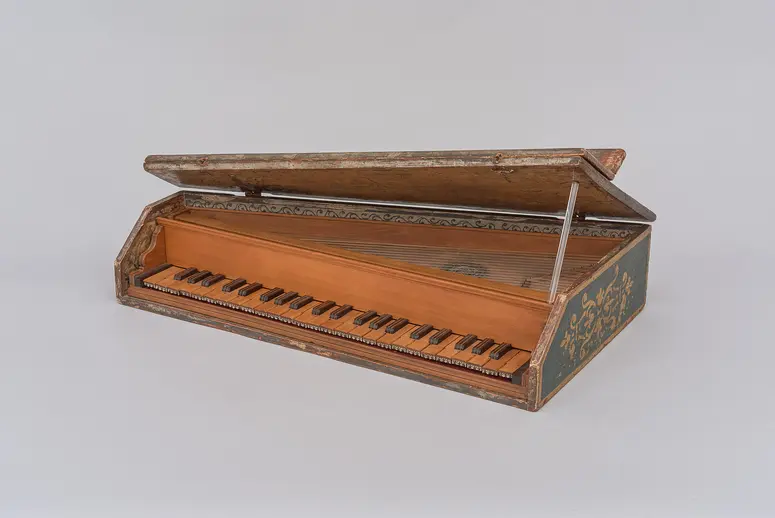
Manufacturer: anonym 2nd half of the 16th century (assigned)
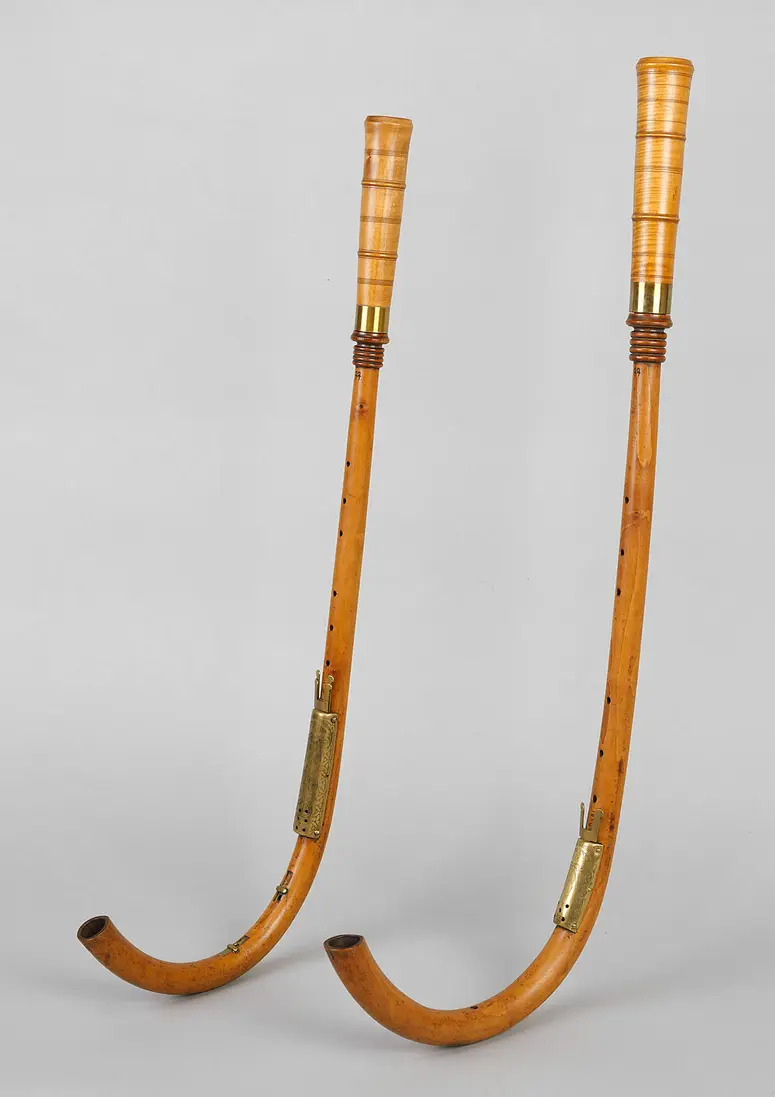
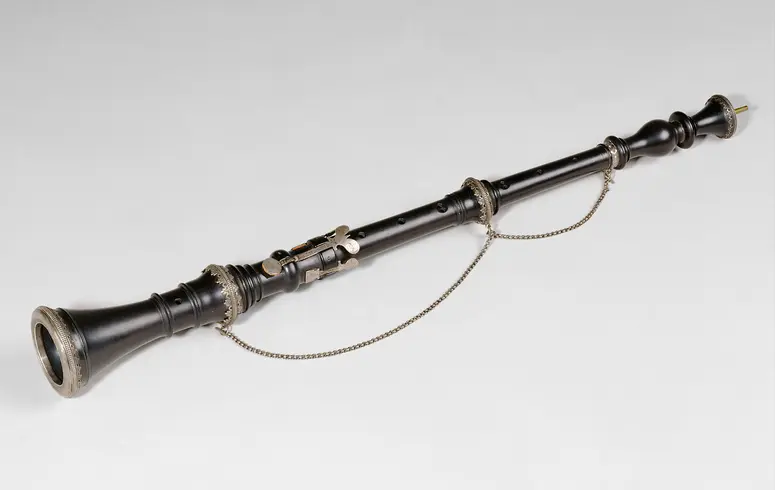
Manufacturer: Hendrik Richters beginning of the 18th century
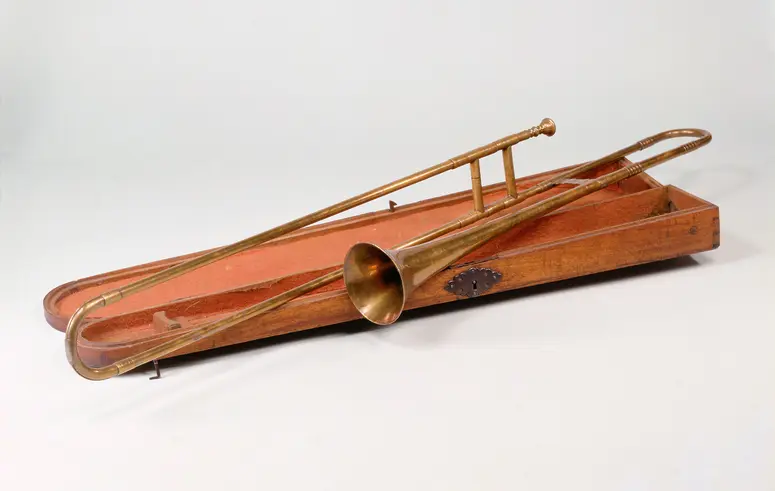
Manufacturer: Michael Leichamschneider 1732
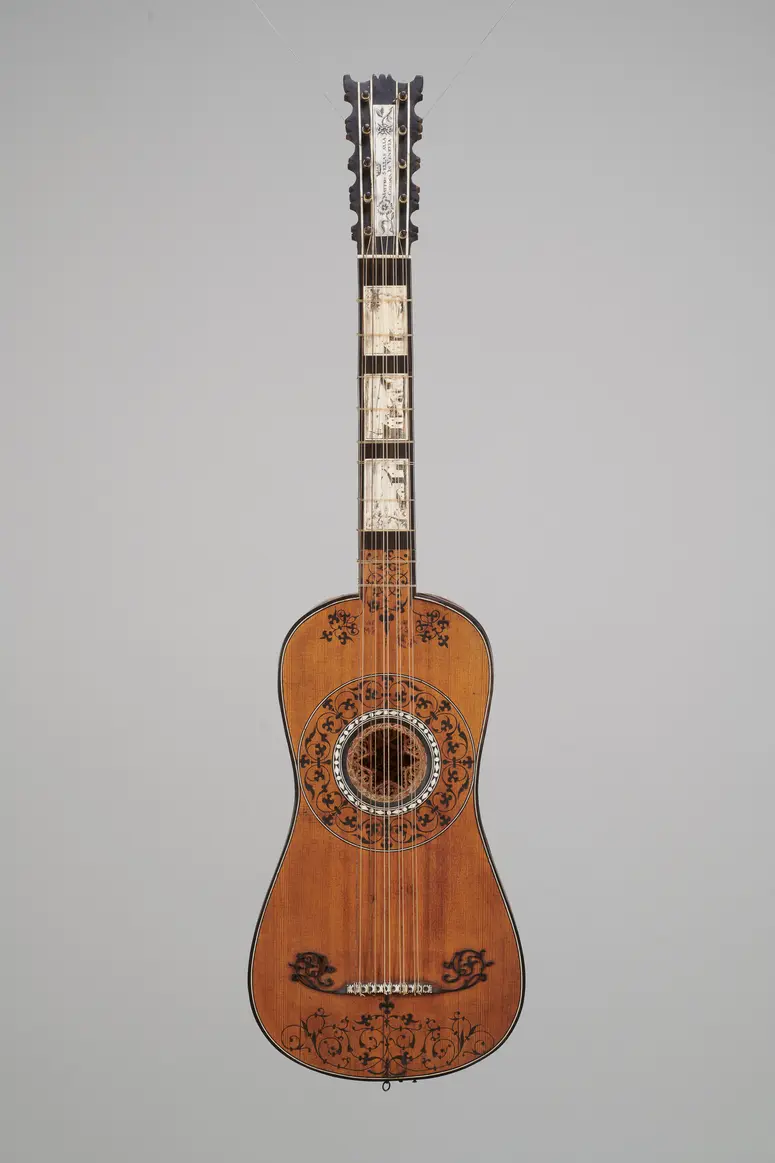
Manufacturer: Matthäus Seelos 1st half of the 17th century
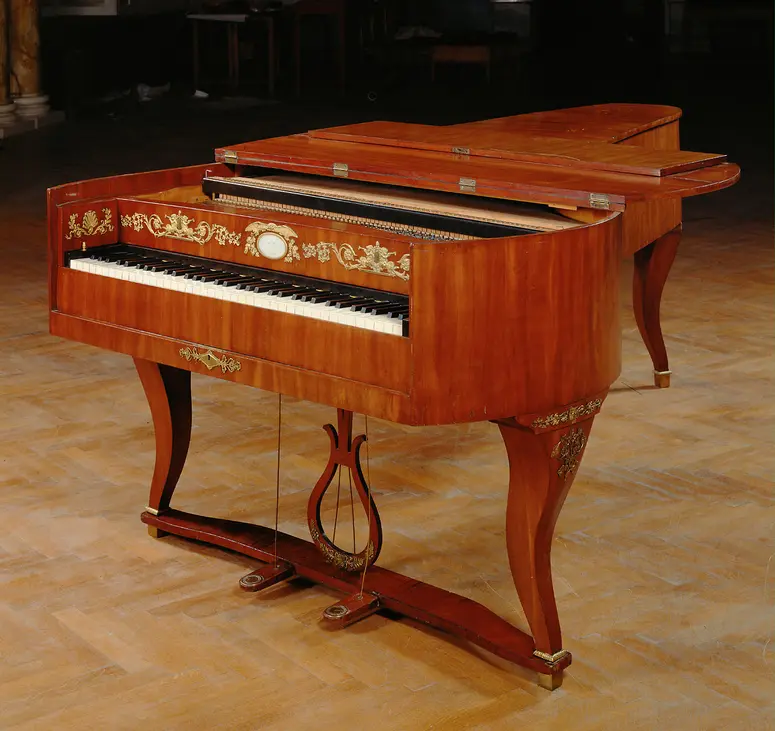
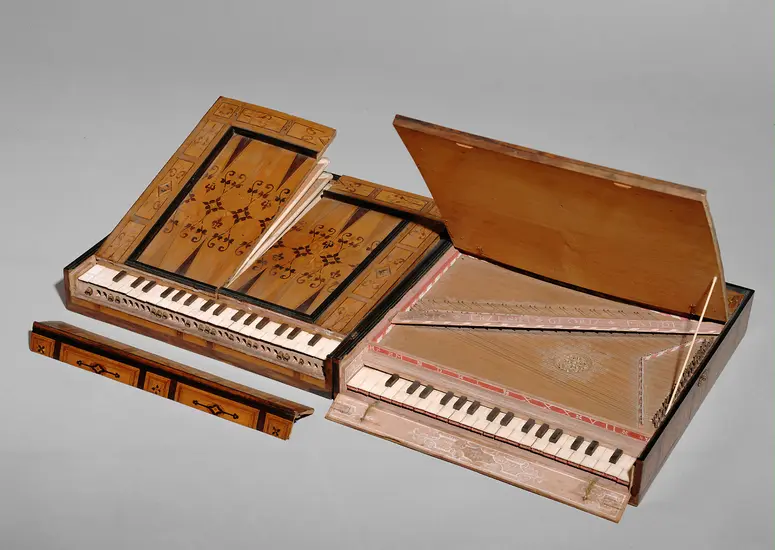
Manufacturer: Anton Meidting December 1587
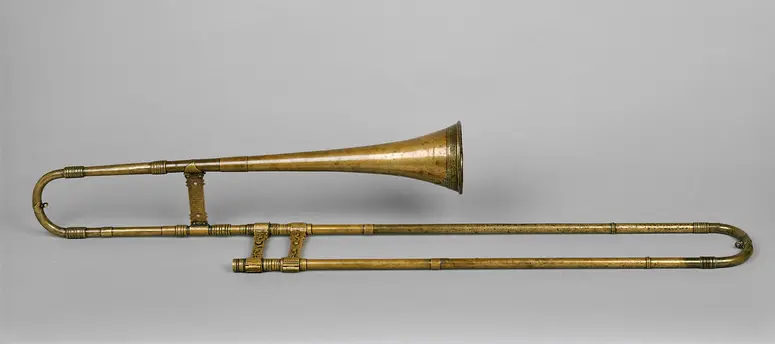
Manufacturer: Joerg Neuschel 1557
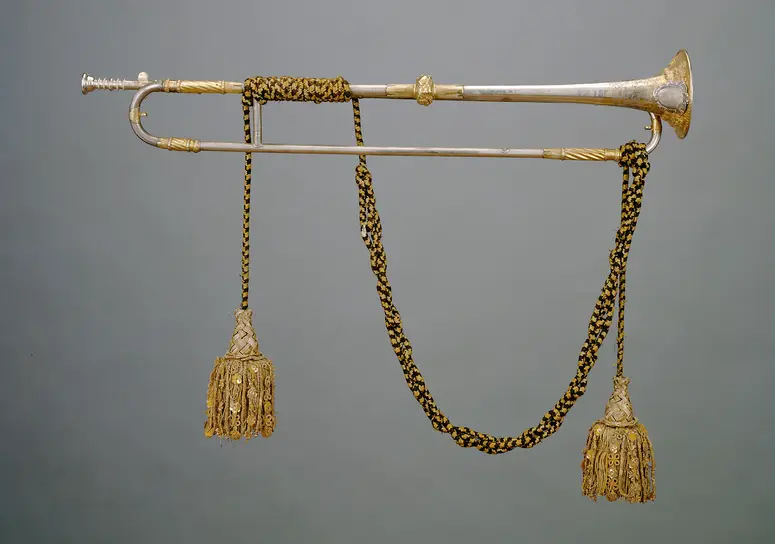
Manufacturer: Michael Leichamschneider 1741
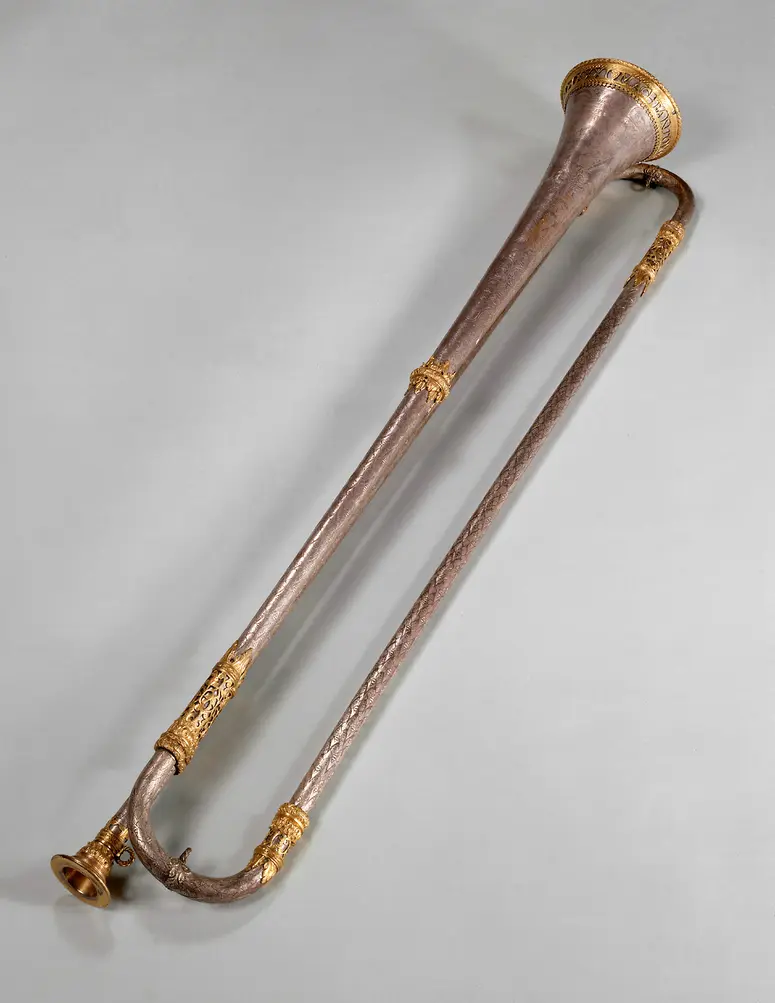
Manufacturer: Anton Schnitzer 1581
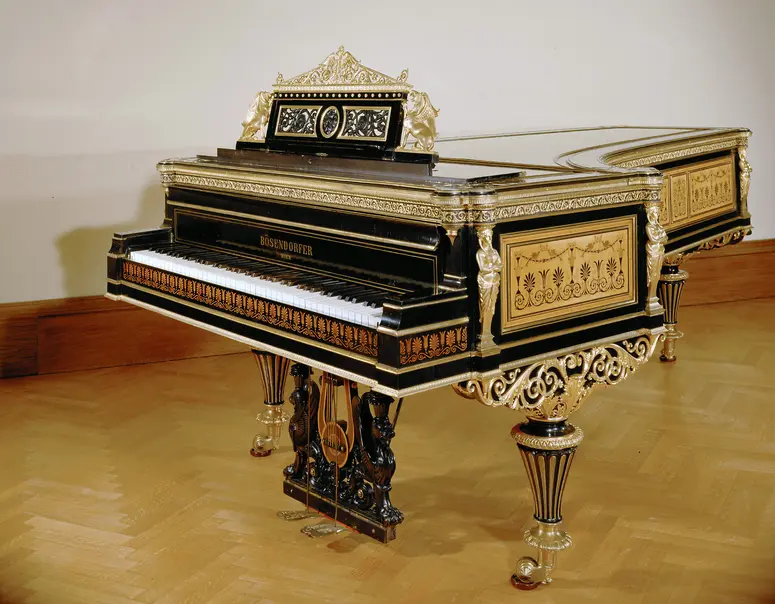
Manufacturer: Fa. Bösendorfer 1867
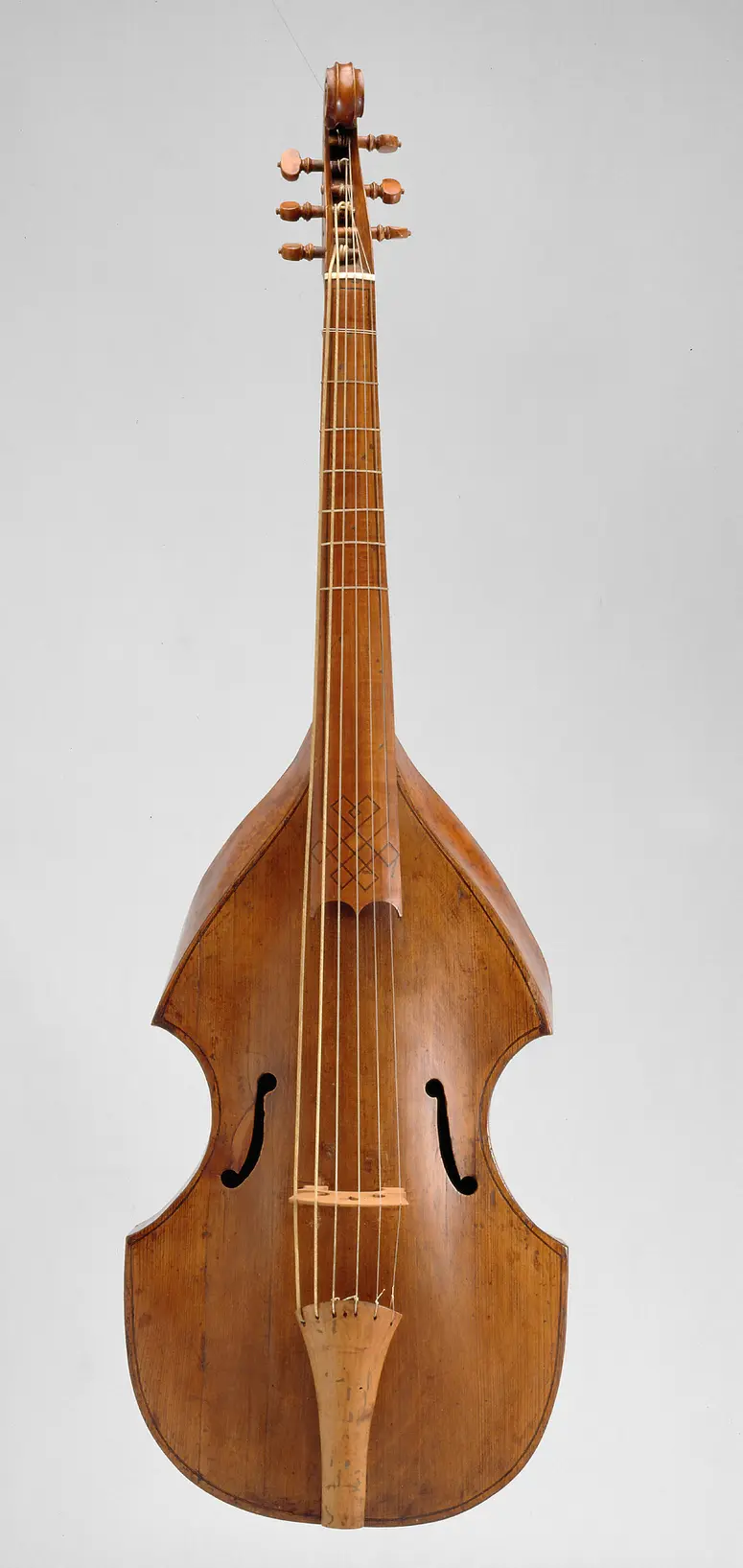
Manufacturer: Antonio Ciciliano presumably after 1602
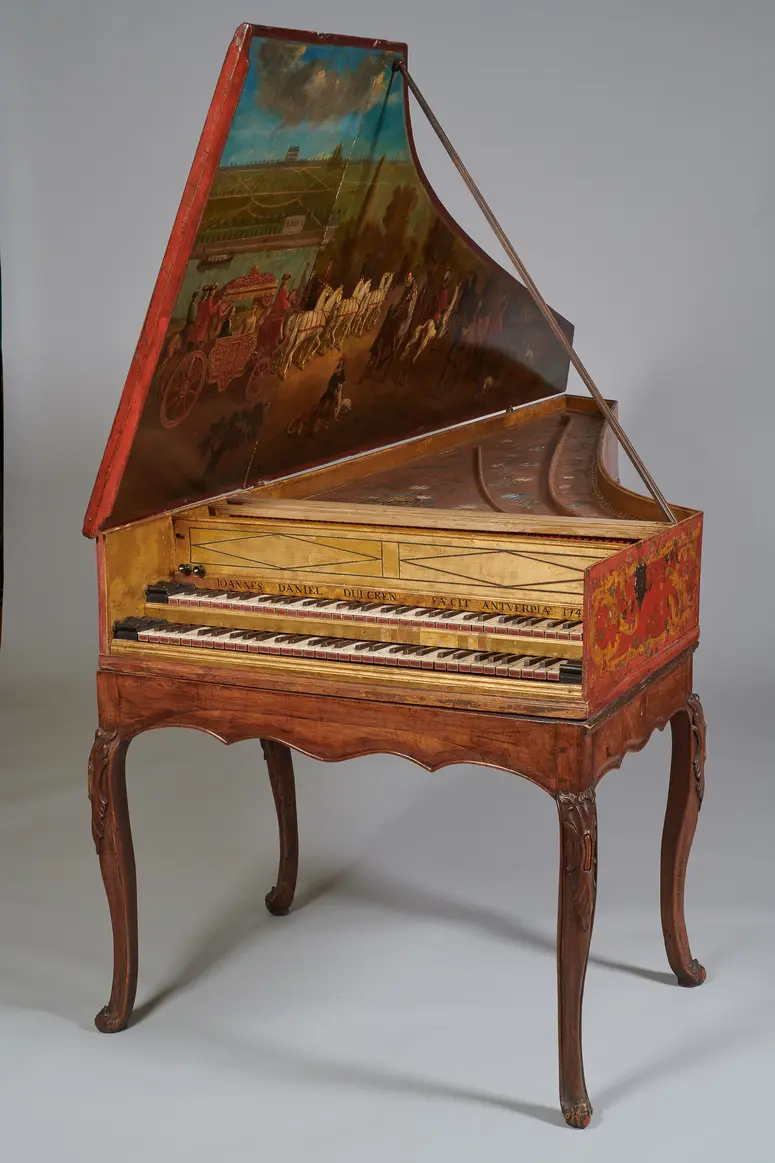
Manufacturer: Joann Daniel Dulcken 1745
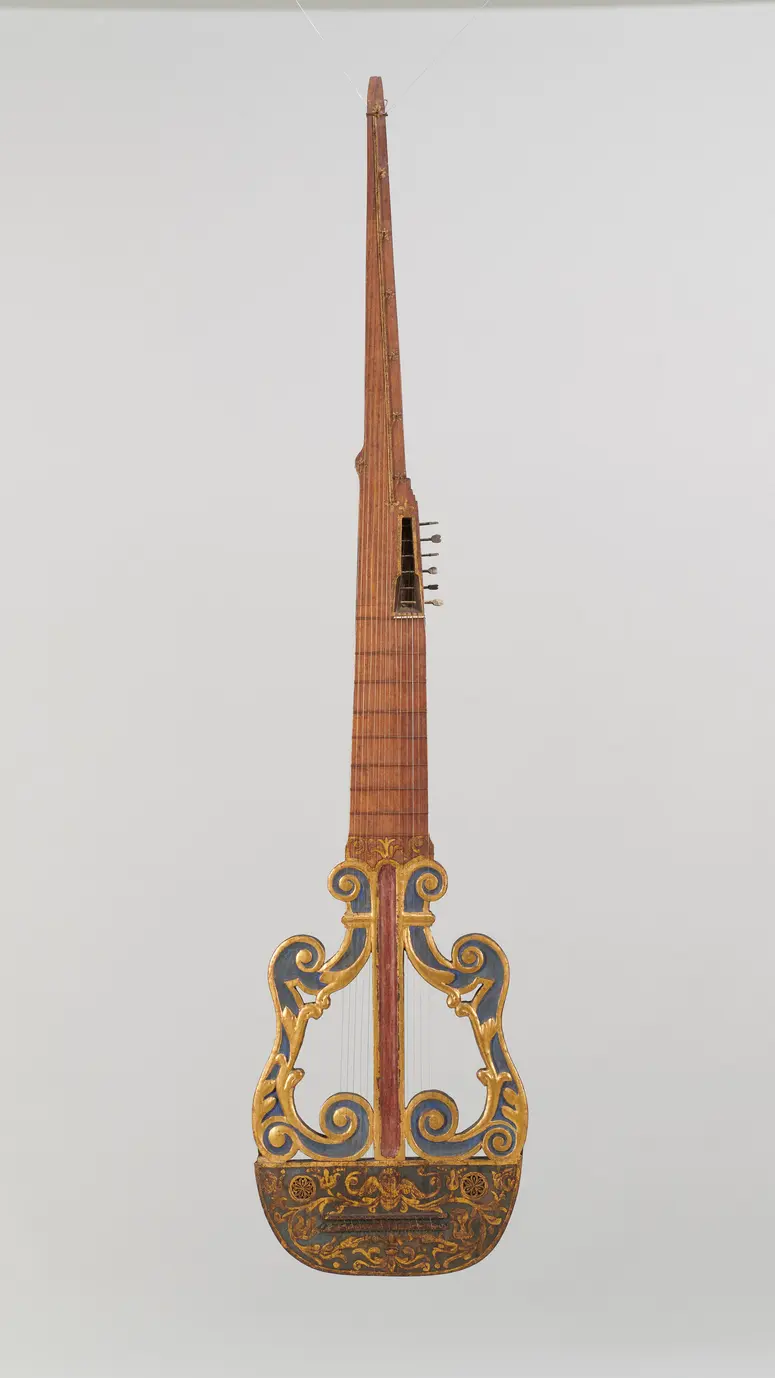
Manufacturer: Wenzel Kowansky 1749
Manufacturer: Girolamo de Virchis 1574