Sackbut (tenor)
1557 | Joerg Neuschel
The Neuschel family is Nuremberg’s oldest dynasty of wind instrument makers. Among Neuschel’s customers was Pope Leo X, who ordered silver trombones that Neuschel personally delivered. Neuschel’s adoptive son Georg (Jörg) Stengel, who took the name Neuschl in 1537, became his successor. The trombone pictured here - the second oldest in the world - was made by him in 1557. This instrument clearly shows that the shape of this type of instrument has remained almost unchanged to the present day. However, the walls of the early trombones are somewhat thicker, and the bell is narrower than that of later instruments. The individual tubular parts are connected by simple socket joints, which made transport simpler and facilitated repairs. (rh)
Lit.: Rudolf Hopfner: Masterpieces from the Collection of Historic Musical Instruments. A Short Guide through the Kunsthistorisches Museum Vienna, Vol. 1, Vienna 2019.
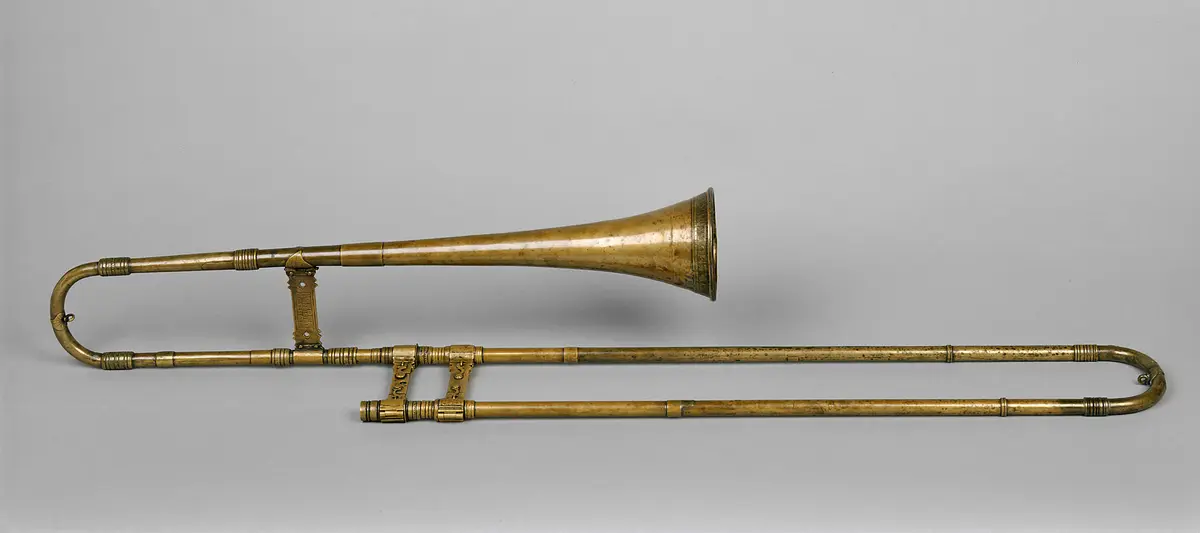
The Neuschel family is Nuremberg’s oldest dynasty of wind instrument makers. Among Neuschel’s customers was Pope Leo X, who ordered silver trombones that Neuschel personally delivered. Neuschel’s adoptive son Georg (Jörg) Stengel, who took the name Neuschl in 1537, became his successor. The trombone pictured here - the second oldest in the world - was made by him in 1557. This instrument clearly shows that the shape of this type of instrument has remained almost unchanged to the present day. However, the walls of the early trombones are somewhat thicker, and the bell is narrower than that of later instruments. The individual tubular parts are connected by simple socket joints, which made transport simpler and facilitated repairs. (rh)
Lit.: Rudolf Hopfner: Masterpieces from the Collection of Historic Musical Instruments. A Short Guide through the Kunsthistorisches Museum Vienna, Vol. 1, Vienna 2019.
Manufacturer:
Joerg Neuschel
Time:
1557
Object Name
Sackbut (tenor)
Culture
Germany, Nuremberg
Dimensions:
1090 mm x 180 mm x 190 mm
Copyright
Kunsthistorisches Museum, Sammlung alter Musikinstrumente
Invs.
Sammlung alter Musikinstrumente, 706
Browse more
Similar items you might be interested in
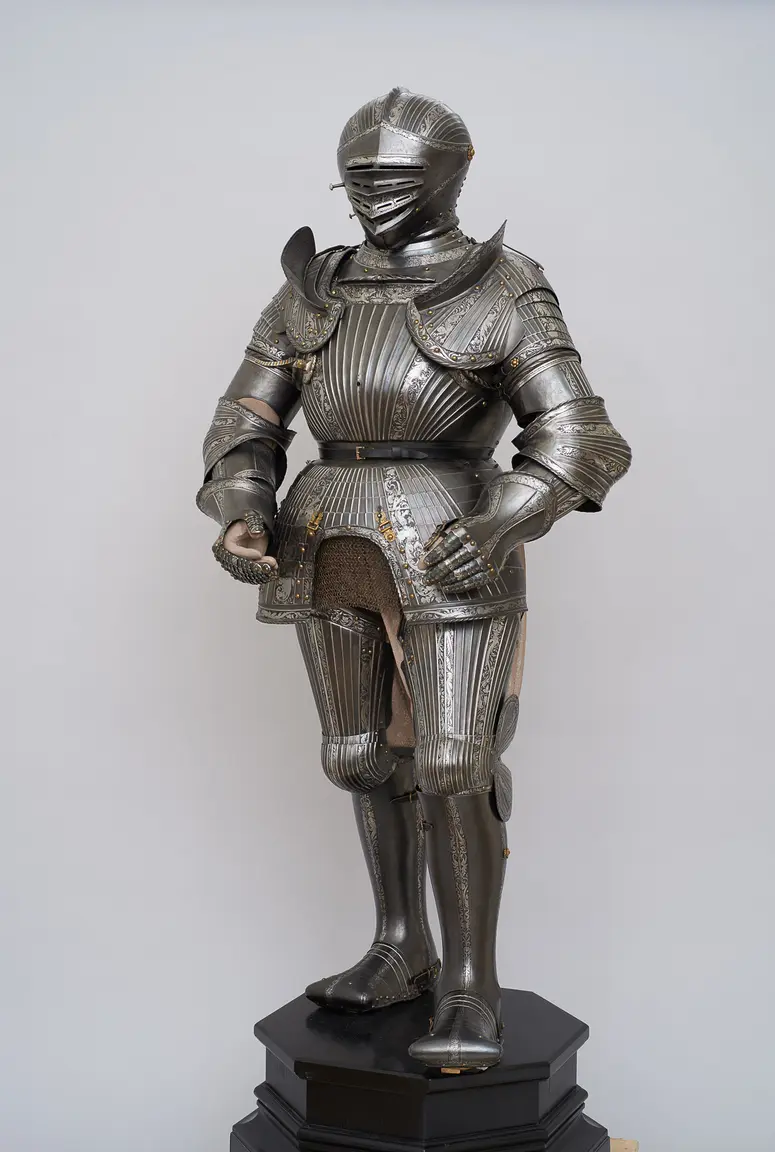
Riefelharnisch, Riefelküriss: Fluted field armour Johann Friedrich I. (1532-1547), Kurfürst von Sachsen Dated 1530
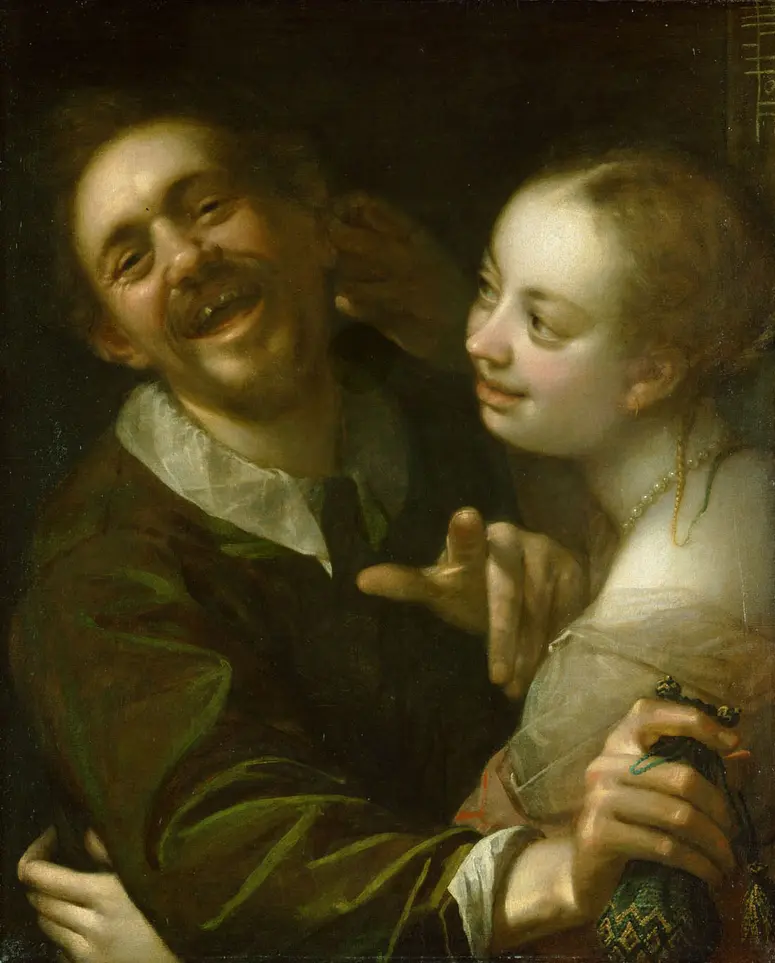
“Joking Couple”, Self-Portrait of the Artist with his Wife Hans von Aachen around 1596
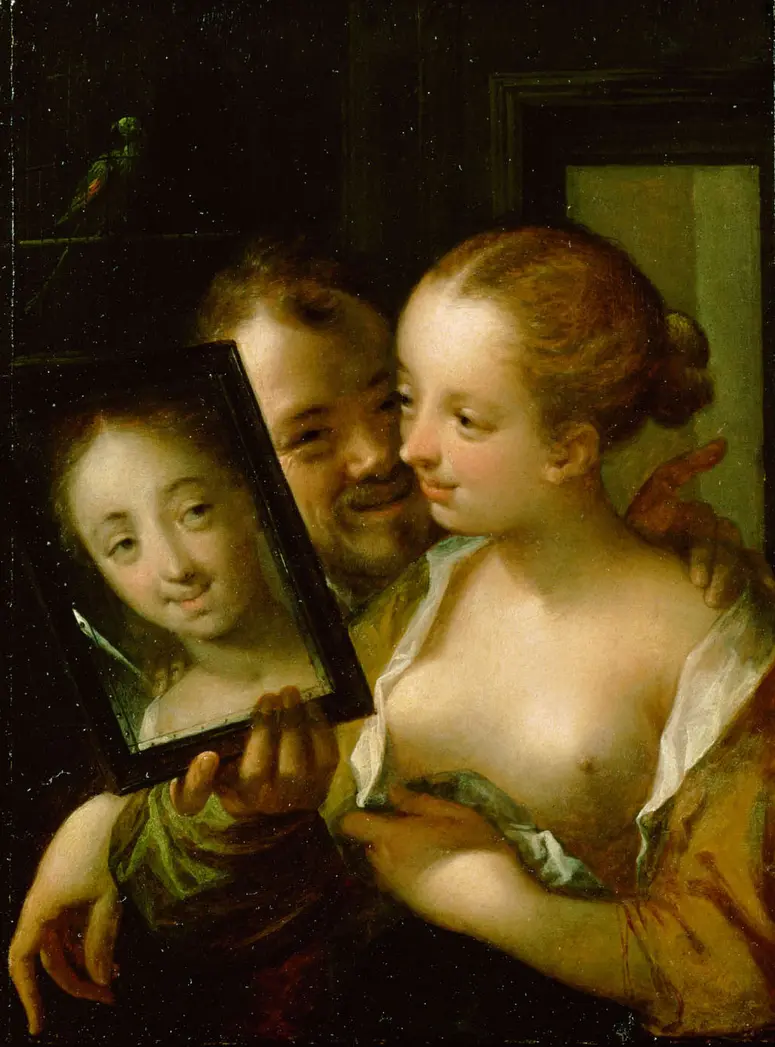
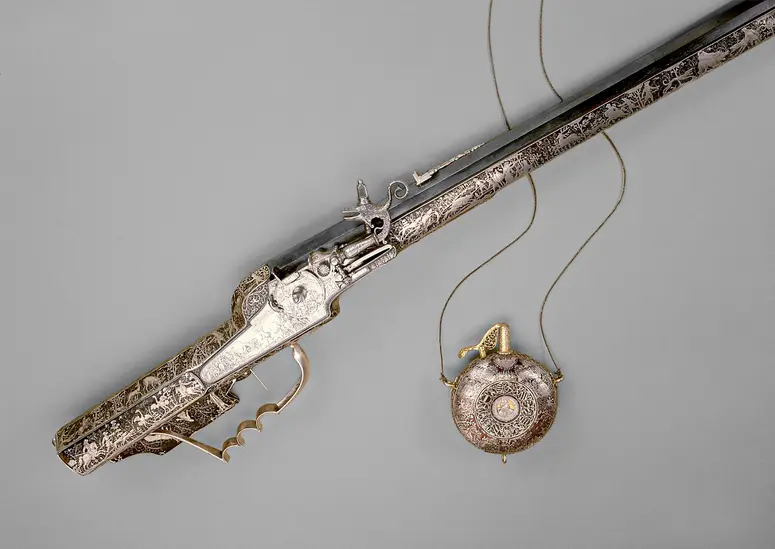
Leopold V. (1619-1632), Erzherzog und Graf von Tirol, Bischof von Passau und Straßburg 1628
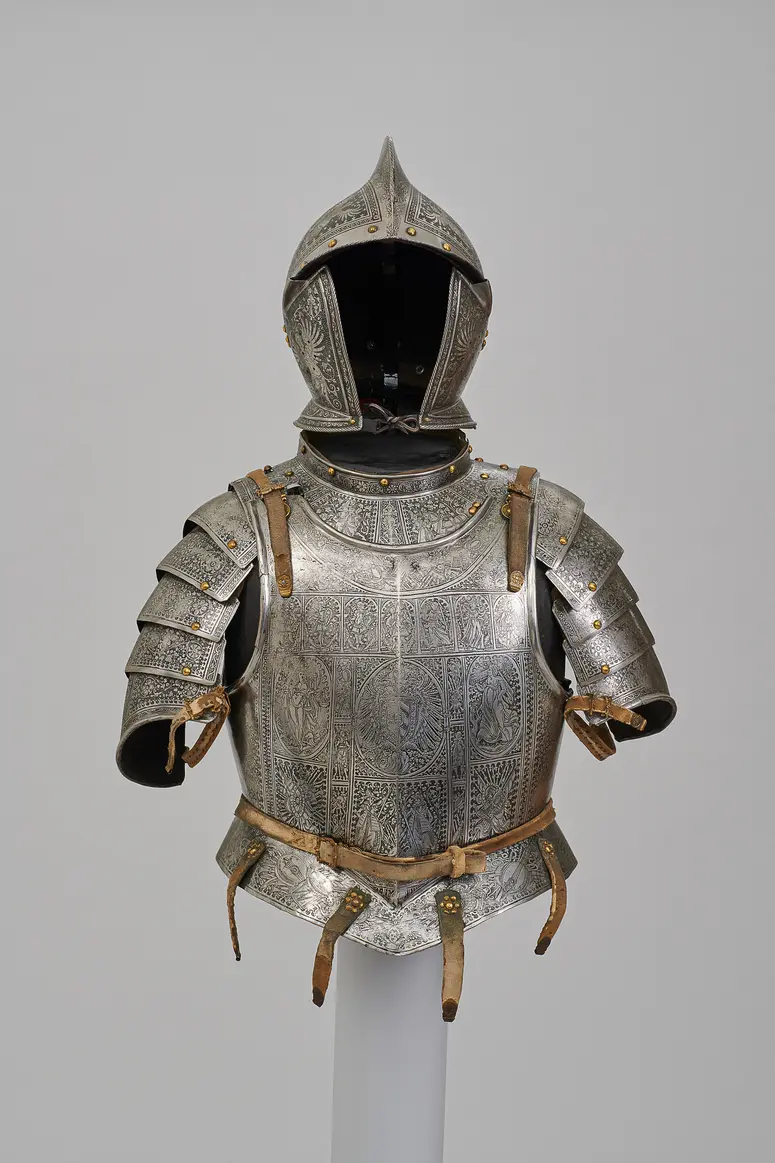
Hans Becher d. Ä. Plattnerarbeiten spätes 16. Jahrhundert, Ätzung datiert 1618, tlw. Ergänzungen
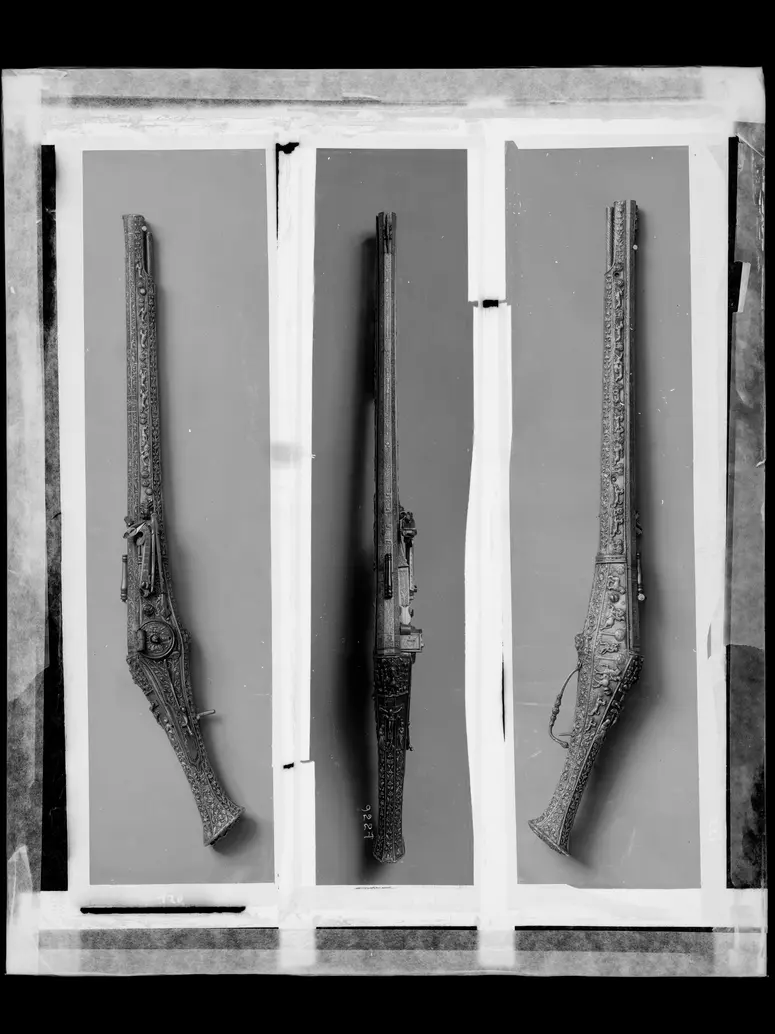
Langes Faustrohr mit Radschloss; Radschlosspistole (mit Ladestock) J. Löwy, K. und K. Hof-Photograph, Kunst- und Verlagsanstalt (Wien) 1892
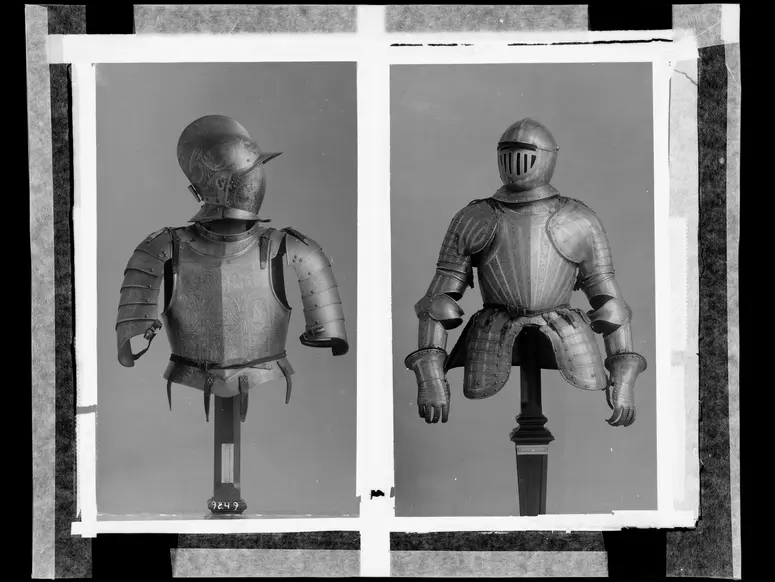
Halber Fußknechtharnisch; Feldküriss J. Löwy, K. und K. Hof-Photograph, Kunst- und Verlagsanstalt (Wien) 1892
Johann Friedrich I. (1532-1547), Kurfürst von Sachsen datiert 1530