Fortepiano (pour la parfaite Harmonie)
1796 | Johann Jakob Könnicke
The ‘pianoforte of perfect harmony’, as contemporary sources describe it, attempts to make the benefits of just intonation in pure thirds available for all major and minor keys. In tuning systems using unequal temperament, some keys generally sound pure while some are felt to be objectionable, owing to the undersized fifths (‘wolf fifths’). This means that keys with few accidentals do not sound the same as keys with many accidentals. Such various affective key characteristics were often consciously exploited in composition. On the ‘Harmonie-Hammerflügel’ with its six rows of keys, the third manual from the top consists of a diatonic scale of C major tuned according to pure thirds temperament. The manual above this one is raised a semitone, the one below is lowered by a semitone. Thus, unlike the usual division of the octave into 12 parts, the note C-sharp, for example, is not identical to D-flat. This brought improvements in intonation, but these were bought at a cost, and the instruments disadvantages prevented it from coming into widespread use. Besides the massively increased amount of work necessary to tune the instrument, the arrangement meant unfamiliar and complicated fingerings. (rh)
Lit.: Rudolf Hopfner: Masterpieces from the Collection of Historic Musical Instruments. A Short Guide through the Kunsthistorisches Museum Vienna, Vol. 1, Vienna 2019
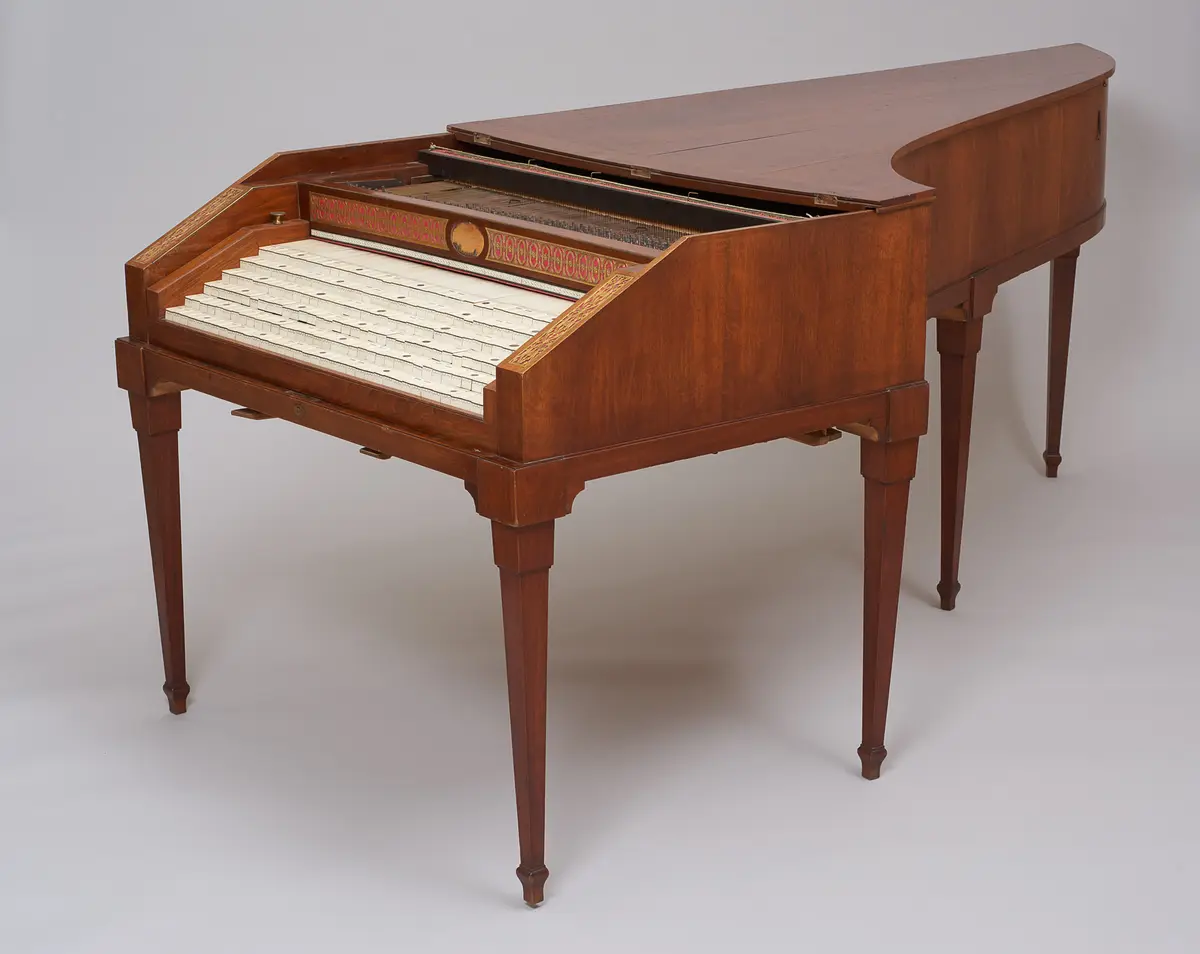
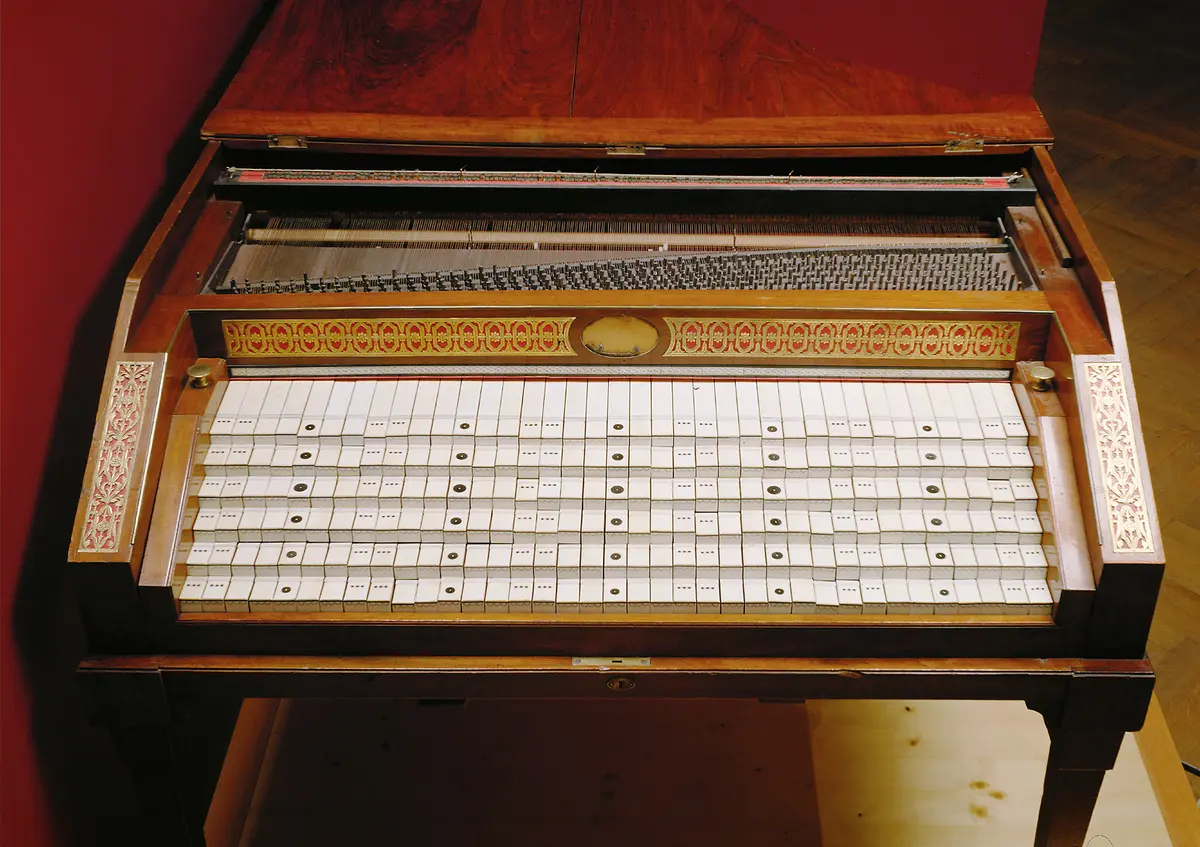
The ‘pianoforte of perfect harmony’, as contemporary sources describe it, attempts to make the benefits of just intonation in pure thirds available for all major and minor keys. In tuning systems using unequal temperament, some keys generally sound pure while some are felt to be objectionable, owing to the undersized fifths (‘wolf fifths’). This means that keys with few accidentals do not sound the same as keys with many accidentals. Such various affective key characteristics were often consciously exploited in composition. On the ‘Harmonie-Hammerflügel’ with its six rows of keys, the third manual from the top consists of a diatonic scale of C major tuned according to pure thirds temperament. The manual above this one is raised a semitone, the one below is lowered by a semitone. Thus, unlike the usual division of the octave into 12 parts, the note C-sharp, for example, is not identical to D-flat. This brought improvements in intonation, but these were bought at a cost, and the instruments disadvantages prevented it from coming into widespread use. Besides the massively increased amount of work necessary to tune the instrument, the arrangement meant unfamiliar and complicated fingerings. (rh)
Lit.: Rudolf Hopfner: Masterpieces from the Collection of Historic Musical Instruments. A Short Guide through the Kunsthistorisches Museum Vienna, Vol. 1, Vienna 2019
Attributed to:
Johann Jakob Könnicke
Time:
1796
Object Name
Fortepiano (pour la parfaite Harmonie)
Culture
Austria, Vienna
Dimensions:
2270 mm x 1050 mm x 910 mm
Copyright
Kunsthistorisches Museum, Sammlung alter Musikinstrumente
Invs.
Sammlung alter Musikinstrumente, 610
Browse more
Similar items you might be interested in
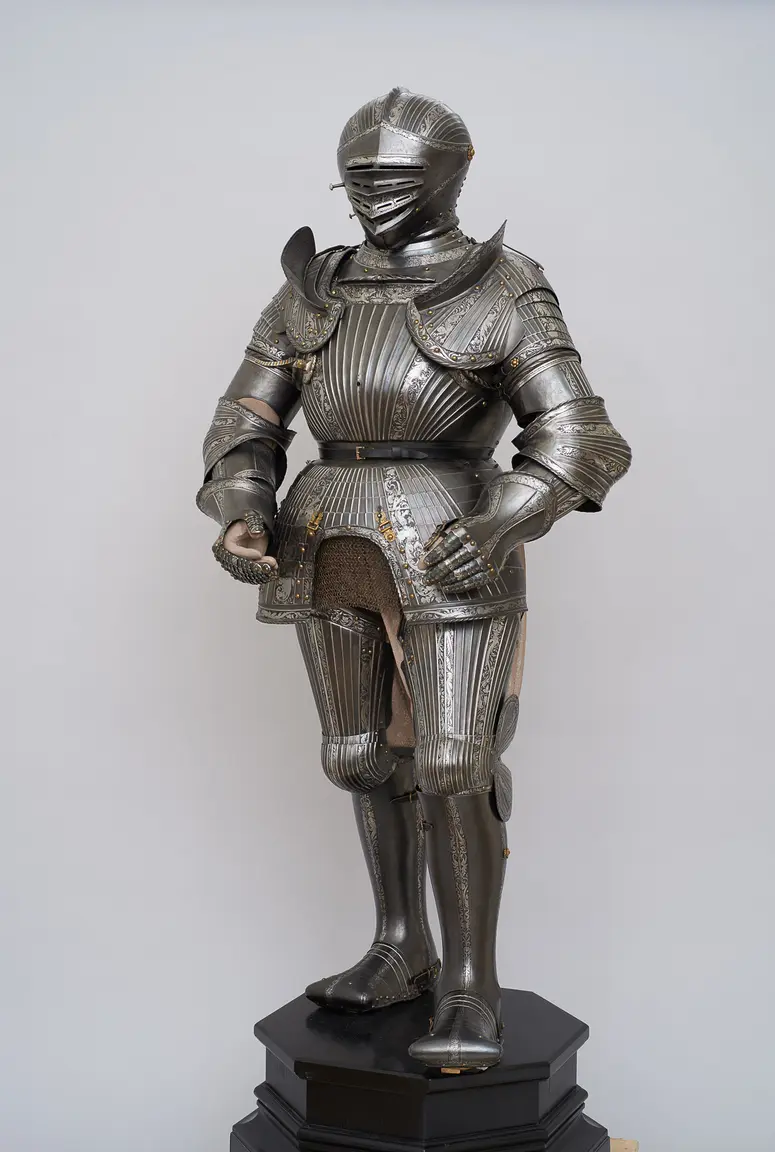
Riefelharnisch, Riefelküriss: Fluted field armour Johann Friedrich I. (1532-1547), Kurfürst von Sachsen Dated 1530
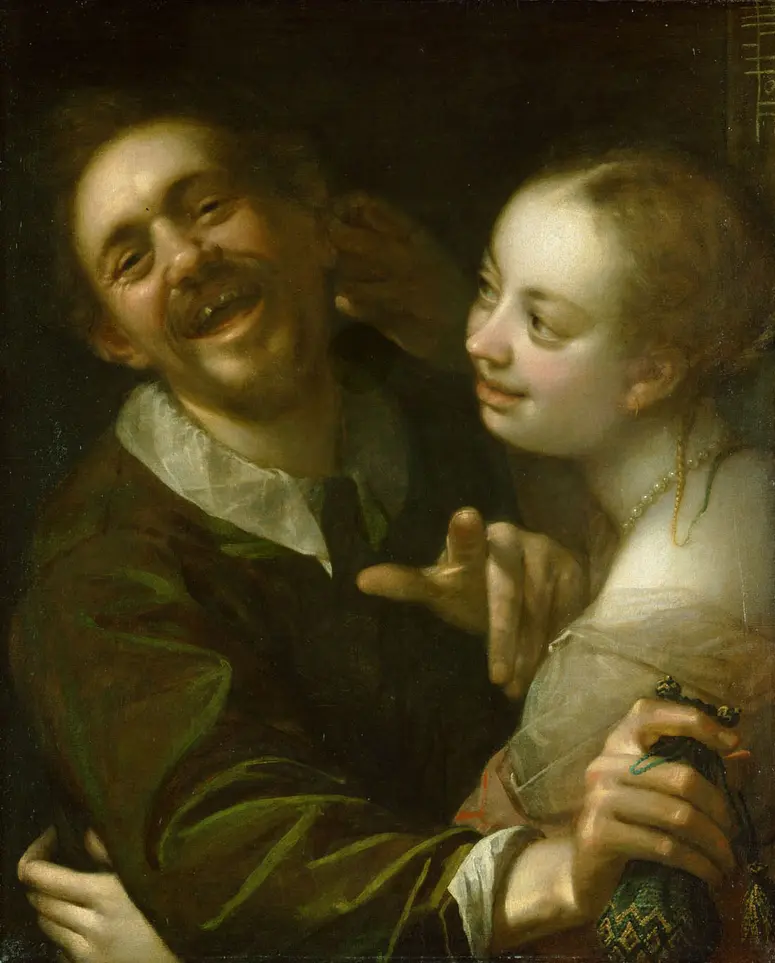
“Joking Couple”, Self-Portrait of the Artist with his Wife Hans von Aachen around 1596
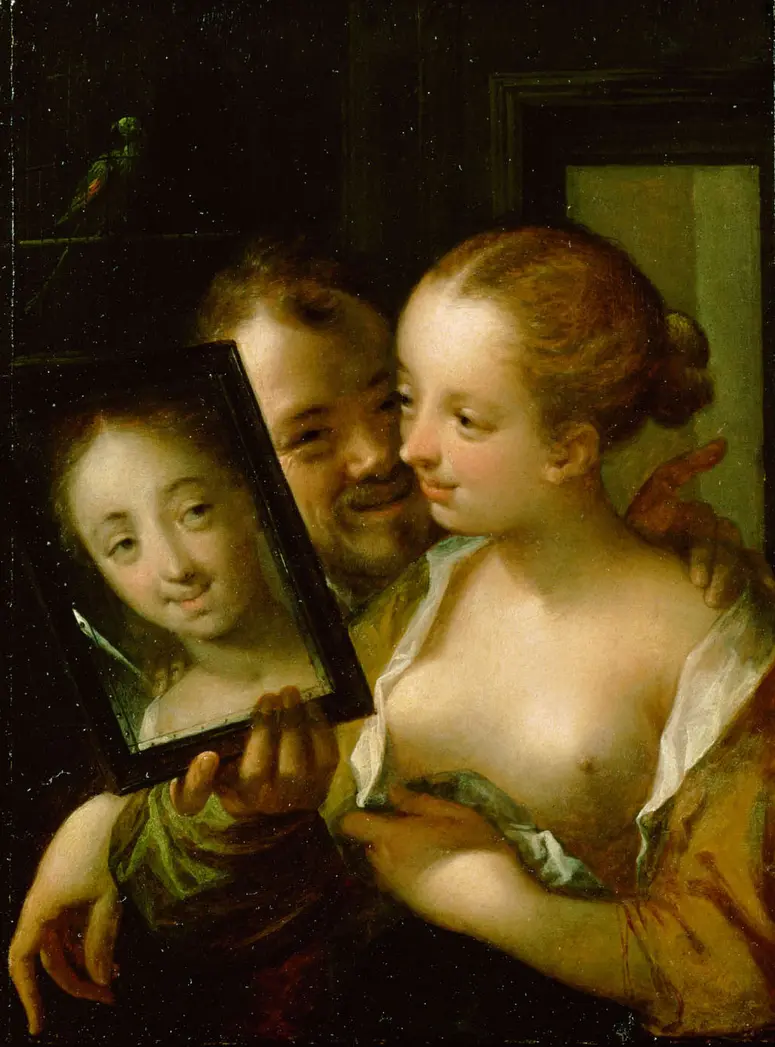
Leopold V. (1619-1632), Erzherzog und Graf von Tirol, Bischof von Passau und Straßburg 1628
Hans Becher d. Ä. Plattnerarbeiten spätes 16. Jahrhundert, Ätzung datiert 1618, tlw. Ergänzungen
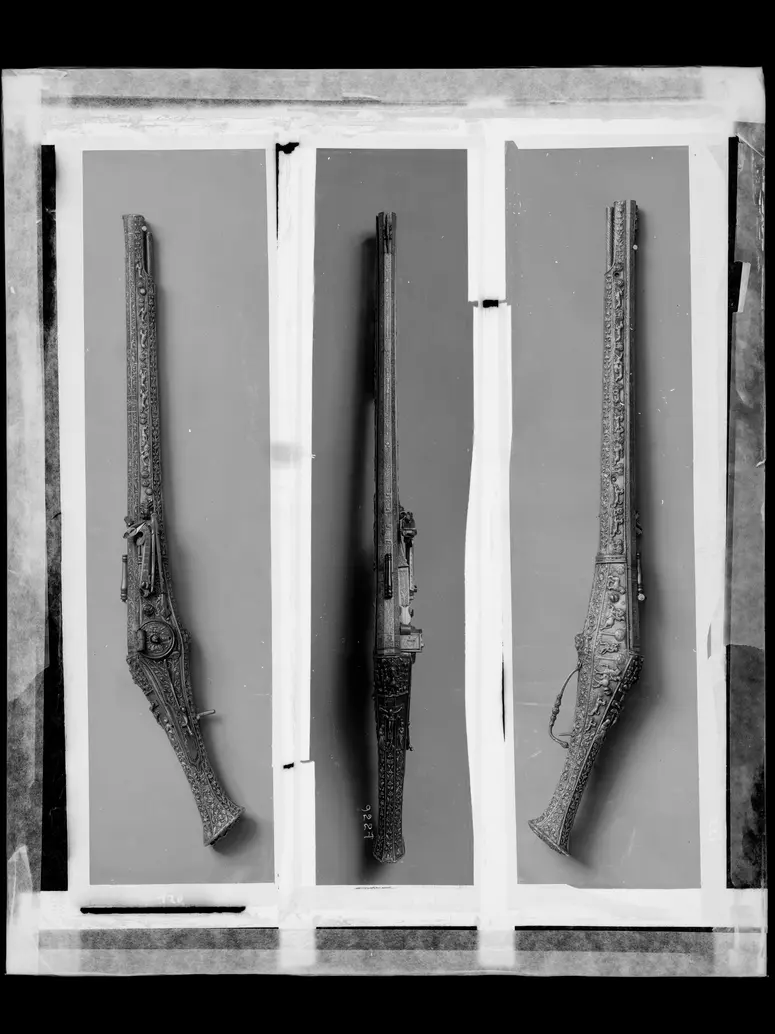
Langes Faustrohr mit Radschloss; Radschlosspistole (mit Ladestock) J. Löwy, K. und K. Hof-Photograph, Kunst- und Verlagsanstalt (Wien) 1892
Halber Fußknechtharnisch; Feldküriss J. Löwy, K. und K. Hof-Photograph, Kunst- und Verlagsanstalt (Wien) 1892
Johann Friedrich I. (1532-1547), Kurfürst von Sachsen datiert 1530