Fortepiano
1958 | Fa. Bösendorfer
On occasion of the 1958 World Exhibition in Brussels, several Austrian firms were invited to present their newly designed products. Jürgen Felsenstein, at that time employed as a young architect in the office of Norbert Schlesinger, felt a strong affinity to the piano and to music, and he managed to persuade the firm Bösendorfer to realise a design for a piano that broke with accepted tradition in many aspects of its construction. At first glance one is struck by the unusual arrangement of the legs: the broader front of the instrument is not supported by the usual two legs on either side, but by a single leg with a Y-shaped fork in the centre. The most striking feature of the corpus is the main lid, which slopes away towards the back. Vertical elements of the body that are normally curved, such as descant side of the casing and the keyboard lid, have been designed by Felsenstein as flat surfaces. (rh)
Lit.: Rudolf Hopfner: Masterpieces from the Collection of Historic Musical Instruments. A Short Guide through the Kunsthistorisches Museum Vienna, Vol. 1, Vienna 2019
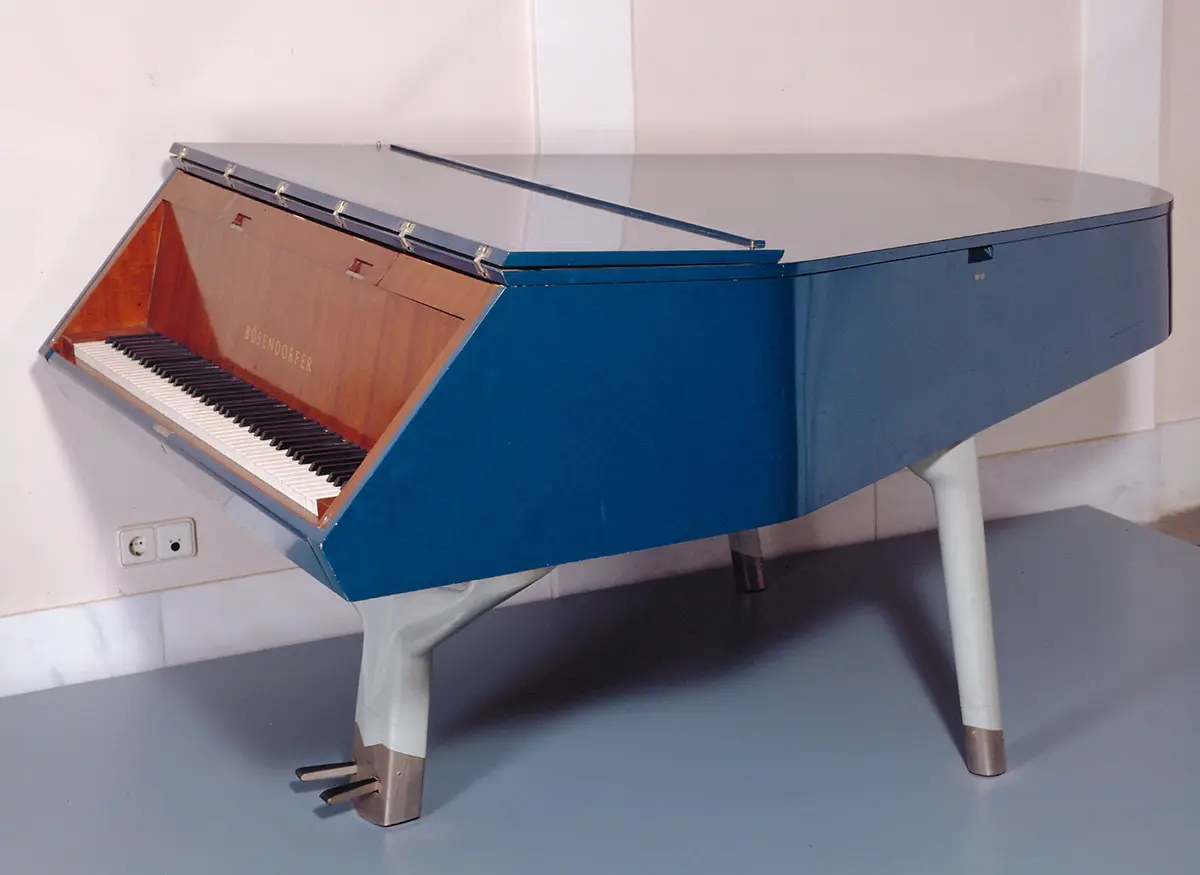
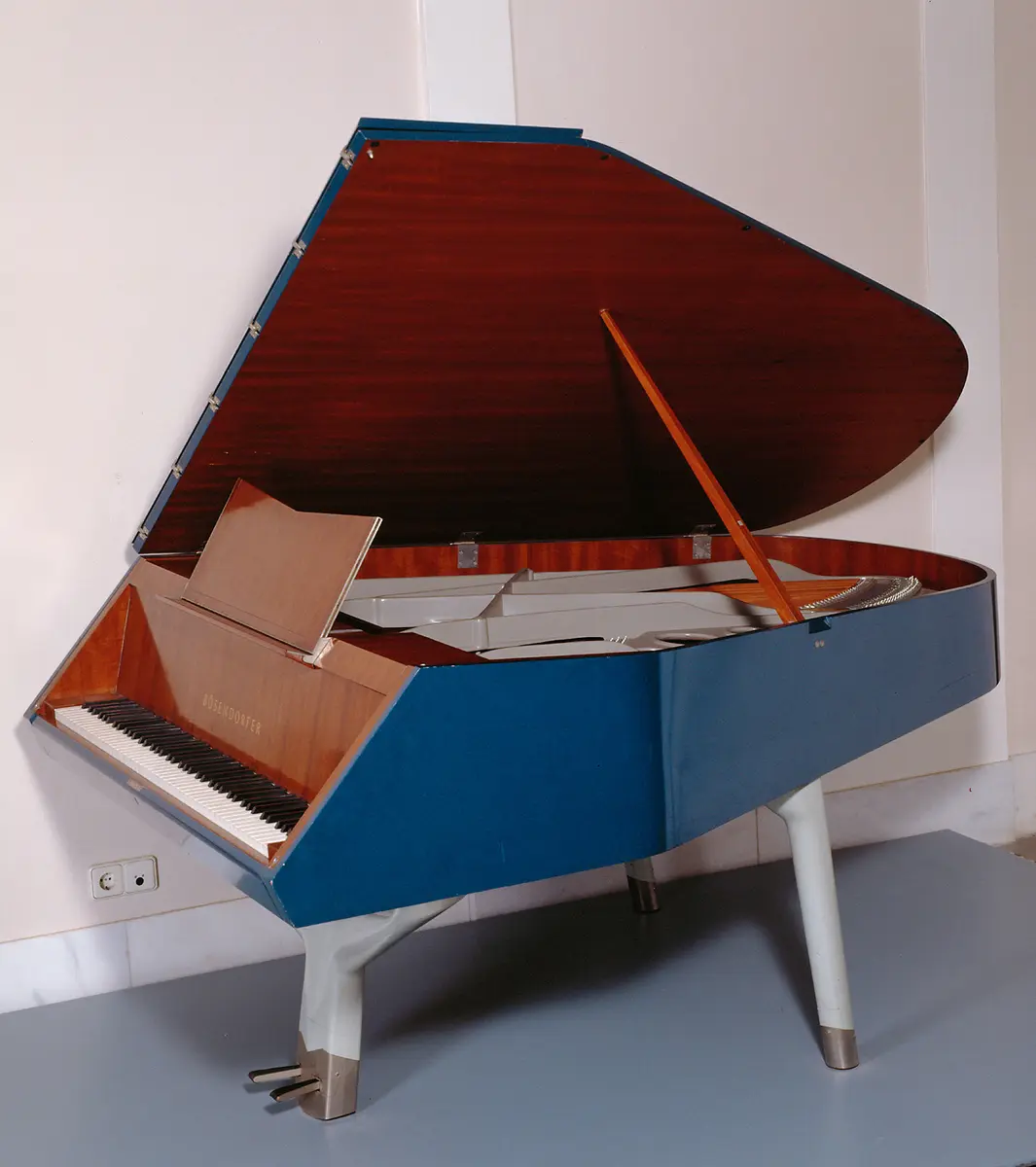
On occasion of the 1958 World Exhibition in Brussels, several Austrian firms were invited to present their newly designed products. Jürgen Felsenstein, at that time employed as a young architect in the office of Norbert Schlesinger, felt a strong affinity to the piano and to music, and he managed to persuade the firm Bösendorfer to realise a design for a piano that broke with accepted tradition in many aspects of its construction. At first glance one is struck by the unusual arrangement of the legs: the broader front of the instrument is not supported by the usual two legs on either side, but by a single leg with a Y-shaped fork in the centre. The most striking feature of the corpus is the main lid, which slopes away towards the back. Vertical elements of the body that are normally curved, such as descant side of the casing and the keyboard lid, have been designed by Felsenstein as flat surfaces. (rh)
Lit.: Rudolf Hopfner: Masterpieces from the Collection of Historic Musical Instruments. A Short Guide through the Kunsthistorisches Museum Vienna, Vol. 1, Vienna 2019
Manufacturer:
Fa. Bösendorfer (Wien)
Draft:
Norbert Schlesinger
Time:
1958
Object Name
Fortepiano
Culture
Austria, Vienna
Dimensions:
1980 mm x 1450 mm x 1005 mm
Copyright
Kunsthistorisches Museum, Sammlung alter Musikinstrumente
Invs.
Sammlung alter Musikinstrumente, 662
Browse more
Similar items you might be interested in
Manufacturer: Martin Kaiser 2nd half of the 17th century
Manufacturer: Johann Baptist Merklein approx. 1800
Manufacturer: anonym 2nd half of the 16th century (assigned)
Manufacturer: Hendrik Richters beginning of the 18th century
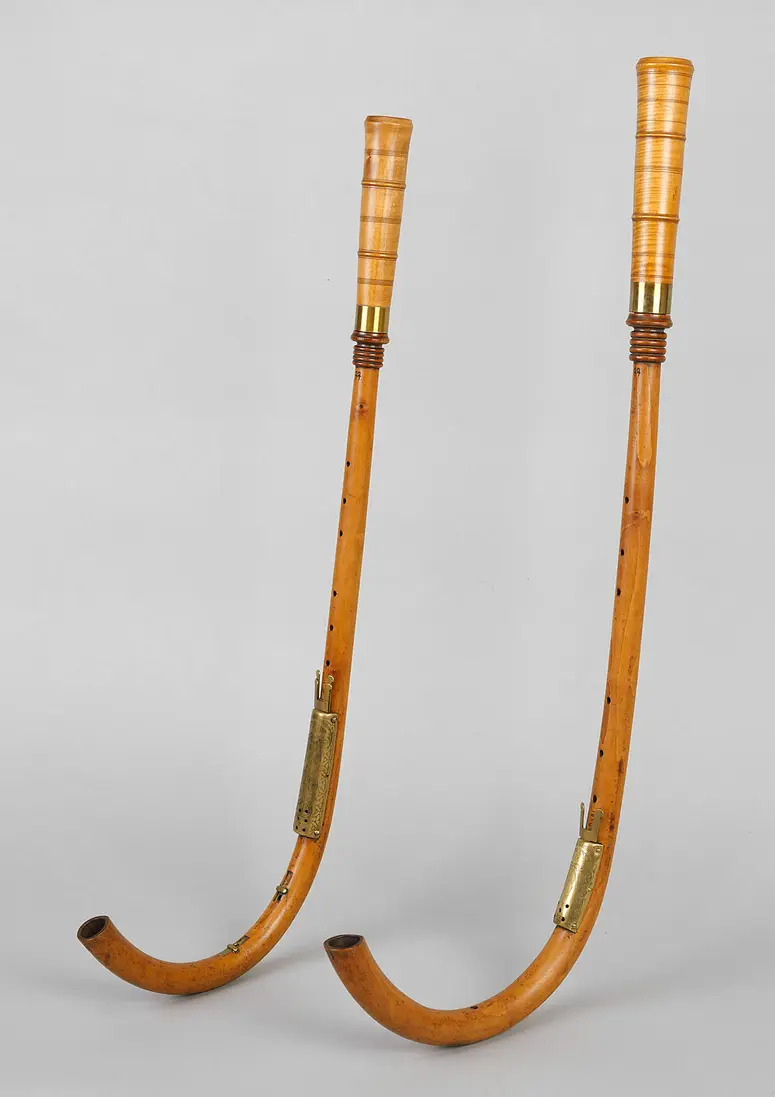
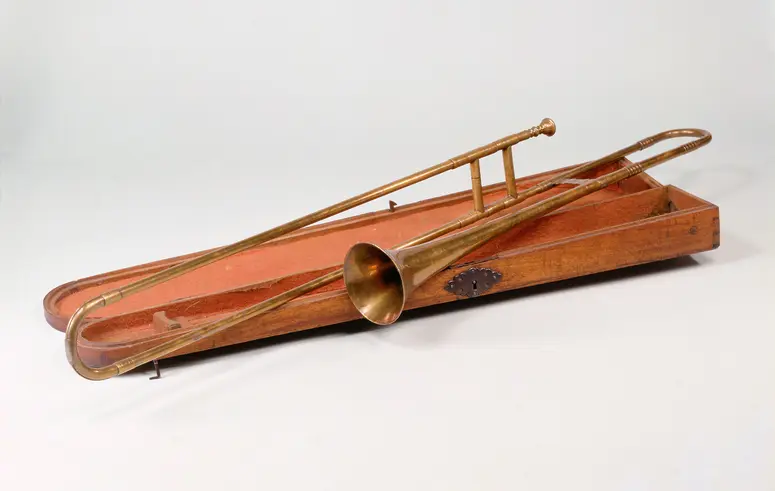
Manufacturer: Michael Leichamschneider 1732
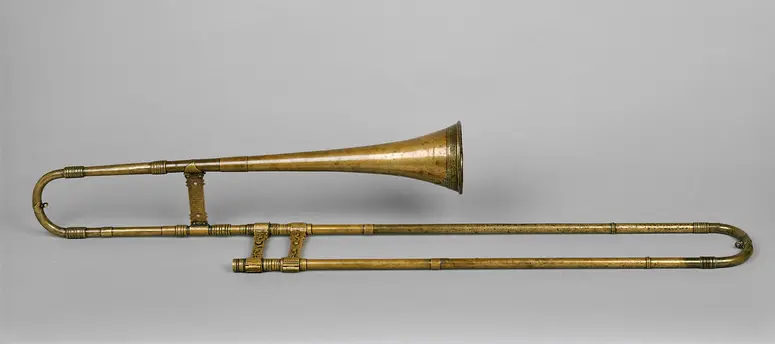
Manufacturer: Joerg Neuschel 1557
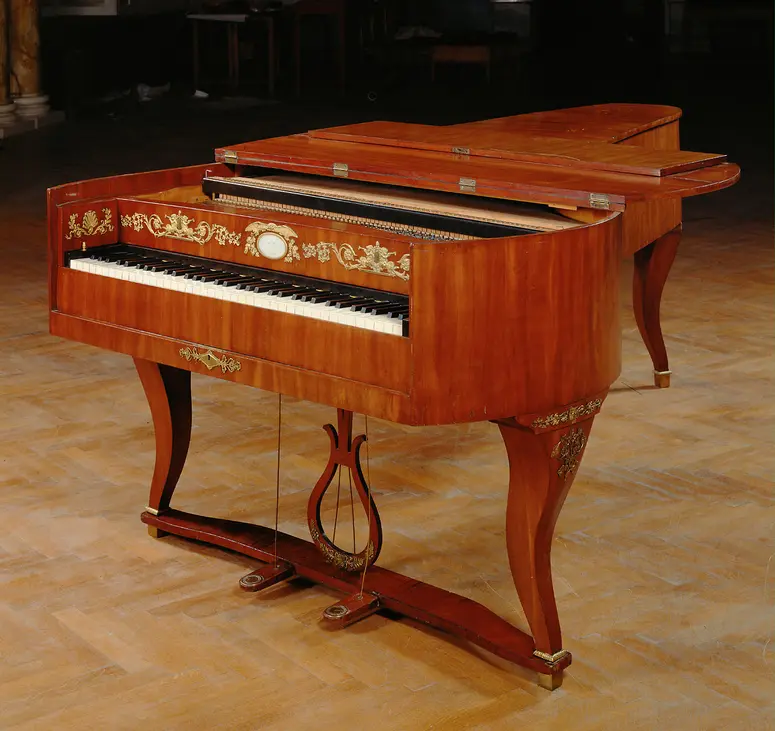
Manufacturer: Michael Leichamschneider 1741
Manufacturer: Matthäus Seelos 1st half of the 17th century
Manufacturer: Anton Meidting December 1587
Manufacturer: Fa. Bösendorfer 1867
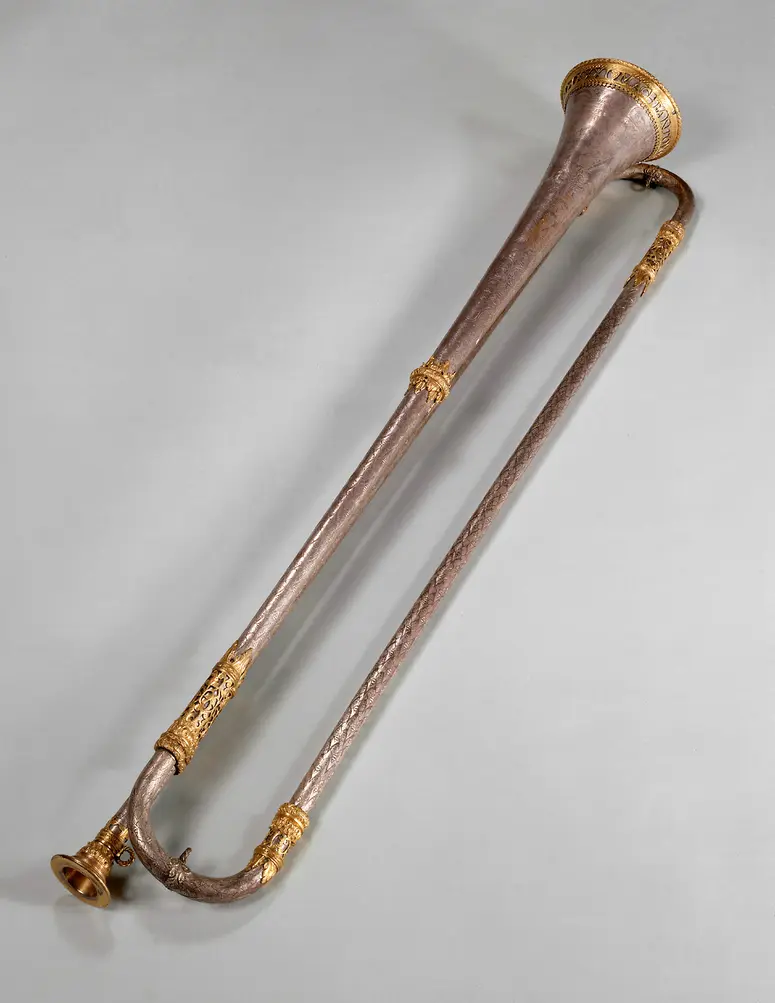
Manufacturer: Anton Schnitzer 1581
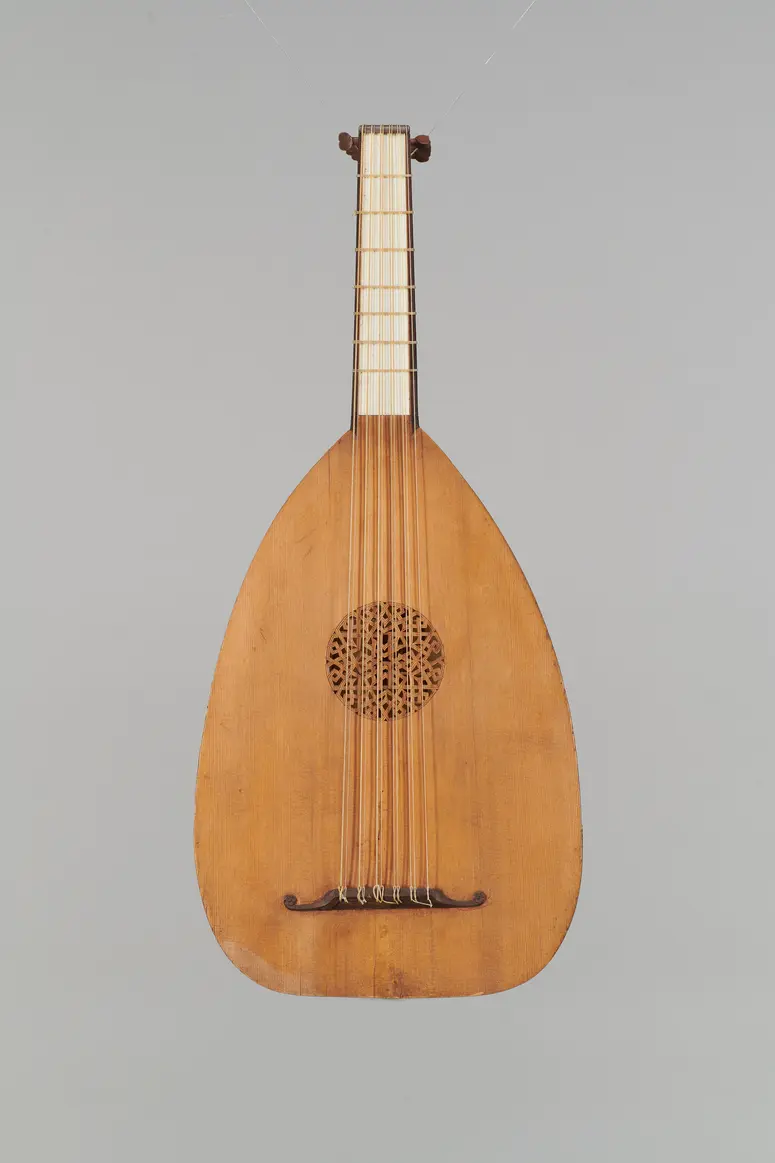
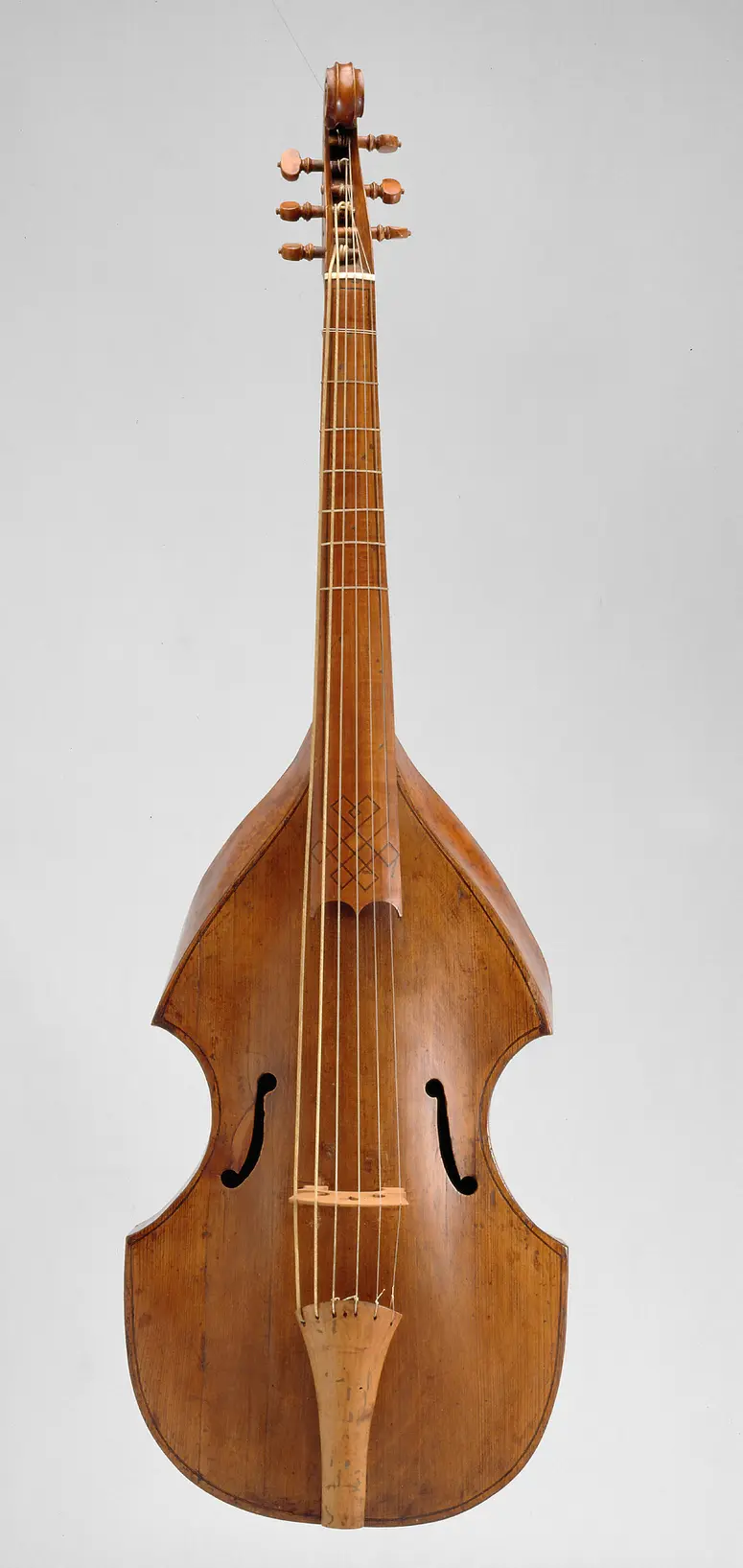
Manufacturer: Antonio Ciciliano presumably after 1602
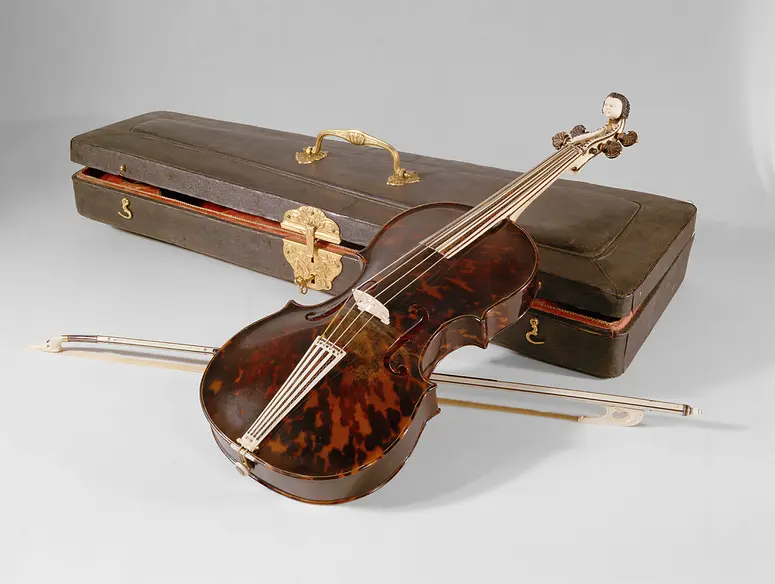
Manufacturer: Wenzel Kowansky 1749
Manufacturer: Girolamo de Virchis 1574
Manufacturer: Johann Baptist Streicher 1840