Glass bell keyboard instrument (glass bell piano)
Before 1596 | anonym
The glass bell keyboard instrument is mentioned in the inventory of archduke's Ferdinand II estate in 1596 as "ain instrument von glaszwerch". At that time it was stored together with other keyboard, stringed and wind instruments in the 4th box of the art chamber. It consits of a crate-like case composed of different wood types, it is made with a protruding keyboard and a detachable lid. The emblem of archduke Ferdinand II, flanked by Minerva and Mars, embellishes the front; further ornaments are tendrils, grotesques, musical instruments, and humanoid fantasy figures. The ornaments show stylistic proximities to the frescos by Dionys Hallaert (ca. 1570) in the "Spanish Hall" of castle Ambras. In the inner of the instrument glass bells serve as resonanting bodies. A keyboard action activates felt covered mallets that hit the glass bells. Today, all glass bells are missing; according to a notice in the inventory the instrument was still sounding in 1821. This particular instrument is the only of its type that survived and it demonstrates the intensive search for new tonal and acoustic approaches. A comparable instrument was located in the art chamber of emperor Rudolf II in Praque. (bd)
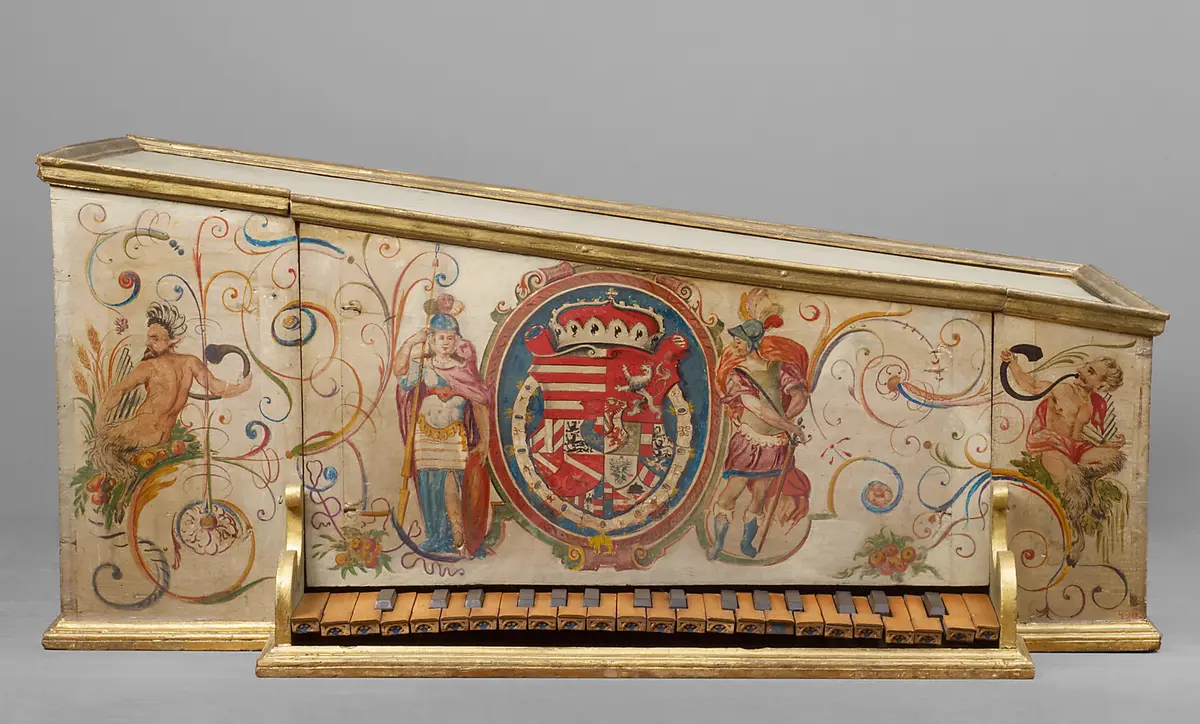
The glass bell keyboard instrument is mentioned in the inventory of archduke's Ferdinand II estate in 1596 as "ain instrument von glaszwerch". At that time it was stored together with other keyboard, stringed and wind instruments in the 4th box of the art chamber. It consits of a crate-like case composed of different wood types, it is made with a protruding keyboard and a detachable lid. The emblem of archduke Ferdinand II, flanked by Minerva and Mars, embellishes the front; further ornaments are tendrils, grotesques, musical instruments, and humanoid fantasy figures. The ornaments show stylistic proximities to the frescos by Dionys Hallaert (ca. 1570) in the "Spanish Hall" of castle Ambras. In the inner of the instrument glass bells serve as resonanting bodies. A keyboard action activates felt covered mallets that hit the glass bells. Today, all glass bells are missing; according to a notice in the inventory the instrument was still sounding in 1821. This particular instrument is the only of its type that survived and it demonstrates the intensive search for new tonal and acoustic approaches. A comparable instrument was located in the art chamber of emperor Rudolf II in Praque. (bd)
Manufacturer:
anonym
Time:
Before 1596
Object Name
Glass bell keyboard instrument (glass bell piano)
Culture
Austria, Tyrol (?)
Material/technology:
Case coniferous wood; white keys boxwood, black keys hardwood dark stained; glass bells (now missing)
Dimensions:
960 mm x 570 mm x 420 mm
Copyright
Kunsthistorisches Museum, Sammlung alter Musikinstrumente
Invs.
Sammlung alter Musikinstrumente, 124
Alte Inv.Nr.:
KK_4963
Schlosser Nr.:
A 131
Browse more
Similar items you might be interested in
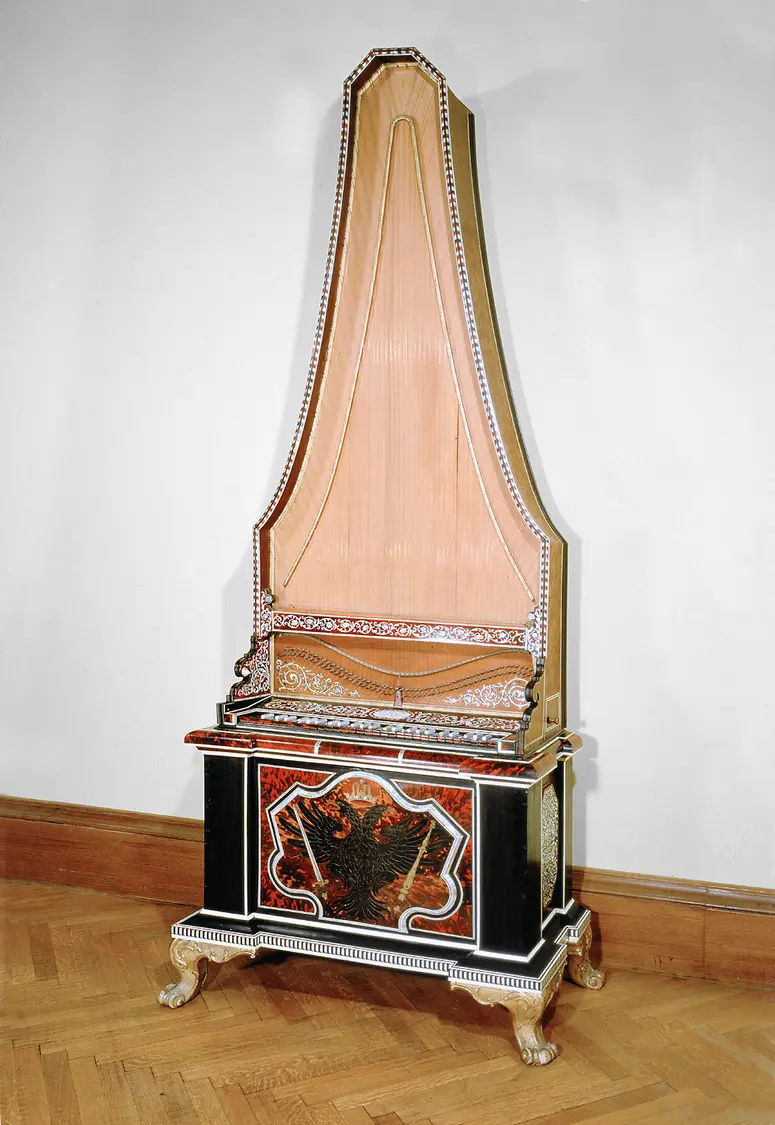
Manufacturer: Martin Kaiser 2nd half of the 17th century
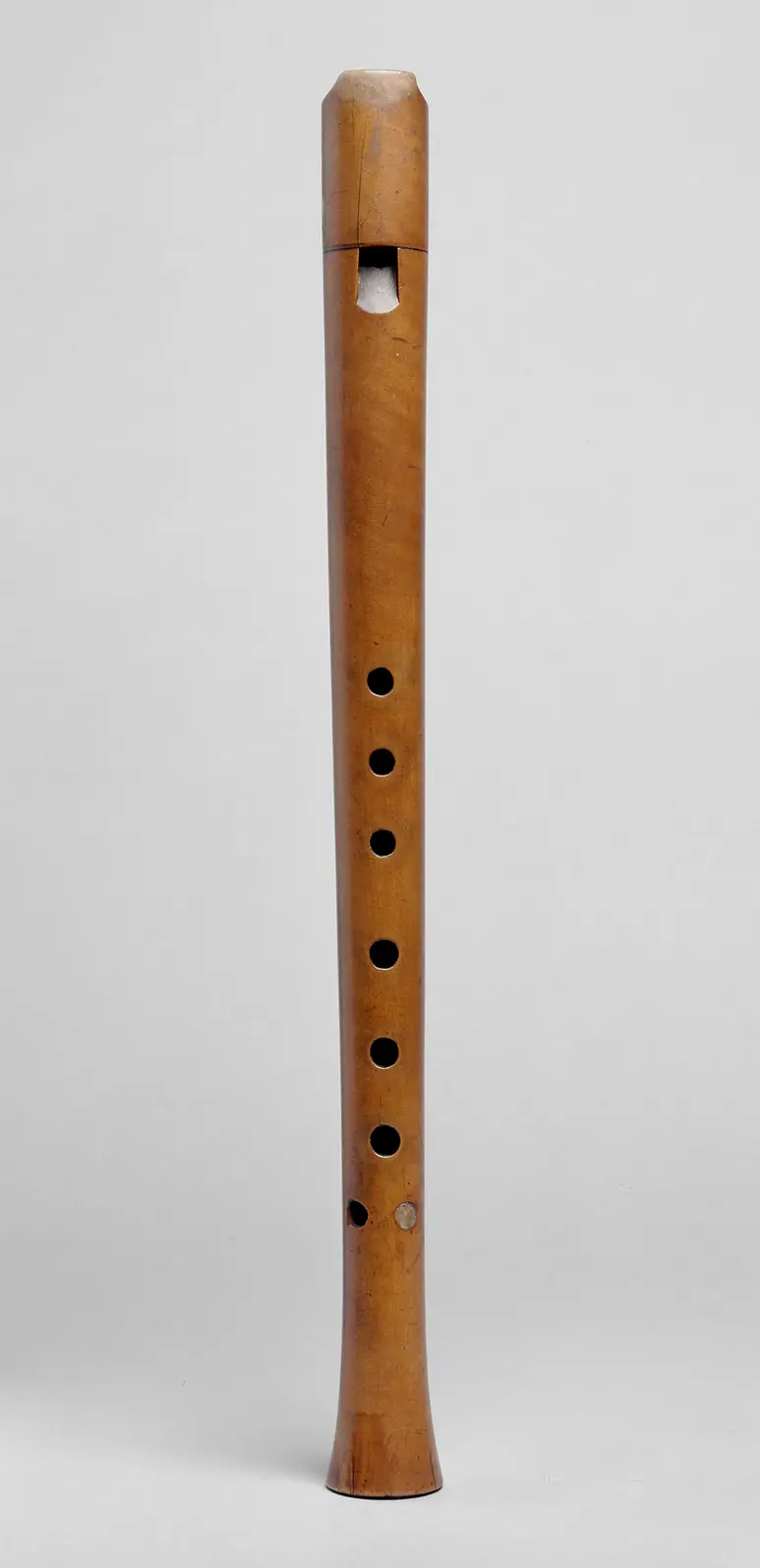
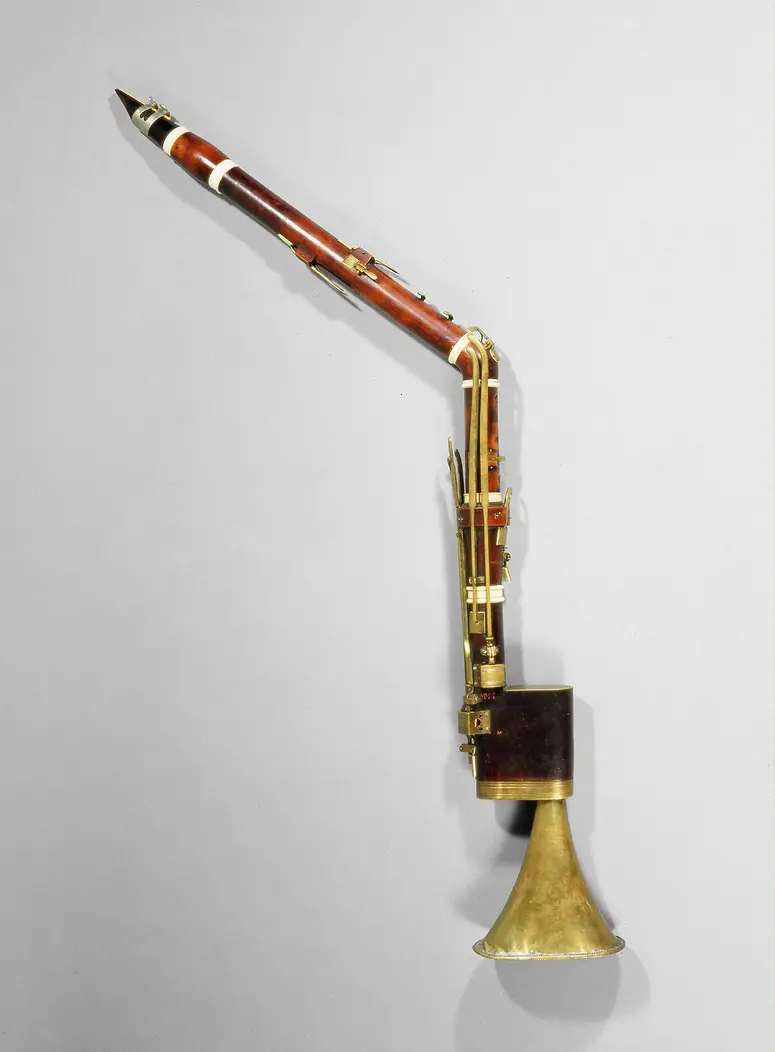
Manufacturer: Johann Baptist Merklein approx. 1800
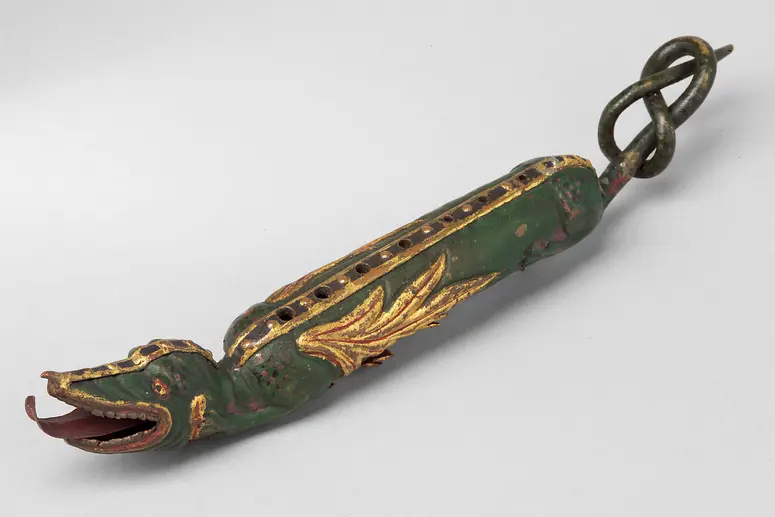
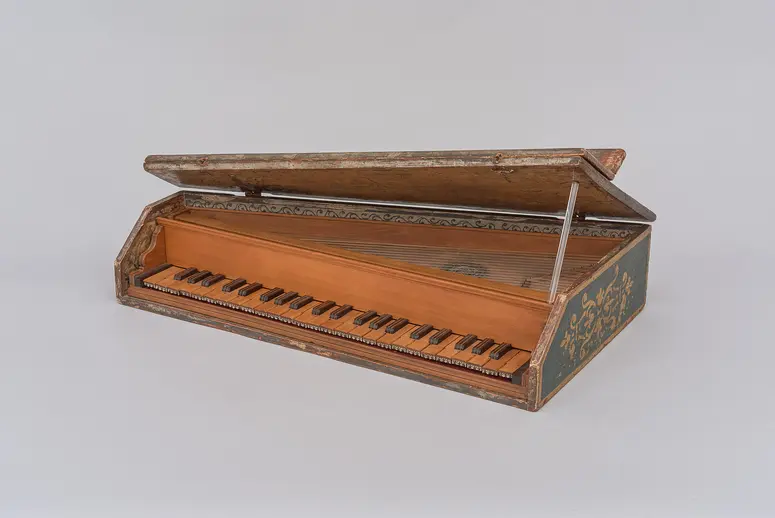
Manufacturer: anonym 2nd half of the 16th century (assigned)
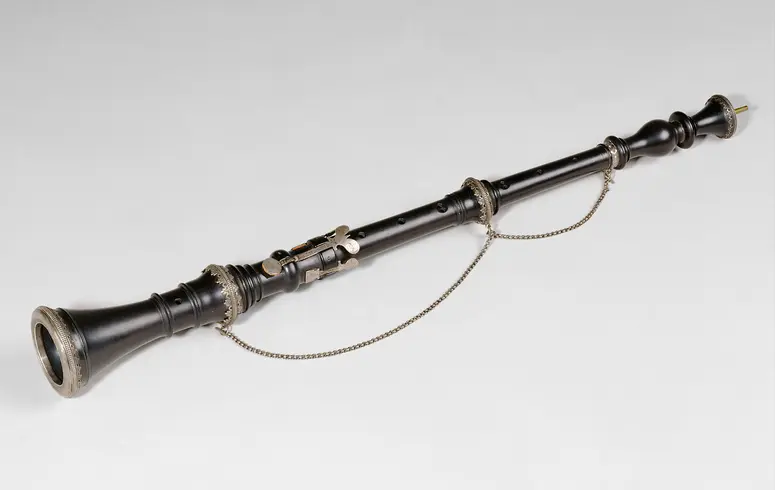
Manufacturer: Hendrik Richters beginning of the 18th century
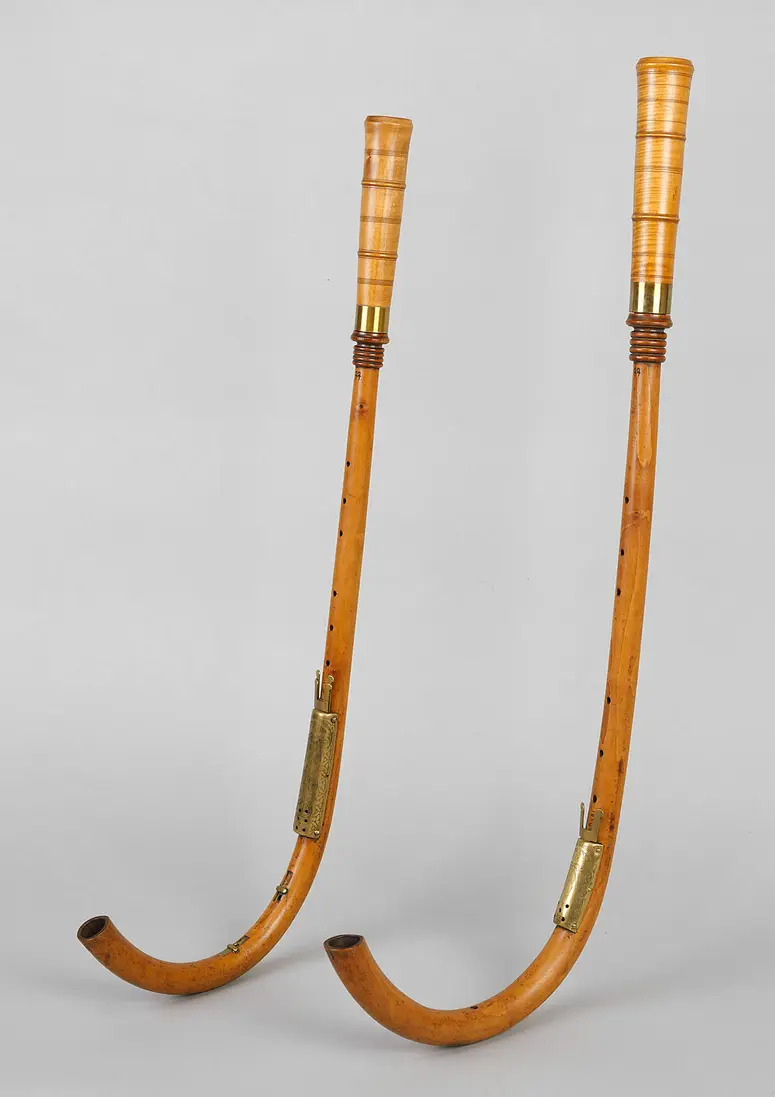
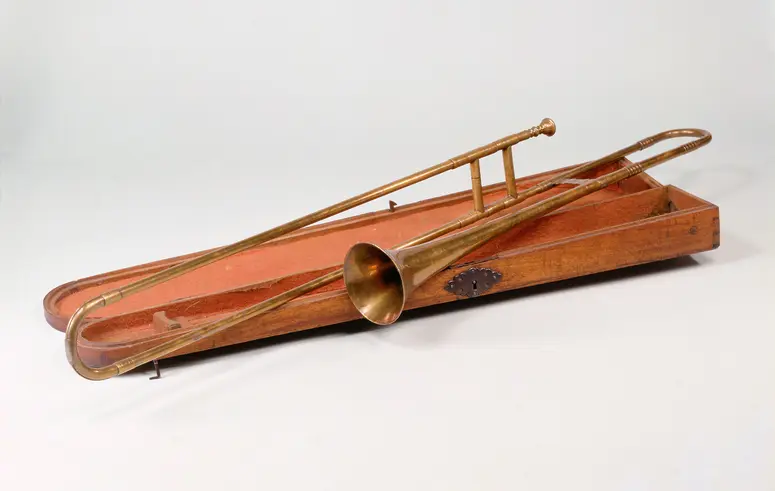
Manufacturer: Michael Leichamschneider 1732
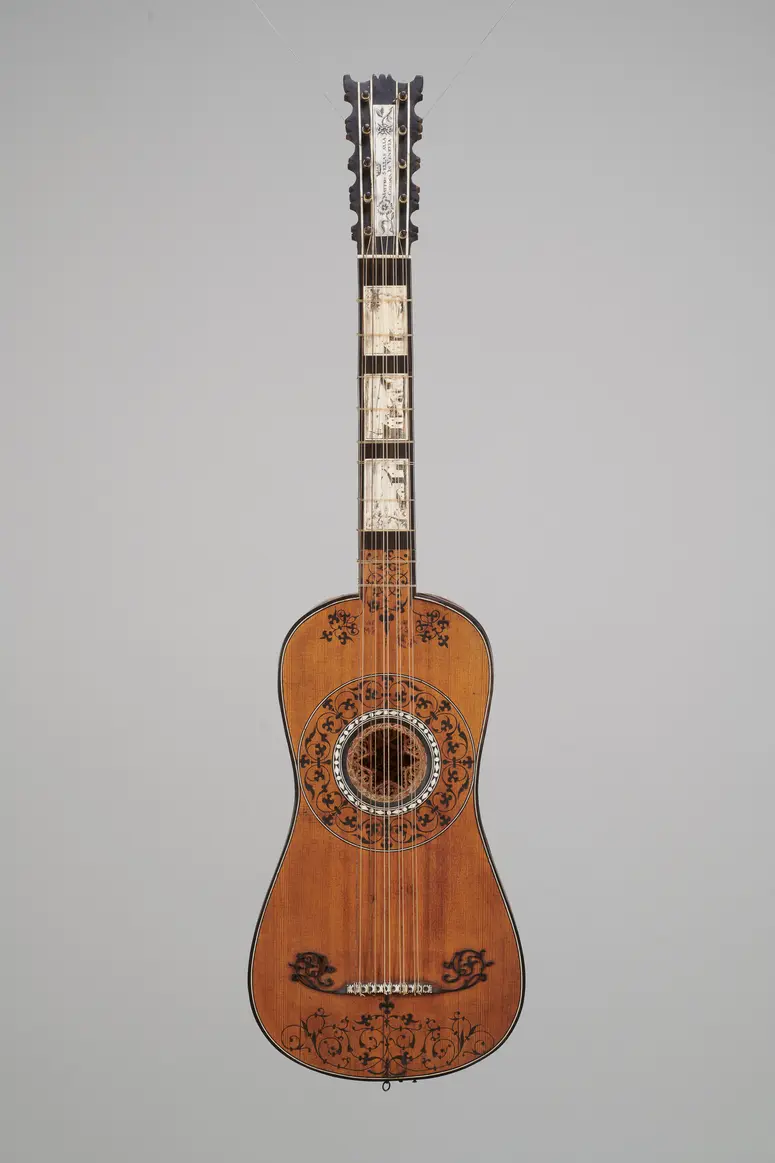
Manufacturer: Matthäus Seelos 1st half of the 17th century
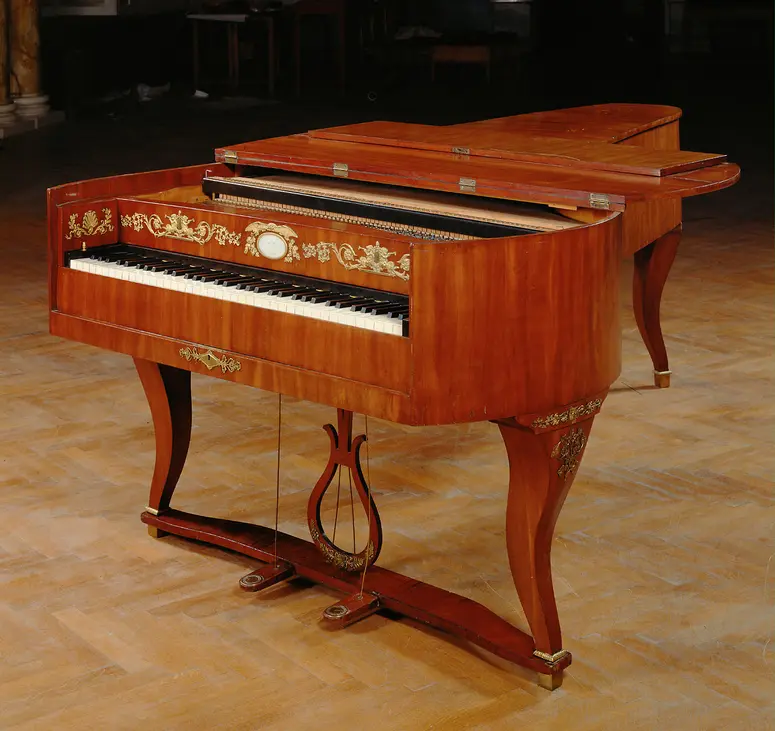
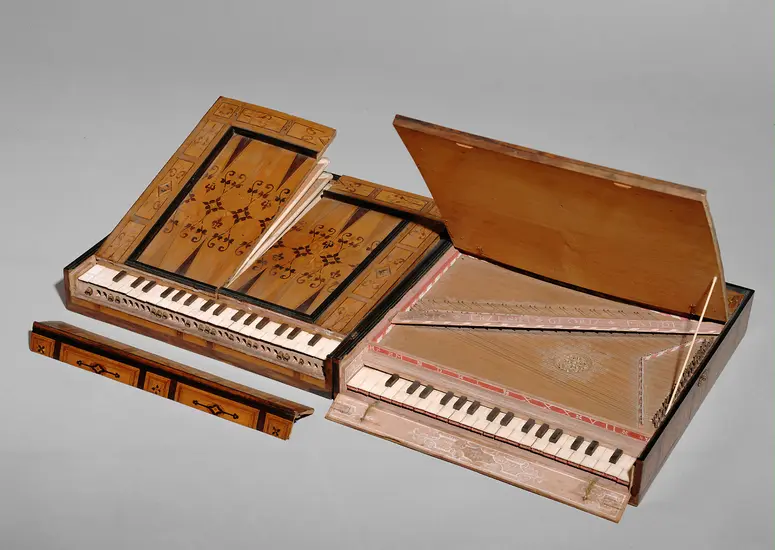
Manufacturer: Anton Meidting December 1587
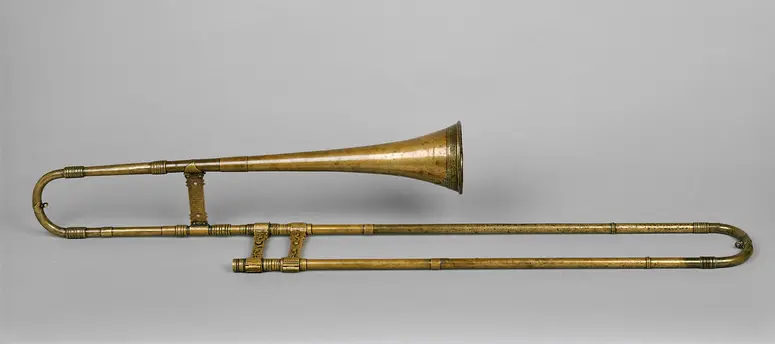
Manufacturer: Joerg Neuschel 1557
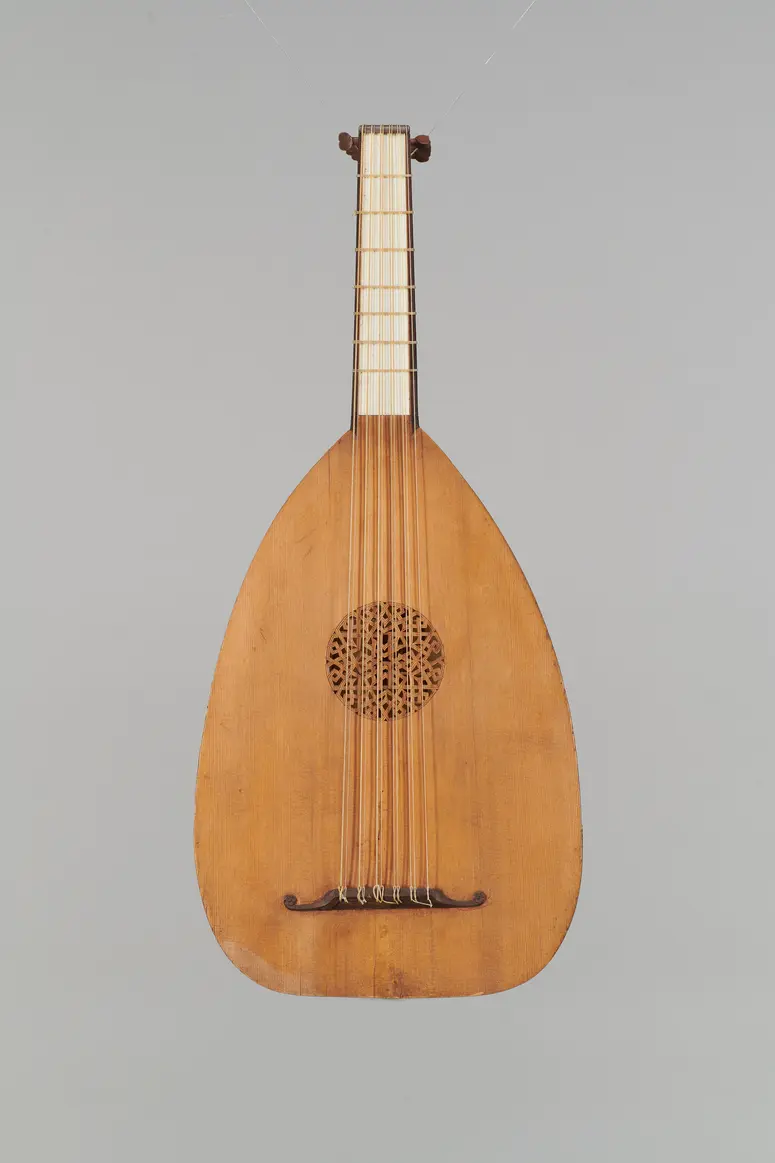
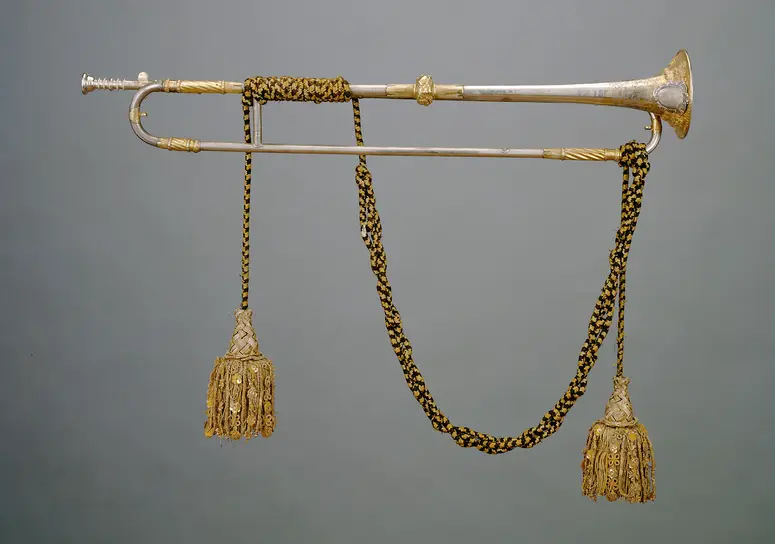
Manufacturer: Michael Leichamschneider 1741
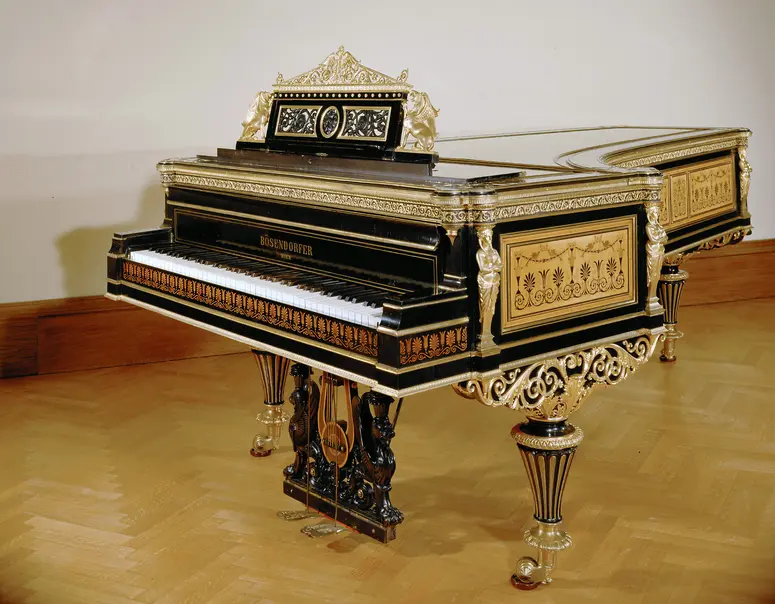
Manufacturer: Fa. Bösendorfer 1867
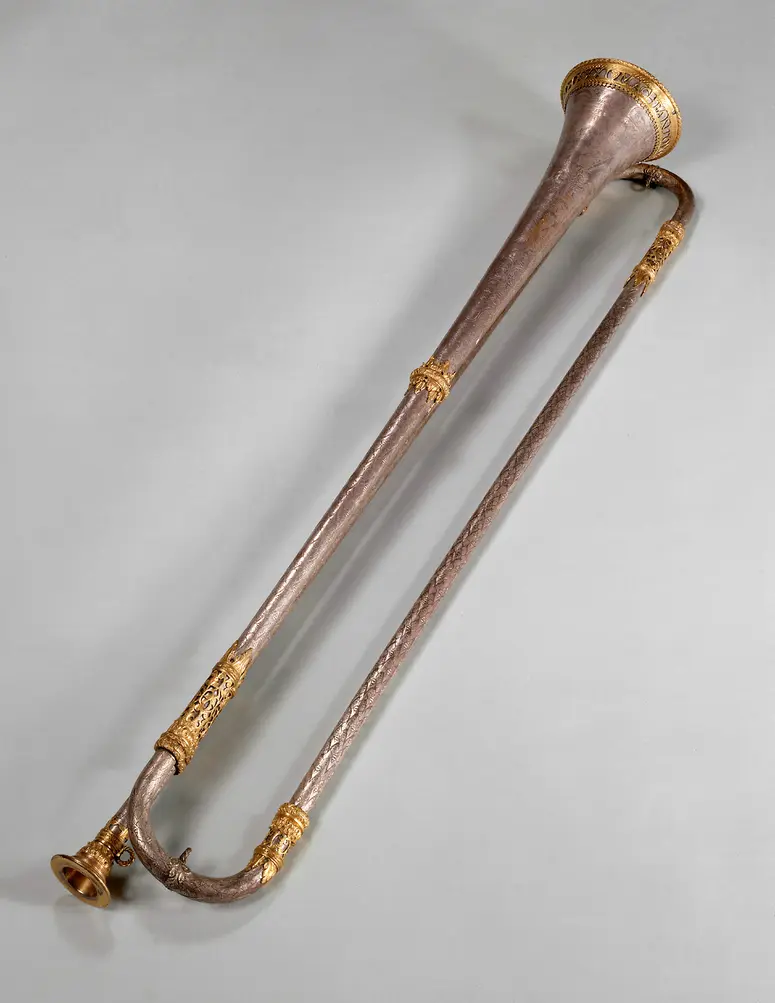
Manufacturer: Anton Schnitzer 1581
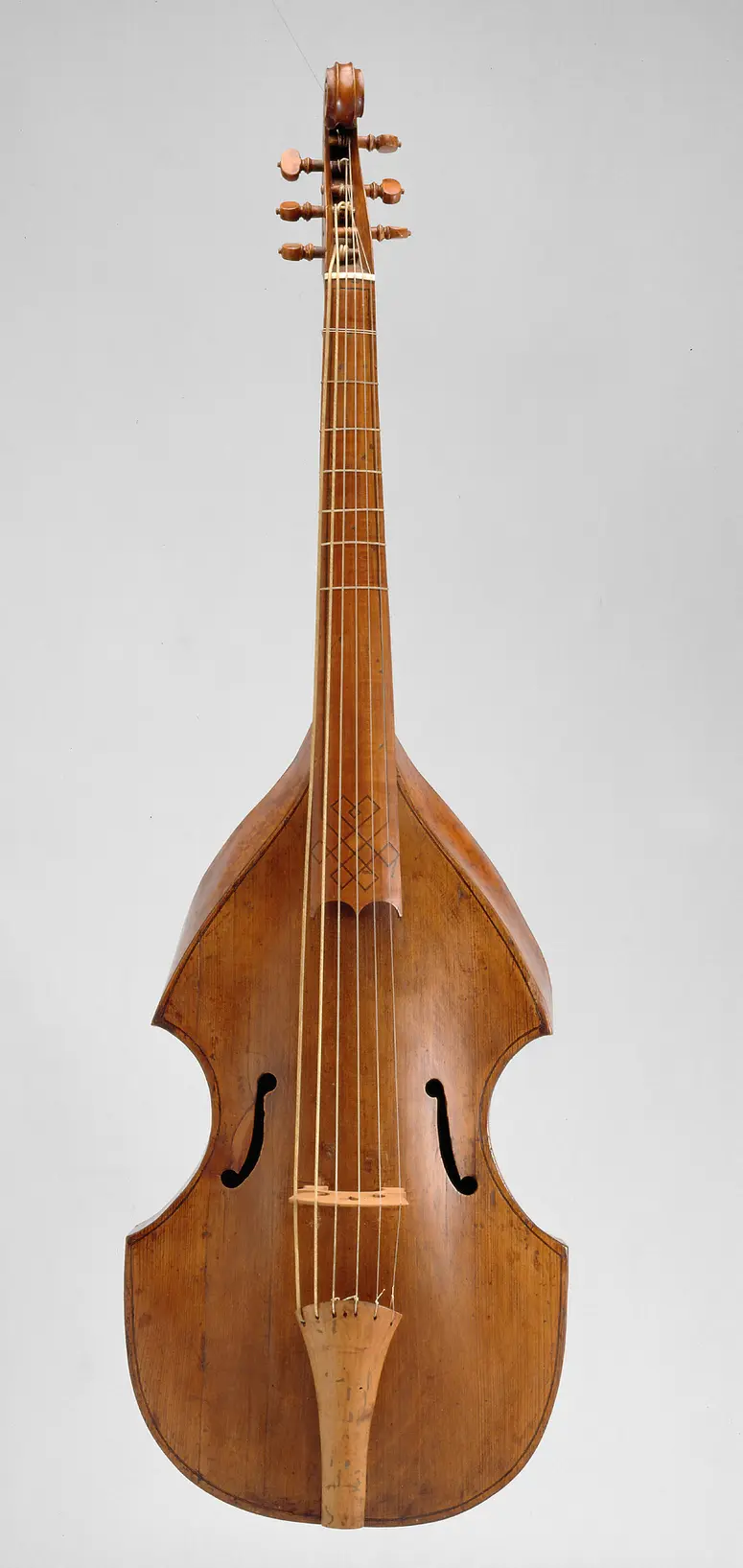
Manufacturer: Antonio Ciciliano presumably after 1602
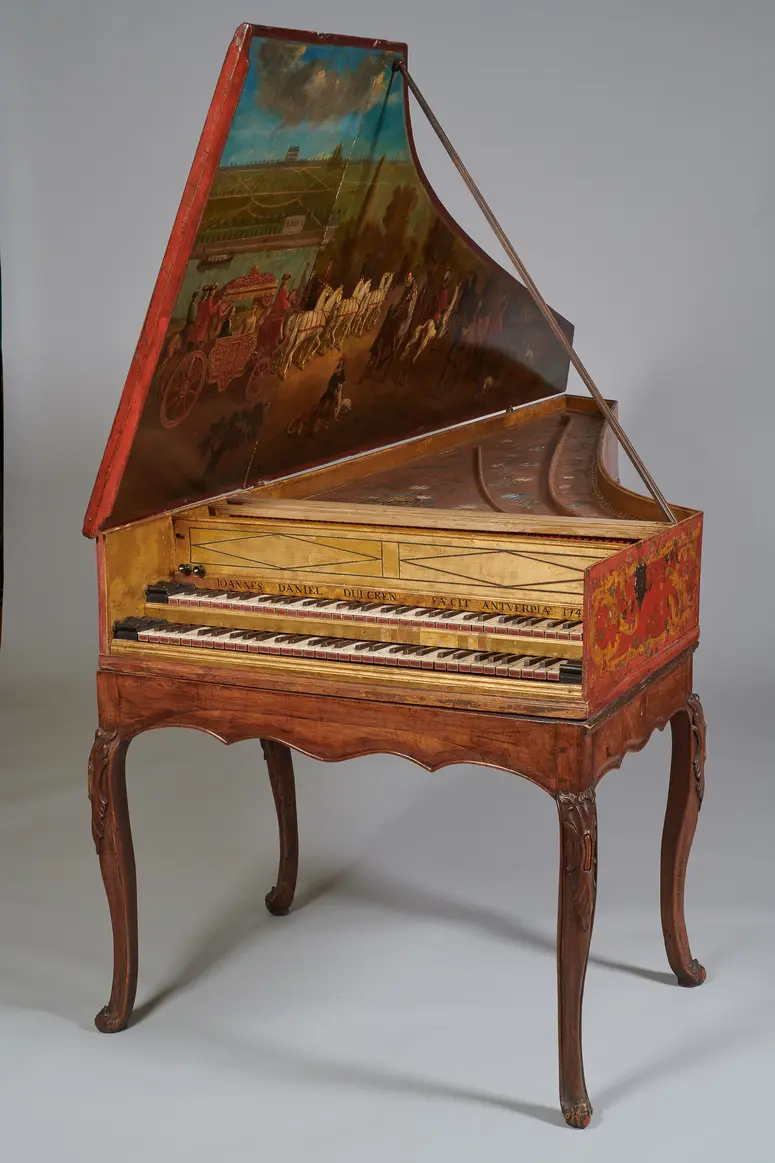
Manufacturer: Joann Daniel Dulcken 1745
Manufacturer: Wenzel Kowansky 1749