Fortepiano
ca. 1820 | Conrad Graf
Graf enjoyed good relations with leading musicians of his day. When Frédéric Chopin performed in Vienna in 1829, he decided to play on a grand piano made by Graf. Franz Liszt also used Graf’s pianos, not least due to their robustness. Graf enjoyed an association with Ludwig van Beethoven for many years. The piano now in the Beethoven House in Bonn, which belonged to the composer, displays similarities in its construction with the instrument shown here. In an endeavour to increase the volume of his grand pianos, Graf experimented with four-string courses. However, the dynamic effect was slight and the increase in string tension caused problems for the stability of the instrument. Only few of such pianos were produced. The instrument pictured here reputedly came to the Salesian monastery as a present from the Archduchess Sophie, the mother of Kaiser Franz Josef. It remained there until the end of the 19th century. (rh)
Lit.: Rudolf Hopfner: Masterpieces from the Collection of Historic Musical Instruments. A Short Guide through the Kunsthistorisches Museum Vienna, Vol. 1, Vienna 2019
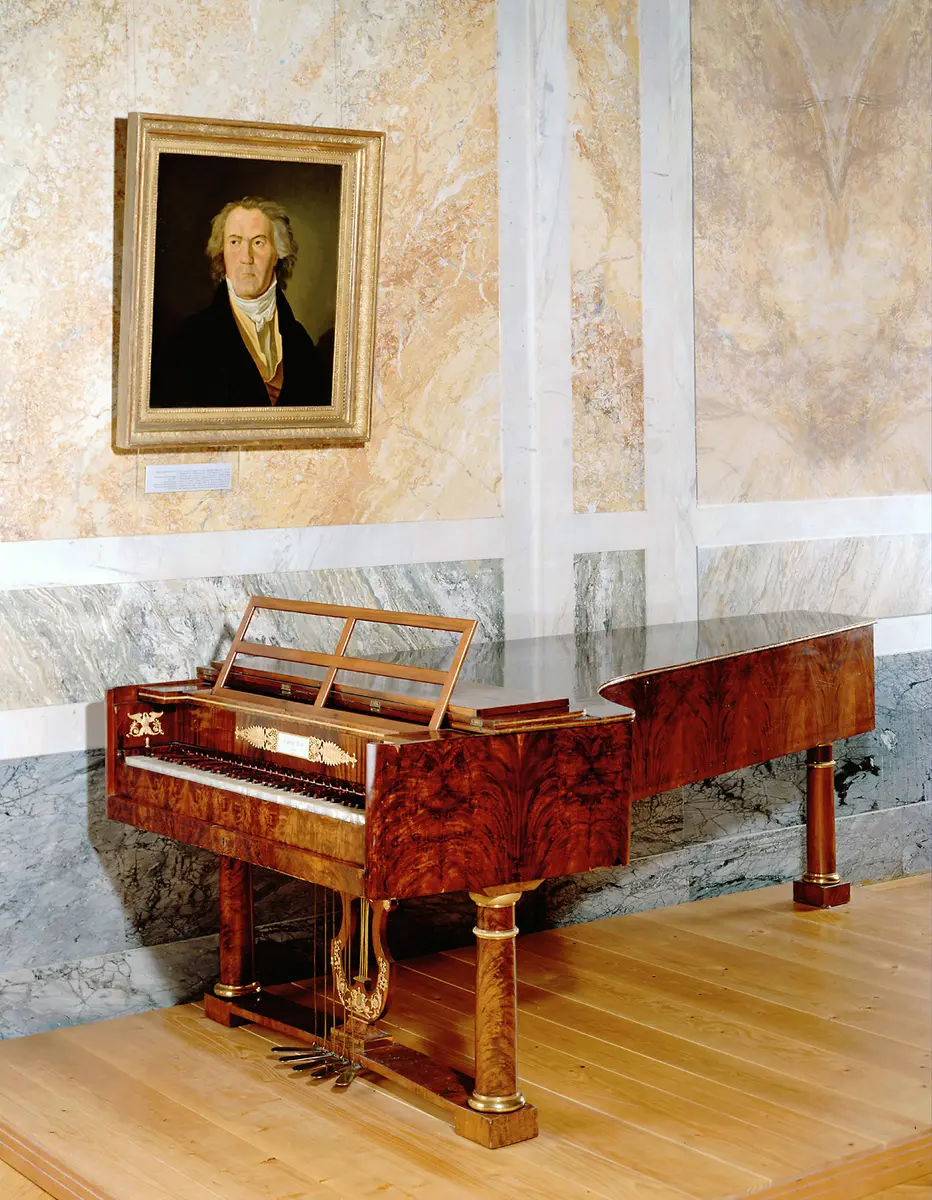
Graf enjoyed good relations with leading musicians of his day. When Frédéric Chopin performed in Vienna in 1829, he decided to play on a grand piano made by Graf. Franz Liszt also used Graf’s pianos, not least due to their robustness. Graf enjoyed an association with Ludwig van Beethoven for many years. The piano now in the Beethoven House in Bonn, which belonged to the composer, displays similarities in its construction with the instrument shown here. In an endeavour to increase the volume of his grand pianos, Graf experimented with four-string courses. However, the dynamic effect was slight and the increase in string tension caused problems for the stability of the instrument. Only few of such pianos were produced. The instrument pictured here reputedly came to the Salesian monastery as a present from the Archduchess Sophie, the mother of Kaiser Franz Josef. It remained there until the end of the 19th century. (rh)
Lit.: Rudolf Hopfner: Masterpieces from the Collection of Historic Musical Instruments. A Short Guide through the Kunsthistorisches Museum Vienna, Vol. 1, Vienna 2019
Manufacturer:
Conrad Graf
Time:
ca. 1820
Object Name
Fortepiano
Culture
Austria, Vienna
Dimensions:
2430 mm x 1250 mm x 860 mm
Copyright
Kunsthistorisches Museum, Sammlung alter Musikinstrumente
Invs.
Sammlung alter Musikinstrumente, 396
Alte Inv.Nr.:
KK_8972
Browse more
Similar items you might be interested in
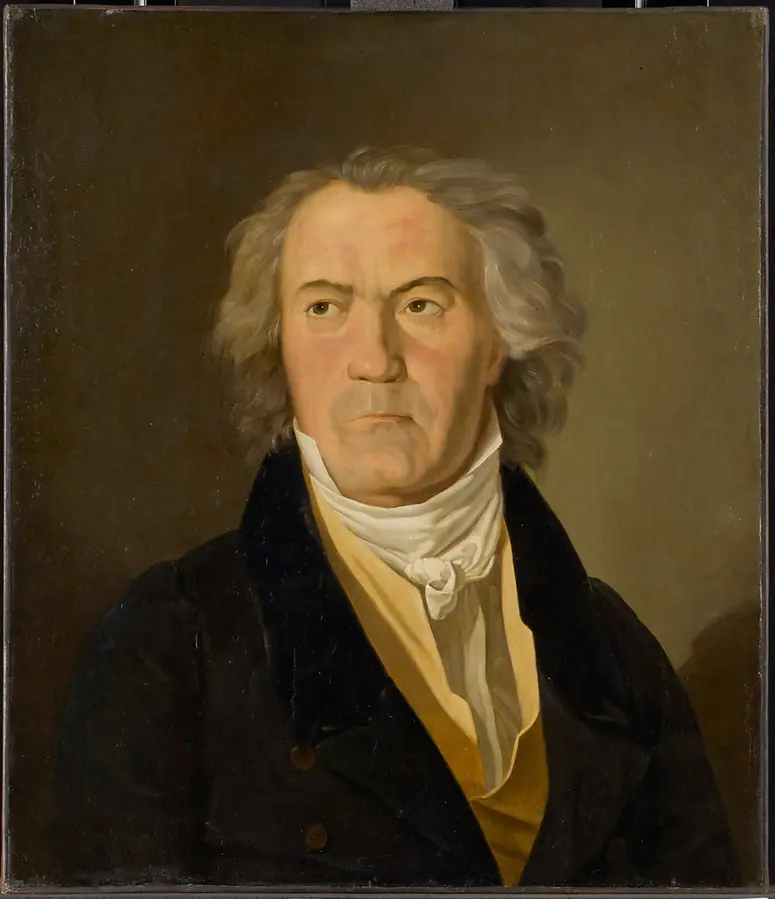
Painting: Portrait Ludwig van Beethoven Ferdinand Georg Waldmüller 1823

Schraubzwinge, zahnärztiches chirurgisches Instrument 2. Hälfte 16. Jahrhundert
Bohrer, chirurgisches Instrument 2. Hälfte 16. Jahrhundert
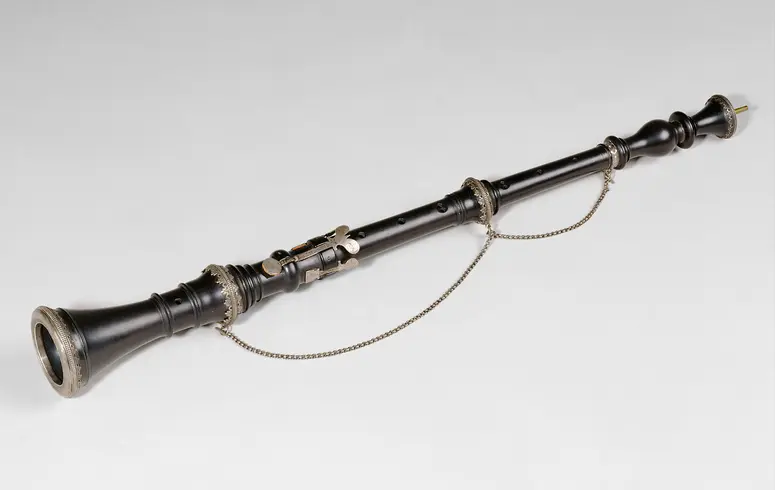
Manufacturer: Hendrik Richters beginning of the 18th century
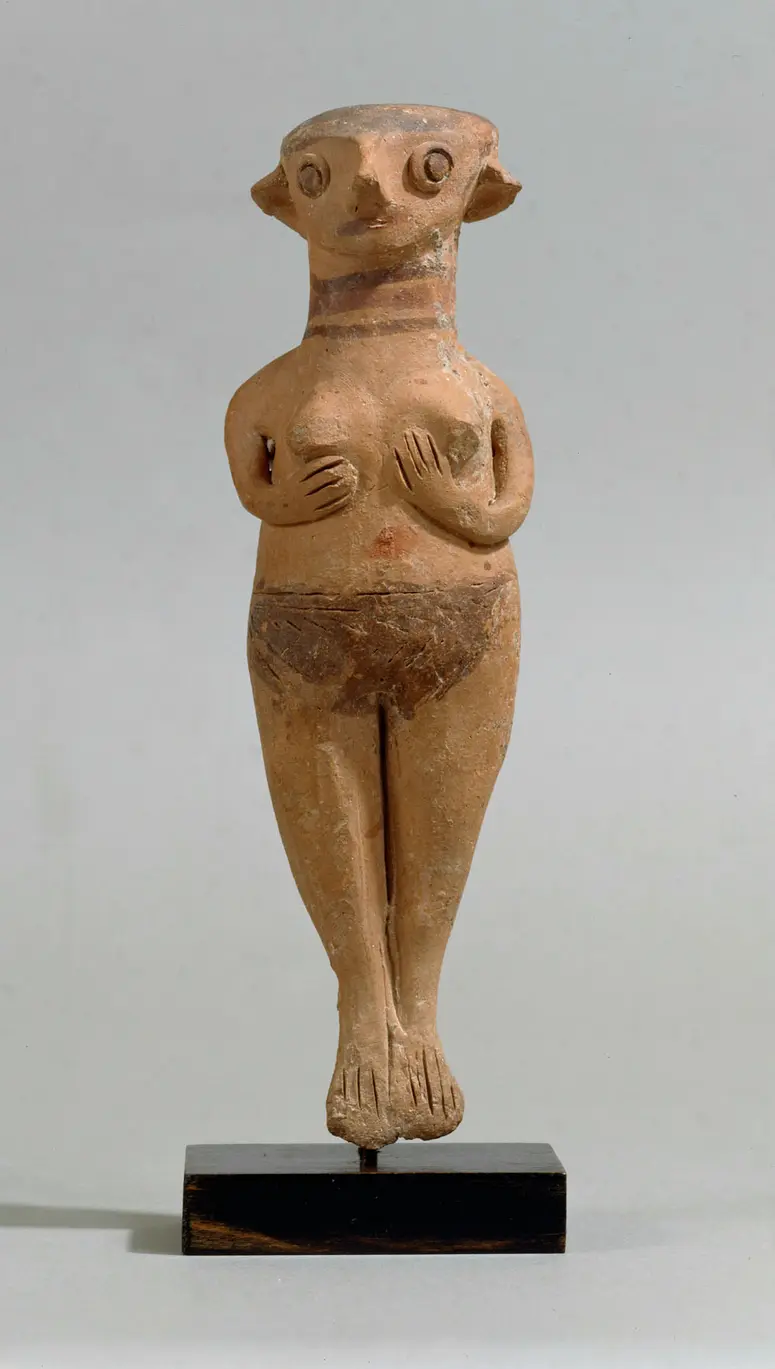
Statuette: Weibliches Idol der Base-Ring Ware Zyprisch, Bronzezeit, Spätzyprisch 1450 - 1200 v. Chr.
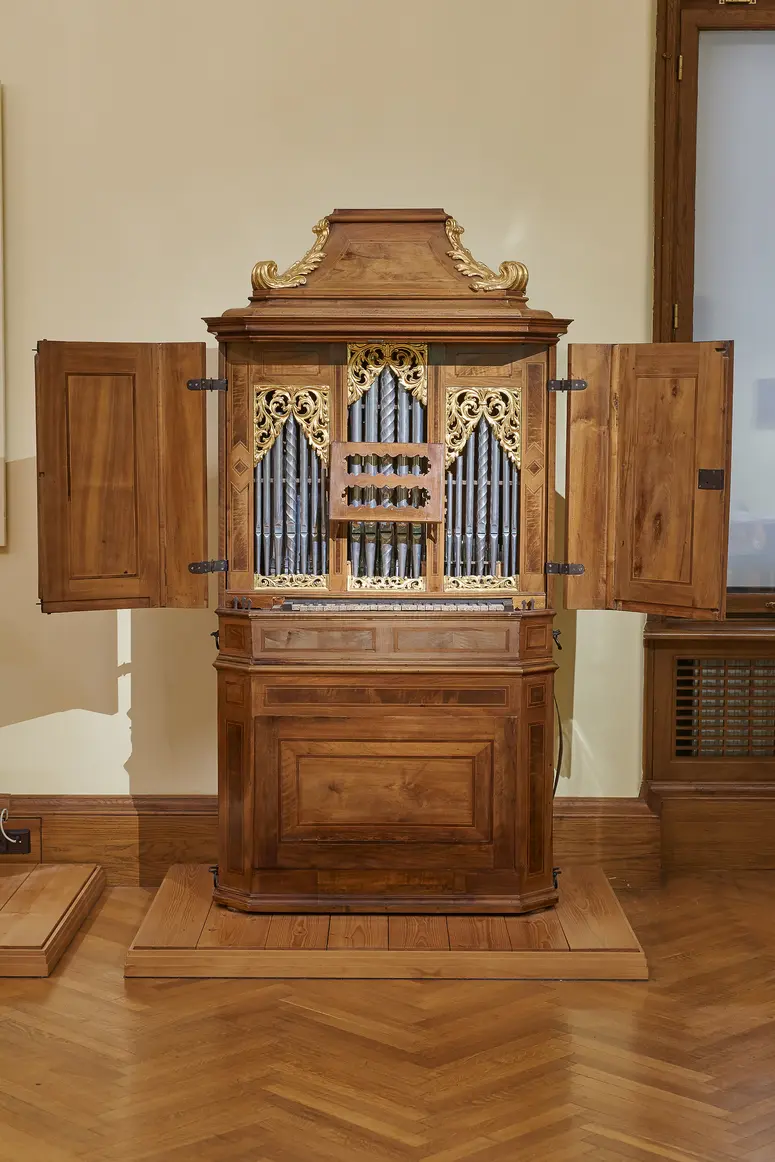
Franz Walter beginning of the 18th century
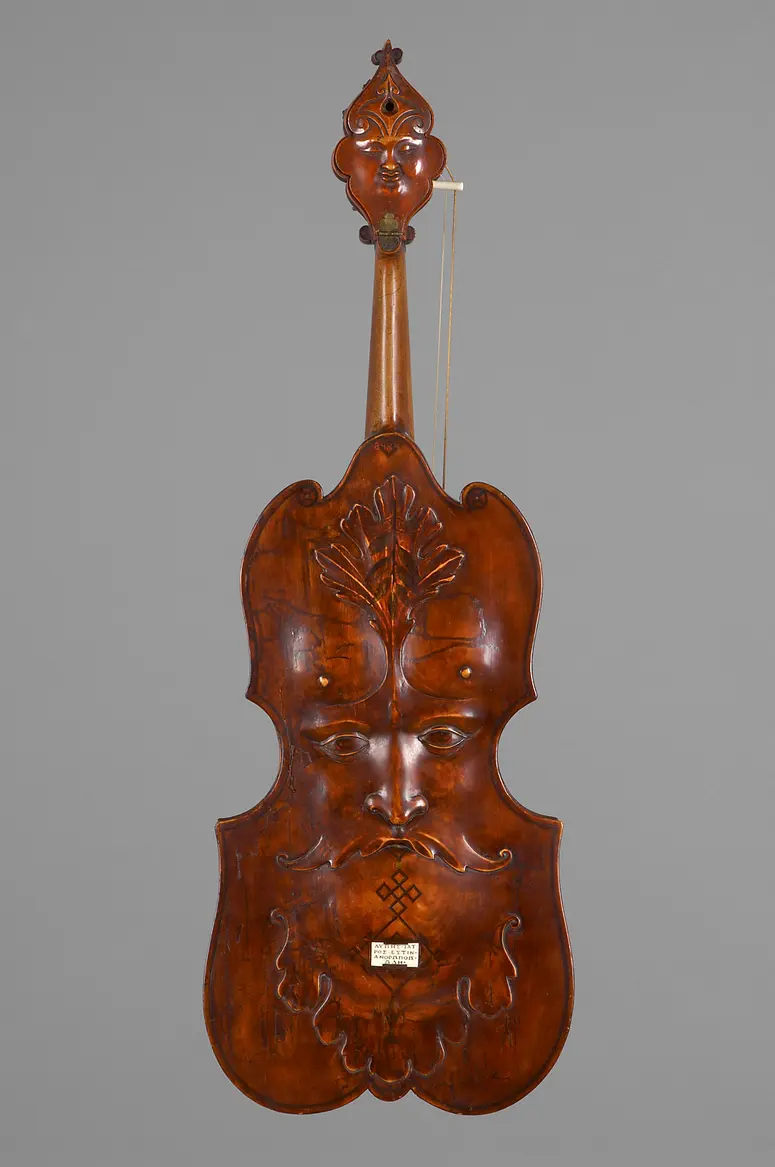
Manufacturer: Giovanni d'Andrea 1511
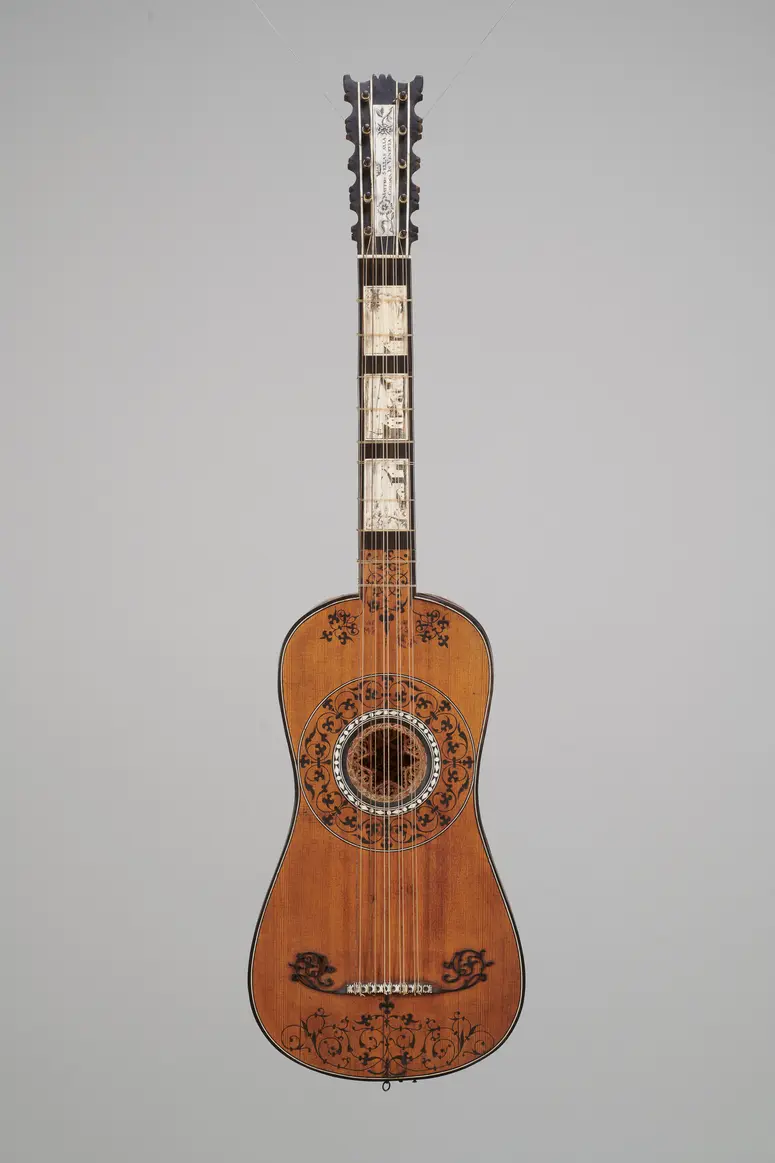
Manufacturer: Matthäus Seelos 1st half of the 17th century
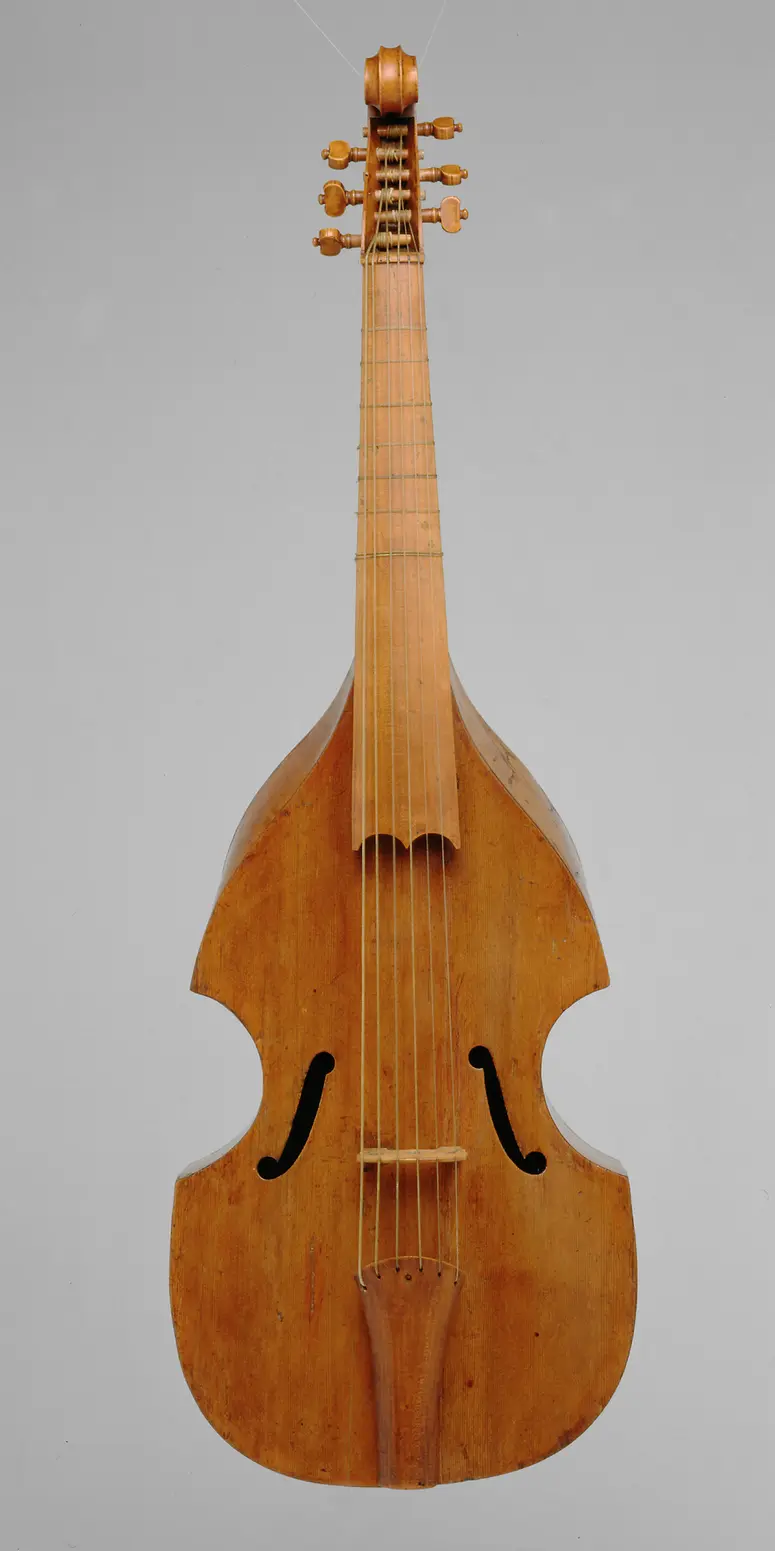
Manufacturer: Francesco Linarol 16th century
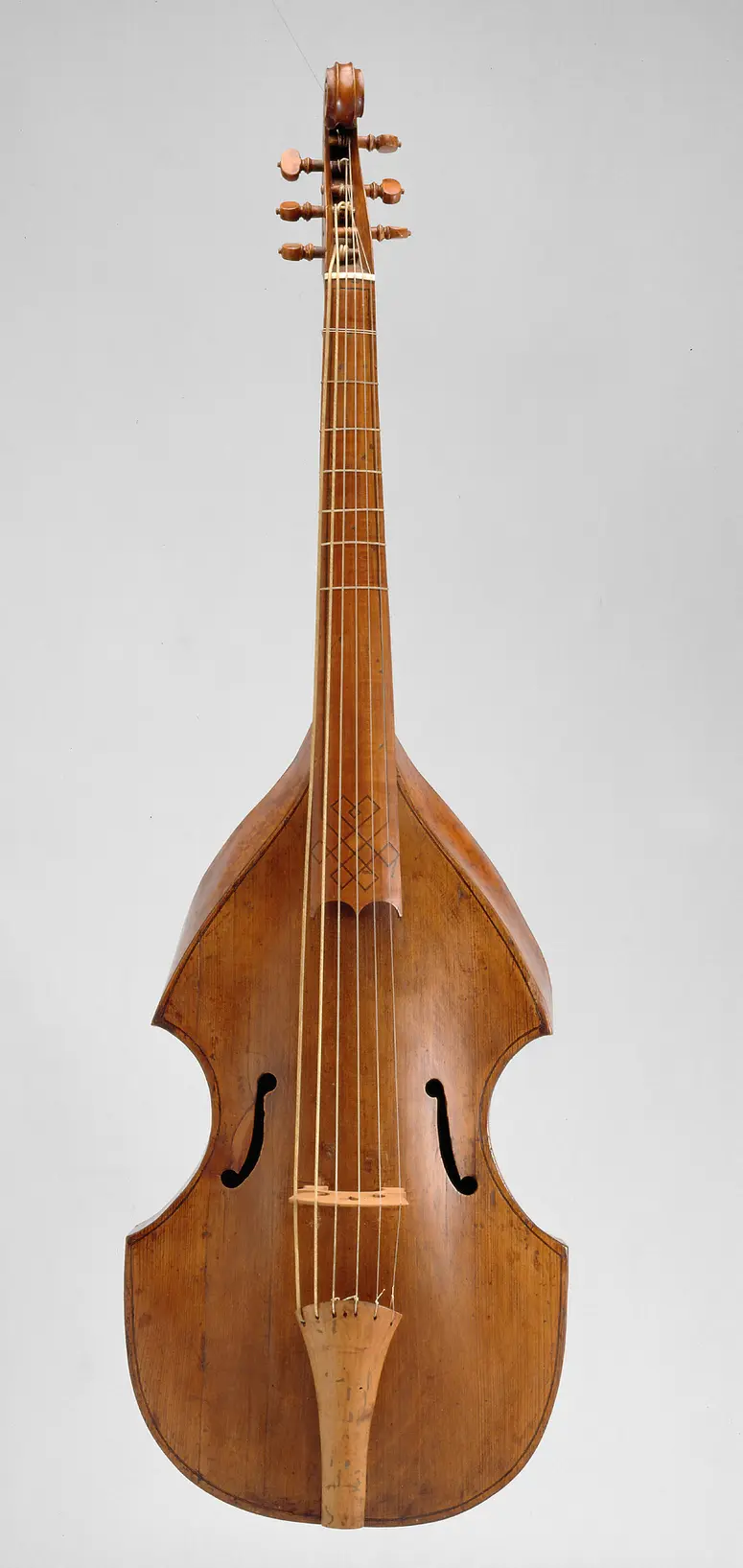
Manufacturer: Antonio Ciciliano presumably after 1602
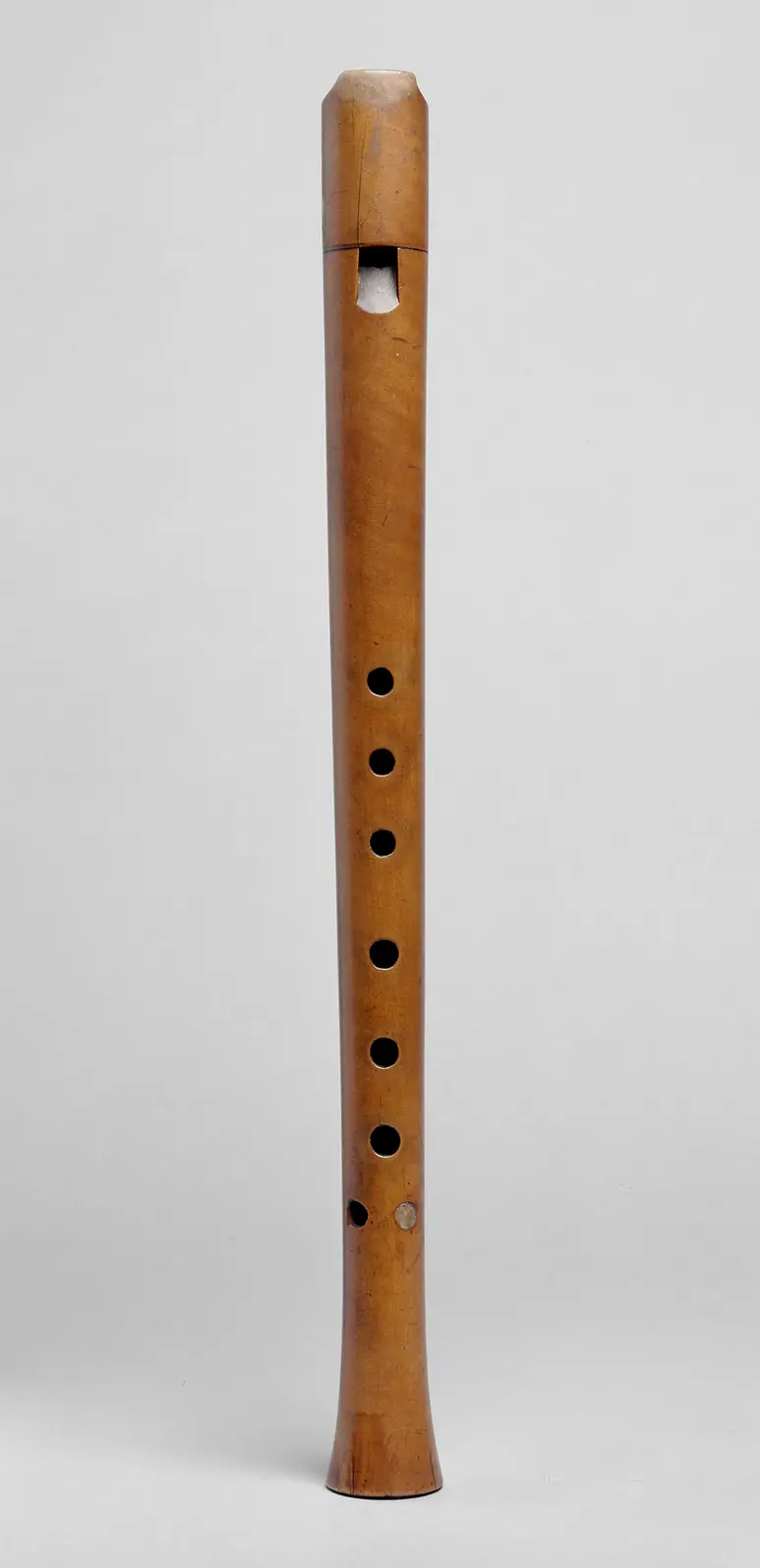
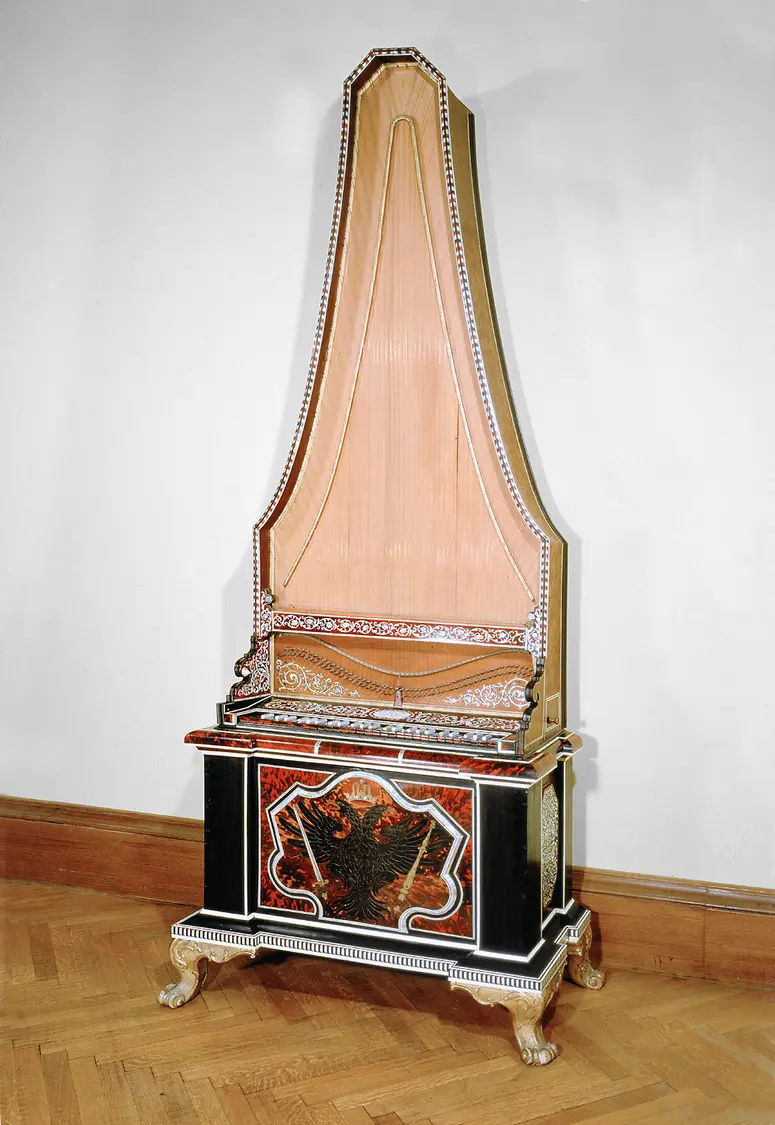
Manufacturer: Martin Kaiser 2nd half of the 17th century
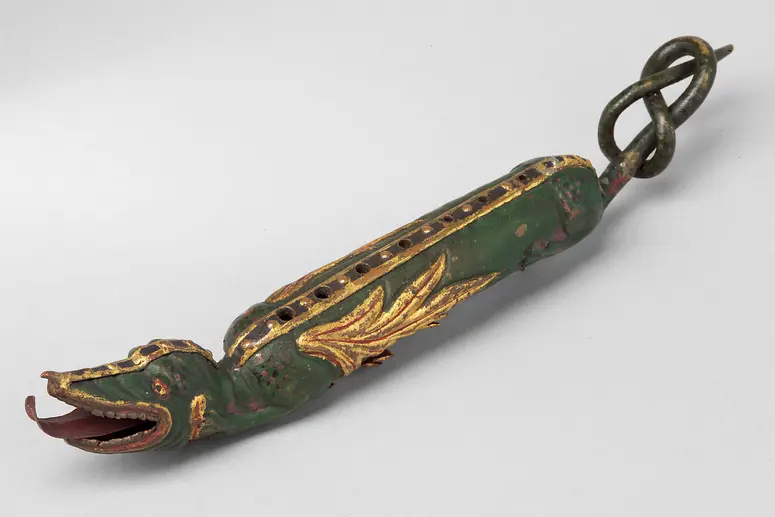
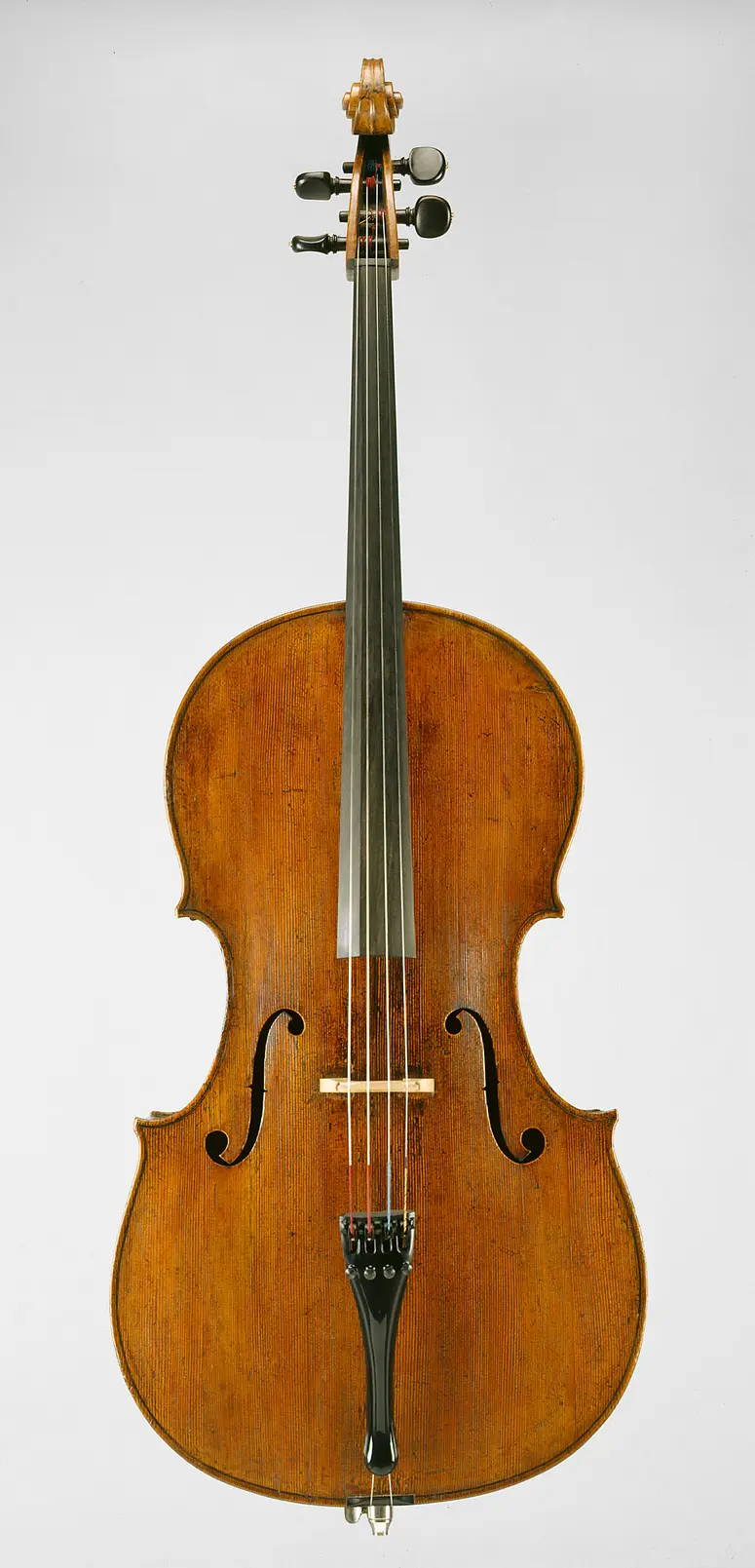
Manufacturer: Giovanni Battista Grancino 1699
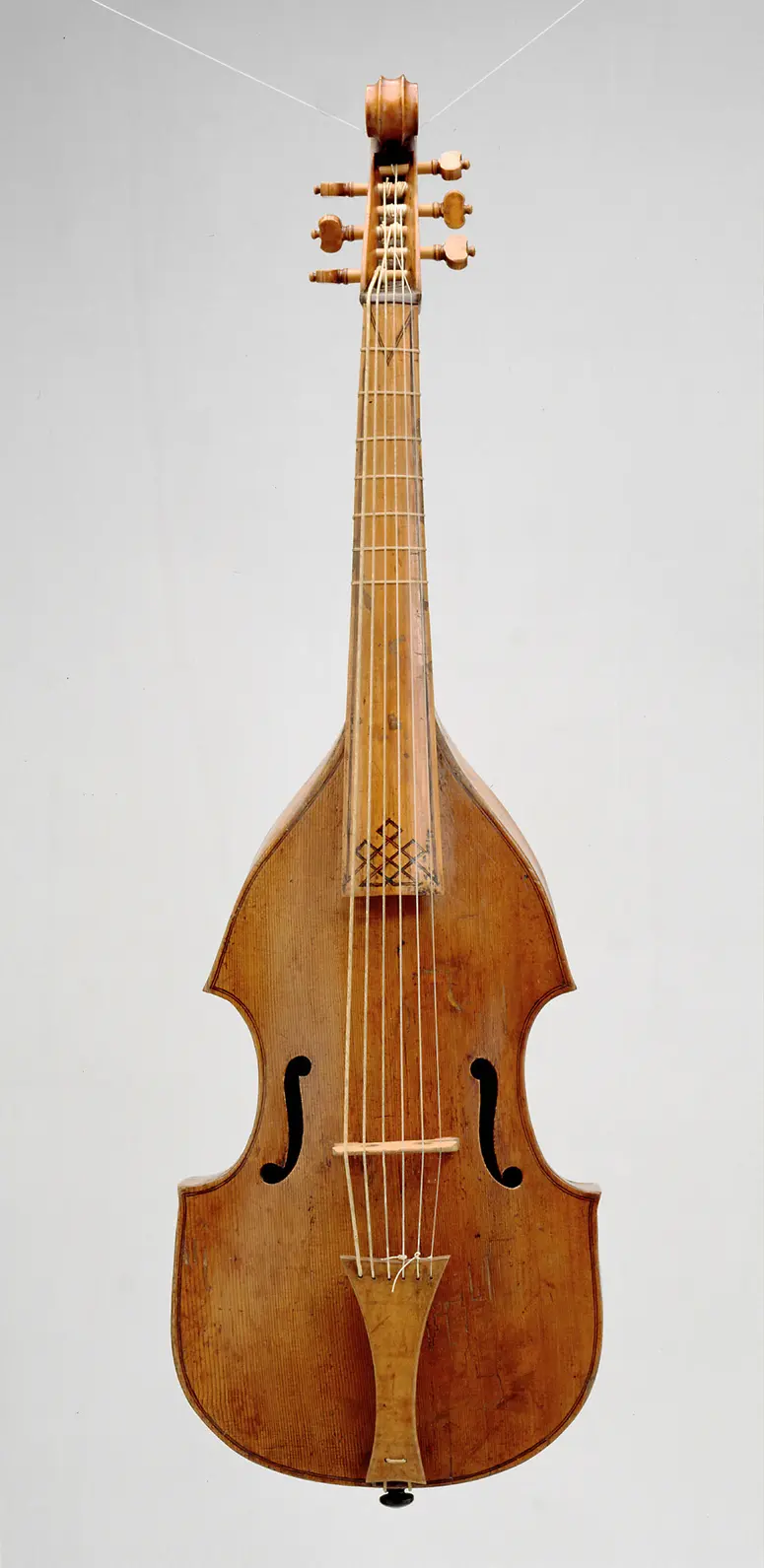
Manufacturer: Antonio Ciciliano 2nd half of the 16th century
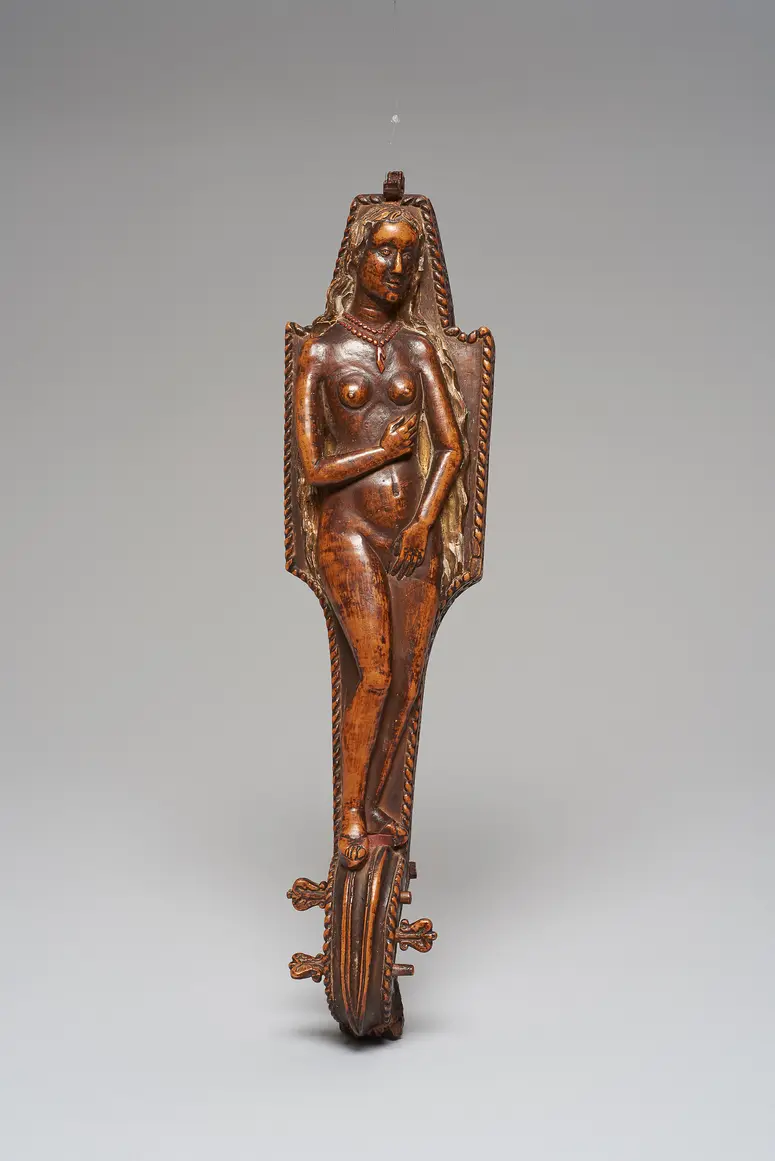
Manufacturer: anonym 15th century
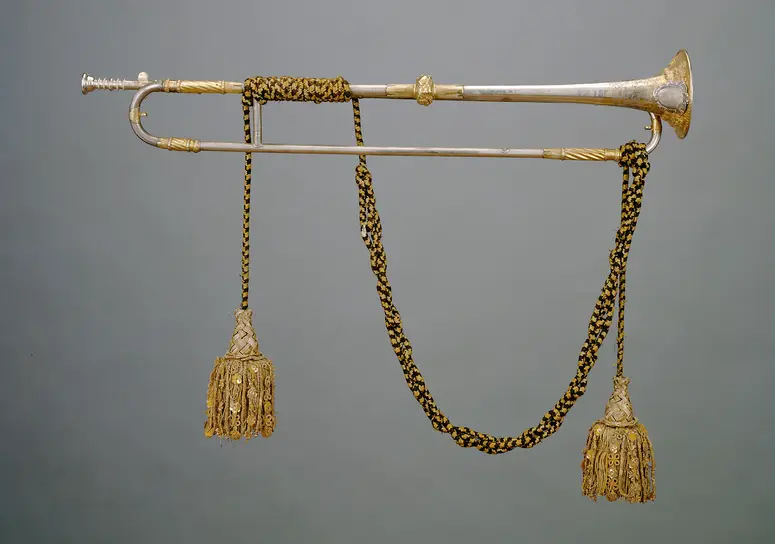
Manufacturer: Michael Leichamschneider 1741
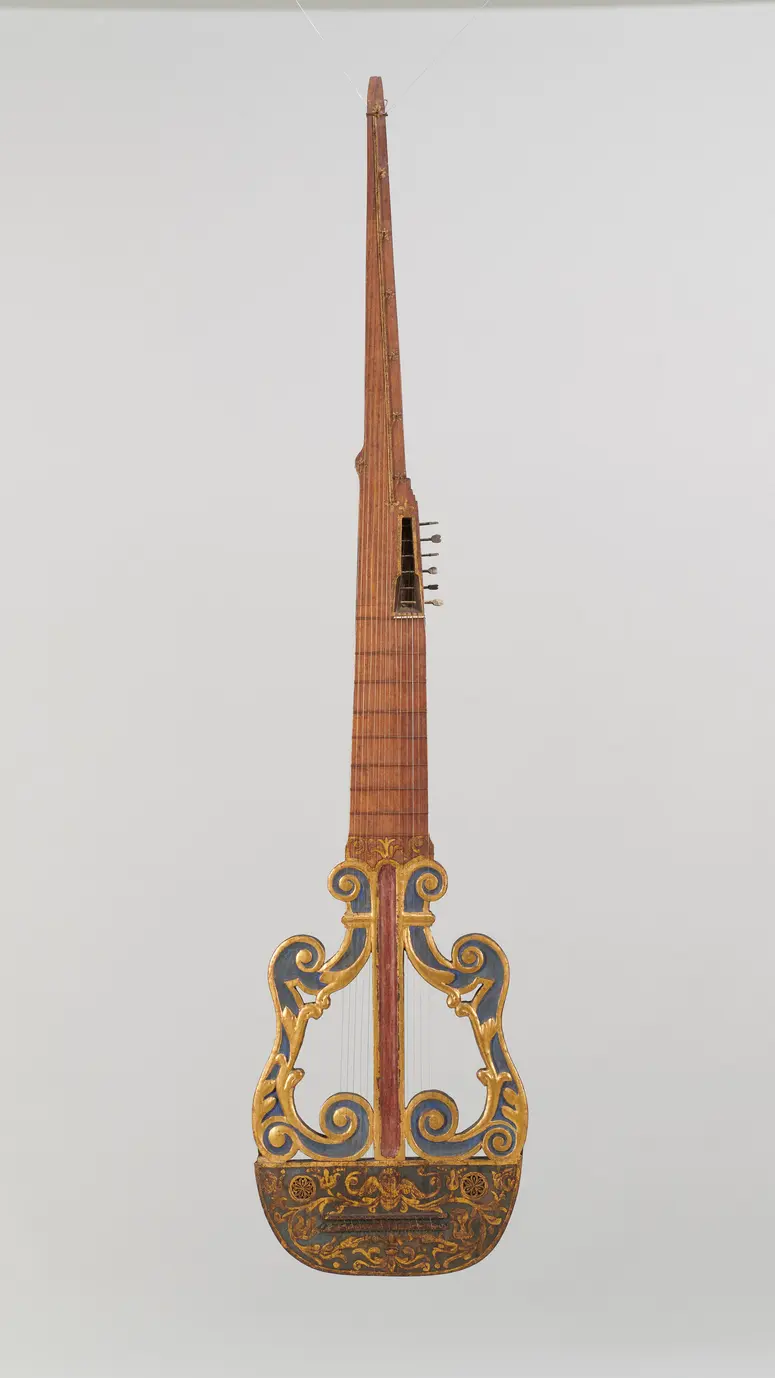
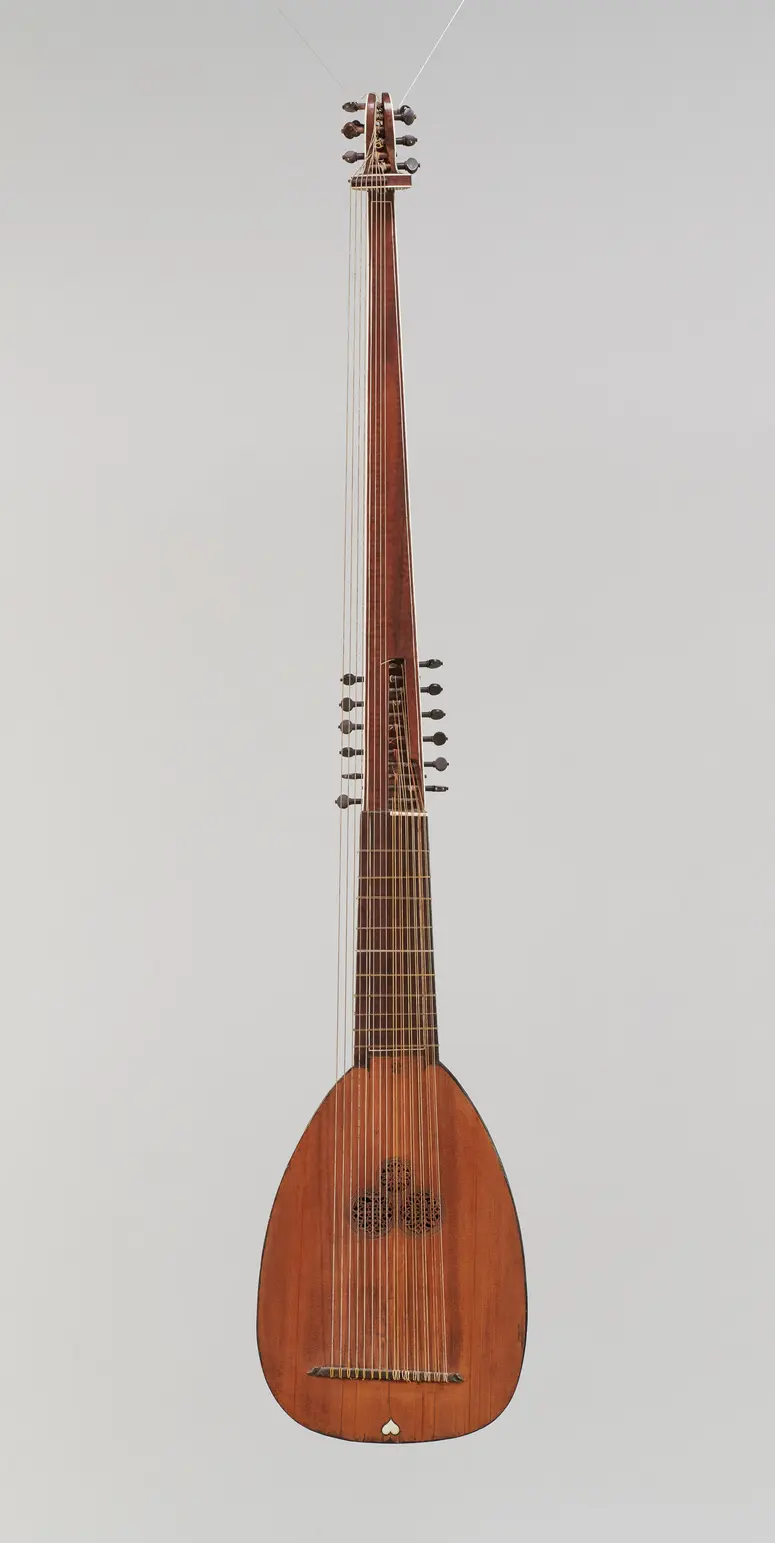
Manufacturer: Magno Tiefenbrucker 2nd half of the 16th century