Rebecchino
15th century | anonym
The rebecchino was made using the ‘trough’ construction method, which entails hollowing out a solid piece of wood to form a soundbox. This method is technically simple, but it has some significant disadvantages. It requires a large amount of wood and the walls of the body, which are responsible for the effectiveness of the resonance chamber, must be kept relatively thick. Nonetheless, this method continued to be used for the construction of simple stringed instruments until modern times, particularly in rural areas. The transition to ribbed construction represents a significant step forward in improving the acoustic qualities of the instrument. This method entails building the body from thin pieces of wood which are glued together. This technology has in principal remained unchanged to the present day and instruments built in this way are lighter and possess a fuller tone. (rh)
Lit.: Rudolf Hopfner: Masterpieces from the Collection of Historic Musical Instruments. A Short Guide through the Kunsthistorisches Museum Vienna, Vol. 1, Vienna 2019
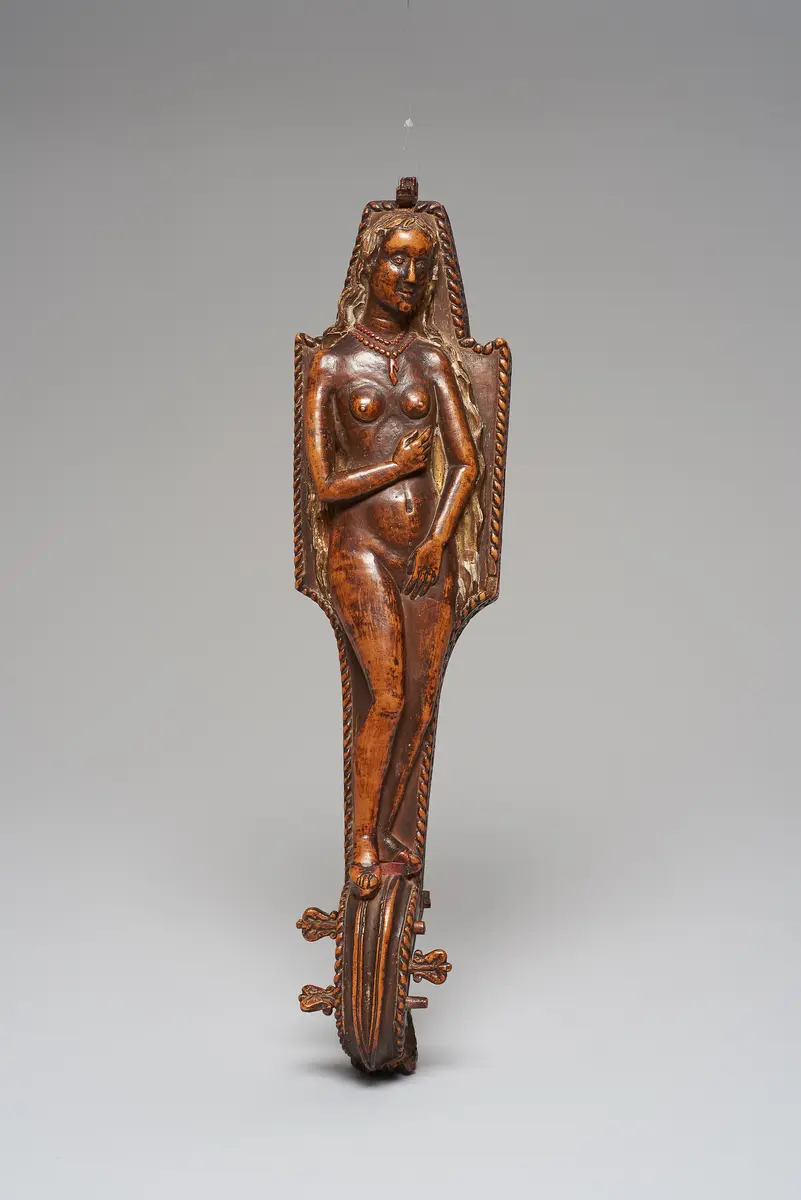
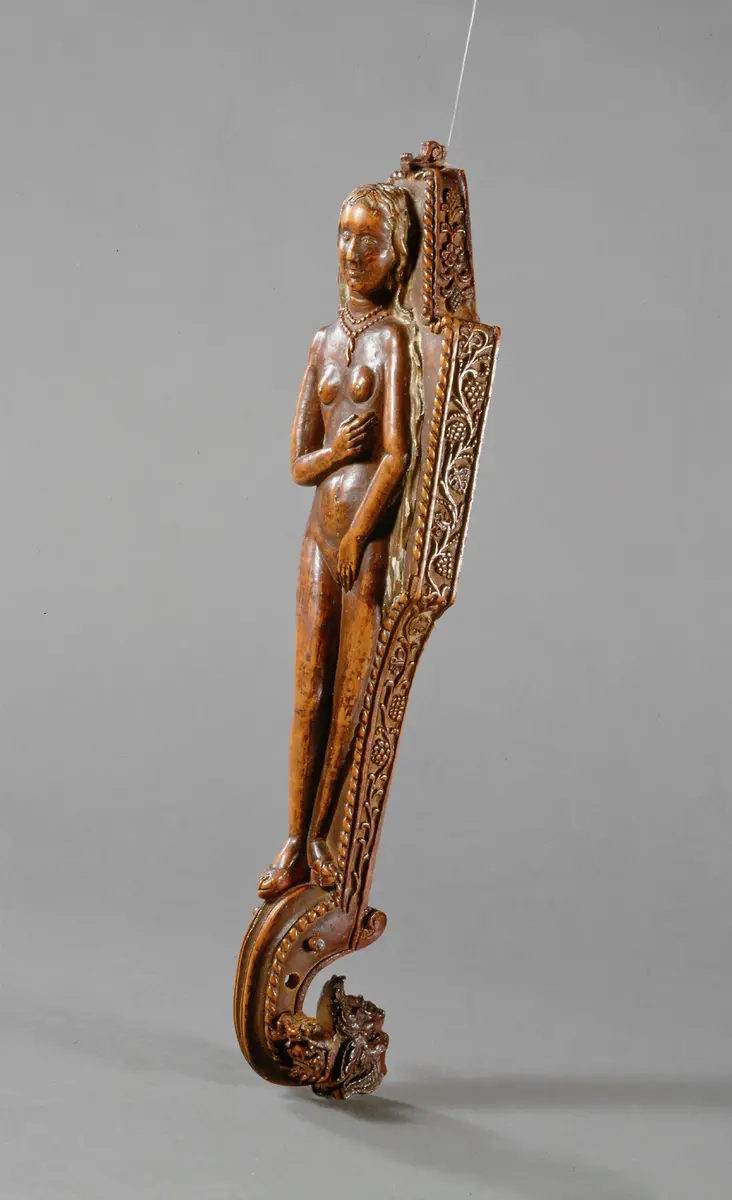
The rebecchino was made using the ‘trough’ construction method, which entails hollowing out a solid piece of wood to form a soundbox. This method is technically simple, but it has some significant disadvantages. It requires a large amount of wood and the walls of the body, which are responsible for the effectiveness of the resonance chamber, must be kept relatively thick. Nonetheless, this method continued to be used for the construction of simple stringed instruments until modern times, particularly in rural areas. The transition to ribbed construction represents a significant step forward in improving the acoustic qualities of the instrument. This method entails building the body from thin pieces of wood which are glued together. This technology has in principal remained unchanged to the present day and instruments built in this way are lighter and possess a fuller tone. (rh)
Lit.: Rudolf Hopfner: Masterpieces from the Collection of Historic Musical Instruments. A Short Guide through the Kunsthistorisches Museum Vienna, Vol. 1, Vienna 2019
Manufacturer:
anonym
Time:
15th century
Object Name
Rebecchino
Culture
Italy, Venice (?)
Material/technology:
Birnenholz
Dimensions:
375 mm x 90 mm x 65 mm
Copyright
Kunsthistorisches Museum, Sammlung alter Musikinstrumente
Invs.
Sammlung alter Musikinstrumente, 433
Alte Inv.Nr.:
KK_9060
Browse more
Similar items you might be interested in
Manufacturer: Martin Kaiser 2nd half of the 17th century
Manufacturer: Johann Baptist Merklein approx. 1800
Manufacturer: anonym 2nd half of the 16th century (assigned)
Manufacturer: Hendrik Richters beginning of the 18th century
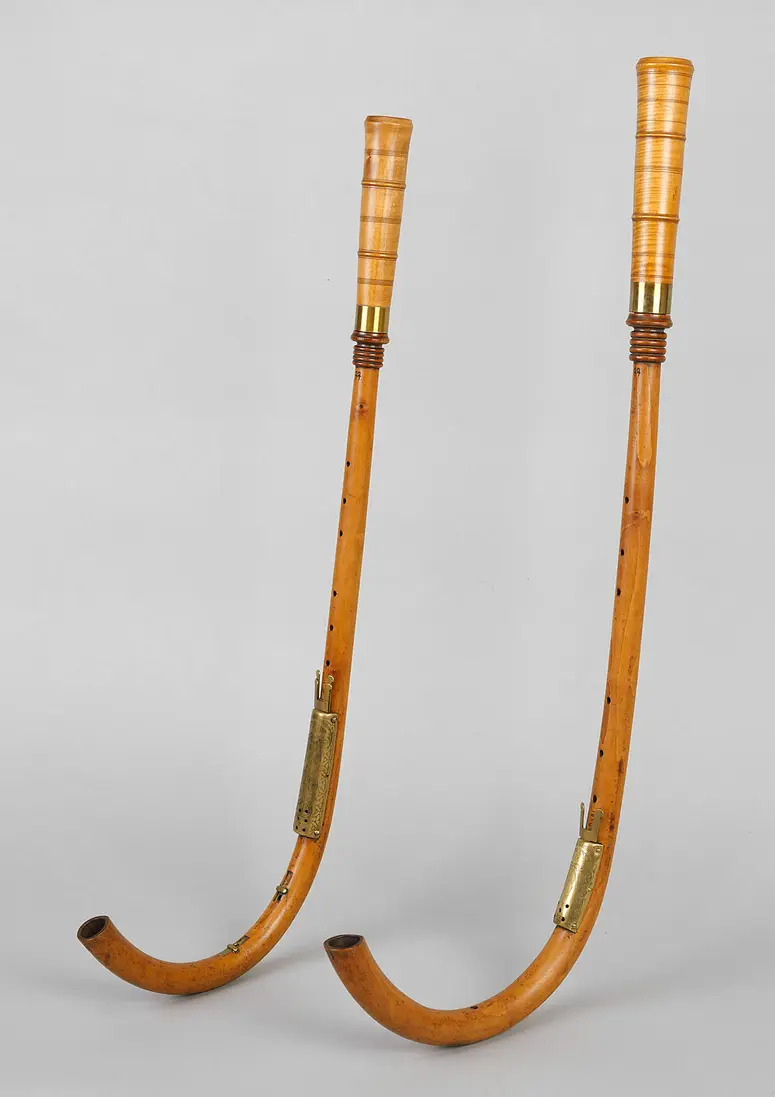
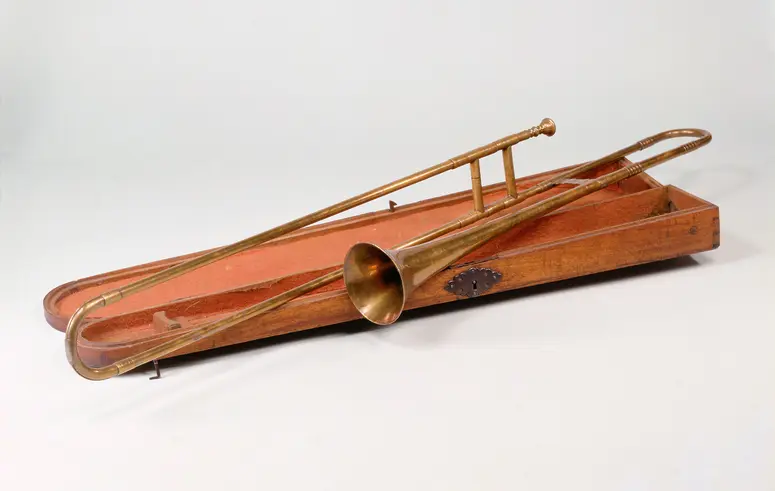
Manufacturer: Michael Leichamschneider 1732
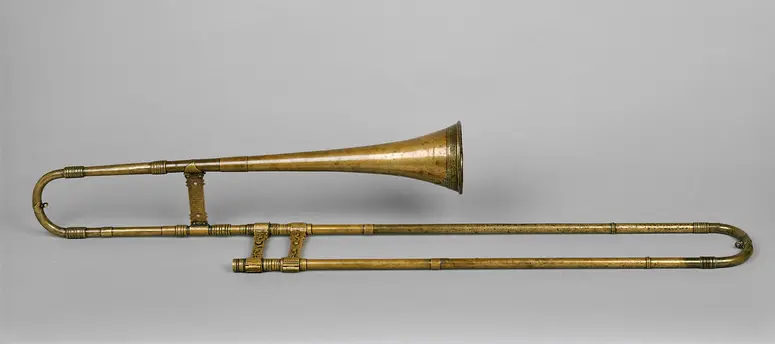
Manufacturer: Joerg Neuschel 1557
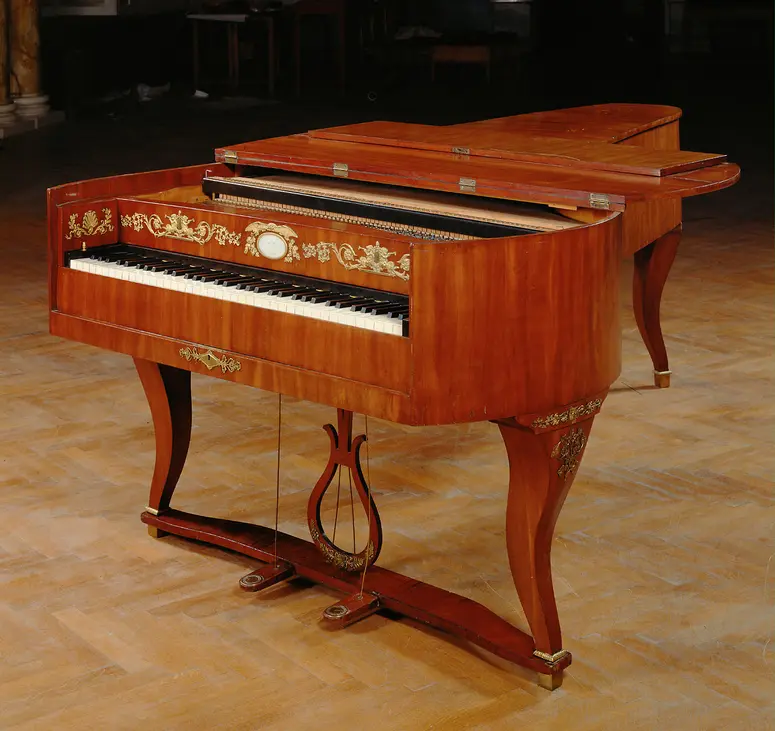
Manufacturer: Michael Leichamschneider 1741
Manufacturer: Matthäus Seelos 1st half of the 17th century
Manufacturer: Anton Meidting December 1587
Manufacturer: Fa. Bösendorfer 1867
Manufacturer: Anton Schnitzer 1581
Manufacturer: Antonio Ciciliano presumably after 1602
Manufacturer: Wenzel Kowansky 1749
Manufacturer: Girolamo de Virchis 1574
Manufacturer: Johann Baptist Streicher 1840