Theorbo
2nd half of the 16th century | Magno Tiefenbrucker
The chitarrone belongs to a type of lute which is fitted with a variable number of bass strings in addition to the six, fingered double-stringed courses of the standard instrument. As the bass strings require a greater length, the instrument is built with a second, longer neck which has its own pegbox. The bass strings do not run over the finger board and thus cannot be altered in pitch during playing. They are tuned diatonically, and each string serves as a single bass note. In order to adapt old lute bodies built for six courses to the requirements of later times, in the 17th and 18th century many of these instruments were modified and equipped with a second pegbox. They are sometimes referred to in German as “theorbierte Lauten” (theorbed lutes). (rh)
Lit.: Rudolf Hopfner: Masterpieces from the Collection of Historic Musical Instruments. A Short Guide through the Kunsthistorisches Museum Vienna, Vol. 1, Vienna 2019
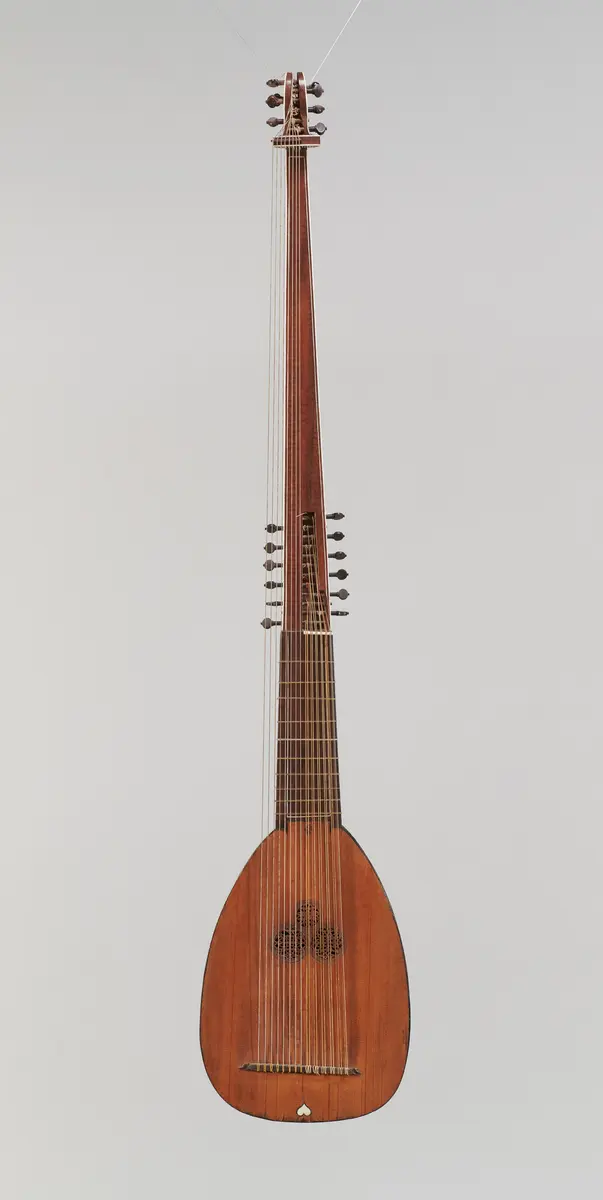
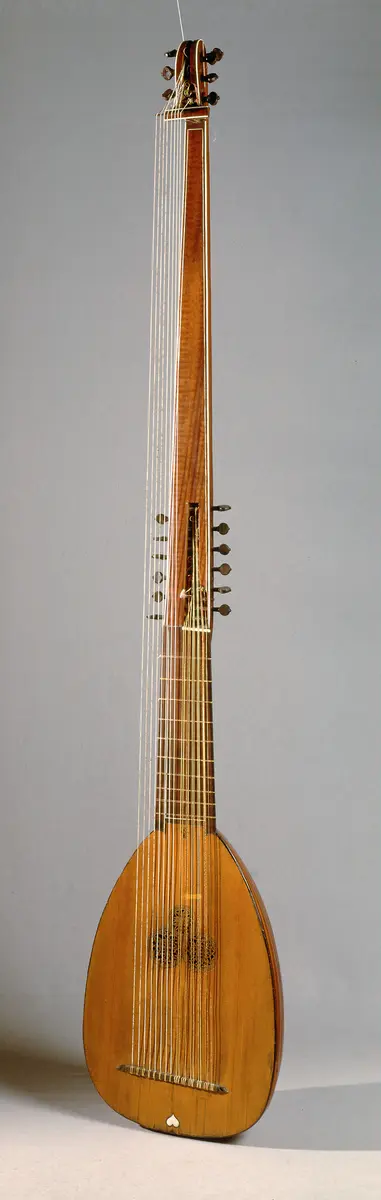
The chitarrone belongs to a type of lute which is fitted with a variable number of bass strings in addition to the six, fingered double-stringed courses of the standard instrument. As the bass strings require a greater length, the instrument is built with a second, longer neck which has its own pegbox. The bass strings do not run over the finger board and thus cannot be altered in pitch during playing. They are tuned diatonically, and each string serves as a single bass note. In order to adapt old lute bodies built for six courses to the requirements of later times, in the 17th and 18th century many of these instruments were modified and equipped with a second pegbox. They are sometimes referred to in German as “theorbierte Lauten” (theorbed lutes). (rh)
Lit.: Rudolf Hopfner: Masterpieces from the Collection of Historic Musical Instruments. A Short Guide through the Kunsthistorisches Museum Vienna, Vol. 1, Vienna 2019
Manufacturer:
Magno Tiefenbrucker (Venedig spätes 16 - frühes 17, Jhdt.)
Time:
2nd half of the 16th century
Object Name
Theorbo
Culture
Italy Venice
Dimensions:
1650 mm x 470 mm x 150 mm
Copyright
Kunsthistorisches Museum, Sammlung alter Musikinstrumente
Invs.
Sammlung alter Musikinstrumente, 41
Alte Inv.Nr.:
KK_8444
Schlosser Nr.:
C 45
Browse more
Similar items you might be interested in
Manufacturer: Martin Kaiser 2nd half of the 17th century
Manufacturer: Johann Baptist Merklein approx. 1800
Manufacturer: anonym 2nd half of the 16th century (assigned)
Manufacturer: Hendrik Richters beginning of the 18th century
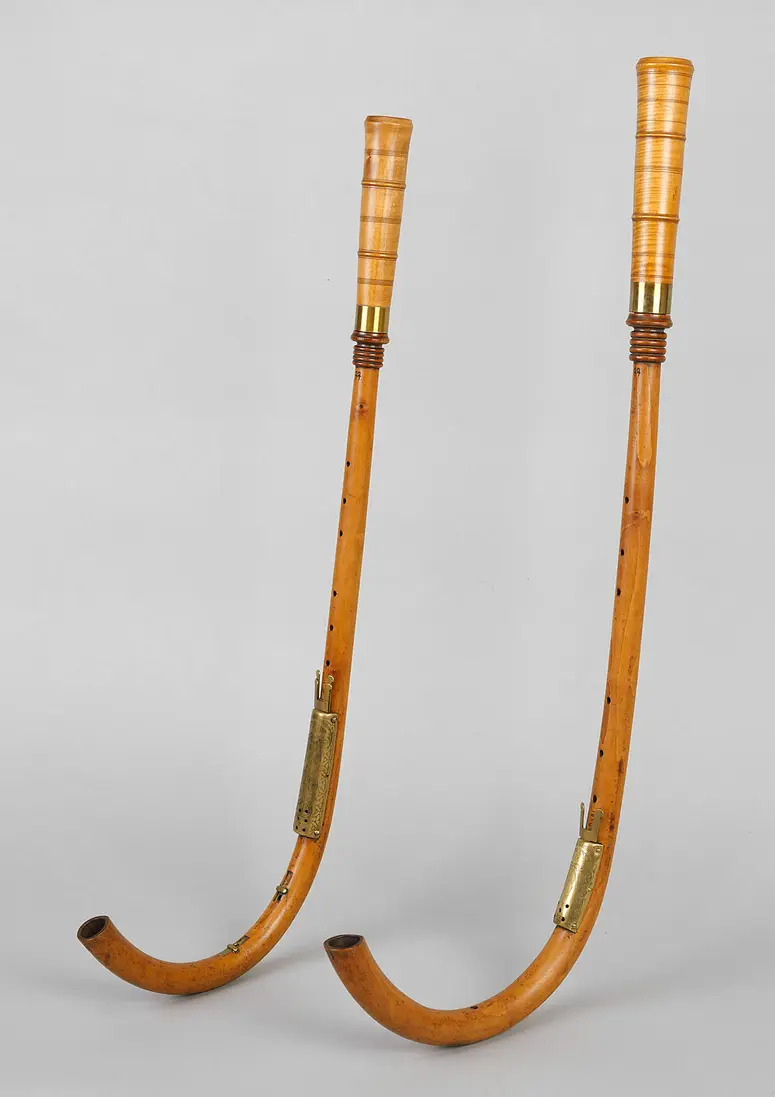
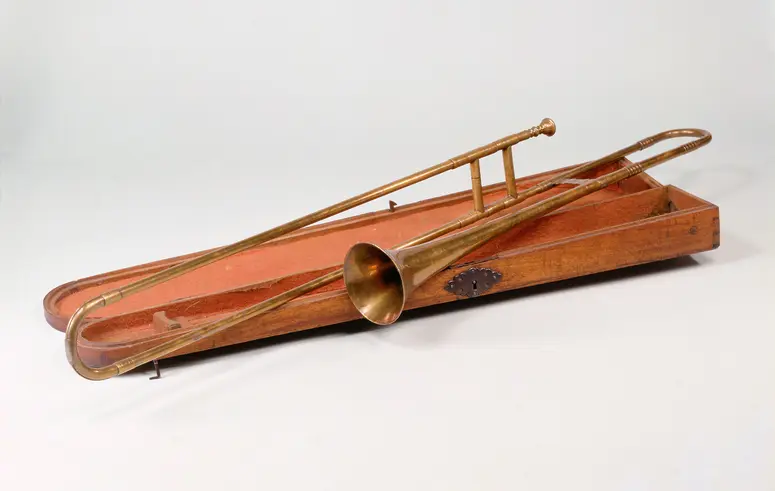
Manufacturer: Michael Leichamschneider 1732
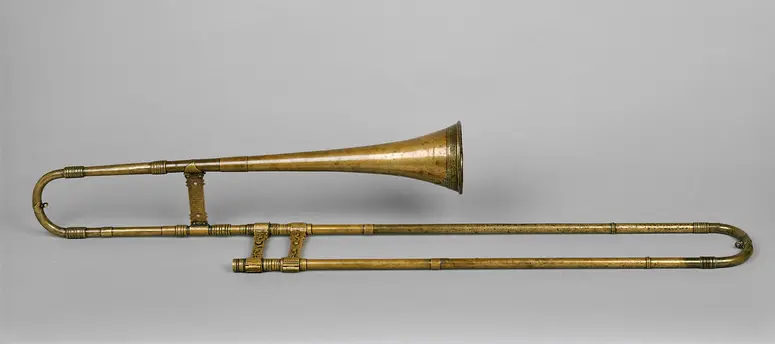
Manufacturer: Joerg Neuschel 1557
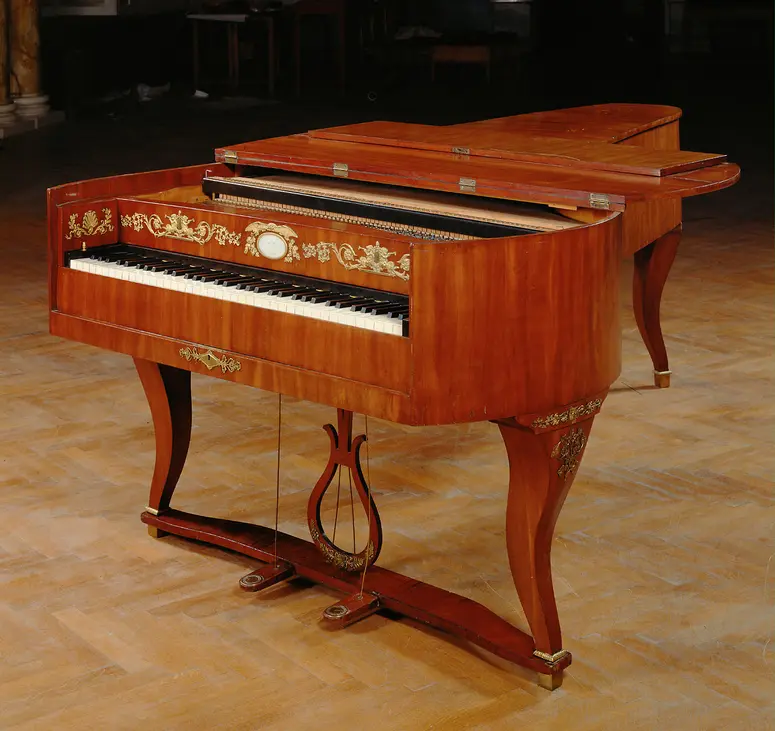
Manufacturer: Michael Leichamschneider 1741
Manufacturer: Matthäus Seelos 1st half of the 17th century
Manufacturer: Anton Meidting December 1587
Manufacturer: Fa. Bösendorfer 1867
Manufacturer: Anton Schnitzer 1581
Manufacturer: Antonio Ciciliano presumably after 1602
Manufacturer: Wenzel Kowansky 1749
Manufacturer: Girolamo de Virchis 1574
Manufacturer: Johann Baptist Streicher 1840