Violoncello
1699 | Giovanni Battista Grancino
Up to the present day, the tradition of Cremona as a town of violin-making tends to make us overlook the fact that in the 17th and 18th centuries violin-making of the highest standard was also prevalent in other northern Italian towns such as Milan. The label in the cello pictured here assigns the instrument to the Grancinos. The wording runs »Giovanni Grancino in Contrada Largha di Milano al segno della Corona 1699«. Two generations of violin makers of the Grancino family - both with the same first name - worked in the Contrada Largha. In the year in which this cello was made, the founder of the workshop was already 62 years old and Giovanni Battista junior, then 26, was probably responsible for a considerable part of the work. At the time when this cello was made, the typical "Grancino-style" was fully developed. Like all celli of the 17th century is built on a very big model's base and was scaled down in later days. (rh)
Lit.: Rudolf Hopfner: Masterpieces from the Collection of Historic Musical Instruments. A Short Guide through the Kunsthistorisches Museum Vienna, Vol. 1, Vienna 2019
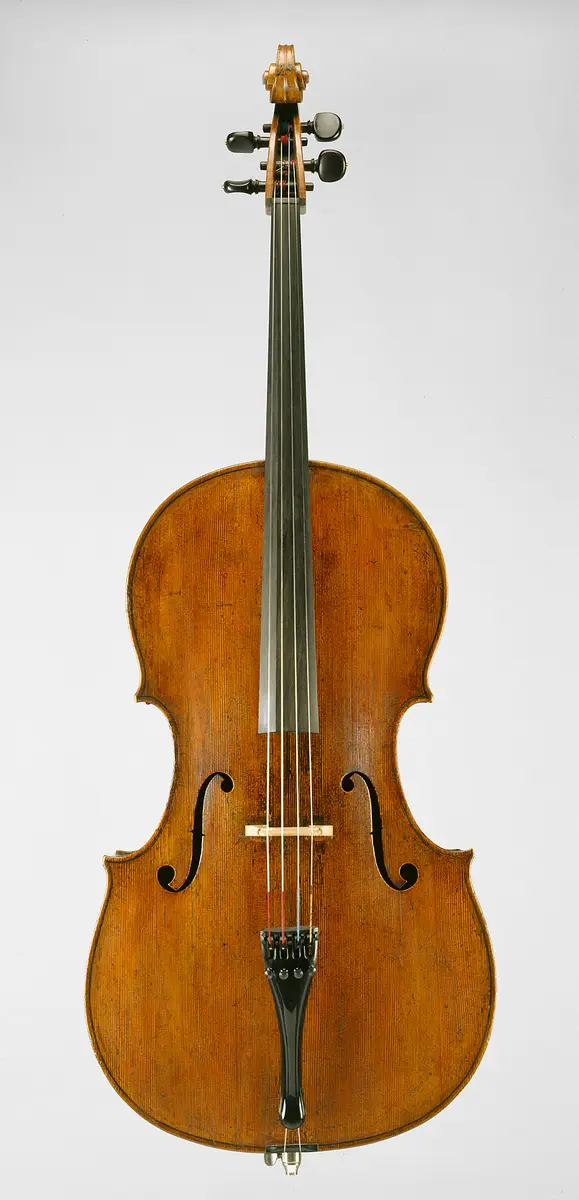
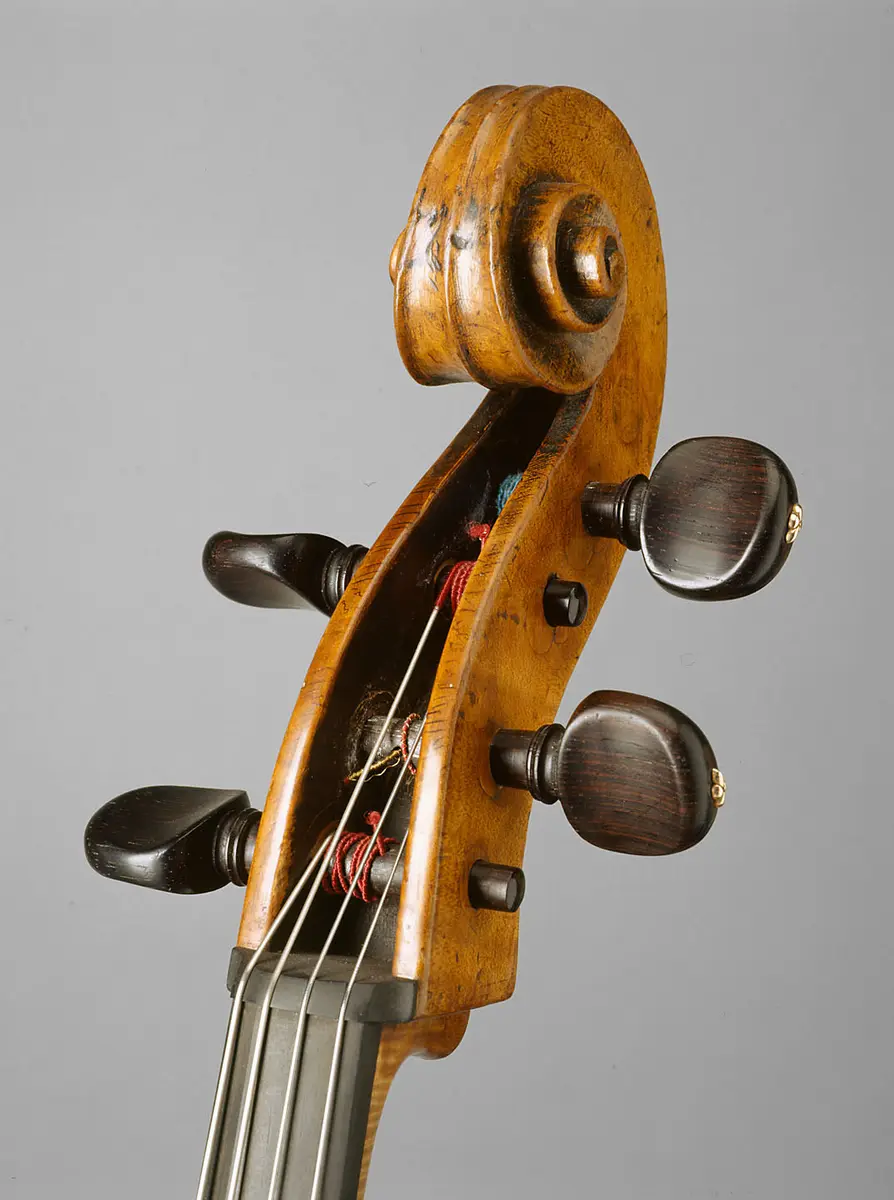
Up to the present day, the tradition of Cremona as a town of violin-making tends to make us overlook the fact that in the 17th and 18th centuries violin-making of the highest standard was also prevalent in other northern Italian towns such as Milan. The label in the cello pictured here assigns the instrument to the Grancinos. The wording runs »Giovanni Grancino in Contrada Largha di Milano al segno della Corona 1699«. Two generations of violin makers of the Grancino family - both with the same first name - worked in the Contrada Largha. In the year in which this cello was made, the founder of the workshop was already 62 years old and Giovanni Battista junior, then 26, was probably responsible for a considerable part of the work. At the time when this cello was made, the typical "Grancino-style" was fully developed. Like all celli of the 17th century is built on a very big model's base and was scaled down in later days. (rh)
Lit.: Rudolf Hopfner: Masterpieces from the Collection of Historic Musical Instruments. A Short Guide through the Kunsthistorisches Museum Vienna, Vol. 1, Vienna 2019
Manufacturer:
Giovanni Battista Grancino (1637 - 1709 Mailand) DNB
Time:
1699
Object Name
Violoncello
Culture
Italy, Milan
Copyright
Kunsthistorisches Museum, Sammlung alter Musikinstrumente
Invs.
Sammlung alter Musikinstrumente, 1072
Browse more
Similar items you might be interested in

Hl. Hieronymus J. Löwy, K. und K. Hof-Photograph, Kunst- und Verlagsanstalt (Wien) 1888 bis 1891
Susanna und die beiden Alten J. Löwy, K. und K. Hof-Photograph, Kunst- und Verlagsanstalt (Wien) 1888 bis 1910
Liebe und Tugend J. Löwy, K. und K. Hof-Photograph, Kunst- und Verlagsanstalt (Wien) 1888 bis 1910

Roberto da Sanseverino Graf von Caiazzo um 1485

Reiterharnisch (Küriss); Armet; Große Schaller; Reiterharnisch J. Löwy, K. und K. Hof-Photograph, Kunst- und Verlagsanstalt (Wien) 1892

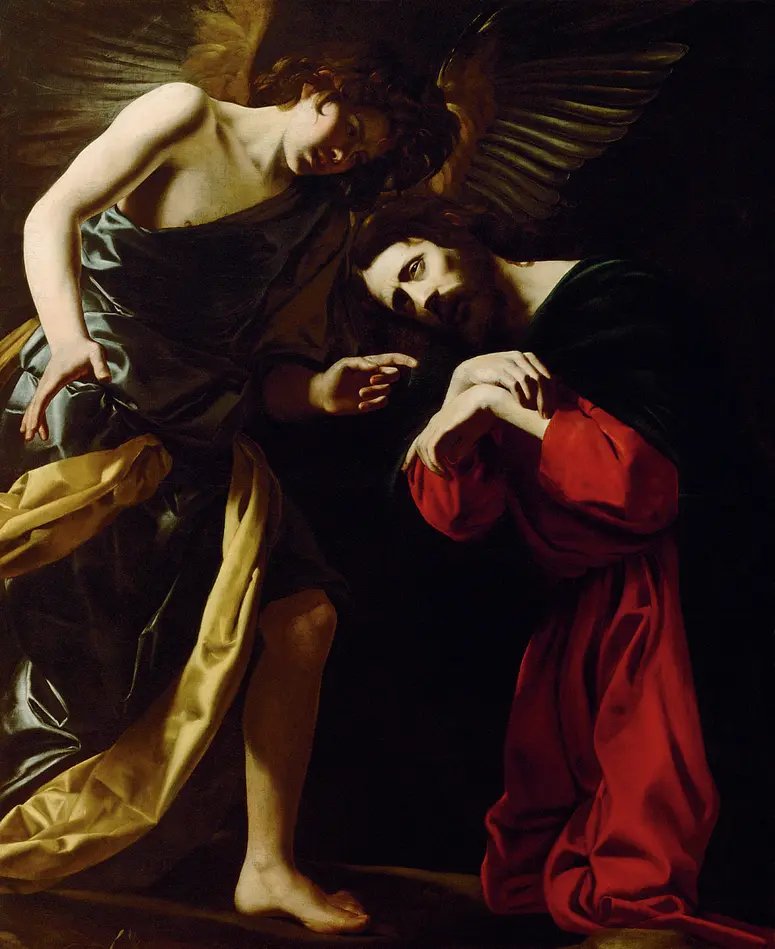
Christ on the Mount of Olives Giovanni Battista Caracciolo, gen. Battistello around 1615/17
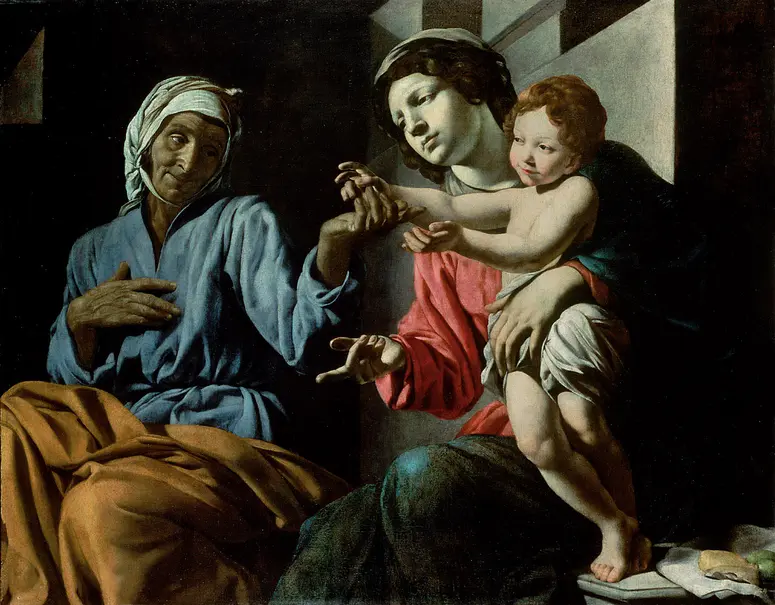
Virgin Mary with Child and St. Anne Giovanni Battista Caracciolo, gen. Battistello around 1633
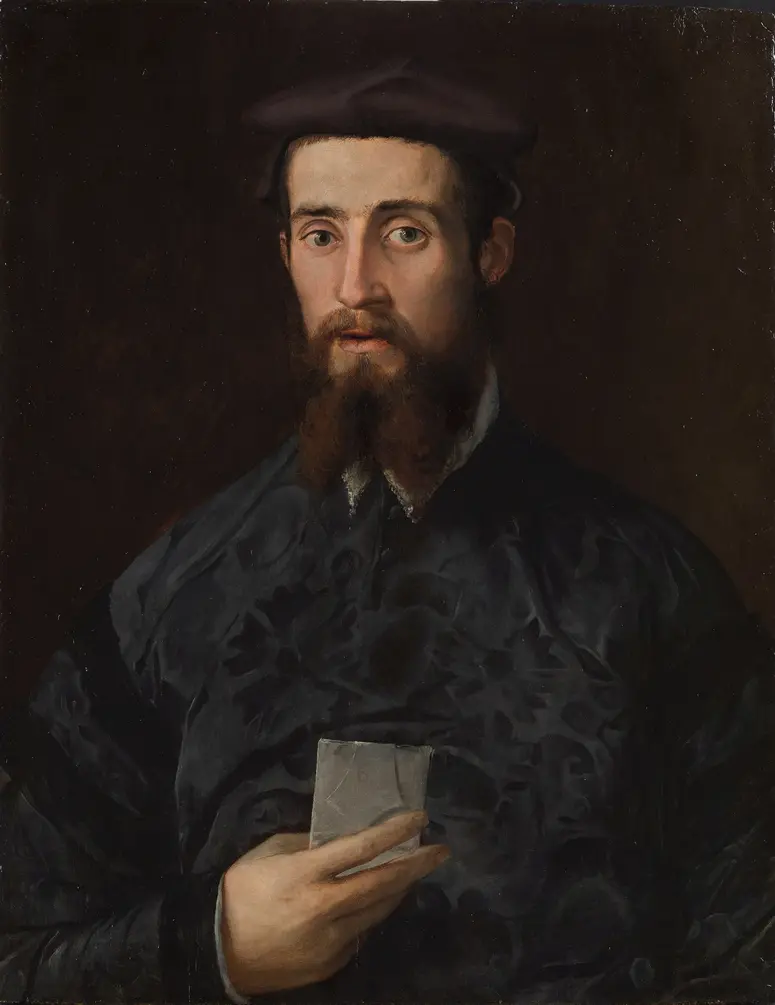
Giovanni della Casa (1503-1556) Francesco de' Rossi, gen. Cecchino Salviati um 1535/1537
Bildnis einer Frau in gestreiftem Kleid mit Fächer J. Löwy, K. und K. Hof-Photograph, Kunst- und Verlagsanstalt (Wien) 1888 bis 1891