Positive organ
beginning of the 18th century | Franz Walter
Small instruments of the organ family, mainly used in chapels or churches as a replacement for or an alternative to the large choir organ, are referred to as positive organs. Although they possess fewer registers - usually between four and six - these provide enough tonal possibilities for the positive to be used as a solo instrument or in accompaniment. Tradition has it that this positive organ was originally in the possession of Emperor Joseph I. It subsequently came to the Order of Elisabeth in Vienna where the daughter of the Emperor lived as a canoness. The attribution of this five-register instrument to Franz Lothar Walter is based on a graphite inscription on the bellows mechanism, though the authenticity of the inscription cannot be ascertained for certain. (rh)
Lit.: Rudolf Hopfner: Masterpieces from the Collection of Historic Musical Instruments. A Short Guide through the Kunsthistorisches Museum Vienna, Vol. 1, Vienna 2019
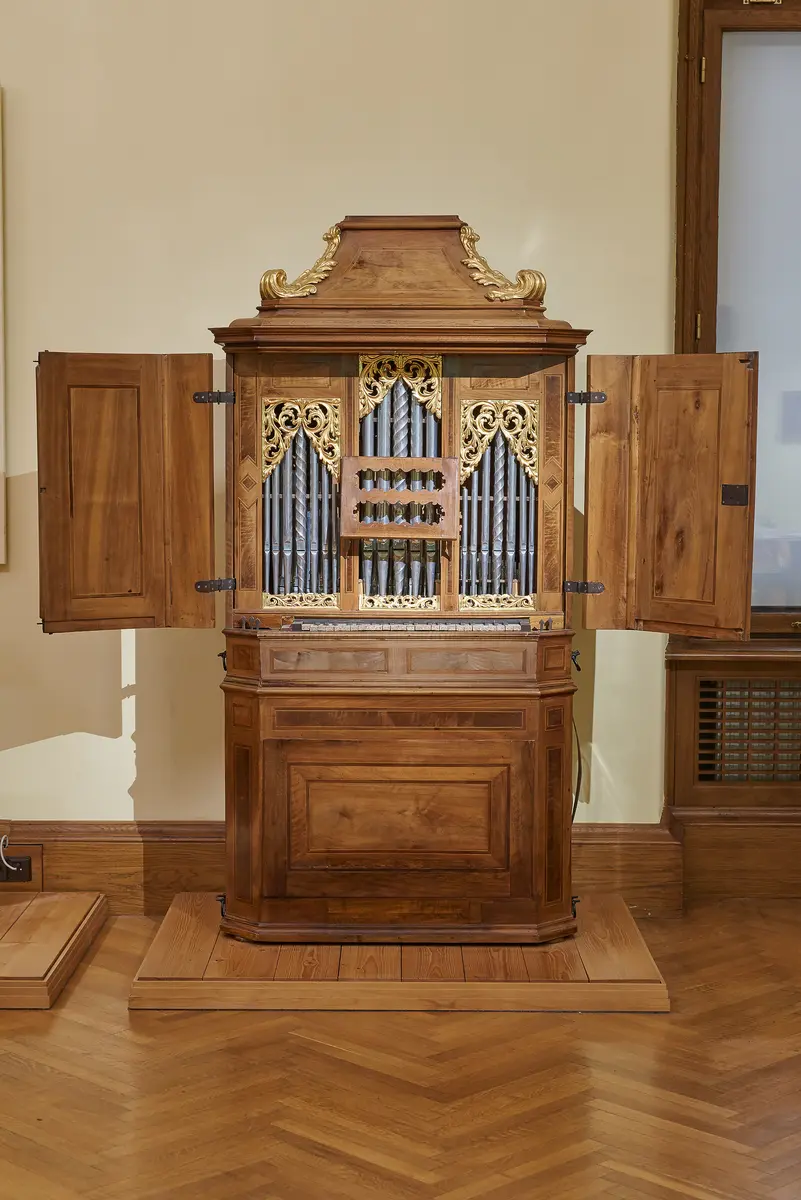
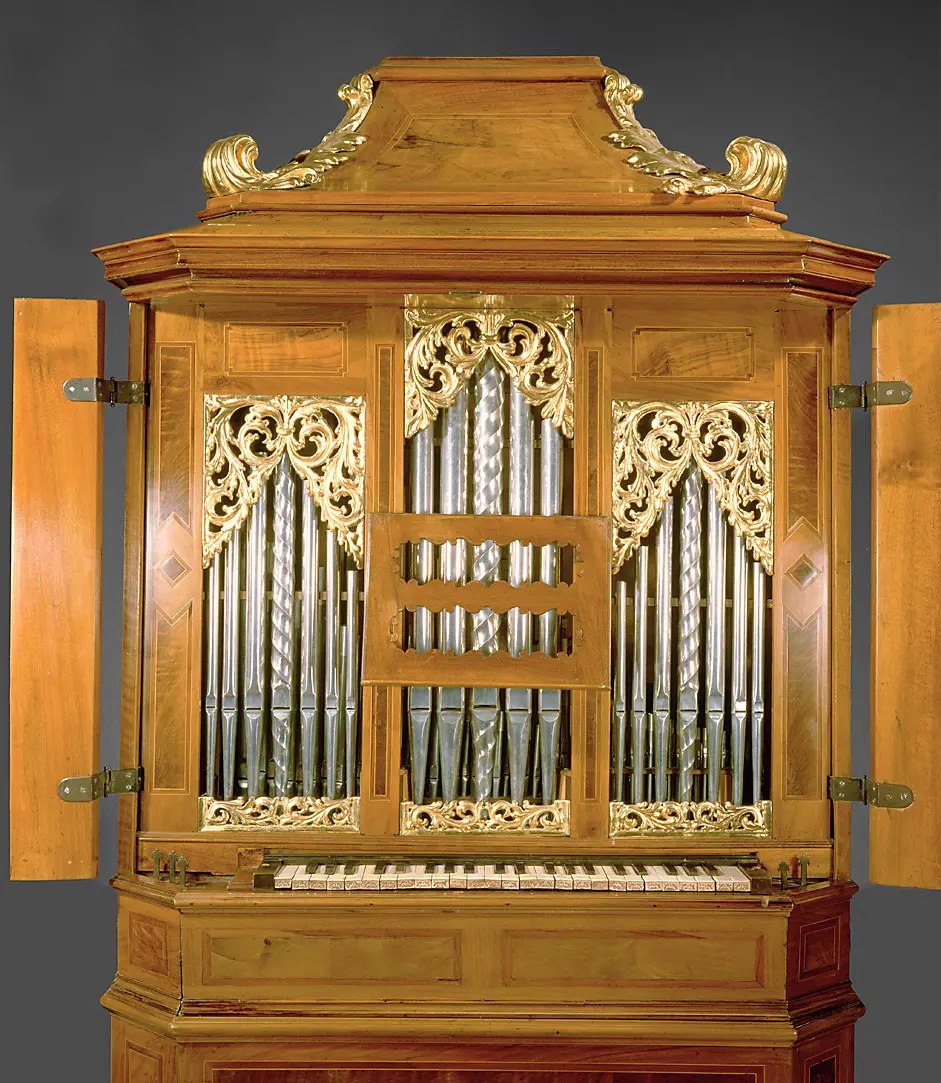
Small instruments of the organ family, mainly used in chapels or churches as a replacement for or an alternative to the large choir organ, are referred to as positive organs. Although they possess fewer registers - usually between four and six - these provide enough tonal possibilities for the positive to be used as a solo instrument or in accompaniment. Tradition has it that this positive organ was originally in the possession of Emperor Joseph I. It subsequently came to the Order of Elisabeth in Vienna where the daughter of the Emperor lived as a canoness. The attribution of this five-register instrument to Franz Lothar Walter is based on a graphite inscription on the bellows mechanism, though the authenticity of the inscription cannot be ascertained for certain. (rh)
Lit.: Rudolf Hopfner: Masterpieces from the Collection of Historic Musical Instruments. A Short Guide through the Kunsthistorisches Museum Vienna, Vol. 1, Vienna 2019
Attributed to:
Franz Walter (ca. 1656 Wien - 1733) DNB
Time:
beginning of the 18th century
Object Name
Positive organ
Culture
Austria, Vienna (?)
Dimensions:
1040 mm x 2130 mm x 660 mm
Copyright
Kunsthistorisches Museum, Sammlung alter Musikinstrumente
Invs.
Sammlung alter Musikinstrumente, 544
Browse more
Similar items you might be interested in
Manufacturer: Martin Kaiser 2nd half of the 17th century
Manufacturer: Johann Baptist Merklein approx. 1800
Manufacturer: anonym 2nd half of the 16th century (assigned)
Manufacturer: Hendrik Richters beginning of the 18th century
Manufacturer: Michael Leichamschneider 1732
Manufacturer: Joerg Neuschel 1557
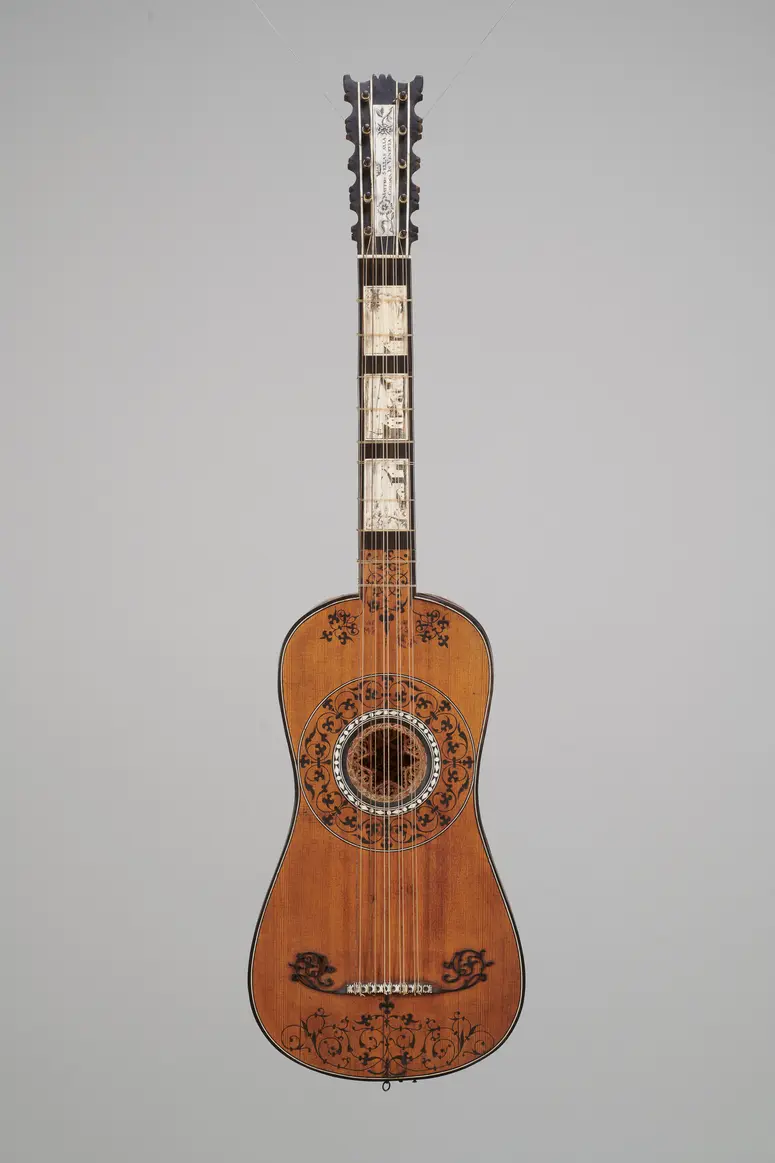
Manufacturer: Matthäus Seelos 1st half of the 17th century
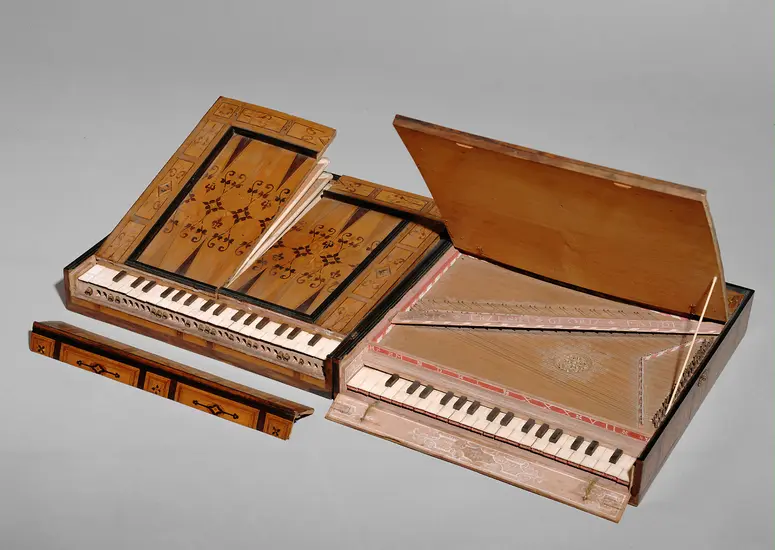
Manufacturer: Anton Meidting December 1587
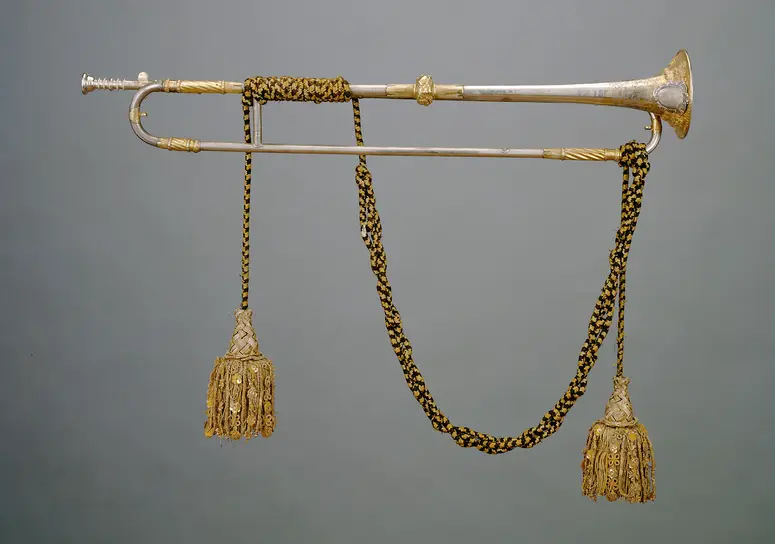
Manufacturer: Michael Leichamschneider 1741
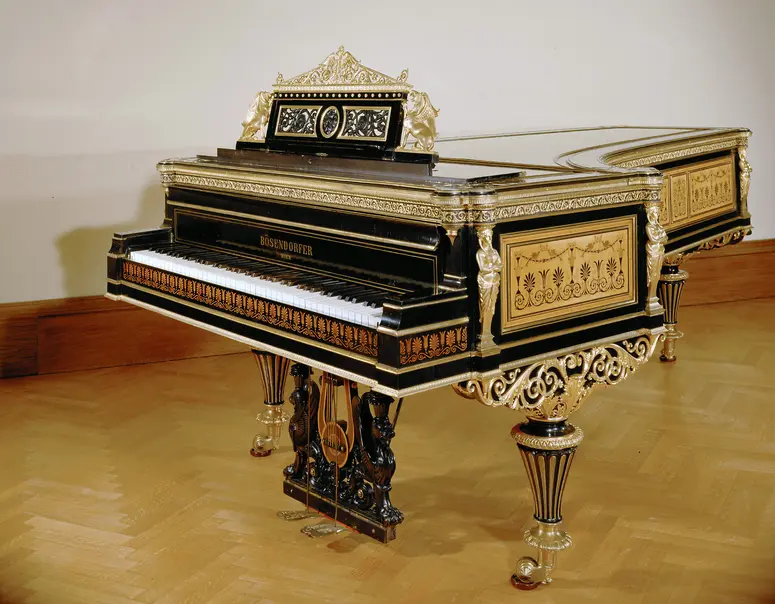
Manufacturer: Fa. Bösendorfer 1867
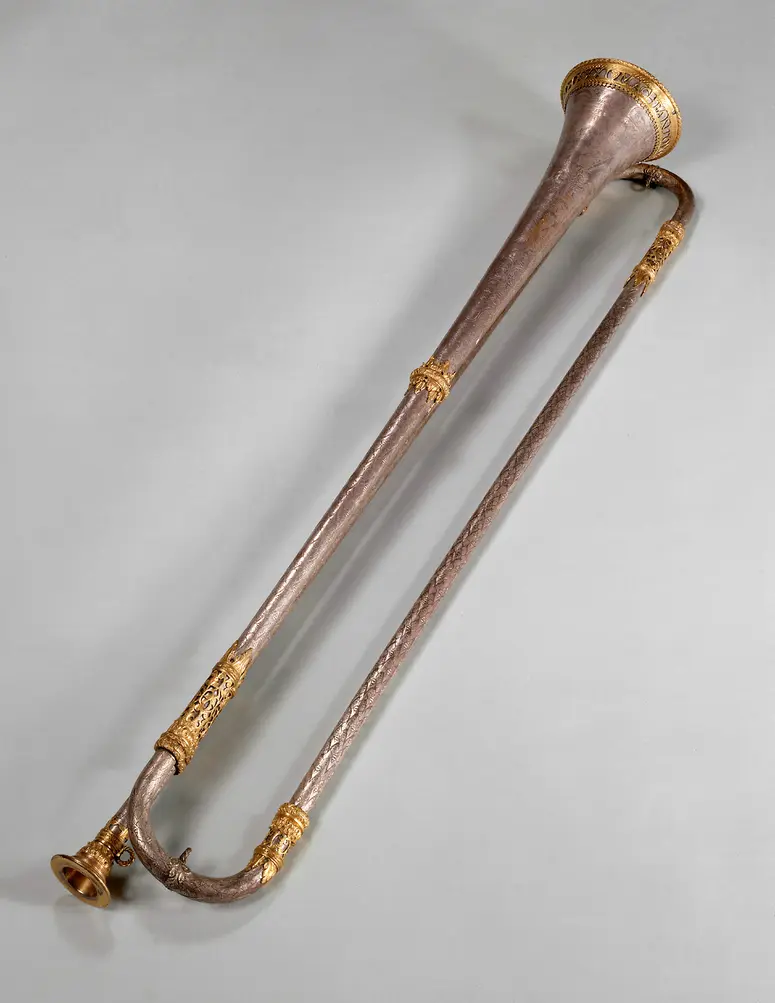
Manufacturer: Anton Schnitzer 1581
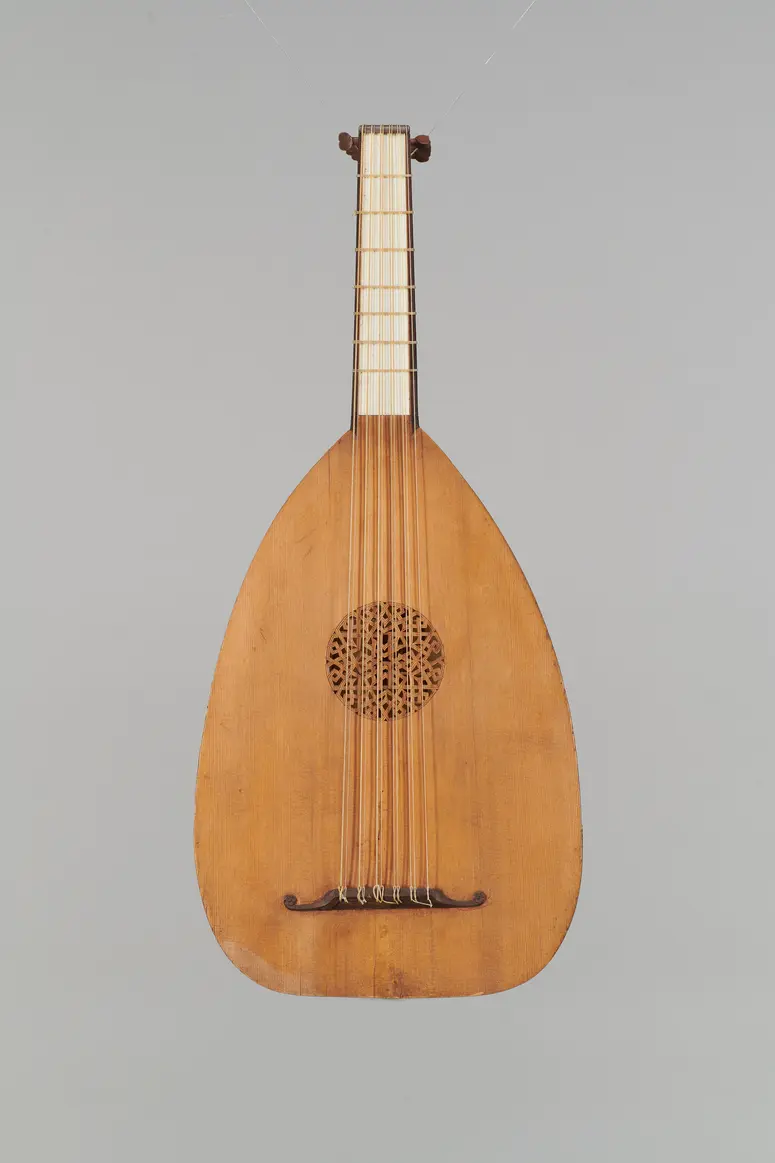
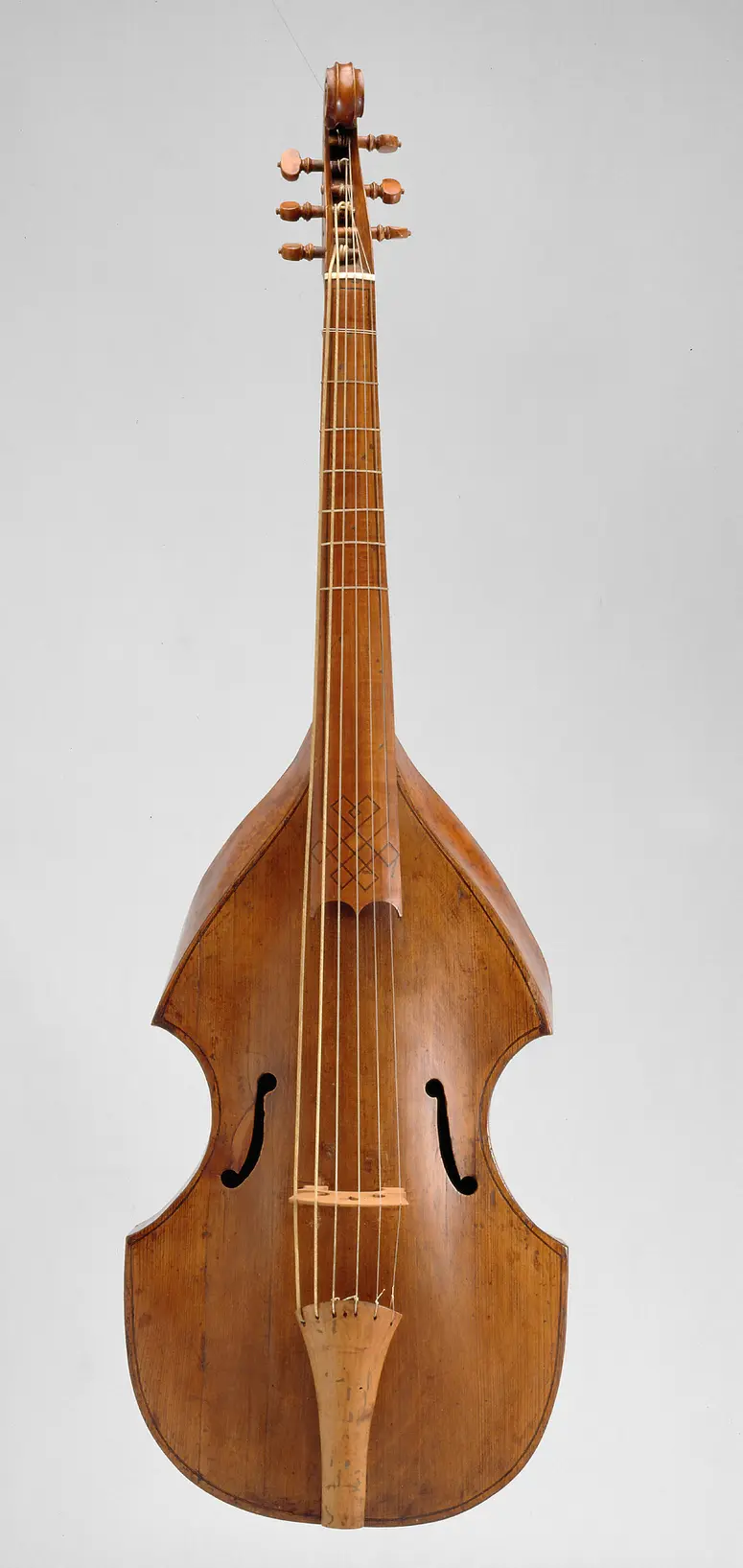
Manufacturer: Antonio Ciciliano presumably after 1602
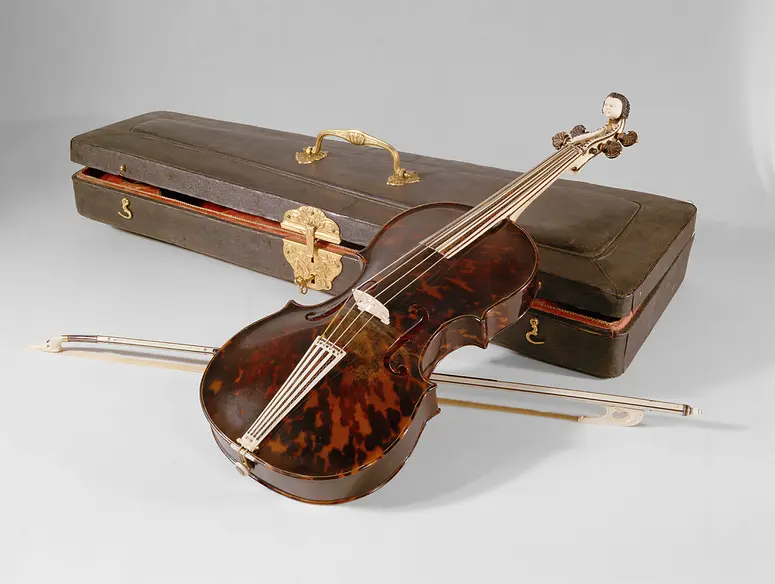
Manufacturer: Wenzel Kowansky 1749
Manufacturer: Girolamo de Virchis 1574
Manufacturer: Johann Baptist Streicher 1840