Claviorgan
between 1564 - 1569 | Servatius Rorif
This claviorganum is mentioned in the Ambras inventory of 1596. It has recently been attributed to Servatius Rorif (died 1593), an organist and organ maker who worked in Augsburg and Innsbruck. It is the oldest of its kind and in its small casing contains both a spinet and an organ with the incredible number of 18 registers. The small organs of the Renaissance are characterised by great tonal variety and clearly defined registers. Contrasting tonal effects were evidently of paramount importance. The claviorganum achieves this ideal through the disparate nature of its harpsichord and organ registers. Rorif’s instrument is additionally equipped with several registers with special effects. (rh)
Rudolf Hopfner: Masterpieces from the Collection of Historic Musical Instruments. A Short Guide through the Kunsthistorisches Museum Vienna, Vol. 1, Vienna 2019
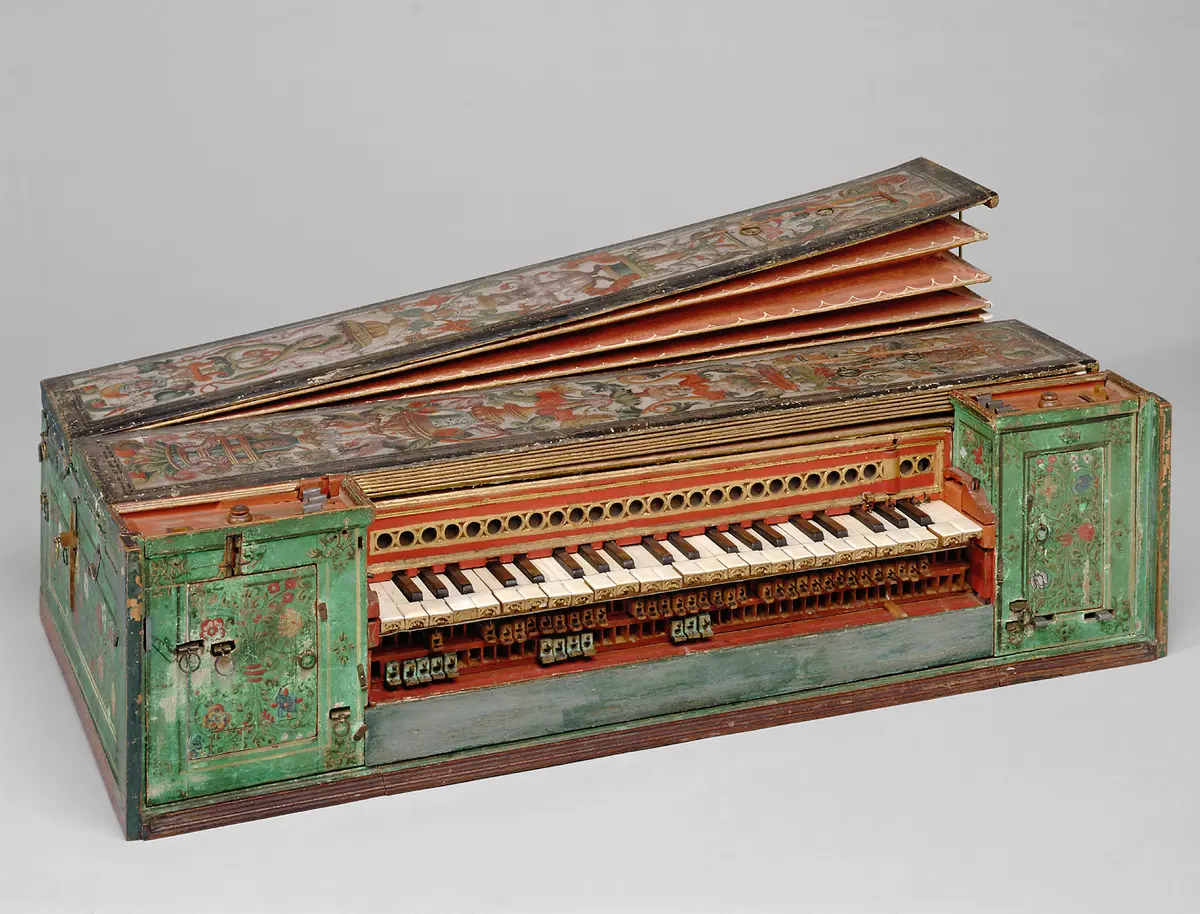
This claviorganum is mentioned in the Ambras inventory of 1596. It has recently been attributed to Servatius Rorif (died 1593), an organist and organ maker who worked in Augsburg and Innsbruck. It is the oldest of its kind and in its small casing contains both a spinet and an organ with the incredible number of 18 registers. The small organs of the Renaissance are characterised by great tonal variety and clearly defined registers. Contrasting tonal effects were evidently of paramount importance. The claviorganum achieves this ideal through the disparate nature of its harpsichord and organ registers. Rorif’s instrument is additionally equipped with several registers with special effects. (rh)
Rudolf Hopfner: Masterpieces from the Collection of Historic Musical Instruments. A Short Guide through the Kunsthistorisches Museum Vienna, Vol. 1, Vienna 2019
Attributed to:
Servatius Rorif (geb. in Augsburg; nachweisbar in Innsbruck ab 1564; gest. 1593 Neustift?) DNB
Time:
between 1564 - 1569
Object Name
Claviorgan
Culture
Austria Tyrol or Germany, Augsburg
Dimensions:
910 mm x 275 mm x 95 mm
Copyright
Kunsthistorisches Museum, Sammlung alter Musikinstrumente
Invs.
Sammlung alter Musikinstrumente, A 132
Schlosser Nr.:
A 132
Browse more
Similar items you might be interested in
Manufacturer: Martin Kaiser 2nd half of the 17th century
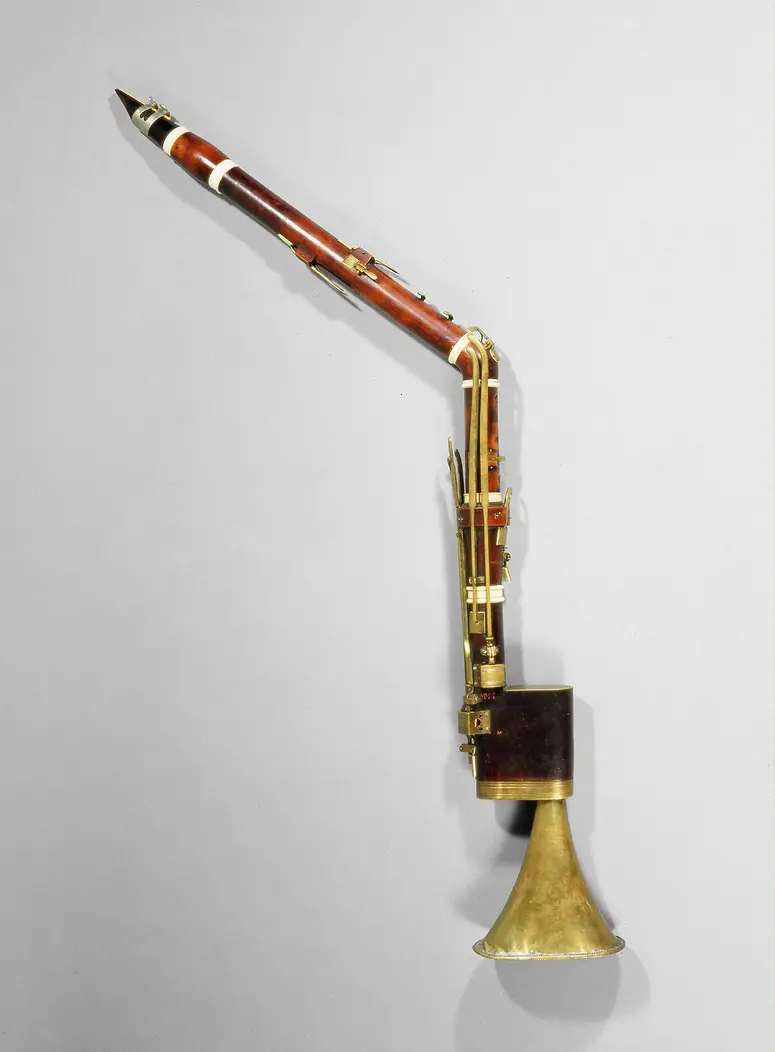
Manufacturer: Johann Baptist Merklein approx. 1800
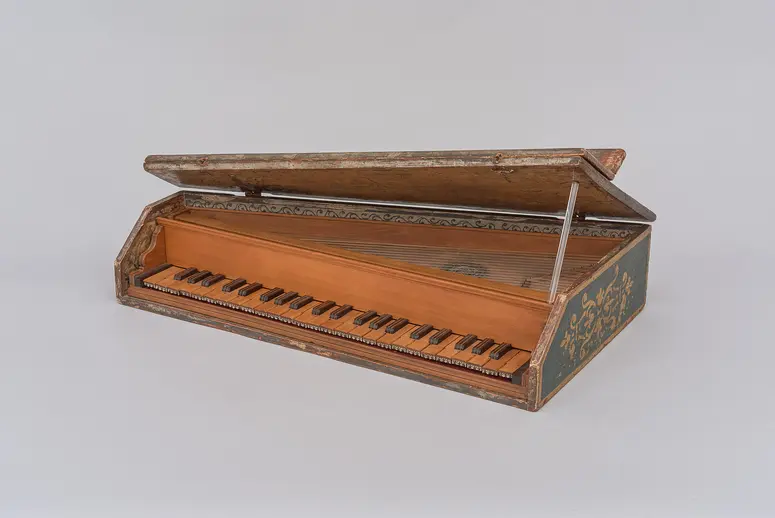
Manufacturer: anonym 2nd half of the 16th century (assigned)
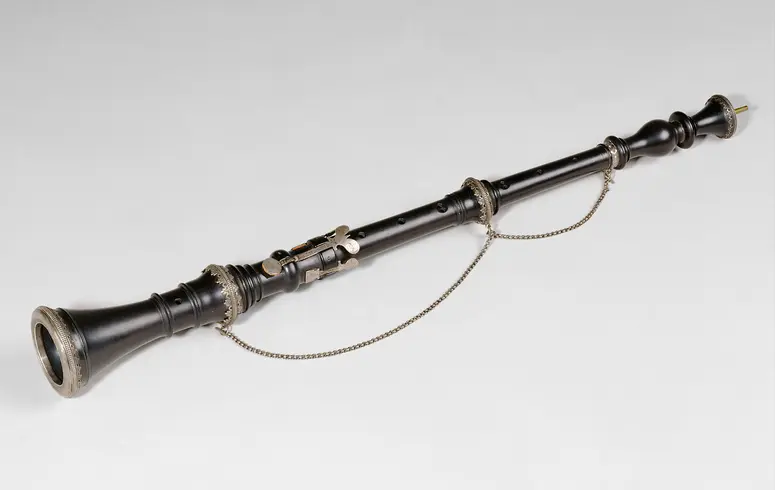
Manufacturer: Hendrik Richters beginning of the 18th century
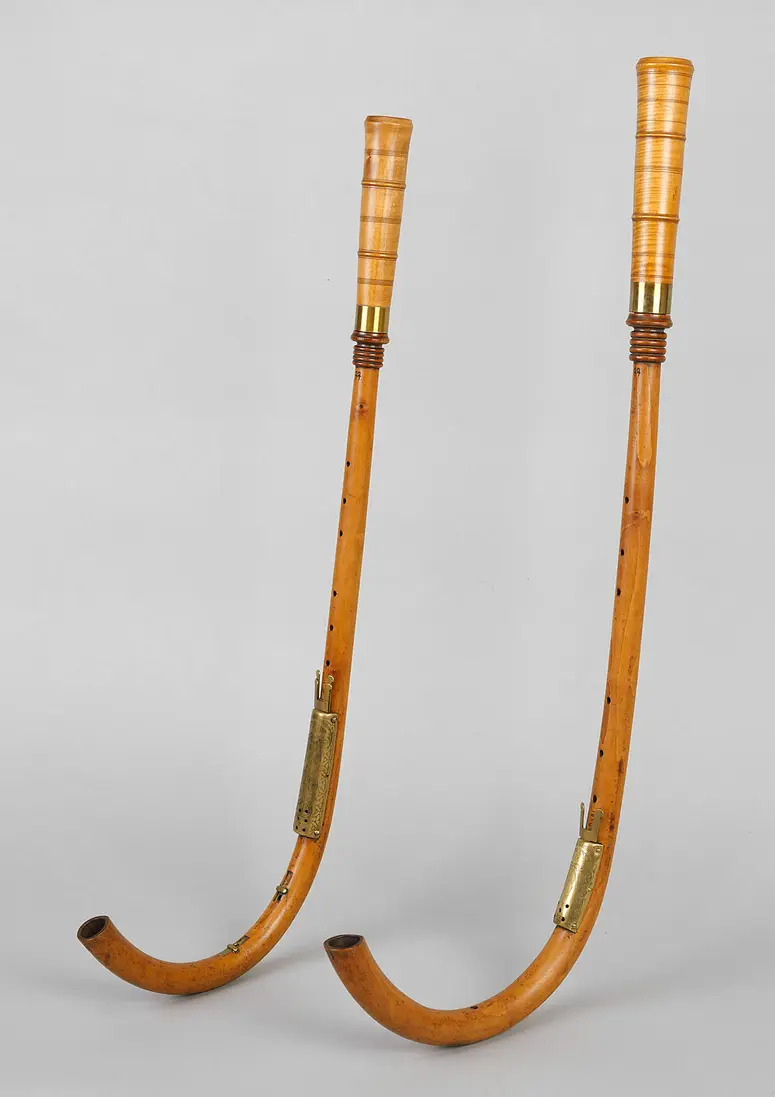
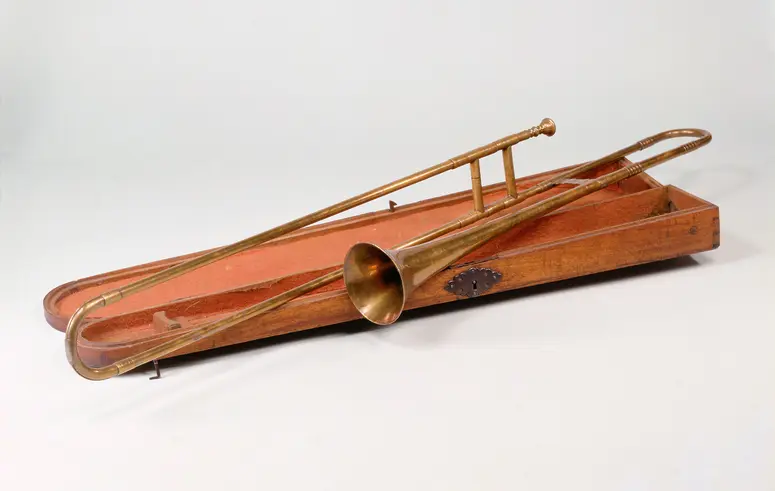
Manufacturer: Michael Leichamschneider 1732
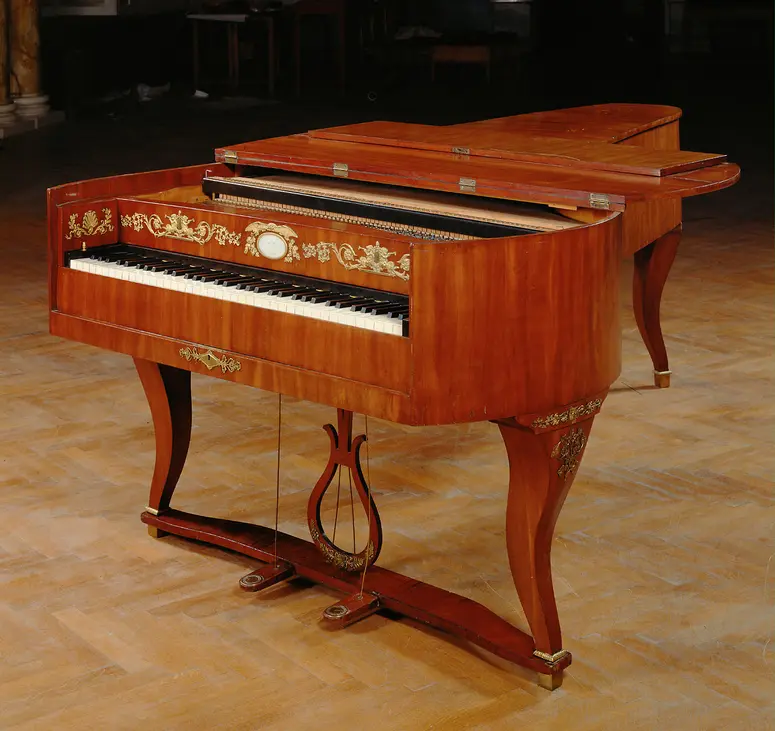
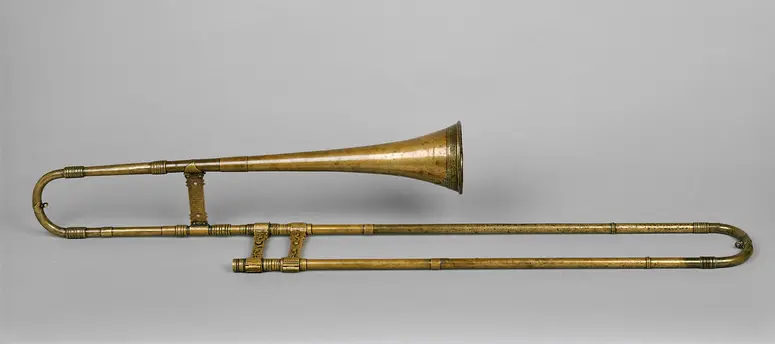
Manufacturer: Joerg Neuschel 1557
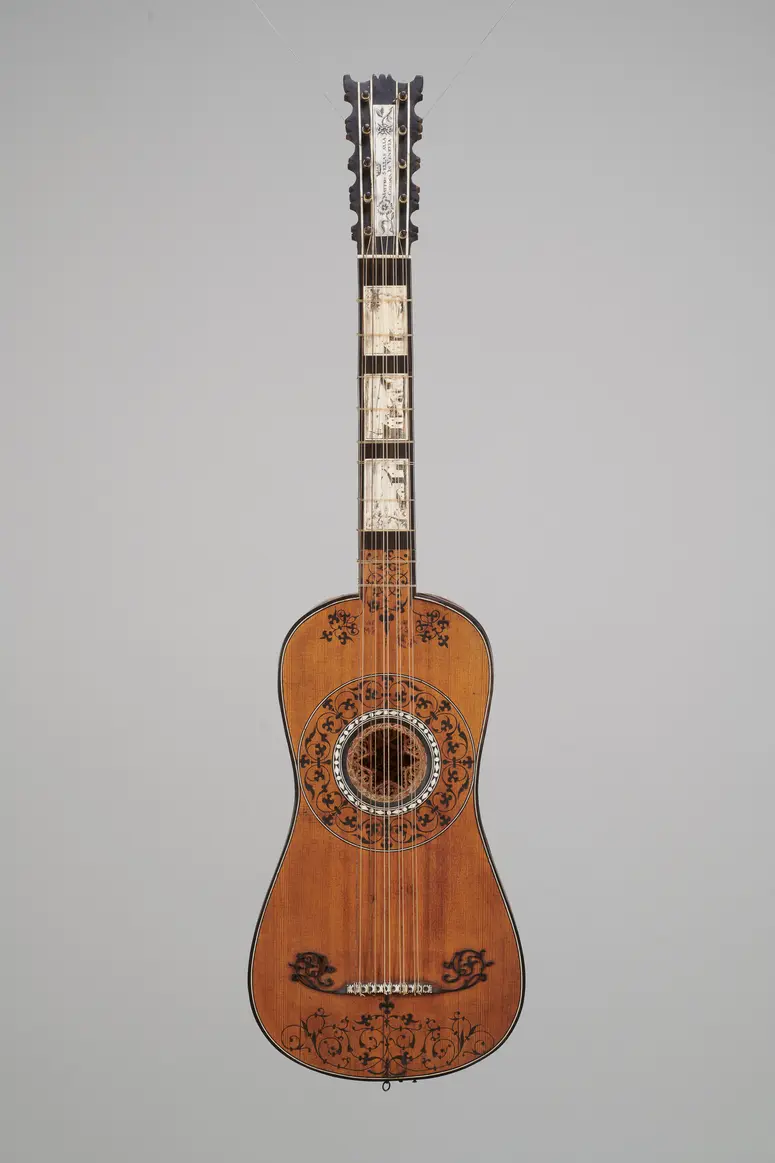
Manufacturer: Matthäus Seelos 1st half of the 17th century
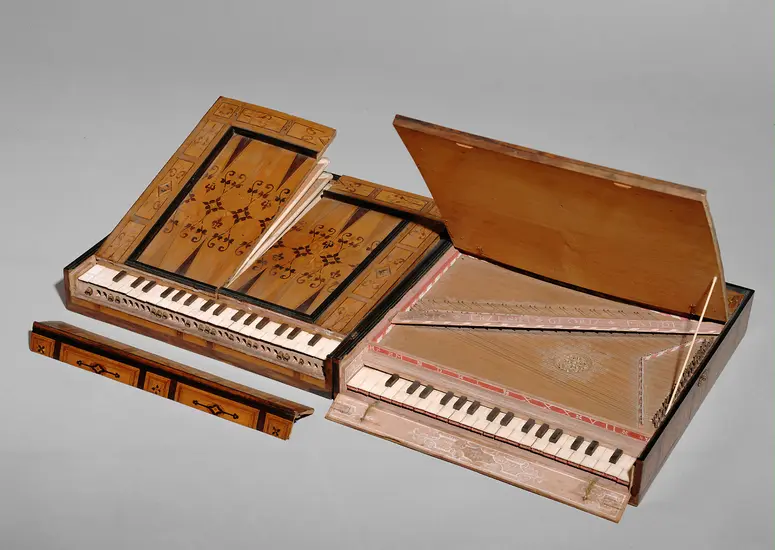
Manufacturer: Anton Meidting December 1587
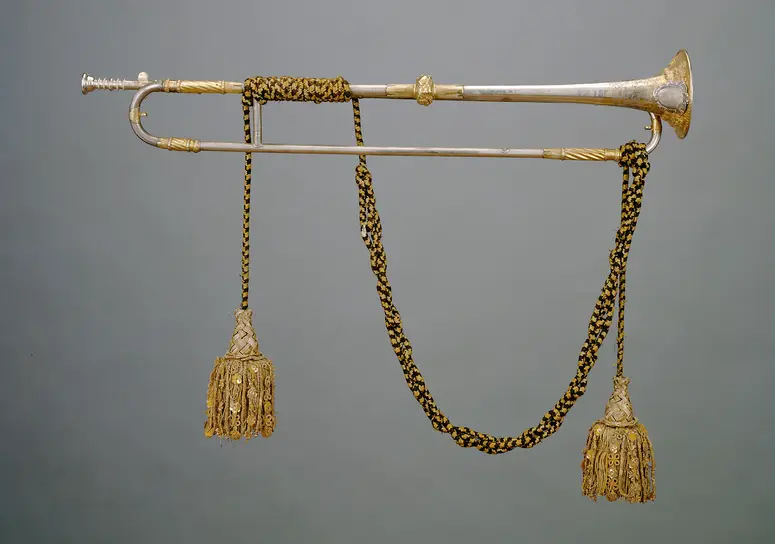
Manufacturer: Michael Leichamschneider 1741
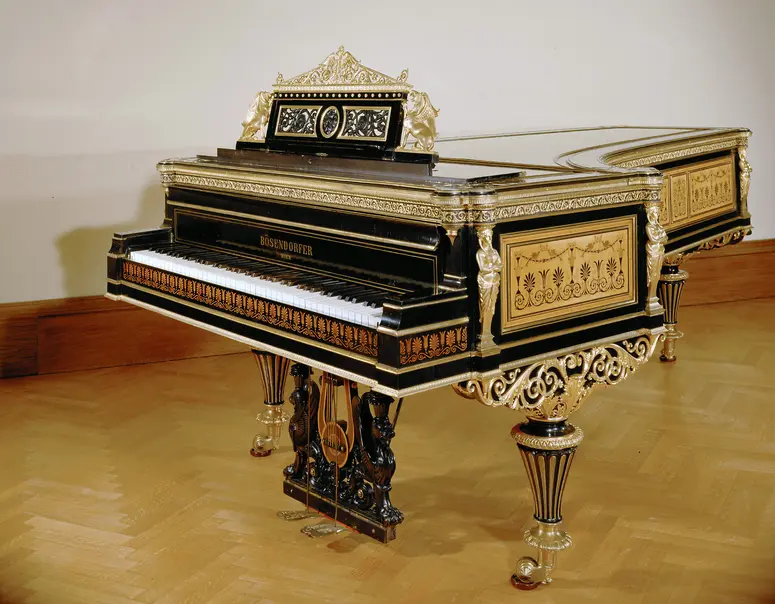
Manufacturer: Fa. Bösendorfer 1867
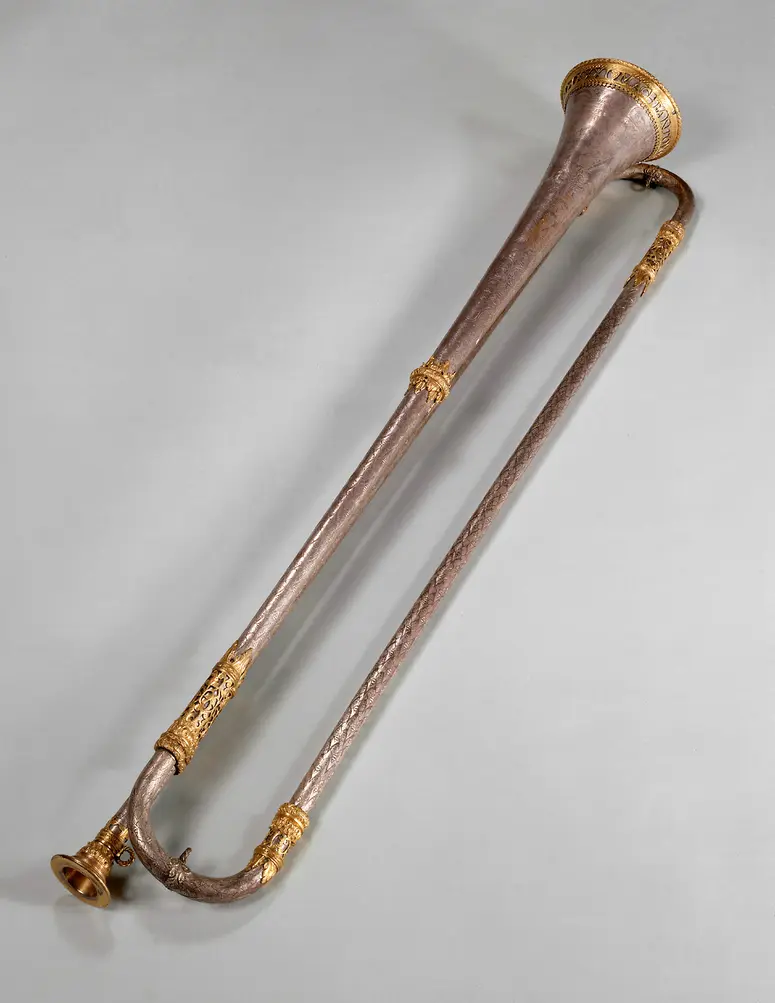
Manufacturer: Anton Schnitzer 1581
Manufacturer: Antonio Ciciliano presumably after 1602
Manufacturer: Wenzel Kowansky 1749
Manufacturer: Girolamo de Virchis 1574
Manufacturer: Johann Baptist Streicher 1840