Anton Walter (1756 - 1826), Porträt
The heyday of Vienna piano making in the late 18th century is inextricably linked to the musical developments that reached a pinnacle in the music of the Viennese Classical period. According to his contemporaries, Anton Walter was the most important Viennese piano maker of the time. He was born in 1752 in Neuhausen, a town near Stuttgart, and settled in Vienna in 1775. From 1778 until his death he ran a workshop in the so-called Fokanetische Haus in the Laimgrube district, near the present-day Theater an der Wien. It has recently come to light that Walter spent a great deal of his time as a farmer. In 1792 he bought a farm in Lower Austria near Miesenbach, where he spent several months each summer. On the so-called Gauermannhof, which still exists today, Walter cultivated fruit trees. In the wake of the French revolution, Austrian officialdom attempted radically to supress revolutionary ideology. As Walter had been in contact with suspected persons, he became embroiled in the so-called Jacobine case and underwent unpleasant interrogations by the police. Anton Walter had two stepsons, Donat and Joseph Schöfstoß, who also became piano makers. They initially worked together with Walter, though they later set up independently. Walter’s stepdaughter Rosina Katherina married the painter Jakob Friedrich Gauermann in 1803. In 1825 their son Friedrich painted a portrait of his step-grandfather, who at that time was 73 years old. (rh)
Lit.: Rudolf Hopfner: Masterpieces from the Collection of Historic Musical Instruments. A Short Guide through the Kunsthistorisches Museum Vienna, Vol. 1, Vienna 2019
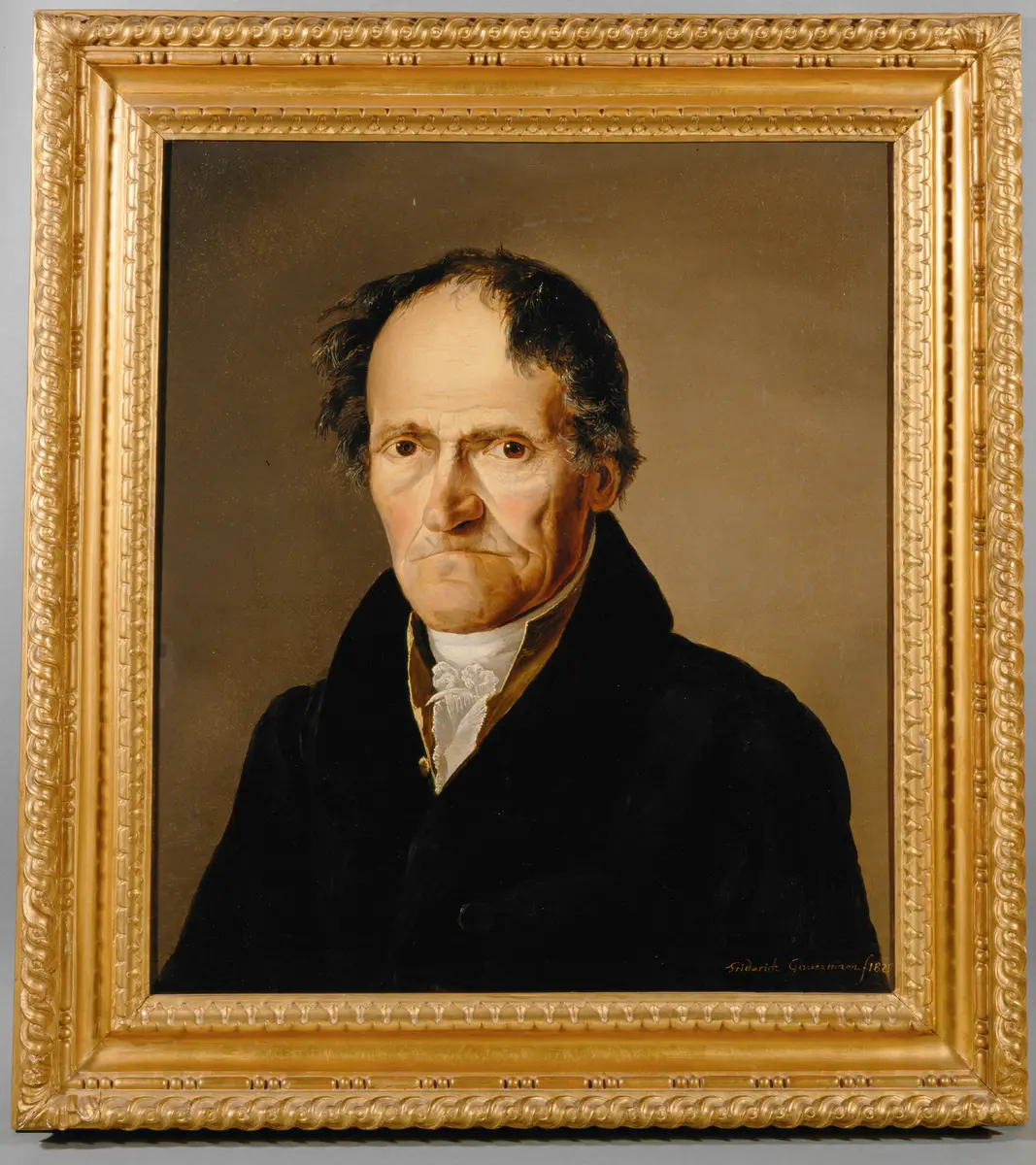
The heyday of Vienna piano making in the late 18th century is inextricably linked to the musical developments that reached a pinnacle in the music of the Viennese Classical period. According to his contemporaries, Anton Walter was the most important Viennese piano maker of the time. He was born in 1752 in Neuhausen, a town near Stuttgart, and settled in Vienna in 1775. From 1778 until his death he ran a workshop in the so-called Fokanetische Haus in the Laimgrube district, near the present-day Theater an der Wien. It has recently come to light that Walter spent a great deal of his time as a farmer. In 1792 he bought a farm in Lower Austria near Miesenbach, where he spent several months each summer. On the so-called Gauermannhof, which still exists today, Walter cultivated fruit trees. In the wake of the French revolution, Austrian officialdom attempted radically to supress revolutionary ideology. As Walter had been in contact with suspected persons, he became embroiled in the so-called Jacobine case and underwent unpleasant interrogations by the police. Anton Walter had two stepsons, Donat and Joseph Schöfstoß, who also became piano makers. They initially worked together with Walter, though they later set up independently. Walter’s stepdaughter Rosina Katherina married the painter Jakob Friedrich Gauermann in 1803. In 1825 their son Friedrich painted a portrait of his step-grandfather, who at that time was 73 years old. (rh)
Lit.: Rudolf Hopfner: Masterpieces from the Collection of Historic Musical Instruments. A Short Guide through the Kunsthistorisches Museum Vienna, Vol. 1, Vienna 2019
Artist:
Friedrich August Mathias Gauermann (1807 Miesenbach bei Wiener Neustadt - 1862 Wien)
Depiction/Person:
Anton Walter (1752 Neuhausen auf den Fildern - 1826 Wien) DNB
Time:
1825
Object Name
Painting
Culture
Austria
Material/technology:
oil on canvas
Dimensions:
690 mm x 620 mm x 55 mm
Copyright
Kunsthistorisches Museum, Sammlung alter Musikinstrumente
Invs.
Sammlung alter Musikinstrumente, 501
Browse more
Similar items you might be interested in
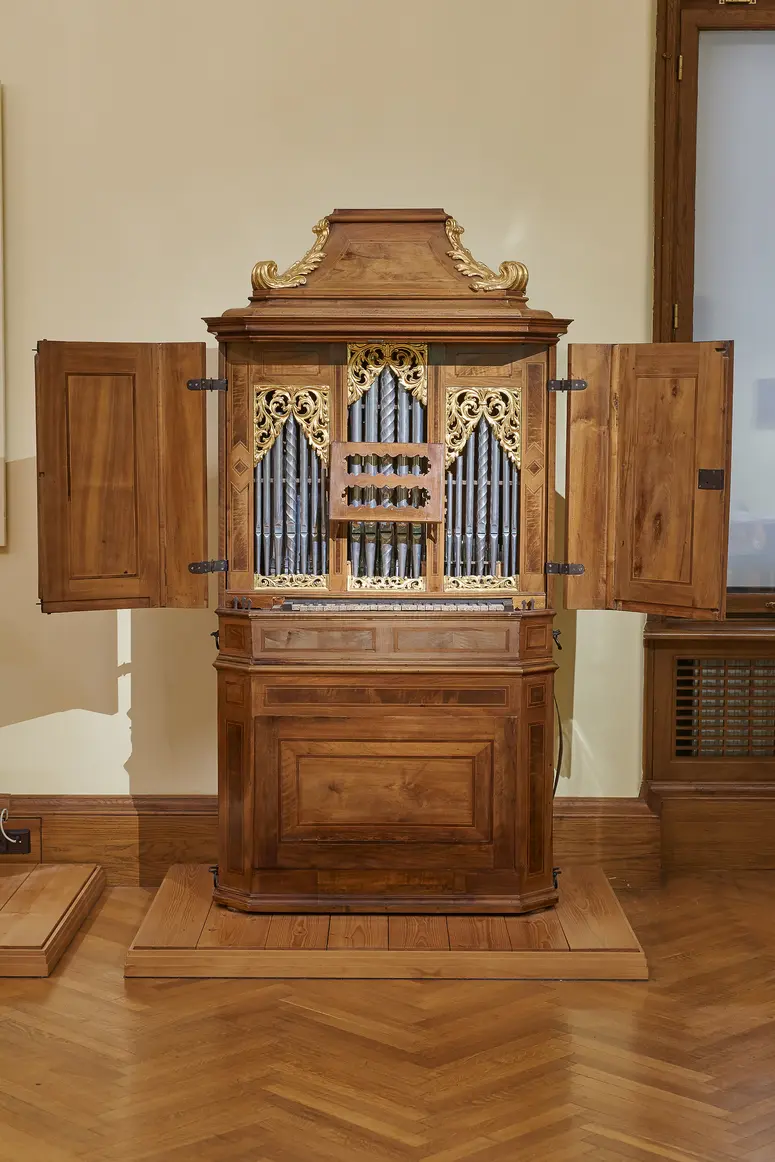
Franz Walter beginning of the 18th century
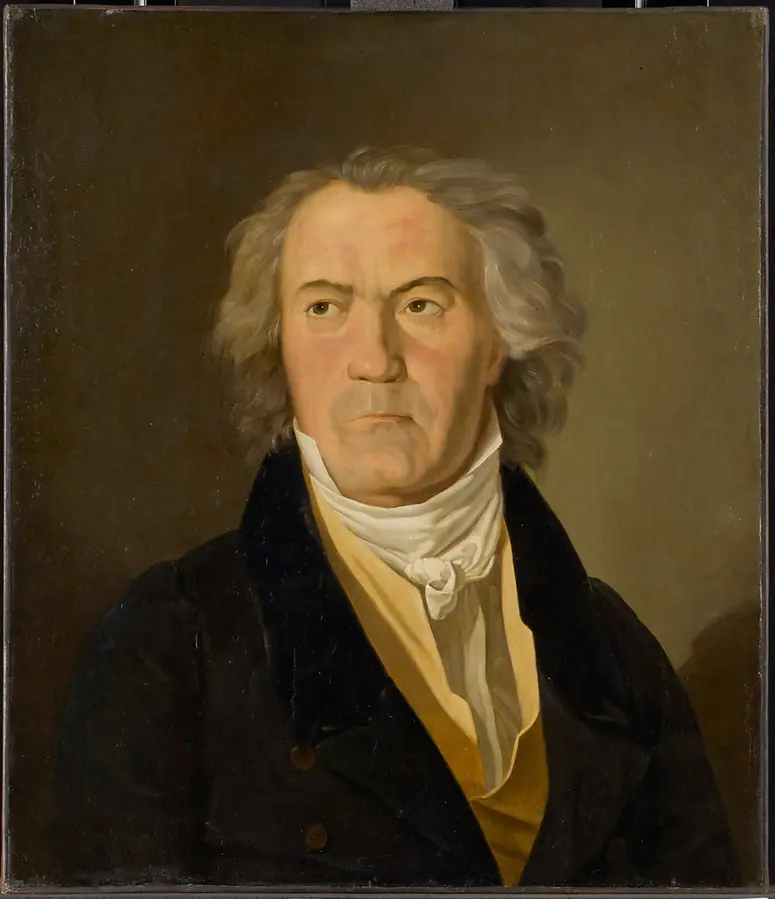
Painting: Portrait Ludwig van Beethoven Ferdinand Georg Waldmüller 1823
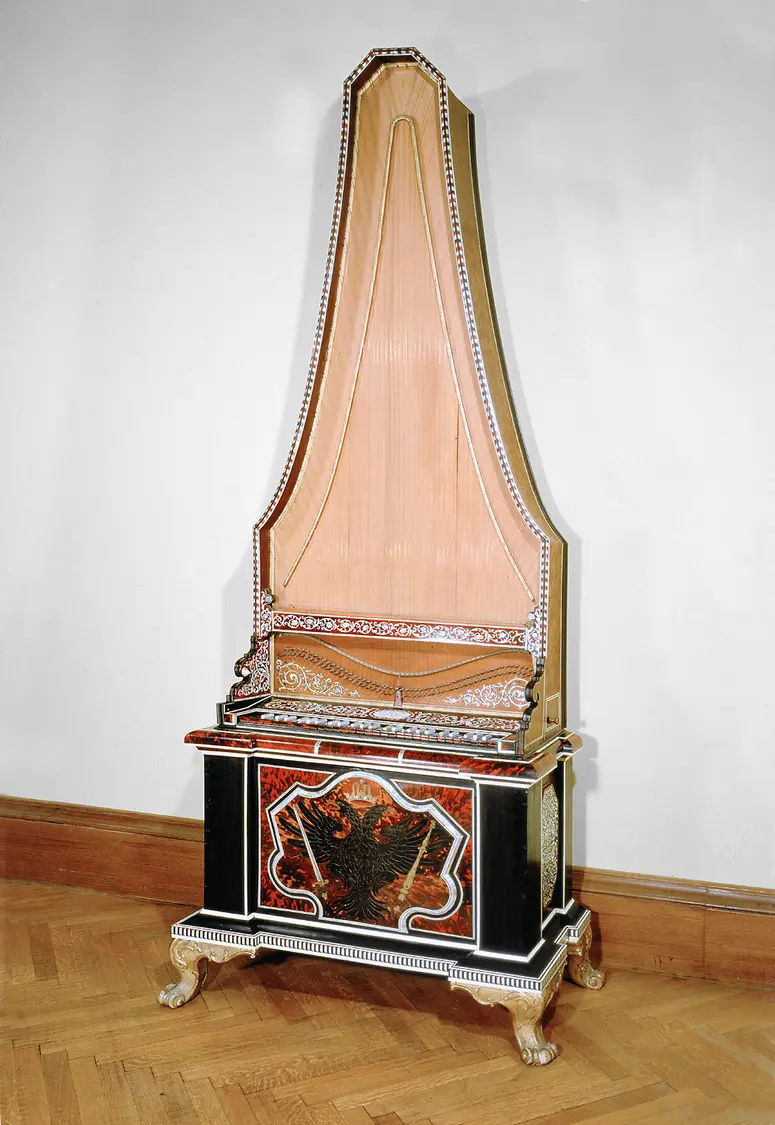
Manufacturer: Martin Kaiser 2nd half of the 17th century
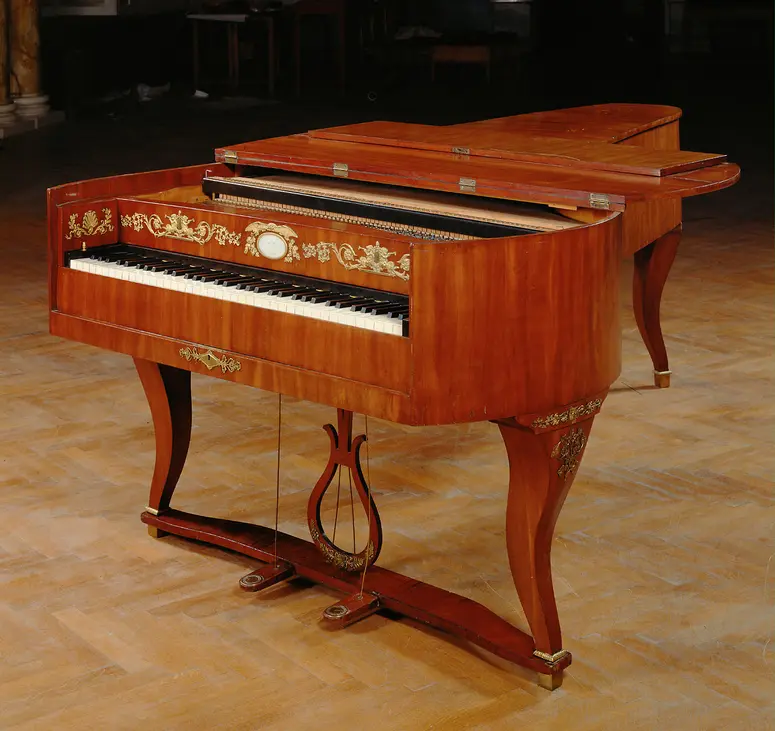
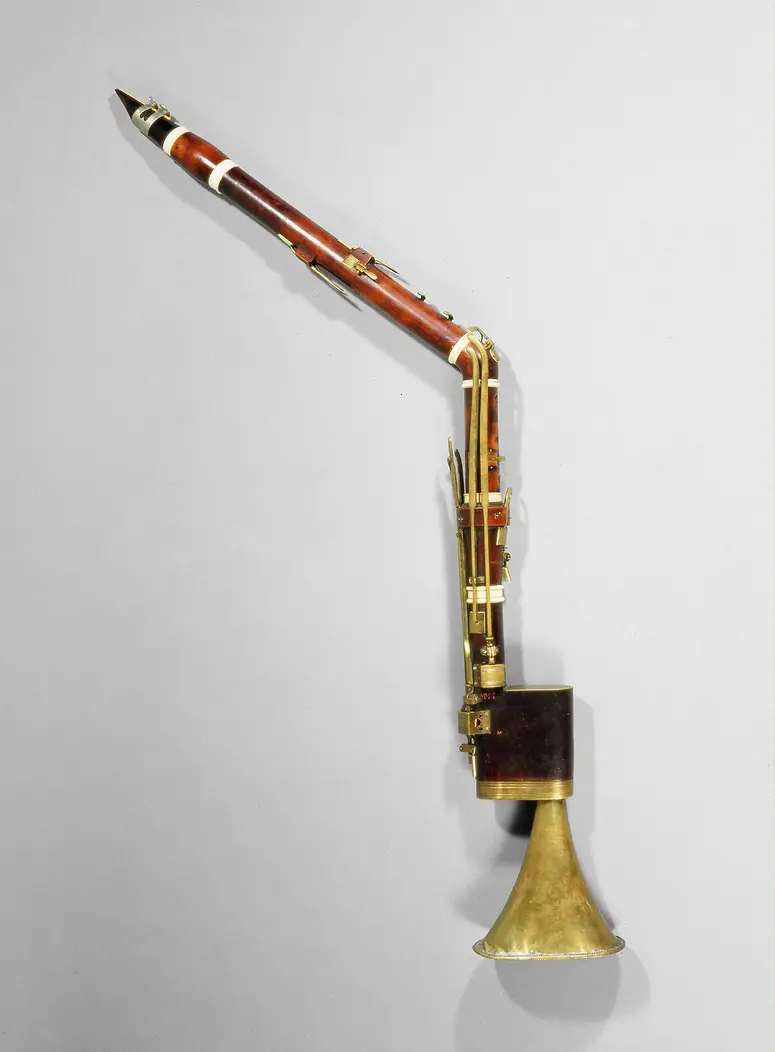
Manufacturer: Johann Baptist Merklein approx. 1800
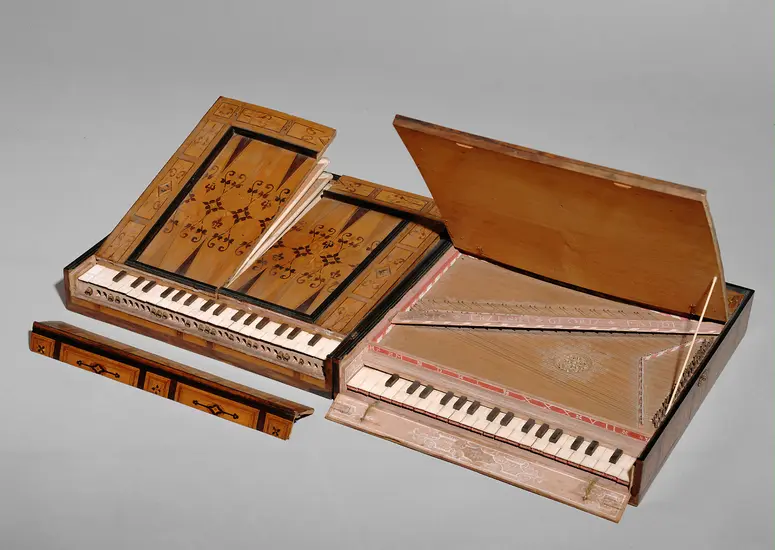
Manufacturer: Anton Meidting December 1587
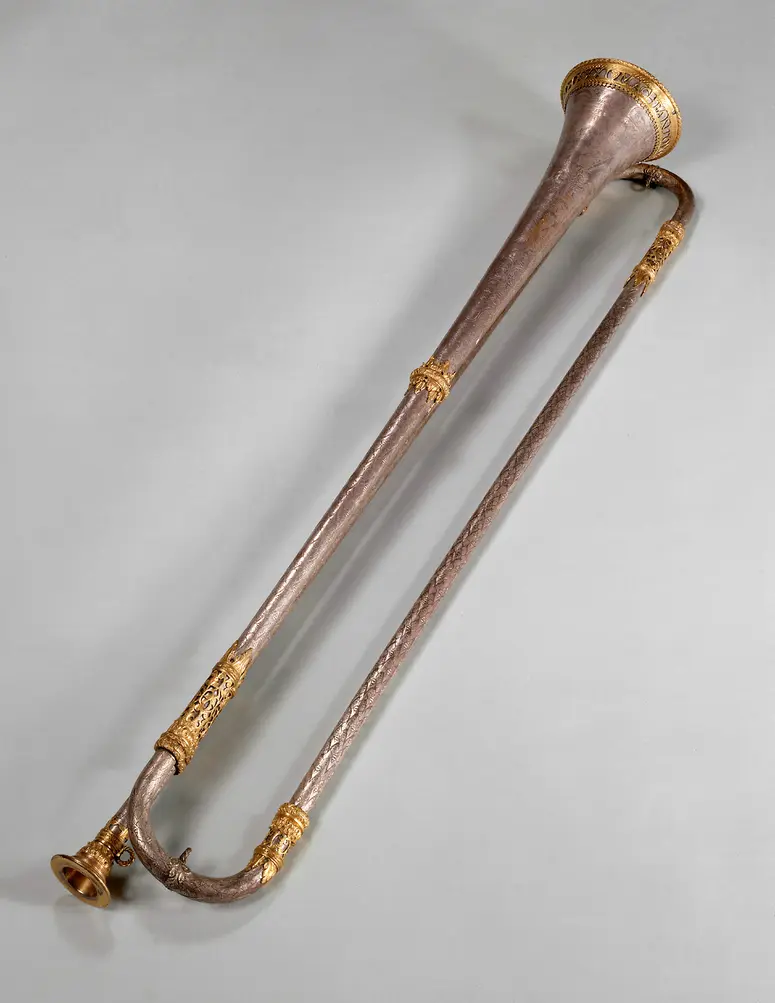
Manufacturer: Anton Schnitzer 1581
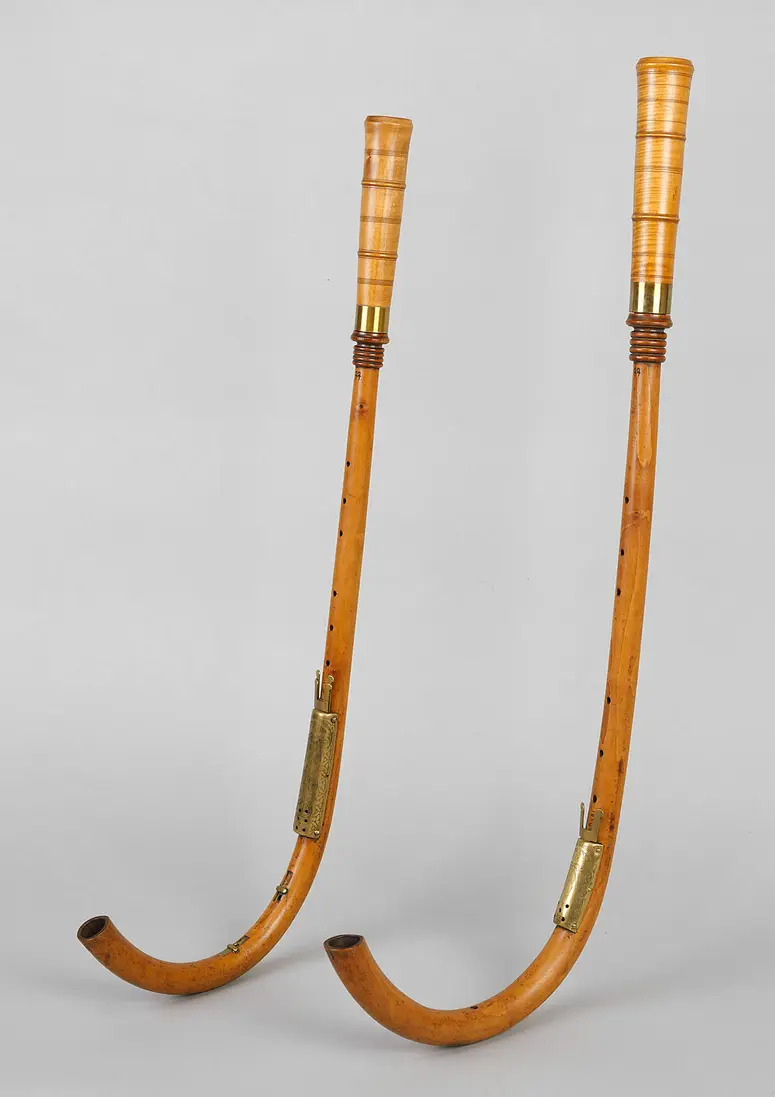
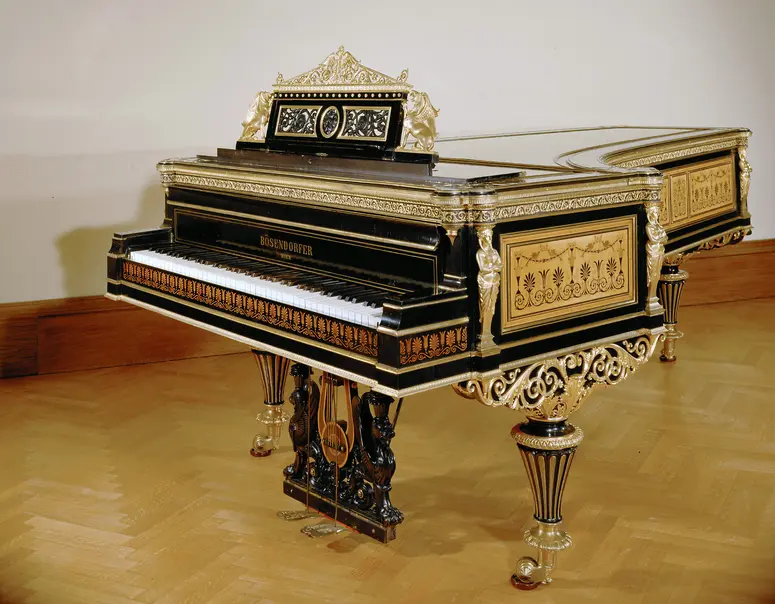
Manufacturer: Fa. Bösendorfer 1867
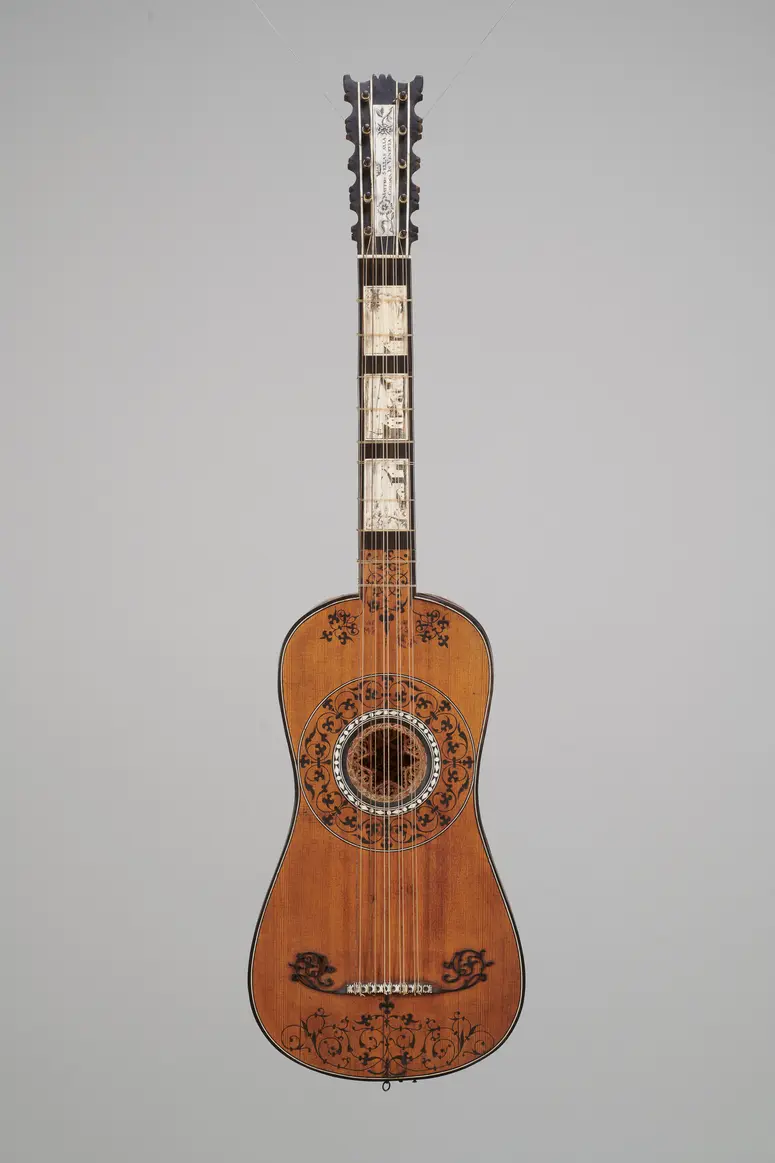
Manufacturer: Matthäus Seelos 1st half of the 17th century
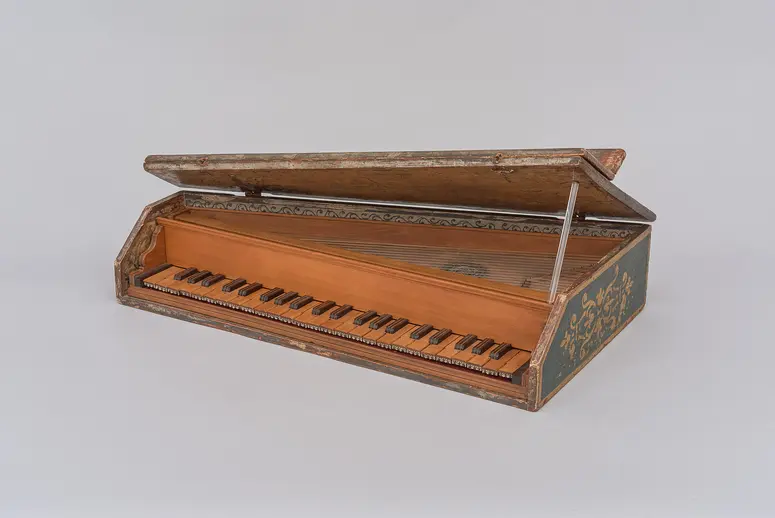
Manufacturer: anonym 2nd half of the 16th century (assigned)
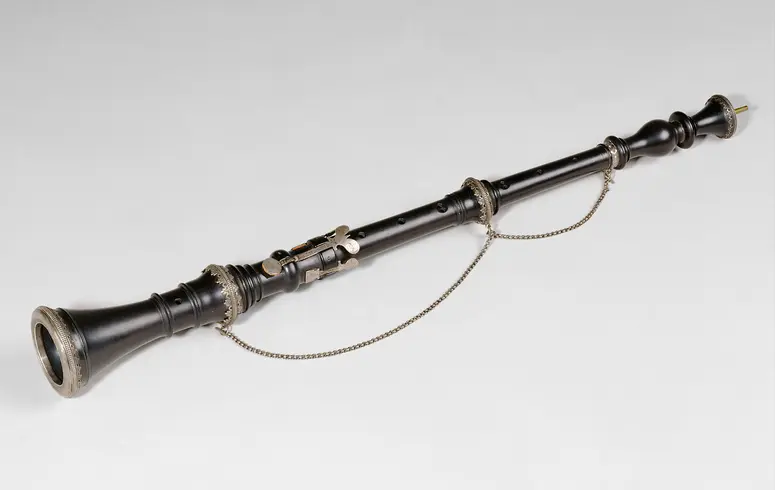
Manufacturer: Hendrik Richters beginning of the 18th century
Manufacturer: Michael Leichamschneider 1741
Manufacturer: Wenzel Kowansky 1749
Manufacturer: Johann Baptist Streicher 1840
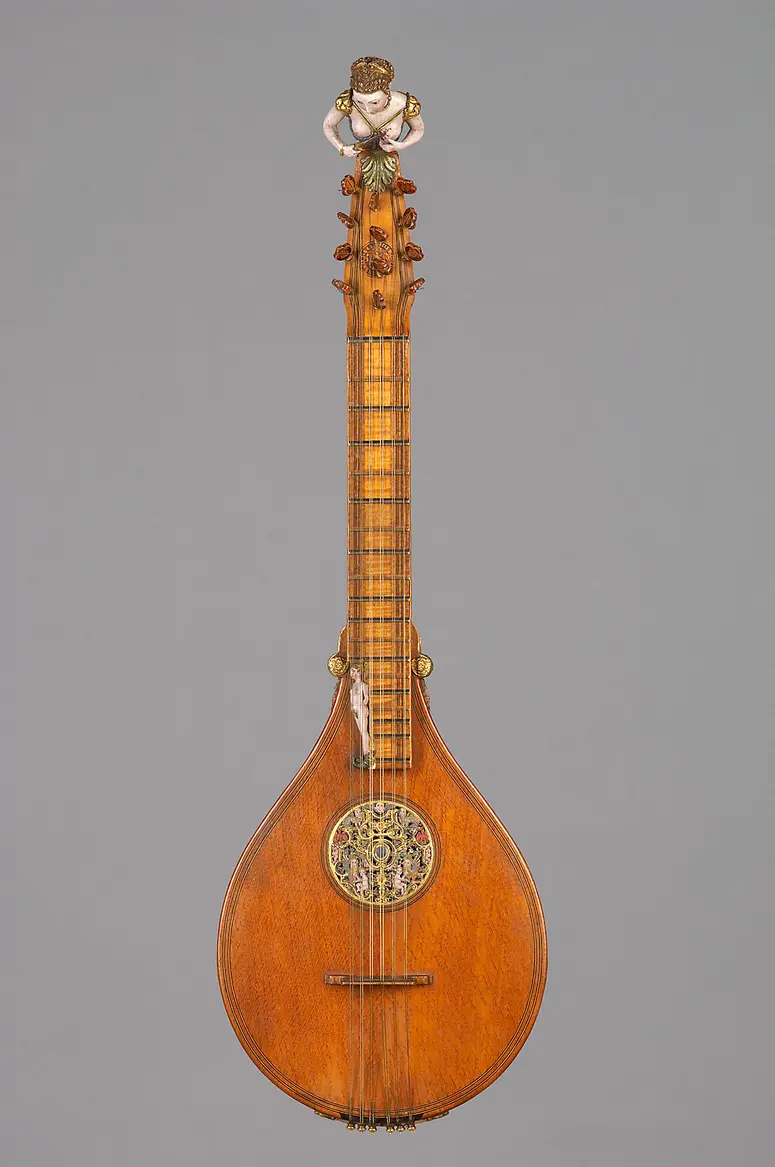
Manufacturer: Girolamo de Virchis 1574