Kopf eines bärtigen Mannes
2. Hälfte 5. Jh. v. Chr.
This fragment of a life-size head of a bearded man wearing a wreath exemplifies a type of votive statue familiar from the middle of the sixth century B. C. onwards. It derives from a relief dating from the second half of the fifth century B. C. The head stands out in almost complete plastic realization from the background of the relief. It is depicted in three-quarters profile turned to the right. The dominant features of the face are large eyes placed low on the head, and a full mouth. Over the forehead, the hair is indicated by twelve regularly arranged curls ending in spirals. Above this is a wreath of partially overlapping rosettes. The sideburns consist of similar curls which also form the end of the thin moustache. Traces of red paint have survived on the lips and the right side of the forehead.
A. Bernhard-Walcher u. a., Die Sammlung zyprischer Antiken im KHM. Sammlungskataloge des KHM Bd. 2, Wien: 1999
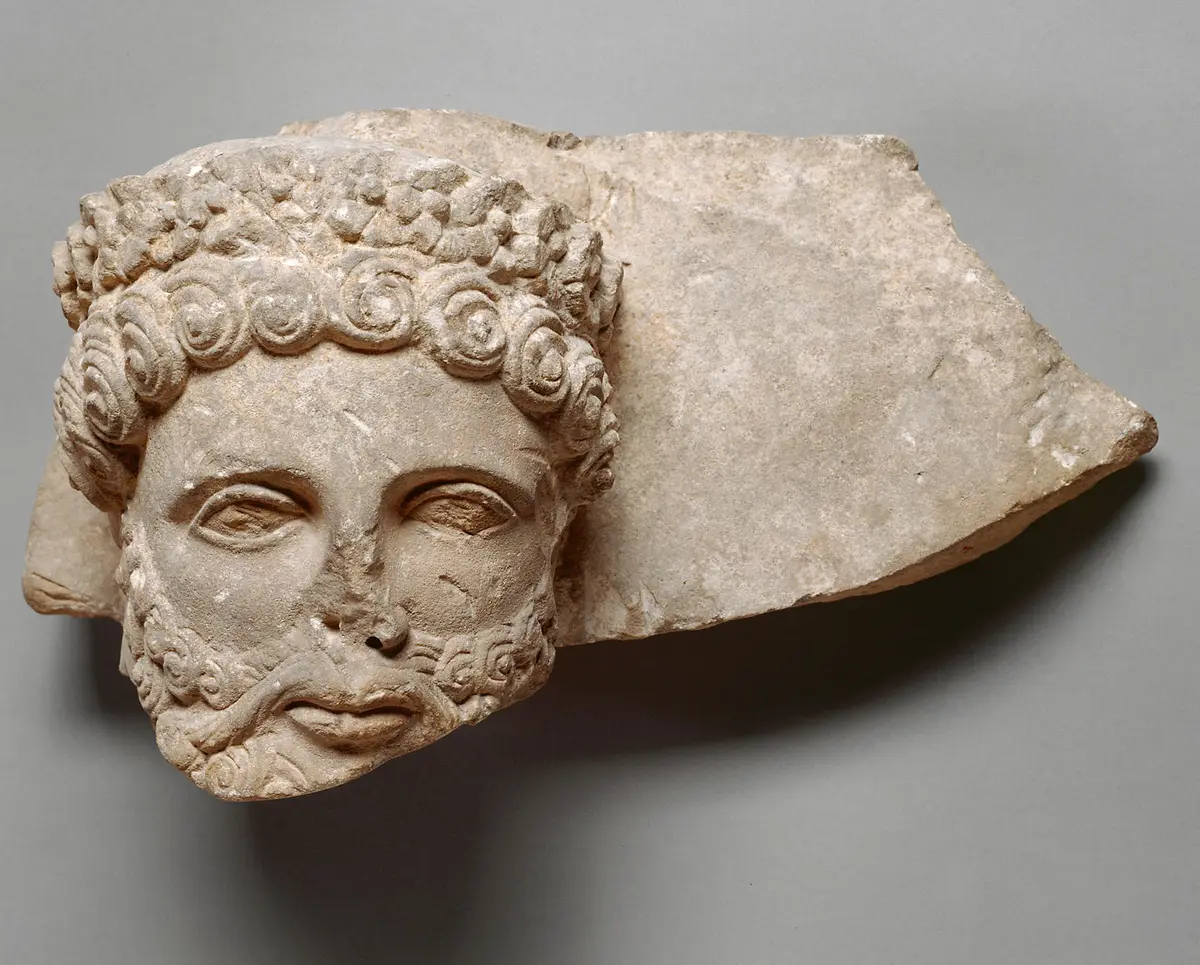

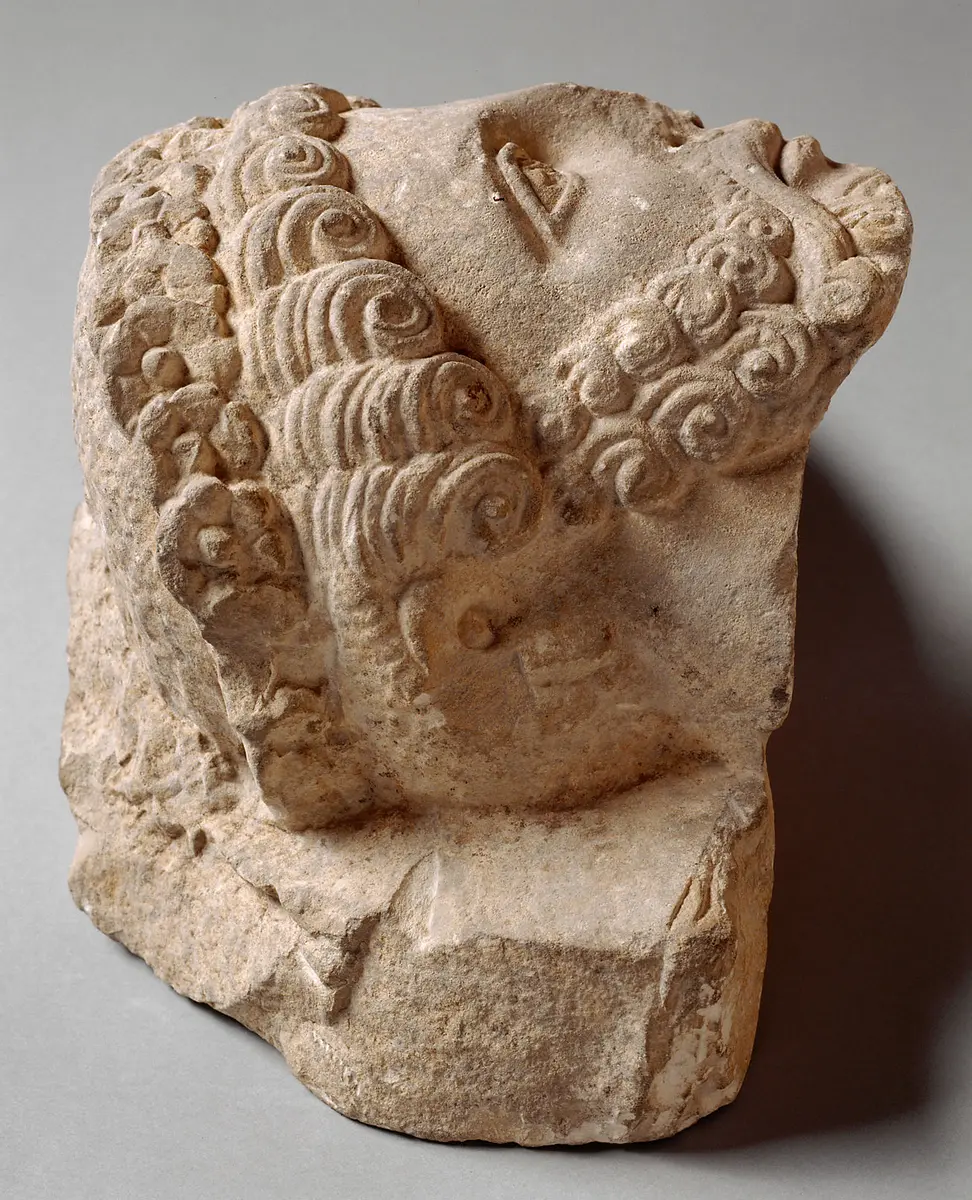
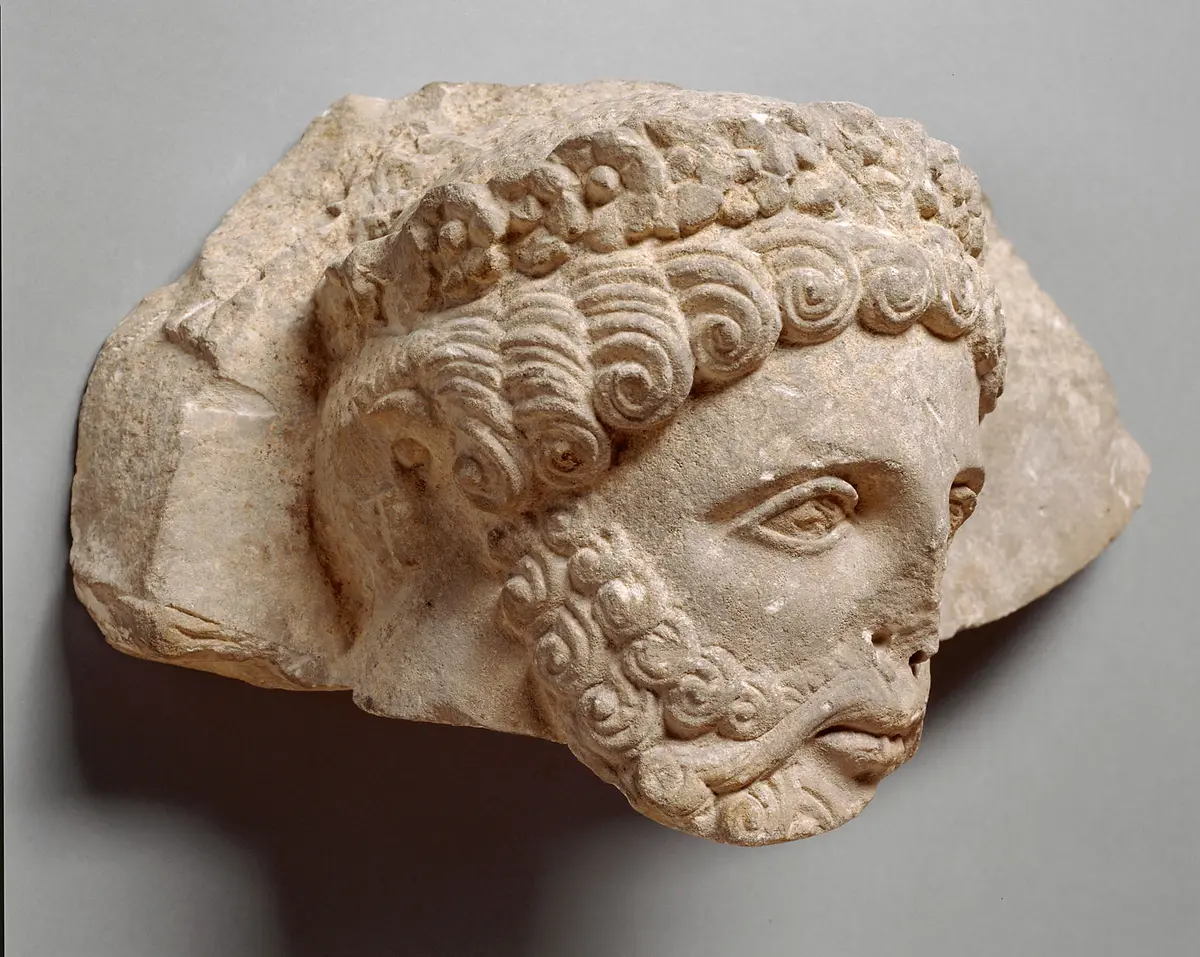
This fragment of a life-size head of a bearded man wearing a wreath exemplifies a type of votive statue familiar from the middle of the sixth century B. C. onwards. It derives from a relief dating from the second half of the fifth century B. C. The head stands out in almost complete plastic realization from the background of the relief. It is depicted in three-quarters profile turned to the right. The dominant features of the face are large eyes placed low on the head, and a full mouth. Over the forehead, the hair is indicated by twelve regularly arranged curls ending in spirals. Above this is a wreath of partially overlapping rosettes. The sideburns consist of similar curls which also form the end of the thin moustache. Traces of red paint have survived on the lips and the right side of the forehead.
A. Bernhard-Walcher u. a., Die Sammlung zyprischer Antiken im KHM. Sammlungskataloge des KHM Bd. 2, Wien: 1999
Time:
2. Hälfte 5. Jh. v. Chr.
Object Name
Relief
Culture
Zyprisch
Location of discovery:
Zypern
Material/technology:
Kalkstein
Dimensions:
H. 23 cm, B. 43 cm, D. 20 cm
Copyright
Kunsthistorisches Museum, Antikensammlung
Invs.
Antikensammlung, I 44
Provenance
Dovnik, Mechitaristenpater; 1857 Kauf
Browse more
Similar items you might be interested in
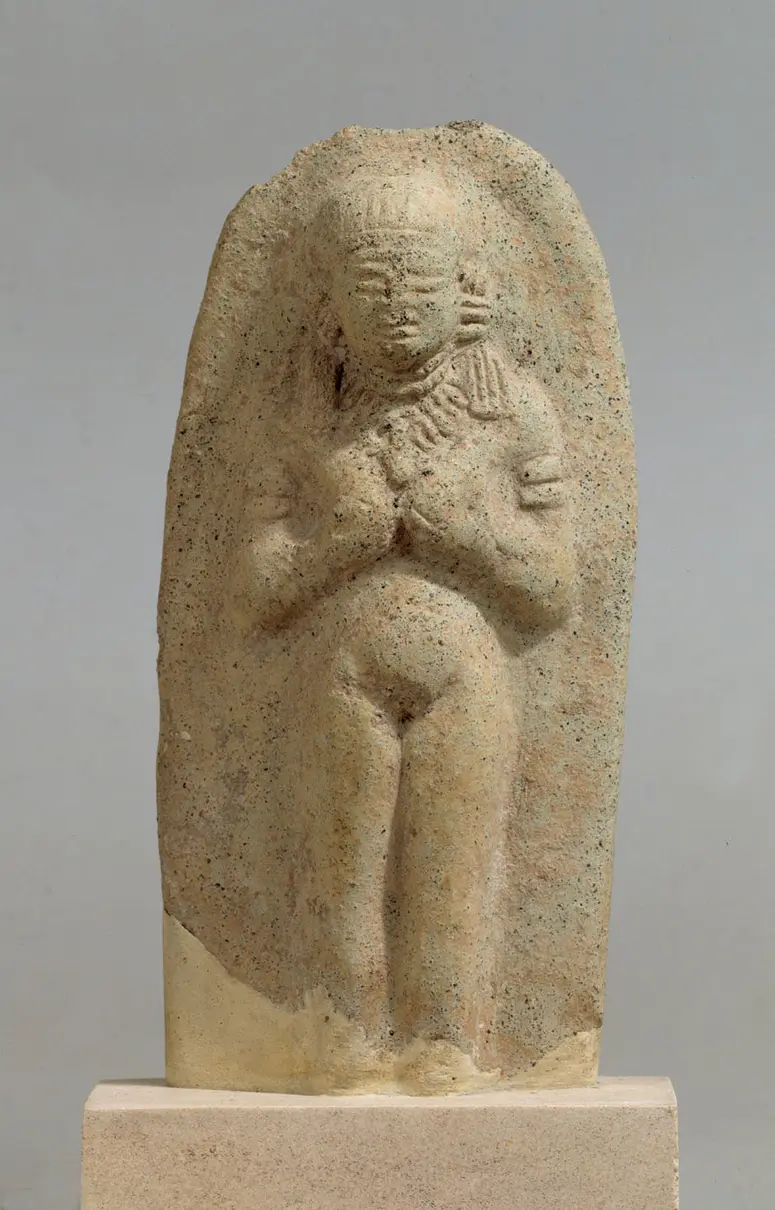
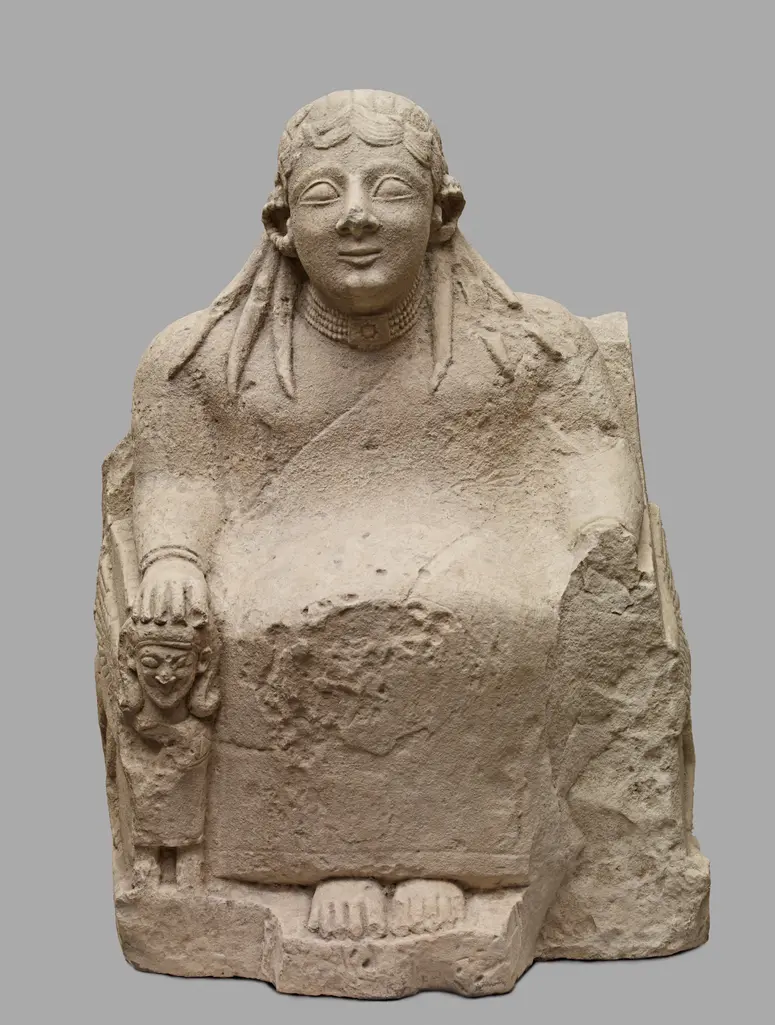
Statuette: Thronende Göttin (Astarte?) Zyprisch, Eisenzeit, archaisch 1. Hälfte 6. Jh. v. Chr.
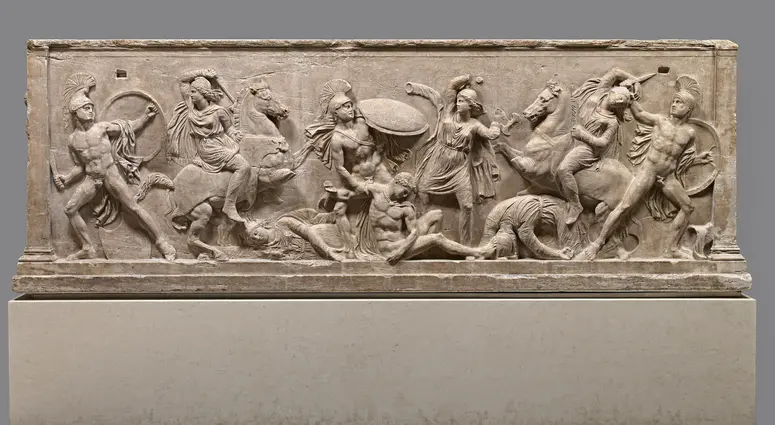

Pyxis der Bichrome III Ware: Vogel Zyprisch, Eisenzeit, geometrisch 850 - 750 v. Chr.
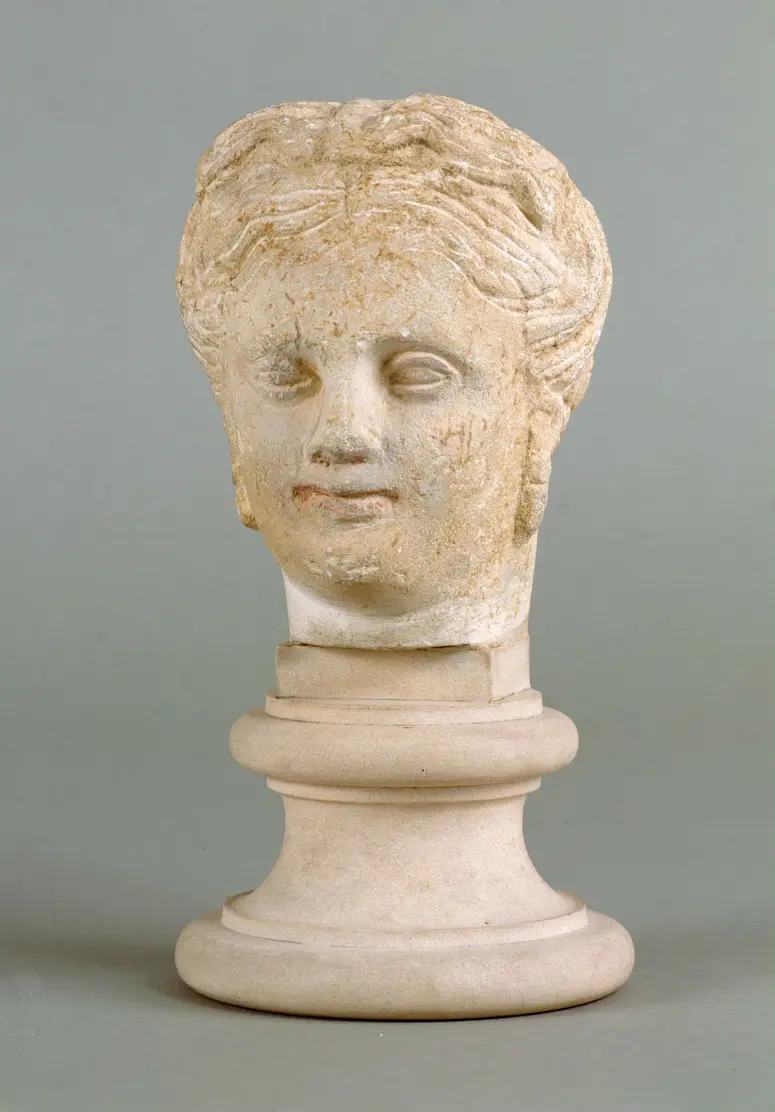
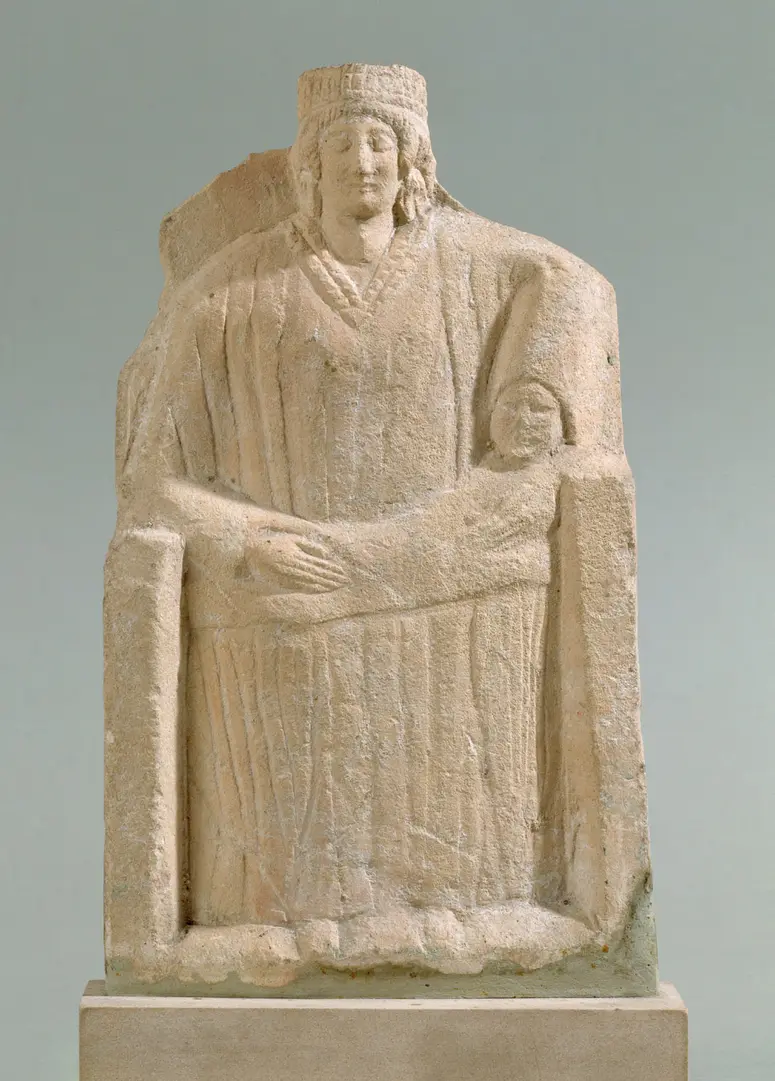
Statuette: Thronende Muttergöttin Zyprisch, Eisenzeit, hellenistisch 4. - 3. Jh. v. Chr.
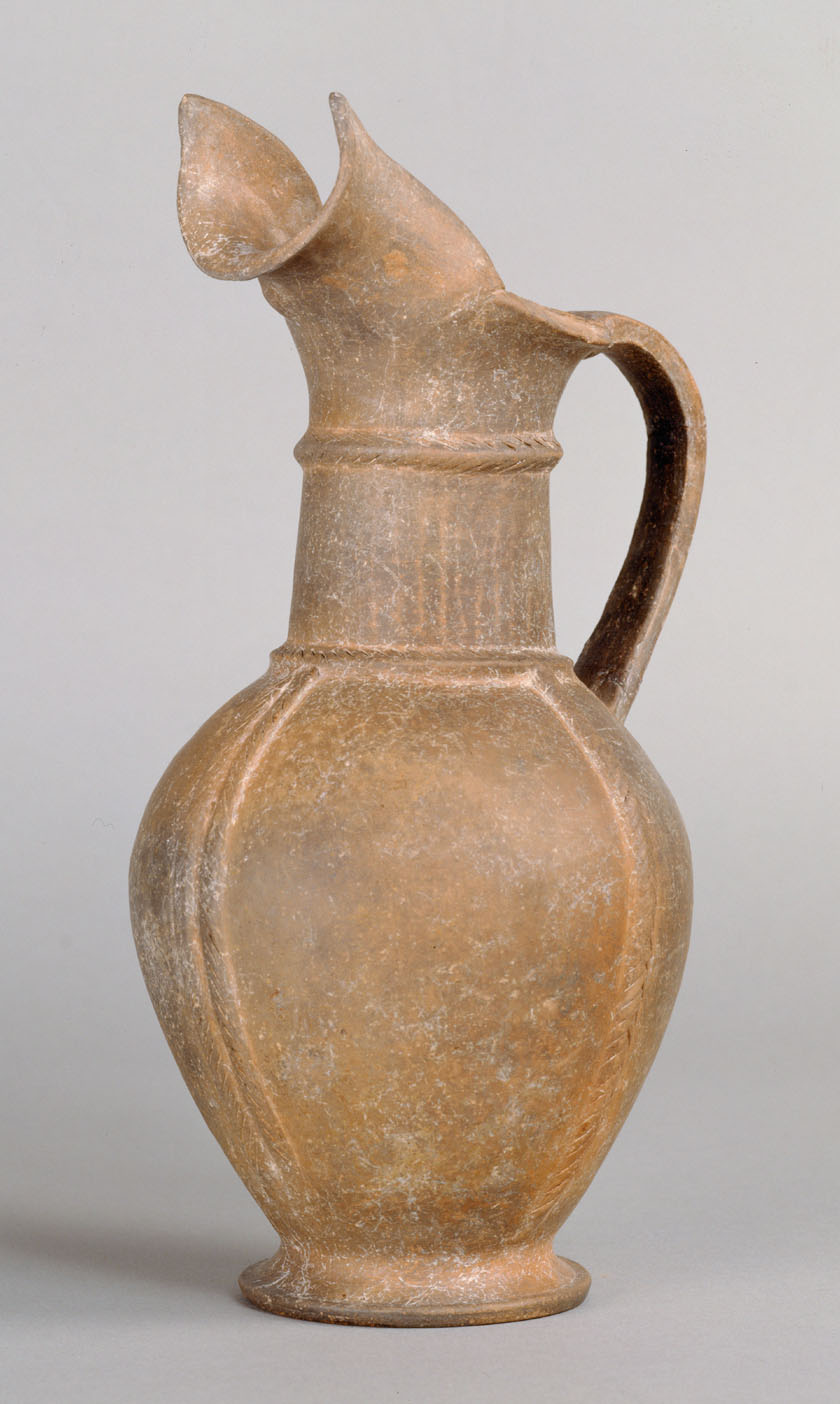
Schnabelkanne der Base-Ring I Ware: Bänder mit Ritzornamenten Zyprisch, Bronzezeit, Spätzyprisch 1625 - 1450 v. Chr.
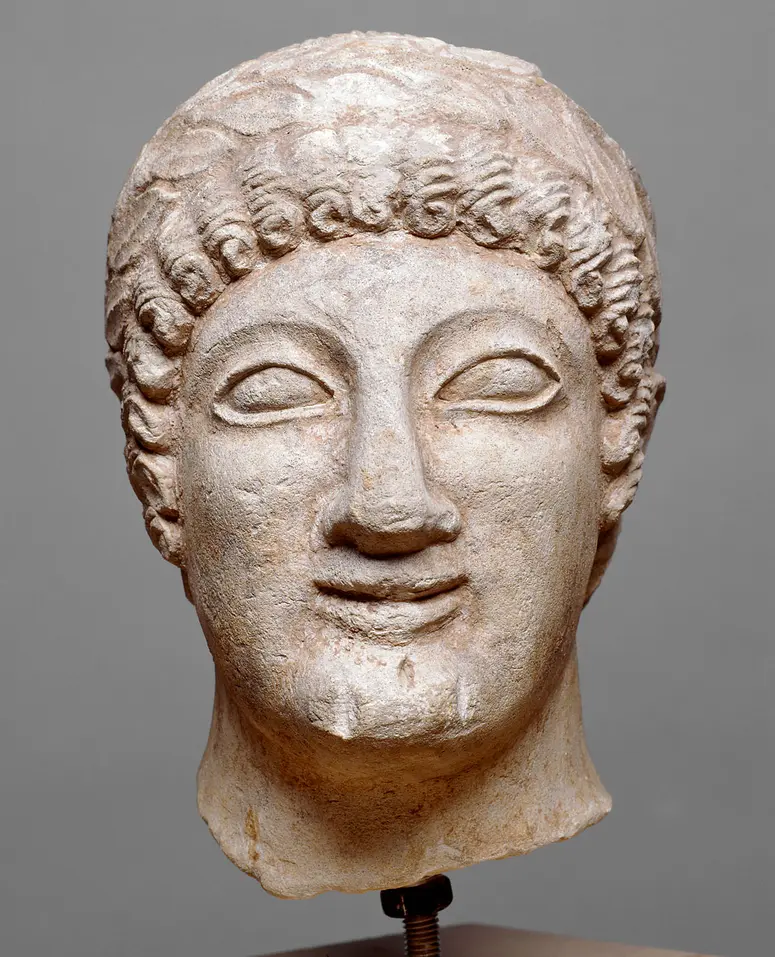
Kopf: Junger Mann mit Lorbeerkranz Zyprisch, Eisenzeit, archaisch 1. Viertel 5. Jh. v. Chr.
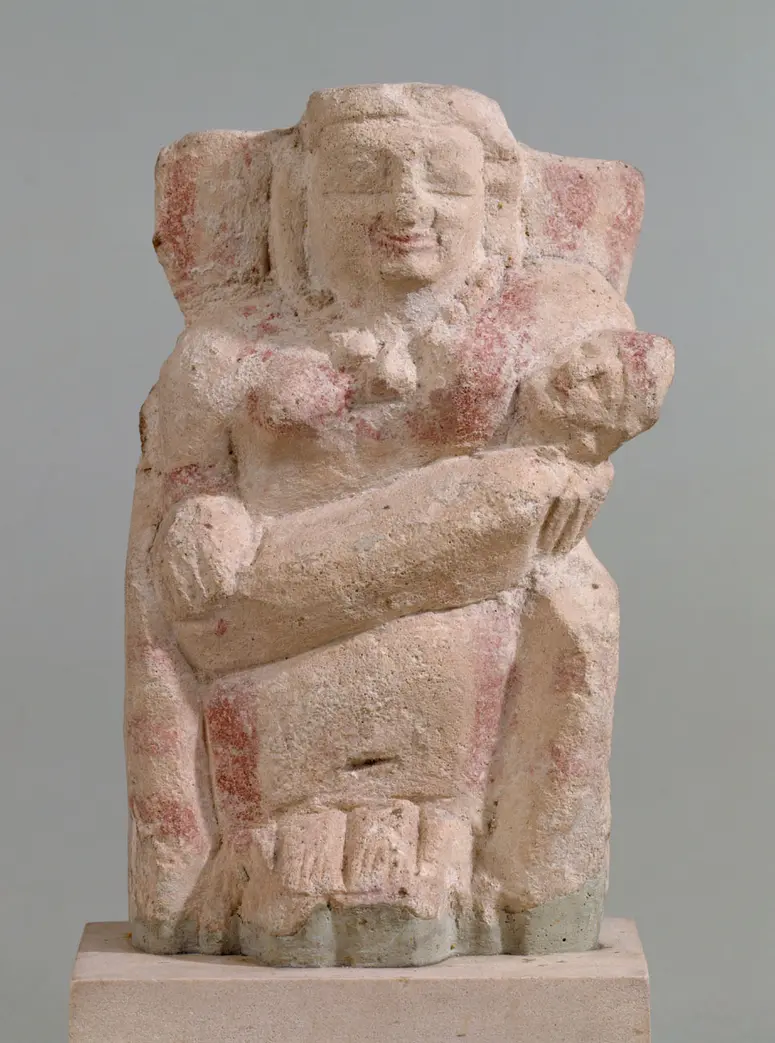
Statuette: Thronende Muttergöttin Zyprisch, Eisenzeit, archaisch 2. Hälfte 6. Jh. v. Chr.
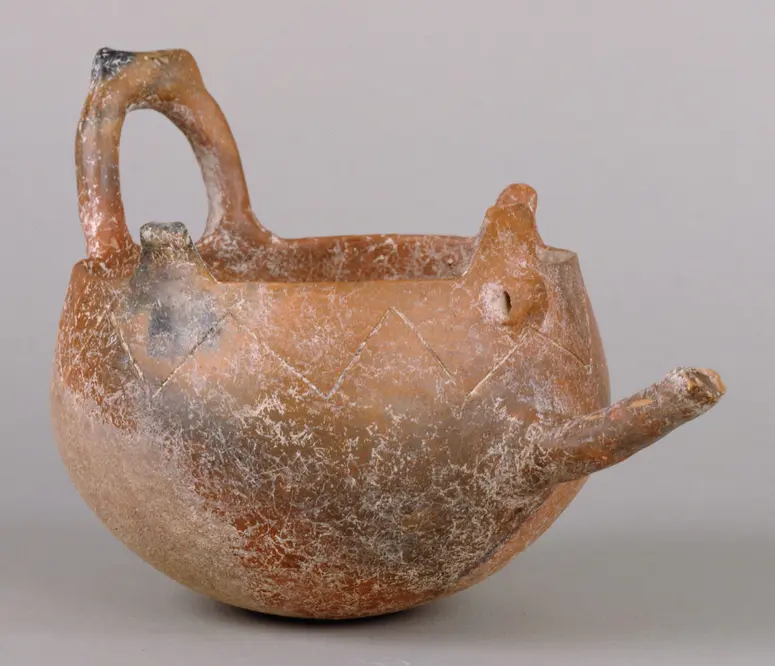
Henkelschale mit Ausguss der Red Polished III Ware: Ritzdekor Zyprisch, Bronzezeit, Früh- bis Mittelzyprisch 2000 - 1800 v. Chr.
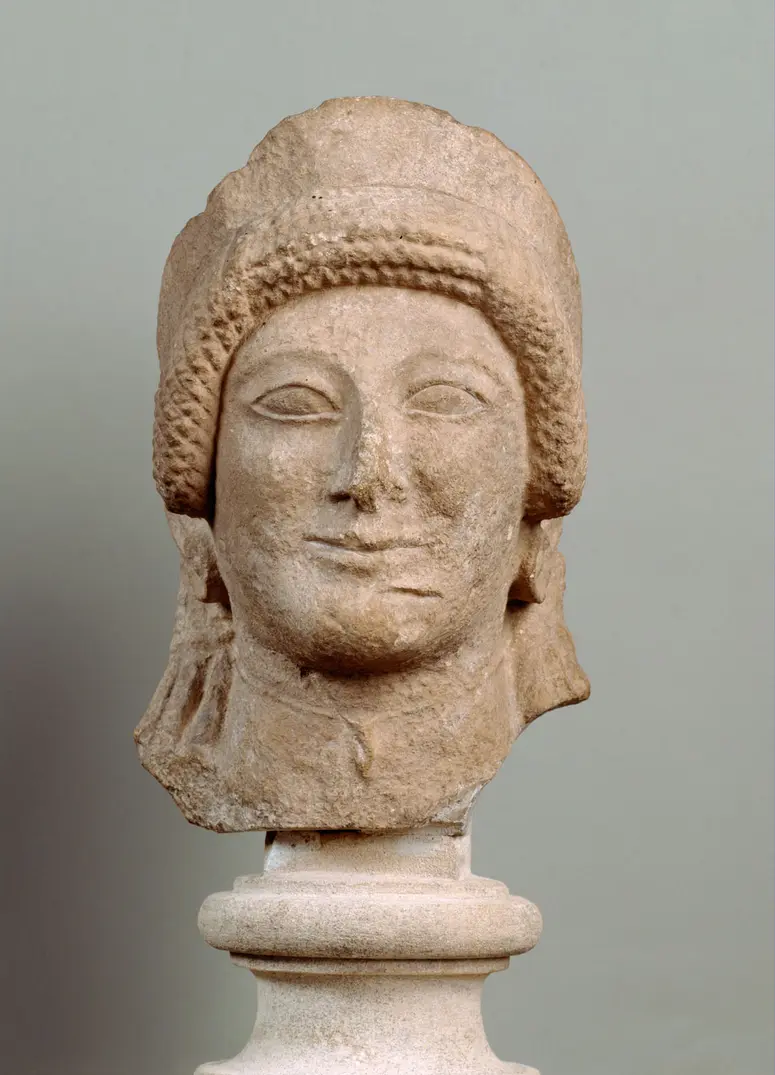
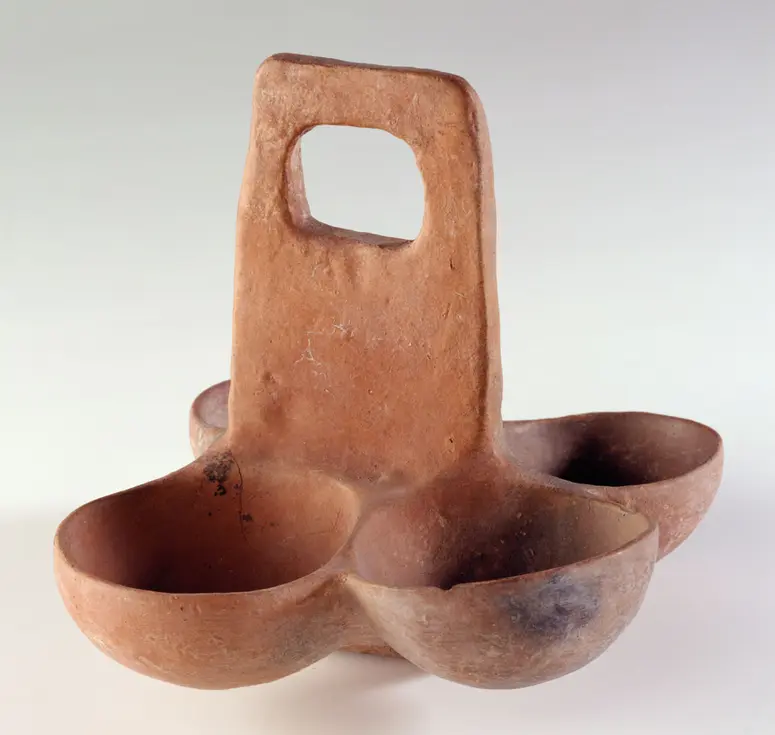
Kompositgefäß der Base-Ring I Ware (?): Halbkugelförmige Schalen Zyprisch, Bronzezeit, Spätzyprisch 1625 - 1450 v. Chr.
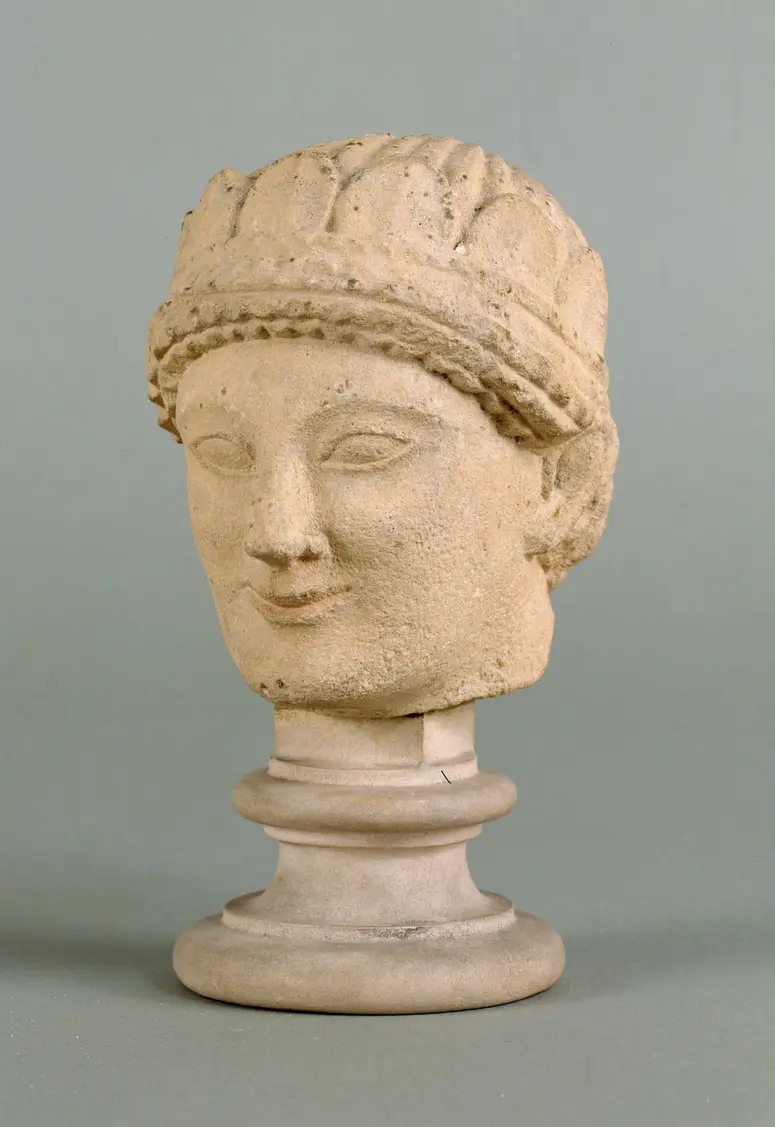
Kopf: Jüngling mit Blattkranz Zyprisch, Eisenzeit, archaisch 1. Viertel 5. Jh. v. Chr.
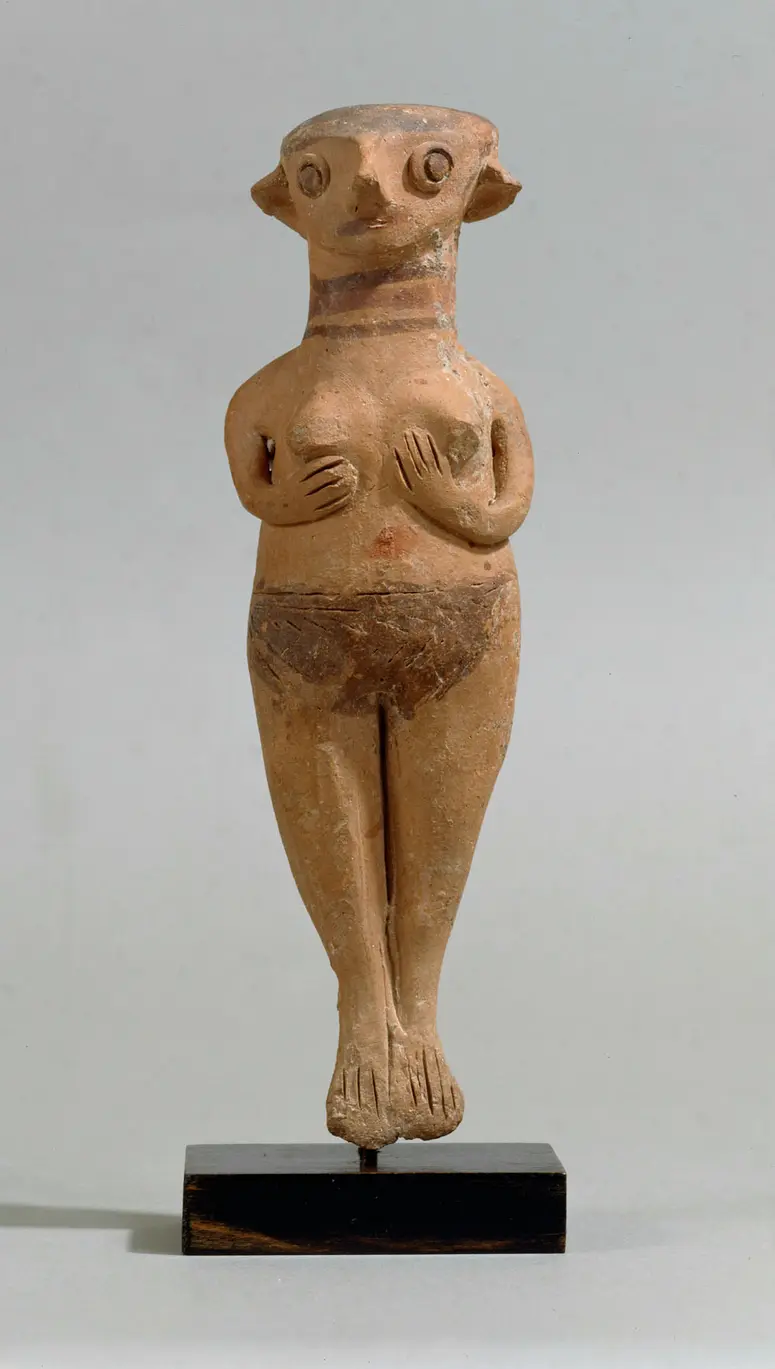
Statuette: Weibliches Idol der Base-Ring Ware Zyprisch, Bronzezeit, Spätzyprisch 1450 - 1200 v. Chr.