Stehende Göttin (Astarte)
6. Jh. v. Chr.
Figurine of a standing nude female figure in relief against a flat plaque with a rounded upper part. Lower part missing. Mold-made. The facial details, especially the eyes, are summarily rendered. Vertical grooves for the hair. She seems to wear “ear-caps” and earrings, all rendered with grooves. Locks of vertically grooved hair fall on each shoulder. She wears two rows of beaded necklaces around the upper part of the neck and two others below, with pendants, falling on the chest between the breasts. Two armlets on each arm. Both arms are bent to the chest, with the hands supporting the breasts. The back side is plain. No traces of color.The Vienna piece was made in a mold and it was meant to be seen only from the front. The back is flat and unmodelled. Similar plaques have been found at other Phoenician and Punic sites. The goddess is richly decorated with jewelry. Very often such figurines are painted in red and yellow.
A. Bernhard-Walcher u.a., Die Sammlung zyprischer Antiken im KHM. Sammlungskataloge des KHM Bd. 2, Wien 1999 (V. Karageorghis)
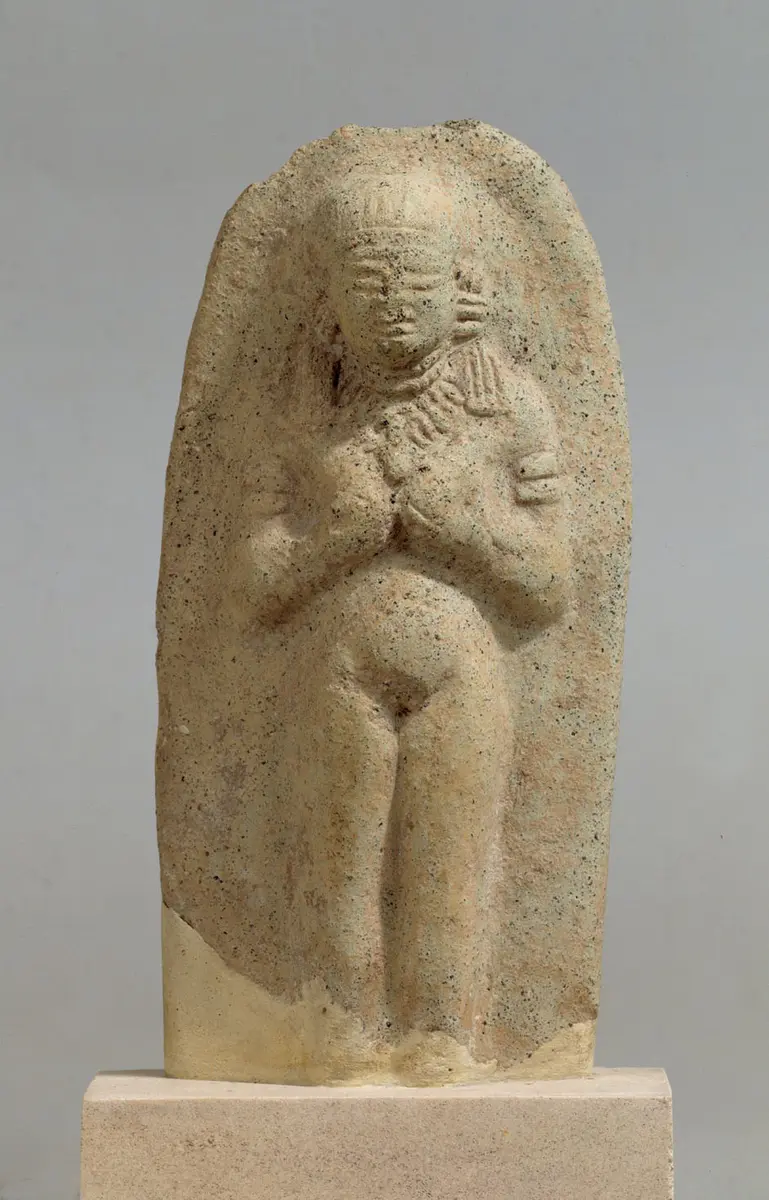
Figurine of a standing nude female figure in relief against a flat plaque with a rounded upper part. Lower part missing. Mold-made. The facial details, especially the eyes, are summarily rendered. Vertical grooves for the hair. She seems to wear “ear-caps” and earrings, all rendered with grooves. Locks of vertically grooved hair fall on each shoulder. She wears two rows of beaded necklaces around the upper part of the neck and two others below, with pendants, falling on the chest between the breasts. Two armlets on each arm. Both arms are bent to the chest, with the hands supporting the breasts. The back side is plain. No traces of color.The Vienna piece was made in a mold and it was meant to be seen only from the front. The back is flat and unmodelled. Similar plaques have been found at other Phoenician and Punic sites. The goddess is richly decorated with jewelry. Very often such figurines are painted in red and yellow.
A. Bernhard-Walcher u.a., Die Sammlung zyprischer Antiken im KHM. Sammlungskataloge des KHM Bd. 2, Wien 1999 (V. Karageorghis)
Time:
6. Jh. v. Chr.
Object Name
Statuette
Culture
Zyprisch
Location of discovery:
Idalion (Dhali, Zypern)
Material/technology:
Ton graugelb; in einem Model geformt
Dimensions:
H. 14,2 cm, B. 5,9 cm, T. 3 cm
Copyright
Kunsthistorisches Museum, Antikensammlung
Invs.
Antikensammlung, V 1169
Provenance
Cesnola, Luigi Palma di, Konsul, Larnaka; 1869 Kauf
Browse more
Similar items you might be interested in
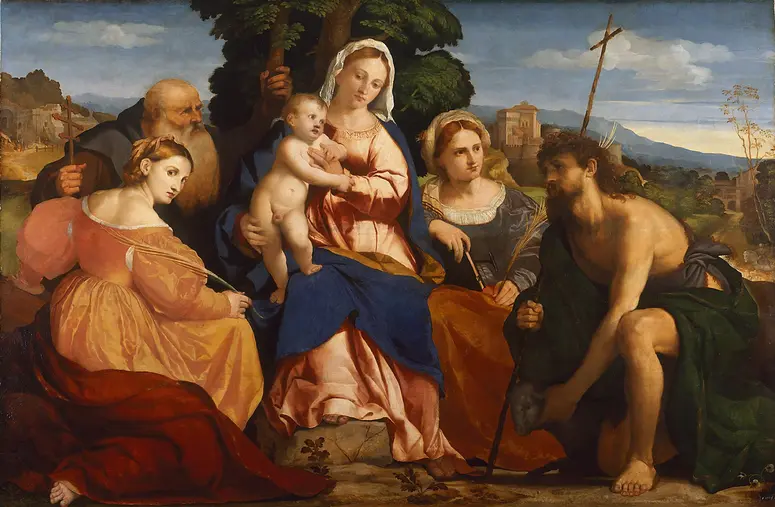
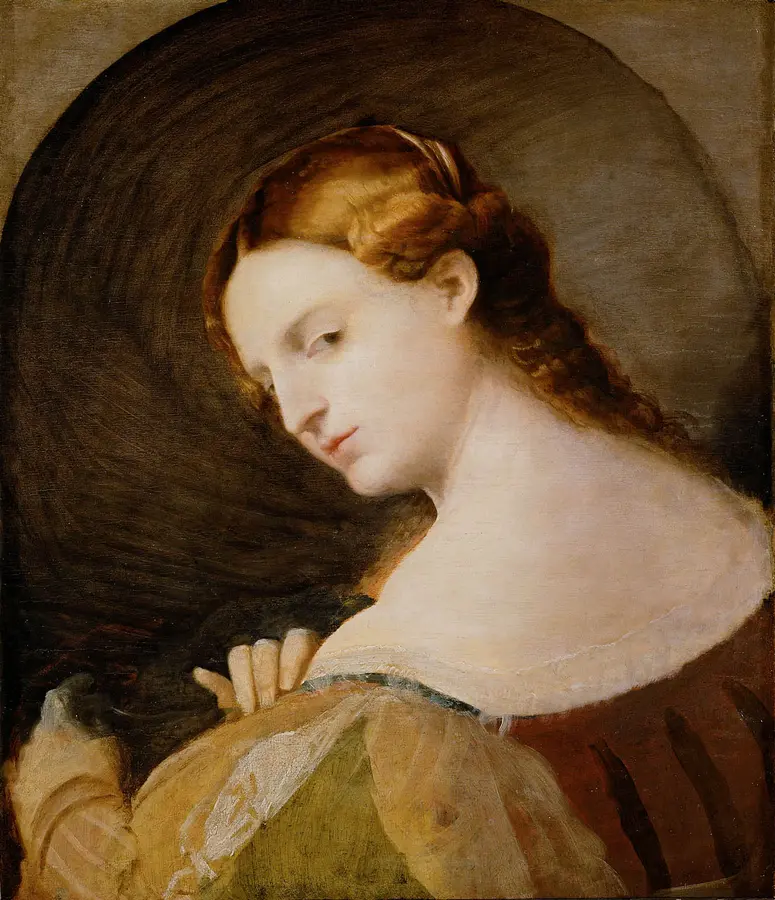
Portrait of a Young Woman in Profile Jacopo Negretti, gen. Palma il Vecchio around 1520/25
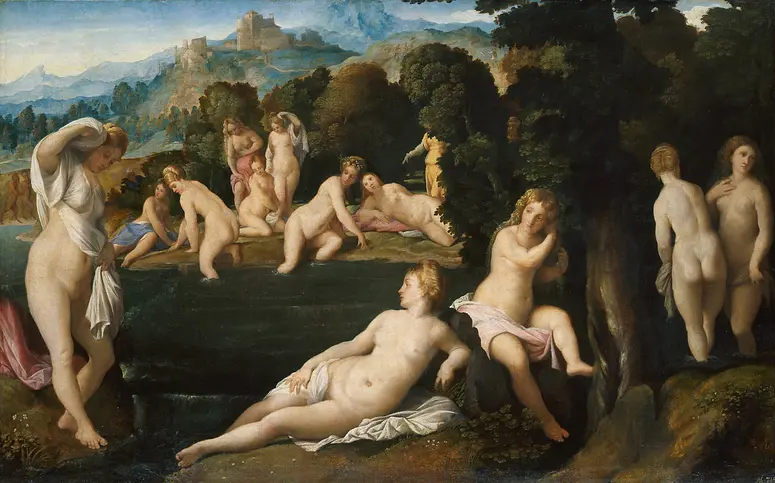
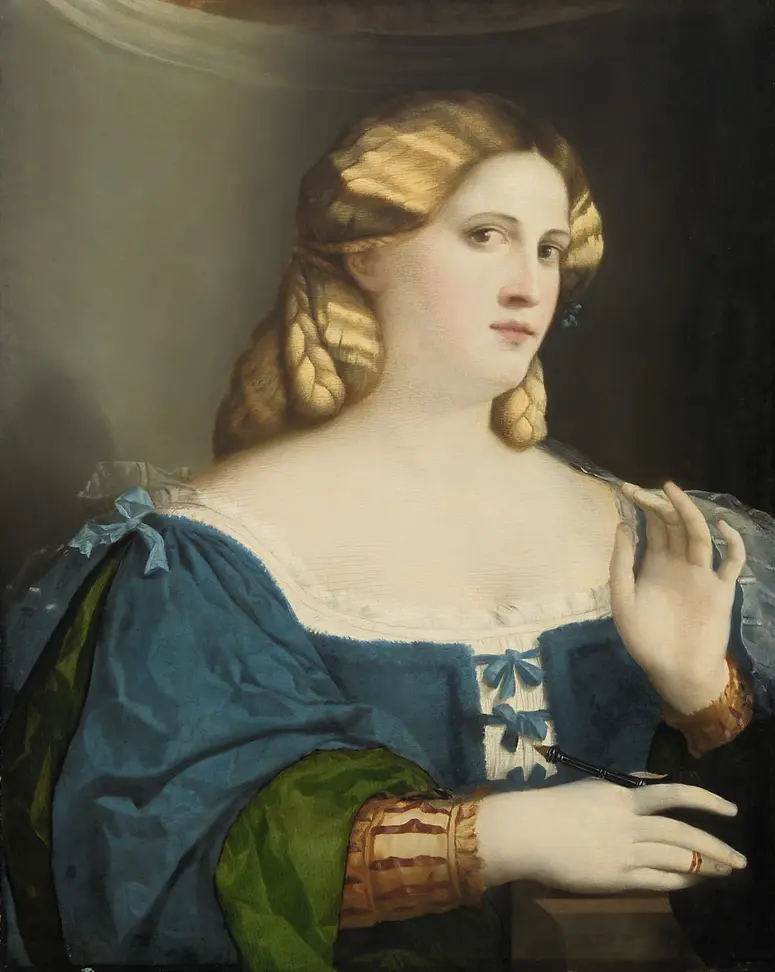
Young Woman in Blue Dress with Fan Jacopo Negretti, gen. Palma il Vecchio around 1512/14
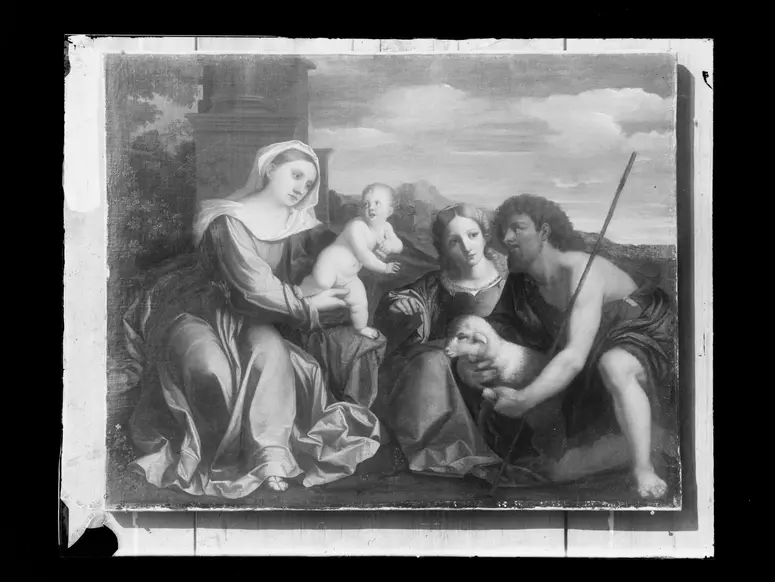
Madonna mit Kind und Heiligen J. Löwy, K. und K. Hof-Photograph, Kunst- und Verlagsanstalt (Wien) 1888 bis 1910
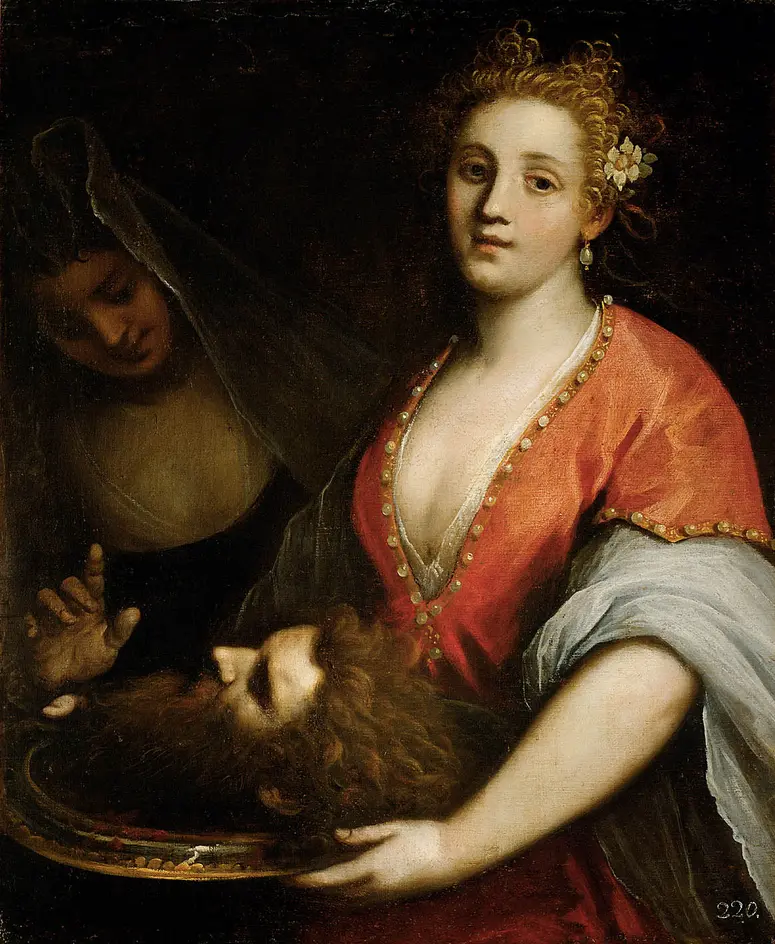
Salome with the Head of John the Baptist Jacopo Negretti, gen. Palma il Giovane around 1599
Evangelist Johannes J. Löwy, K. und K. Hof-Photograph, Kunst- und Verlagsanstalt (Wien) 1888 bis 1891
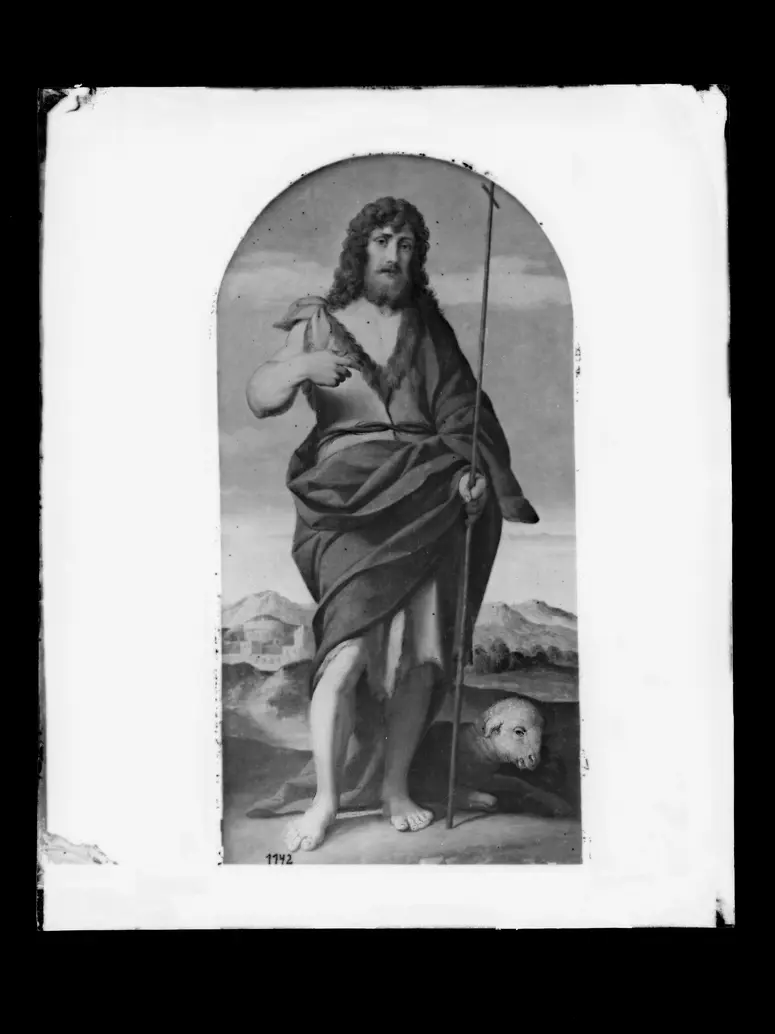
Johannes der Täufer J. Löwy, K. und K. Hof-Photograph, Kunst- und Verlagsanstalt (Wien) 1888 bis 1891
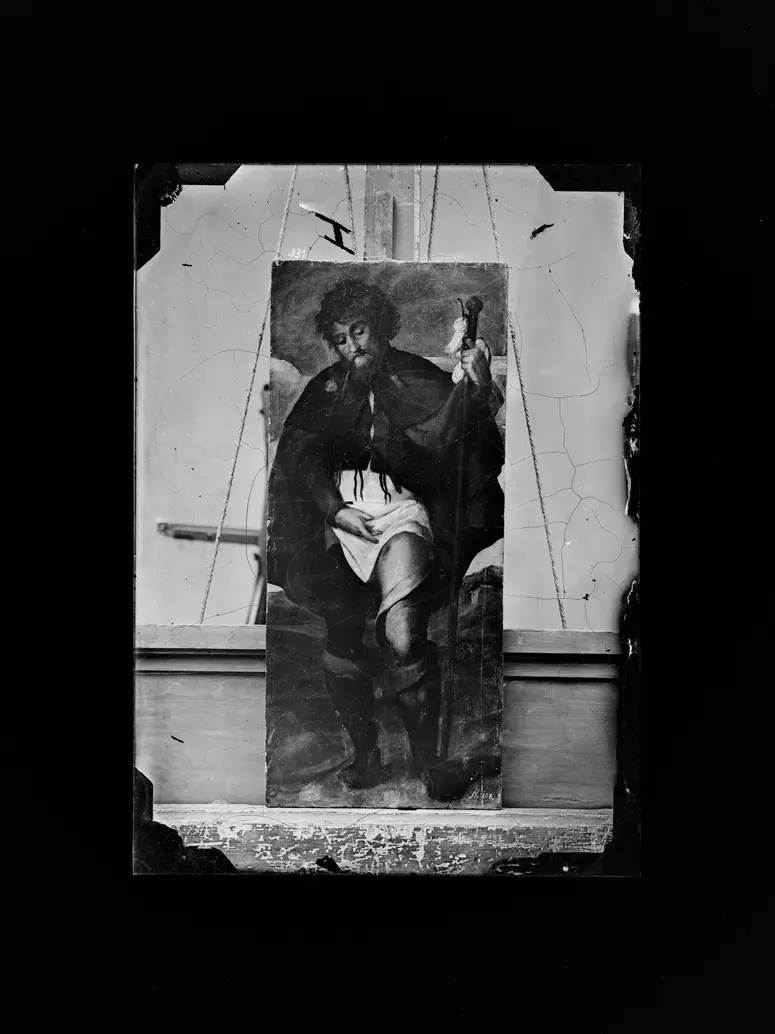
Hl. Rochus J. Löwy, K. und K. Hof-Photograph, Kunst- und Verlagsanstalt (Wien) 1888 bis 1891
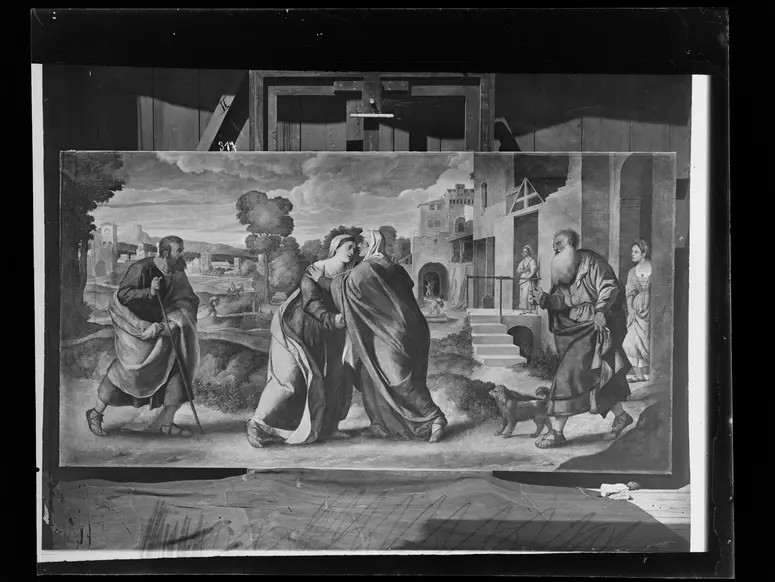
Heimsuchung Mariae J. Löwy, K. und K. Hof-Photograph, Kunst- und Verlagsanstalt (Wien) 1888 bis 1891

Hl. Sebastian J. Löwy, K. und K. Hof-Photograph, Kunst- und Verlagsanstalt (Wien) 1888 bis 1891
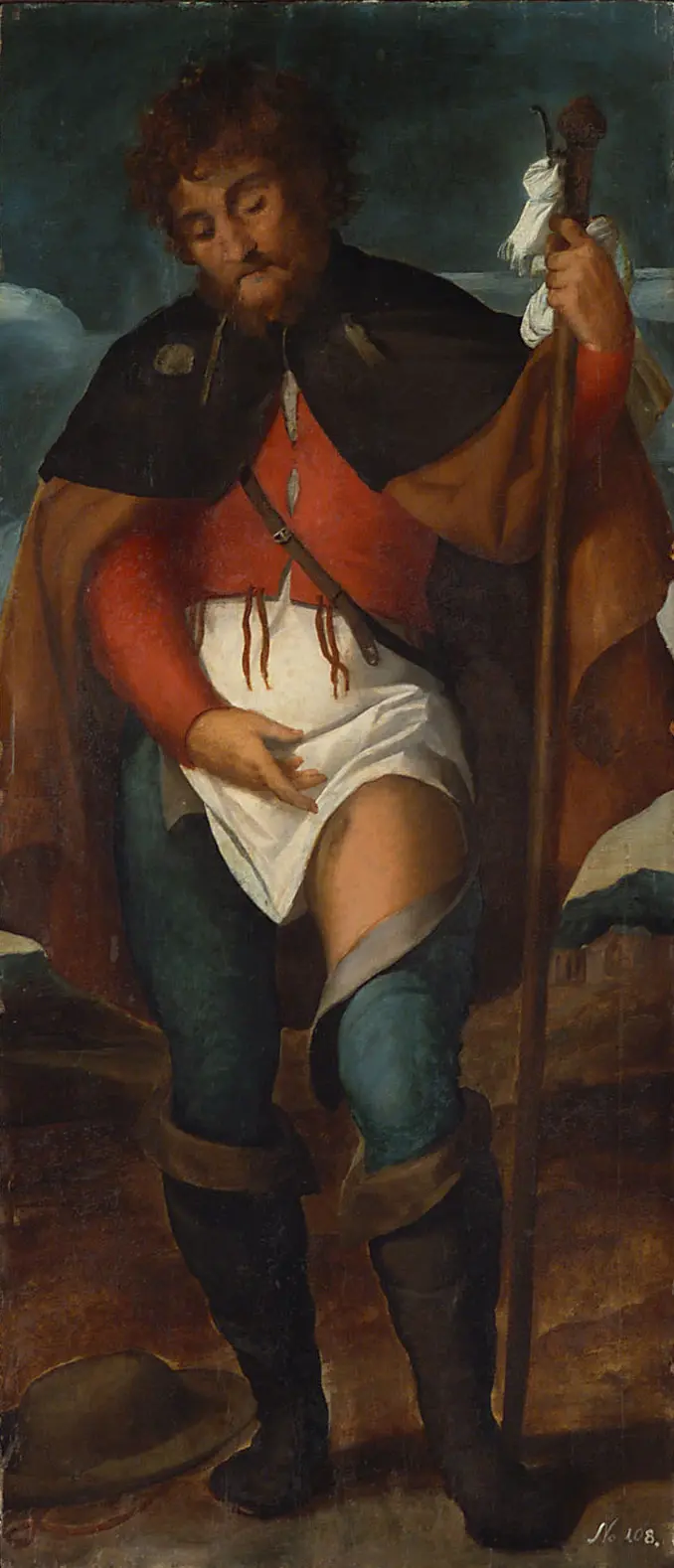
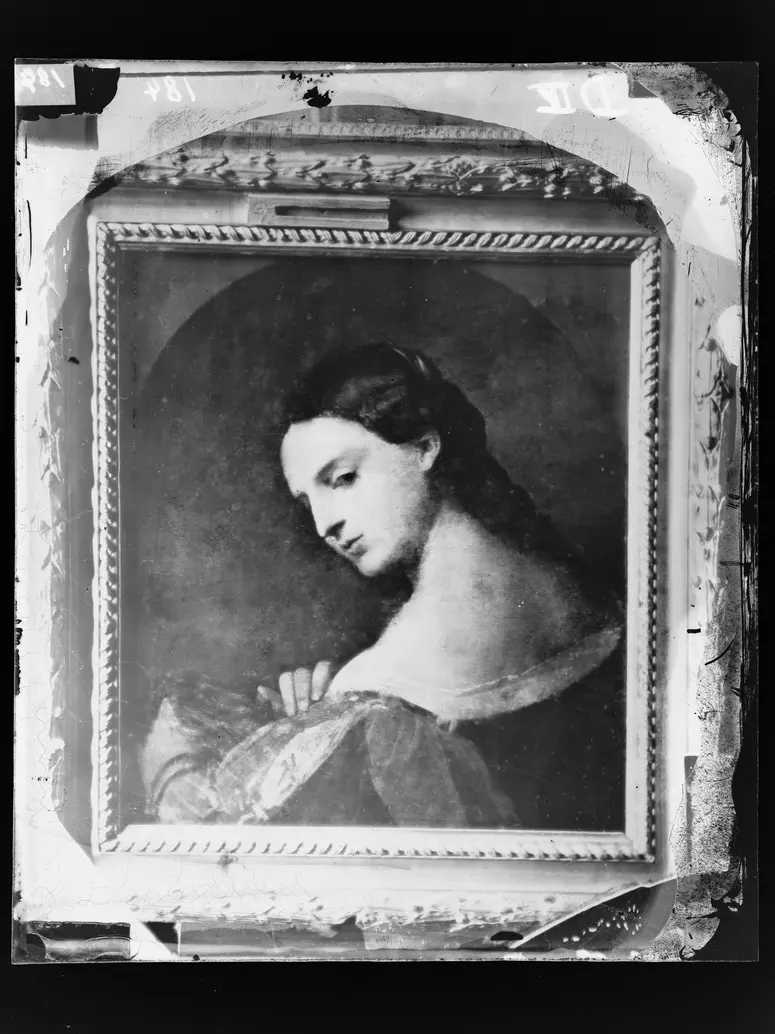
Bildnis einer jungen Frau im Profil J. Löwy, K. und K. Hof-Photograph, Kunst- und Verlagsanstalt (Wien) 1888 bis 1891