Thronende Muttergöttin
2. Hälfte 6. Jh. v. Chr.
The woman sits on a throne with a small child. She carries a floor-length robe, and is bejeweled with a throat-chain. The long hair falls onto her hair and is decked with a polos.(crown). She holds in her arms a small child lying on her abdomen. The child is wrapped in a blanket and wears a bonnet on its head, The throne and robe show the remains of the red paint.The many representations of women with children, are closely connected to the fertility cult of the Paphos Aphrodite and form a tradition from the Bronze Age up to the Roman period. These statuettes, popular since ancient times -- showing a sitting woman with child in her arms resting on her womb -- tend to show a Mother-Food Goddess (Kourotrophos). This motif, whose inspiration is Isis with Horus (Egypt) or Cybele (Asia Minor), continues to exists as the Christian Madonna. These mass-produced votive offerings represent a religious popular art.
A. Bernhard-Walcher u.a., Die Sammlung zyprischer Antiken im KHM. Sammlungskataloge des KHM Bd. 2, Wien 1999
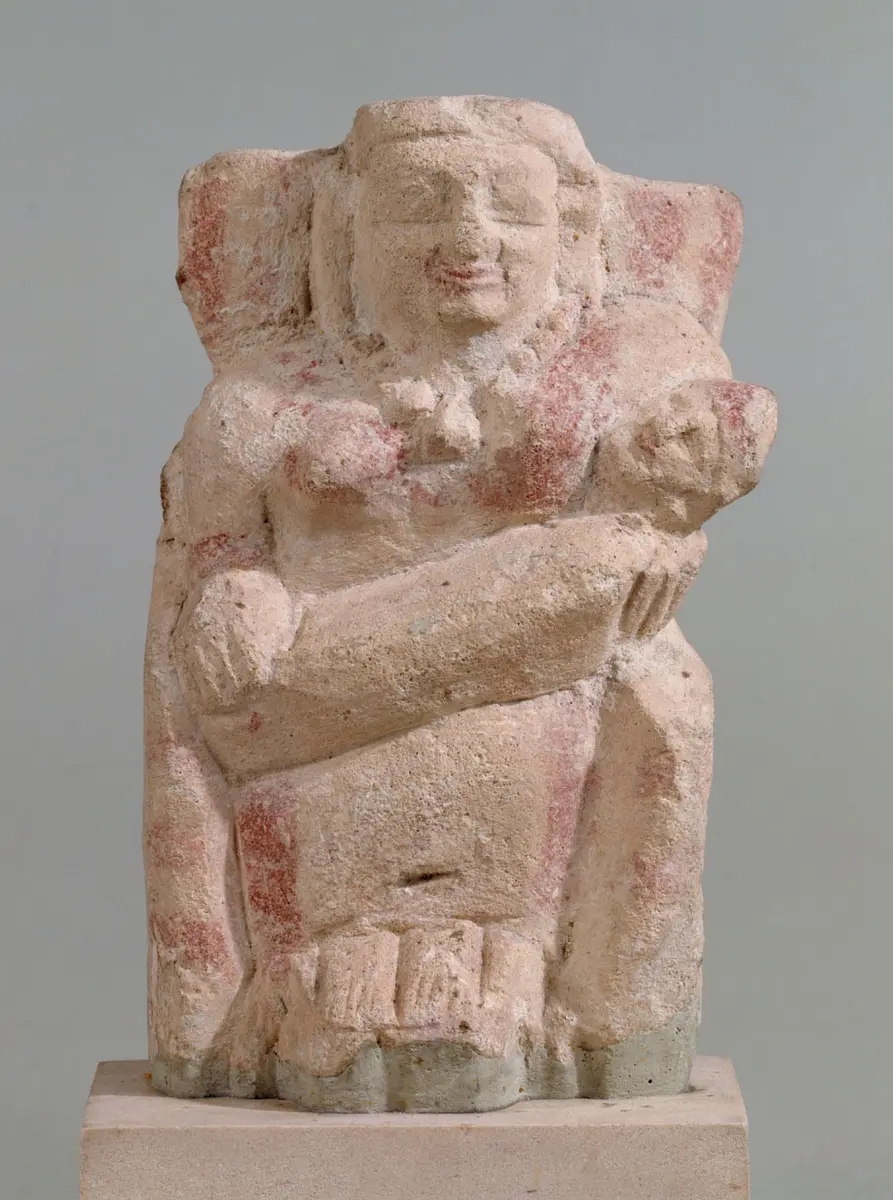
The woman sits on a throne with a small child. She carries a floor-length robe, and is bejeweled with a throat-chain. The long hair falls onto her hair and is decked with a polos.(crown). She holds in her arms a small child lying on her abdomen. The child is wrapped in a blanket and wears a bonnet on its head, The throne and robe show the remains of the red paint.The many representations of women with children, are closely connected to the fertility cult of the Paphos Aphrodite and form a tradition from the Bronze Age up to the Roman period. These statuettes, popular since ancient times -- showing a sitting woman with child in her arms resting on her womb -- tend to show a Mother-Food Goddess (Kourotrophos). This motif, whose inspiration is Isis with Horus (Egypt) or Cybele (Asia Minor), continues to exists as the Christian Madonna. These mass-produced votive offerings represent a religious popular art.
A. Bernhard-Walcher u.a., Die Sammlung zyprischer Antiken im KHM. Sammlungskataloge des KHM Bd. 2, Wien 1999
Time:
2. Hälfte 6. Jh. v. Chr.
Object Name
Statuette
Culture
Zyprisch
Location of discovery:
Idalion (Dhali, Zypern)
Material/technology:
Kalkstein; Reste roter Bemalung
Dimensions:
H. 12 cm, B. 6,5 cm, D. 3,3 cm
Copyright
Kunsthistorisches Museum, Antikensammlung
Invs.
Antikensammlung, V 1209
Provenance
Cesnola, Luigi Palma di, Konsul, Larnaka; 1869 Kauf
Browse more
Similar items you might be interested in
Portrait of a Young Woman in Profile Jacopo Negretti, gen. Palma il Vecchio around 1520/25
Young Woman in Blue Dress with Fan Jacopo Negretti, gen. Palma il Vecchio around 1512/14
Madonna mit Kind und Heiligen J. Löwy, K. und K. Hof-Photograph, Kunst- und Verlagsanstalt (Wien) 1888 bis 1910
Salome with the Head of John the Baptist Jacopo Negretti, gen. Palma il Giovane around 1599
Evangelist Johannes J. Löwy, K. und K. Hof-Photograph, Kunst- und Verlagsanstalt (Wien) 1888 bis 1891
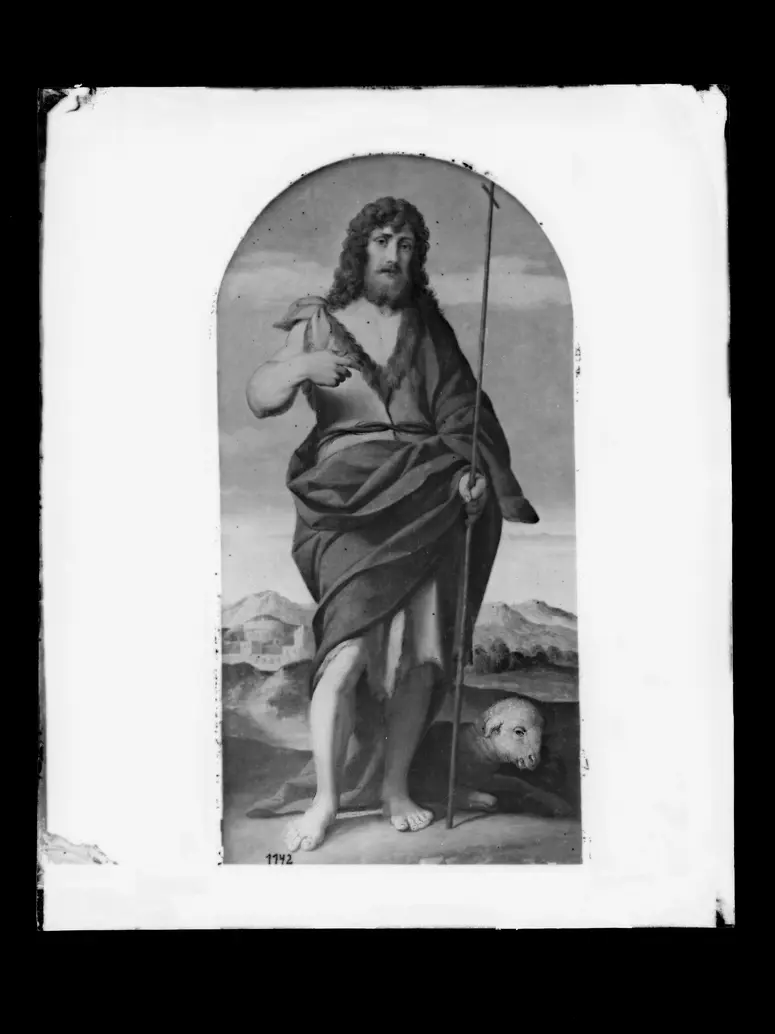
Johannes der Täufer J. Löwy, K. und K. Hof-Photograph, Kunst- und Verlagsanstalt (Wien) 1888 bis 1891
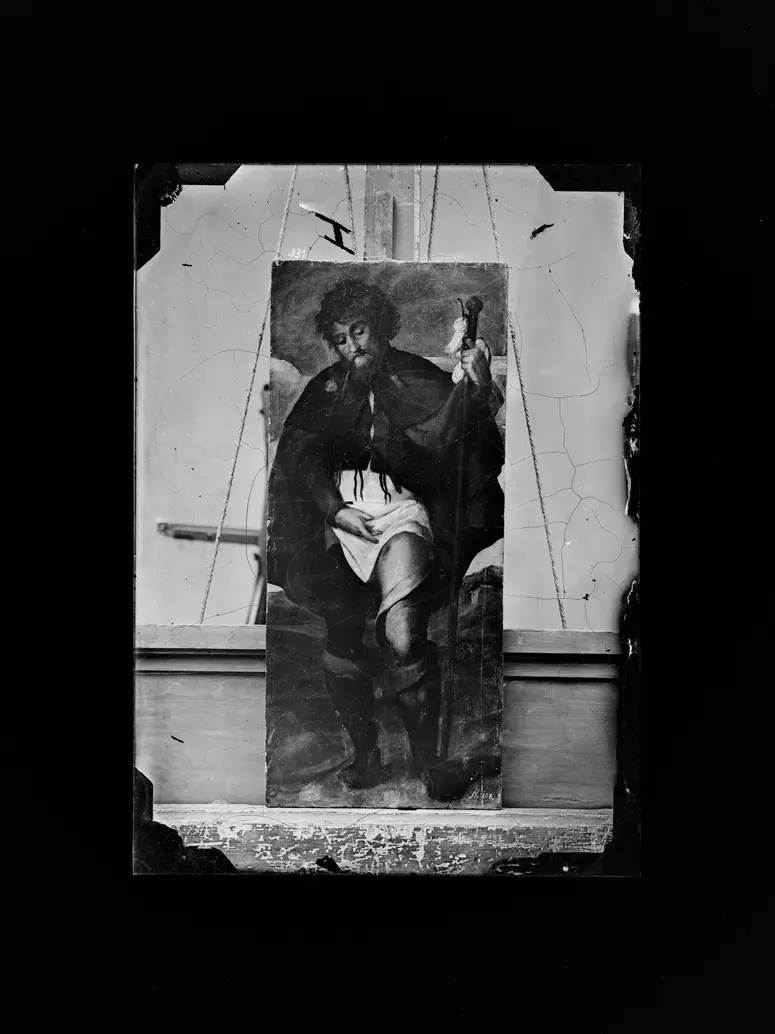
Hl. Rochus J. Löwy, K. und K. Hof-Photograph, Kunst- und Verlagsanstalt (Wien) 1888 bis 1891
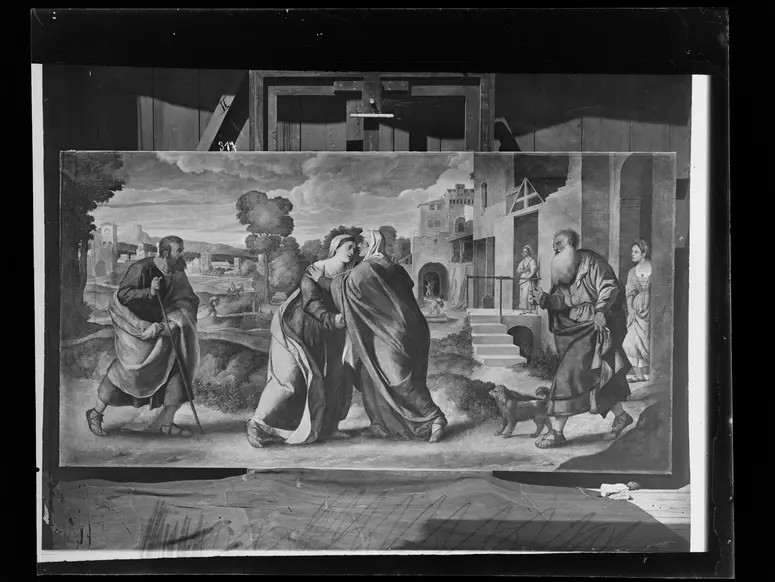
Heimsuchung Mariae J. Löwy, K. und K. Hof-Photograph, Kunst- und Verlagsanstalt (Wien) 1888 bis 1891

Hl. Sebastian J. Löwy, K. und K. Hof-Photograph, Kunst- und Verlagsanstalt (Wien) 1888 bis 1891
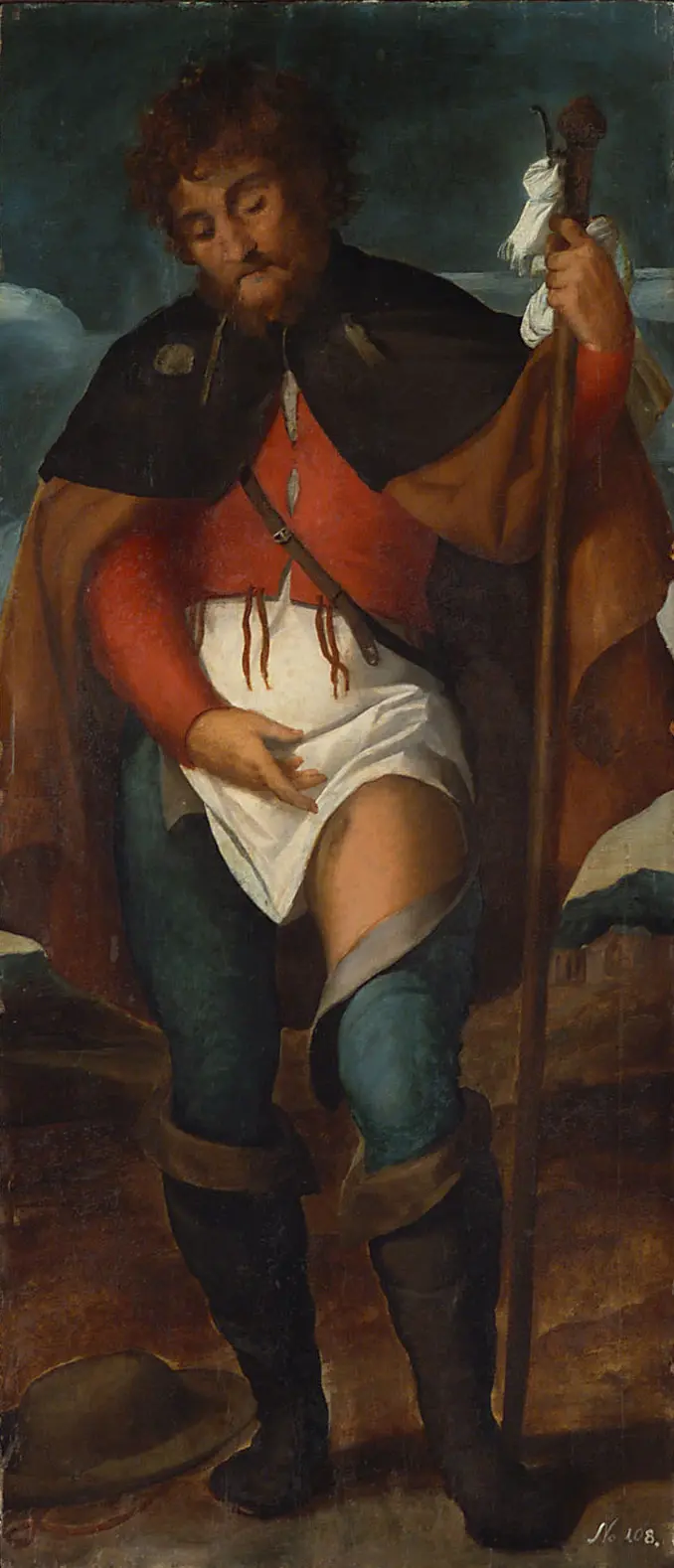
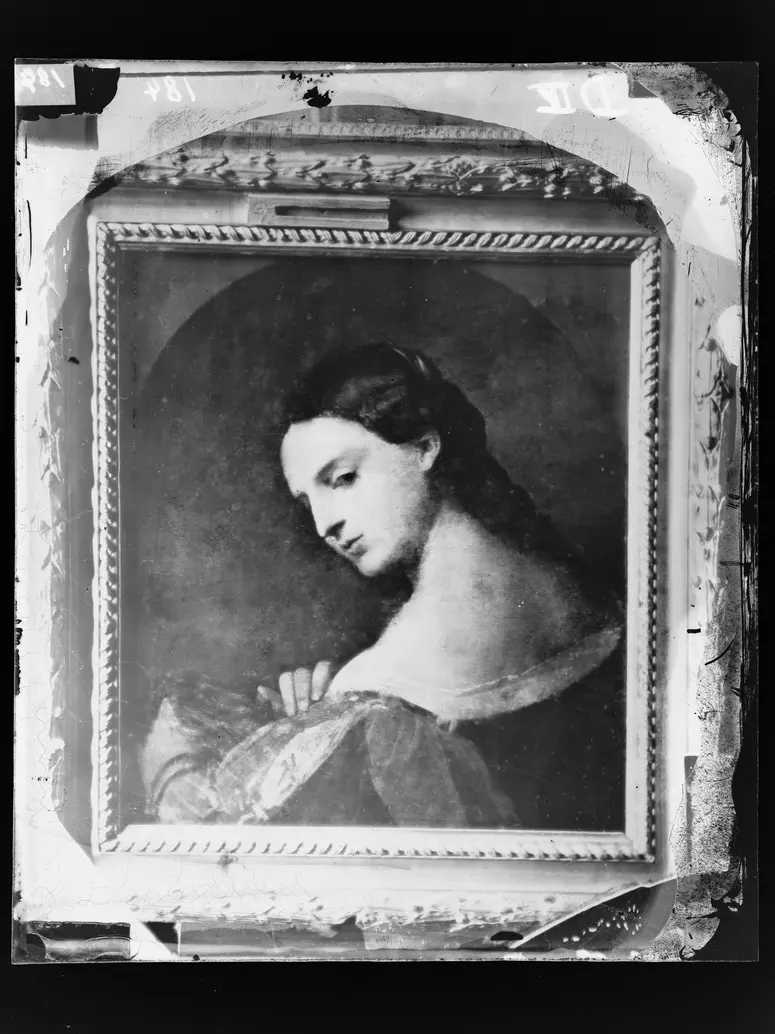
Bildnis einer jungen Frau im Profil J. Löwy, K. und K. Hof-Photograph, Kunst- und Verlagsanstalt (Wien) 1888 bis 1891