Hahn
5. - 4. Jh. v. Chr.
Amongst the main sacrificial animal were cocks and hens. The small limestone sculpture from Amathus sows a sitting cock on a base, with forward set legs, the head held high and the tail feathers put up. The fetahers are striped red and black. Traces of red paint are visible on the beak and the comb. The eyes and nostrils have some black paint. Cocks appeared firstly in the 8th century B. C. in Cyprus and Greece, from the Orient. There is evidence of their representation in art from this point onwards. As late as the 5th Century B. C. they were part of the common fauna. They were assigned as holy animals to warrior gods such as Ares or Athena. In the art of the 6th and 5th Centuries B. C., the cock was a metaphor -- due to its fighting courage and general fearlessness -- for male beings.
A. Bernhard-Walcher u. a., Die Sammlung zyprischer Antiken im KHM. Sammlungskataloge des KHM Bd. 2, Wien: 1999
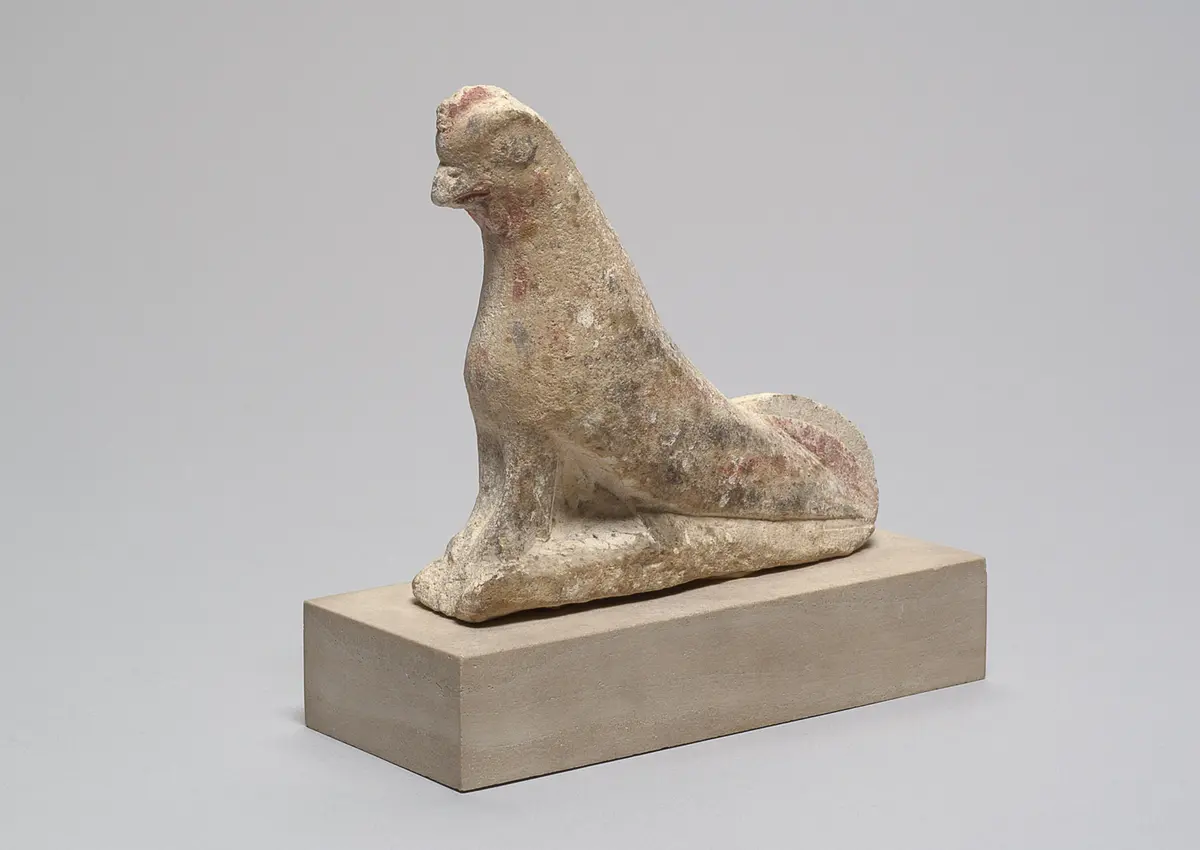
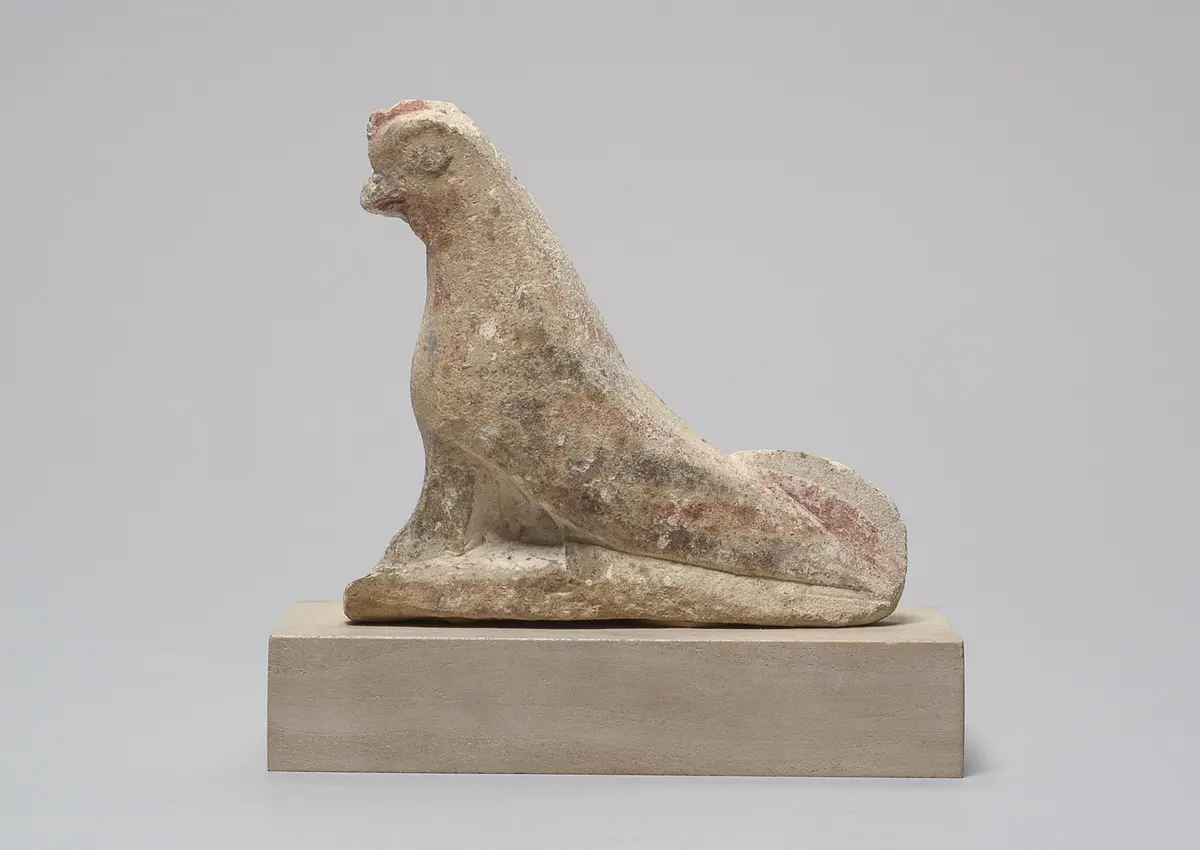
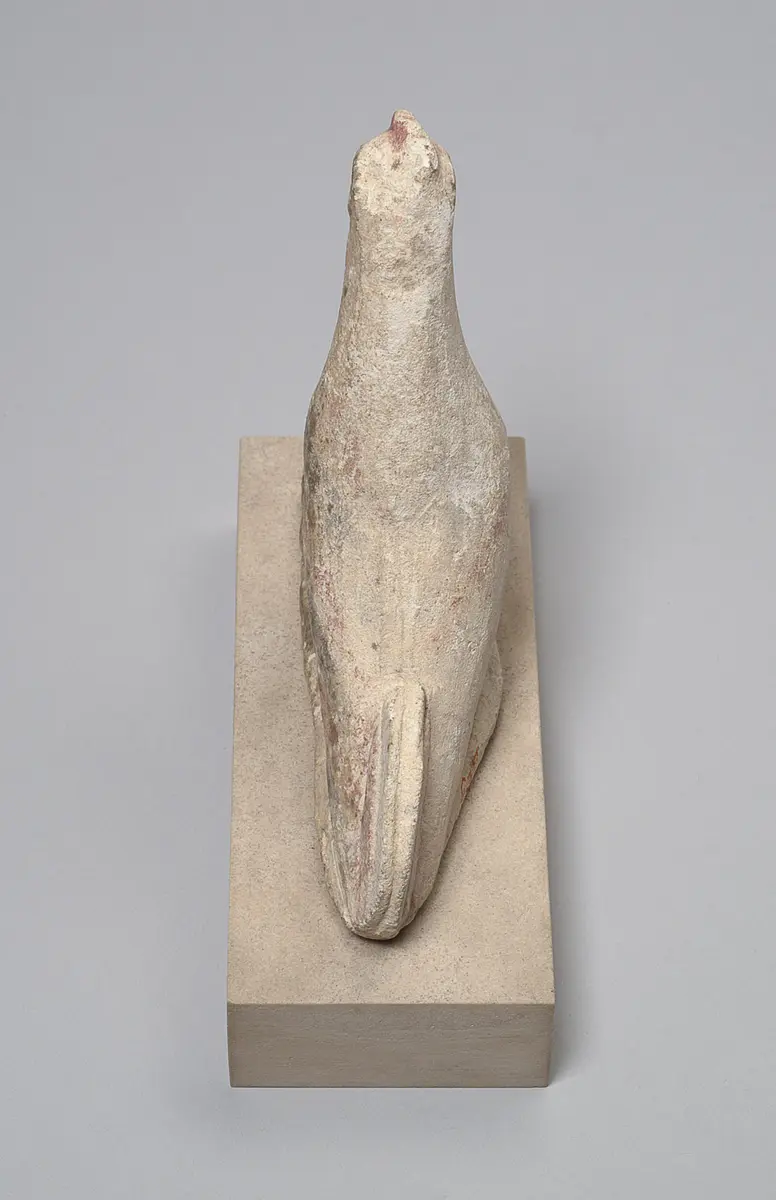
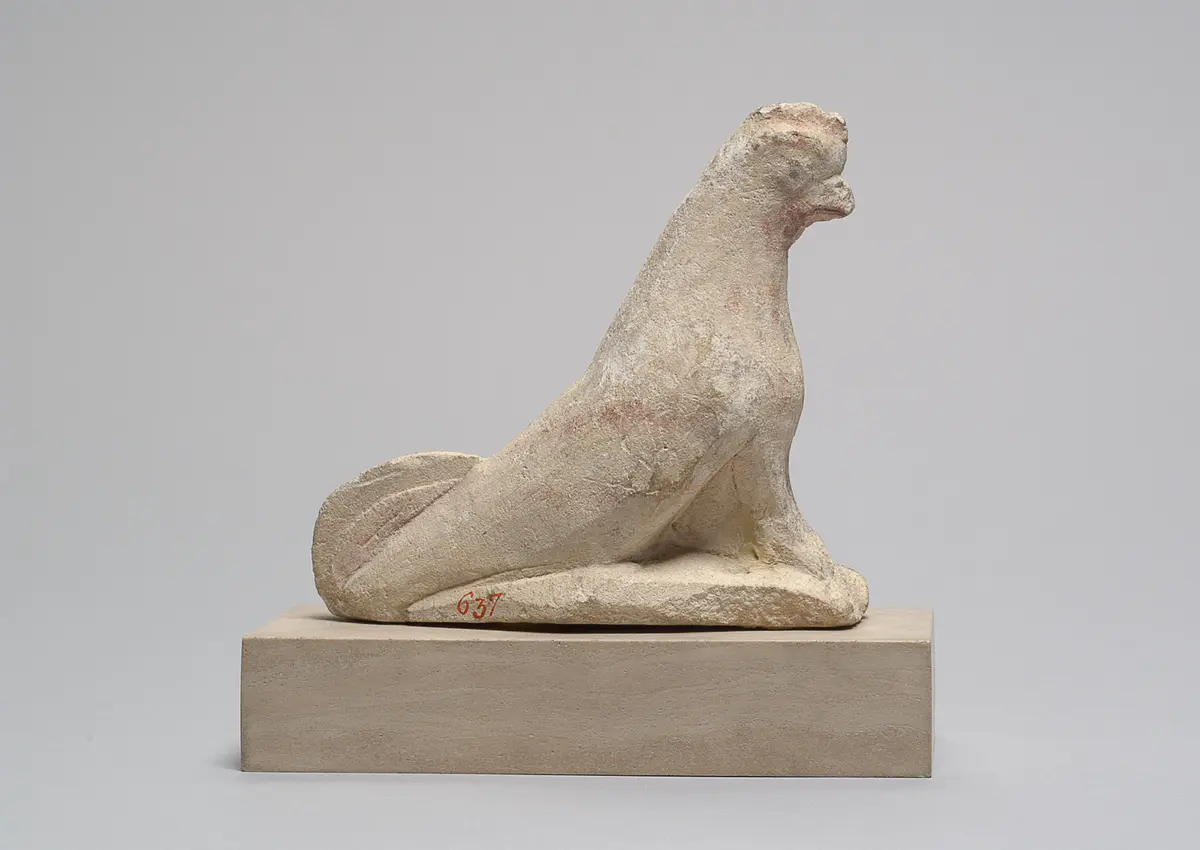
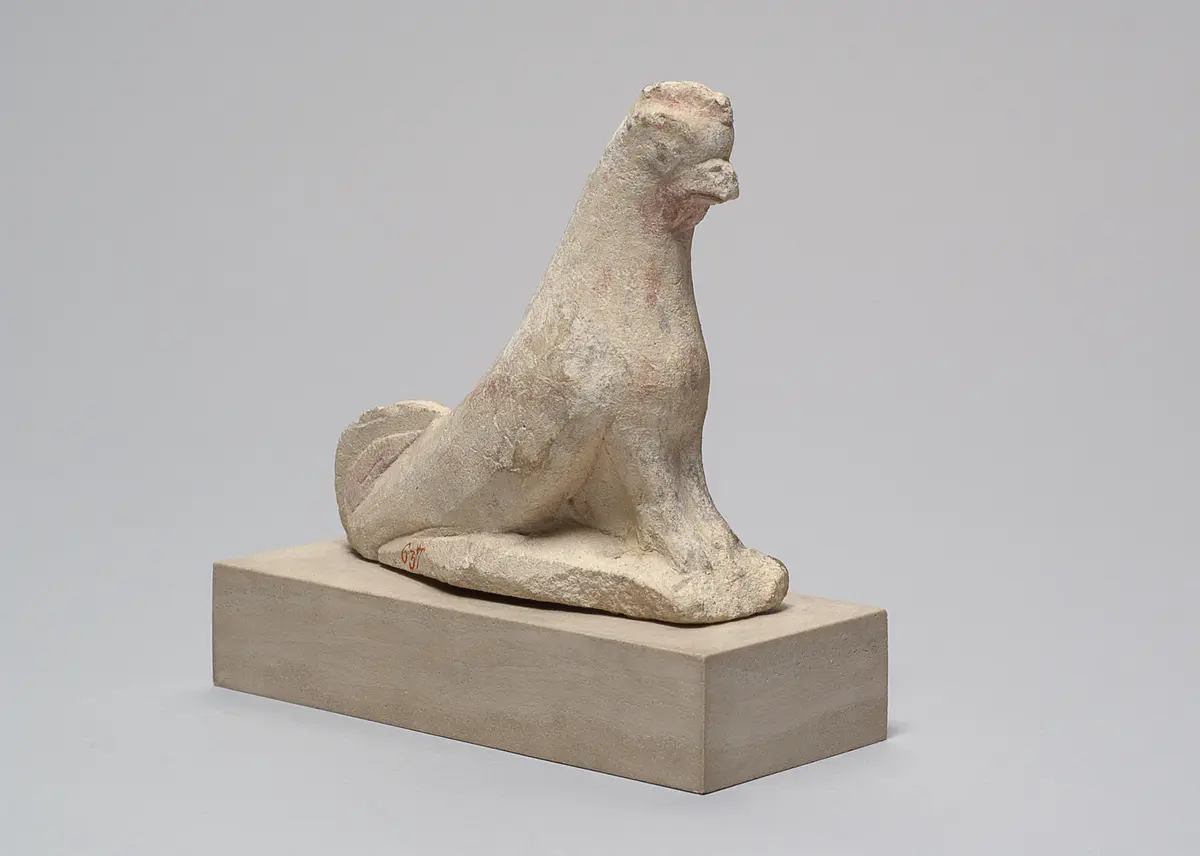
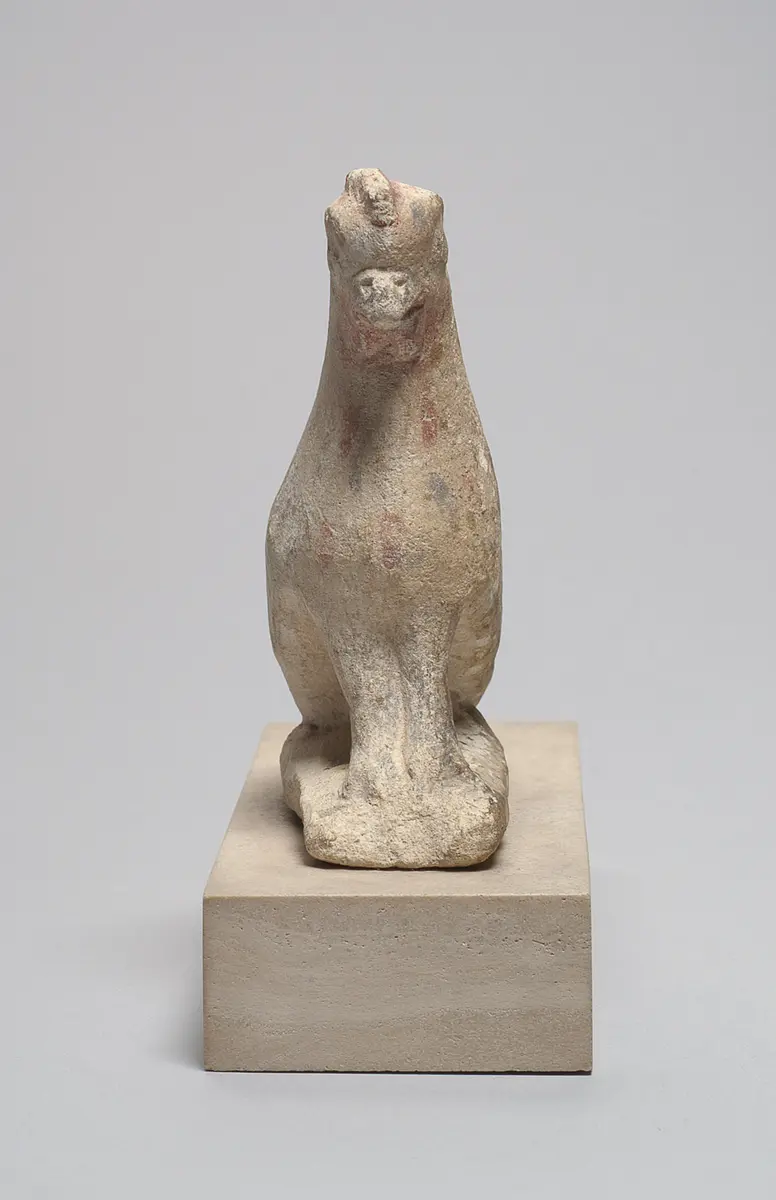
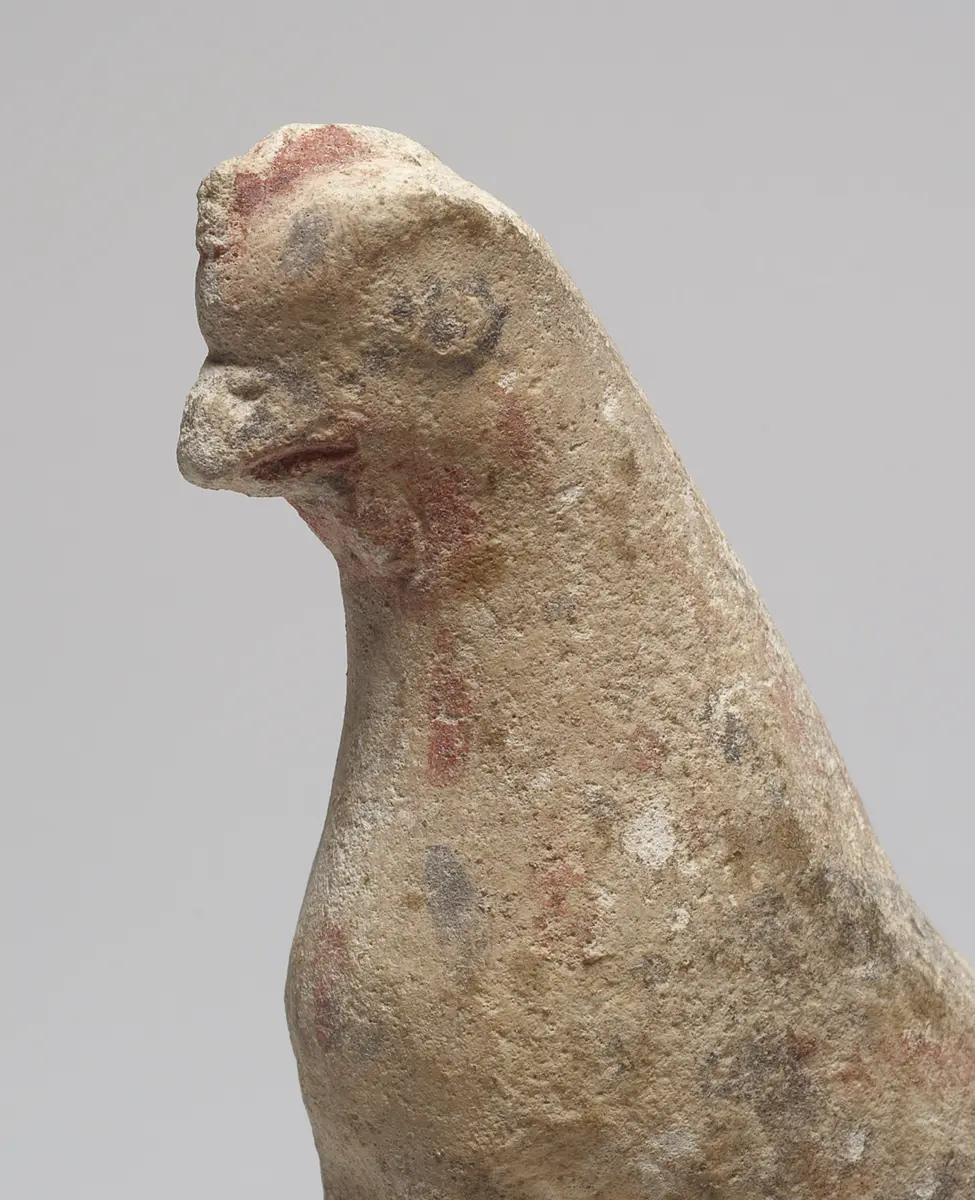
Amongst the main sacrificial animal were cocks and hens. The small limestone sculpture from Amathus sows a sitting cock on a base, with forward set legs, the head held high and the tail feathers put up. The fetahers are striped red and black. Traces of red paint are visible on the beak and the comb. The eyes and nostrils have some black paint. Cocks appeared firstly in the 8th century B. C. in Cyprus and Greece, from the Orient. There is evidence of their representation in art from this point onwards. As late as the 5th Century B. C. they were part of the common fauna. They were assigned as holy animals to warrior gods such as Ares or Athena. In the art of the 6th and 5th Centuries B. C., the cock was a metaphor -- due to its fighting courage and general fearlessness -- for male beings.
A. Bernhard-Walcher u. a., Die Sammlung zyprischer Antiken im KHM. Sammlungskataloge des KHM Bd. 2, Wien: 1999
Time:
5. - 4. Jh. v. Chr.
Object Name
Statuette
Culture
Zyprisch
Location of discovery:
Amathus (Zypern)
Material/technology:
Kalkstein; Bemalung rot und schwarz
Dimensions:
H. 10 cm, L. 10,9 cm
Copyright
Kunsthistorisches Museum, Antikensammlung
Invs.
Antikensammlung, I 637
Provenance
Ohnefalsch-Richter, Max; 1890 Tausch
Browse more
Similar items you might be interested in
Statuette: Modell eines Reisewagens Zyprisch, Eisenzeit, archaisch 1. Viertel 5. Jh. v. Chr.
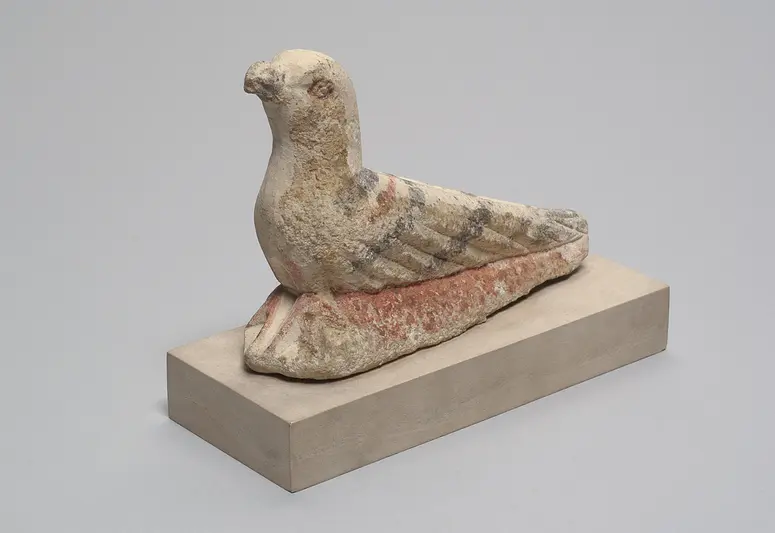
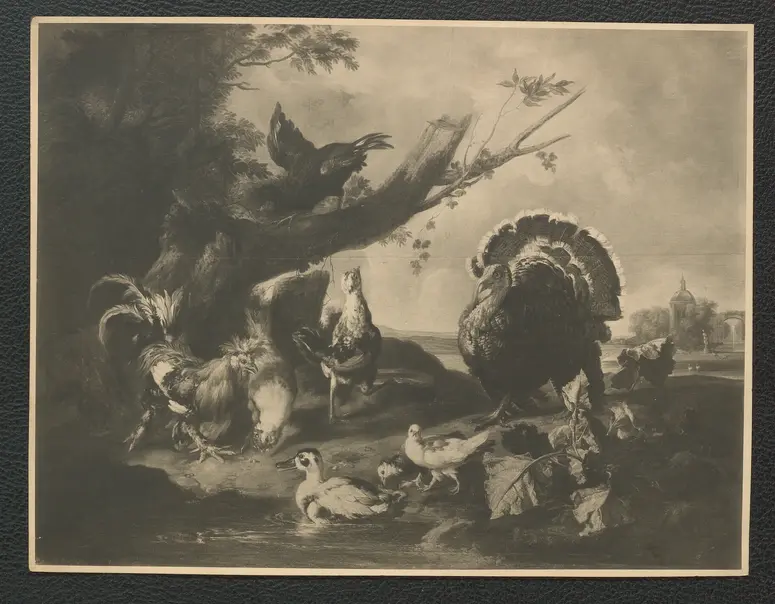
Foto (Abzug): Hondecoeter: Geflügelstück mit Truthahn, Hühnern und Enten. Öl-Leinwand Alphonse Rothschild 1938-1939
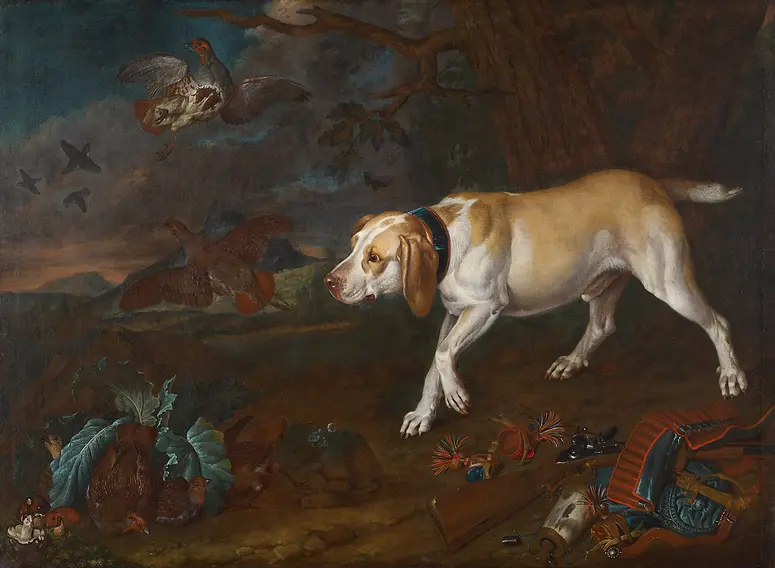
Jagdhund, Rebhühner aufspürend Johann Georg de Hamilton Ende 17. / 1. Drittel 18. Jahrhundert
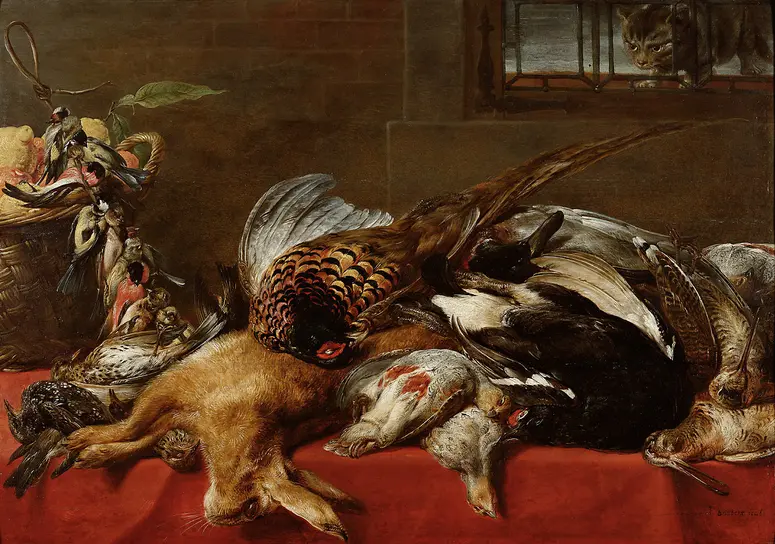
Still-Leben mit Rebhühnern J. Löwy, K. und K. Hof-Photograph, Kunst- und Verlagsanstalt (Wien) 1888 bis 1910
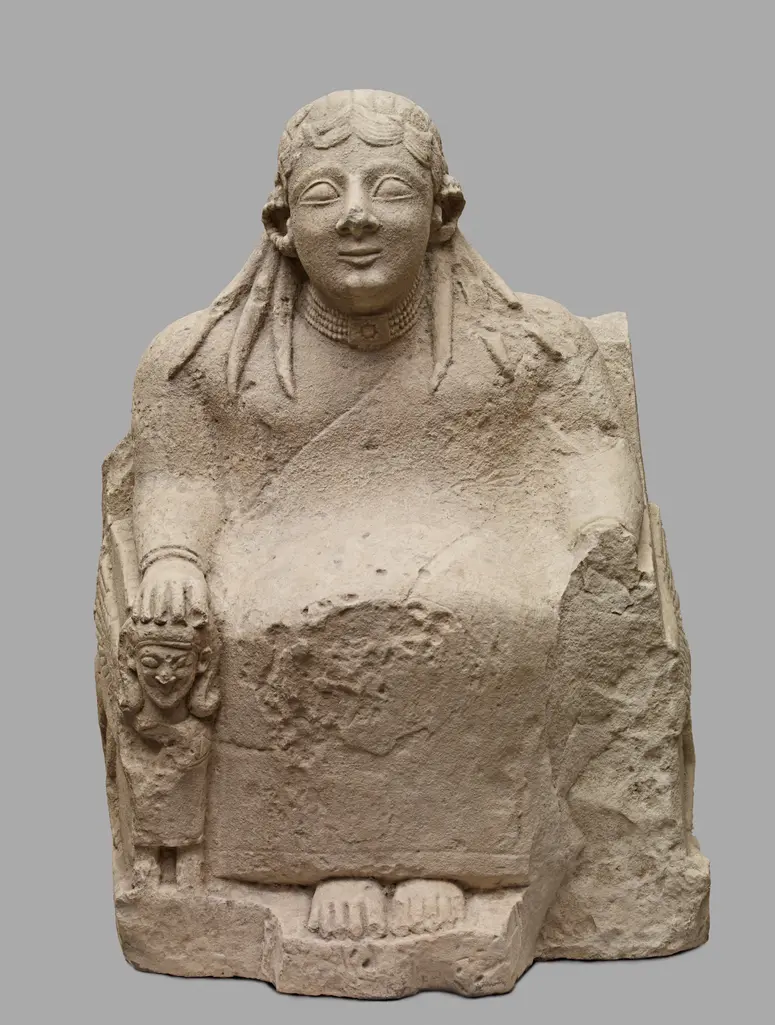
Statuette: Thronende Göttin (Astarte?) Zyprisch, Eisenzeit, archaisch 1. Hälfte 6. Jh. v. Chr.
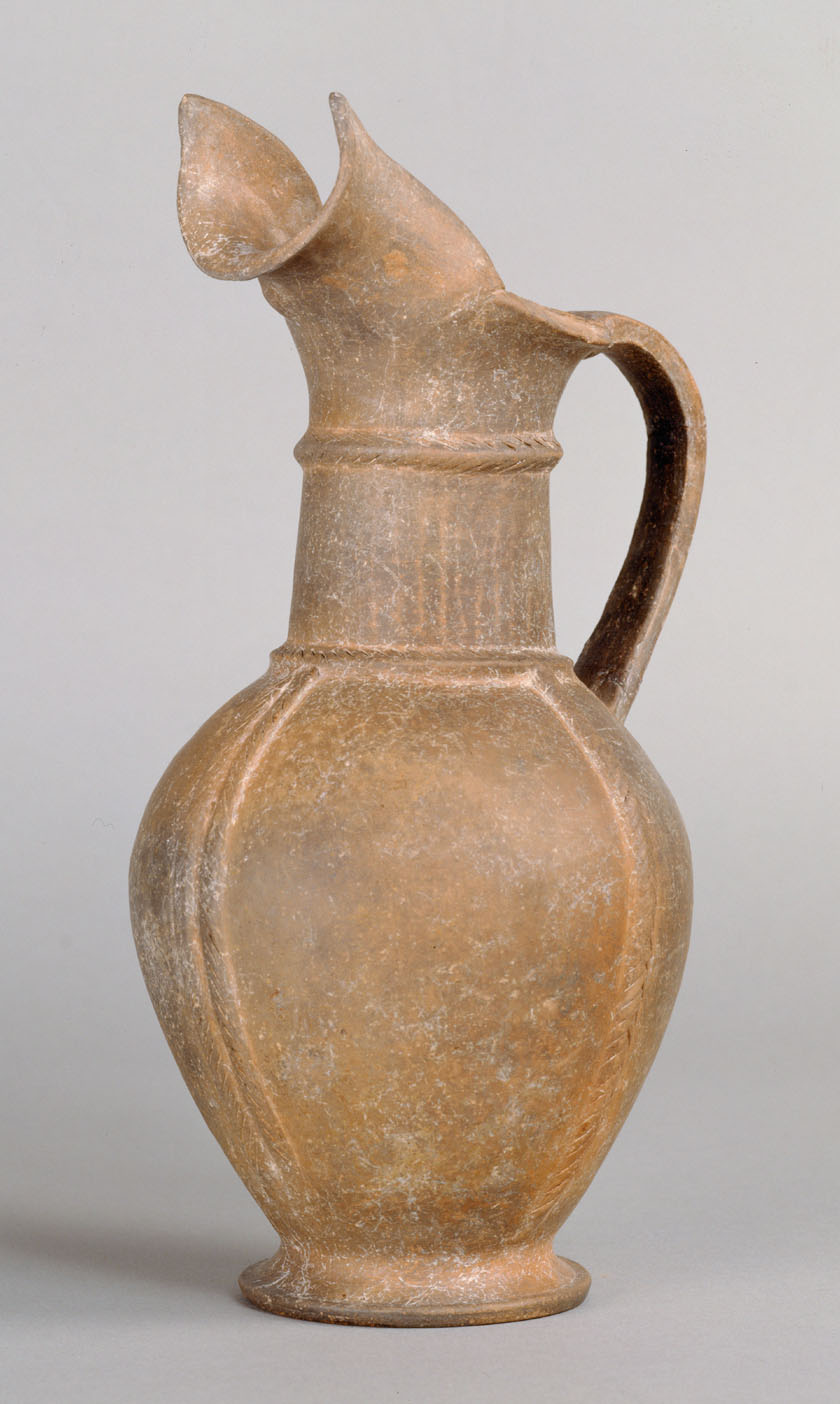
Schnabelkanne der Base-Ring I Ware: Bänder mit Ritzornamenten Zyprisch, Bronzezeit, Spätzyprisch 1625 - 1450 v. Chr.
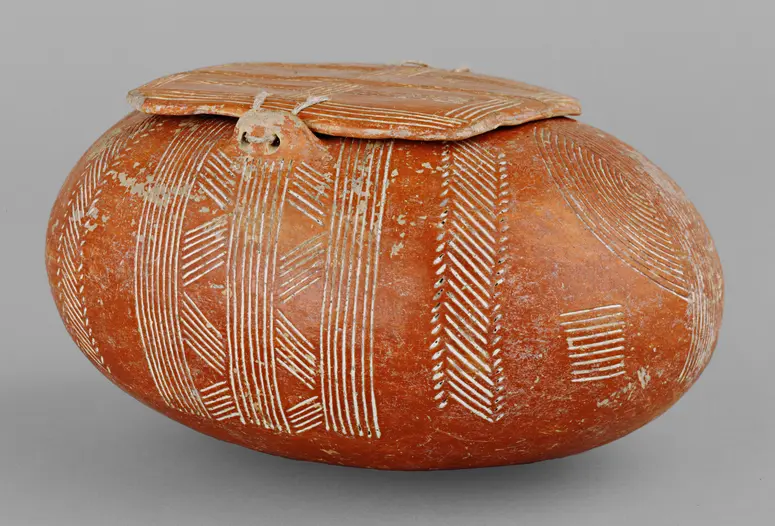
Deckelbüchse (Pyxis) der Red Polished III Ware: Ritzdekor Zyprisch, Bronzezeit, Früh- bis Mittelzyprisch 2000 - 1800 v. Chr.
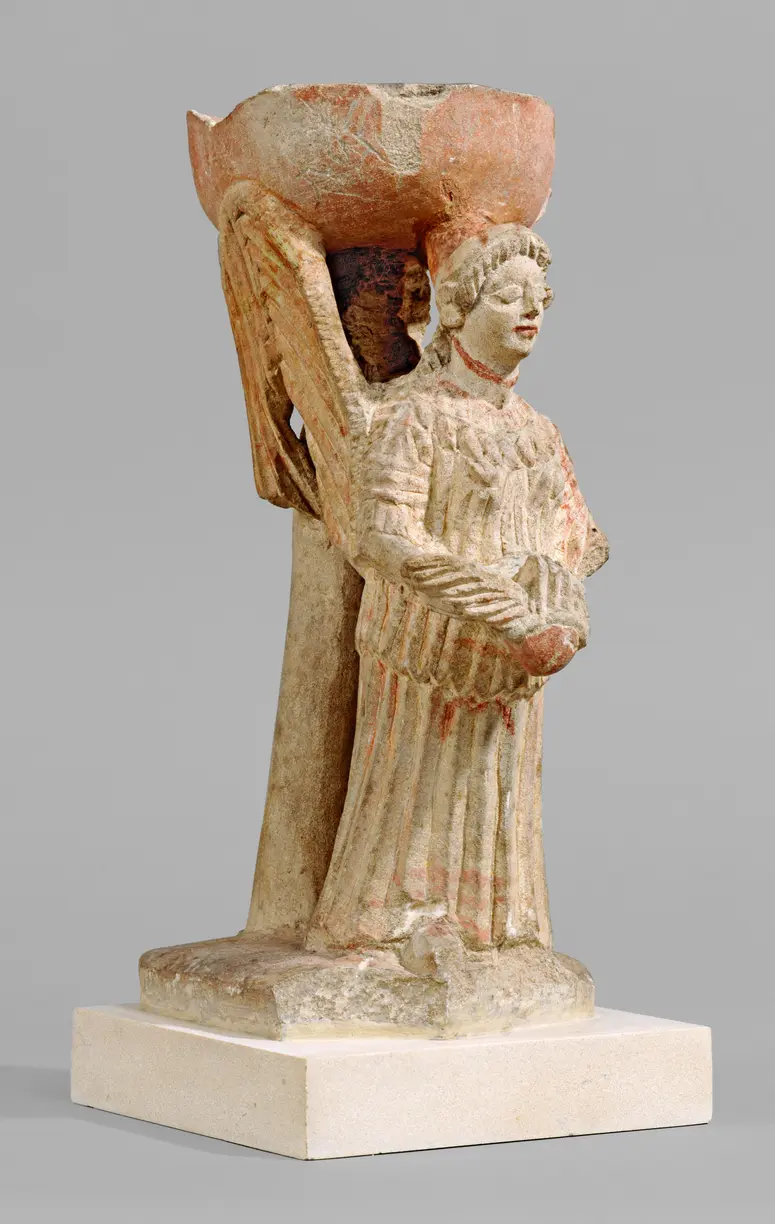
Räuchergefäß: Flügelfrau mit Räucherbecken Zyprisch, Eisenzeit, archaisch 1. Viertel 5. Jh. v. Chr.