Lagernder Mann
Ende 6. Jh. v. Chr.
The small limestone statuette from Amathus shows a reclining reveler. A beardless, young man with a hump-like hairstyle, rests. His upper body is arranged on a bed, his left arm settles on a cushion and the right hand lies on the outwardly pointing knee. The figure is clothed in a chiton (a sort of blouse) and a mantle, which are thrown under the lower left of the torso. He has shoes on his feet. The remains of red paint is visible on the cushion, the mantle’s hem, the shoes, lips and nostrils. The hair had been painted black. Small limestone sculptures of resting revelers are known to have existed as votives in holy-sites and grave-treasures since before the middle of the 6th century B. C. Characteristic of the Cypriot style, which throws back to Oriental originals, is the manner of lying. One knee is on top of the other, and the dress is the long Chiton and mantle.
A. Bernhard-Walcher u. a., Die Sammlung zyprischer Antiken im KHM. Sammlungskataloge des KHM Bd. 2, Wien: 1999
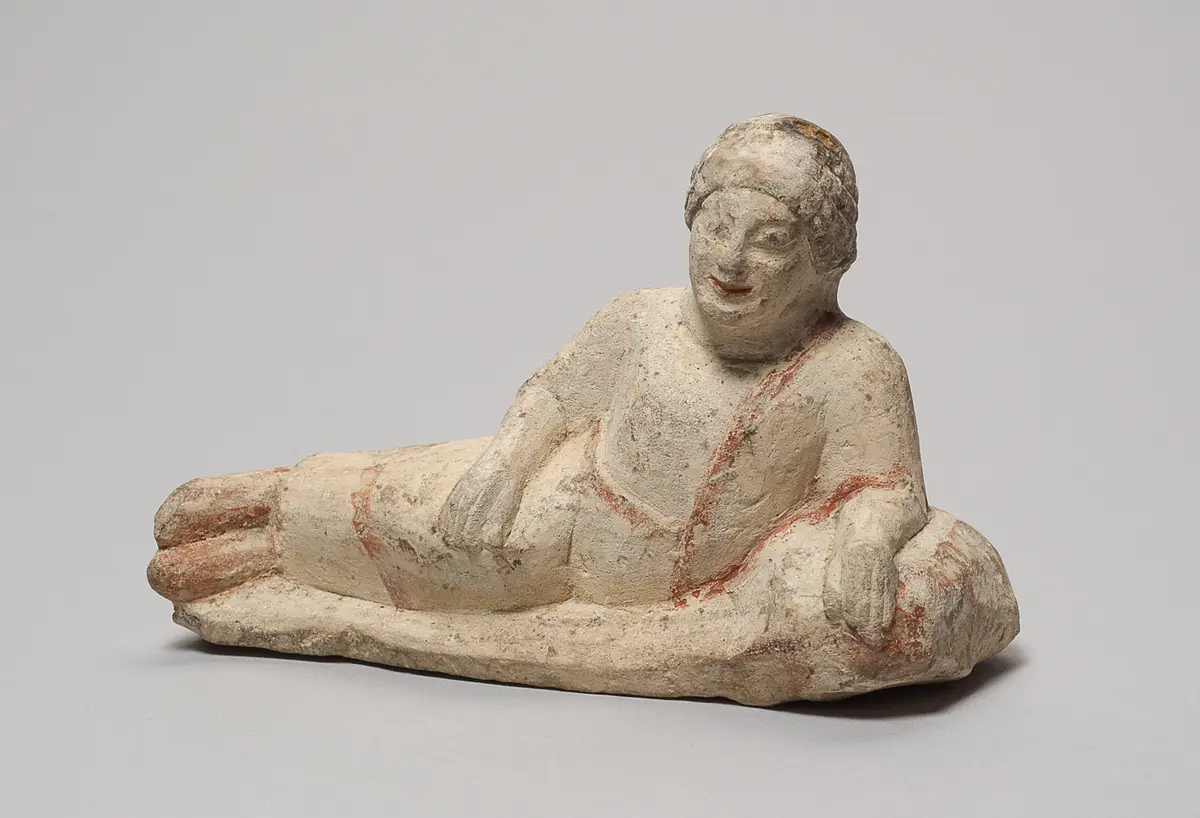
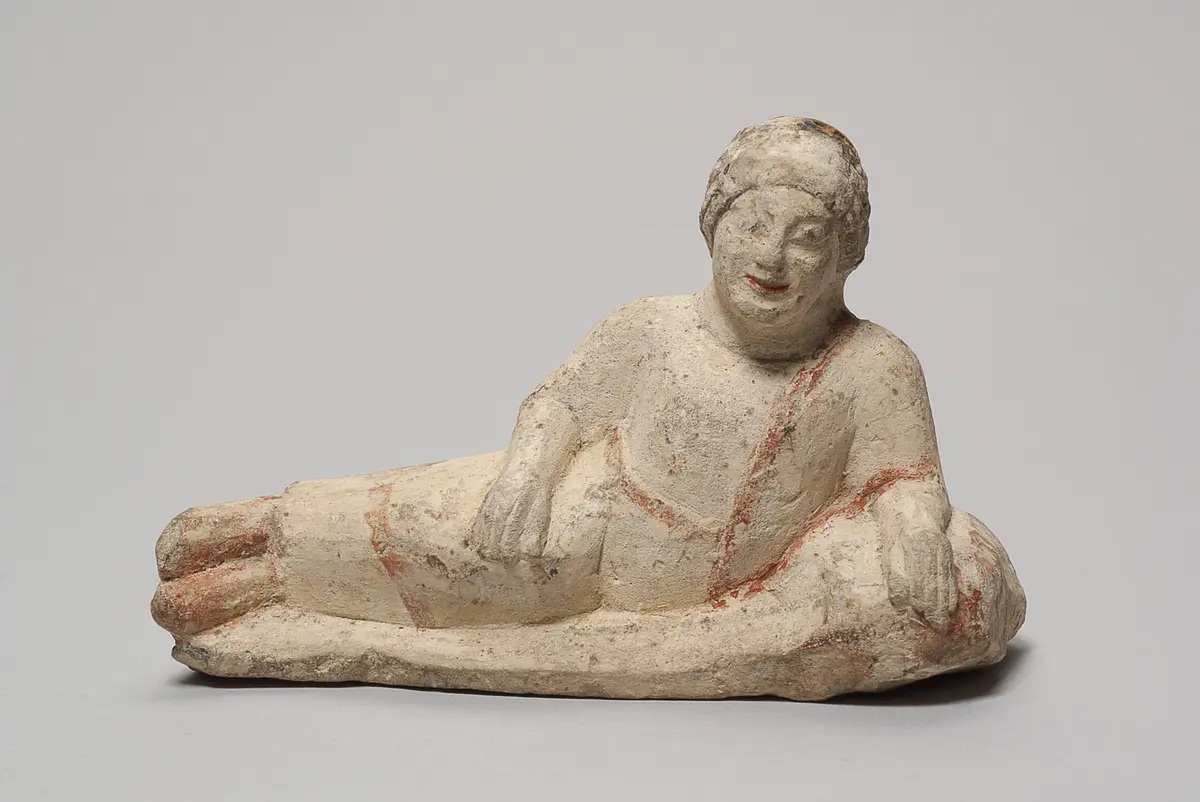
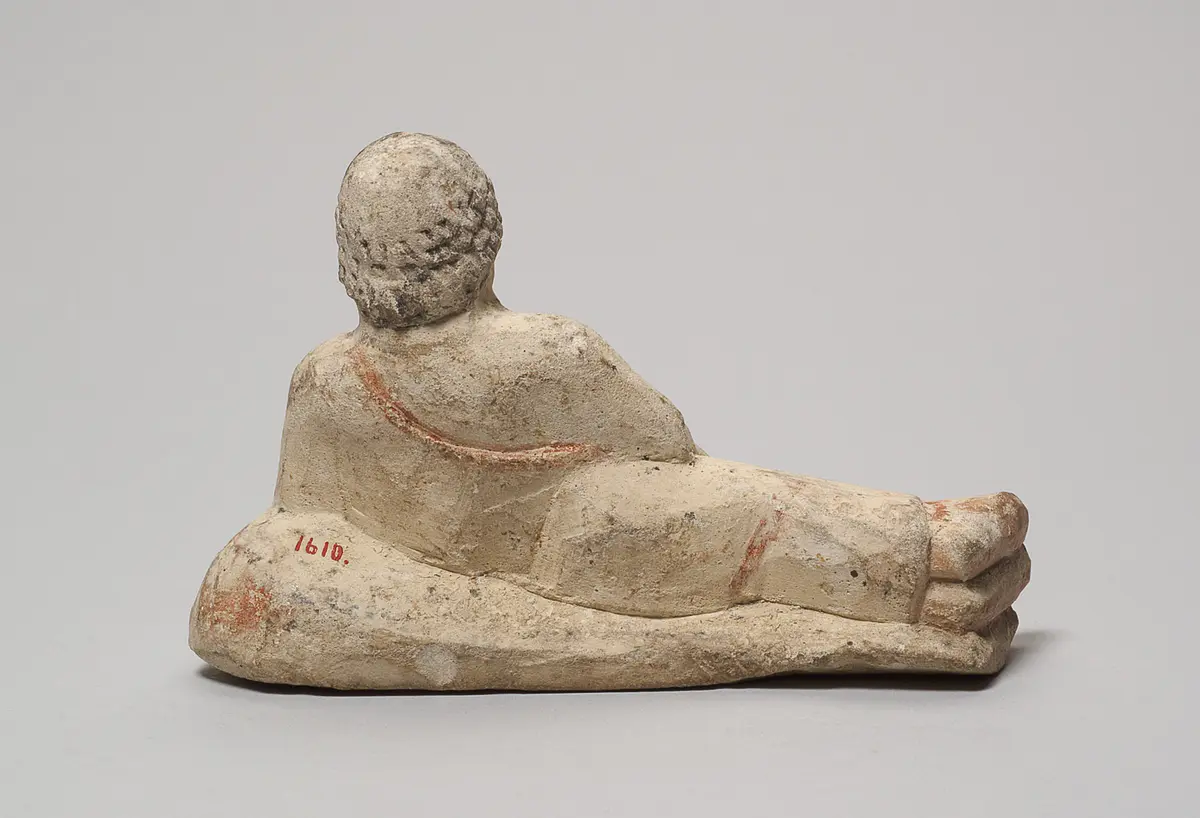
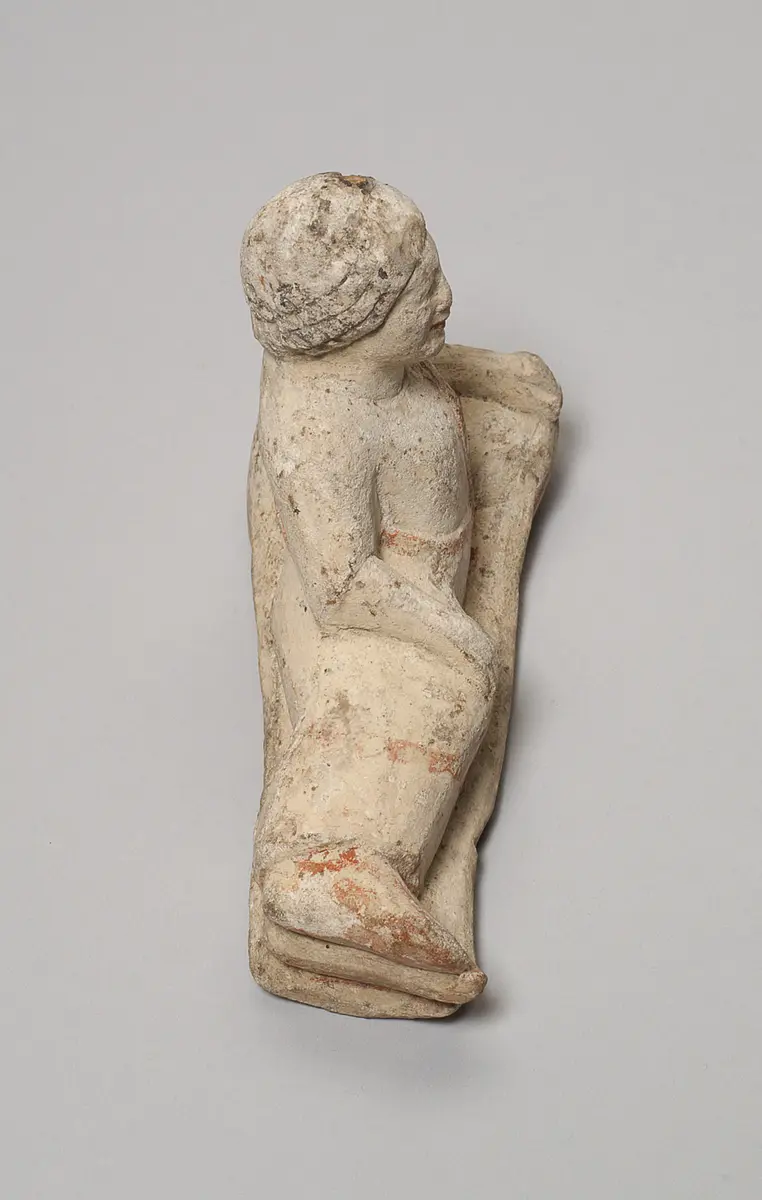
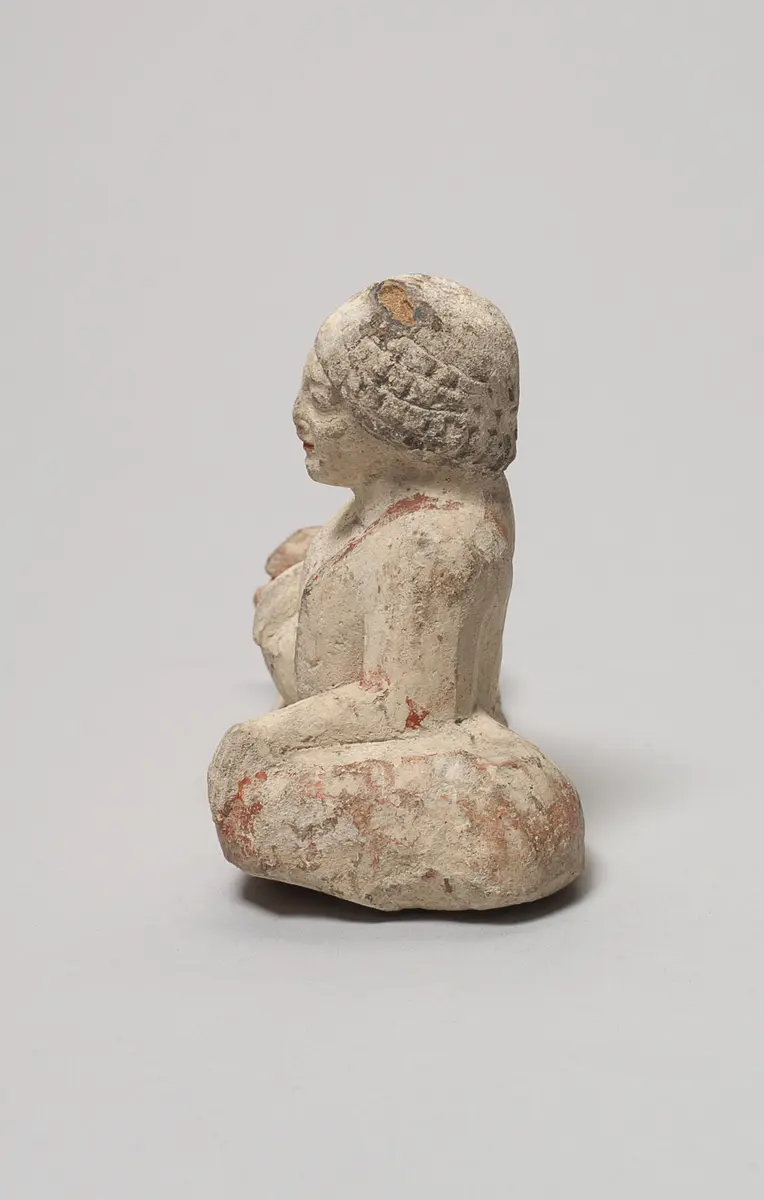
The small limestone statuette from Amathus shows a reclining reveler. A beardless, young man with a hump-like hairstyle, rests. His upper body is arranged on a bed, his left arm settles on a cushion and the right hand lies on the outwardly pointing knee. The figure is clothed in a chiton (a sort of blouse) and a mantle, which are thrown under the lower left of the torso. He has shoes on his feet. The remains of red paint is visible on the cushion, the mantle’s hem, the shoes, lips and nostrils. The hair had been painted black. Small limestone sculptures of resting revelers are known to have existed as votives in holy-sites and grave-treasures since before the middle of the 6th century B. C. Characteristic of the Cypriot style, which throws back to Oriental originals, is the manner of lying. One knee is on top of the other, and the dress is the long Chiton and mantle.
A. Bernhard-Walcher u. a., Die Sammlung zyprischer Antiken im KHM. Sammlungskataloge des KHM Bd. 2, Wien: 1999
Time:
Ende 6. Jh. v. Chr.
Object Name
Statuette
Culture
Zyprisch
Location of discovery:
Amathus (Zypern)
Material/technology:
Kalkstein; Reste der Bemalung (rot und schwarz)
Dimensions:
L/H 8,8 × B 13,6 cm
Copyright
Kunsthistorisches Museum, Antikensammlung
Invs.
Antikensammlung, I 1610
Provenance
Oesterr. Museum Wien; 1890 Kauf von M., Ohnefalsch-Richter; 1940 Übernahme; 1941 inventarisiert
Browse more
Similar items you might be interested in
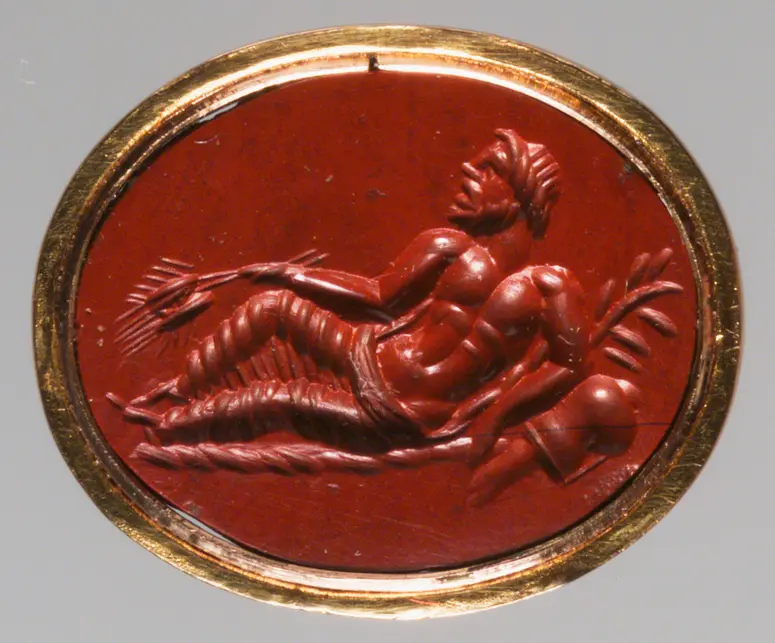
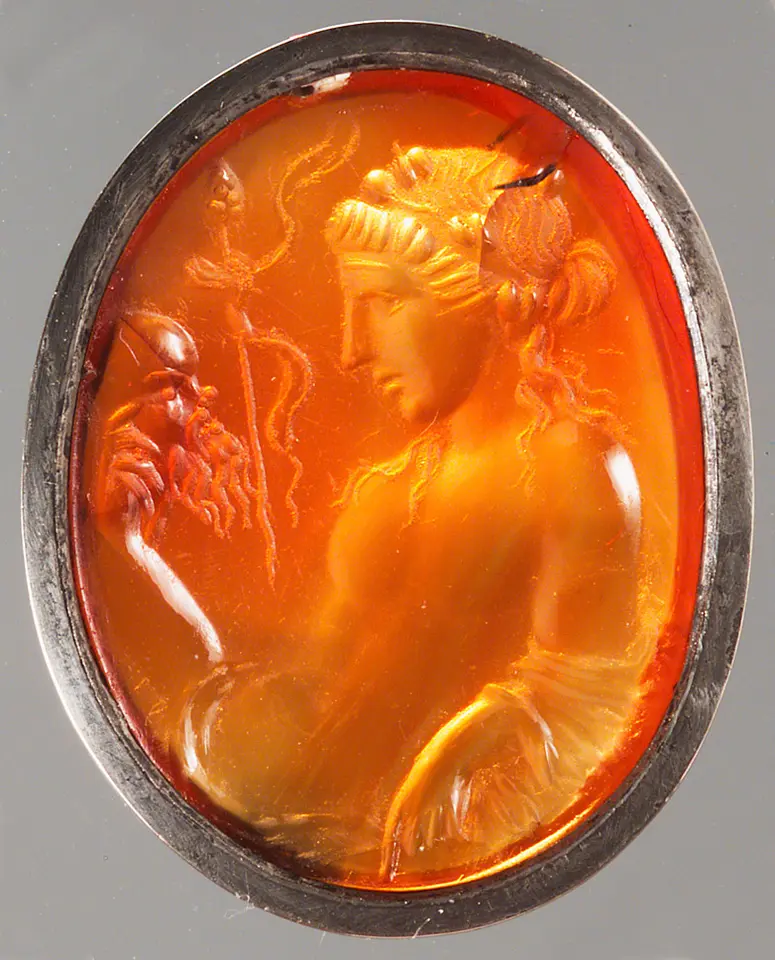
Gemme: Halbfigur des gelagerten Bacchus Römisch, Frühe Kaiserzeit Ende 1. Jh. v. - Anfang 1. Jh. n. Chr.
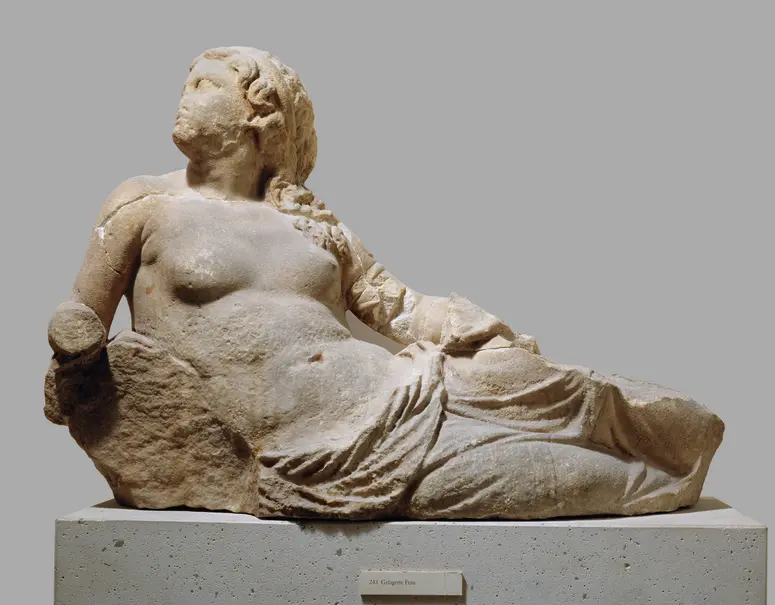
Giebel: Gelagerte Frau Griechisch, Hellenistisch 150 - 125 v. Chr.

Aschenurne: Deckel zu Aschenkiste I 1045a: Gelagerter Mann Etruskisch, Volterra 2. Jh. v. Chr.
Aschenurne: Deckel einer Aschenurne: Gelagerte Frau Etruskisch, Volterra 2. Hälfte 2. Jh. v. Chr.
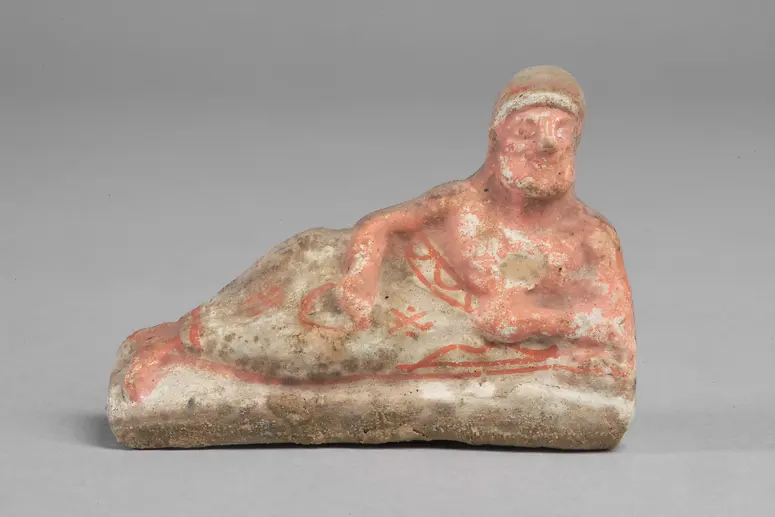
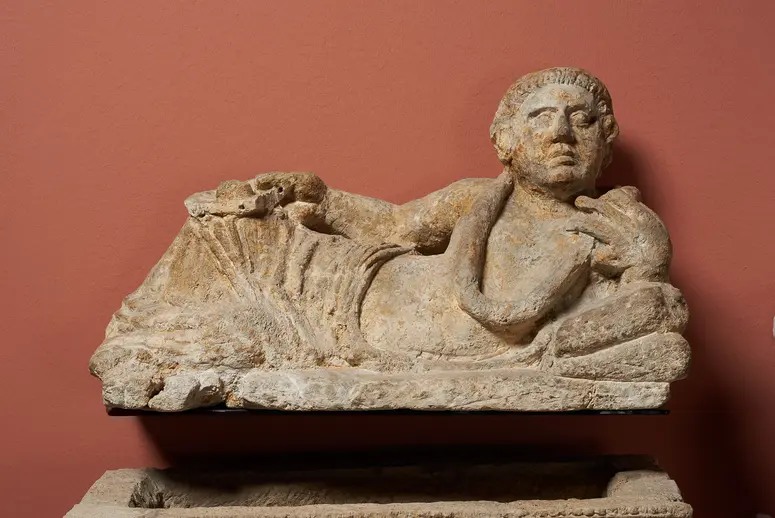
Aschenurne: Deckel einer Aschenurne: Gelagerter Mann Etruskisch, Volterra 3. - 2. Jh. v. Chr.
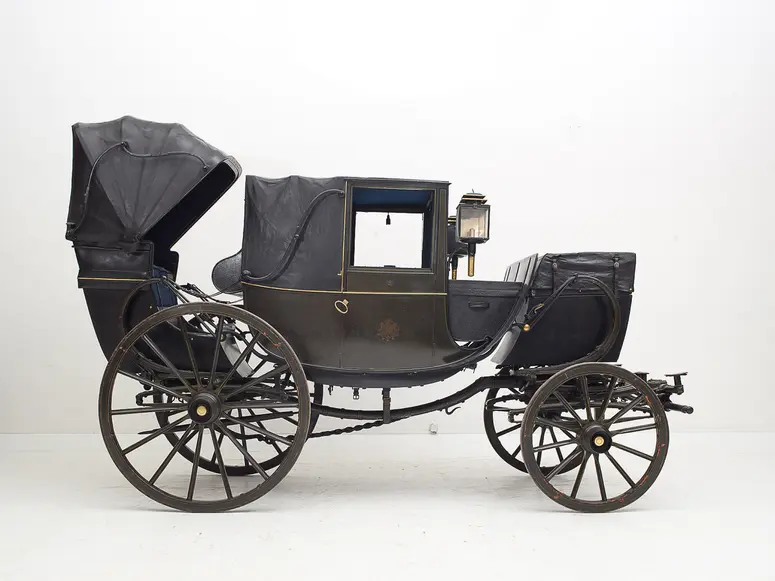
Travelling Carriage of Wilhelmine, Princess von Thurn und Taxis Baxter & Pearce (London) 1833

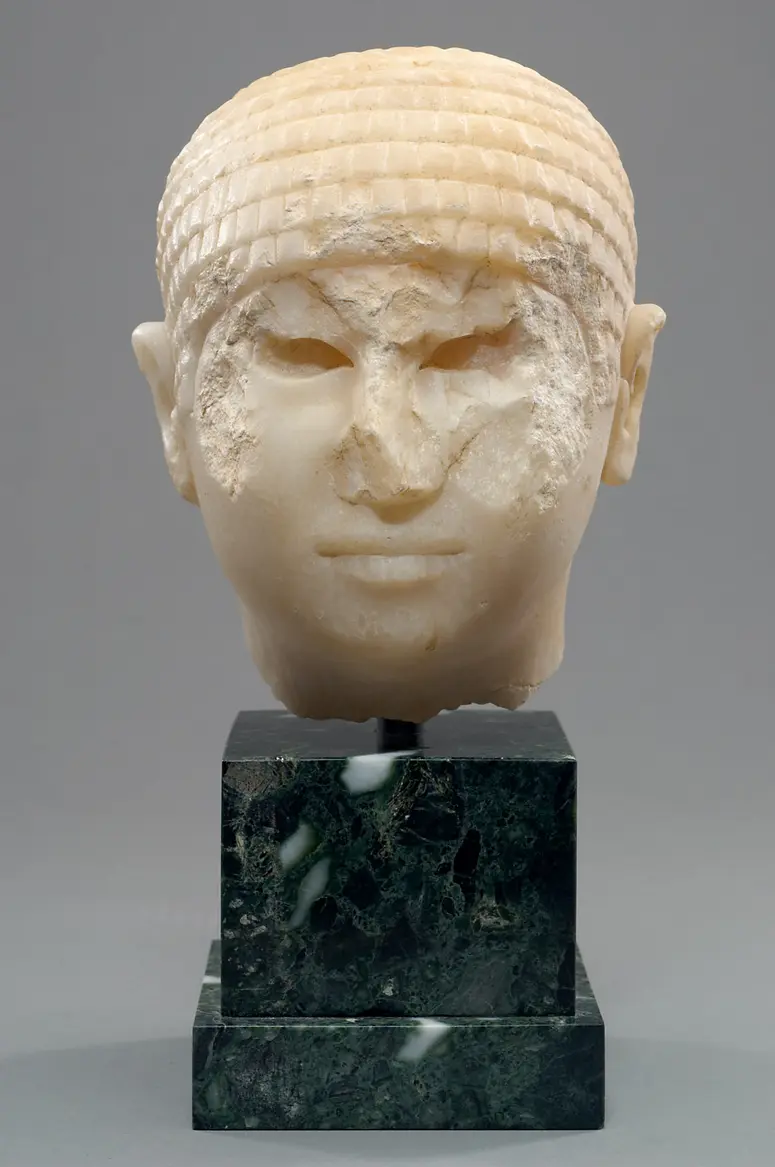
Kopf einer Statue des Ba-ba-ef Giza, Mastaba des Ba-ba-ef (G. 5230), Schutt der Nordwand Frühe 5. Dynastie, um 2500 v. Chr.
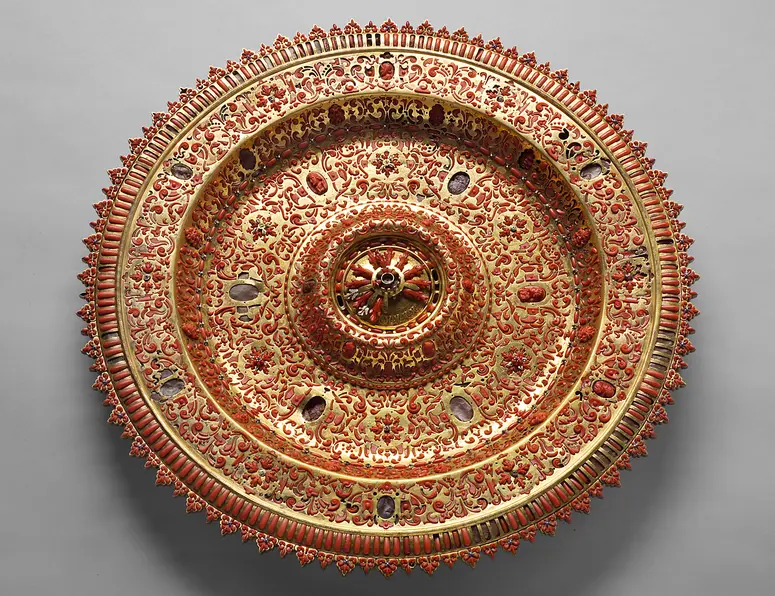
Becken, Teller, Rundteller, Platte, Korallenmosaik, Einlegearbeit Anfang 17. Jahrhundert