Violin
1671 | Jacob Stainer
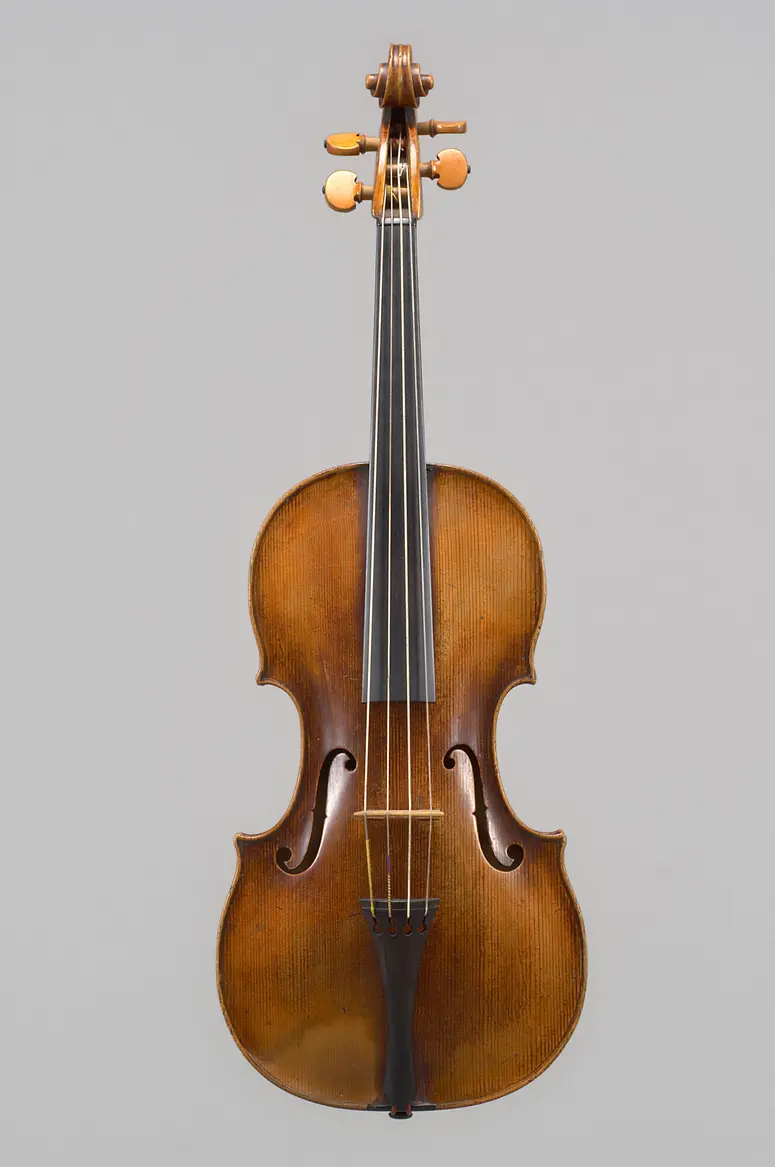
The earliest extant instruments by Jacob Stainer were made in the 1650s and show the violin maker at the height of his mastery. By this period, he had already developed a personal model that was oriented towards Amati, while at the same time displaying the individual features that make his work unmistakable. The arch of both top plate and back is relatively high, which results in the instrument’s typical bright sound. The working of the f holes, the purfling and the edges of the plates clearly demonstrate Stainer’s skill as a craftsman. Their extreme precision contributes to the characteristic appearance of the instruments. The same can be said of the scroll, though particularly in his later work, Stainer sometimes carved a lion’s head in place of the scroll. The overall impression of the instruments is dominated by the bright, transparent varnish that allows the optical qualities of the wood to come to the fore. (rh/bd)
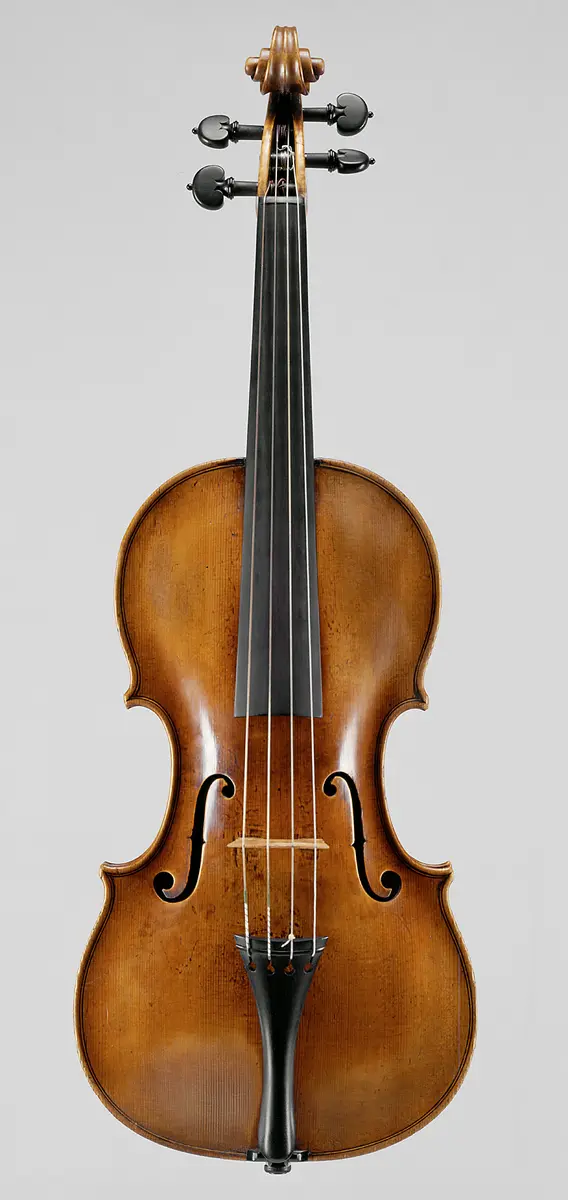
The earliest extant instruments by Jacob Stainer were made in the 1650s and show the violin maker at the height of his mastery. By this period, he had already developed a personal model that was oriented towards Amati, while at the same time displaying the individual features that make his work unmistakable. The arch of both top plate and back is relatively high, which results in the instrument’s typical bright sound. The working of the f holes, the purfling and the edges of the plates clearly demonstrate Stainer’s skill as a craftsman. Their extreme precision contributes to the characteristic appearance of the instruments. The same can be said of the scroll, though particularly in his later work, Stainer sometimes carved a lion’s head in place of the scroll. The overall impression of the instruments is dominated by the bright, transparent varnish that allows the optical qualities of the wood to come to the fore. (rh/bd)
Manufacturer:
Jacob Stainer (1618/19 Absam - 1683) DNB
Time:
1671
Object Name
Violin
Culture
Austria, Absam
Dimensions:
580 mm x 190 mm x 100 mm
Copyright
Kunsthistorisches Museum, Sammlung alter Musikinstrumente
Invs.
Sammlung alter Musikinstrumente, 1069
Browse more
Similar items you might be interested in
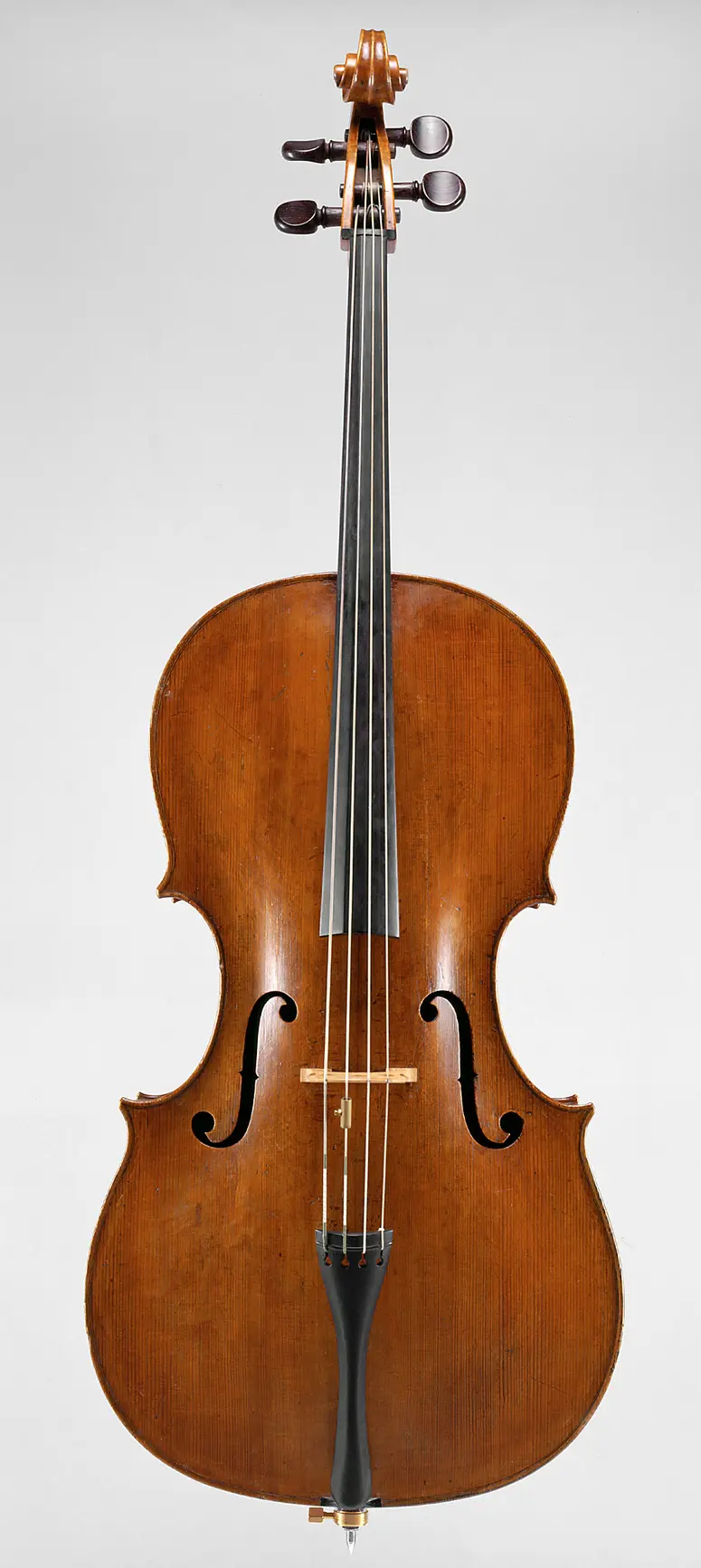
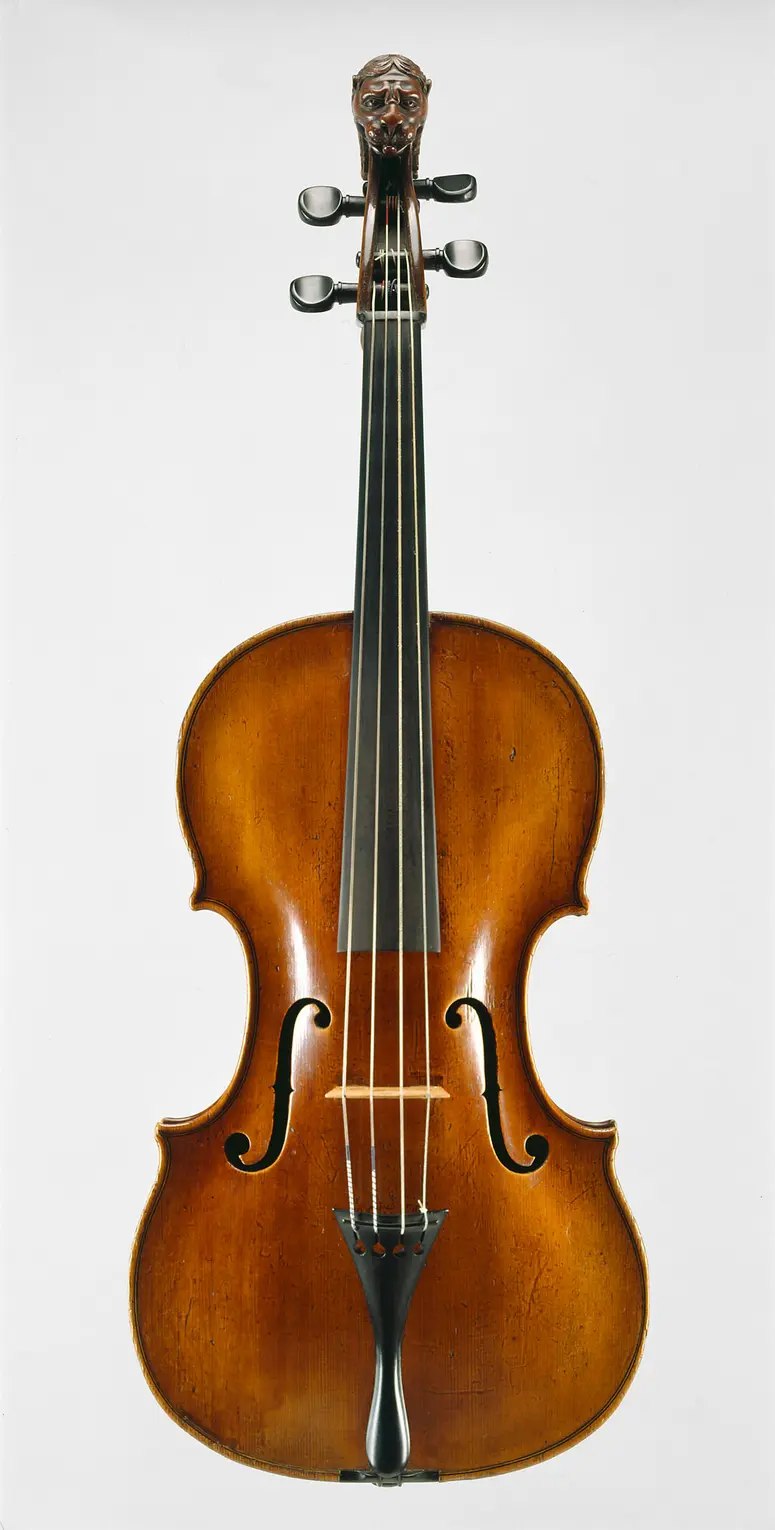
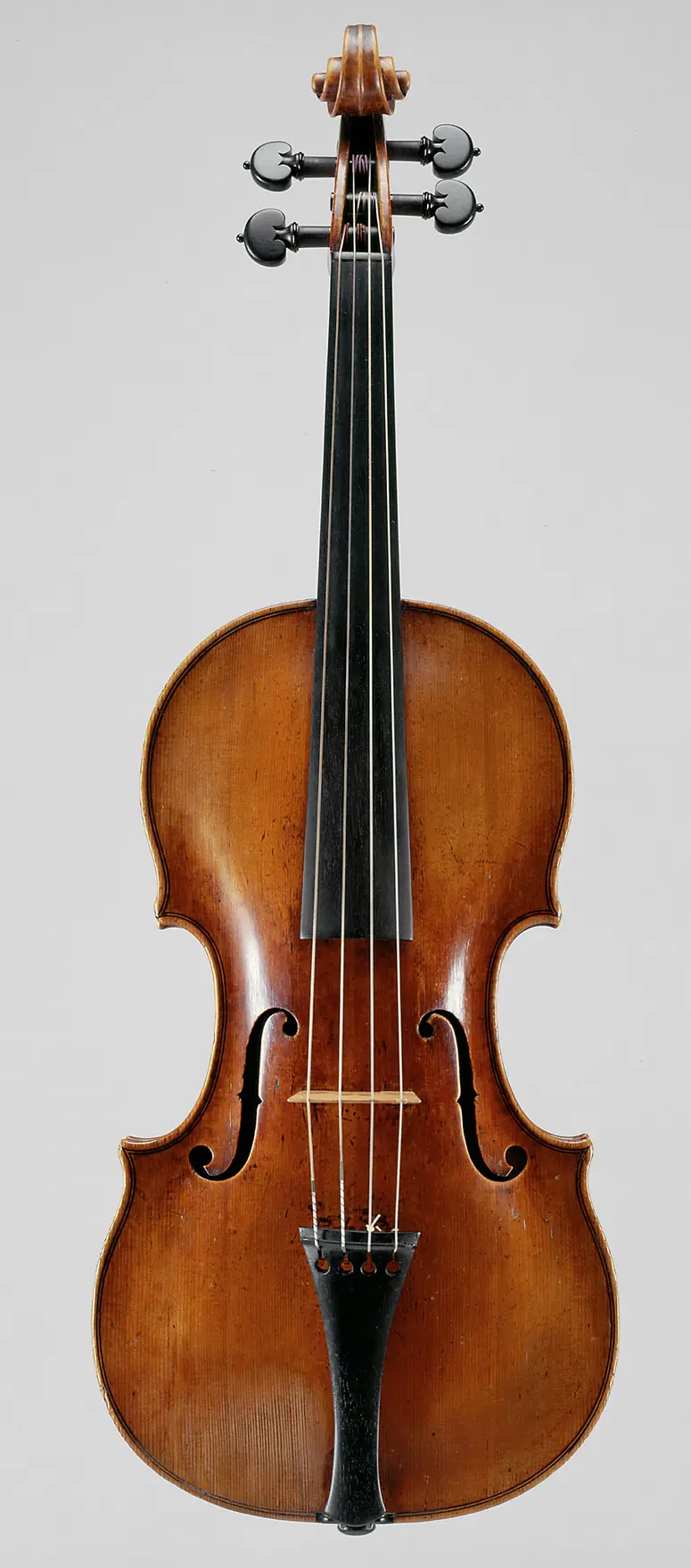
Manufacturer: Jacob Stainer after 1650
Manufacturer: Martin Kaiser 2nd half of the 17th century
Manufacturer: Johann Baptist Merklein approx. 1800
Manufacturer: anonym 2nd half of the 16th century (assigned)
Manufacturer: Hendrik Richters beginning of the 18th century
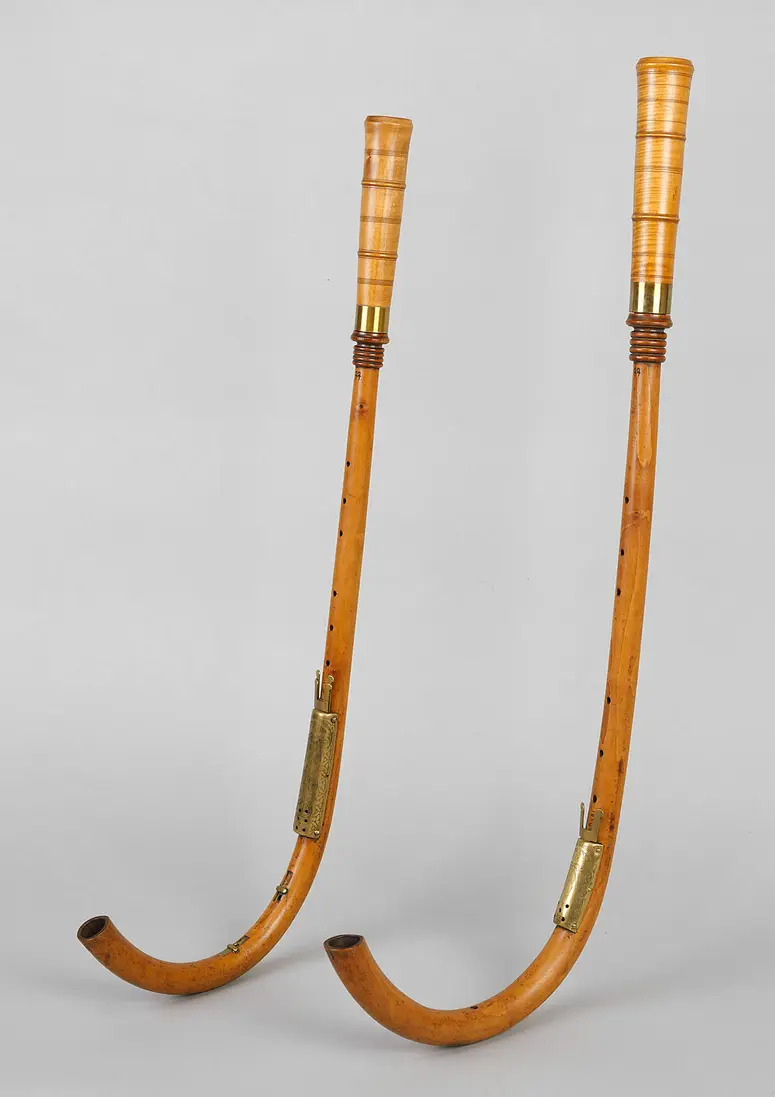
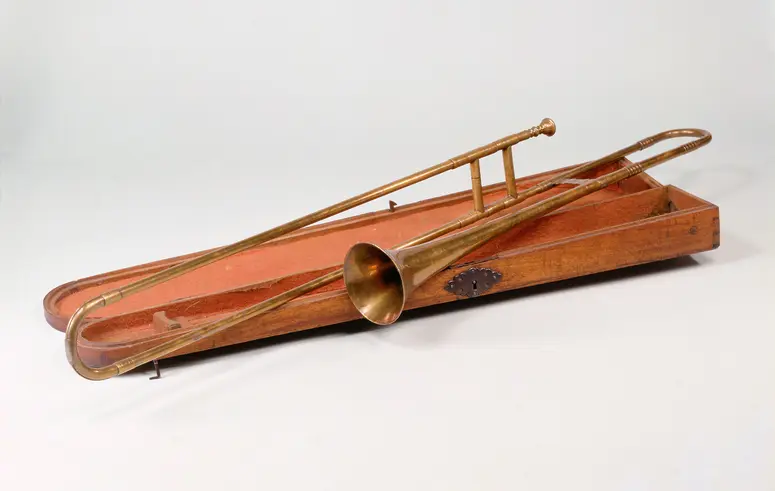
Manufacturer: Michael Leichamschneider 1732
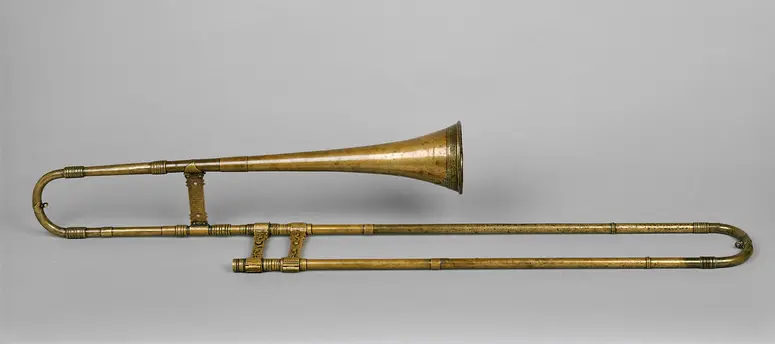
Manufacturer: Joerg Neuschel 1557
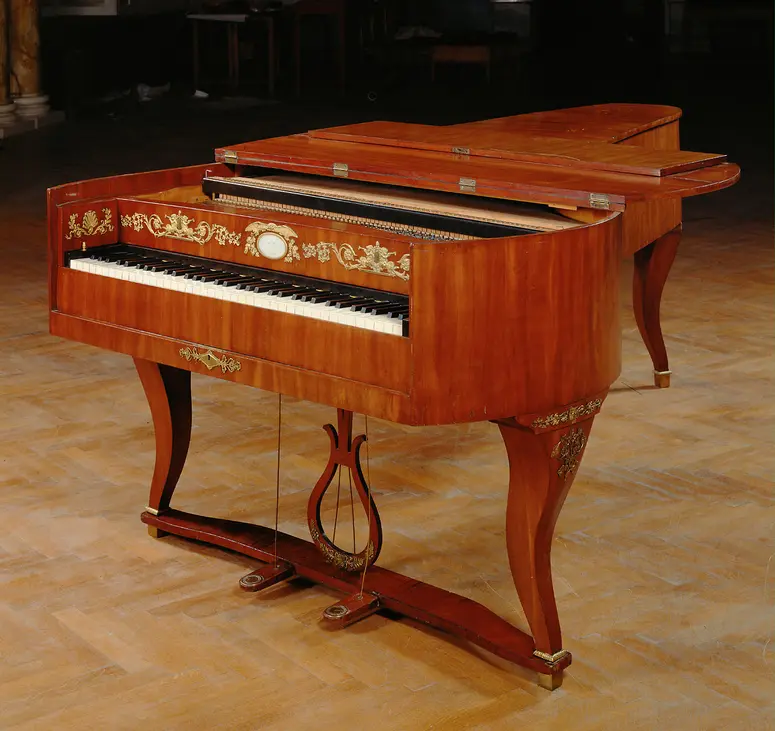
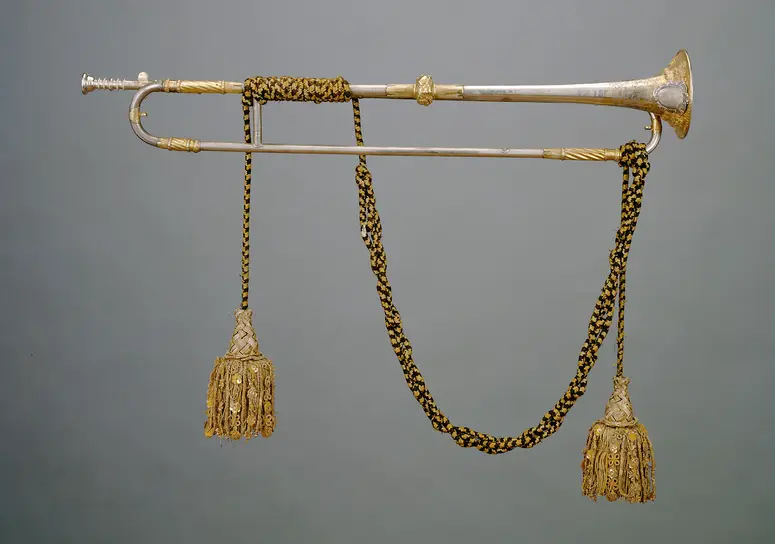
Manufacturer: Michael Leichamschneider 1741
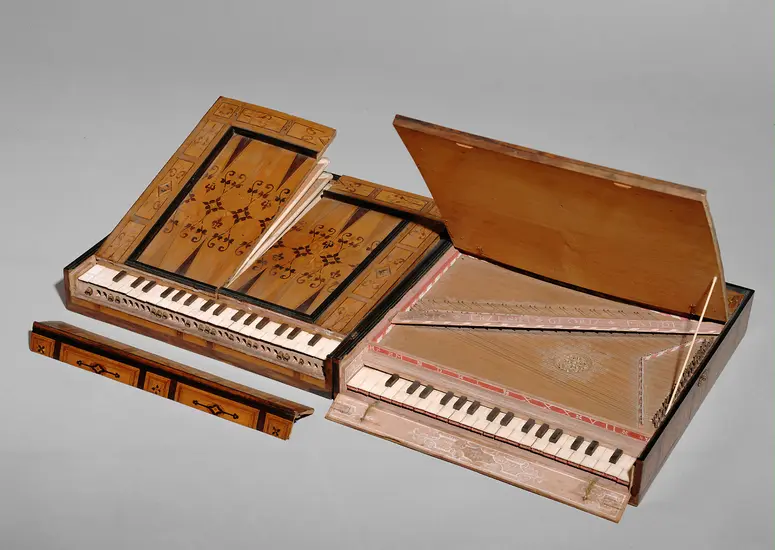
Manufacturer: Anton Meidting December 1587
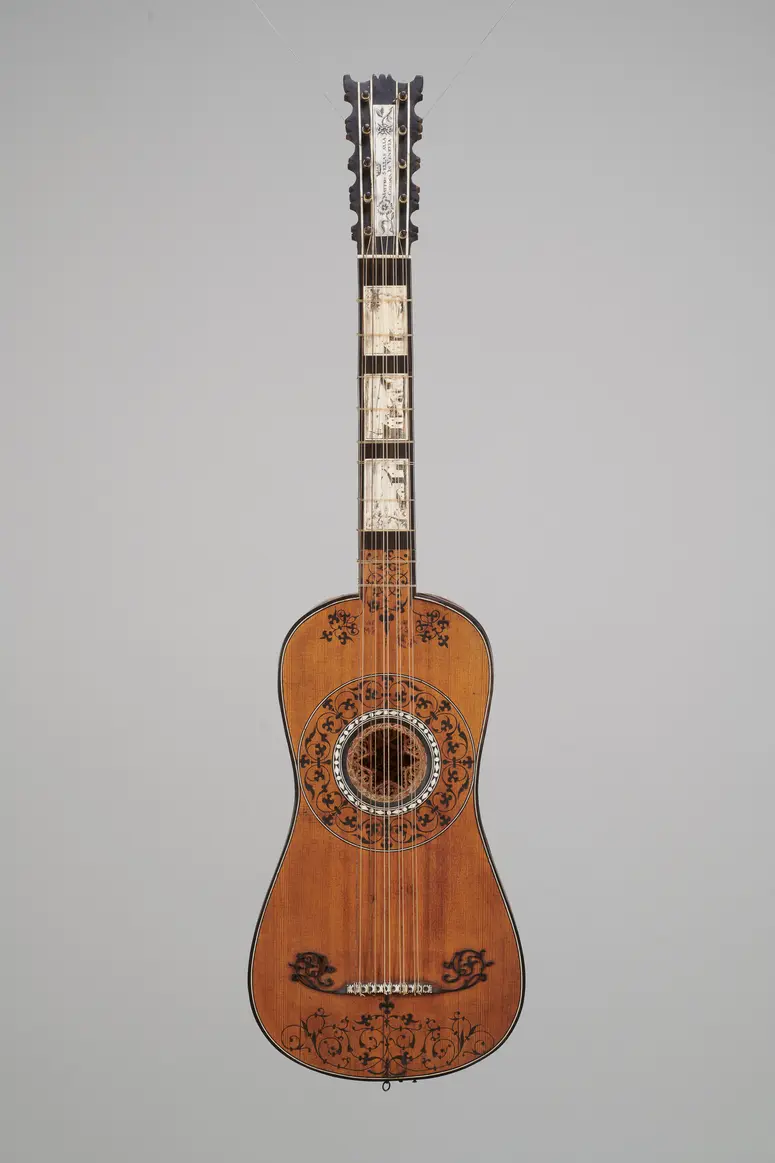
Manufacturer: Matthäus Seelos 1st half of the 17th century
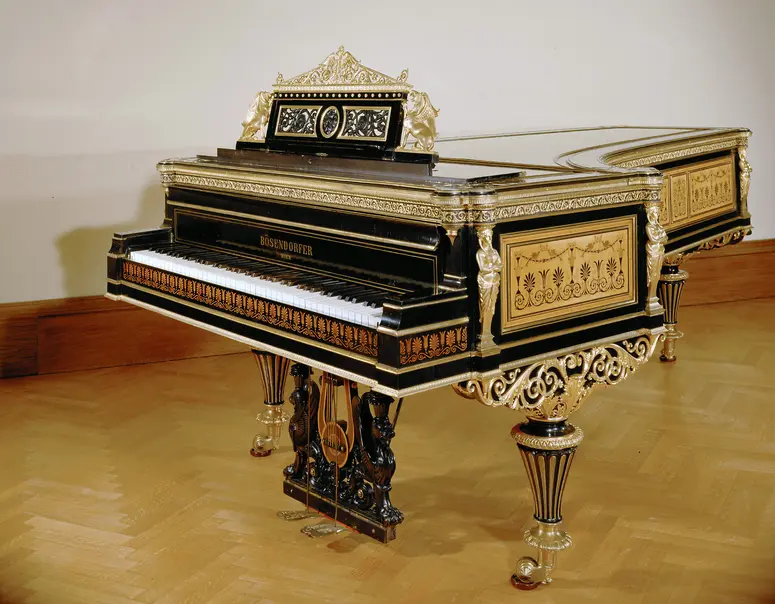
Manufacturer: Fa. Bösendorfer 1867
Manufacturer: Anton Schnitzer 1581