Violoncello
1658 | Jacob Stainer
Only very few violoncellos are known from Stainer. Commissions from diverse aristocratic chapels and monasteries reveal, however, that he created a number of these instruments; unfortunately, most of these bass instruments are lost today. One reason for these losses is the fact that, at Stainer’s time, cellos had longer bodies than is usual today. Smaller models were better suited for the difficult chamber and solo music of subsequent epochs, and therefore these overly large instruments ‒ as is the case with the one on display ‒ were reduced in length as well as width. (rh)
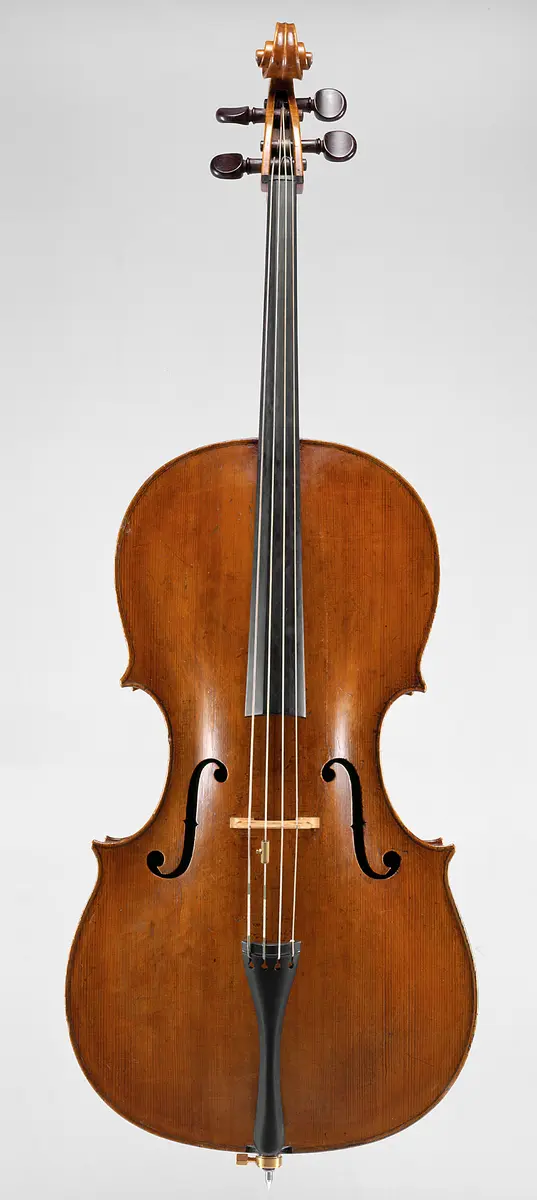
Only very few violoncellos are known from Stainer. Commissions from diverse aristocratic chapels and monasteries reveal, however, that he created a number of these instruments; unfortunately, most of these bass instruments are lost today. One reason for these losses is the fact that, at Stainer’s time, cellos had longer bodies than is usual today. Smaller models were better suited for the difficult chamber and solo music of subsequent epochs, and therefore these overly large instruments ‒ as is the case with the one on display ‒ were reduced in length as well as width. (rh)
Manufacturer:
Jacob Stainer (1618/19 Absam - 1683) DNB
Time:
1658
Object Name
Violoncello
Culture
Austria, Absam
Dimensions:
1320 mm x 390 mm x 310 mm
Copyright
Kunsthistorisches Museum, Sammlung alter Musikinstrumente
Invs.
Sammlung alter Musikinstrumente, 1071
Browse more
Similar items you might be interested in
Manufacturer: Martin Kaiser 2nd half of the 17th century
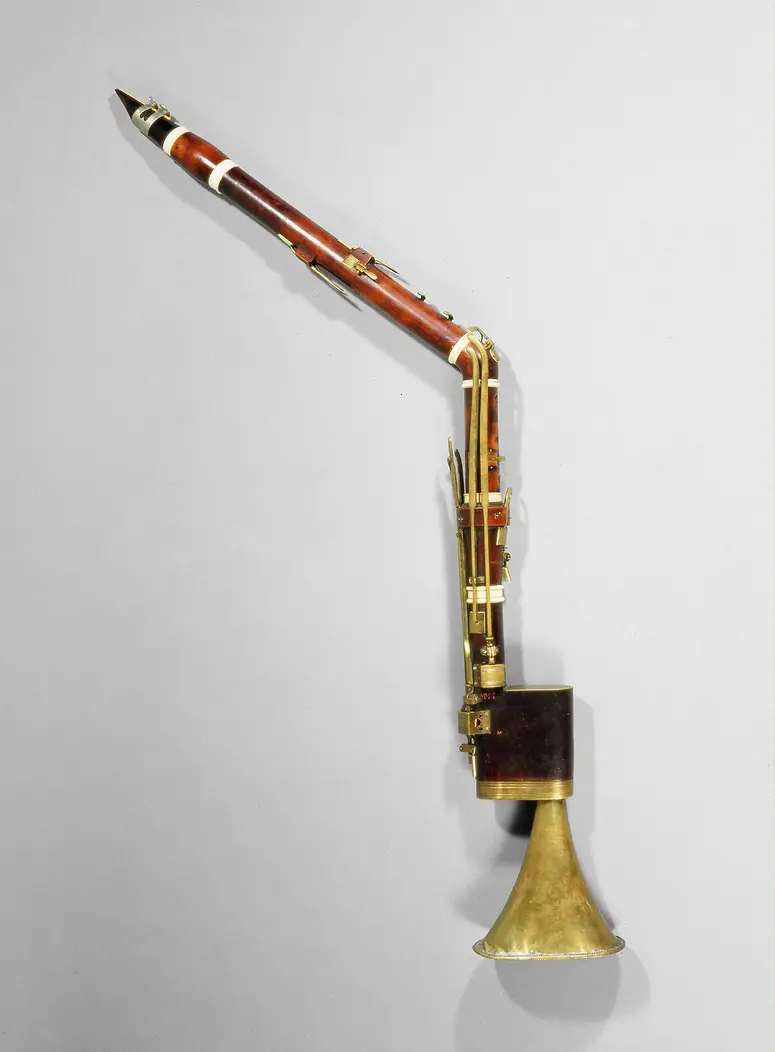
Manufacturer: Johann Baptist Merklein approx. 1800
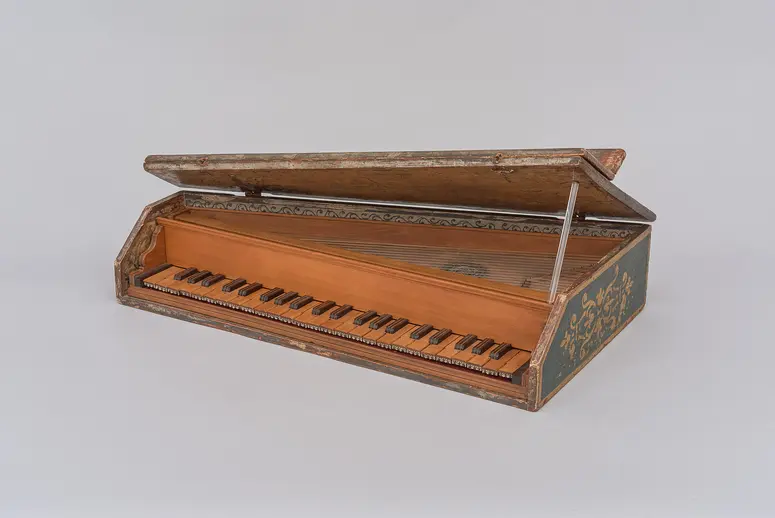
Manufacturer: anonym 2nd half of the 16th century (assigned)
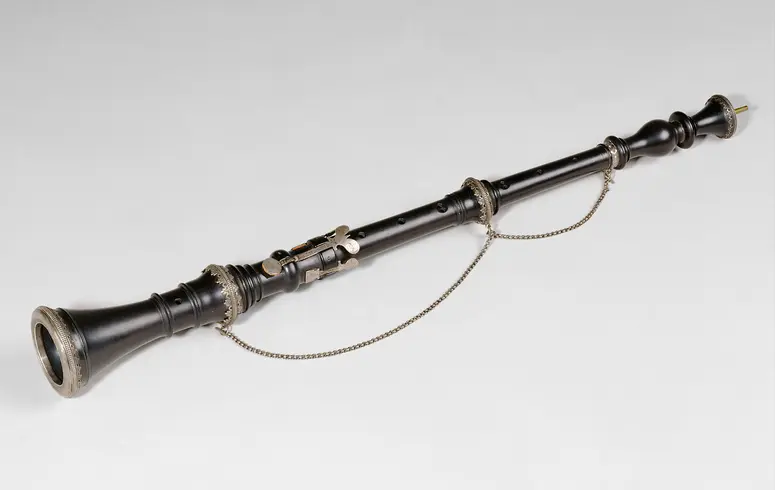
Manufacturer: Hendrik Richters beginning of the 18th century
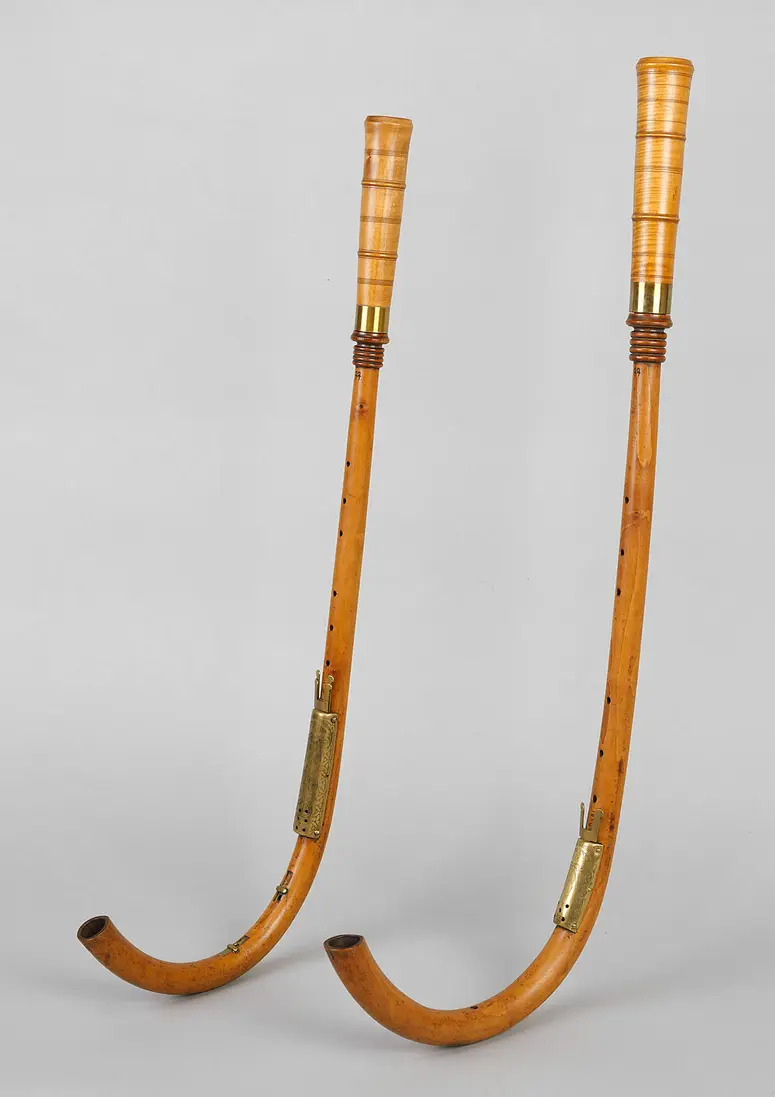
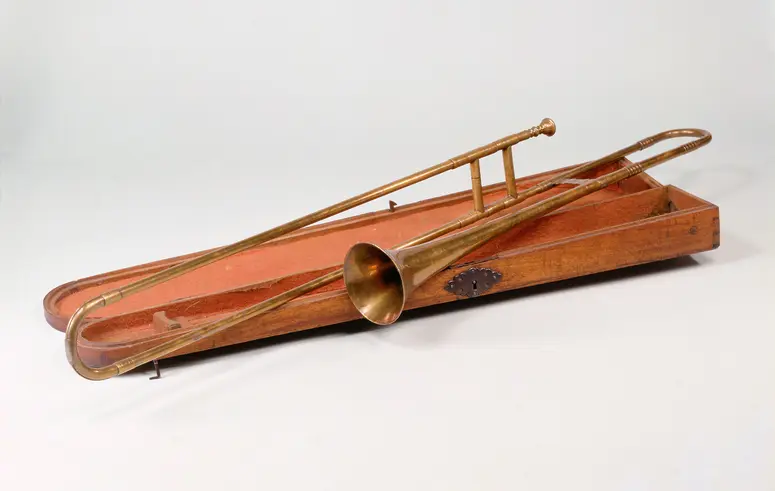
Manufacturer: Michael Leichamschneider 1732
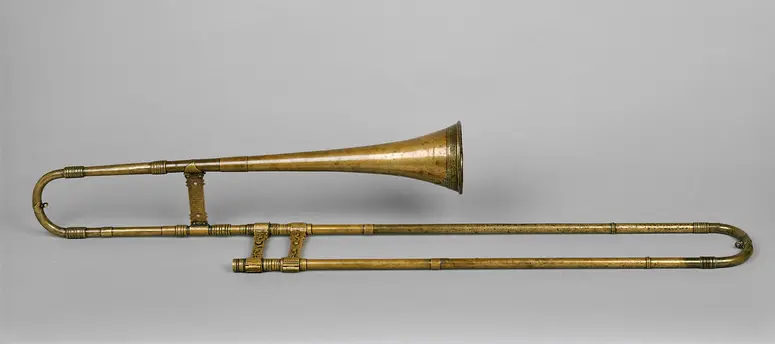
Manufacturer: Joerg Neuschel 1557
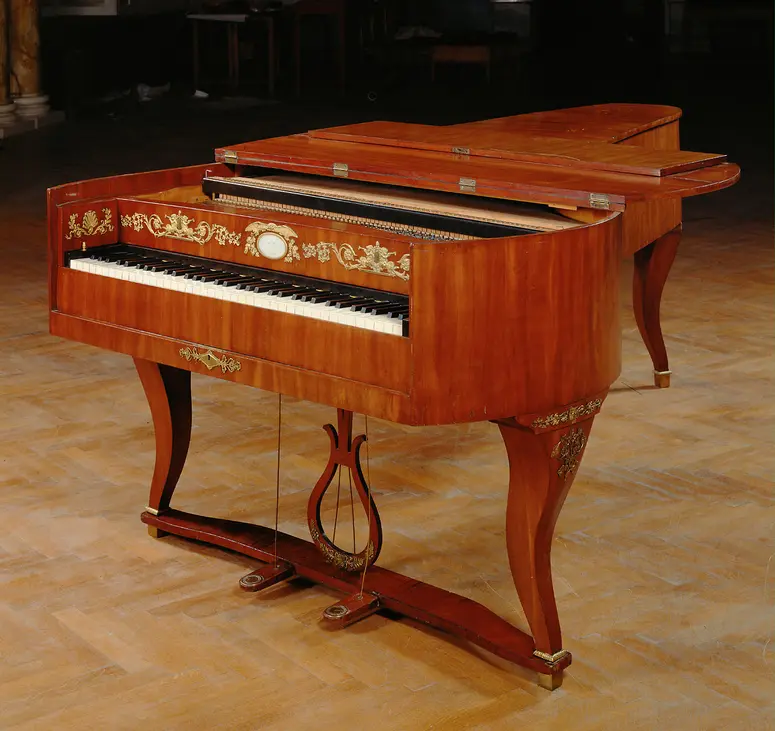
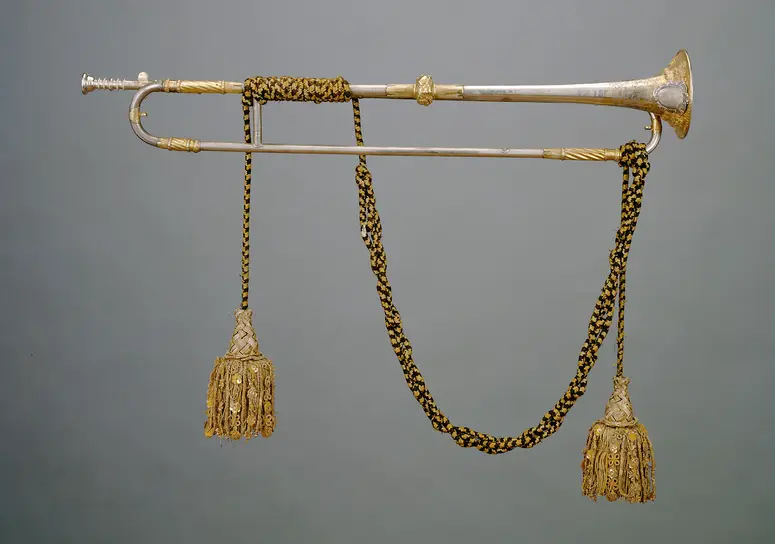
Manufacturer: Michael Leichamschneider 1741
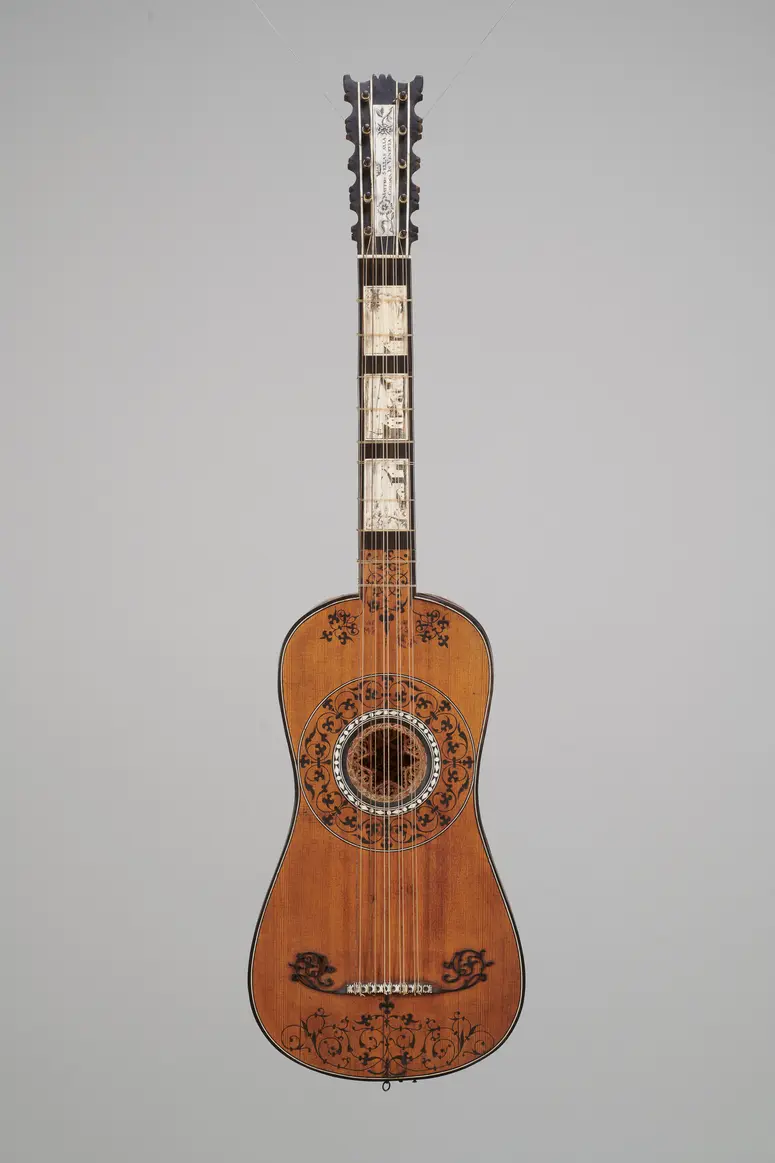
Manufacturer: Matthäus Seelos 1st half of the 17th century
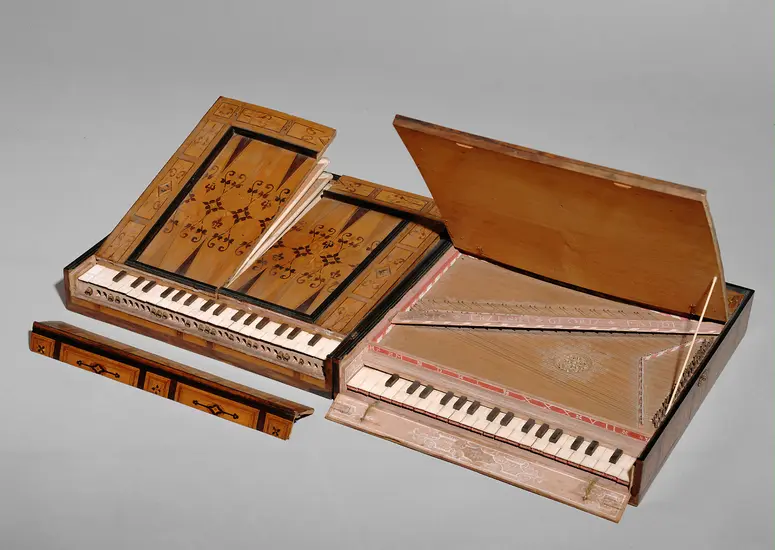
Manufacturer: Anton Meidting December 1587
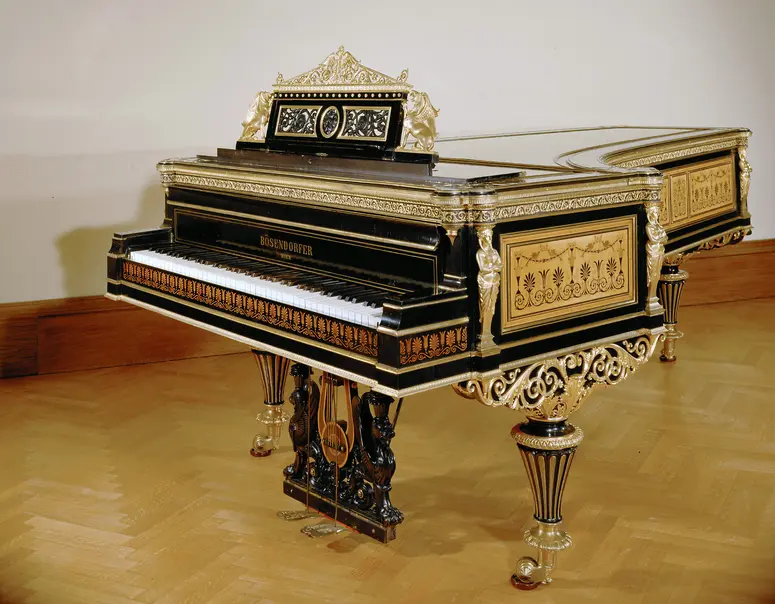
Manufacturer: Fa. Bösendorfer 1867
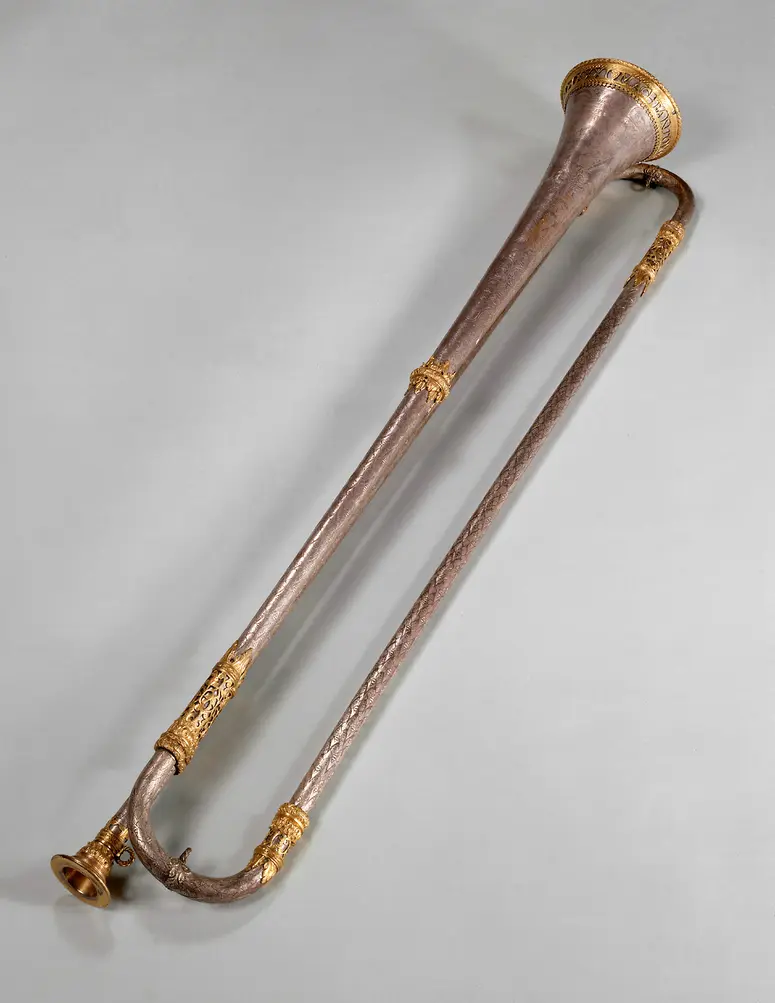
Manufacturer: Anton Schnitzer 1581
Manufacturer: Antonio Ciciliano presumably after 1602
Manufacturer: Wenzel Kowansky 1749
Manufacturer: Girolamo de Virchis 1574
Manufacturer: Johann Baptist Streicher 1840