Arete Kelsou
Torso hellenistisch, Kopf 2. Jh. n. Chr.
This Hellenistic female statue was repurposed as the personification of competence (Lat. virtus), one of the most cherished character traits of a Roman citizen. Note the luxurious rendering complete with delicate robe and serpent bracelet typical of an honorary statue. The separately-make and then inserted head was adapted from an Antonine portrait.
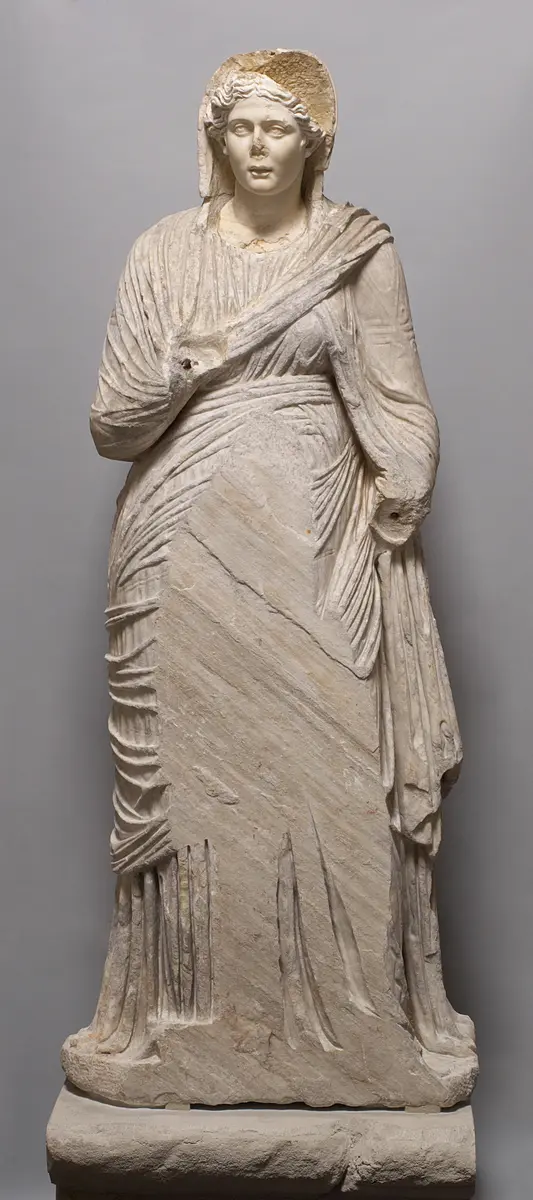
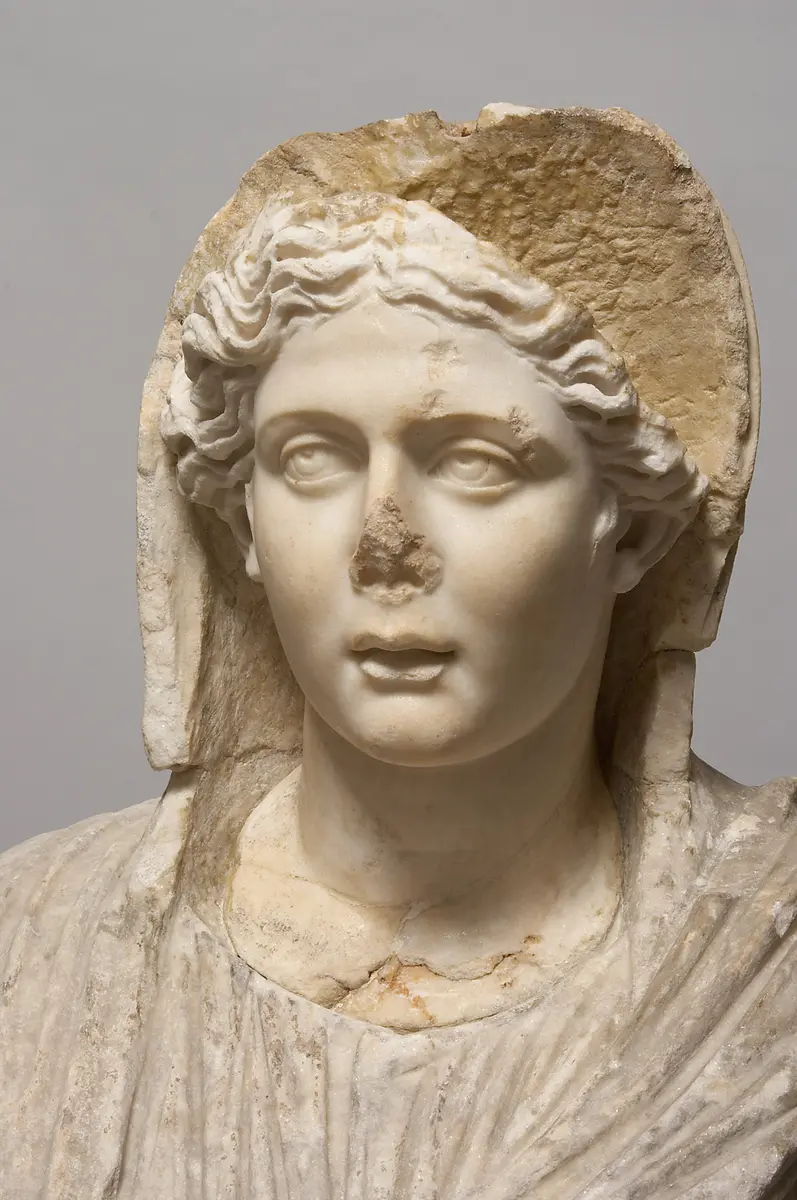
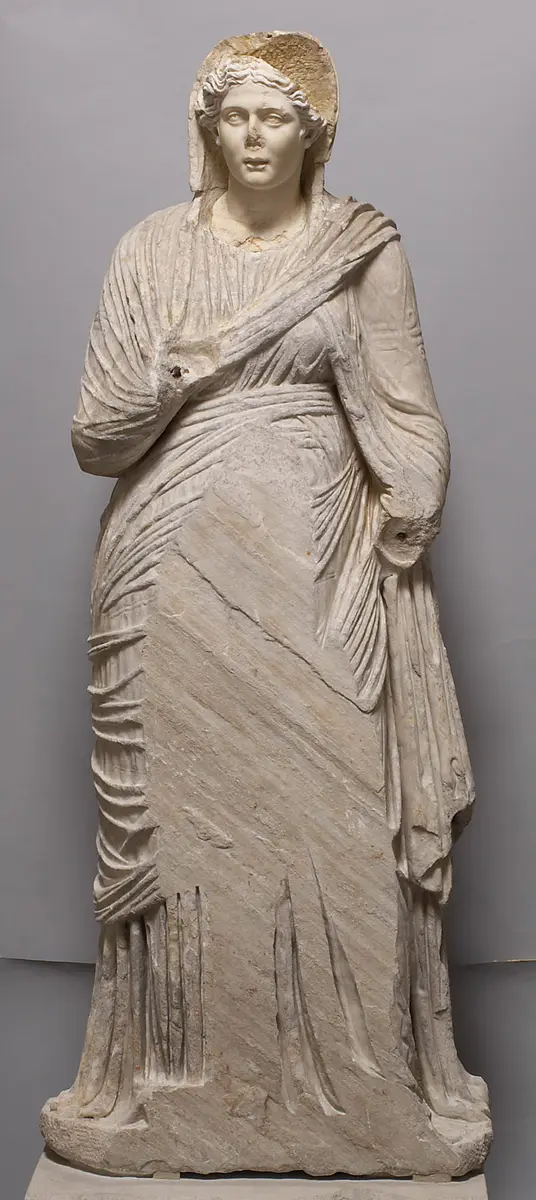
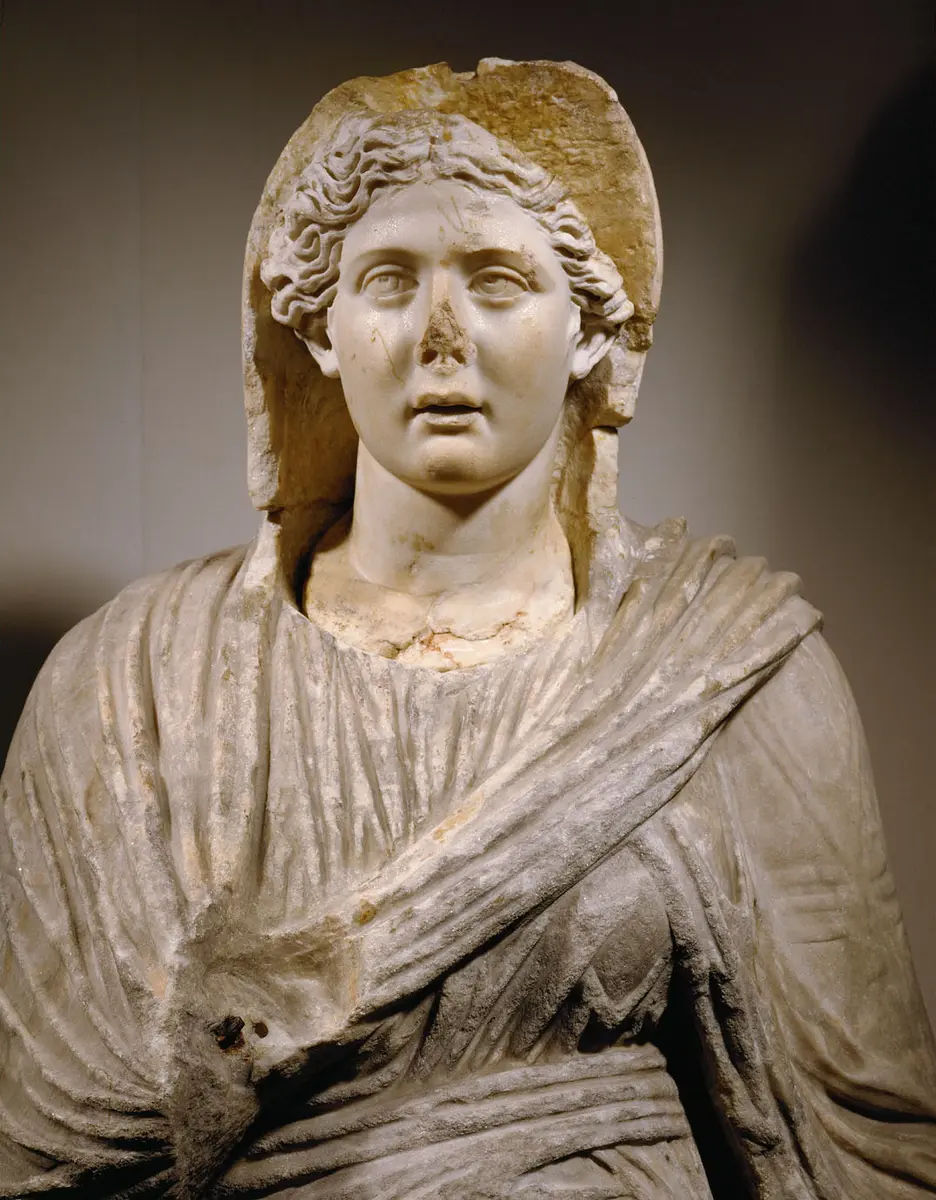
This Hellenistic female statue was repurposed as the personification of competence (Lat. virtus), one of the most cherished character traits of a Roman citizen. Note the luxurious rendering complete with delicate robe and serpent bracelet typical of an honorary statue. The separately-make and then inserted head was adapted from an Antonine portrait.
Time:
Torso hellenistisch, Kopf 2. Jh. n. Chr.
Object Name
Statue
Culture
Hellenistisch-römisch
Location of discovery:
Ephesos Celsusbibliothek Umgebung (Selçuk, Kleinasien, Türkei)
Material/technology:
Marmor
Dimensions:
H. 198,5 cm
Copyright
Kunsthistorisches Museum, Antikensammlung
Invs.
Antikensammlung, I 852
Provenance
Sultan, Abdul, Hamid, II.; Österreichische Ausgrabungen in Ephesos; Geschenk an Kaiser Franz Joseph; 1911 nachträglich inventarisiert
Browse more
Similar items you might be interested in
Giebel: Celsusbibliothek: Segmentgiebel Römisch, Mittlere Kaiserzeit 113 - 117 n. Chr.
Statue: Episteme Kelsou Römisch, Mittlere Kaiserzeit 2. Jh. n. Chr.
Relief: Götterversammlung: Demeter Römisch, Mittlere Kaiserzeit Mitte des 2. Jhs. n. Chr.
Relief: Schlachtenszene, Schwertkämpfer Römisch, Mittlere Kaiserzeit Mitte 2. Jh. n. Chr.
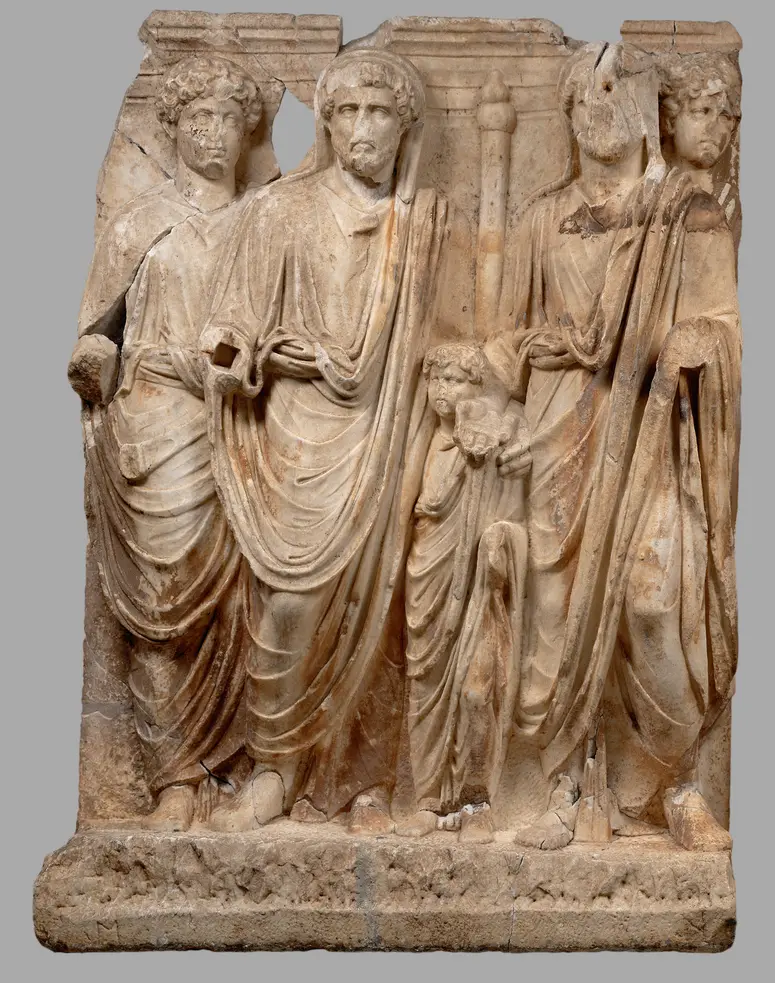
Relief: Adoption der Kaiser Lucius Verus und Marc Aurel Römisch, Mittlere Kaiserzeit Mitte 2. Jh. n. Chr.
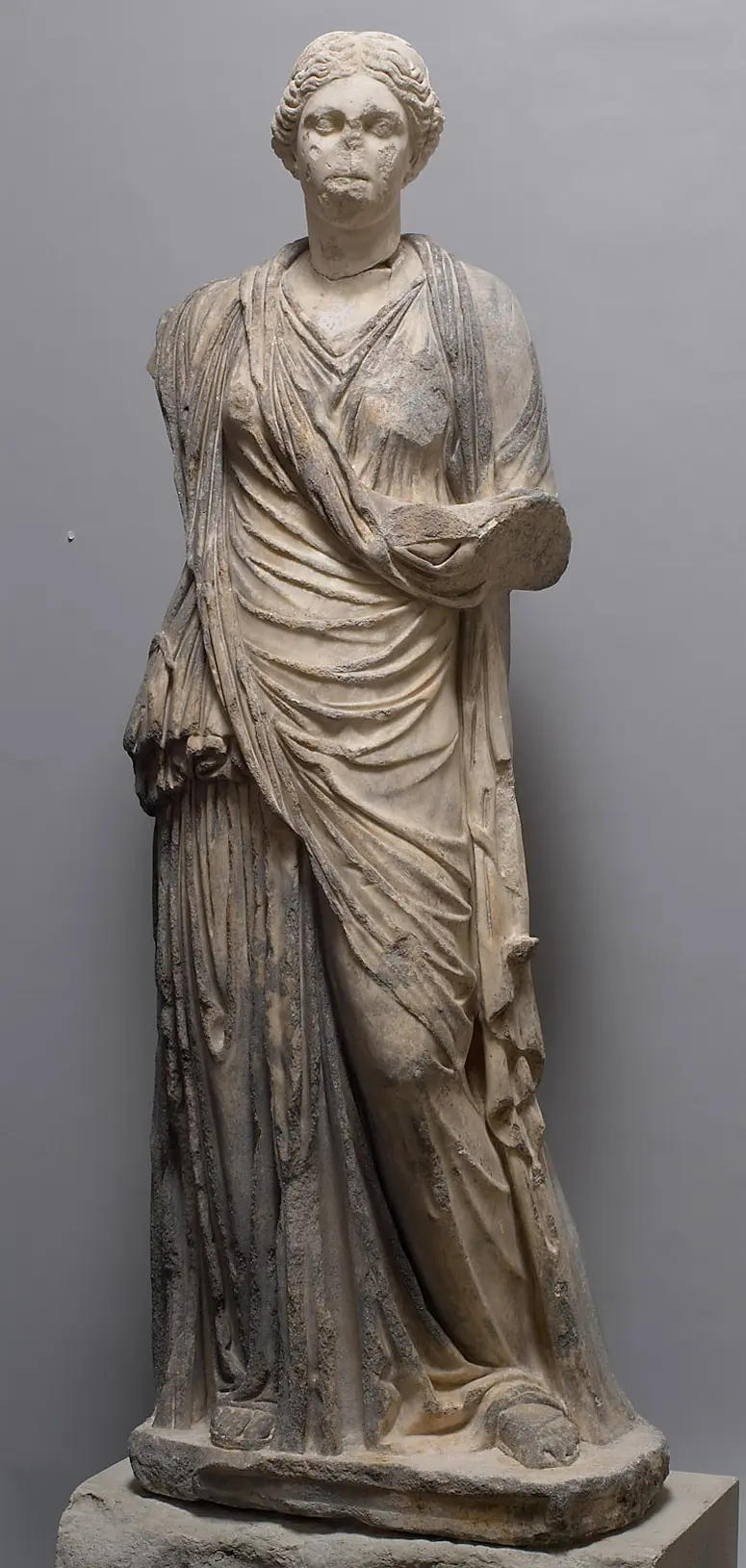
Statue: Sophia Kelsou Römisch, Mittlere Kaiserzeit 2. Jh. n. Chr., nach hellenistischem Original
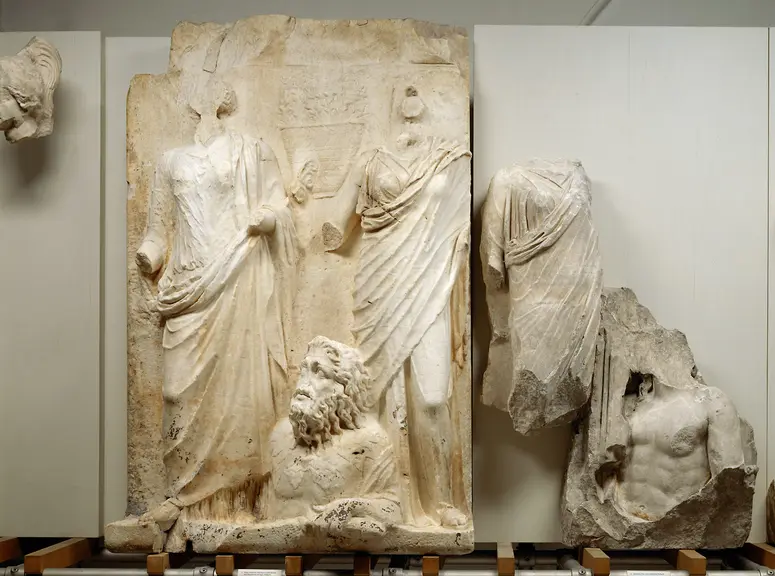
Relief: Städtepersonifikationen Römisch, Mittlere Kaiserzeit Mitte 2. Jh. n. Chr.
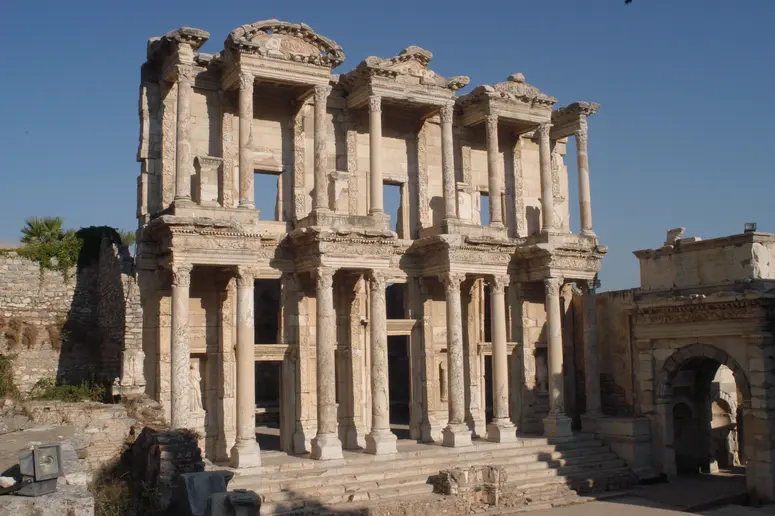
Architektur: Celsusbibliothek Römisch, Mittlere Kaiserzeit 113 - 117 n. Chr.
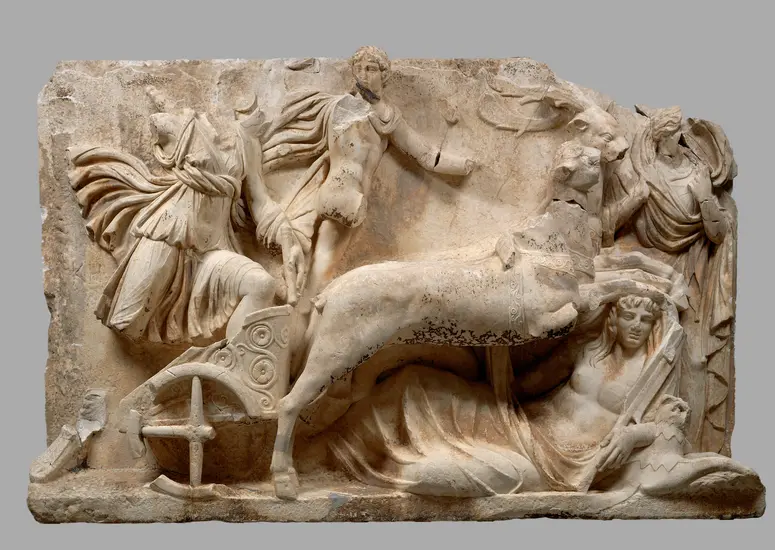
Relief: Artemis Selene Römisch, Mittlere Kaiserzeit Mitte 2. Jh. n. Chr.
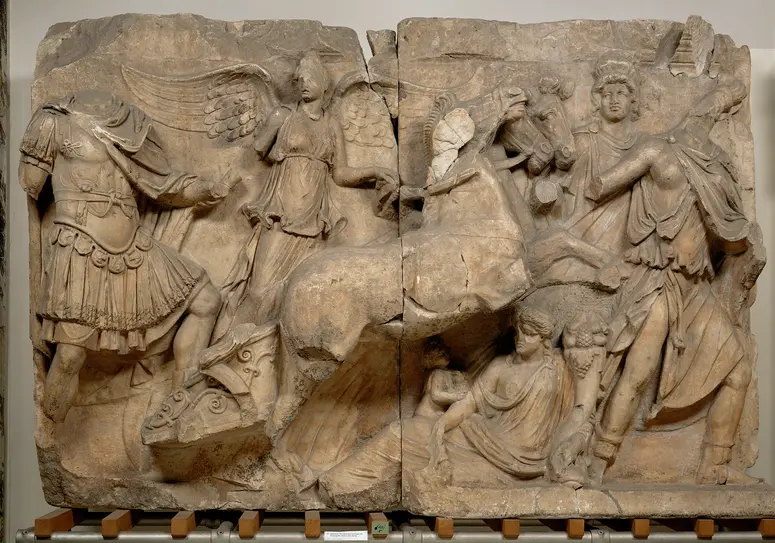
Relief: Triumph des Kaisers Römisch, Mittlere Kaiserzeit Mitte des 2. Jhs. n. Chr.
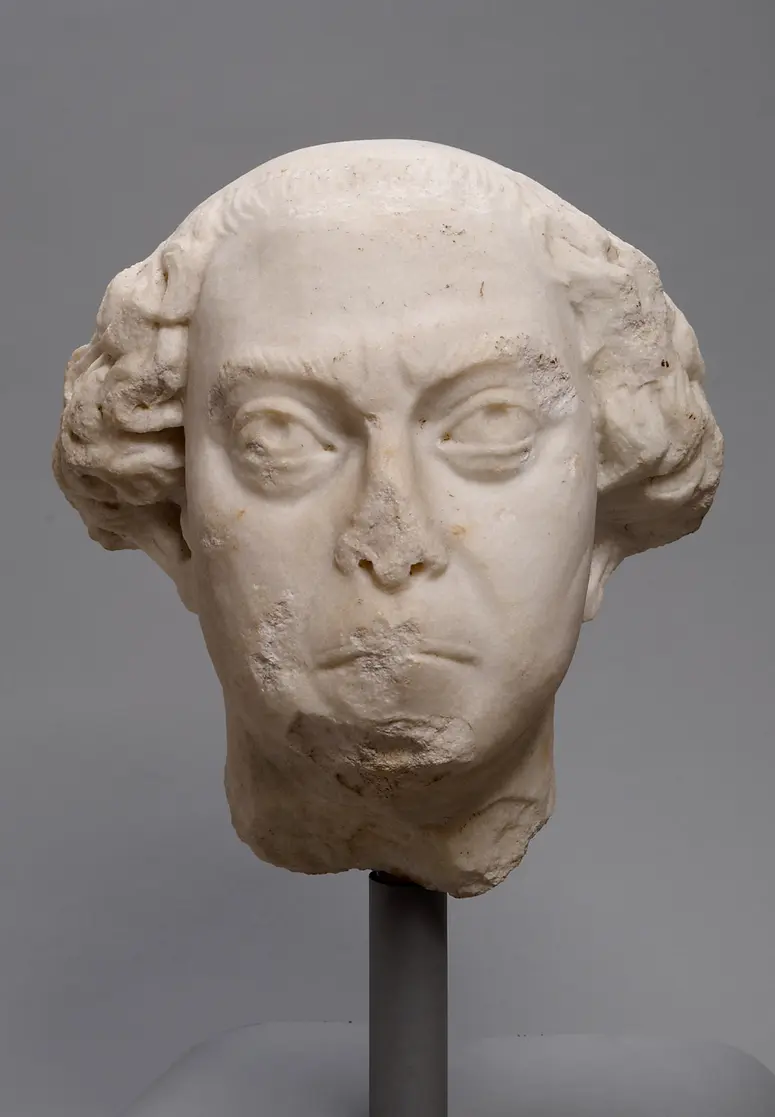
Porträtkopf: Porträt eines kahlköpfigen Mannes Römisch, Spätantik 1. Hälfte 6. Jh. n. Chr.
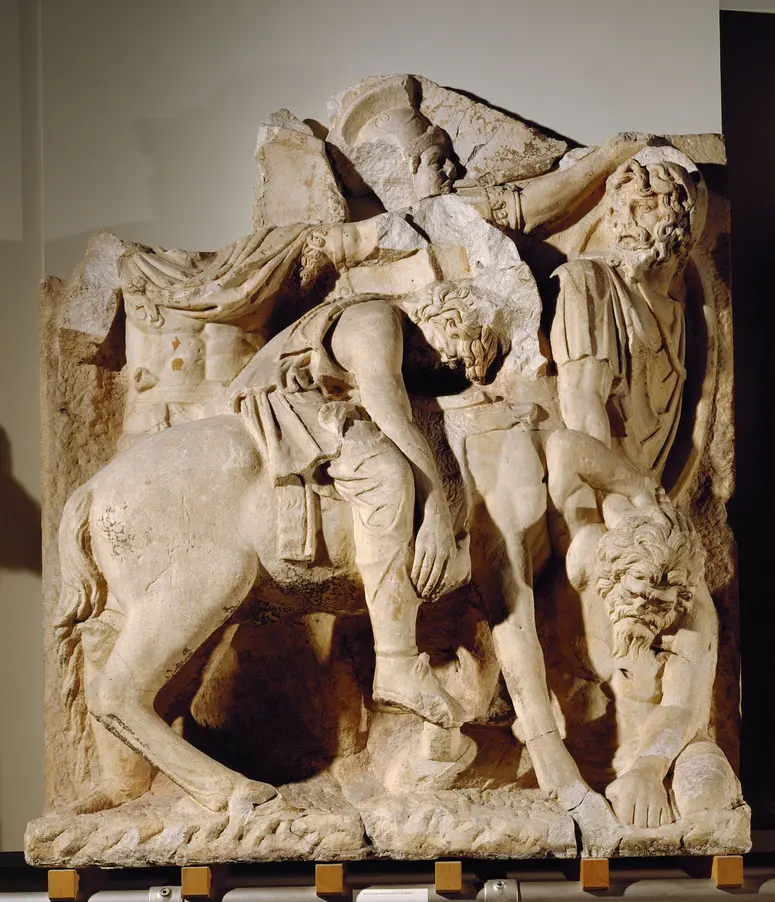
Relief: Verwundeter Partherfeldherr Römisch, Mittlere Kaiserzeit nach 169 n. Chr.
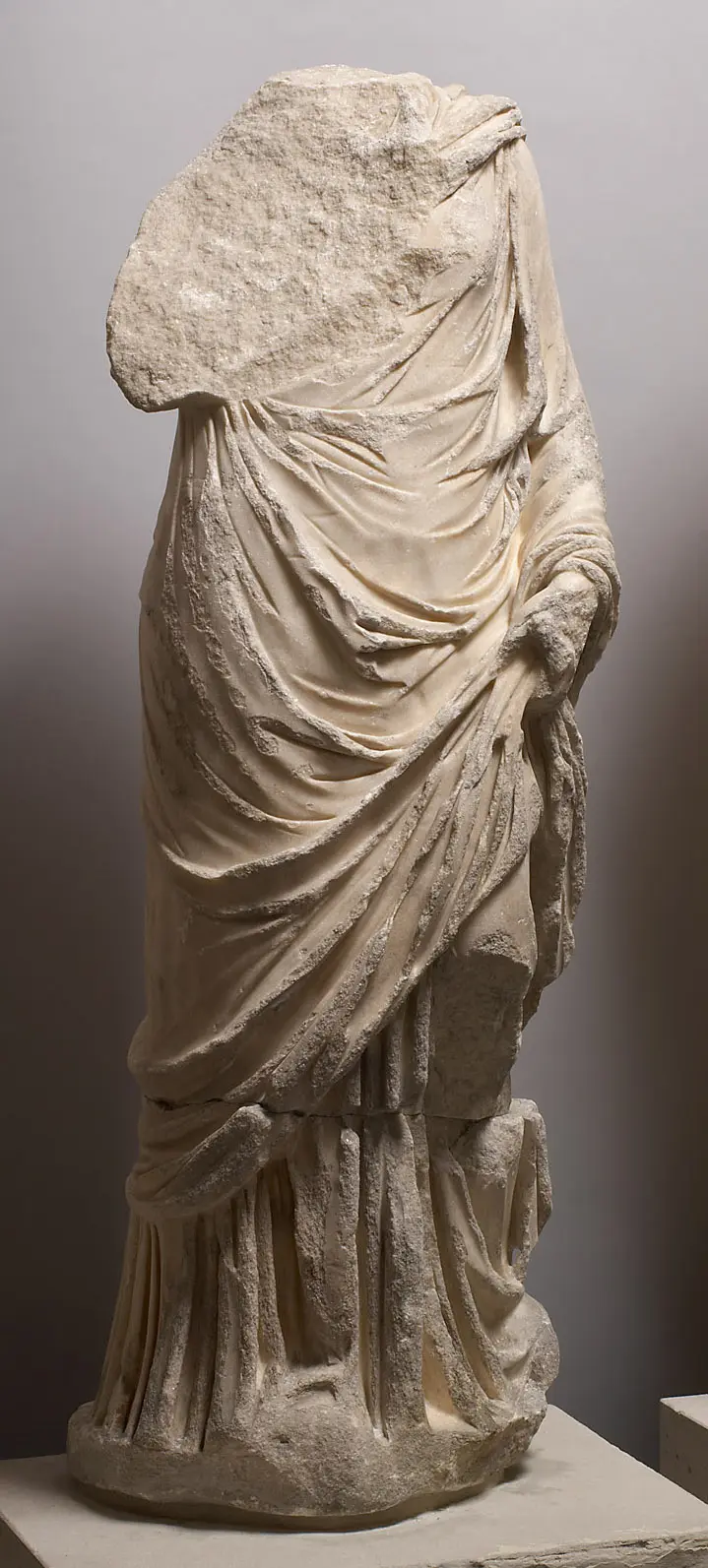
Statue: Ennoia Philippou Römisch, Mittlere Kaiserzeit 2. Jh. n. Chr., nach hellenistischem Original
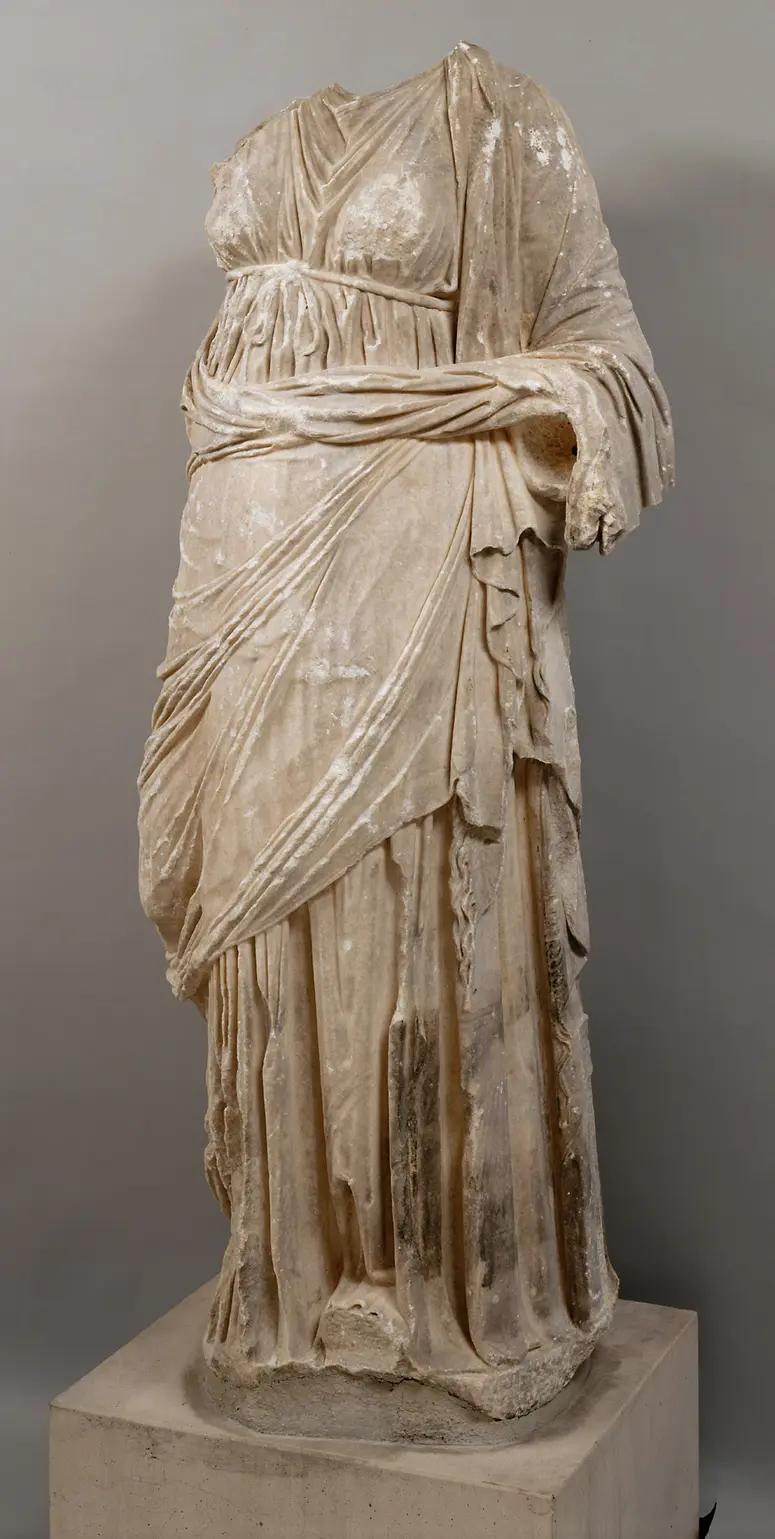
Statue: Torso einer weiblichen Gewandstatue Römisch, Mittlere Kaiserzeit 2. Jh. n. Chr., nach hellenistischem Original
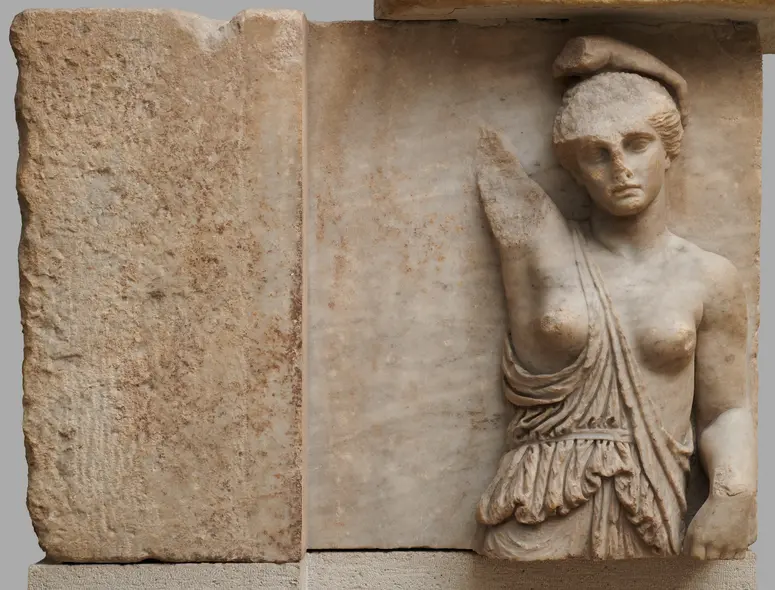
Relief: Verwundete Amazone Griechisch 2. Hälfte 4. Jh. v. Chr.
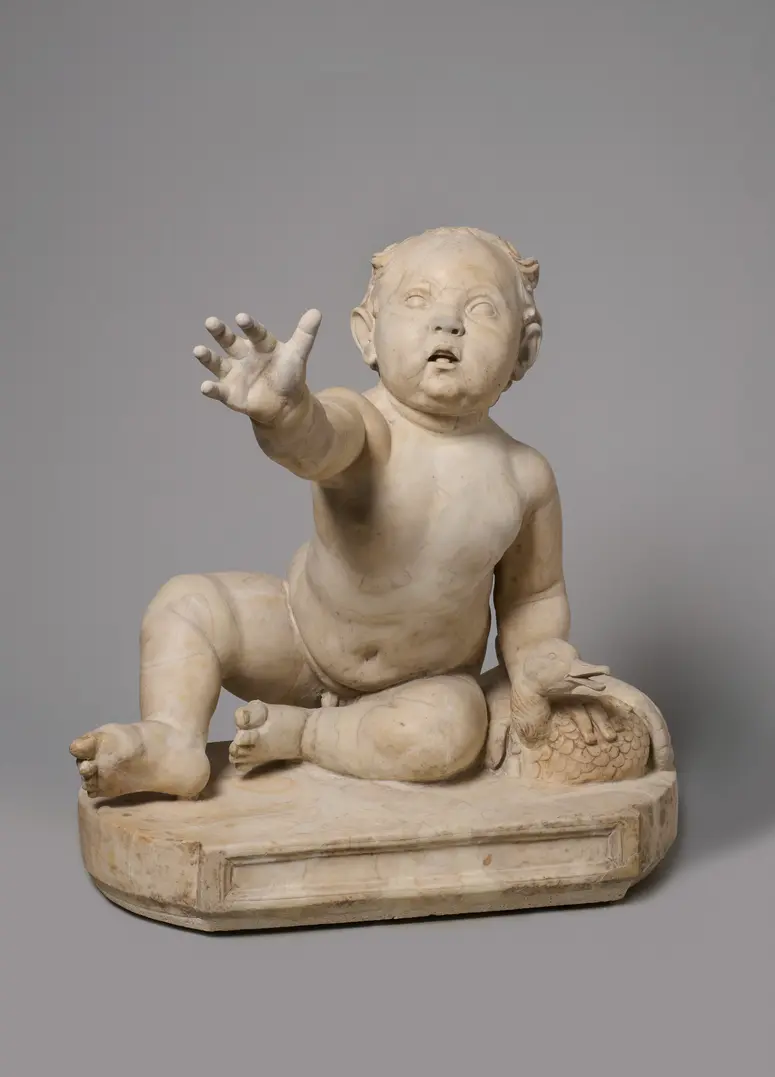
Statue: Knabe mit Fuchsgans Römisch, Mittlere Kaiserzeit 2. Jh. n. Chr., nach Bronzeoriginal aus dem 3. Jh. v. Chr.
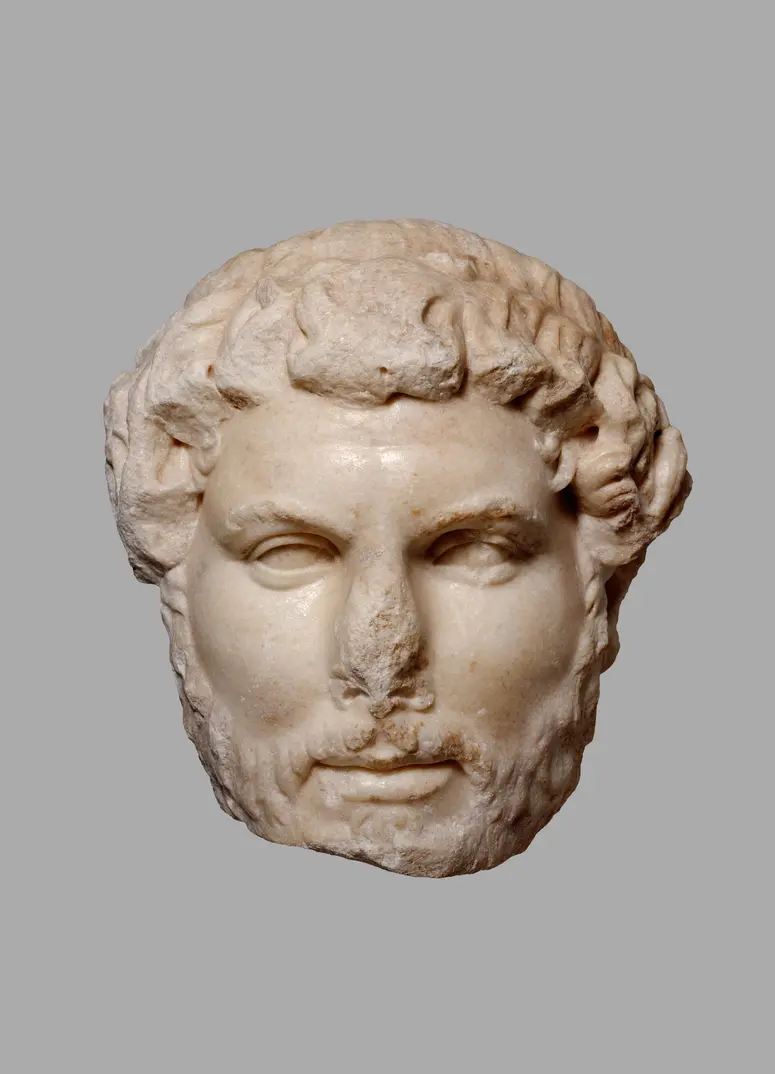
Porträtkopf: Kaiser Hadrian Römisch, Mittlere Kaiserzeit um 120 n. Chr.
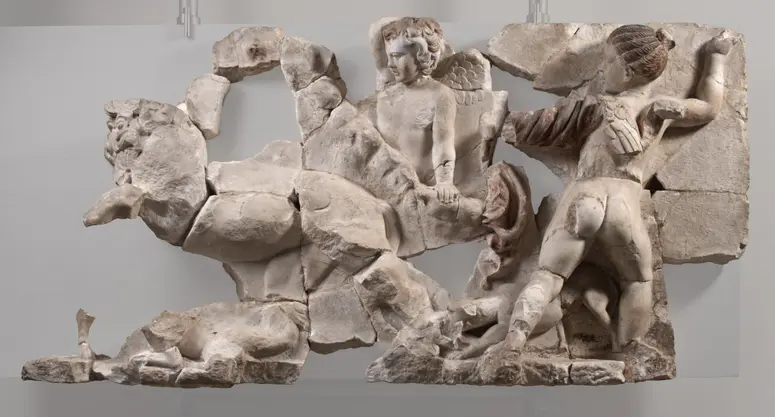
Relief: Erotenfries: Eroten auf Löwenjagd Römisch, Frühe Kaiserzeit 2. Hälfte 1. Jh. n. Chr.

Kandelaber: Herakles und Kentaur im Kampf Griechisch, Hellenistisch Mitte 1. Jh. v. Chr.
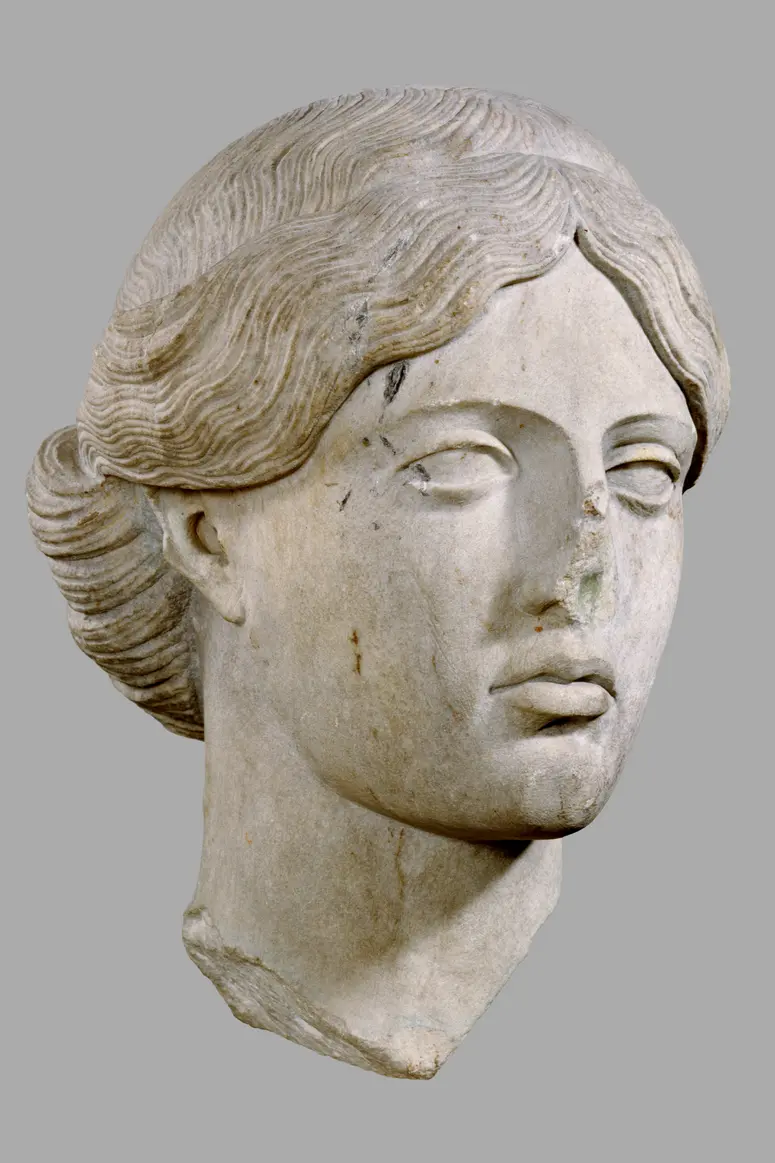
Kopf: Artemis (Typus Candia) Römisch, Frühe Kaiserzeit 1. Jh. n. Chr., nach griechischem Original um 460 v. Chr.