Porträt eines kahlköpfigen Mannes
1. Hälfte 6. Jh. n. Chr.
This impressive, larger-than-live-sized portrait of an elderly balding man with a thick horseshoe-shaped fringe of hair presumably comes from a late-antique honorary statue or bust, which was probably originally displayed in the theatre at Ephesus. The aim of the artist was not a realistic rendering of the sitter’s features but to depict certain characteristics that denote the sitter’s high rank. We find comparable images on the mosaics decorating the choir of San Vitale in Ravenna/Italy (before AD 547) that show Emperor Justinian, his court and Bishop Maximian.
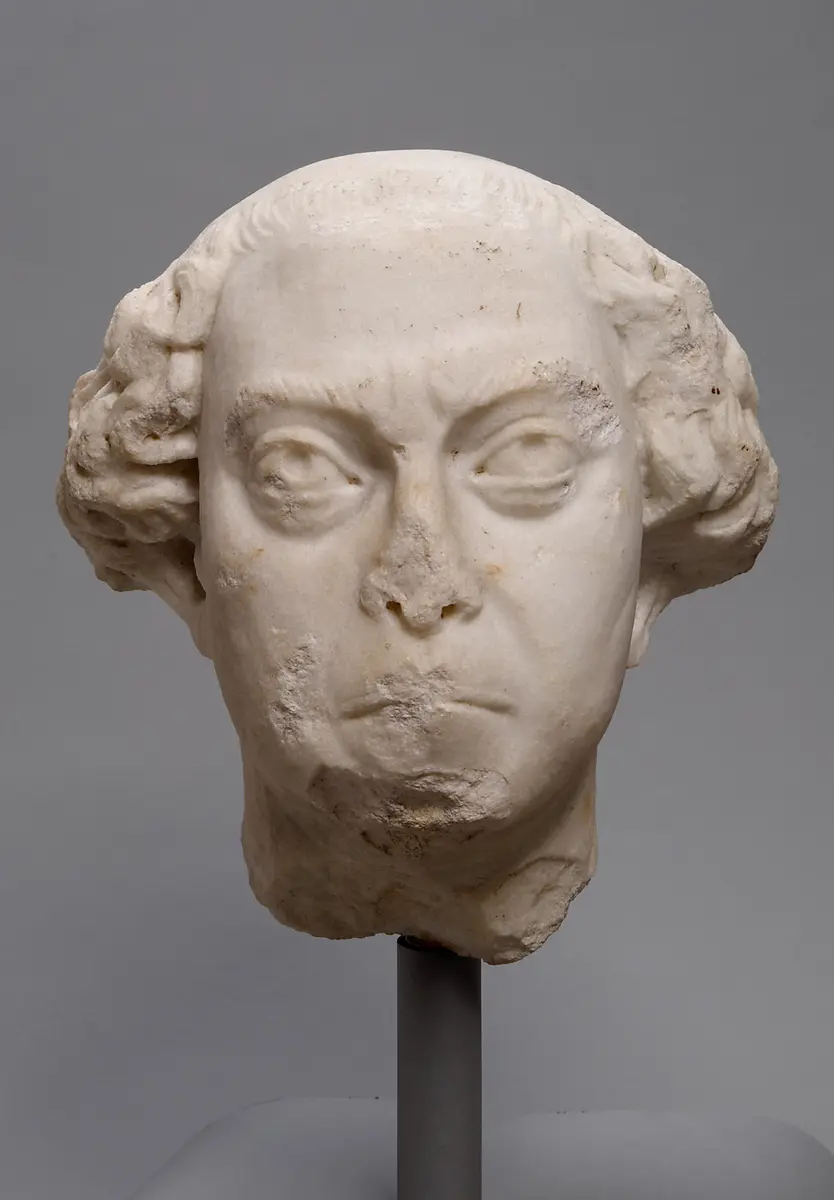
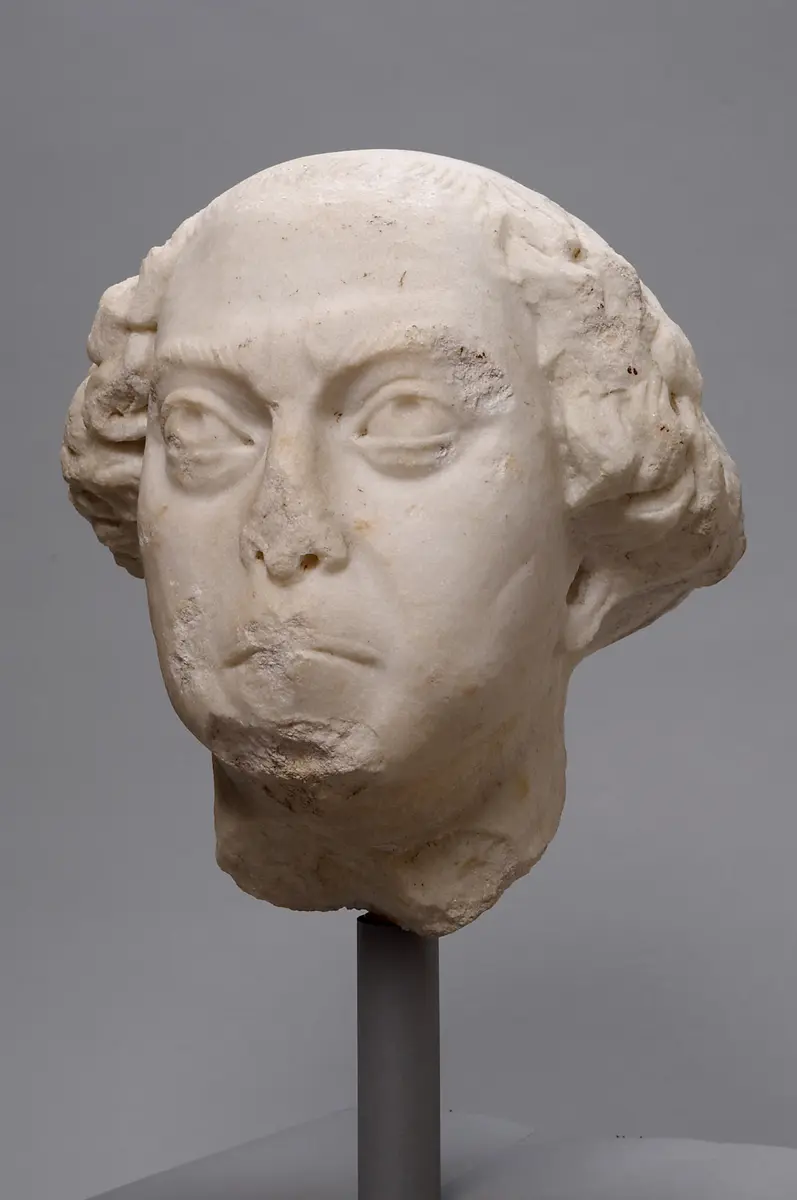
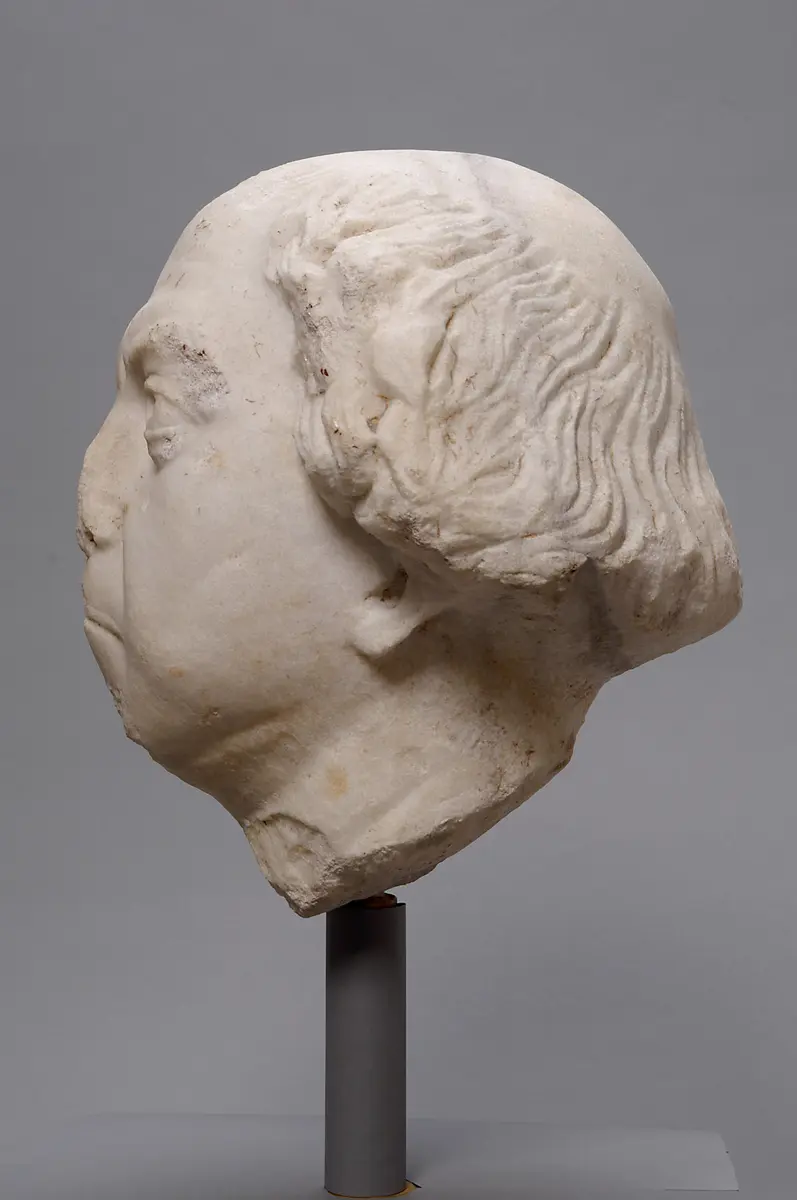
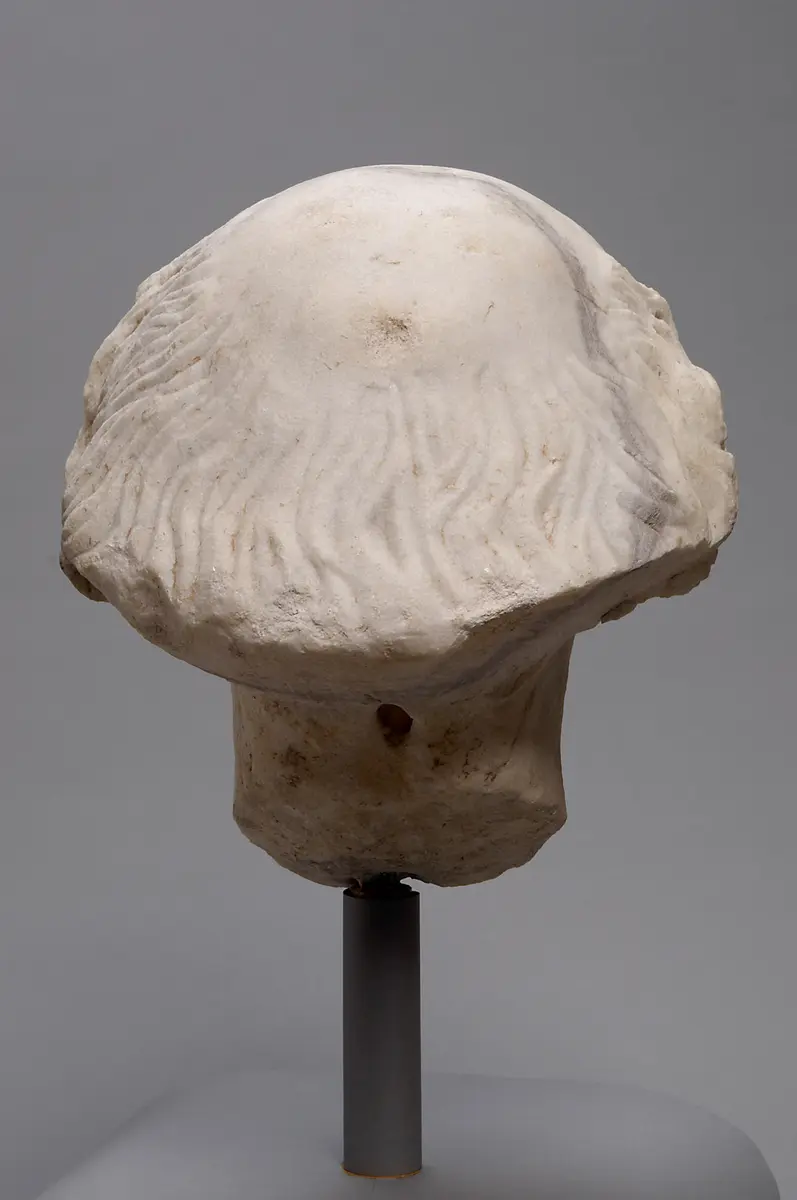
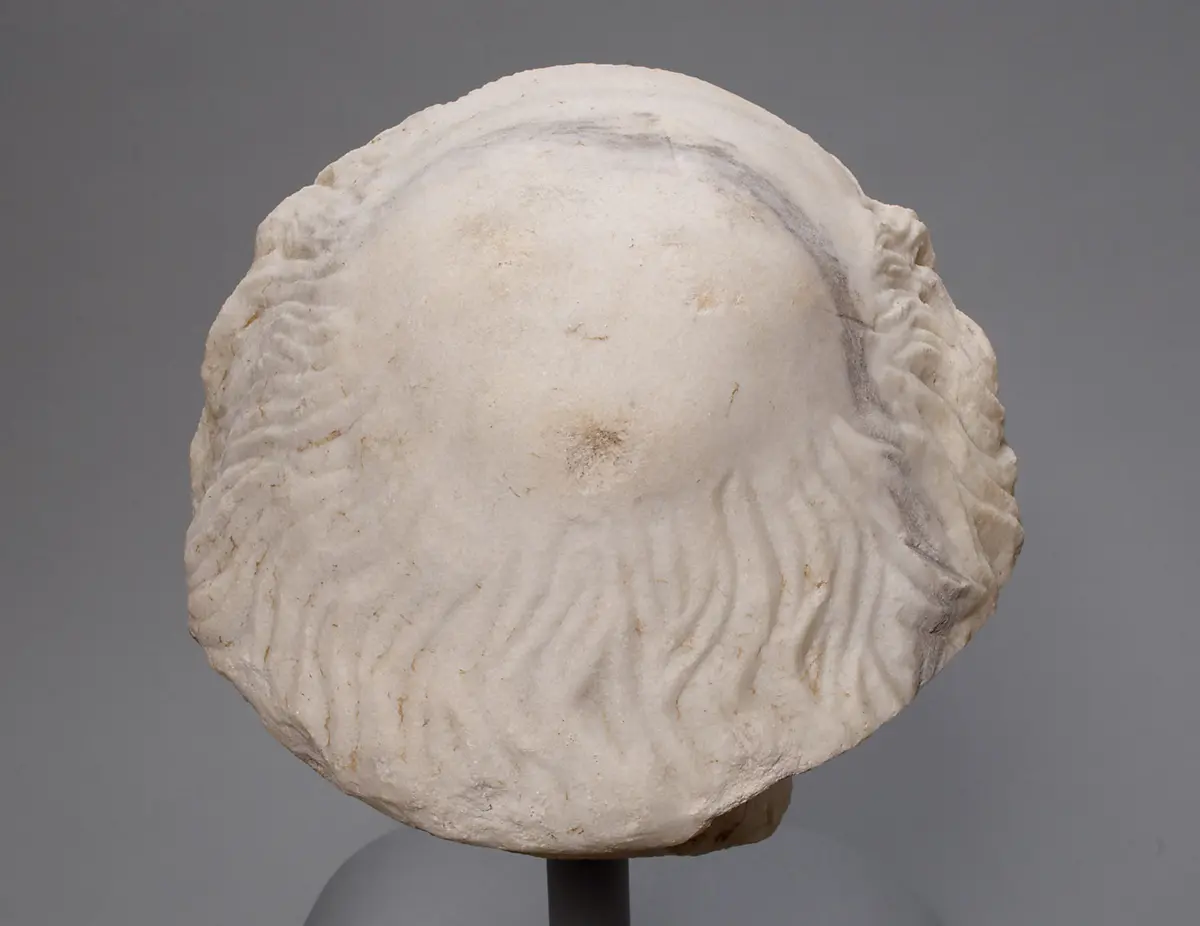
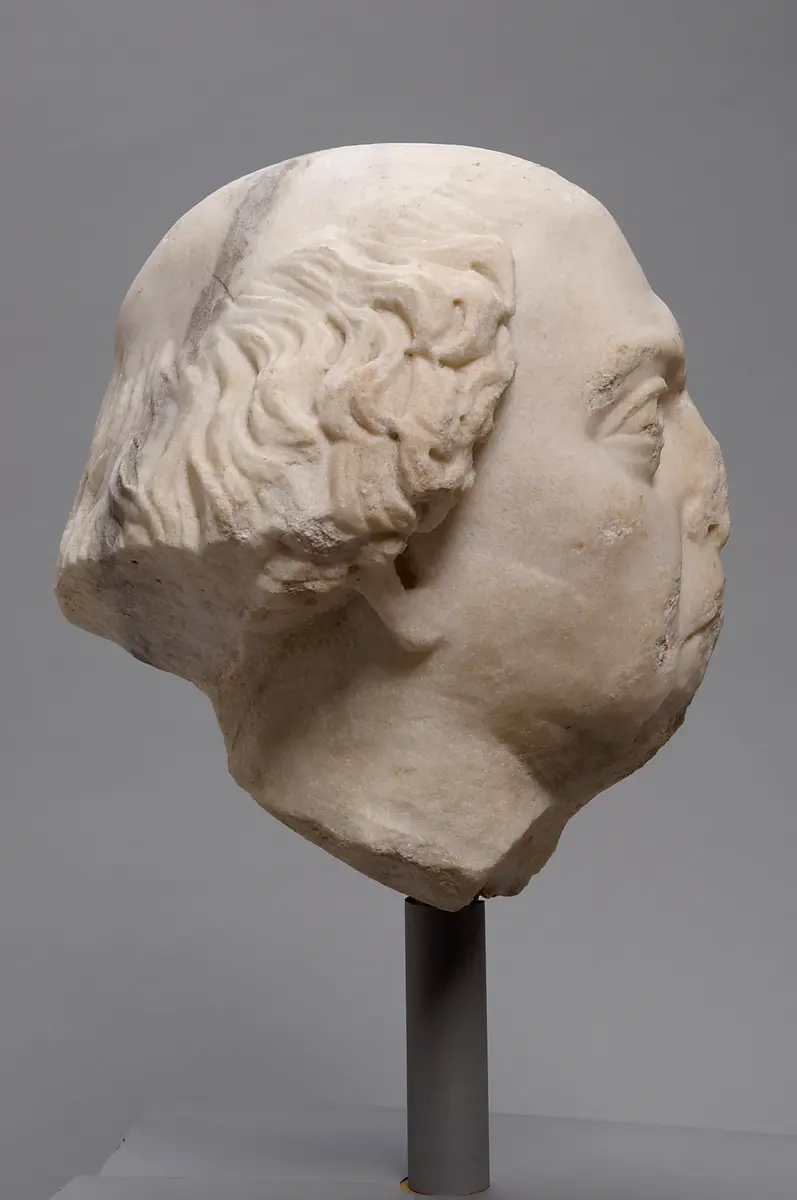
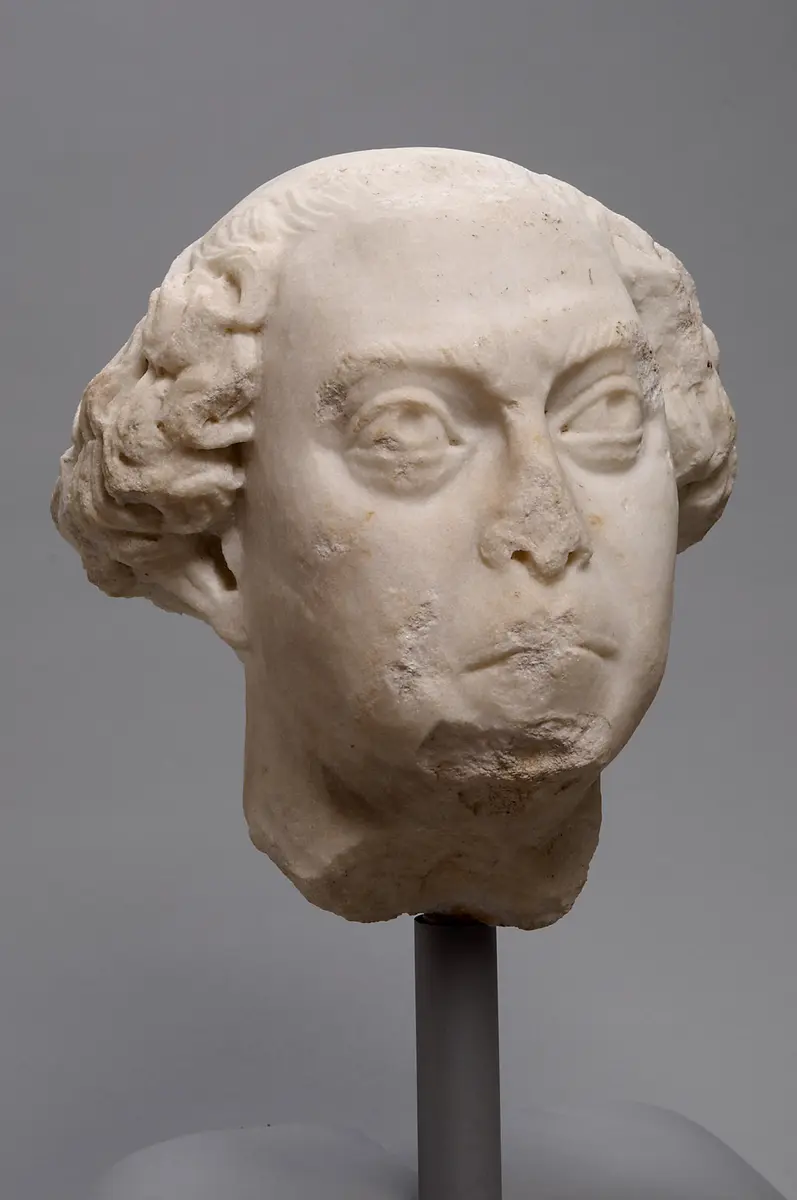
This impressive, larger-than-live-sized portrait of an elderly balding man with a thick horseshoe-shaped fringe of hair presumably comes from a late-antique honorary statue or bust, which was probably originally displayed in the theatre at Ephesus. The aim of the artist was not a realistic rendering of the sitter’s features but to depict certain characteristics that denote the sitter’s high rank. We find comparable images on the mosaics decorating the choir of San Vitale in Ravenna/Italy (before AD 547) that show Emperor Justinian, his court and Bishop Maximian.
Time:
1. Hälfte 6. Jh. n. Chr.
Object Name
Porträtkopf
Culture
Römisch
Location of discovery:
Ephesos Celsusbibliothek Umgebung (Selçuk, Kleinasien, Türkei)
Material/technology:
Marmor (Prokonnesos)
Dimensions:
44,5 cm × 28,5 cm × 28,5 cm
Copyright
Kunsthistorisches Museum, Antikensammlung
Invs.
Antikensammlung, I 850
Provenance
Sultan, Abdul, Hamid, II.; Österreichische Ausgrabungen in Ephesos; Geschenk an Kaiser Franz Joseph; 1911 nachträglich inventarisiert
Browse more
Similar items you might be interested in
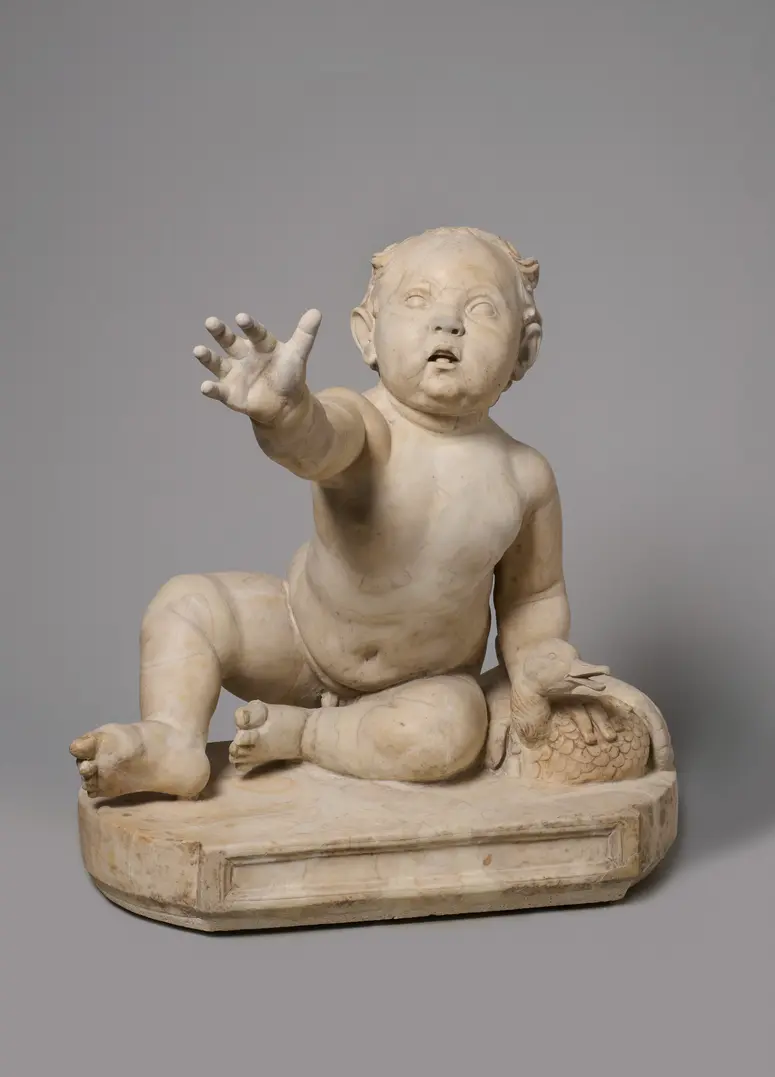
Statue: Knabe mit Fuchsgans Römisch, Mittlere Kaiserzeit 2. Jh. n. Chr., nach Bronzeoriginal aus dem 3. Jh. v. Chr.
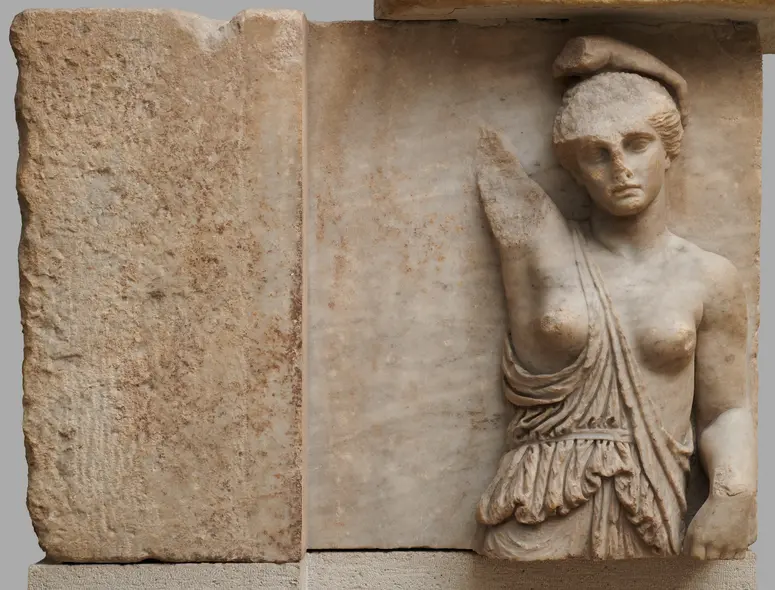
Relief: Verwundete Amazone Griechisch 2. Hälfte 4. Jh. v. Chr.
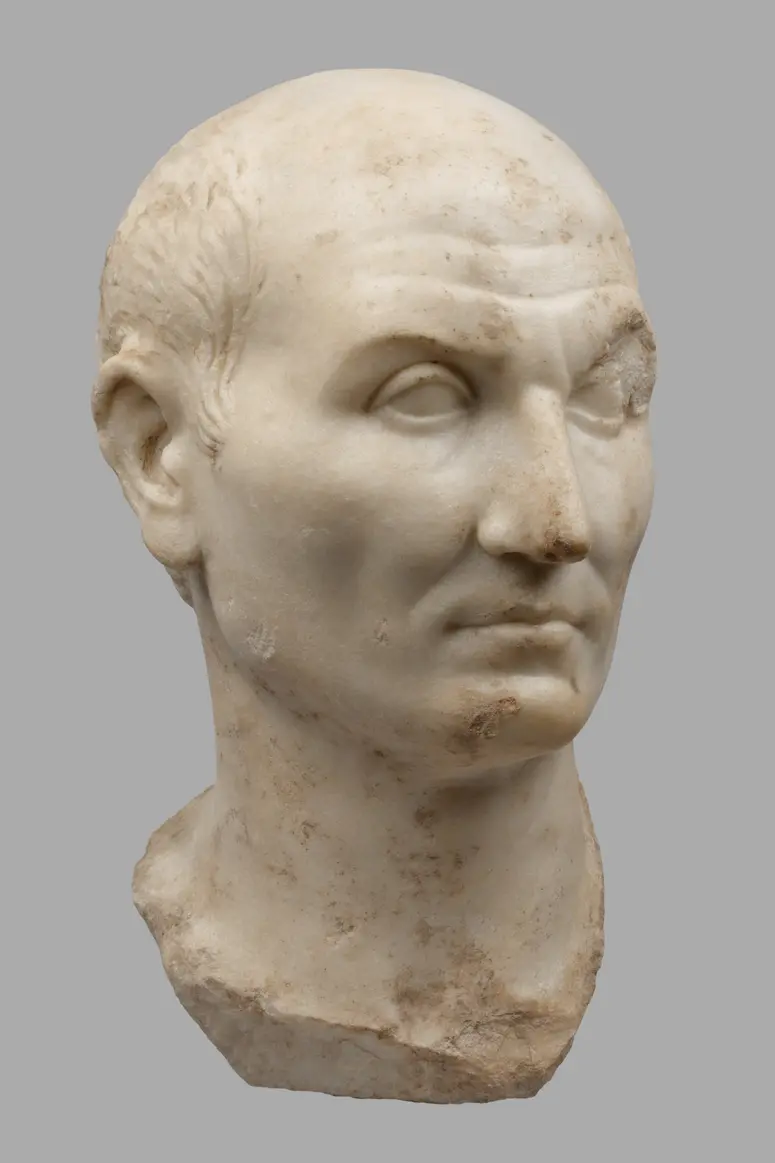
Porträtkopf: Römer Römisch, Augusteisch Letztes Viertel 1. Jh. v. Chr.
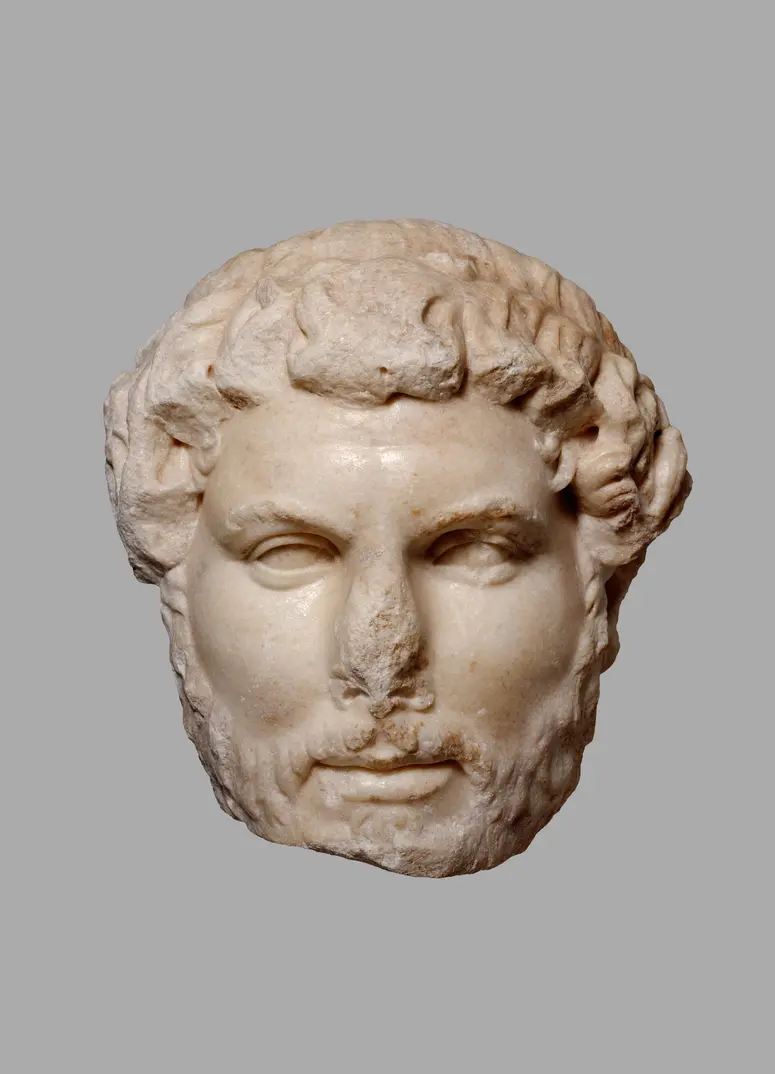
Porträtkopf: Kaiser Hadrian Römisch, Mittlere Kaiserzeit um 120 n. Chr.
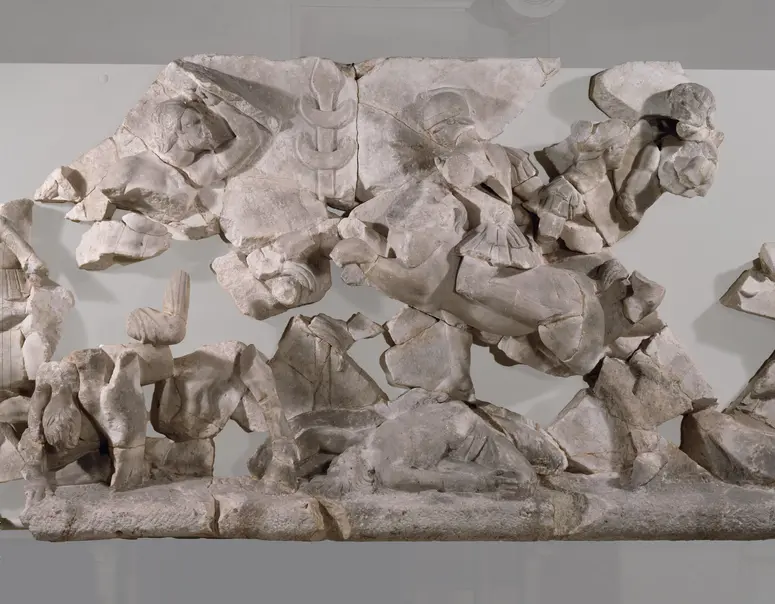
Relief: Reiterschlacht Griechisch, Hellenistisch um 166 v. Chr.
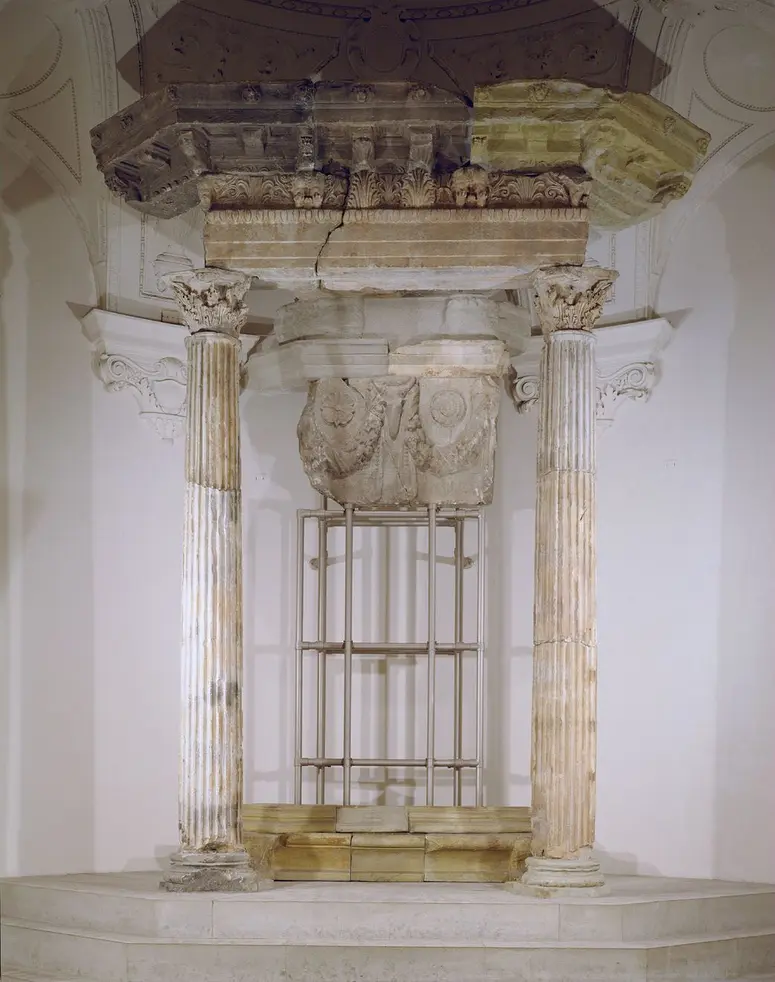
Architektur: Oktogon Römisch, Frühe Kaiserzeit 3. Drittel 1. Jh. v. Chr.
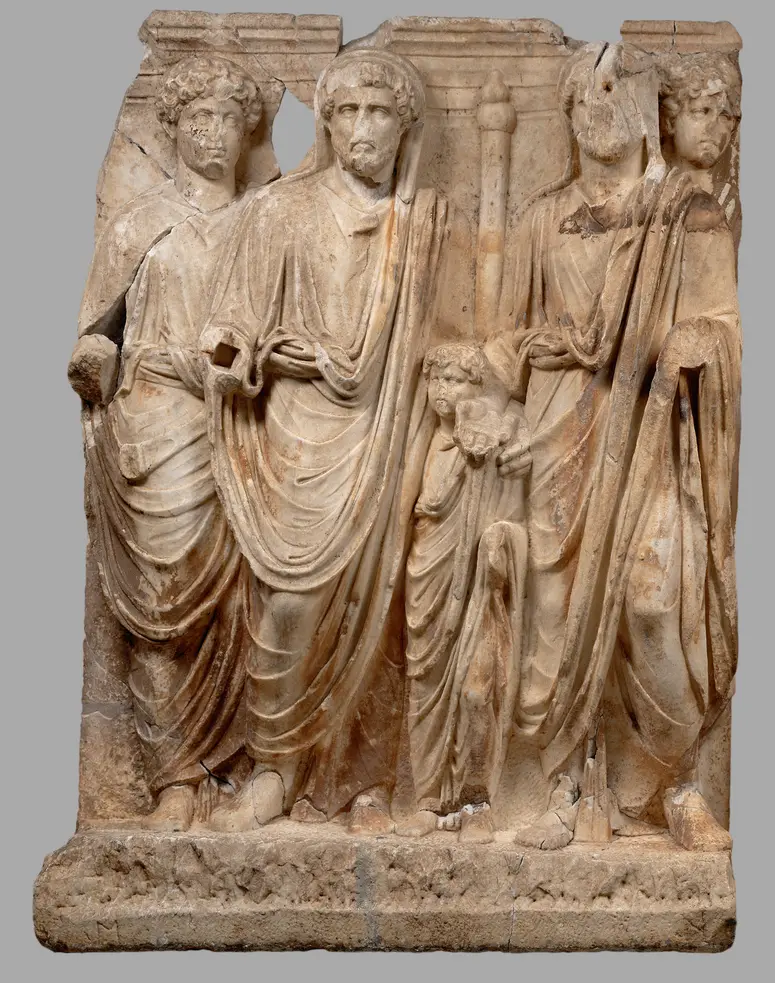
Relief: Adoption der Kaiser Lucius Verus und Marc Aurel Römisch, Mittlere Kaiserzeit Mitte 2. Jh. n. Chr.

Kandelaber: Herakles und Kentaur im Kampf Griechisch, Hellenistisch Mitte 1. Jh. v. Chr.
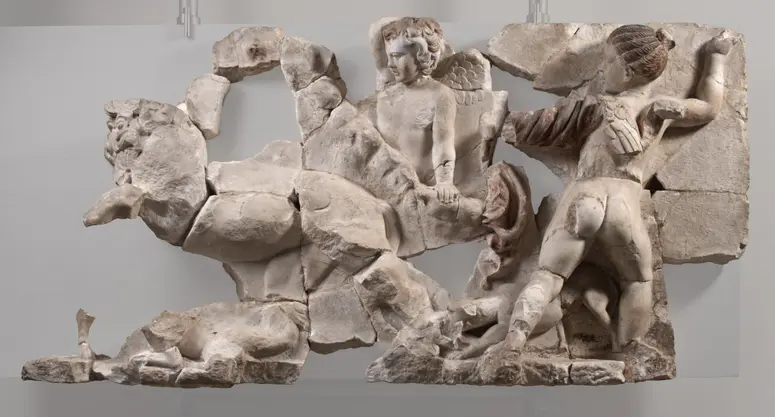
Relief: Erotenfries: Eroten auf Löwenjagd Römisch, Frühe Kaiserzeit 2. Hälfte 1. Jh. n. Chr.
Kopf: Artemis (Typus Candia) Römisch, Frühe Kaiserzeit 1. Jh. n. Chr., nach griechischem Original um 460 v. Chr.
Porträtkopf: Porträtkopf eines bärtigen Mannes Römisch, Spätantik Mitte 5. Jh. n. Chr.
Relief: Schlachtenszene, Schwertkämpfer Römisch, Mittlere Kaiserzeit Mitte 2. Jh. n. Chr.
Giebel: Celsusbibliothek: Segmentgiebel Römisch, Mittlere Kaiserzeit 113 - 117 n. Chr.
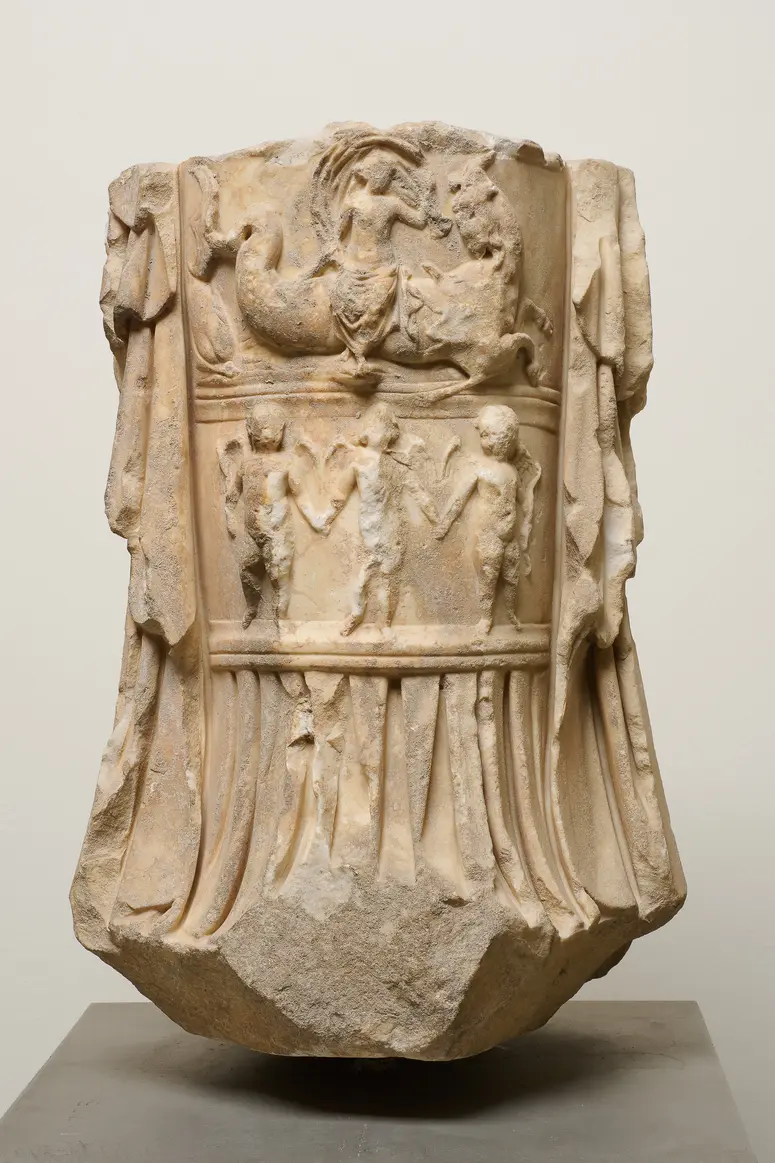
Statuette: Statuettentorso: Aphrodite von Aphrodisias Römisch, Kaiserzeit 1. - 3. Jh. n. Chr.
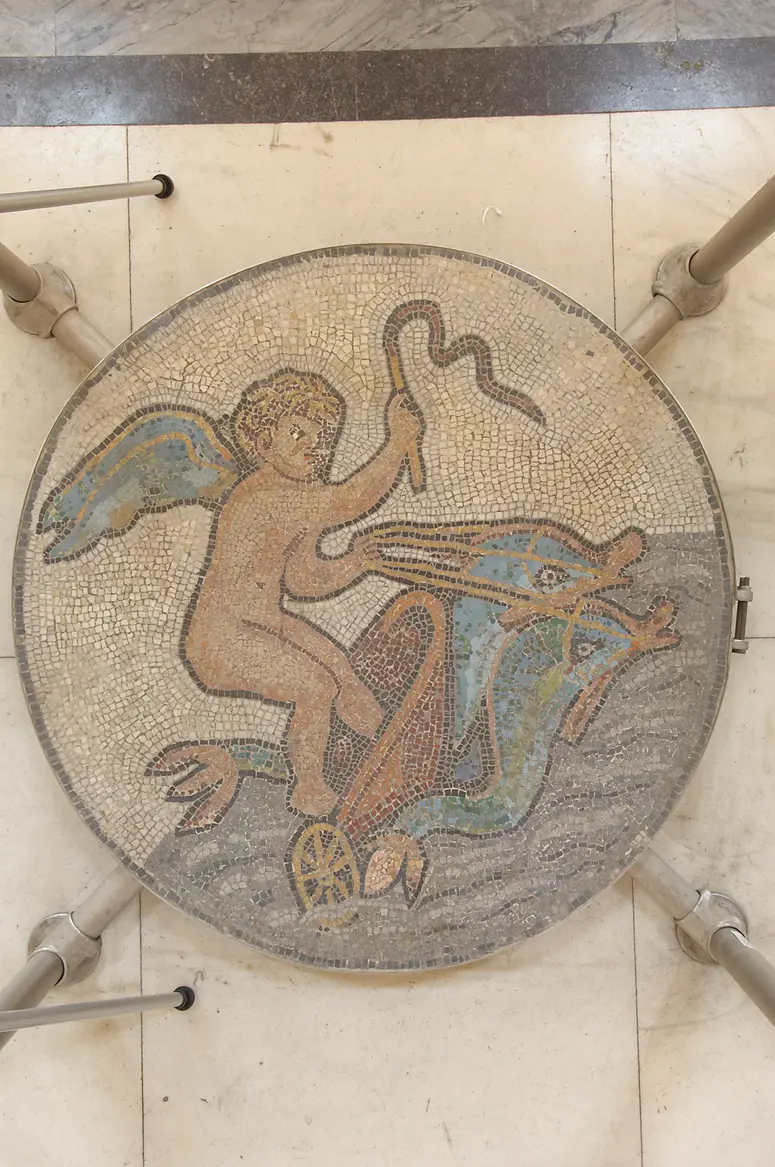
Mosaik: Mosaikfragment: Eros auf Biga Römisch, Spätantik 6. Jh. n. Chr.
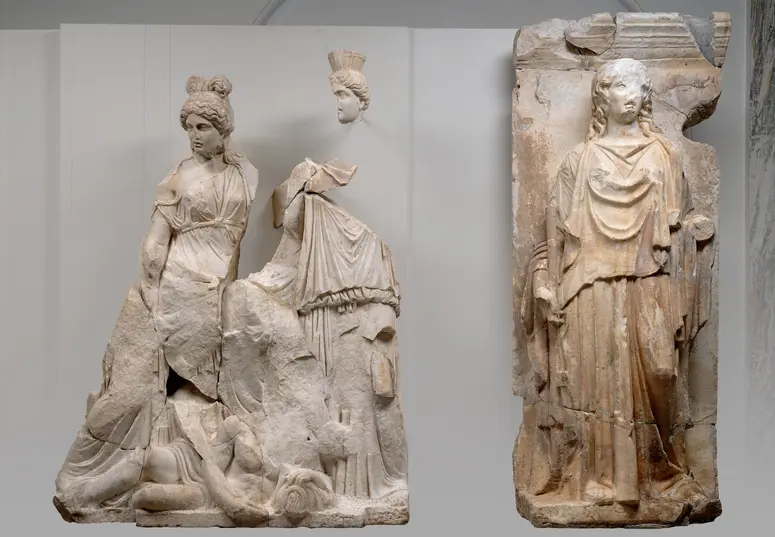
Relief: Götterversammlung: Demeter Römisch, Mittlere Kaiserzeit Mitte des 2. Jhs. n. Chr.
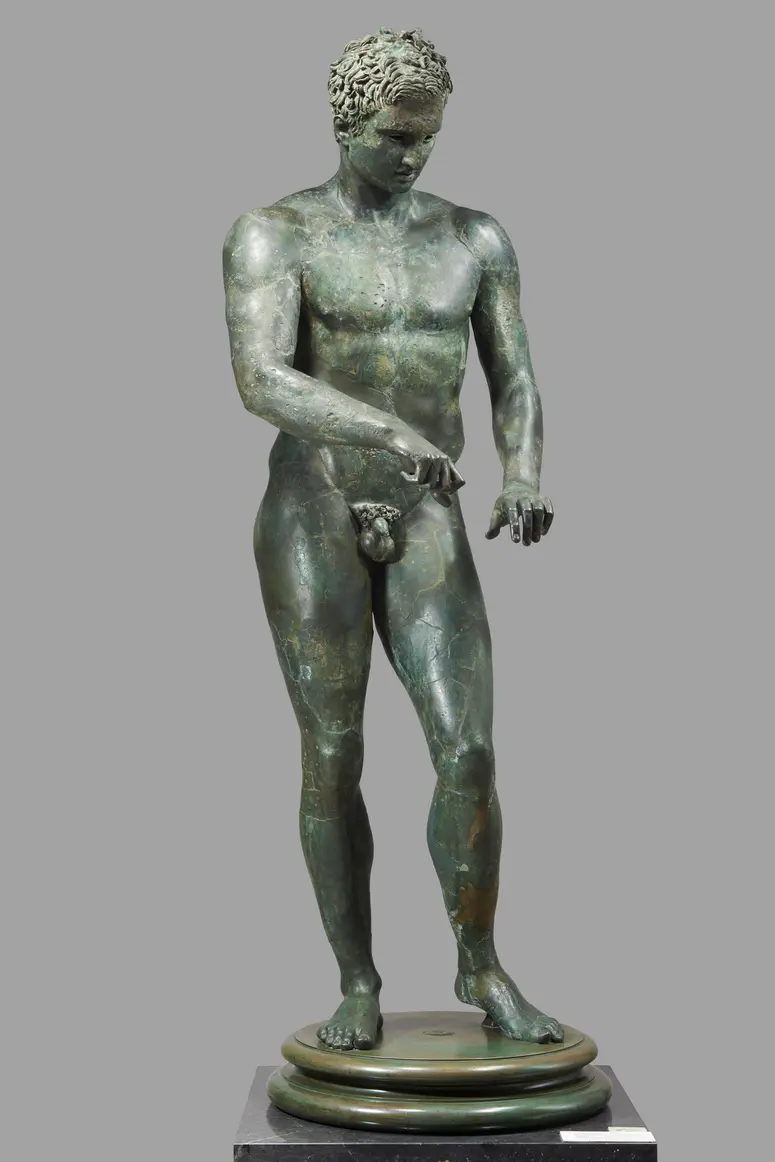
Statue: Athlet Römisch, Frühe Kaiserzeit 1. Jh. n. Chr., nach griech. Original um 330 v. Chr.

Relief: Stierkopf-Girlandenfries Römisch, Mittlere Kaiserzeit Mitte 2. Jh. n. Chr.
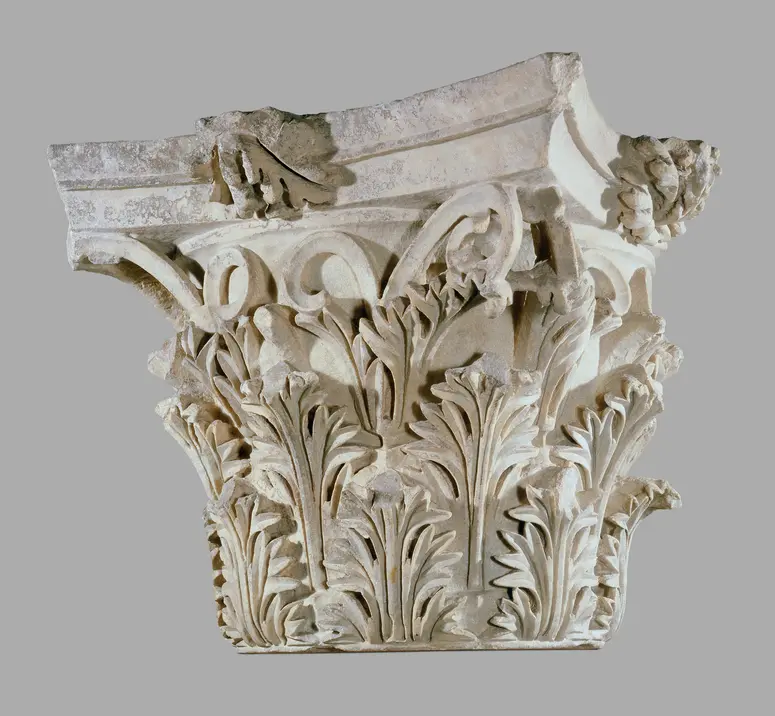
Korinthisches Kapitell Römisch, Mittlere Kaiserzeit Ende 1. Jh. n. Chr.