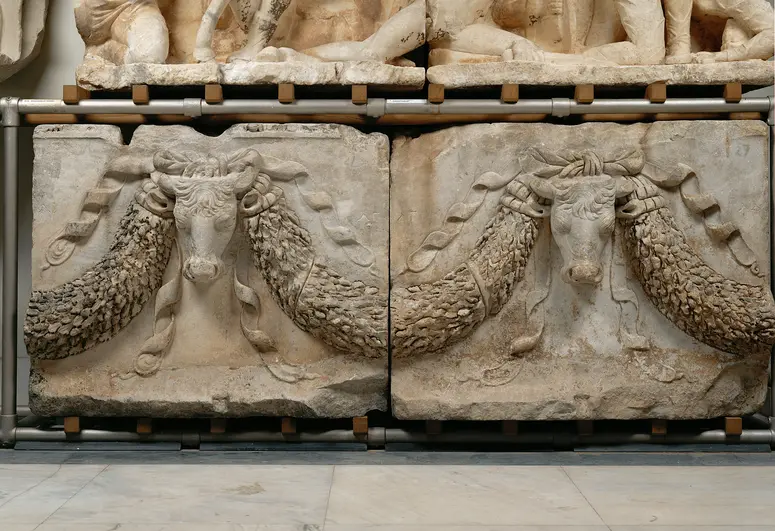
Stierkopf-Girlandenfries
Mitte 2. Jh. n. Chr.
Archaeologists discovered a number of stone reliefs from a large frieze repurposed as the parapet of a fountain at Ephesus. They featured bulls’ heads surmounted by garlands of oak leaves and fruit bound by taniae blowing in the wind. Scholars believe the frieze once adorned the Parthian Monument, where it functioned as perpetual festive décor of this important monument. The carved numbers (ΛΒ, ΛΓ, ΛΔ = 32, 33, 34) were added in antiquity to facilitate the tablets’ transport, ensuring they were reassembled in the correct order with seamless joints.
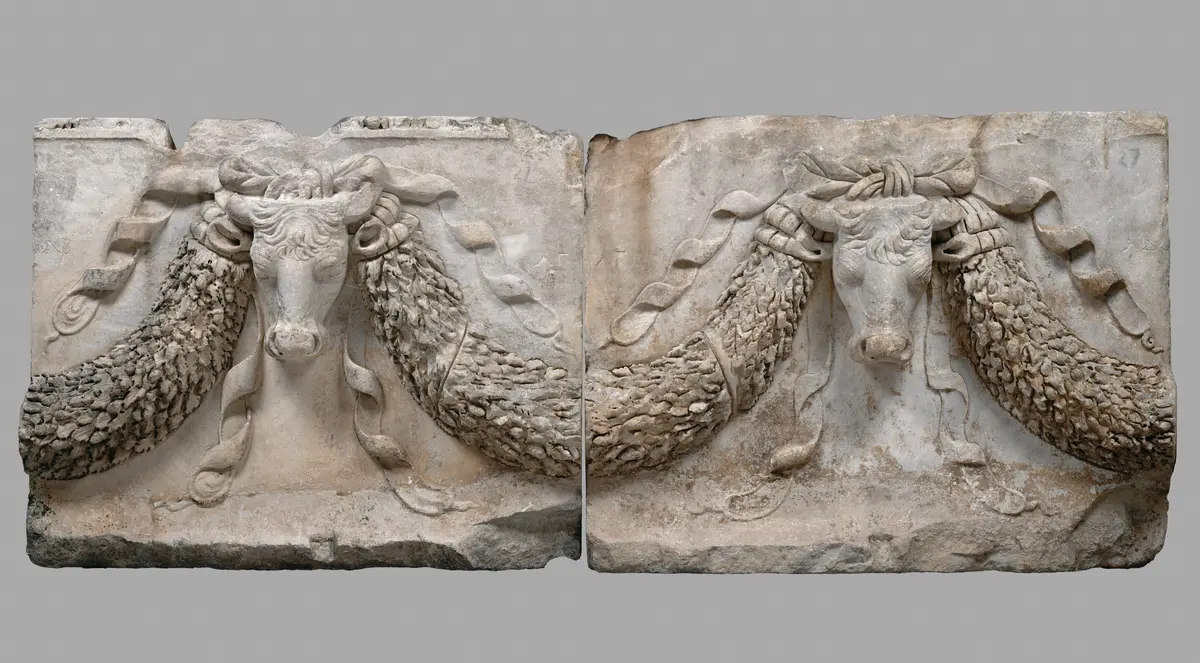
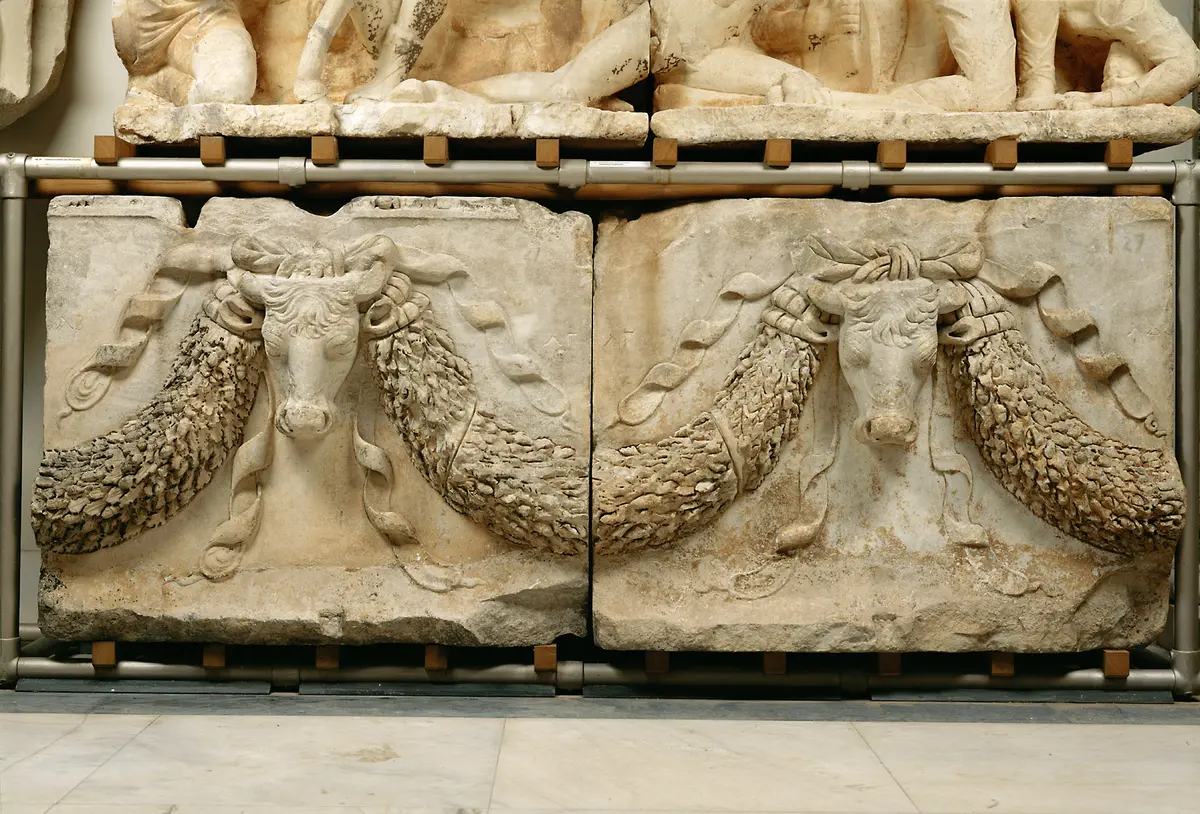
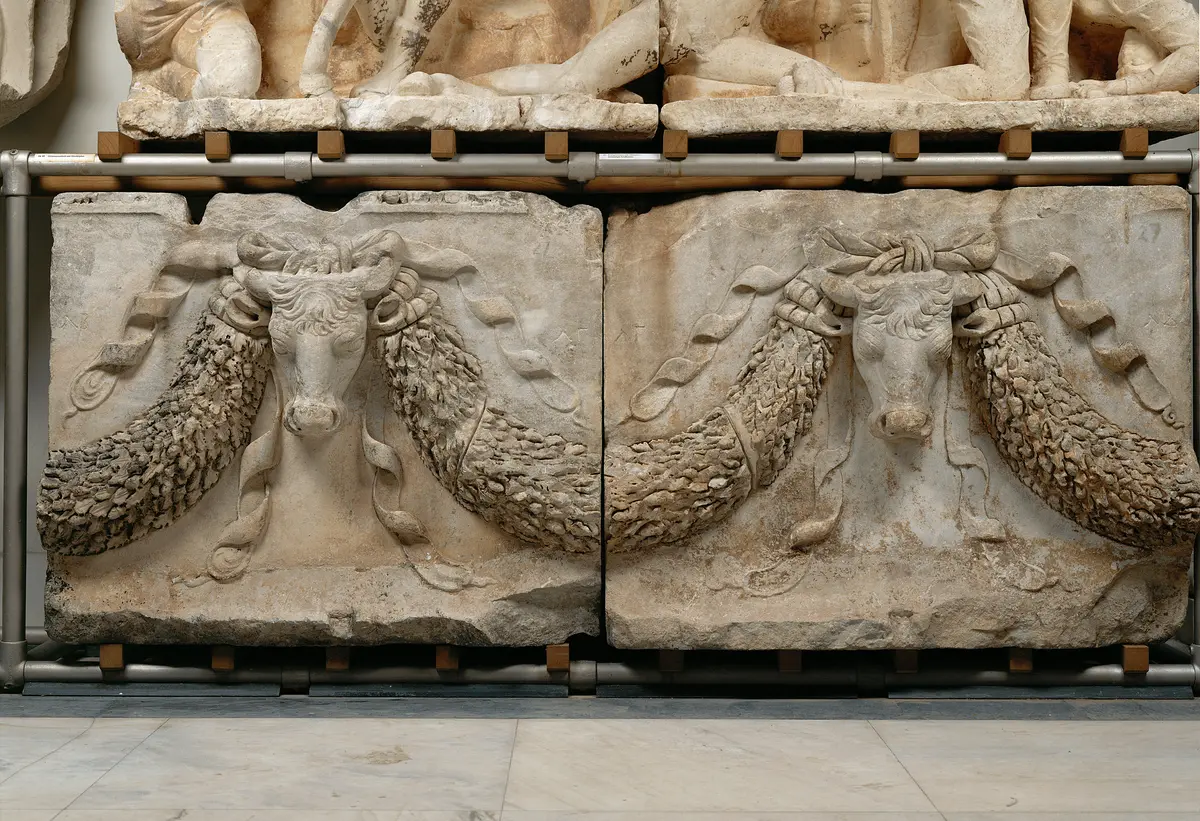
Archaeologists discovered a number of stone reliefs from a large frieze repurposed as the parapet of a fountain at Ephesus. They featured bulls’ heads surmounted by garlands of oak leaves and fruit bound by taniae blowing in the wind. Scholars believe the frieze once adorned the Parthian Monument, where it functioned as perpetual festive décor of this important monument. The carved numbers (ΛΒ, ΛΓ, ΛΔ = 32, 33, 34) were added in antiquity to facilitate the tablets’ transport, ensuring they were reassembled in the correct order with seamless joints.
Time:
Mitte 2. Jh. n. Chr.
Object Name
Relief
Culture
Römisch
Location of discovery:
Ephesos im „Südgraben“ nördlich der Arka (Selçuk, Kleinasien, Türkei)
Material/technology:
Marmor
Dimensions:
118 cm × 144,5 cm × 46 cm
Copyright
Kunsthistorisches Museum, Antikensammlung
Invs.
Antikensammlung, I 1026
Provenance
Sultan, Abdul, Hamid, II.; Österreichische Ausgrabungen in Ephesos; Geschenk an Kaiser Franz Joseph; 1919 nachträglich inventarisiert
Browse more
Similar items you might be interested in
Relief: Götterversammlung: Demeter Römisch, Mittlere Kaiserzeit Mitte des 2. Jhs. n. Chr.
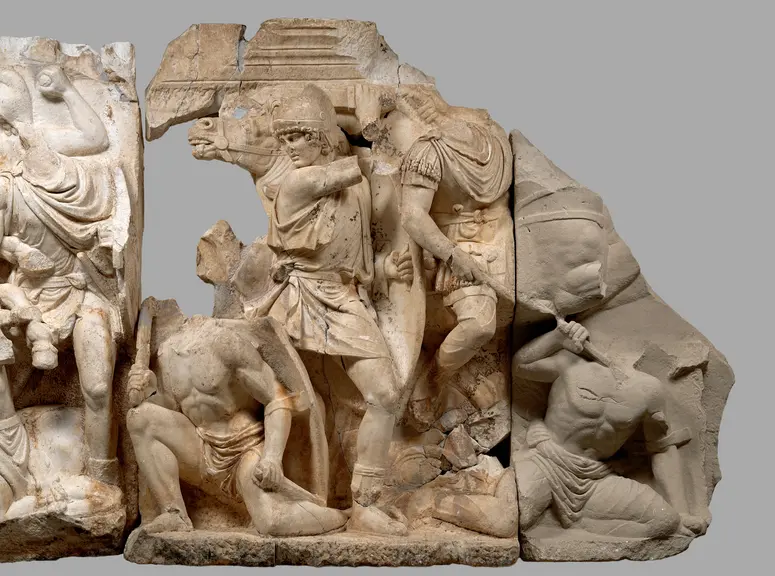
Relief: Schlachtenszene, Schwertkämpfer Römisch, Mittlere Kaiserzeit Mitte 2. Jh. n. Chr.
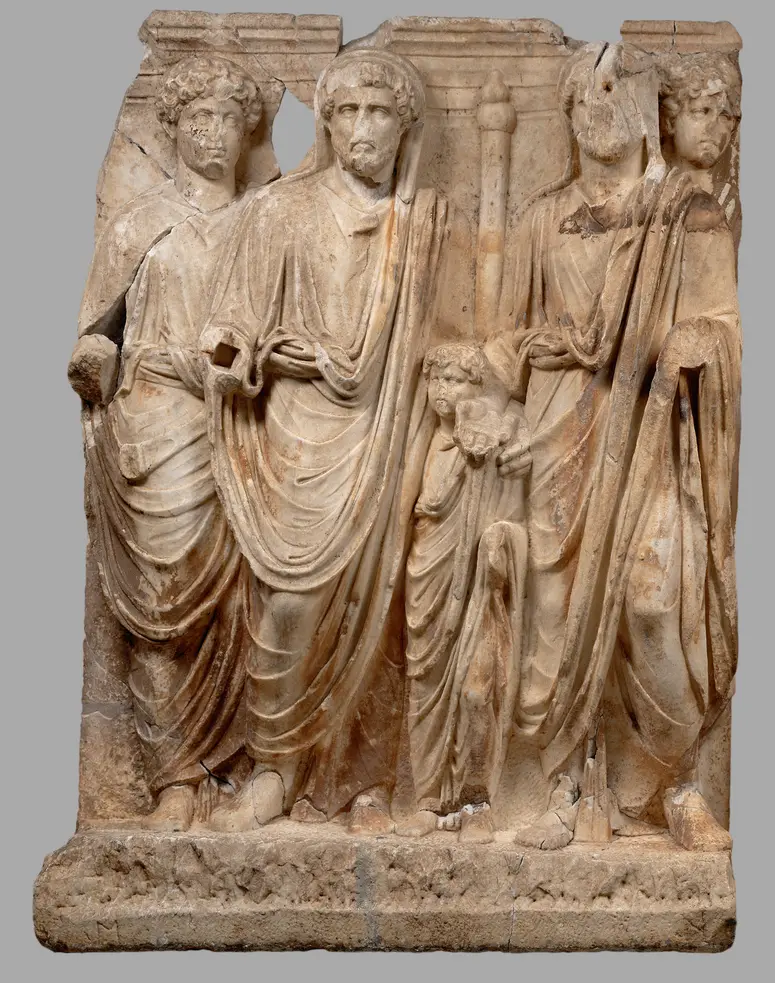
Relief: Adoption der Kaiser Lucius Verus und Marc Aurel Römisch, Mittlere Kaiserzeit Mitte 2. Jh. n. Chr.
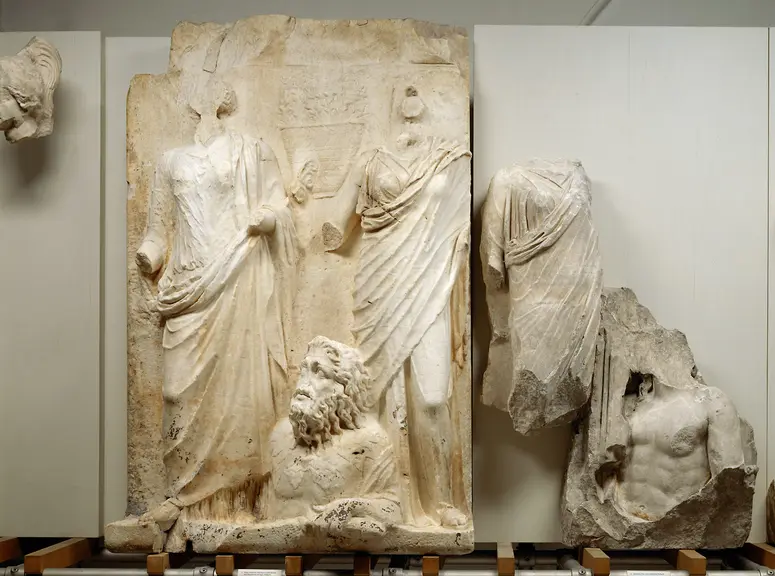
Relief: Städtepersonifikationen Römisch, Mittlere Kaiserzeit Mitte 2. Jh. n. Chr.
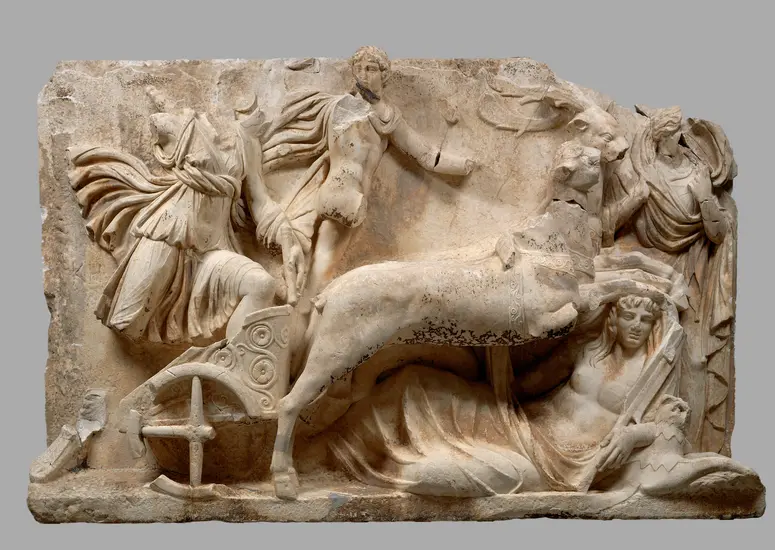
Relief: Artemis Selene Römisch, Mittlere Kaiserzeit Mitte 2. Jh. n. Chr.
Relief: Triumph des Kaisers Römisch, Mittlere Kaiserzeit Mitte des 2. Jhs. n. Chr.
Relief: Stierkopf-Girlandenfries Römisch, Mittlere Kaiserzeit Mitte 2. Jh. n. Chr.
Relief: Verwundeter Partherfeldherr Römisch, Mittlere Kaiserzeit nach 169 n. Chr.
Architektur: Celsusbibliothek Römisch, Mittlere Kaiserzeit 113 - 117 n. Chr.
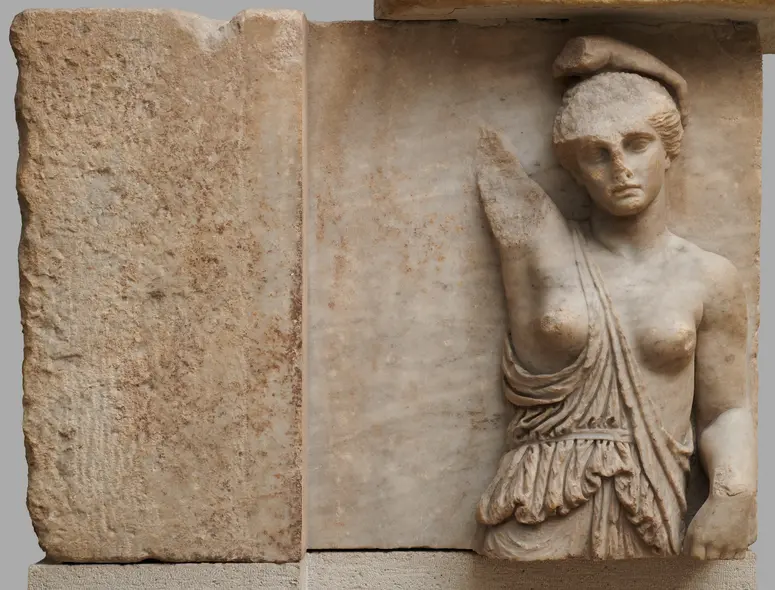
Relief: Verwundete Amazone Griechisch 2. Hälfte 4. Jh. v. Chr.
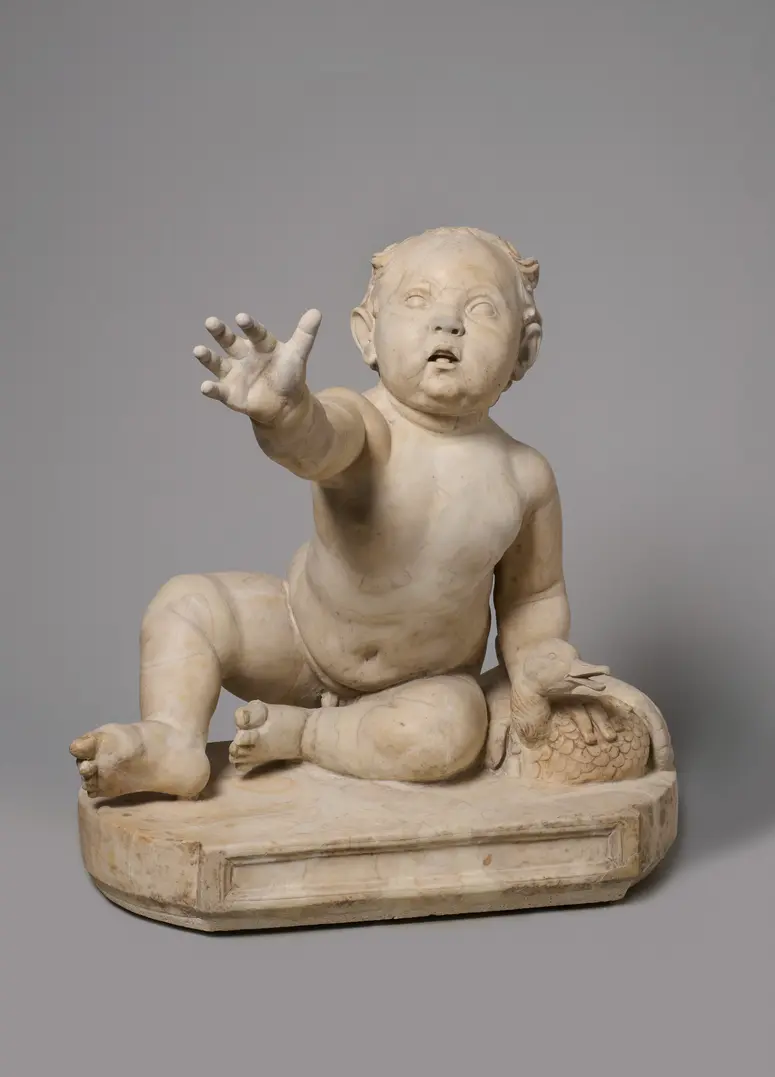
Statue: Knabe mit Fuchsgans Römisch, Mittlere Kaiserzeit 2. Jh. n. Chr., nach Bronzeoriginal aus dem 3. Jh. v. Chr.
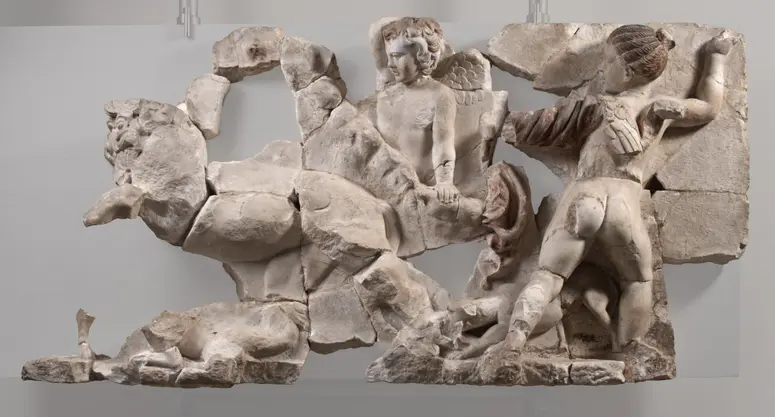
Relief: Erotenfries: Eroten auf Löwenjagd Römisch, Frühe Kaiserzeit 2. Hälfte 1. Jh. n. Chr.
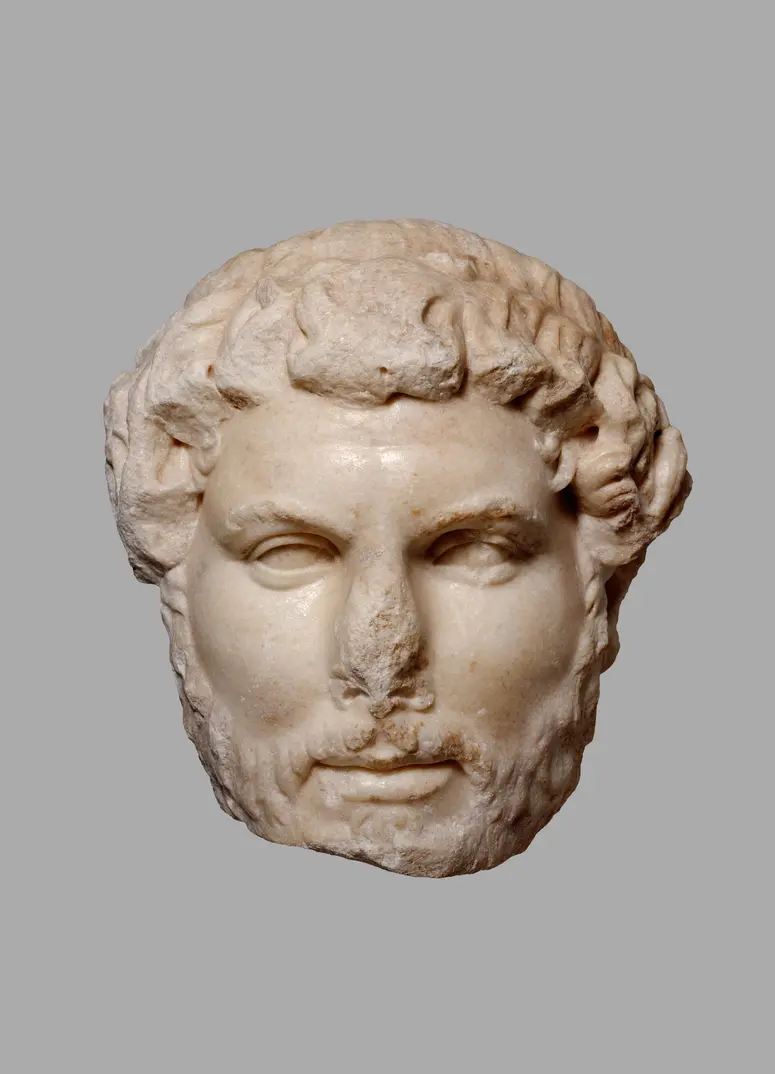
Porträtkopf: Kaiser Hadrian Römisch, Mittlere Kaiserzeit um 120 n. Chr.

Kandelaber: Herakles und Kentaur im Kampf Griechisch, Hellenistisch Mitte 1. Jh. v. Chr.
Kopf: Artemis (Typus Candia) Römisch, Frühe Kaiserzeit 1. Jh. n. Chr., nach griechischem Original um 460 v. Chr.
Giebel: Celsusbibliothek: Segmentgiebel Römisch, Mittlere Kaiserzeit 113 - 117 n. Chr.
Architektur: Oktogon Römisch, Frühe Kaiserzeit 3. Drittel 1. Jh. v. Chr.
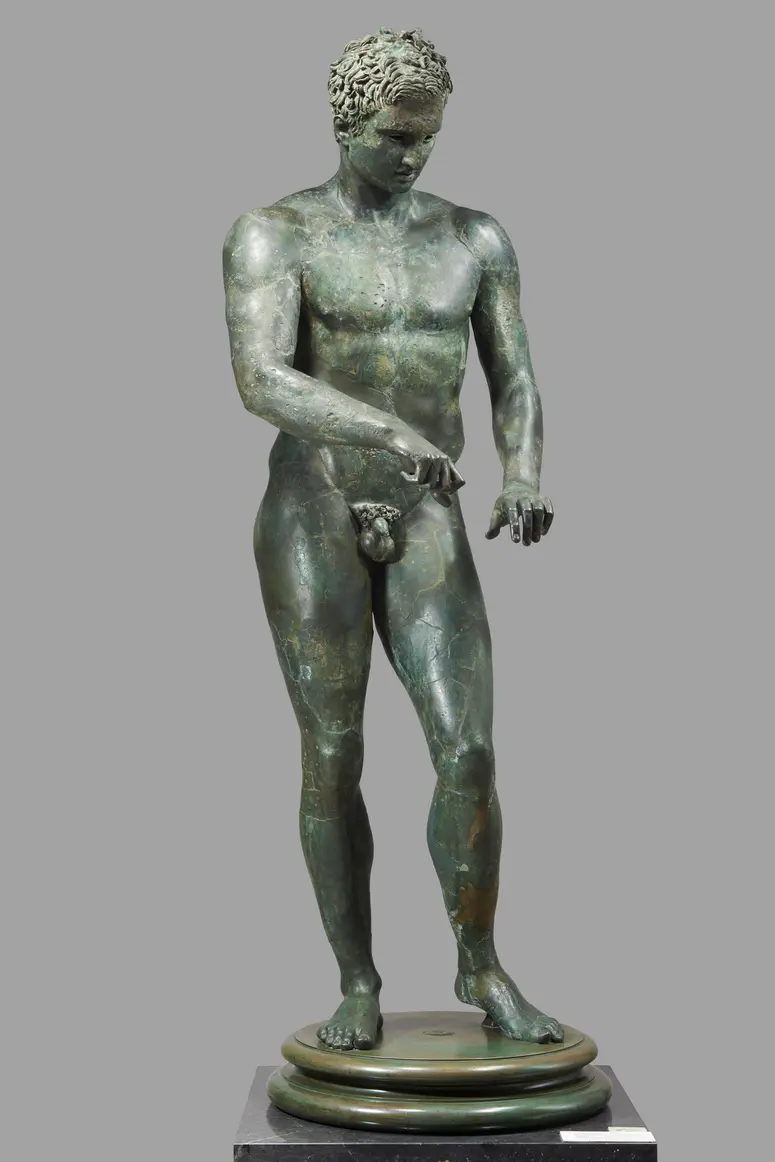
Statue: Athlet Römisch, Frühe Kaiserzeit 1. Jh. n. Chr., nach griech. Original um 330 v. Chr.

Modell: Oktogon (Grab der Arsinoe) Hergestellt 1977 - 1978