Städtepersonifikationen
Mitte 2. Jh. n. Chr.
One of the monument’s relief cycles depicts not a single continuous scene but comprises a series of individual but similar tablets, each featuring two standing (generally female) figures, their heads flanking an attribute, and below them a half-length figure that can be read as the personification of a river. Each of these tablets represents a city or a province of the Roman Empire, and the concept is best explained with the help of the one depicting Rome: on the left, wearing the armour of a general, we see Mars, the city’s first ancestor and patron deity; the female figure on the right is Roma. Their heads flank the Roman she-wolf (lupa Romana) suckling the twins Romulus and Remus. The river god below personifies the Tiber. There are, however, not many cities that can be identified as easily; one of them is Alexandria/Egypt, thanks to the female figure’s characteristic corkscrew locks, fringed cloak with a tyet, and the ibis in her hand. The female figure clutching a vexillum (small flag) bears the arms of a city (crescent moon and star) but this is unfortunately recorded for a number of ancient municipalities in Asia Minor. We are also unable to name beyond doubt the city on the best-preserved tablet: grain basket and prow ornament clutched by the figure on the left may refer either to fertile Mesopotamia or grain-rich Sicily. A series of coins issued by Emperor Antoninus Pius celebrate (on the reverse) the provinces of the Empire. Some are represented by characteristic figures but others are only named in inscriptions. The monument at Ephesus, too, presumably included inscriptions identifying these personifications. The reliefs celebrate the Imperium’s leading cities and provinces that, with their local benefactors and donors, played a seminal role in the smooth running of the Roman Empire.
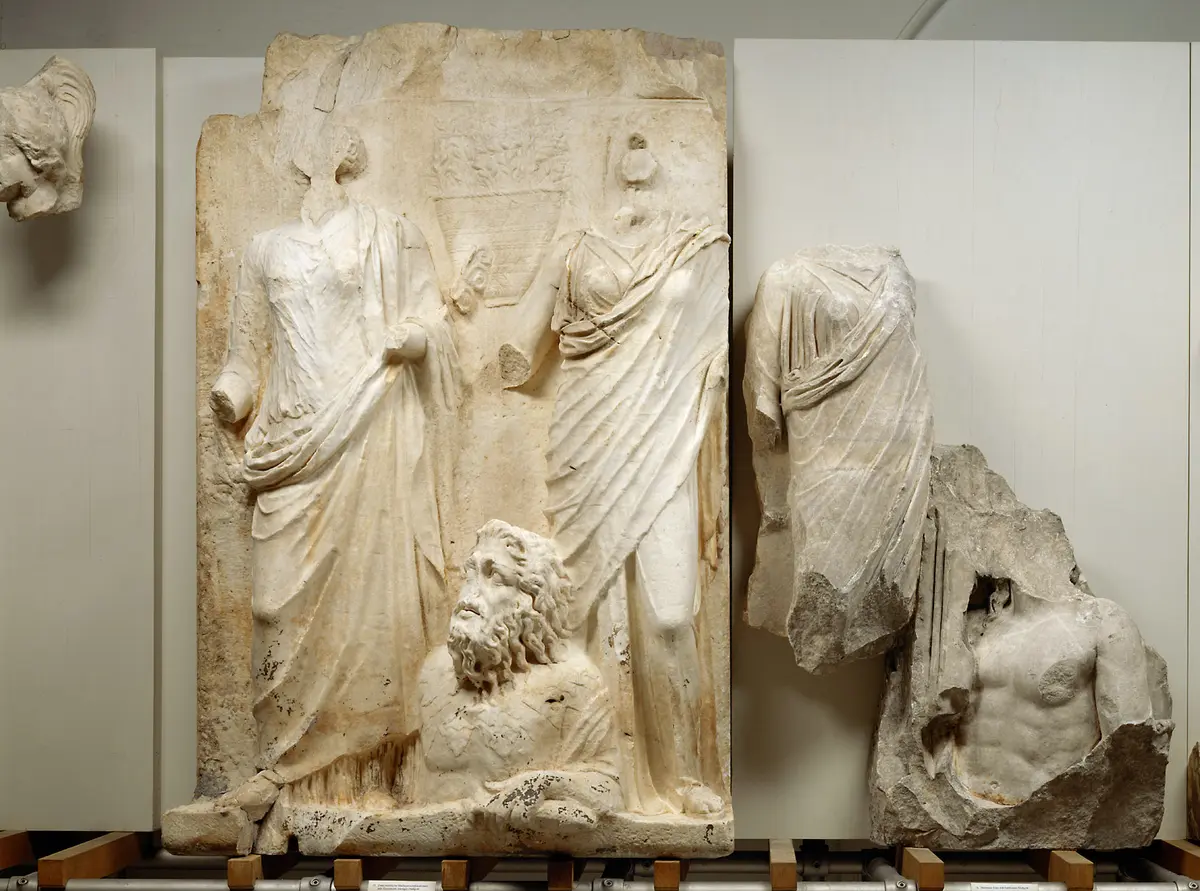
One of the monument’s relief cycles depicts not a single continuous scene but comprises a series of individual but similar tablets, each featuring two standing (generally female) figures, their heads flanking an attribute, and below them a half-length figure that can be read as the personification of a river. Each of these tablets represents a city or a province of the Roman Empire, and the concept is best explained with the help of the one depicting Rome: on the left, wearing the armour of a general, we see Mars, the city’s first ancestor and patron deity; the female figure on the right is Roma. Their heads flank the Roman she-wolf (lupa Romana) suckling the twins Romulus and Remus. The river god below personifies the Tiber. There are, however, not many cities that can be identified as easily; one of them is Alexandria/Egypt, thanks to the female figure’s characteristic corkscrew locks, fringed cloak with a tyet, and the ibis in her hand. The female figure clutching a vexillum (small flag) bears the arms of a city (crescent moon and star) but this is unfortunately recorded for a number of ancient municipalities in Asia Minor. We are also unable to name beyond doubt the city on the best-preserved tablet: grain basket and prow ornament clutched by the figure on the left may refer either to fertile Mesopotamia or grain-rich Sicily. A series of coins issued by Emperor Antoninus Pius celebrate (on the reverse) the provinces of the Empire. Some are represented by characteristic figures but others are only named in inscriptions. The monument at Ephesus, too, presumably included inscriptions identifying these personifications. The reliefs celebrate the Imperium’s leading cities and provinces that, with their local benefactors and donors, played a seminal role in the smooth running of the Roman Empire.
Time:
Mitte 2. Jh. n. Chr.
Object Name
Relief
Culture
Römisch
Location of discovery:
Ephesos Celsusbibliothek Umgebung (Selçuk, Kleinasien, Türkei)
Material/technology:
Dolomit-Marmor
Dimensions:
H. 209 cm, B. 135 cm, D. 76 cm
Copyright
Kunsthistorisches Museum, Antikensammlung
Invs.
Antikensammlung, I 860
Provenance
Sultan, Abdul, Hamid, II.; Österreichische Ausgrabungen in Ephesos; Geschenk an Kaiser Franz Joseph; 1911 nachträglich inventarisiert
Browse more
Similar items you might be interested in
Relief: Götterversammlung: Demeter Römisch, Mittlere Kaiserzeit Mitte des 2. Jhs. n. Chr.

Relief: Stierkopf-Girlandenfries Römisch, Mittlere Kaiserzeit Mitte 2. Jh. n. Chr.
Relief: Schlachtenszene, Schwertkämpfer Römisch, Mittlere Kaiserzeit Mitte 2. Jh. n. Chr.
Relief: Artemis Selene Römisch, Mittlere Kaiserzeit Mitte 2. Jh. n. Chr.
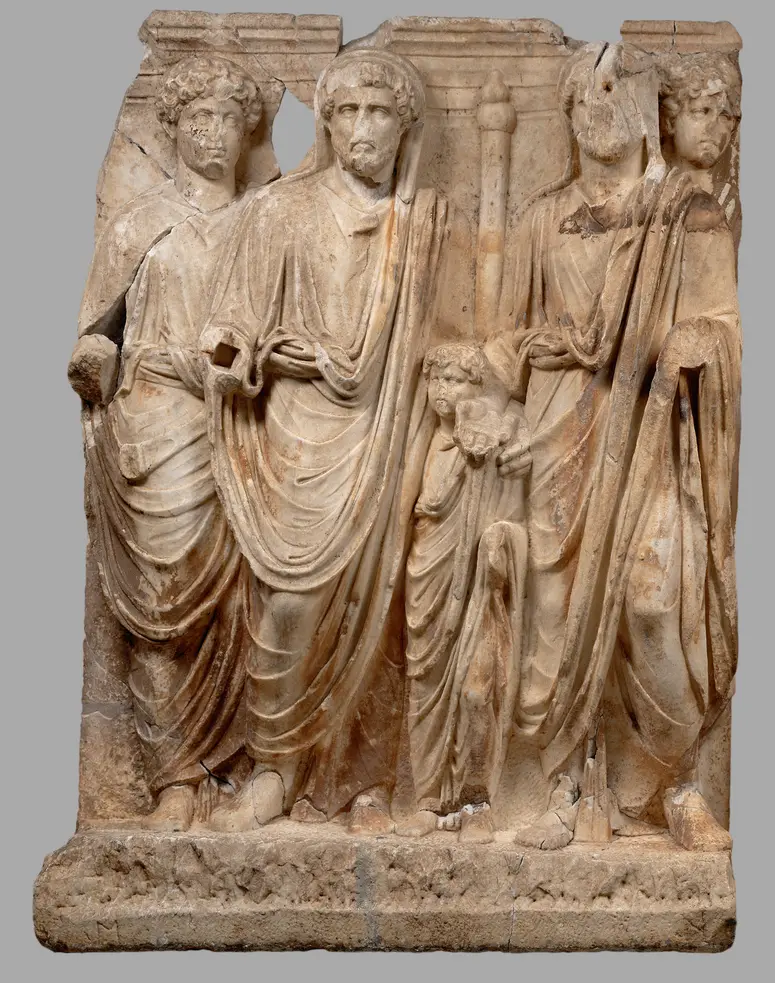
Relief: Adoption der Kaiser Lucius Verus und Marc Aurel Römisch, Mittlere Kaiserzeit Mitte 2. Jh. n. Chr.
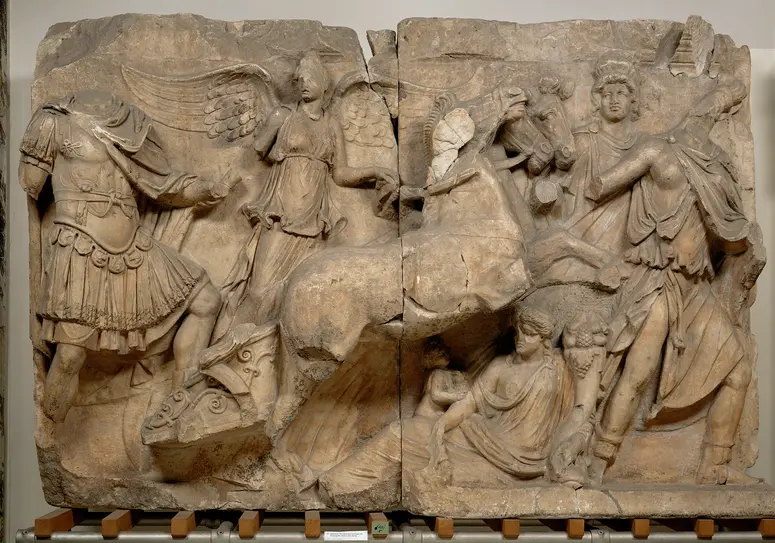
Relief: Triumph des Kaisers Römisch, Mittlere Kaiserzeit Mitte des 2. Jhs. n. Chr.
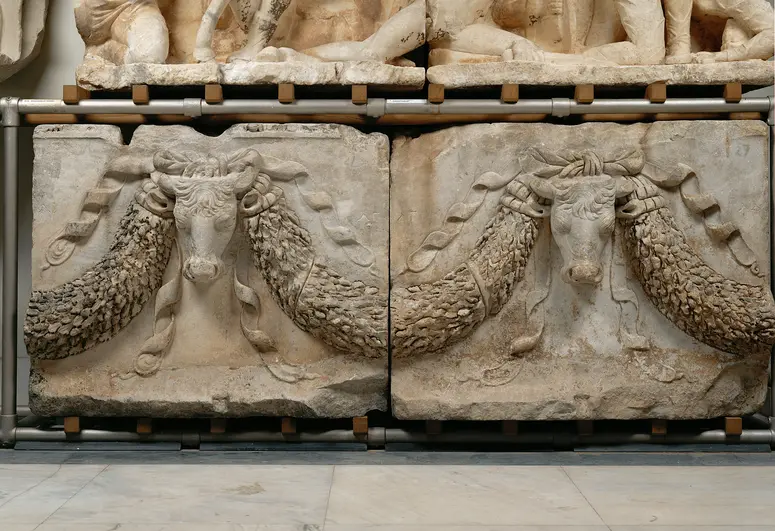
Relief: Stierkopf-Girlandenfries Römisch, Mittlere Kaiserzeit Mitte 2. Jh. n. Chr.
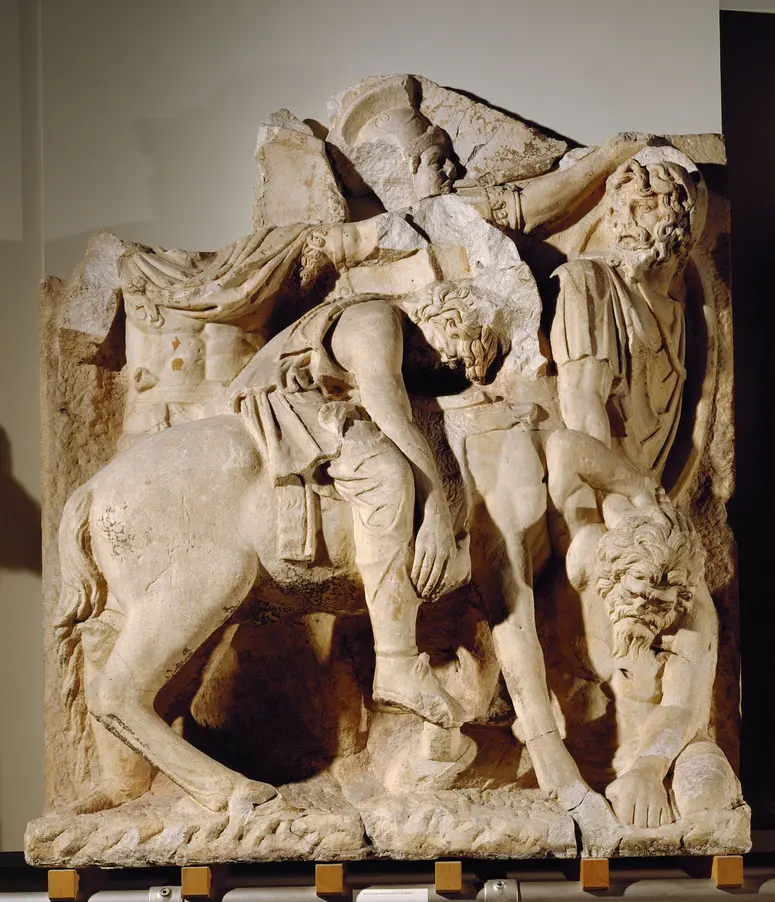
Relief: Verwundeter Partherfeldherr Römisch, Mittlere Kaiserzeit nach 169 n. Chr.
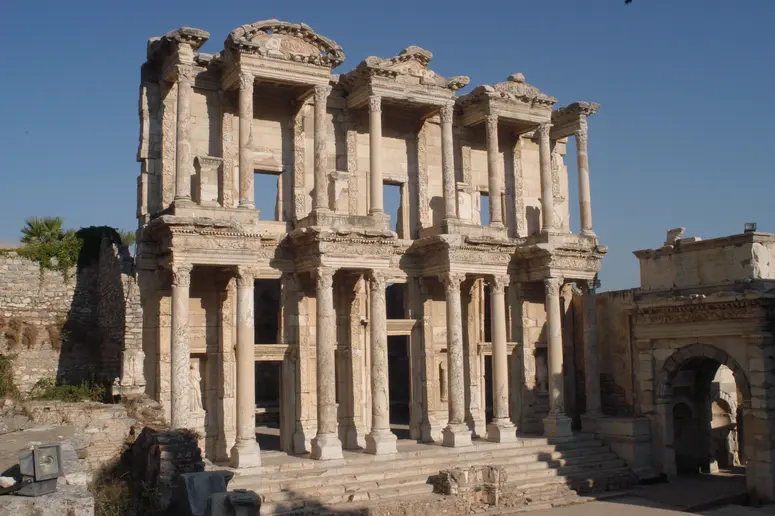
Architektur: Celsusbibliothek Römisch, Mittlere Kaiserzeit 113 - 117 n. Chr.

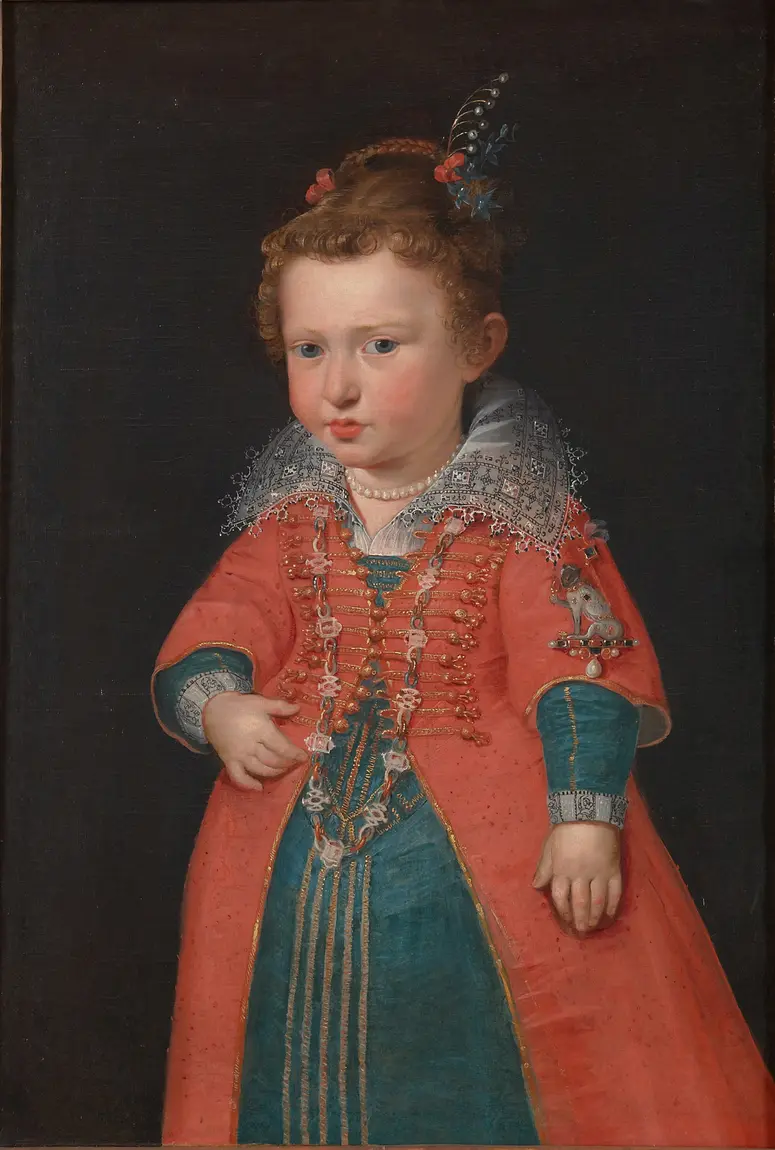
Eleonore von Gonzaga (1598-1655), Kaiserin, im Alter von zwei Jahren, Kniestück Peter Paul Rubens um 1600/1601
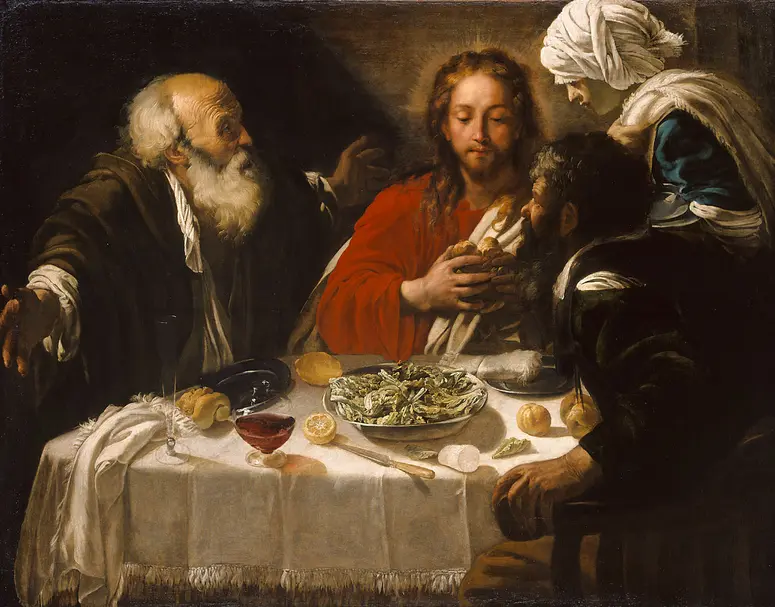
Christ and the Disciples in Emmaus Michelangelo Merisi, gen. Caravaggio before 1614 or around 1621