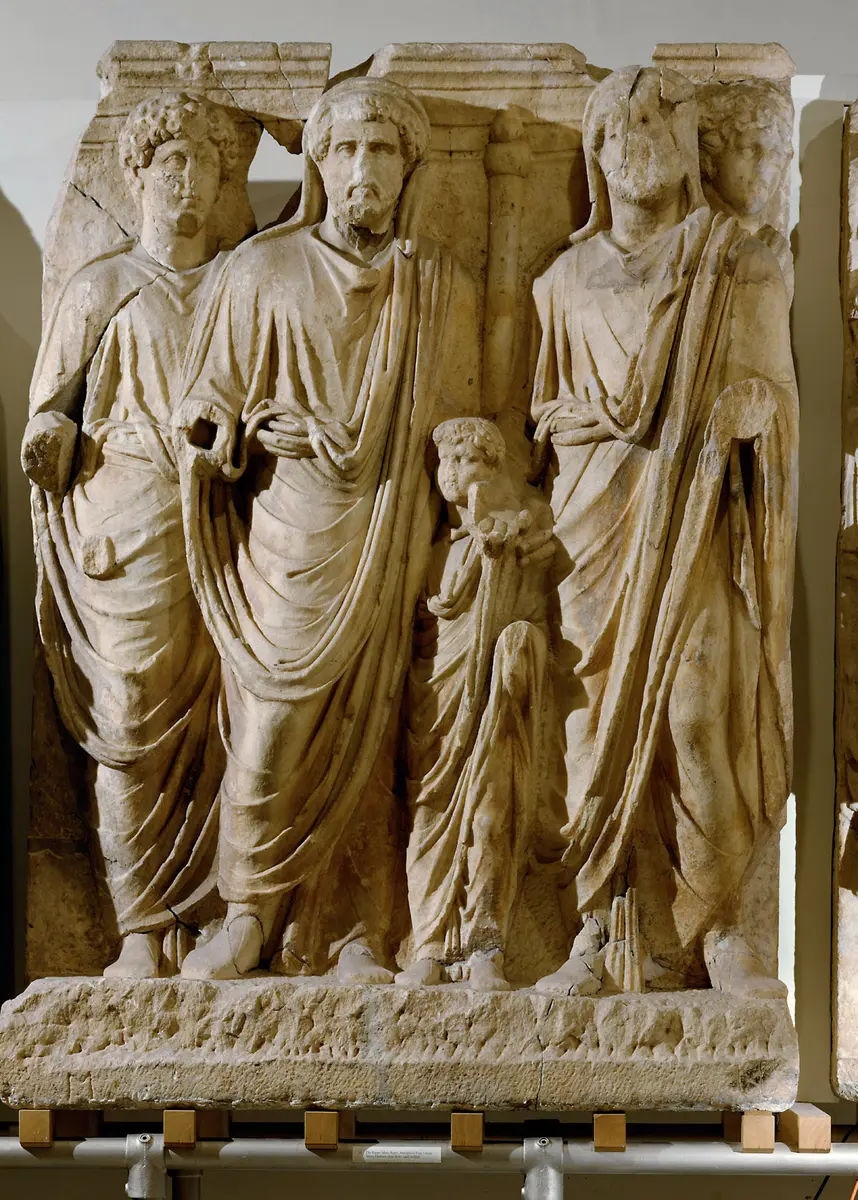
Adoption der Kaiser Lucius Verus und Marc Aurel
Mitte 2. Jh. n. Chr.
The Adoption In the late 1st century AD, it was agreed that the Emperor should henceforth select and adopt during his lifetime the most suitable candidate to succeed him. On 25 February 138 AD such a formal state ceremony was celebrated at Rome: Hadrian adopted his successor, Antoninus Pius, who in turn adopted his successors, Marcus Aurelius and Lucius Verus, i.e. the following generation of rulers. The adoption is accompanied by sacrifices and ritual acts. The emperors’ families and presumably high-ranking civil servants are in attendance and bulls are sacrificed. Sabina, Hadrian’s deceased wife who had died in AD 136, is also depicted. This is not a mistake but typical of Roman historical reliefs. The presence of deities and personifications helps to emphasise the message of the scene. Hadrian died later that year, and Antoninus Pius – meant to act as a placeholder for the two young princes – reigned until AD 161. For the next eight years, Marcus Aurelius and Lucius Verus governed as co-emperors, but following the latter’s death Marcus Aurelius ruled alone until his own death in AD 180. He was called the Philosopher but it was he who abandoned the principle of the emperor adopting his successor(s) and installed his own son Commodus on the imperial throne.

The Adoption In the late 1st century AD, it was agreed that the Emperor should henceforth select and adopt during his lifetime the most suitable candidate to succeed him. On 25 February 138 AD such a formal state ceremony was celebrated at Rome: Hadrian adopted his successor, Antoninus Pius, who in turn adopted his successors, Marcus Aurelius and Lucius Verus, i.e. the following generation of rulers. The adoption is accompanied by sacrifices and ritual acts. The emperors’ families and presumably high-ranking civil servants are in attendance and bulls are sacrificed. Sabina, Hadrian’s deceased wife who had died in AD 136, is also depicted. This is not a mistake but typical of Roman historical reliefs. The presence of deities and personifications helps to emphasise the message of the scene. Hadrian died later that year, and Antoninus Pius – meant to act as a placeholder for the two young princes – reigned until AD 161. For the next eight years, Marcus Aurelius and Lucius Verus governed as co-emperors, but following the latter’s death Marcus Aurelius ruled alone until his own death in AD 180. He was called the Philosopher but it was he who abandoned the principle of the emperor adopting his successor(s) and installed his own son Commodus on the imperial throne.
Time:
Mitte 2. Jh. n. Chr.
Object Name
Relief
Culture
Römisch
Location of discovery:
Ephesos Celsusbibliothek Umgebung (Selçuk, Kleinasien, Türkei)
Material/technology:
Marmor
Dimensions:
H. 206 cm, B. 150 cm, D. 51 cm
Copyright
Kunsthistorisches Museum, Antikensammlung
Invs.
Antikensammlung, I 864
Provenance
Sultan, Abdul, Hamid, II.; Österreichische Ausgrabungen in Ephesos; Geschenk an Kaiser Franz Joseph; 1911 nachträglich inventarisiert
Browse more
Similar items you might be interested in
Relief: Schlachtenszene, Schwertkämpfer Römisch, Mittlere Kaiserzeit Mitte 2. Jh. n. Chr.
Relief: Götterversammlung: Demeter Römisch, Mittlere Kaiserzeit Mitte des 2. Jhs. n. Chr.

Relief: Stierkopf-Girlandenfries Römisch, Mittlere Kaiserzeit Mitte 2. Jh. n. Chr.
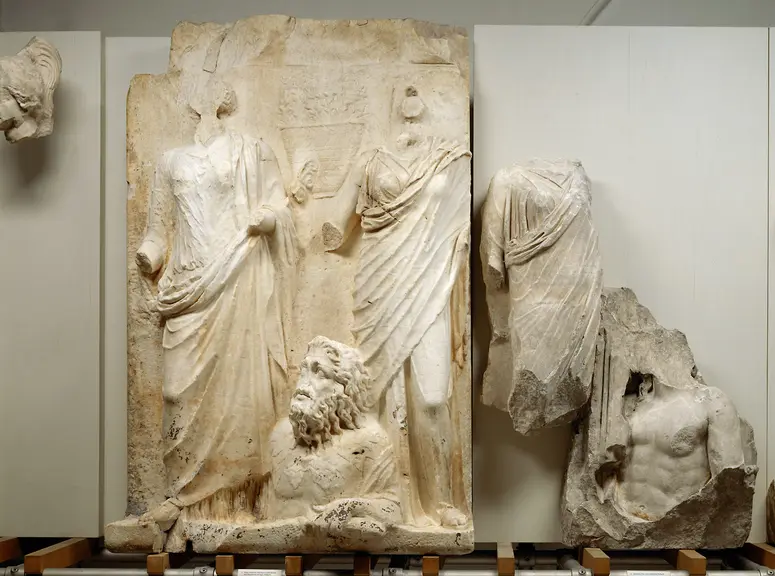
Relief: Städtepersonifikationen Römisch, Mittlere Kaiserzeit Mitte 2. Jh. n. Chr.
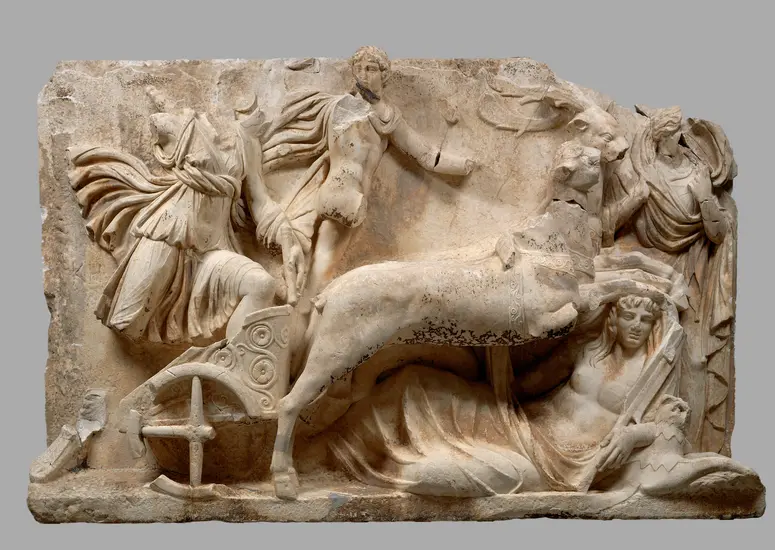
Relief: Artemis Selene Römisch, Mittlere Kaiserzeit Mitte 2. Jh. n. Chr.
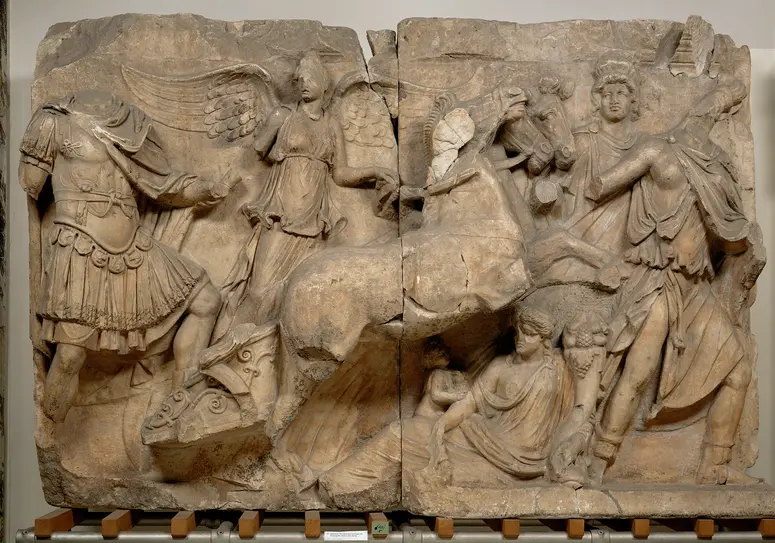
Relief: Triumph des Kaisers Römisch, Mittlere Kaiserzeit Mitte des 2. Jhs. n. Chr.
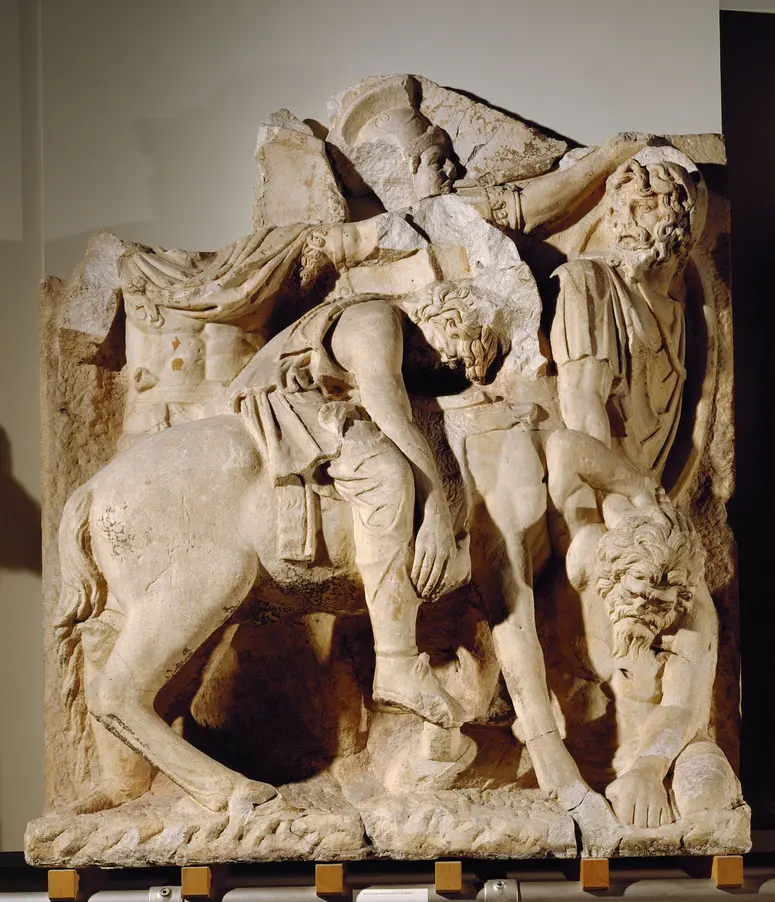
Relief: Verwundeter Partherfeldherr Römisch, Mittlere Kaiserzeit nach 169 n. Chr.
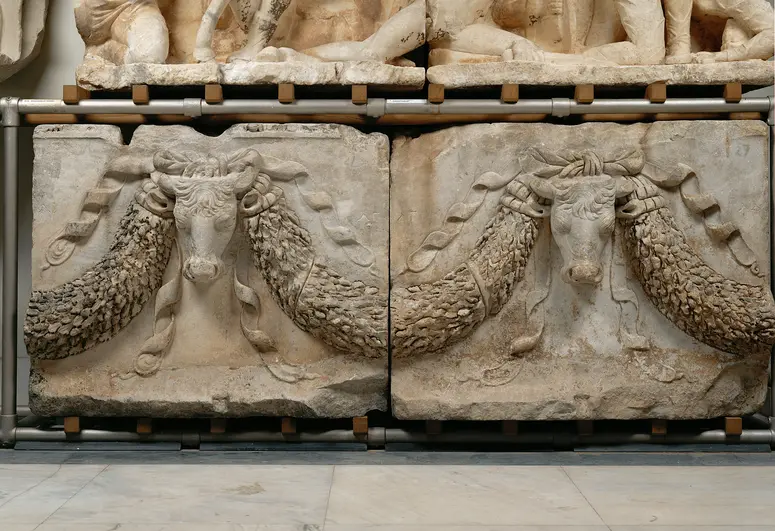
Relief: Stierkopf-Girlandenfries Römisch, Mittlere Kaiserzeit Mitte 2. Jh. n. Chr.
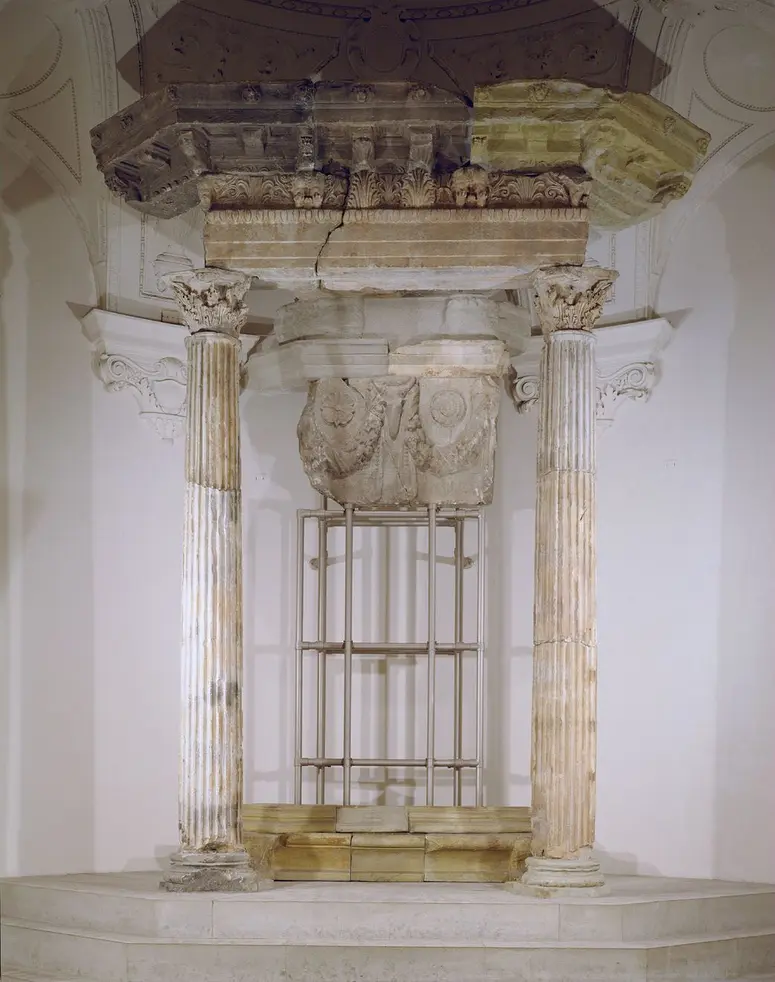
Architektur: Oktogon Römisch, Frühe Kaiserzeit 3. Drittel 1. Jh. v. Chr.

Modell: Oktogon (Grab der Arsinoe) Hergestellt 1977 - 1978

Rundbau: Rundbau Römisch, Frühe Kaiserzeit 2. Hälfte 1. Jh. n. Chr.
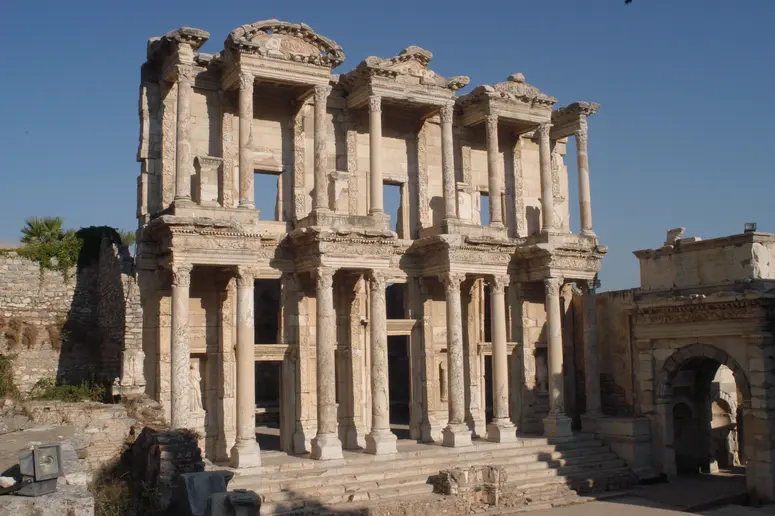
Architektur: Celsusbibliothek Römisch, Mittlere Kaiserzeit 113 - 117 n. Chr.
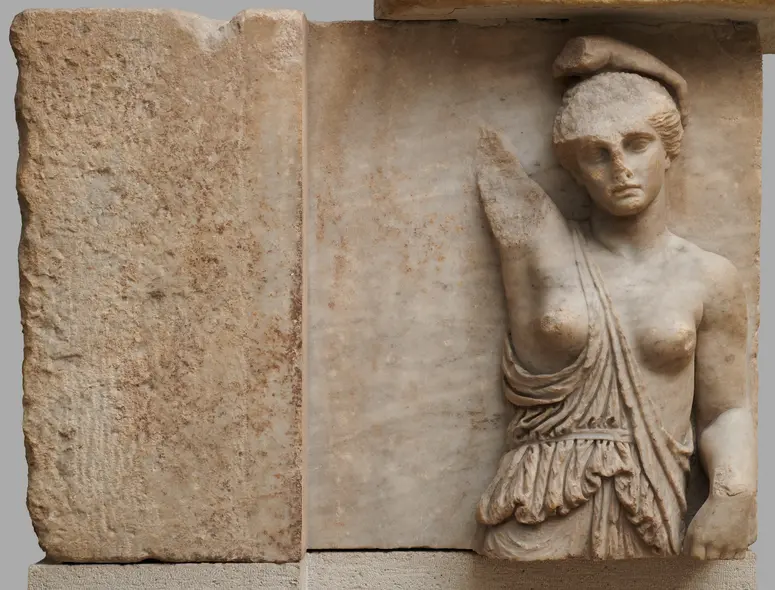
Relief: Verwundete Amazone Griechisch 2. Hälfte 4. Jh. v. Chr.
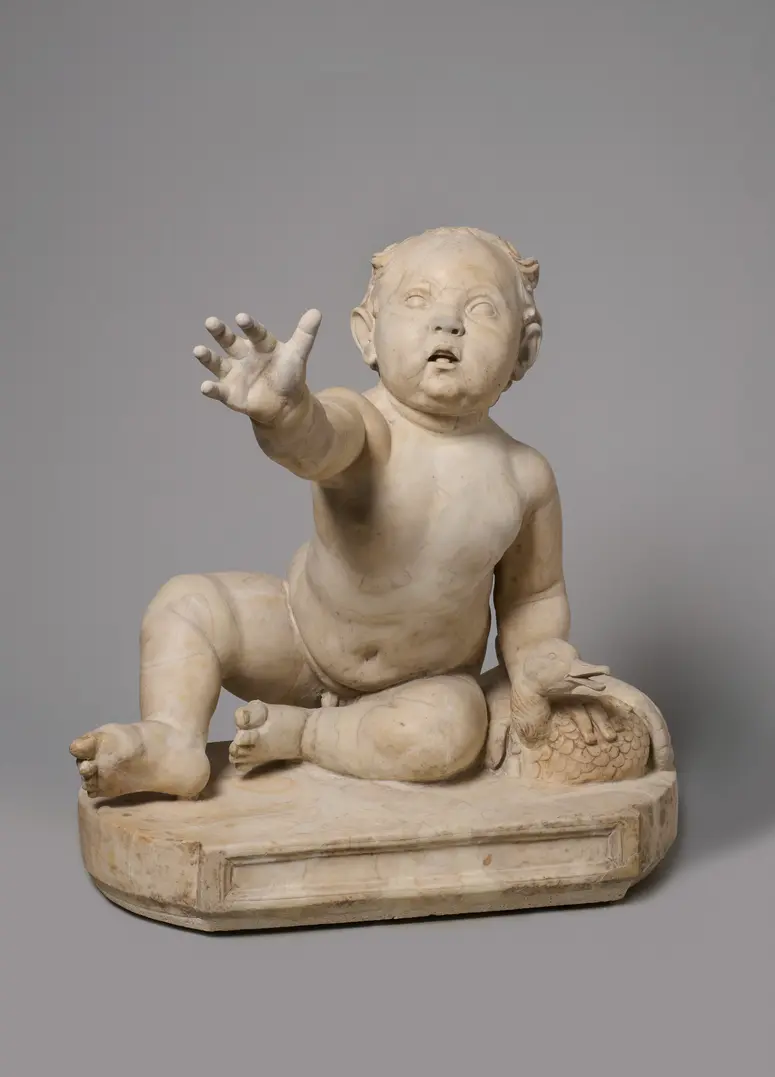
Statue: Knabe mit Fuchsgans Römisch, Mittlere Kaiserzeit 2. Jh. n. Chr., nach Bronzeoriginal aus dem 3. Jh. v. Chr.
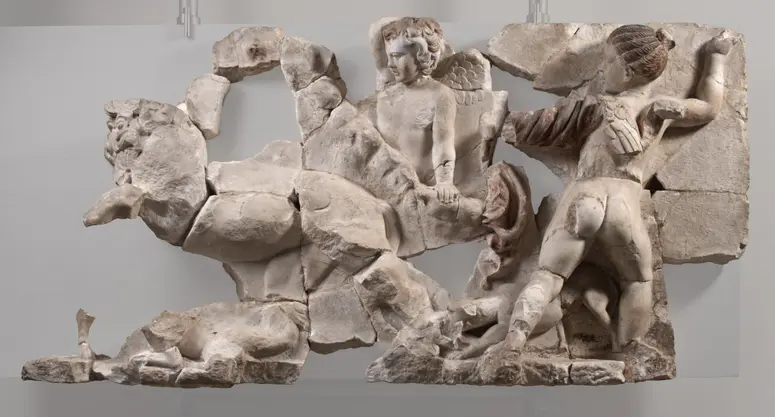
Relief: Erotenfries: Eroten auf Löwenjagd Römisch, Frühe Kaiserzeit 2. Hälfte 1. Jh. n. Chr.
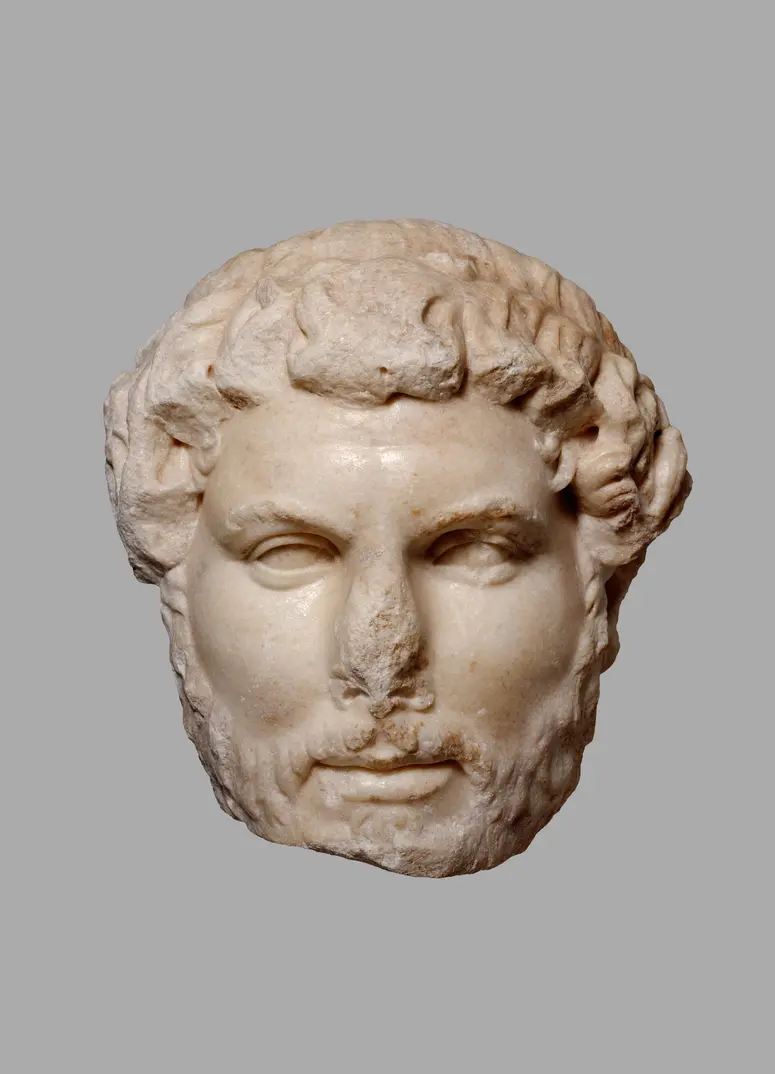
Porträtkopf: Kaiser Hadrian Römisch, Mittlere Kaiserzeit um 120 n. Chr.

Kandelaber: Herakles und Kentaur im Kampf Griechisch, Hellenistisch Mitte 1. Jh. v. Chr.
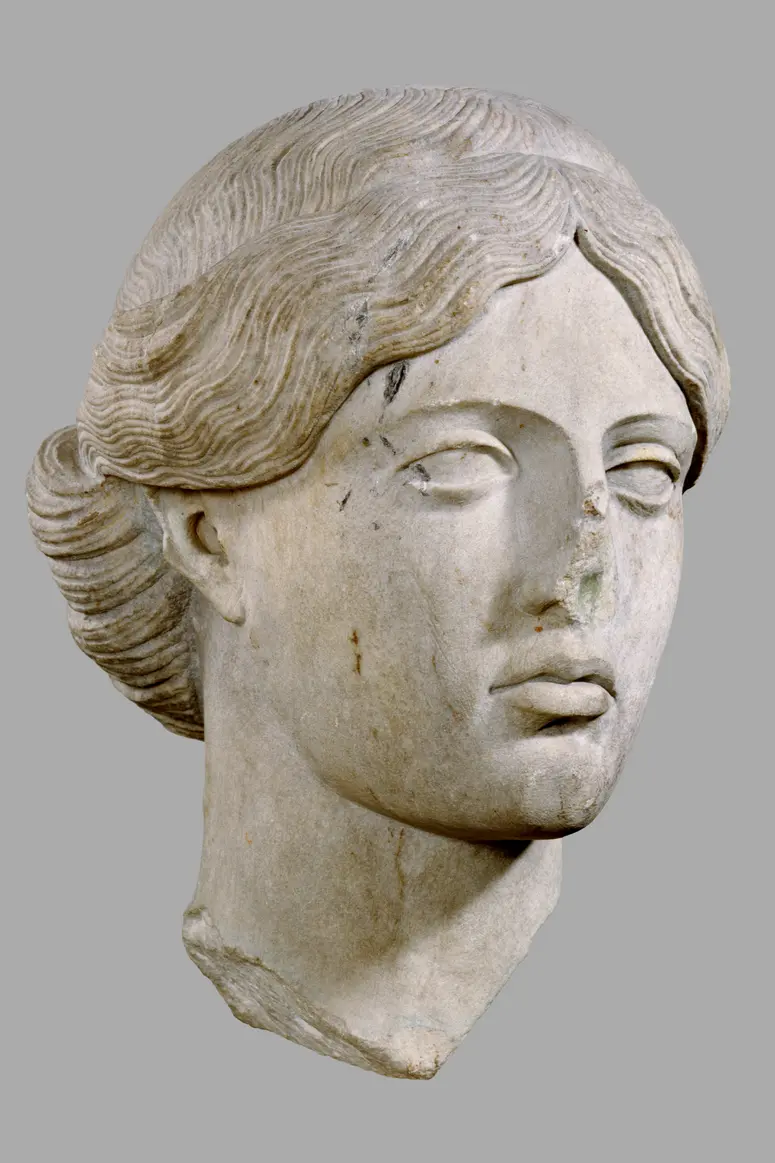
Kopf: Artemis (Typus Candia) Römisch, Frühe Kaiserzeit 1. Jh. n. Chr., nach griechischem Original um 460 v. Chr.
Giebel: Celsusbibliothek: Segmentgiebel Römisch, Mittlere Kaiserzeit 113 - 117 n. Chr.