Sophia Kelsou
2. Jh. n. Chr., nach hellenistischem Original
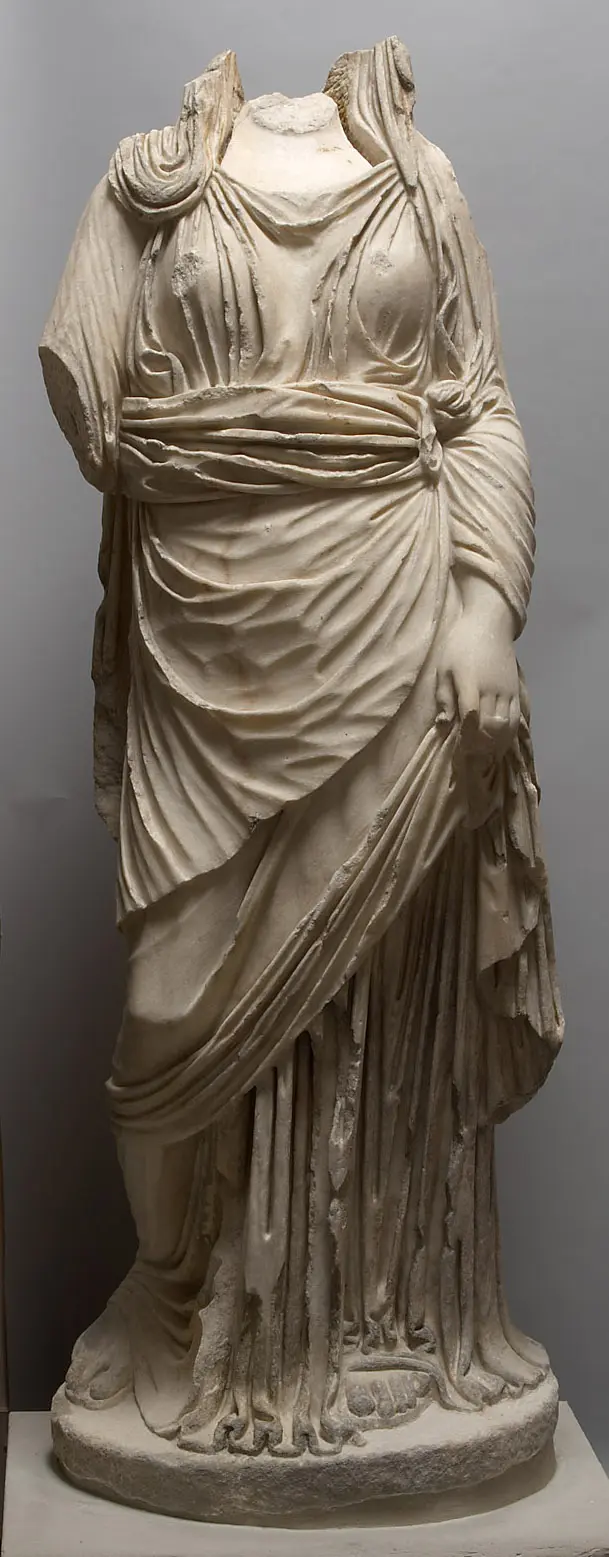
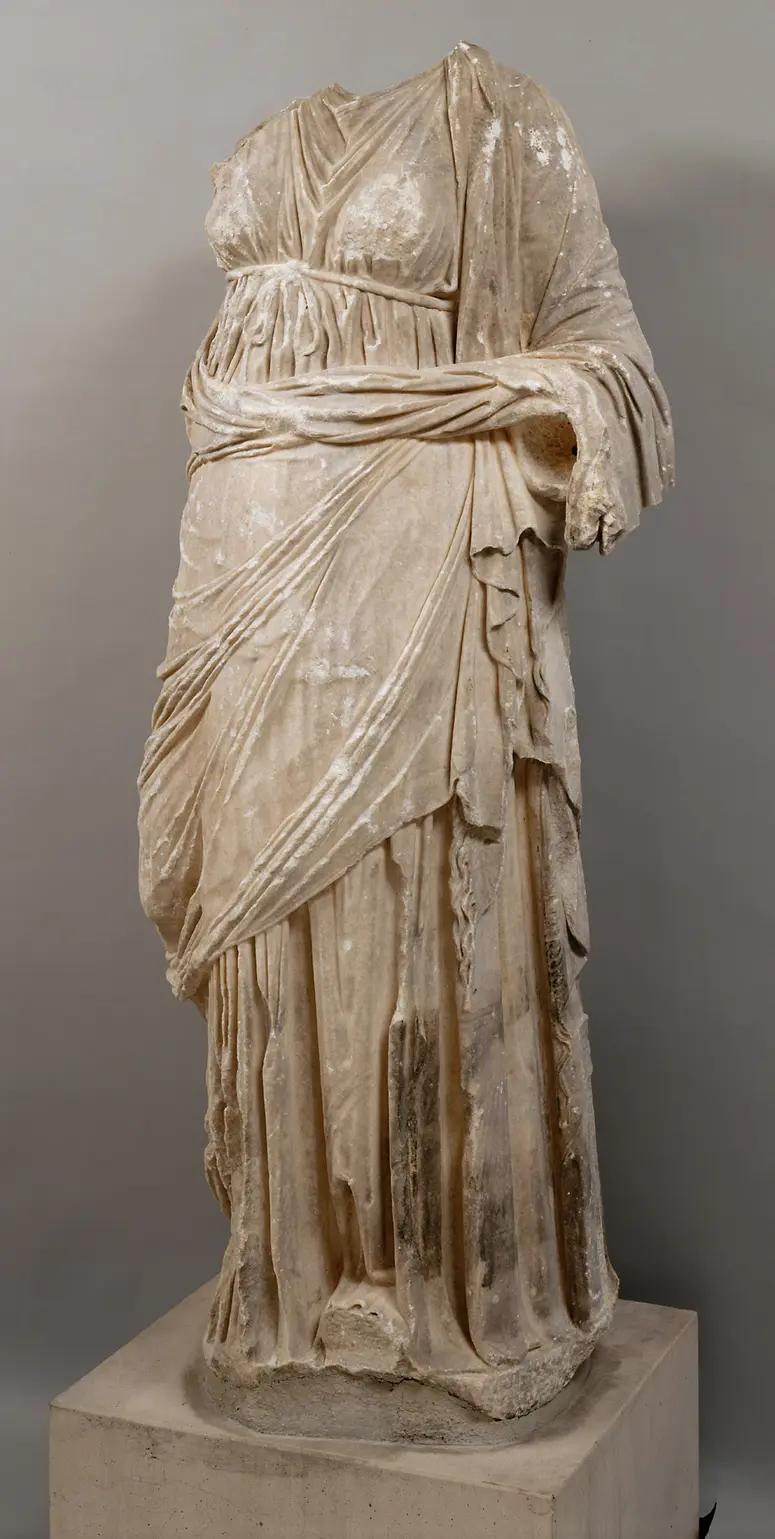
This robed statue of a Greek goddess of the type known as the Hellenistic Hera Campana was repurposed by adding an inscription on the plinth: the Greek words ΣΟΦΙΑ ΚΕΛΣΟΥ (sophia kelsou) identify her as the personification of the wisdom of Celsus, the library’s patron. Traces on the plinth, however, show that a bronze statue had originally occupied this place. When the library’s façade was restored in late antiquity, it was replaced by an extant, fitting marble statue.
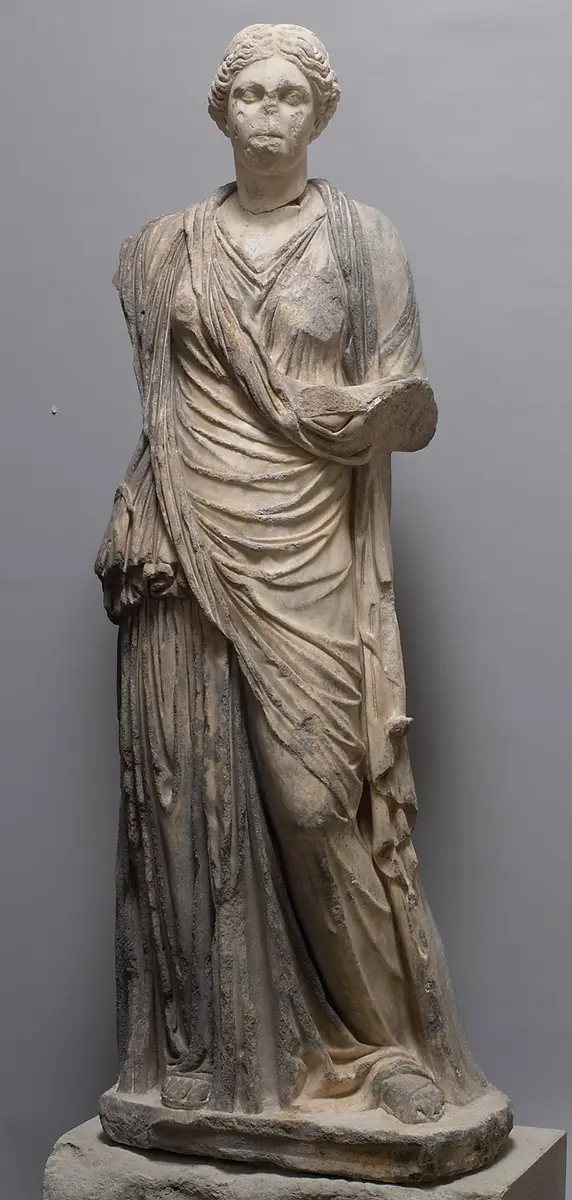
This robed statue of a Greek goddess of the type known as the Hellenistic Hera Campana was repurposed by adding an inscription on the plinth: the Greek words ΣΟΦΙΑ ΚΕΛΣΟΥ (sophia kelsou) identify her as the personification of the wisdom of Celsus, the library’s patron. Traces on the plinth, however, show that a bronze statue had originally occupied this place. When the library’s façade was restored in late antiquity, it was replaced by an extant, fitting marble statue.
Time:
2. Jh. n. Chr., nach hellenistischem Original
Object Name
Statue
Culture
Römisch
Location of discovery:
Ephesos Celsusbibliothek Umgebung (Selçuk, Kleinasien, Türkei)
Material/technology:
Marmor
Dimensions:
L/H 189 cm
Copyright
Kunsthistorisches Museum, Antikensammlung
Invs.
Antikensammlung, I 948
Provenance
Sultan, Abdul, Hamid, II.; Österreichische Ausgrabungen in Ephesos; Geschenk an Kaiser Franz Joseph; 1915 nachträglich inventarisiert
Browse more
Similar items you might be interested in
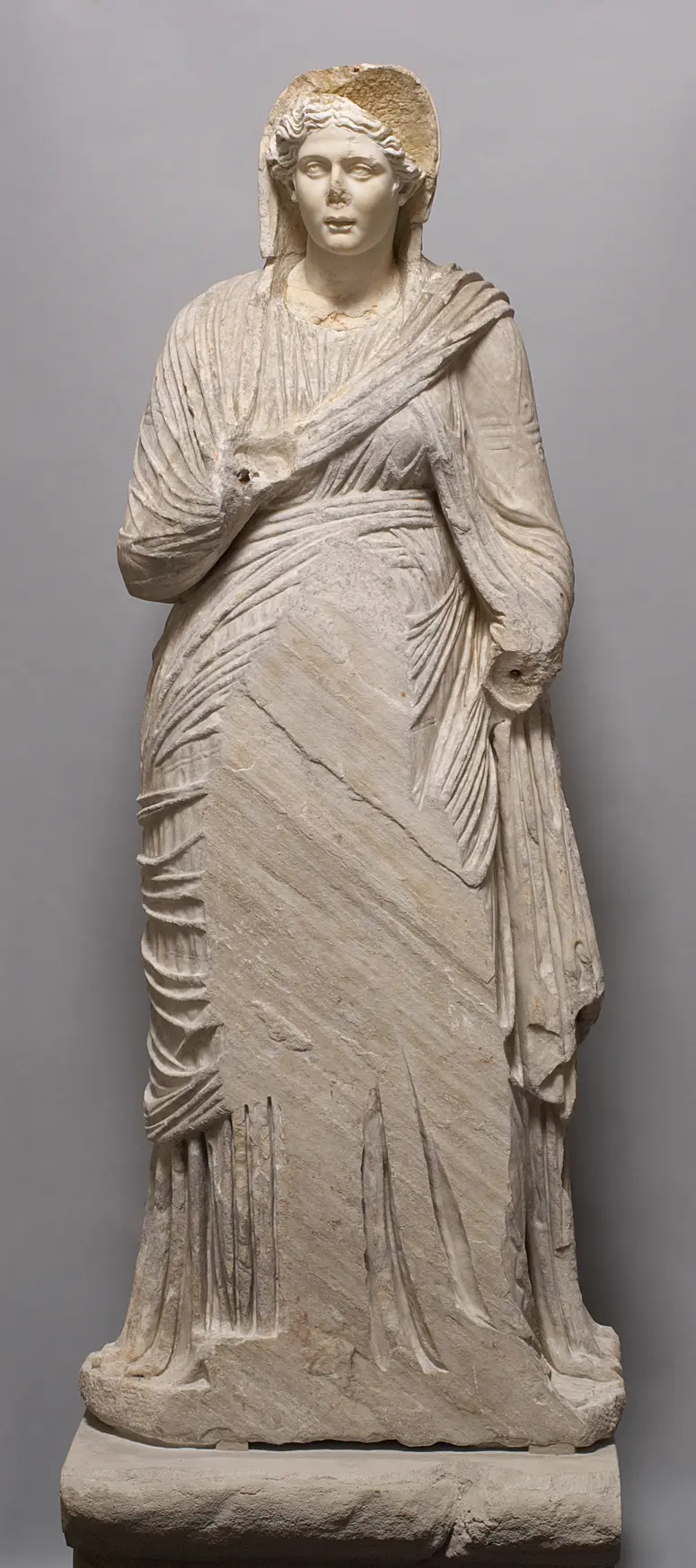
Statue: Arete Kelsou Hellenistisch-römisch, Mittlere Kaiserzeit Torso hellenistisch, Kopf 2. Jh. n. Chr.
Statue: Episteme Kelsou Römisch, Mittlere Kaiserzeit 2. Jh. n. Chr.
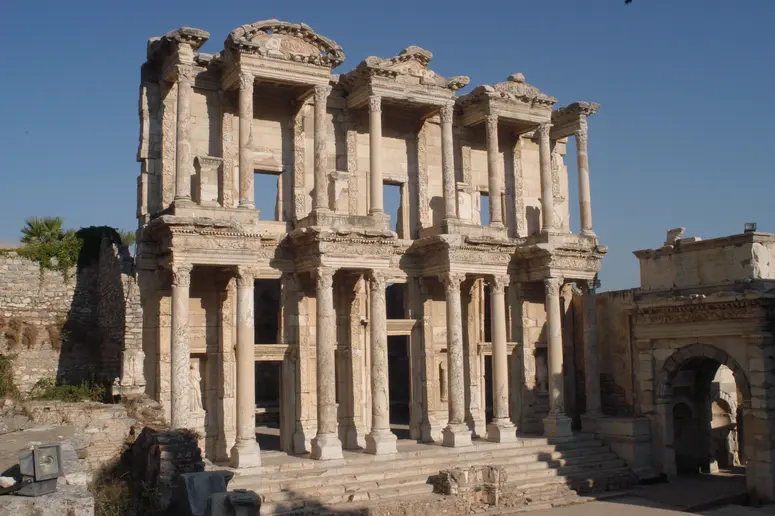
Architektur: Celsusbibliothek Römisch, Mittlere Kaiserzeit 113 - 117 n. Chr.
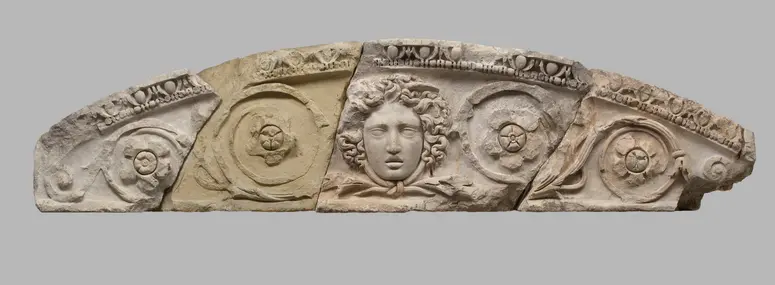
Giebel: Celsusbibliothek: Segmentgiebel Römisch, Mittlere Kaiserzeit 113 - 117 n. Chr.
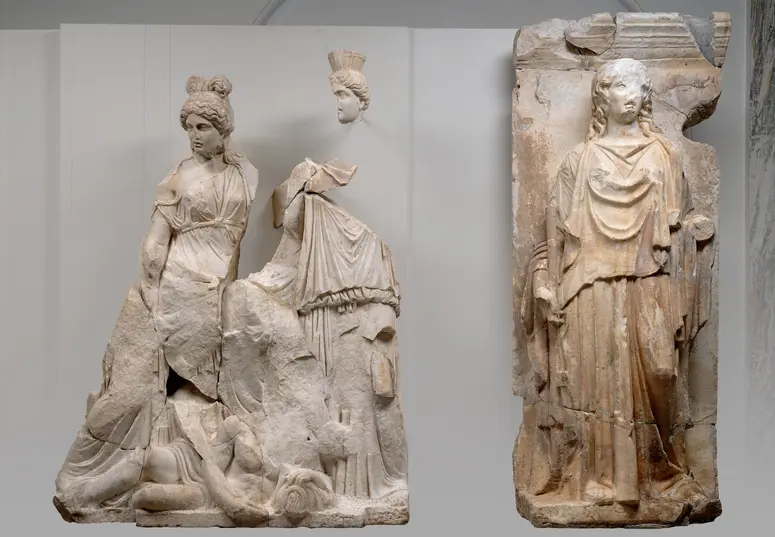
Relief: Götterversammlung: Demeter Römisch, Mittlere Kaiserzeit Mitte des 2. Jhs. n. Chr.
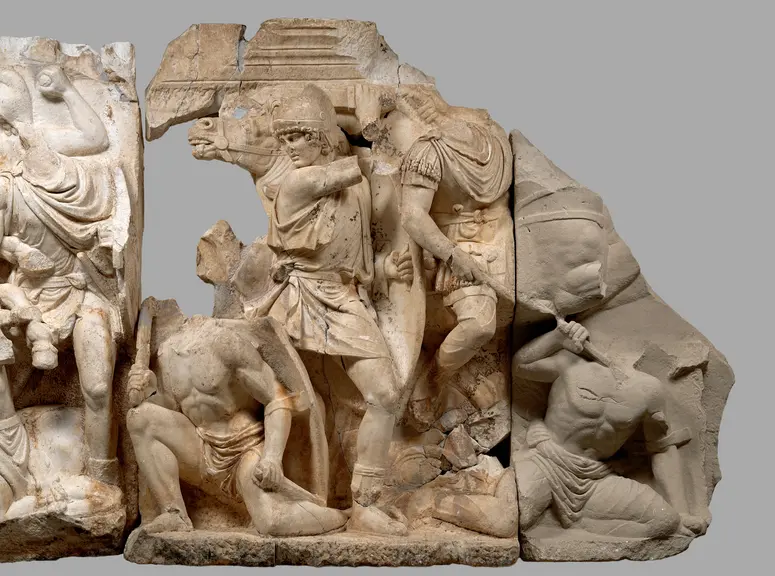
Relief: Schlachtenszene, Schwertkämpfer Römisch, Mittlere Kaiserzeit Mitte 2. Jh. n. Chr.
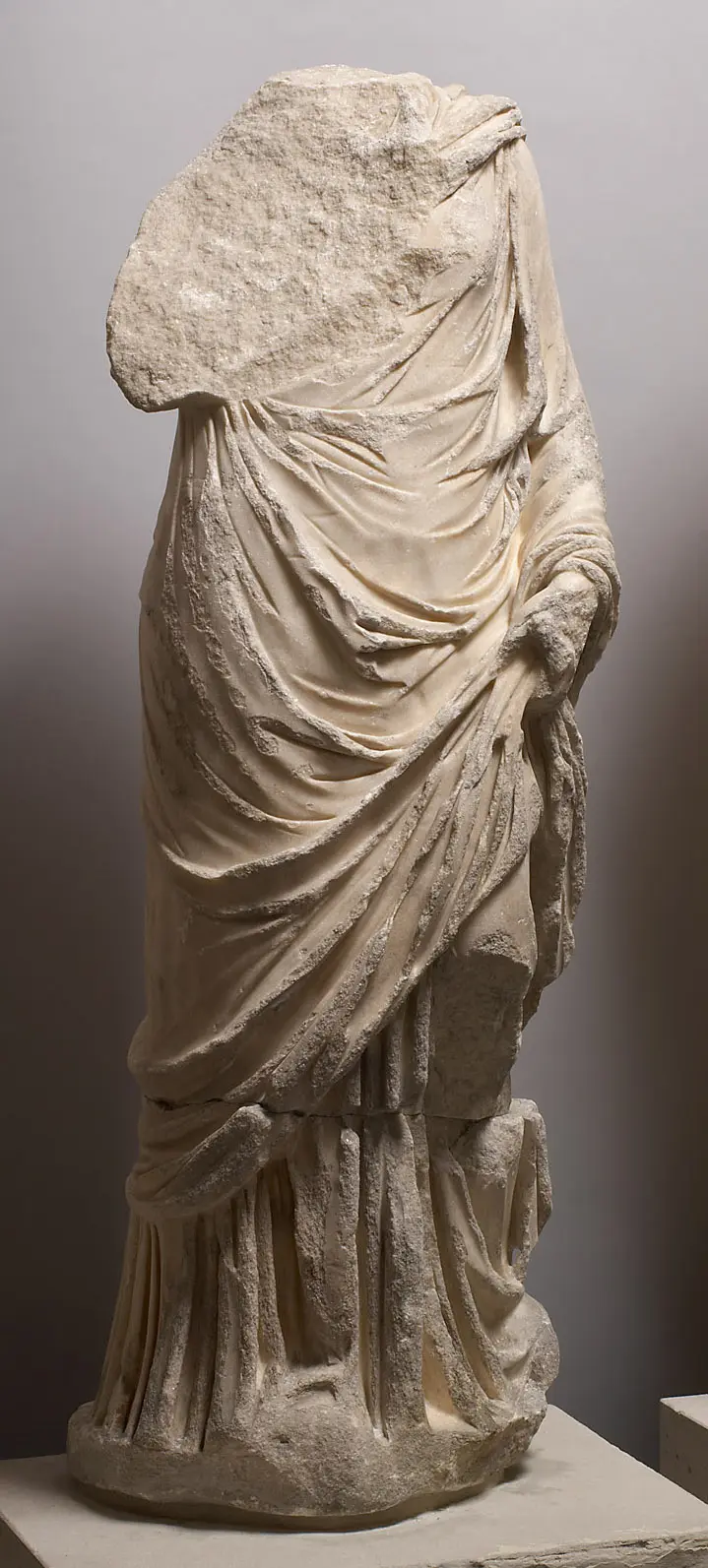
Statue: Ennoia Philippou Römisch, Mittlere Kaiserzeit 2. Jh. n. Chr., nach hellenistischem Original
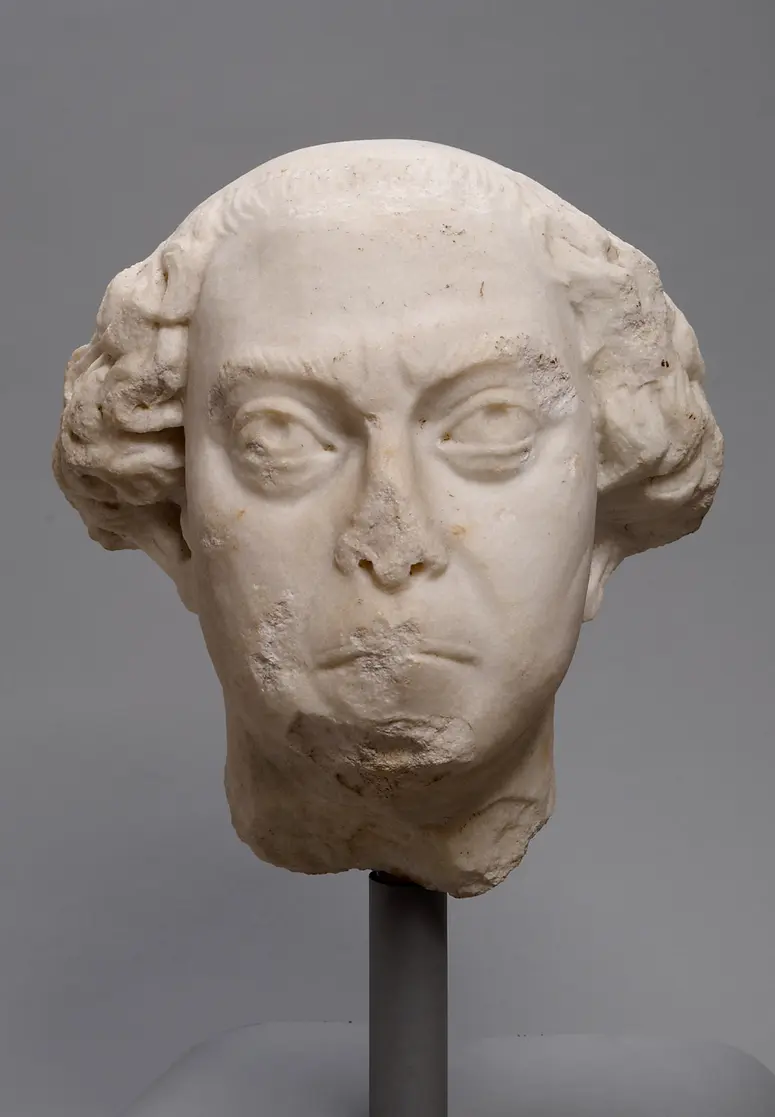
Porträtkopf: Porträt eines kahlköpfigen Mannes Römisch, Spätantik 1. Hälfte 6. Jh. n. Chr.
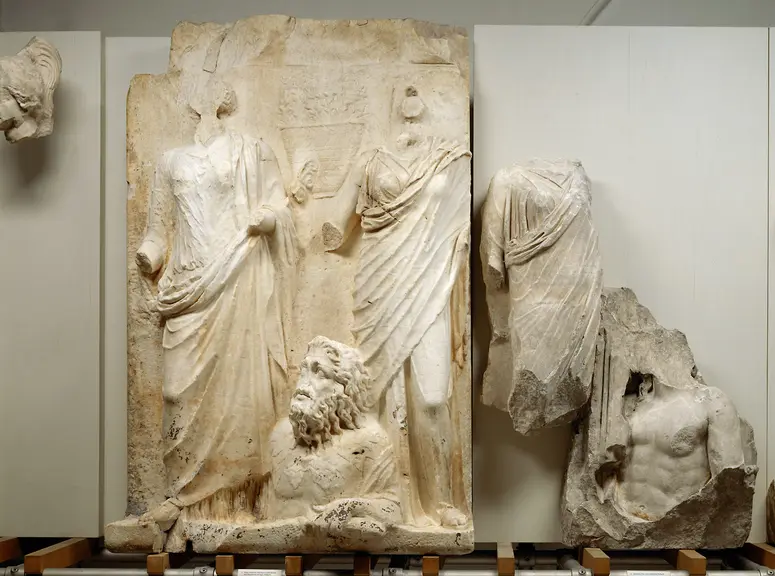
Relief: Städtepersonifikationen Römisch, Mittlere Kaiserzeit Mitte 2. Jh. n. Chr.
Statue: Torso einer weiblichen Gewandstatue Römisch, Mittlere Kaiserzeit 2. Jh. n. Chr., nach hellenistischem Original
Relief: Triumph des Kaisers Römisch, Mittlere Kaiserzeit Mitte des 2. Jhs. n. Chr.
Relief: Artemis Selene Römisch, Mittlere Kaiserzeit Mitte 2. Jh. n. Chr.
Relief: Adoption der Kaiser Lucius Verus und Marc Aurel Römisch, Mittlere Kaiserzeit Mitte 2. Jh. n. Chr.
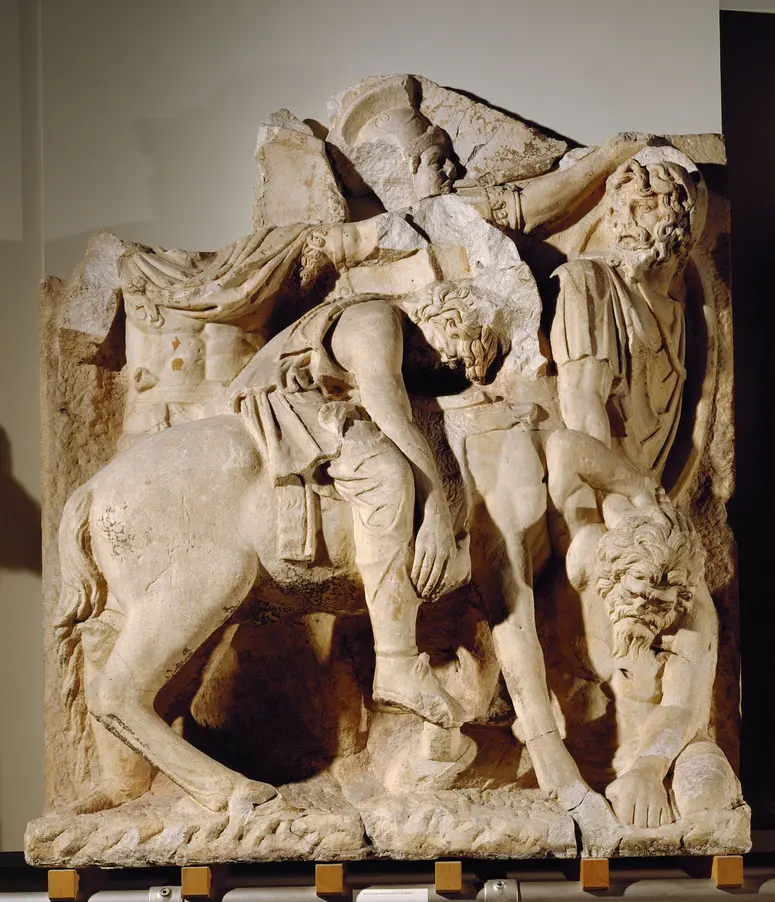
Relief: Verwundeter Partherfeldherr Römisch, Mittlere Kaiserzeit nach 169 n. Chr.
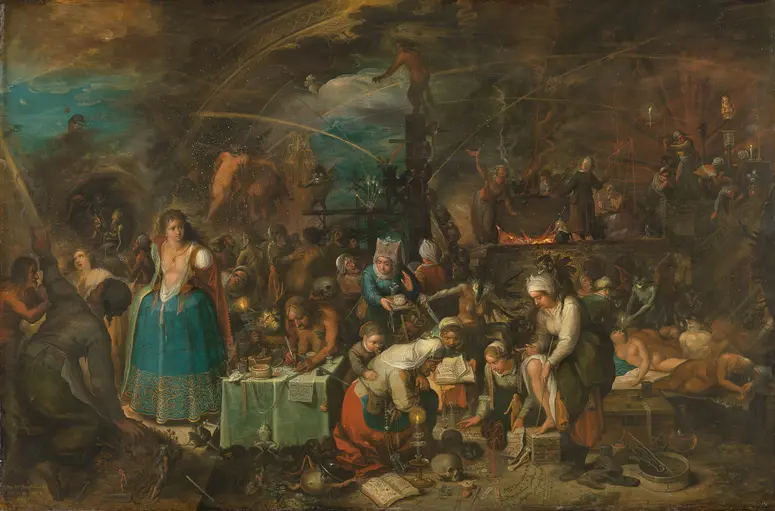
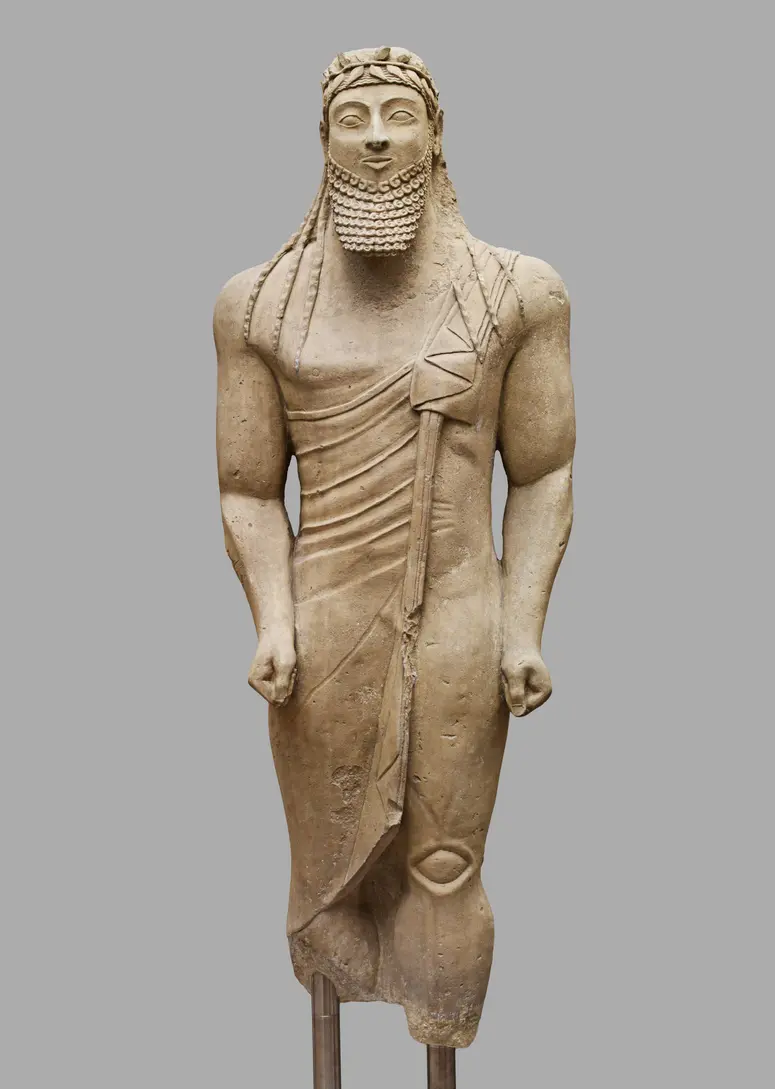
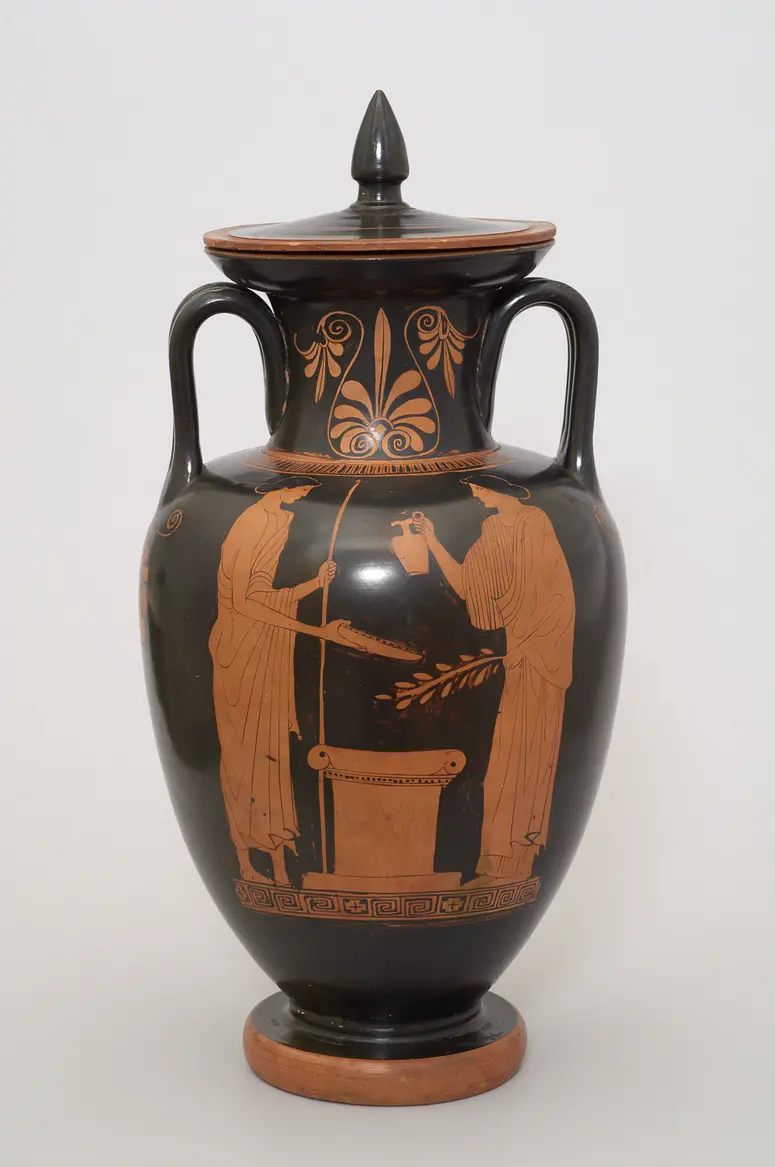
Halsamphora mit Deckel: Opferszene (A und B) Griechisch, Attisch, rotfigurig um 450 v. Chr.
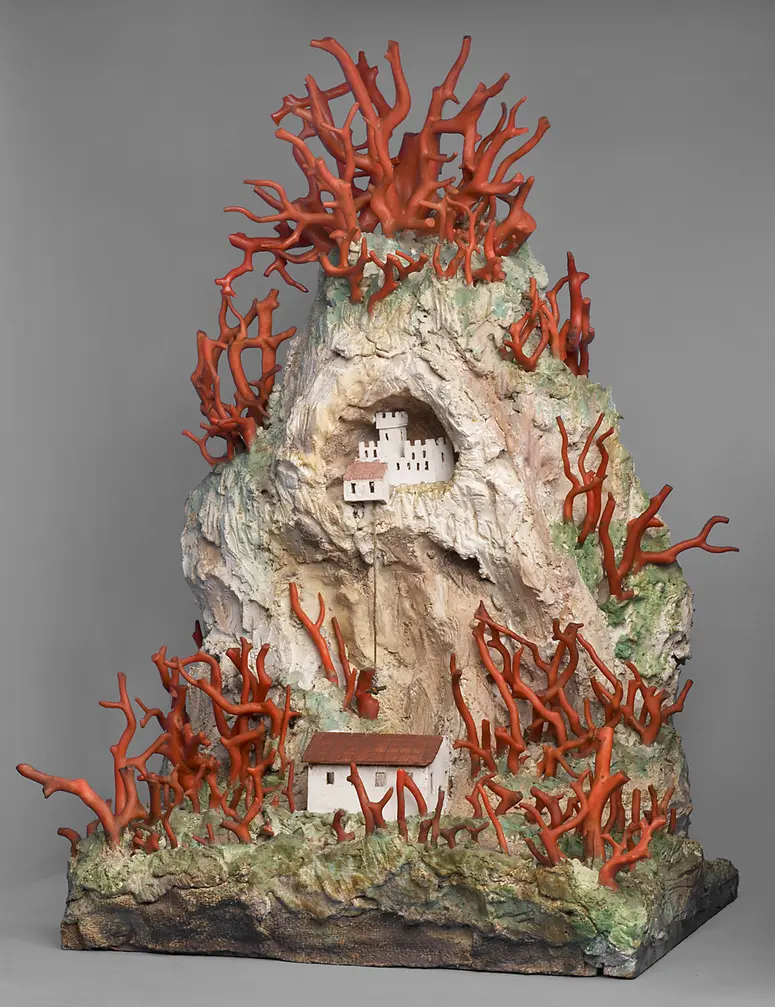
Korallenberg, Koralle, Schnitzarbeit, Höhlenburg Kofels 2. Hälfte 16. Jahrhundert