Wandquader mit Kaiserbrief
162 - 163 n. Chr.
This inscription contains the answer sent by Emperors Marcus Aurelius and Lucius Verus to Ulipius Eurycles, the commissioner of accounts (λογιστής) of the gerusia, a council of elders, of Ephesus. Instead of addressing his query to the Proconsul, he had written to the emperors asking for advice in the following cases: can he (a) melt down damaged silver statues of earlier emperors to cast portraits of the two rulers (lines 8–28); (b) collect partially embezzled funds a second time(lines 28–43); and (c) reduce or refuse customary deferrals (from line 43).
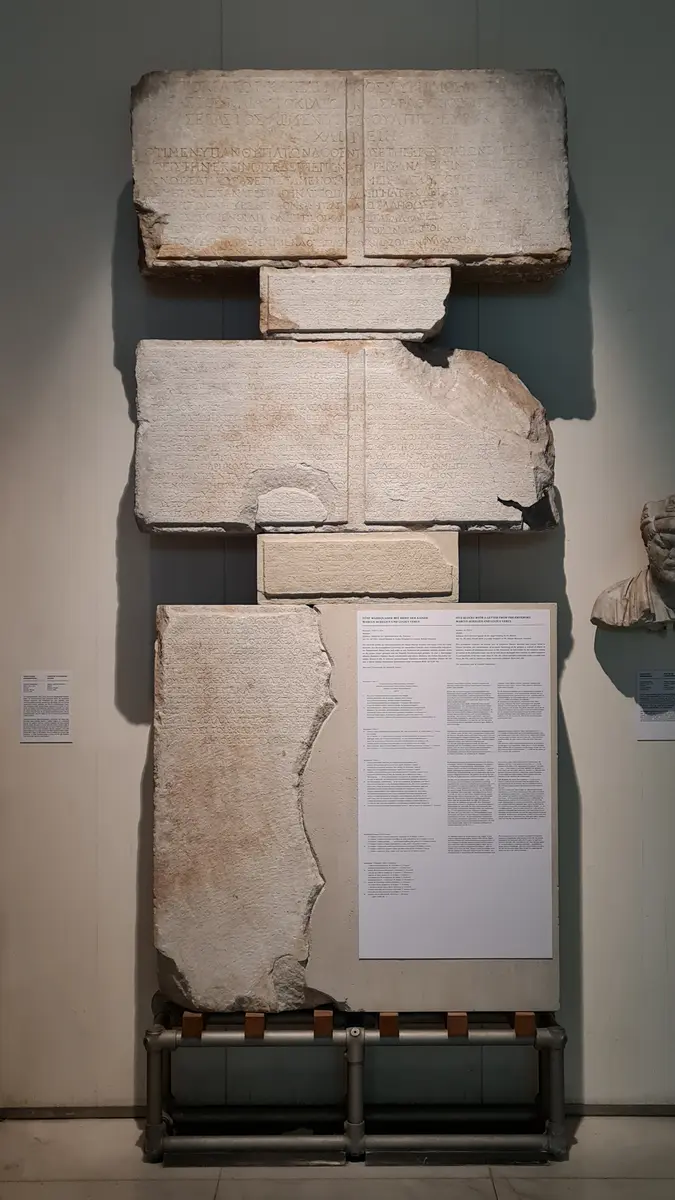
This inscription contains the answer sent by Emperors Marcus Aurelius and Lucius Verus to Ulipius Eurycles, the commissioner of accounts (λογιστής) of the gerusia, a council of elders, of Ephesus. Instead of addressing his query to the Proconsul, he had written to the emperors asking for advice in the following cases: can he (a) melt down damaged silver statues of earlier emperors to cast portraits of the two rulers (lines 8–28); (b) collect partially embezzled funds a second time(lines 28–43); and (c) reduce or refuse customary deferrals (from line 43).
Time:
162 - 163 n. Chr.
Object Name
Inschrift
Culture
Römisch
Location of discovery:
Ephesos Theater im Schutt der Westfront (Selçuk, Kleinasien, Türkei)
Material/technology:
Marmor
Dimensions:
L/H 290 × D/T 29 cm
Inscribed
IvE 25
Copyright
Kunsthistorisches Museum, Antikensammlung
Invs.
Antikensammlung, III 1081
Provenance
Sultan, Abdul, Hamid, II.; Österreichische Ausgrabungen in Ephesos; Geschenk an Kaiser Franz Joseph; 1914 nachträglich inventarisiert
Browse more
Similar items you might be interested in

Inschrift: Hirtenbrief des Erzbischofs Hypatios Frühchristlich, Spätantike 2. Viertel 6. Jh.
Inschrift: Türsturz mit Abgaros-Inschrift Frühchristlich, Spätantike 5. - 6. Jh. n. Chr.
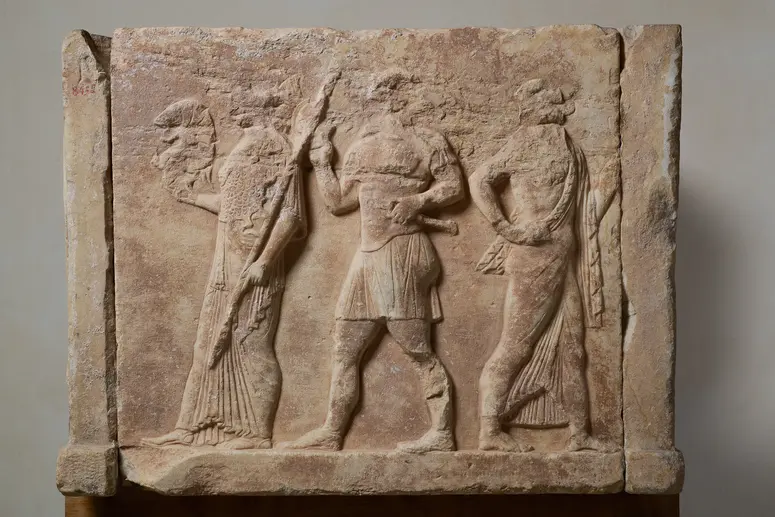
Relief: Archaistisches Relief für Kaiser Augustus Römisch, Frühe Kaiserzeit 12 v. - 2 n. Chr.
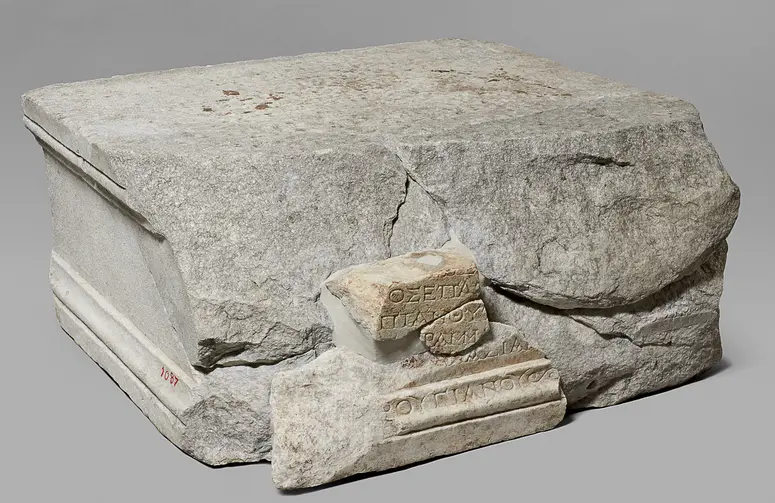
Inschrift: Statuenbasis des L. C. Phrugianos Römisch, Mittlere Kaiserzeit um 100 n. Chr.
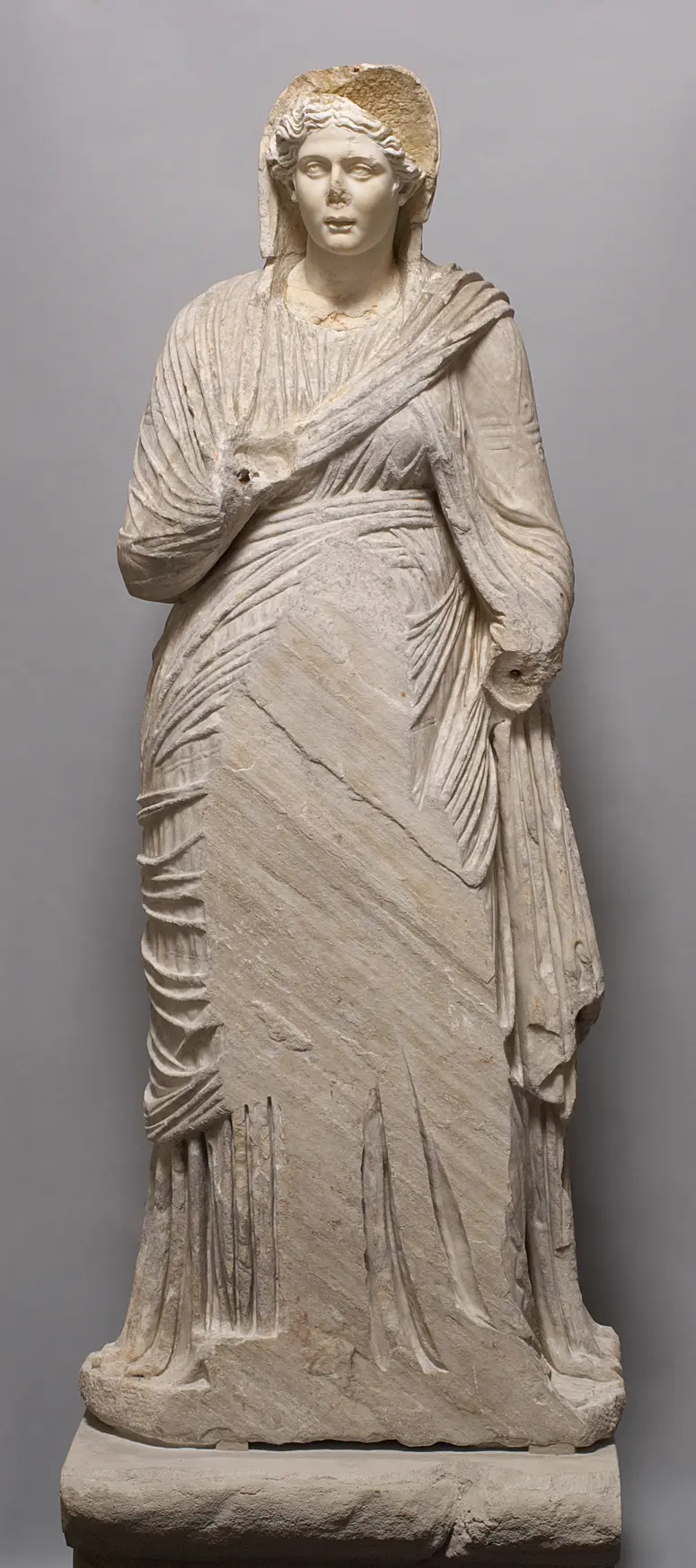
Statue: Arete Kelsou Hellenistisch-römisch, Mittlere Kaiserzeit Torso hellenistisch, Kopf 2. Jh. n. Chr.
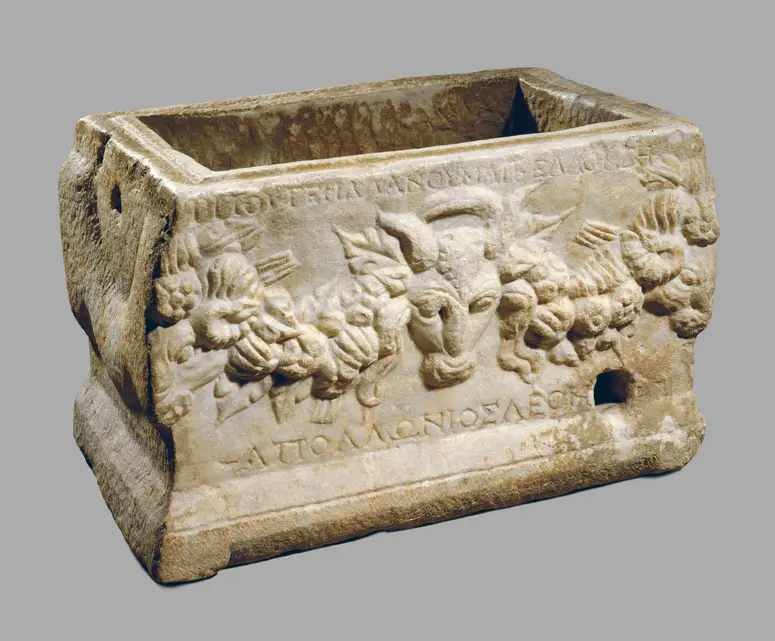
Aschenkiste des T. Gerillanus Marcellus Römisch, Kaiserzeit 1. - 2. Jh. n. Chr.
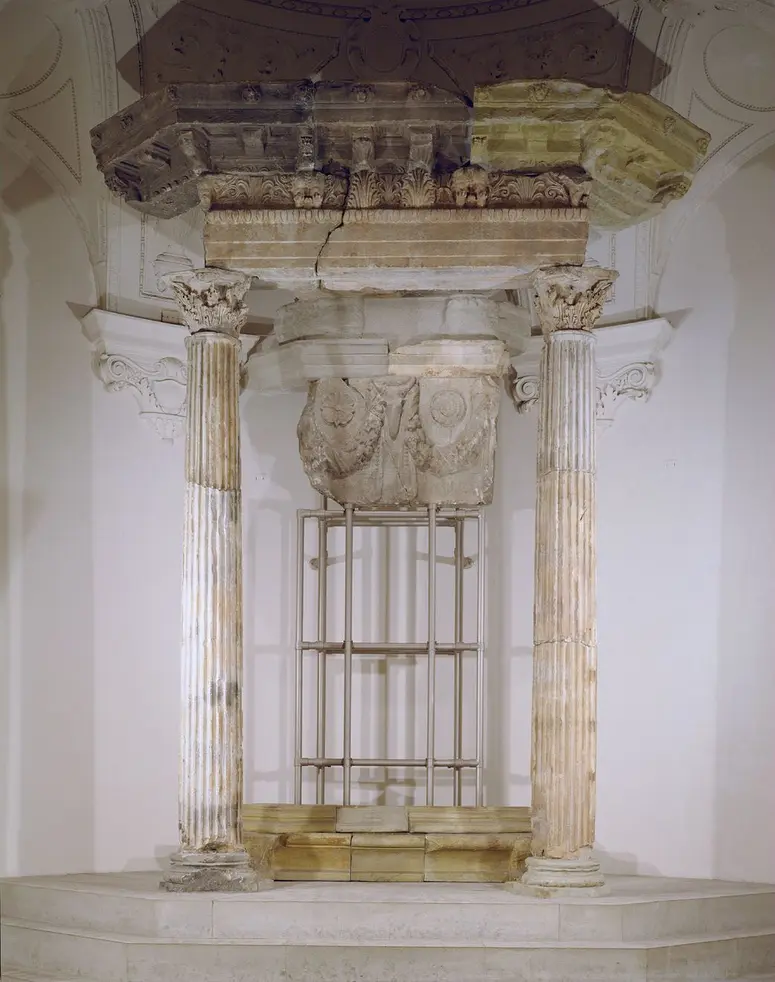
Architektur: Oktogon Römisch, Frühe Kaiserzeit 3. Drittel 1. Jh. v. Chr.

Modell: Oktogon (Grab der Arsinoe) Hergestellt 1977 - 1978

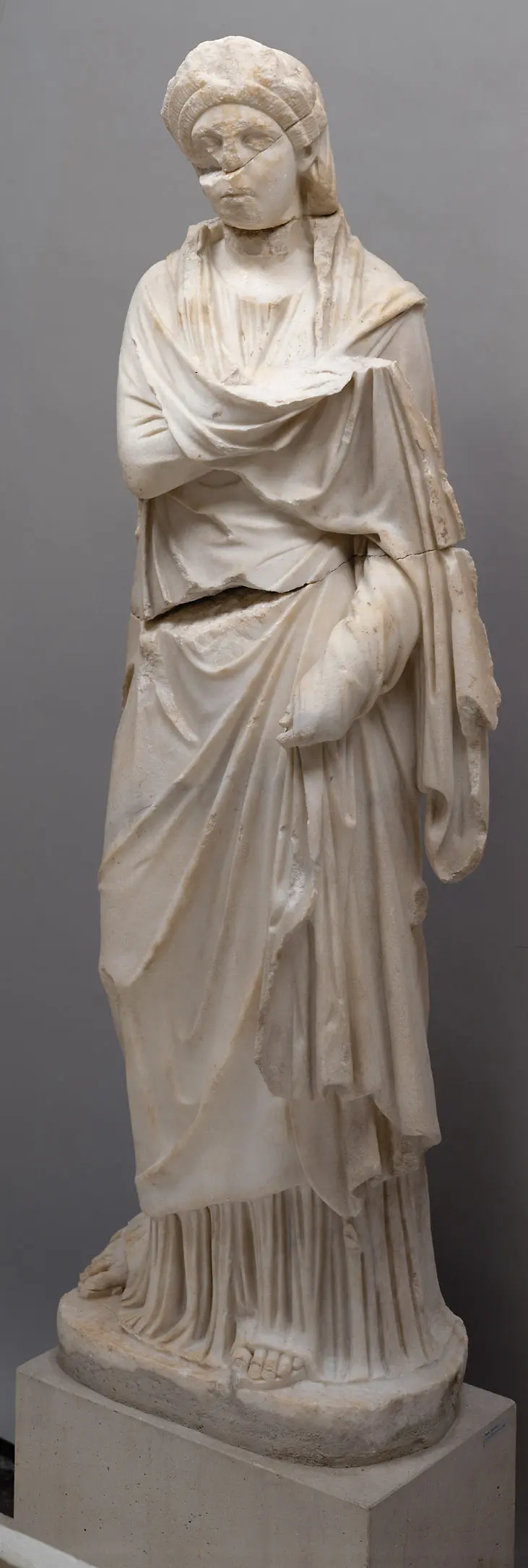
Porträtstatue: Antia Julia Pollia (?) Römisch, Mittlere Kaiserzeit 105 - 108 n. Chr.
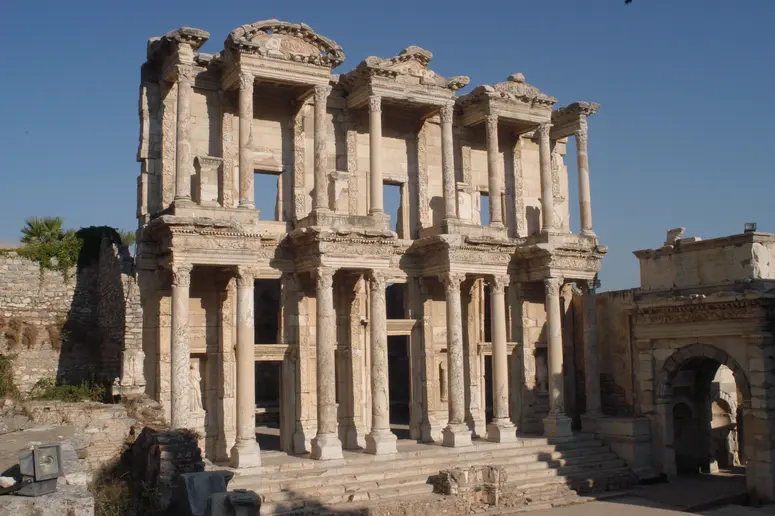
Architektur: Celsusbibliothek Römisch, Mittlere Kaiserzeit 113 - 117 n. Chr.


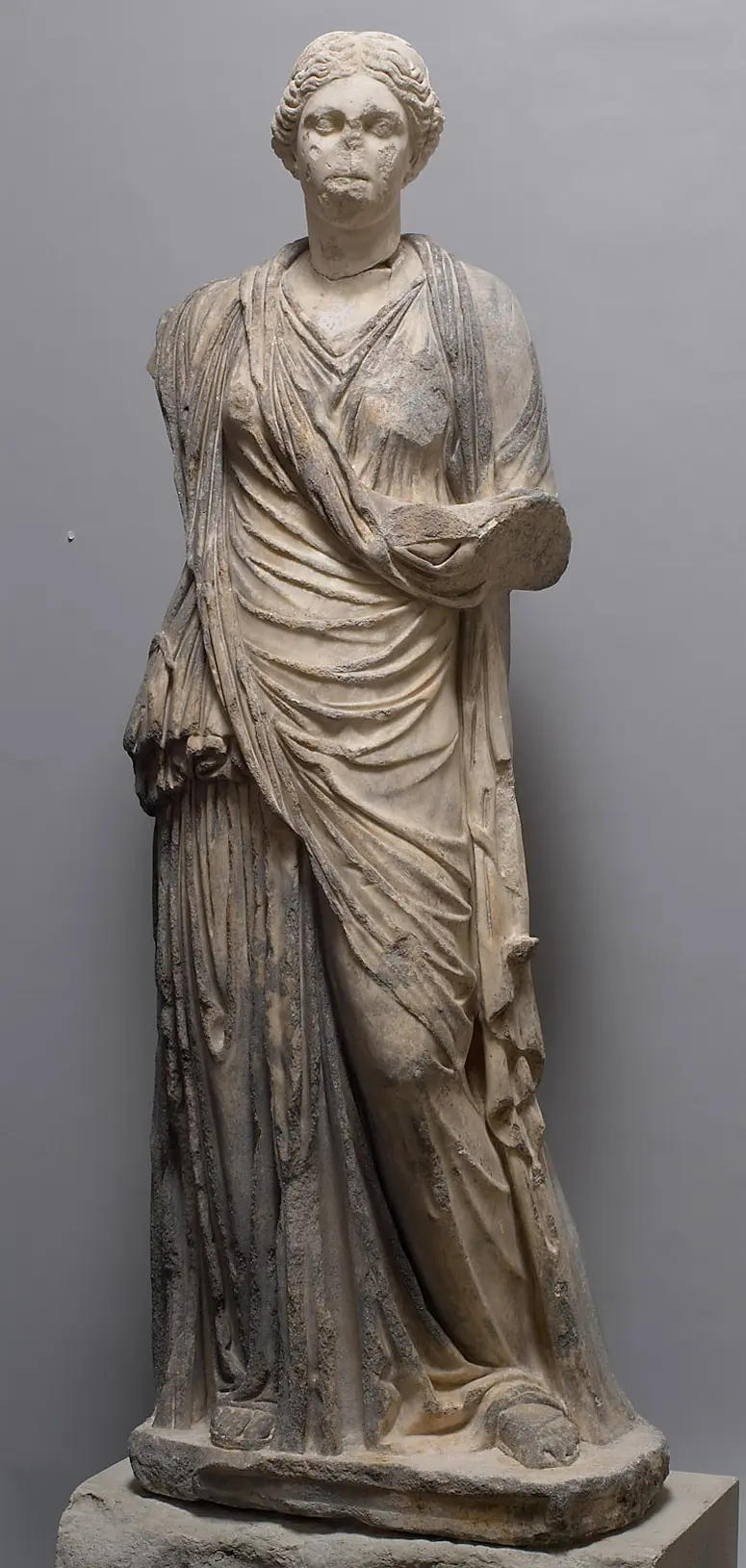
Statue: Sophia Kelsou Römisch, Mittlere Kaiserzeit 2. Jh. n. Chr., nach hellenistischem Original
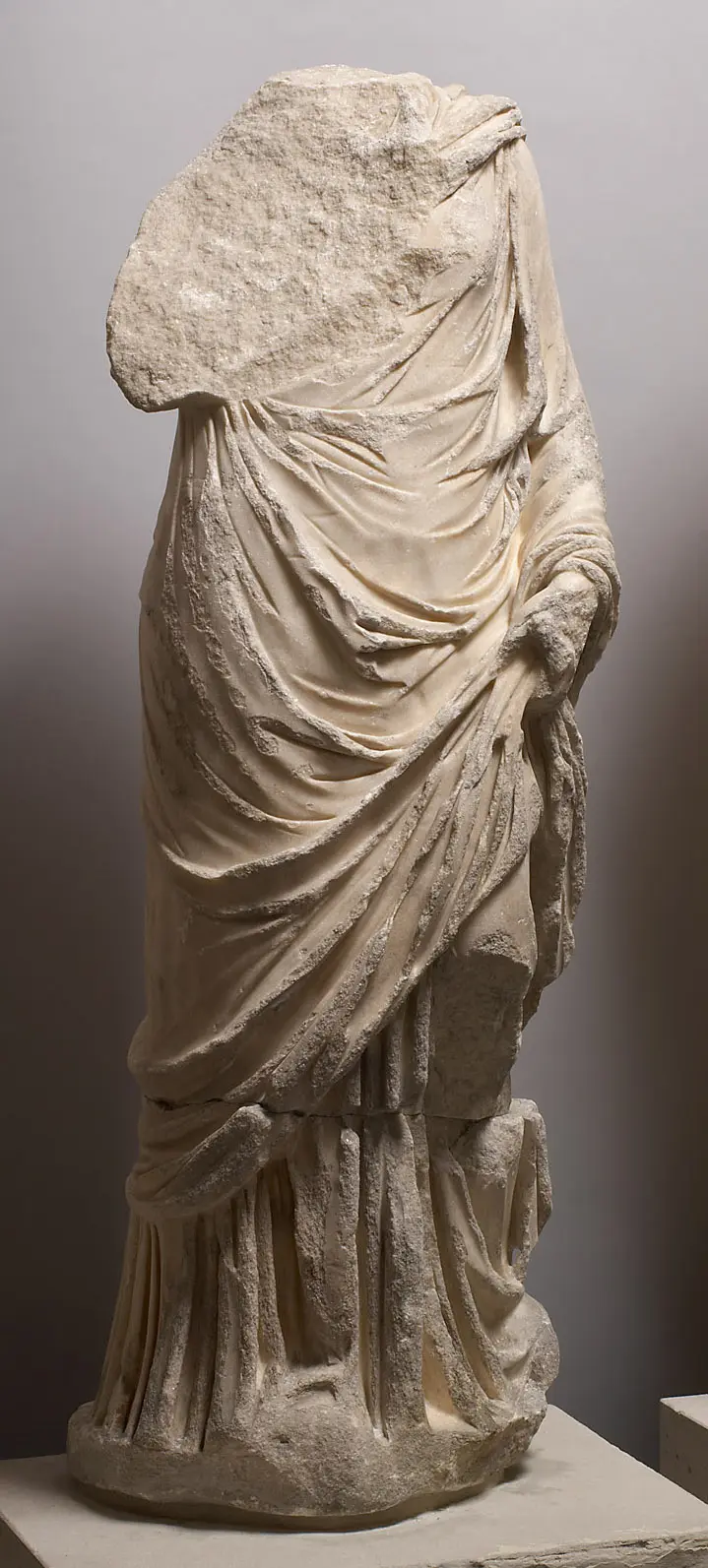
Statue: Ennoia Philippou Römisch, Mittlere Kaiserzeit 2. Jh. n. Chr., nach hellenistischem Original
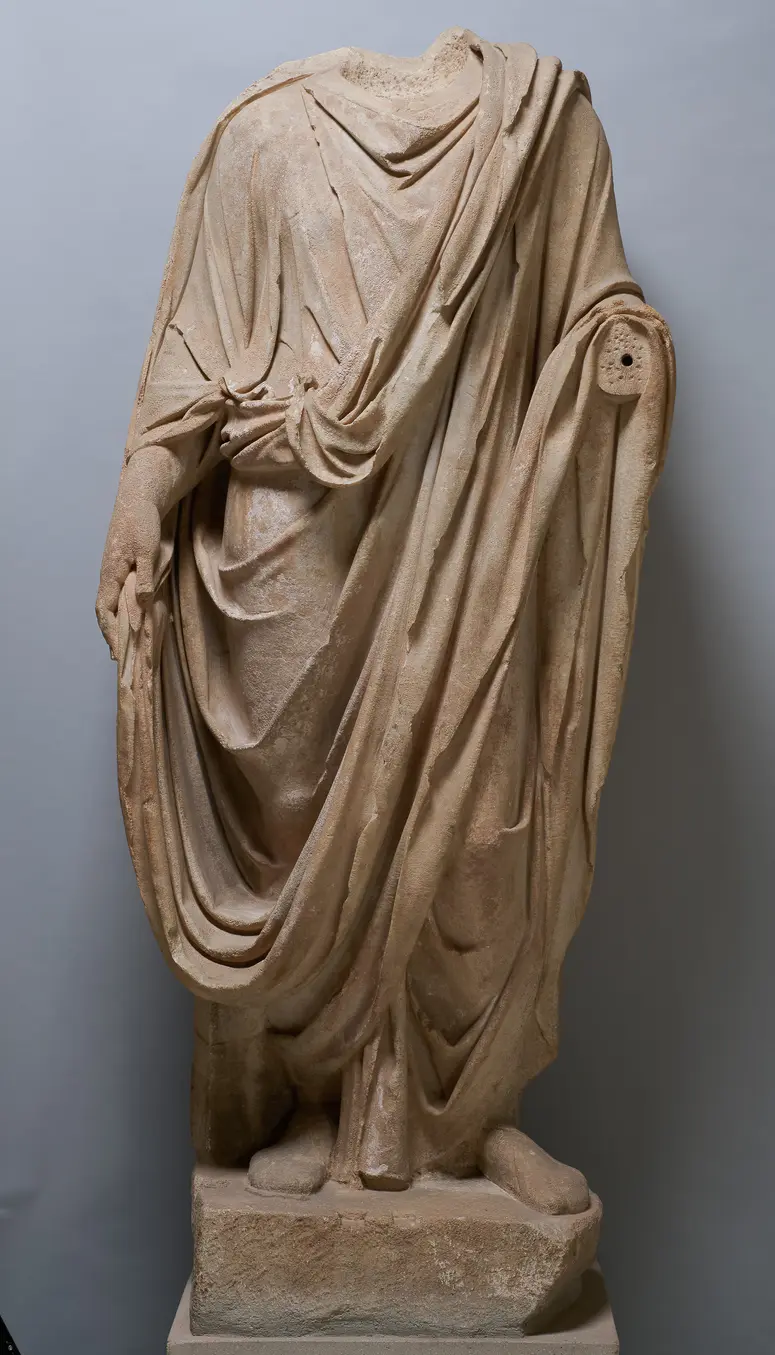
Statue: Statuentorso eines Togatus Römisch, Mittlere Kaiserzeit 1. Hälfte 2. Jh. n. Chr.
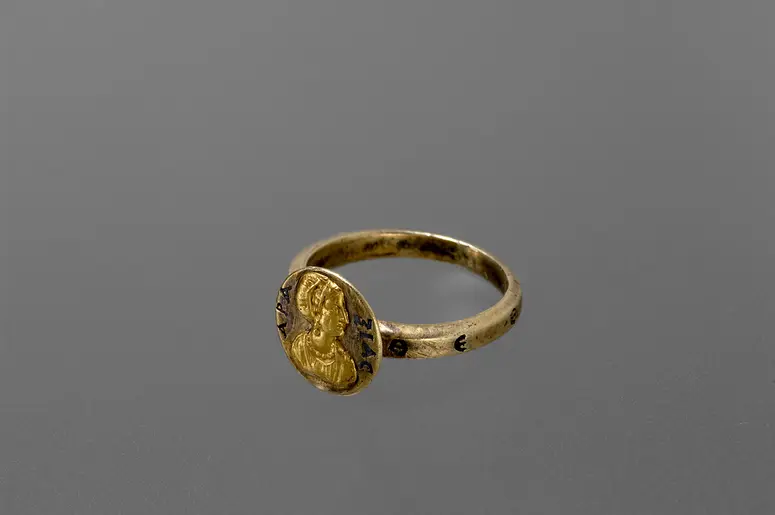
Fingerring: Fingerring mit Porträt der Araxia Frühchristlich, Spätantike 4. Jh. n. Chr.