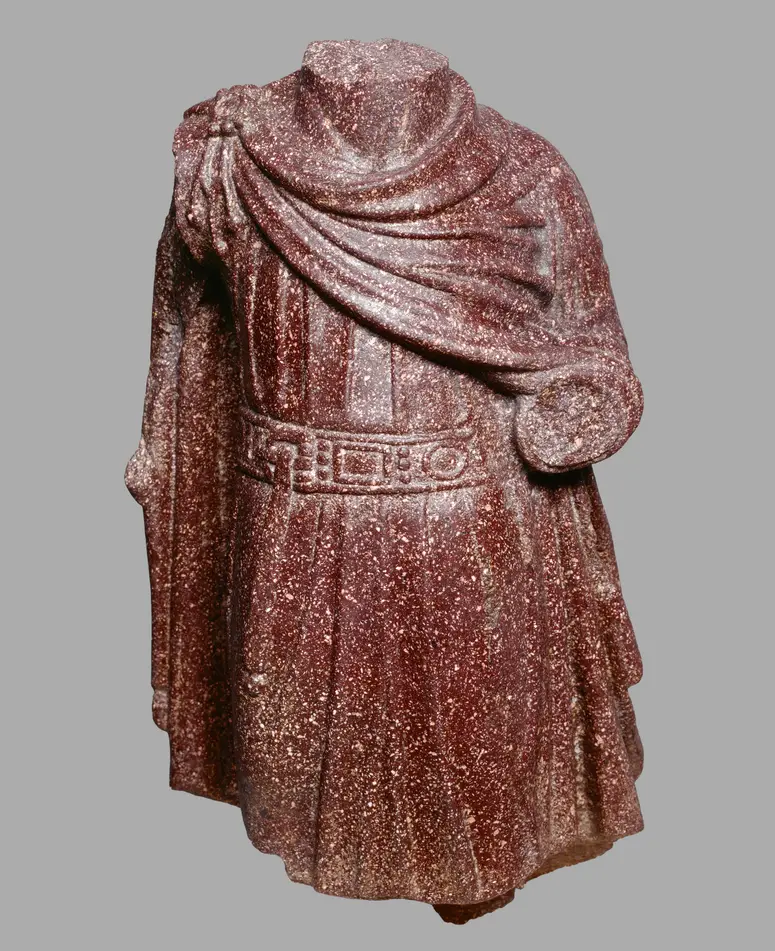
Eutropios
Mitte 5. Jh. n. Chr.
This highly expressive bust of an elderly man probably functioned as an honorary monument originally set up in a columned hall near the main theatre of Ephesus. The sitter is believed to be Eutropios, a citizen of Ephesus identified and honoured in a Greek inscription on a console found nearby as the man who paid for the paving the city’s streets. The bust’s formal abstraction and the sublimation of the sitter’s individual features are typical of artworks produced in Late Antiquity. It is an example of the typical contemporary portrait type of a high-ranking civil servant in a Roman provincial metropolis. The portrait is on show in the Kunsthistorisches Museum’s Collection of Greek and Roman Antiquities (Gallery XVIII).
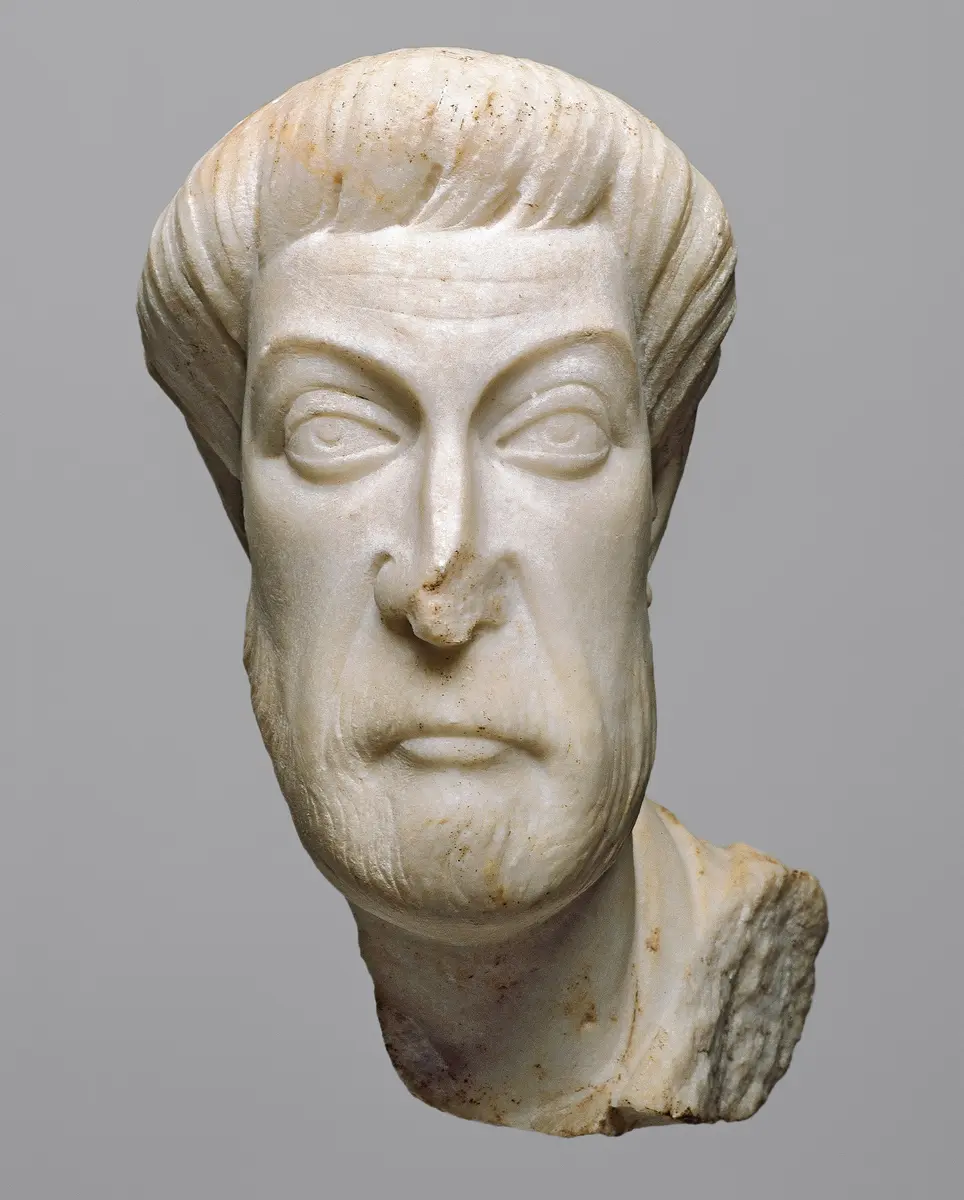
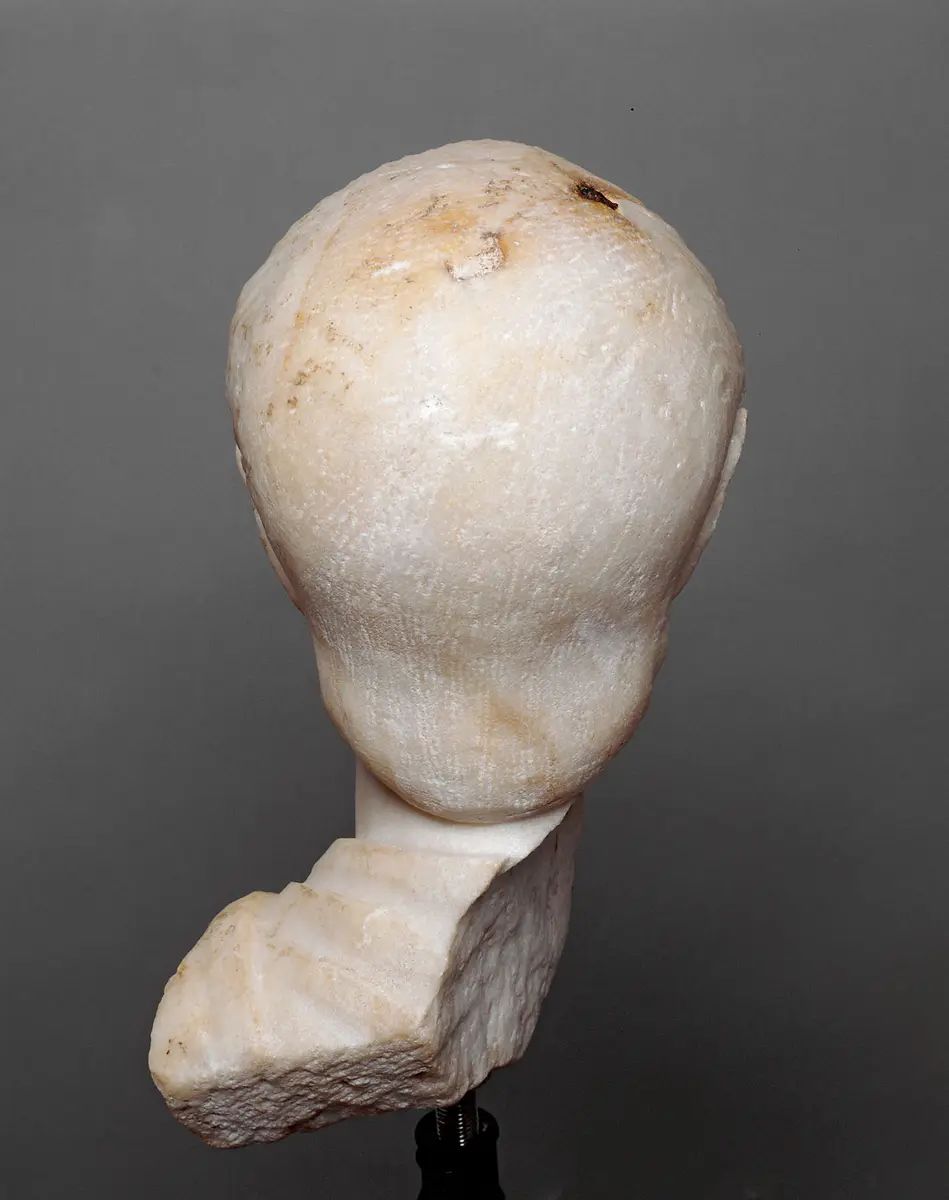
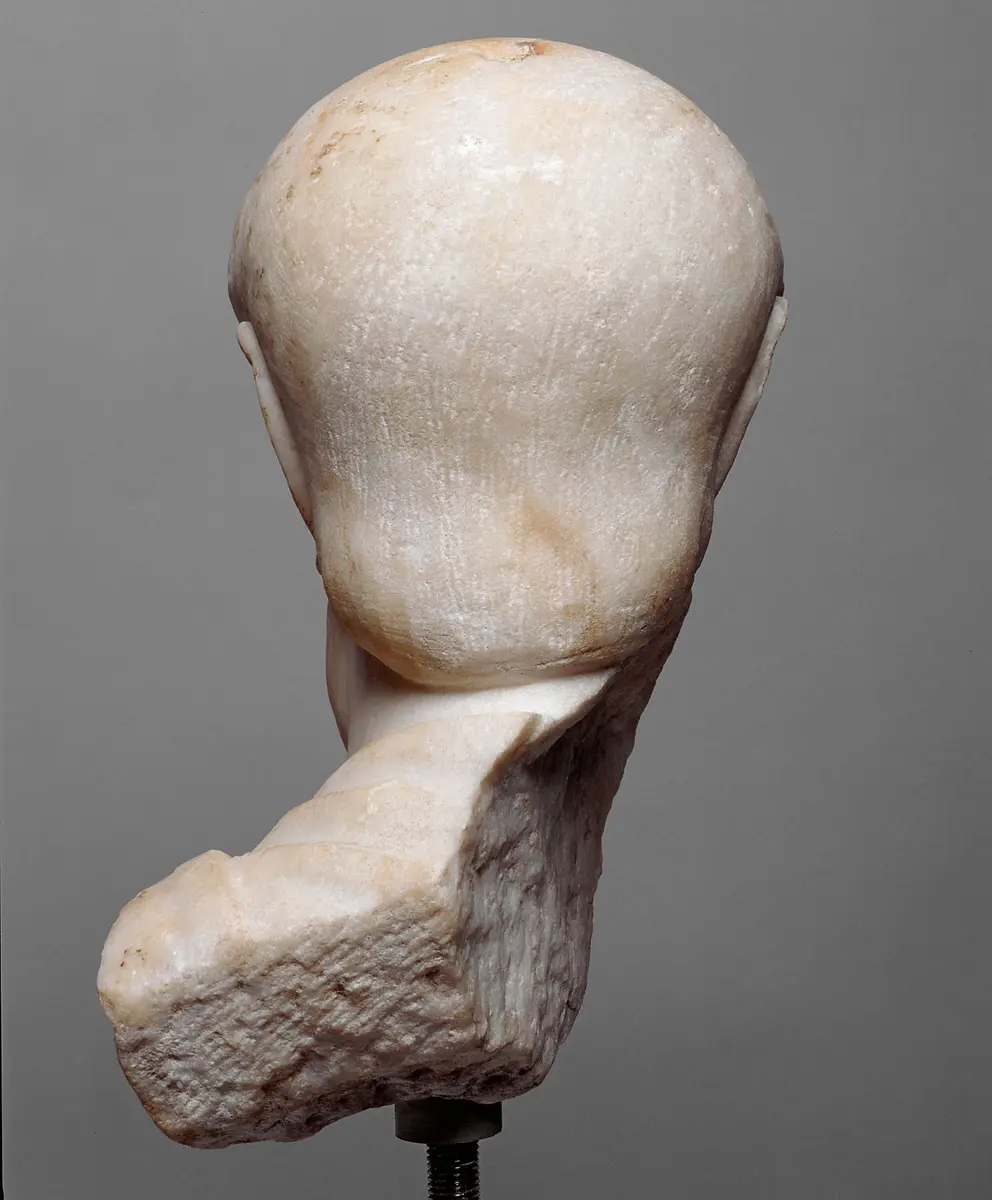
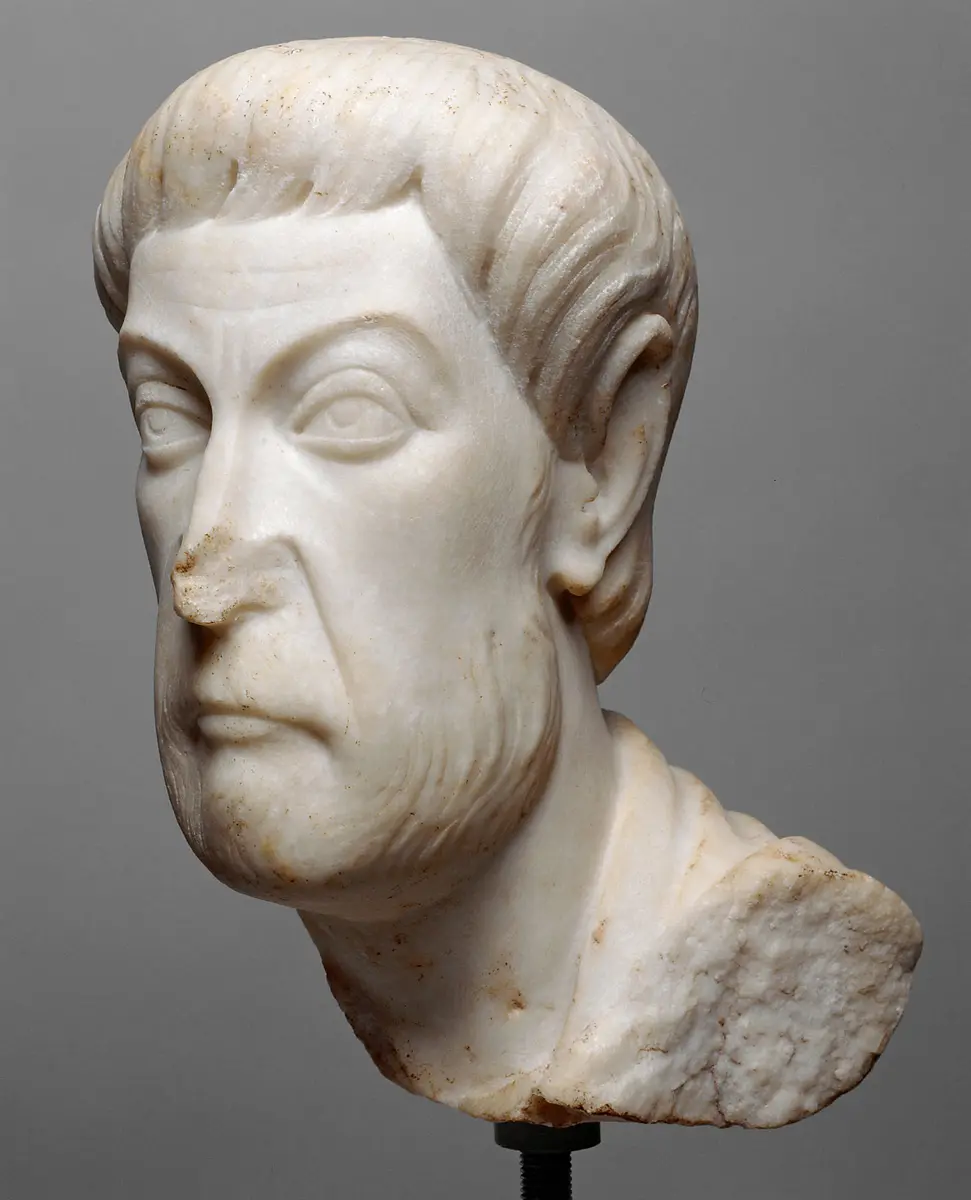
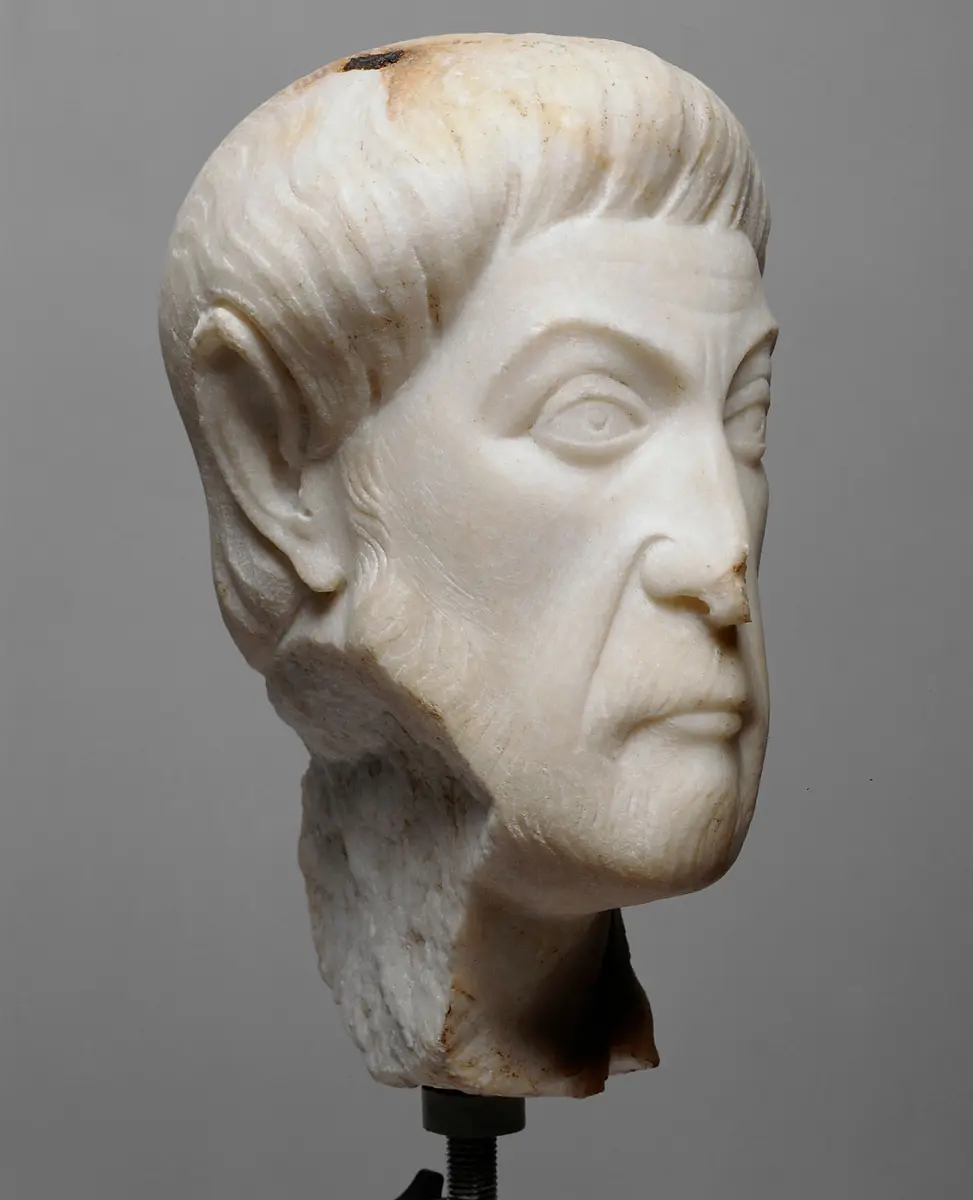
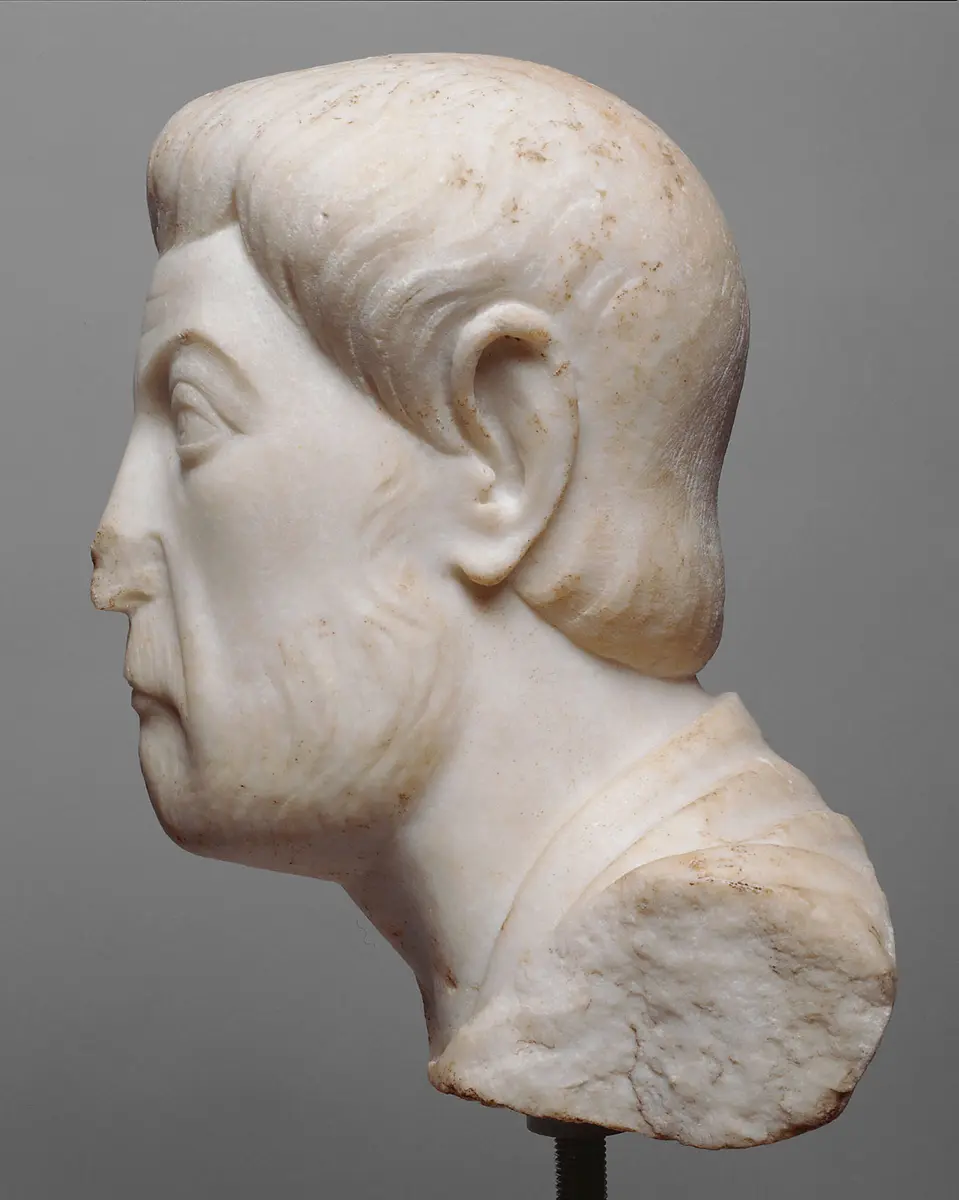
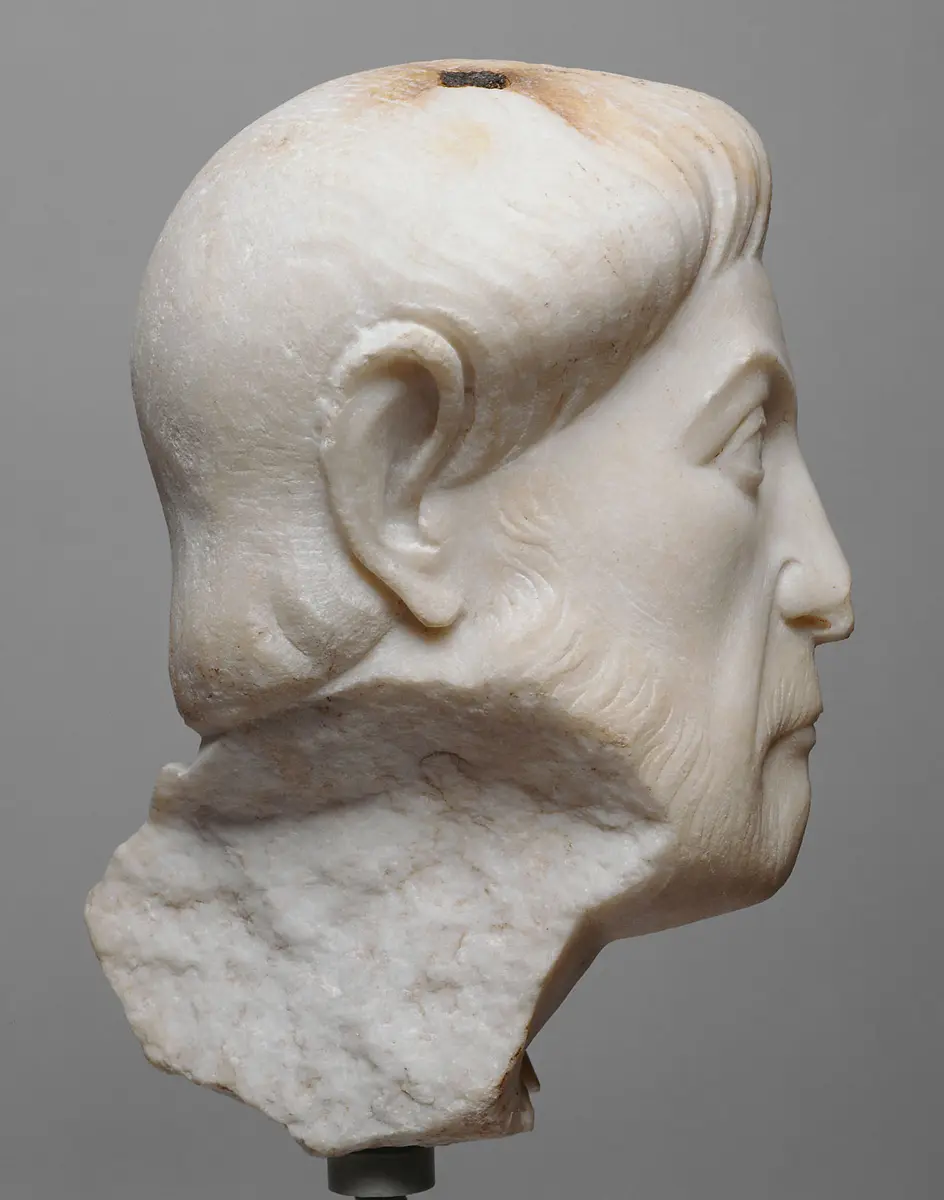
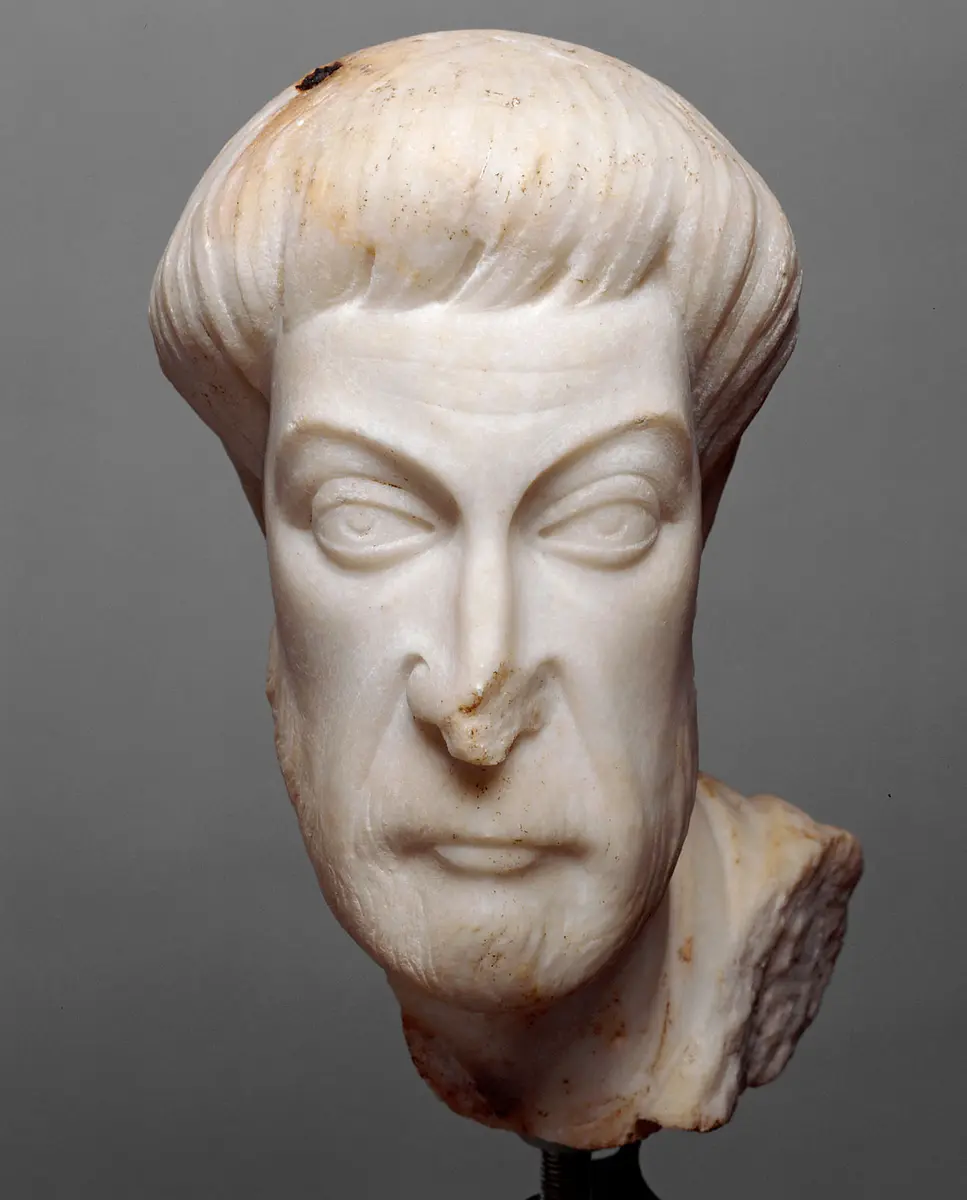
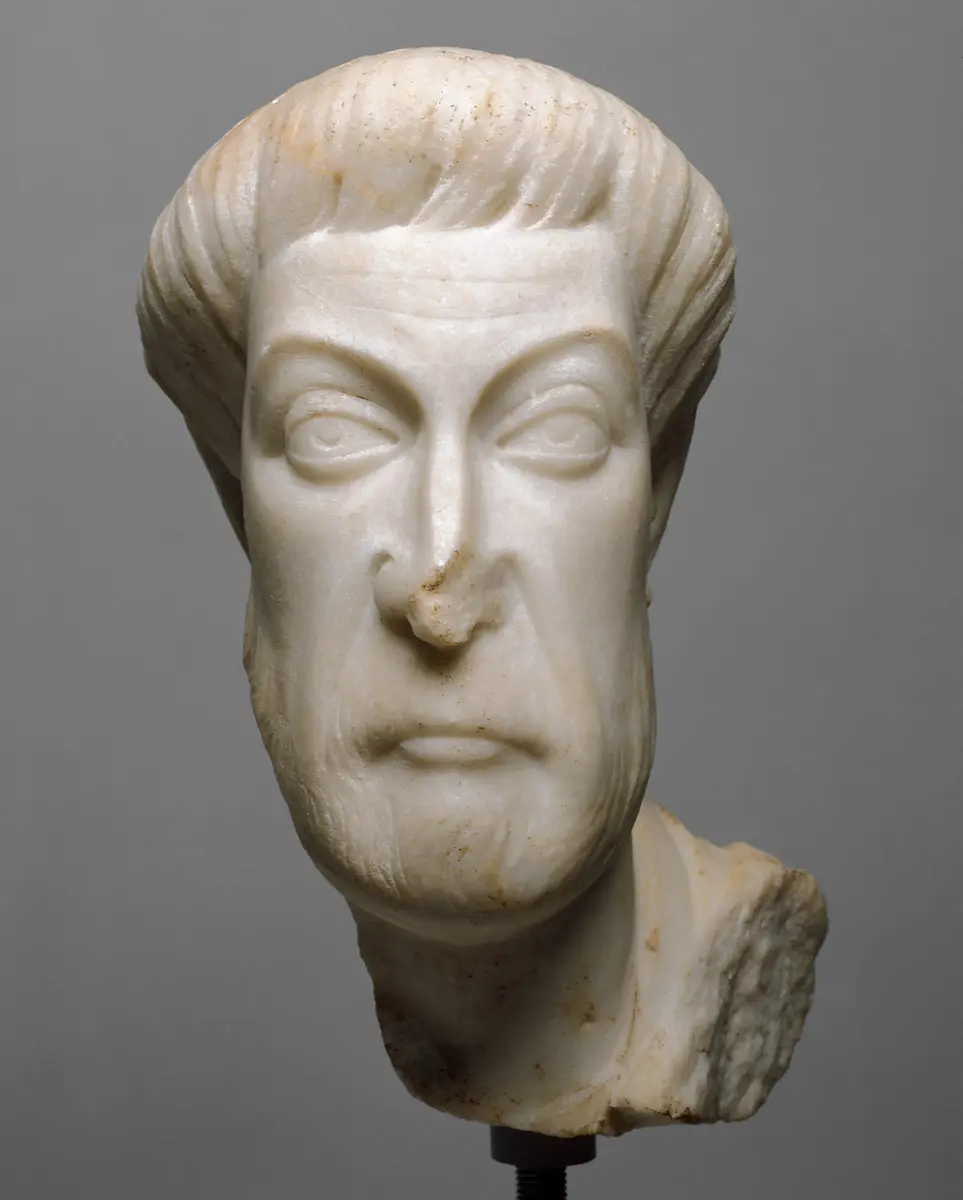
This highly expressive bust of an elderly man probably functioned as an honorary monument originally set up in a columned hall near the main theatre of Ephesus. The sitter is believed to be Eutropios, a citizen of Ephesus identified and honoured in a Greek inscription on a console found nearby as the man who paid for the paving the city’s streets. The bust’s formal abstraction and the sublimation of the sitter’s individual features are typical of artworks produced in Late Antiquity. It is an example of the typical contemporary portrait type of a high-ranking civil servant in a Roman provincial metropolis. The portrait is on show in the Kunsthistorisches Museum’s Collection of Greek and Roman Antiquities (Gallery XVIII).
Time:
Mitte 5. Jh. n. Chr.
Object Name
Porträtbüste
Culture
Oströmisch
Location of discovery:
Ephesos Straße östlich der Agora (Selçuk, Kleinasien, Türkei)
Material/technology:
Marmor
Dimensions:
H. 30,5 cm
Copyright
Kunsthistorisches Museum, Antikensammlung
Invs.
Antikensammlung, I 880
Provenance
Sultan, Abdul, Hamid, II.; Österreichische Ausgrabungen in Ephesos; Geschenk an Kaiser Franz Joseph; 1911 nachträglich inventarisiert
Browse more
Similar items you might be interested in
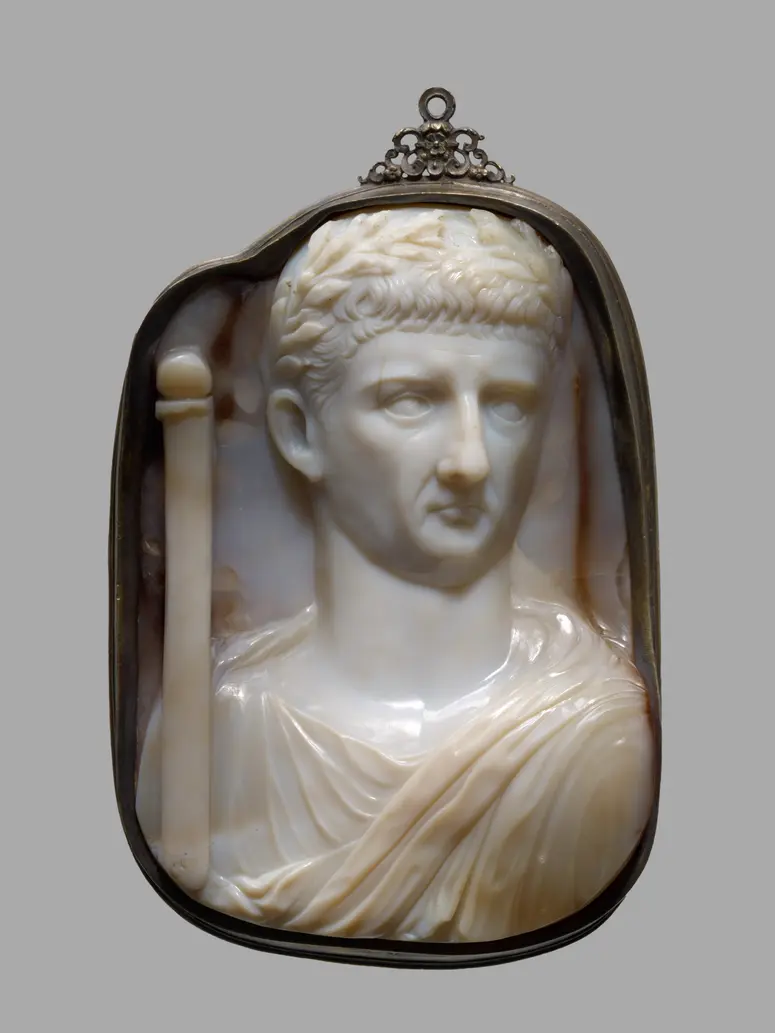
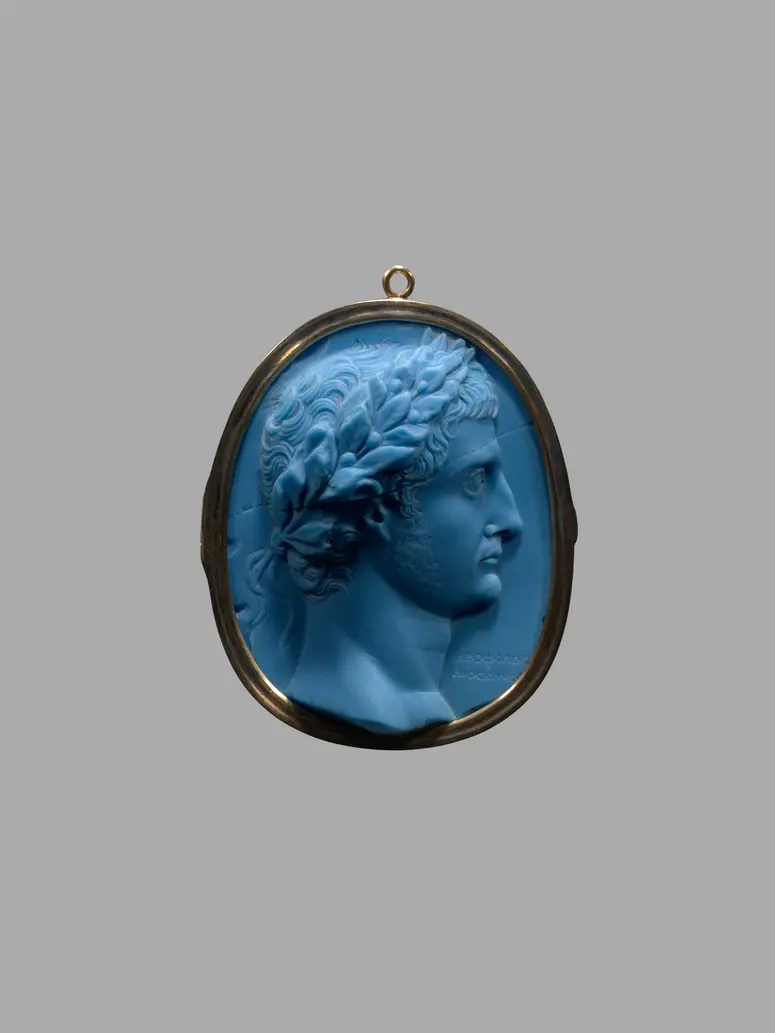
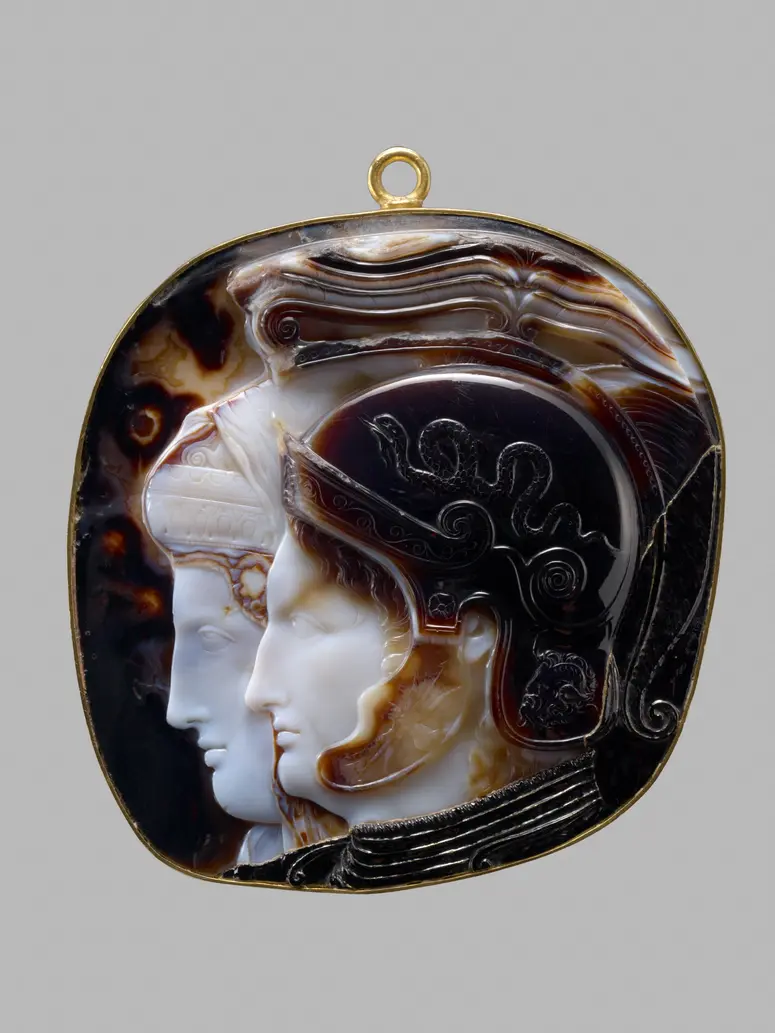
Glaskameo des Herophilos: Porträt des Drusus maior Römisch, Frühe Kaiserzeit um 20 n. Chr.
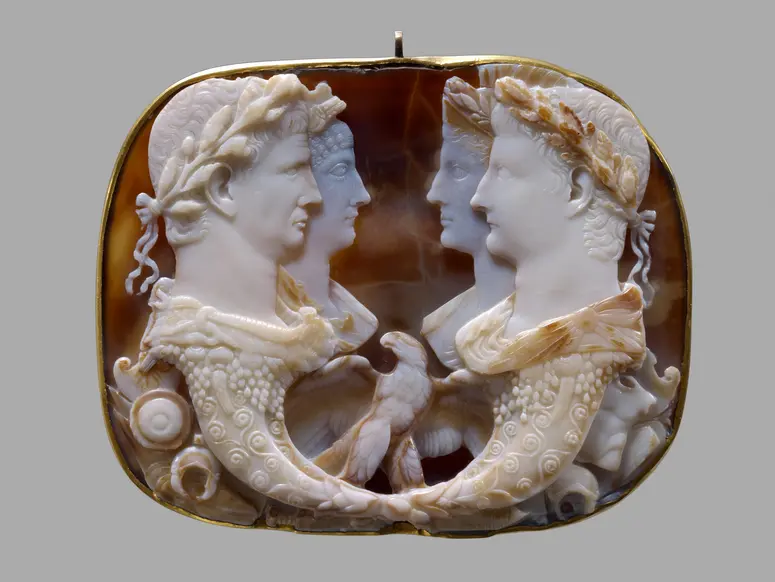
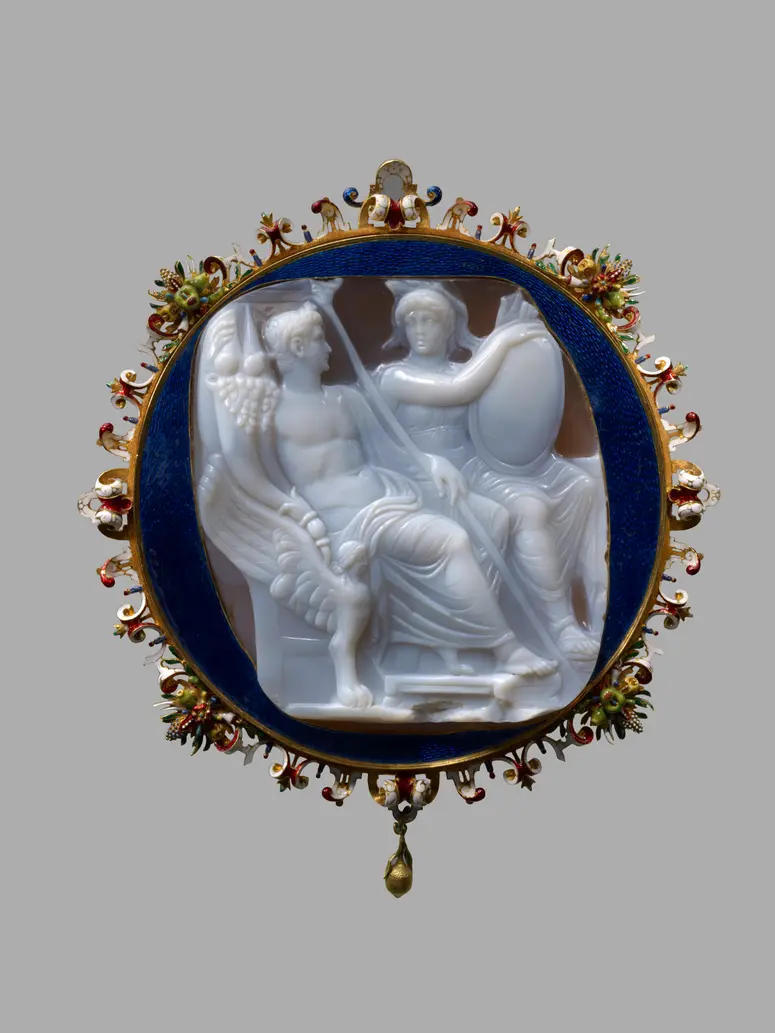
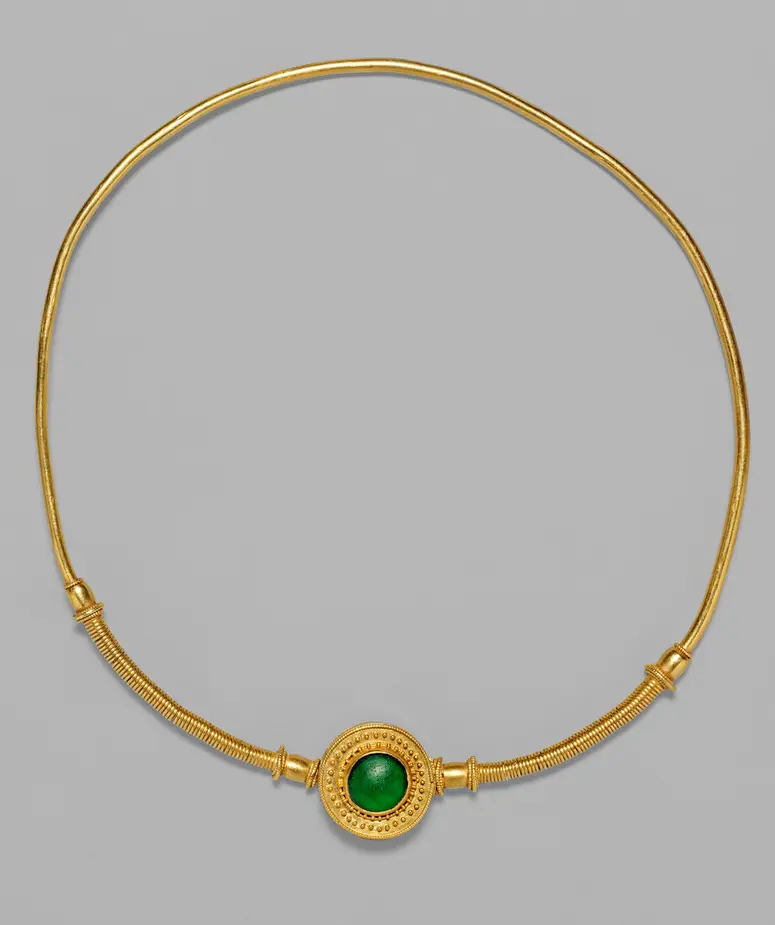
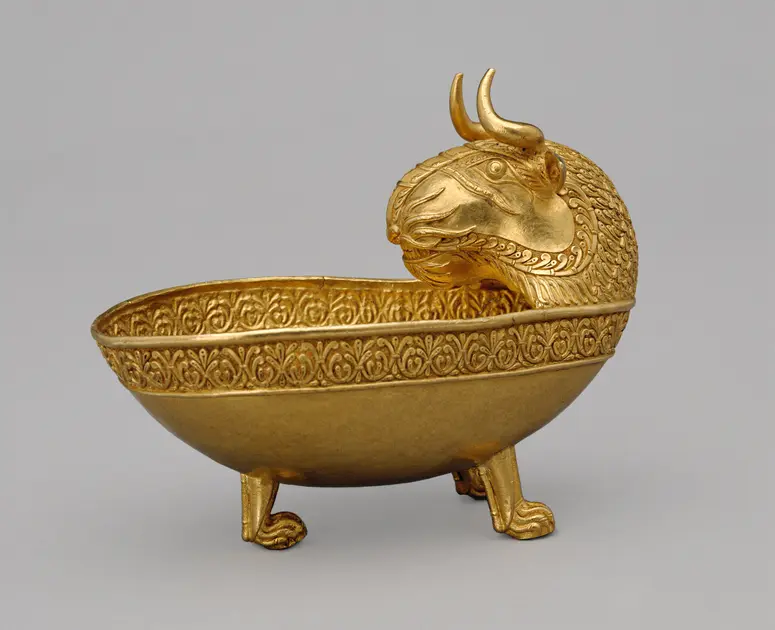
Stierkopfschale: Stierkopfschale Frühes Mittelalter 7. - 9. Jh. n. Chr. (2. Hälfte 8. Jh. n. Chr.?)
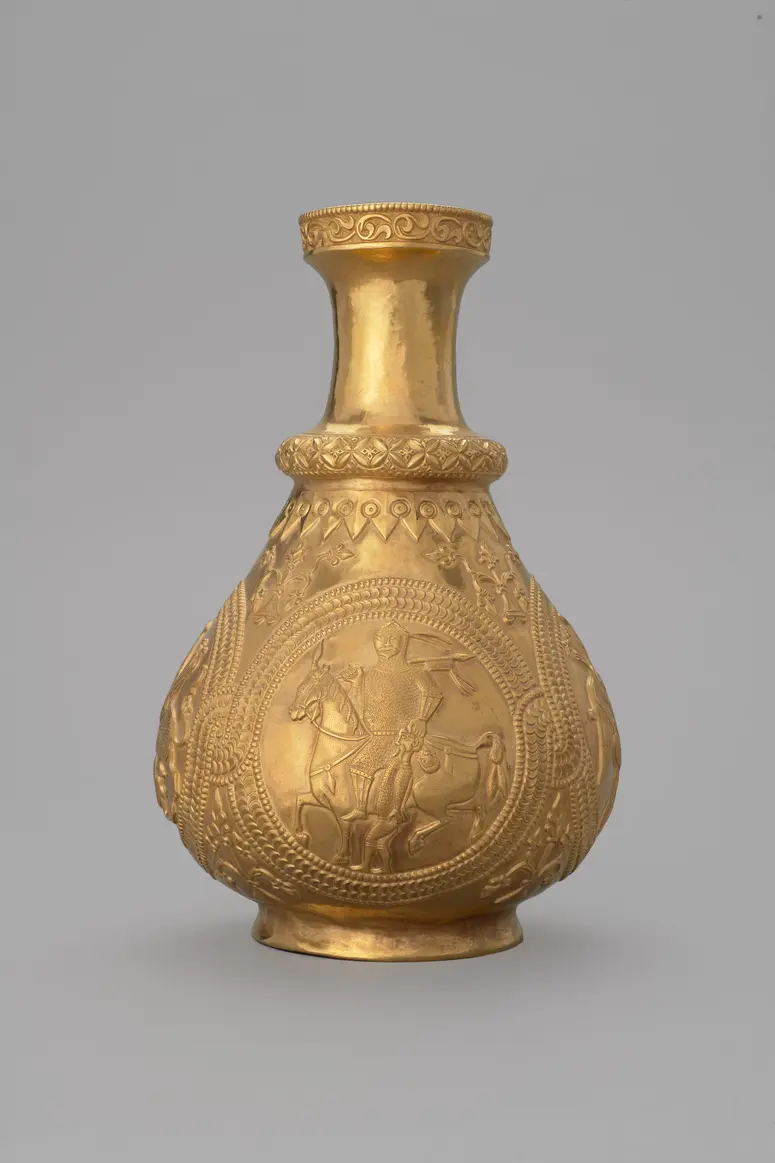
Medaillonkrug: Medaillonkrug Frühes Mittelalter 7. - 9. Jh. n. Chr. (1. Hälfte 8. Jh. n. Chr.?)
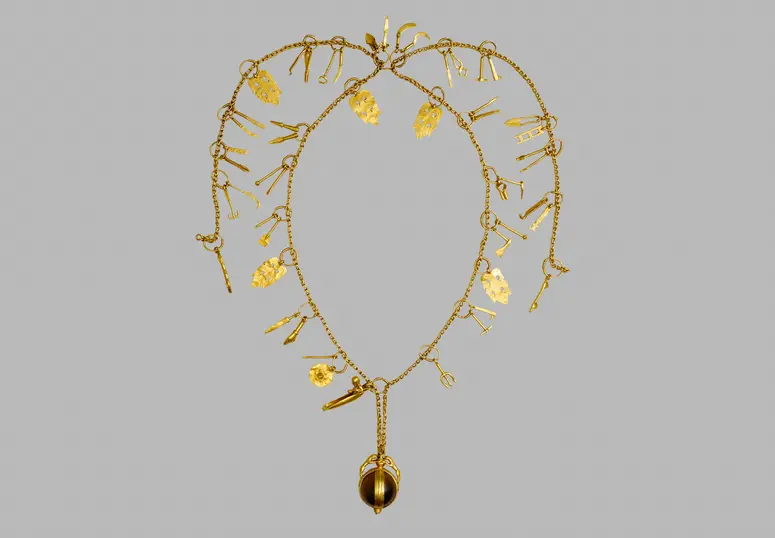
Goldkette mit 52 Anhängern: Goldkette mit 52 Anhängern Völkerwanderungszeit, Ostgermanisch (gepidisch?) Deponierung etwa 2. Viertel 5. Jh. n. Chr.

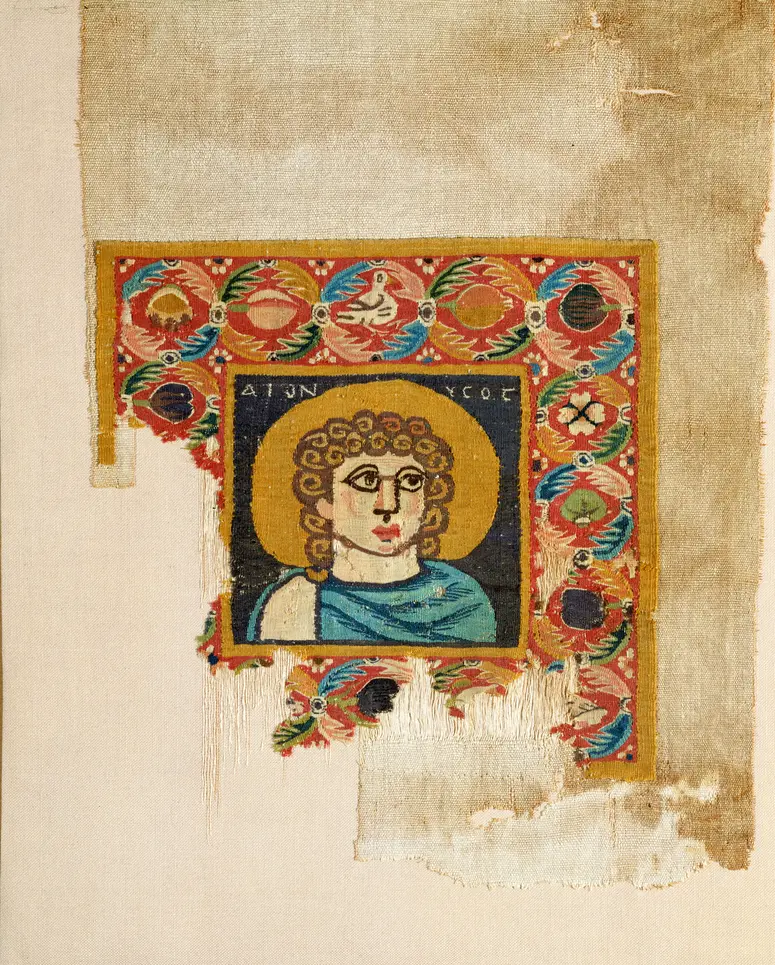
Statue: Jüngling vom Magdalensberg Neuzeitlich Abguss des 16. Jh. nach römischem Original