Viola d'amore
early 18. century | anonym
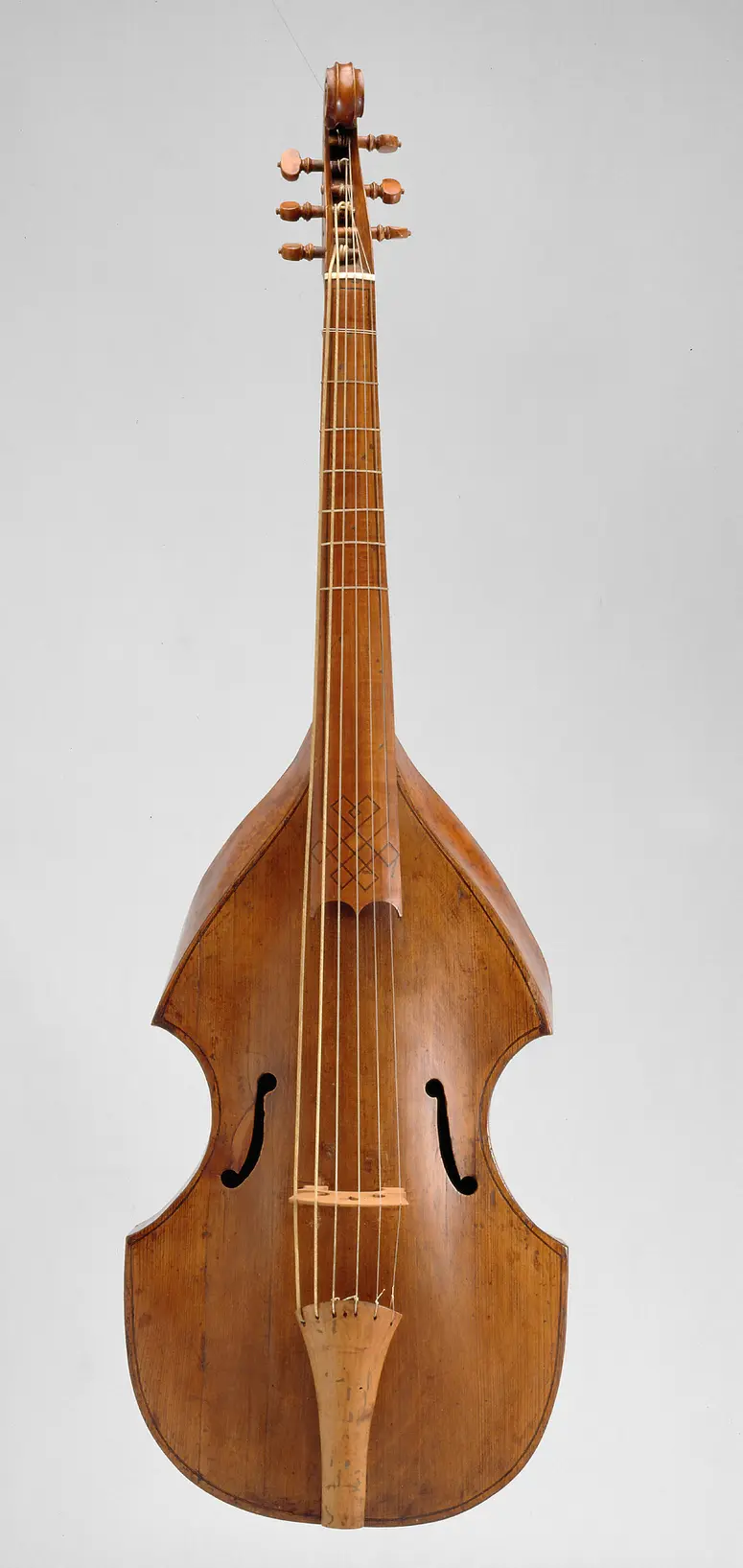
Viole d’amore were being built as early as the 17th century and were primarily the instruments of the connoisseur. They were played as a solo instrument or in chamber ensembles. Vivaldi, Stamitz and other composers wrote concerti for the instrument. The body of the viola d’amore is largely the same as that of the gamba. Like this instrument, it has sloping shoulders, a flat back and no protruding edges. The number of playing strings - usually six, on later instruments occasionally seven - was also the same as the viola da gamba. In addition to these strings, the above-mentioned resonating strings are strung beneath the fingerboard. The number varies from six to fourteen. The tuning of the fingered strings is not standardised and can vary according to the key of the piece. Tunings to a D major or D minor chord are common. Double stops and chords are readily playable on the instrument and are typical of the sound of the viola d’amore. (rh)
Lit.: Rudolf Hopfner: Masterpieces from the Collection of Historic Musical Instruments. A Short Guide through the Kunsthistorisches Museum Vienna, Vol. 1, Vienna 2019
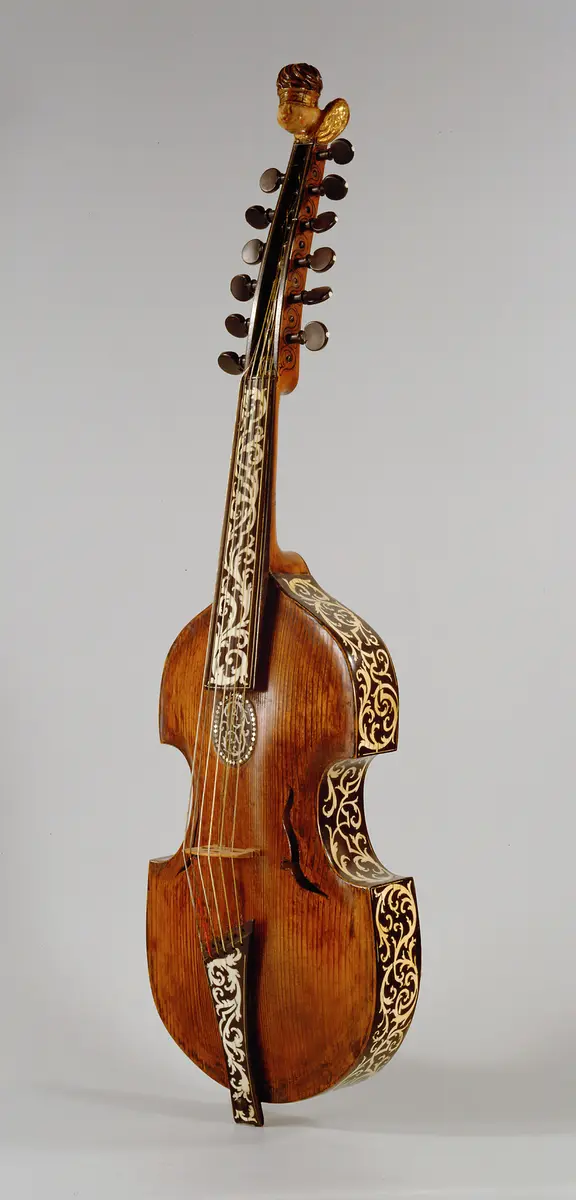
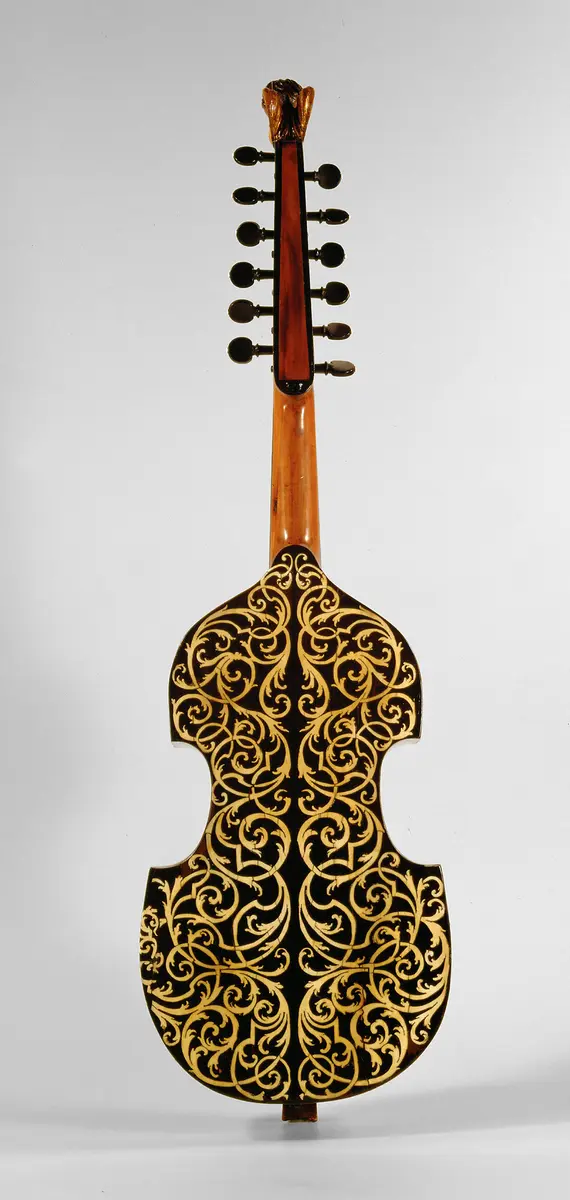
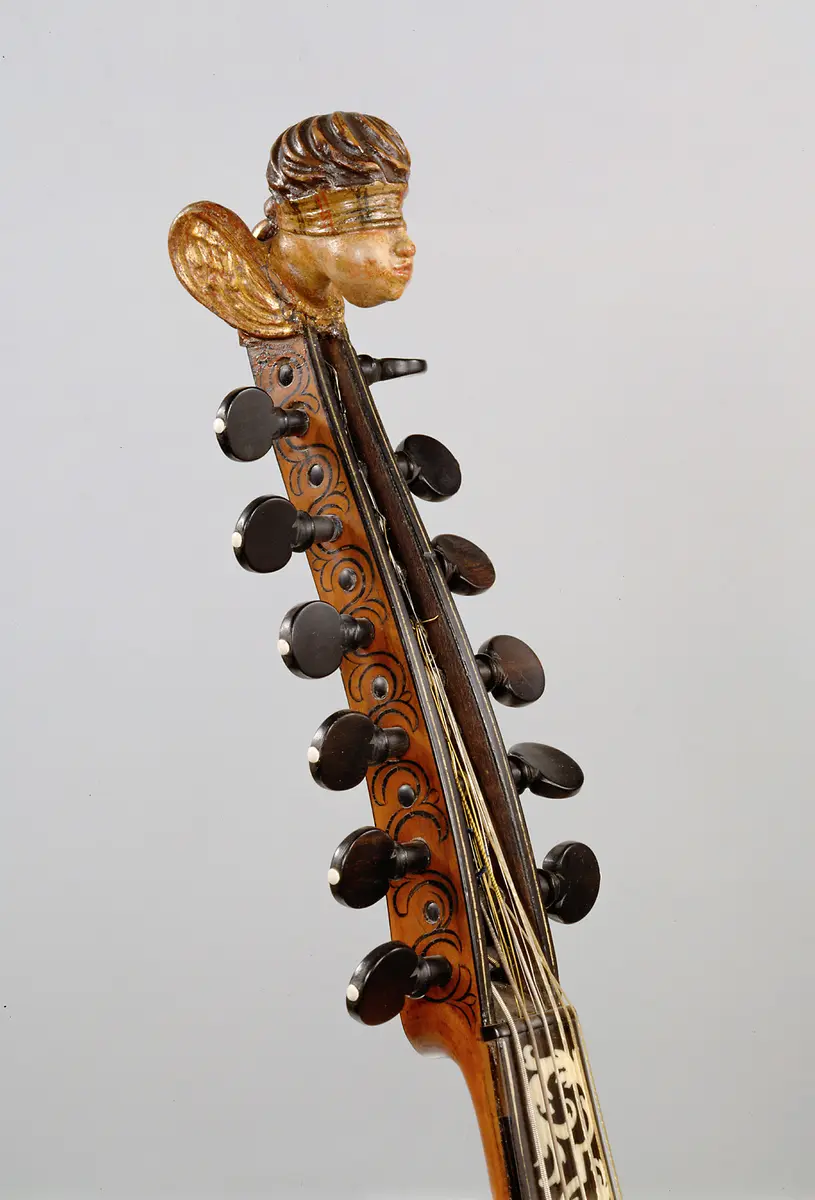
Viole d’amore were being built as early as the 17th century and were primarily the instruments of the connoisseur. They were played as a solo instrument or in chamber ensembles. Vivaldi, Stamitz and other composers wrote concerti for the instrument. The body of the viola d’amore is largely the same as that of the gamba. Like this instrument, it has sloping shoulders, a flat back and no protruding edges. The number of playing strings - usually six, on later instruments occasionally seven - was also the same as the viola da gamba. In addition to these strings, the above-mentioned resonating strings are strung beneath the fingerboard. The number varies from six to fourteen. The tuning of the fingered strings is not standardised and can vary according to the key of the piece. Tunings to a D major or D minor chord are common. Double stops and chords are readily playable on the instrument and are typical of the sound of the viola d’amore. (rh)
Lit.: Rudolf Hopfner: Masterpieces from the Collection of Historic Musical Instruments. A Short Guide through the Kunsthistorisches Museum Vienna, Vol. 1, Vienna 2019
Manufacturer:
anonym
Time:
early 18. century
Object Name
Viola d'amore
Culture
Southern Germany (assigned)
Dimensions:
785 mm x 410 mm x 90 mm
Copyright
Kunsthistorisches Museum, Sammlung alter Musikinstrumente
Invs.
Sammlung alter Musikinstrumente, 397
Alte Inv.Nr.:
KK_8974
Browse more
Similar items you might be interested in
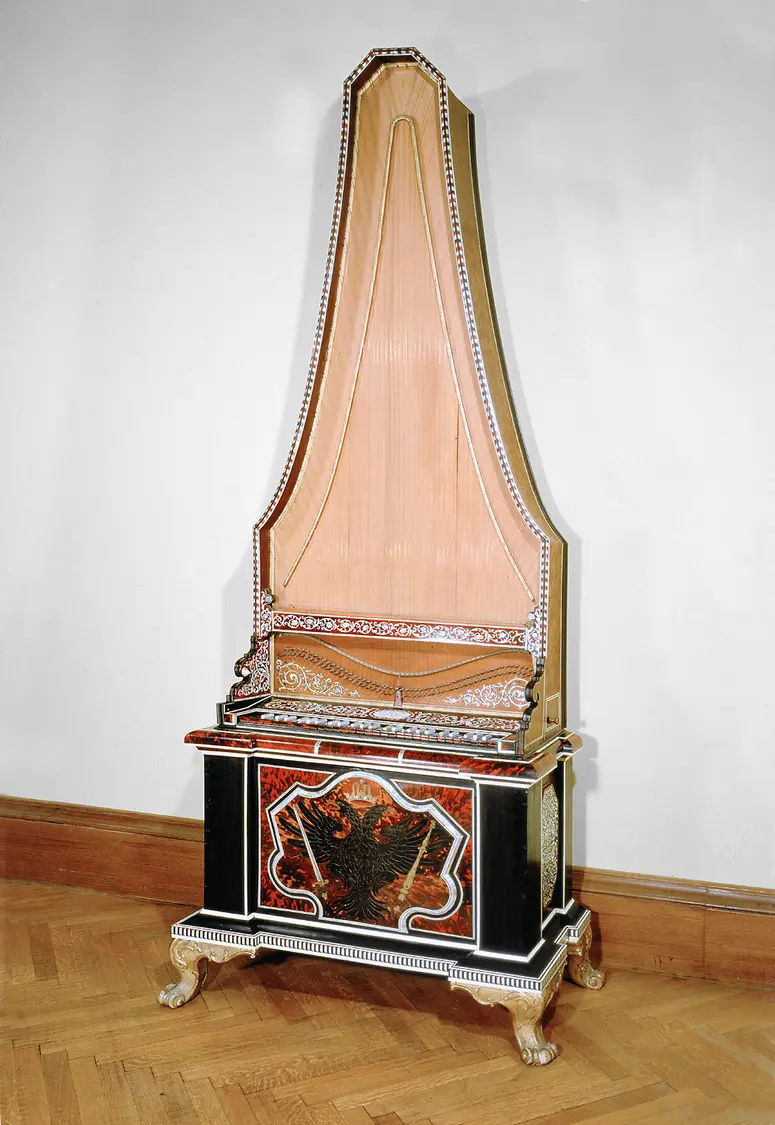
Manufacturer: Martin Kaiser 2nd half of the 17th century
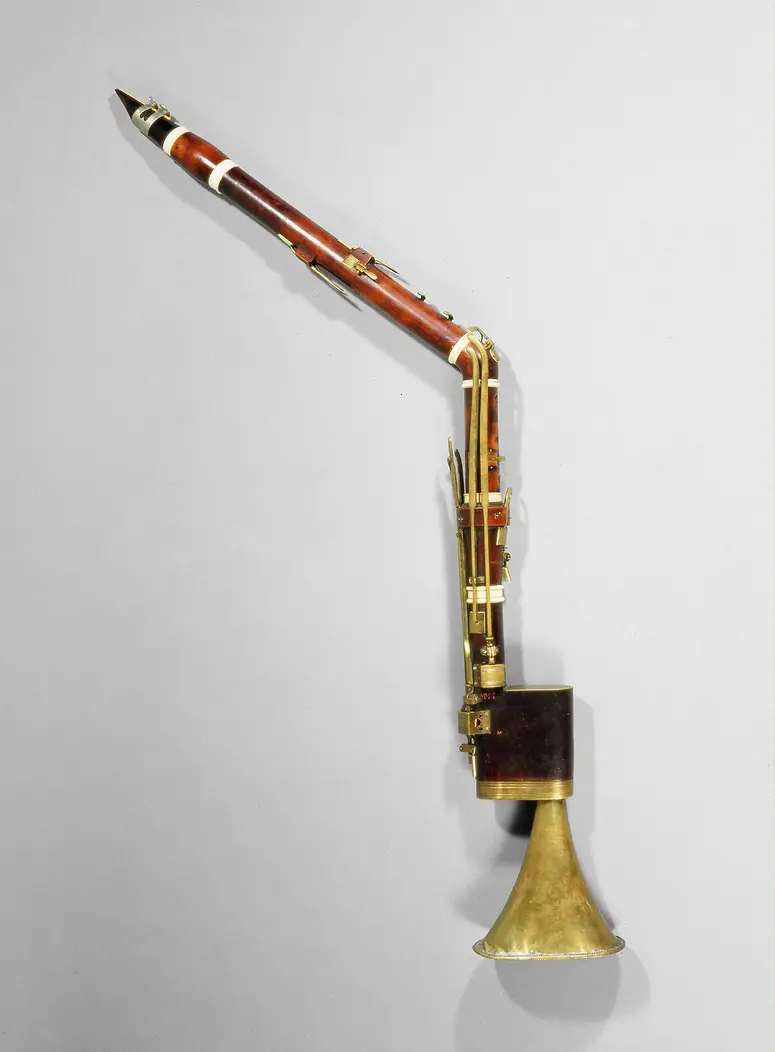
Manufacturer: Johann Baptist Merklein approx. 1800
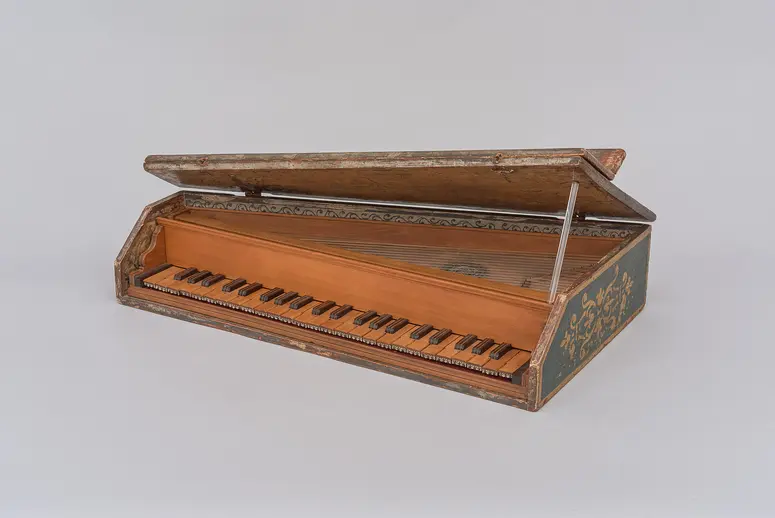
Manufacturer: anonym 2nd half of the 16th century (assigned)
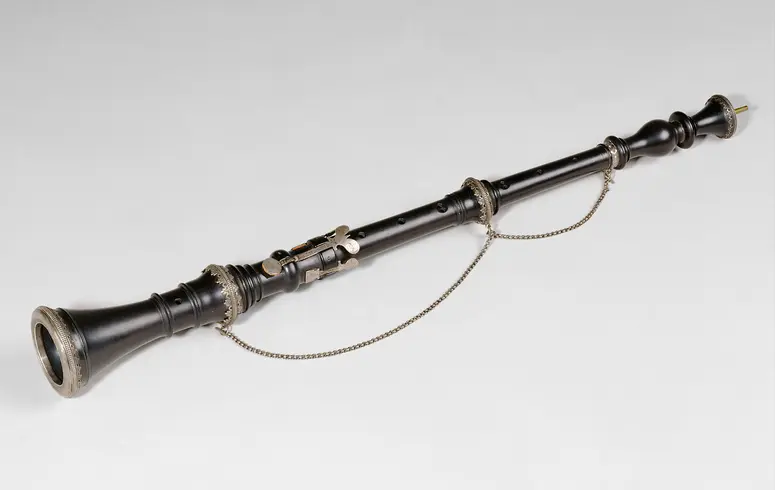
Manufacturer: Hendrik Richters beginning of the 18th century
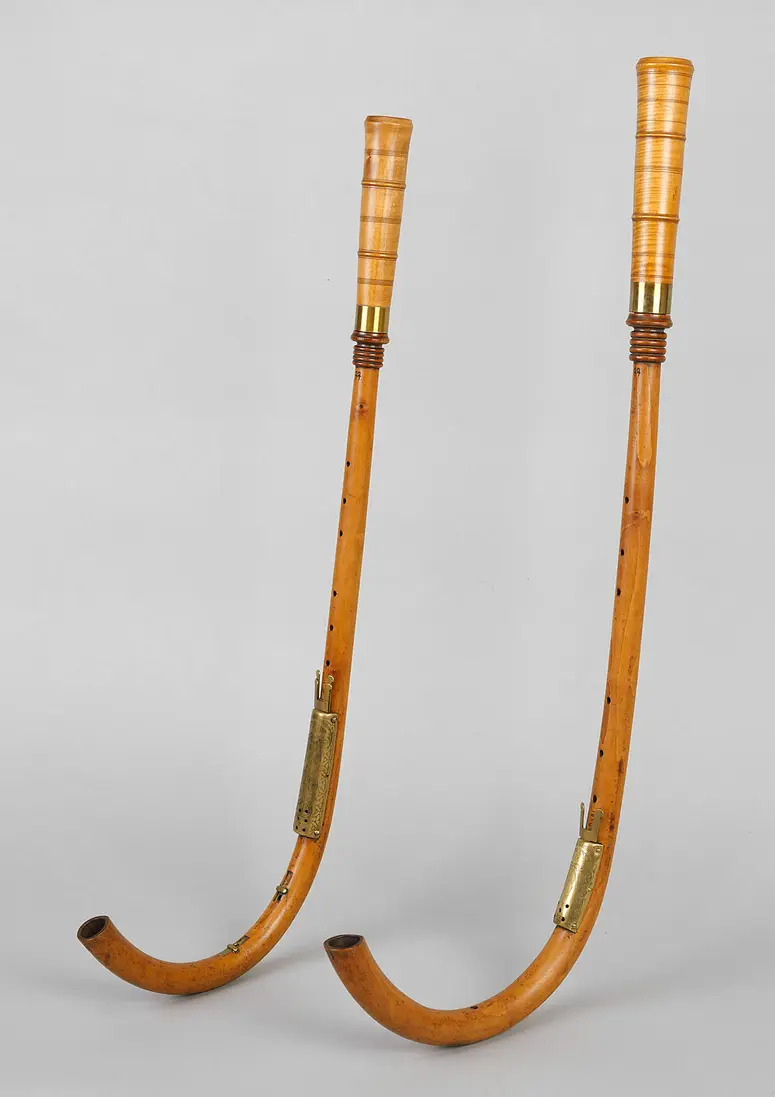
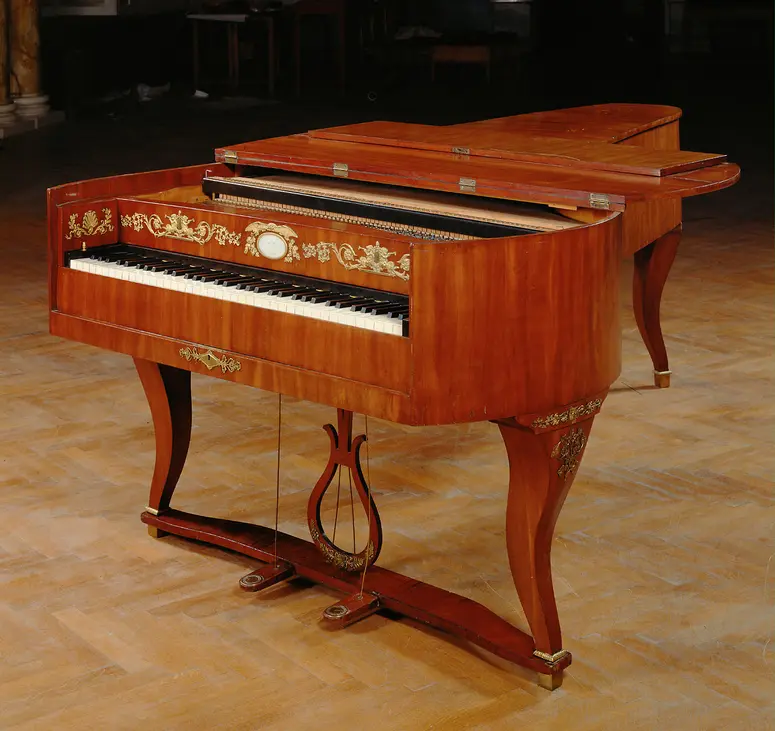
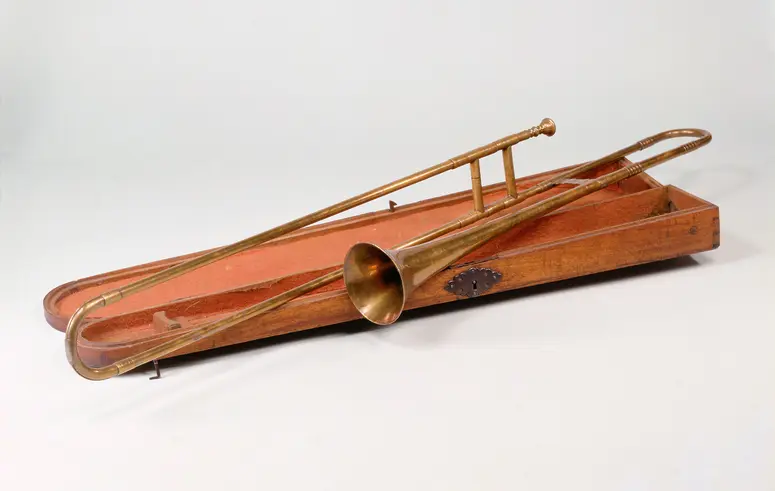
Manufacturer: Michael Leichamschneider 1732
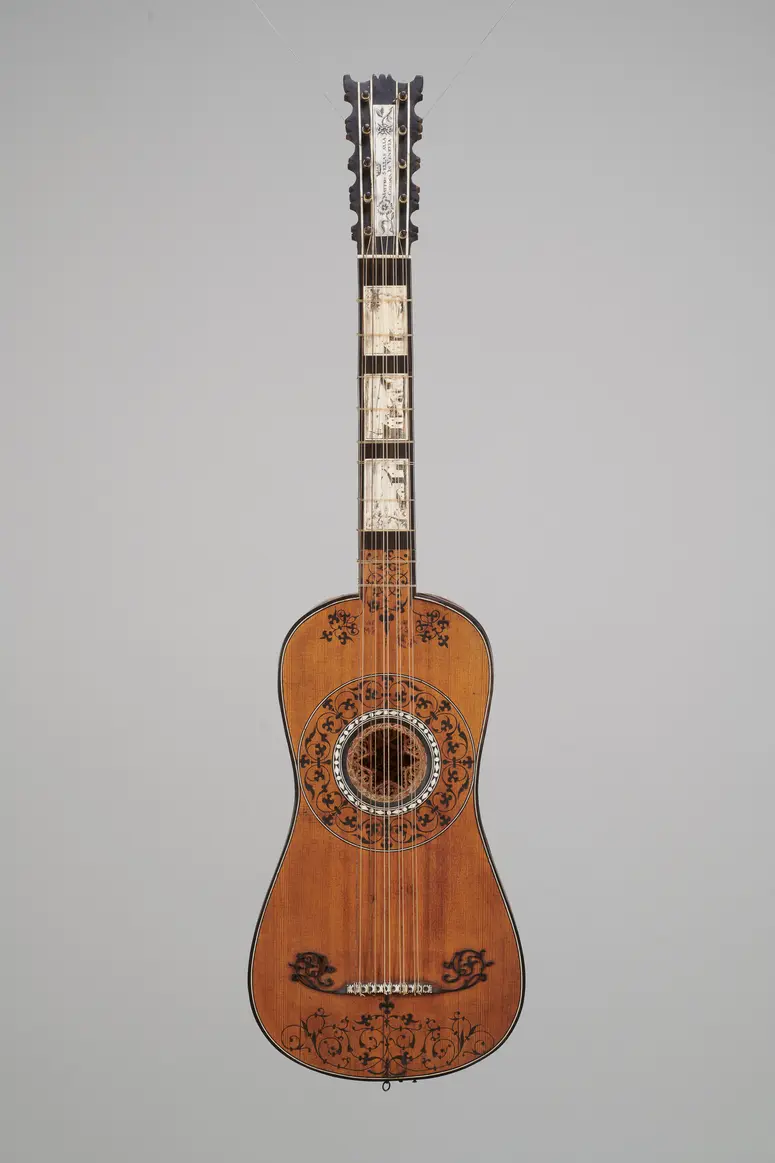
Manufacturer: Matthäus Seelos 1st half of the 17th century
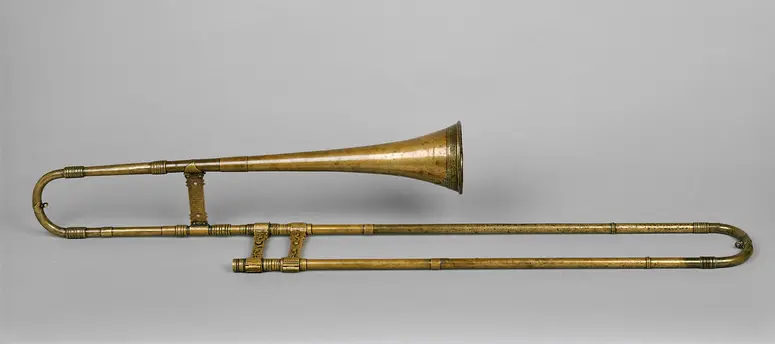
Manufacturer: Joerg Neuschel 1557
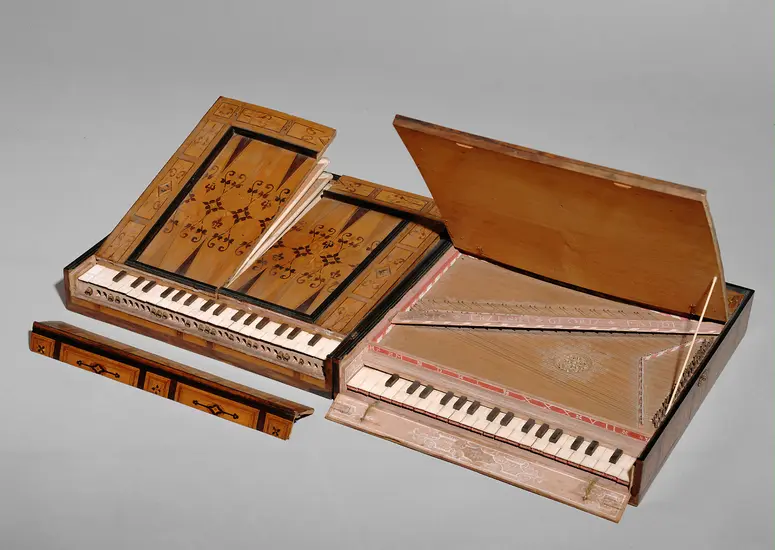
Manufacturer: Anton Meidting December 1587
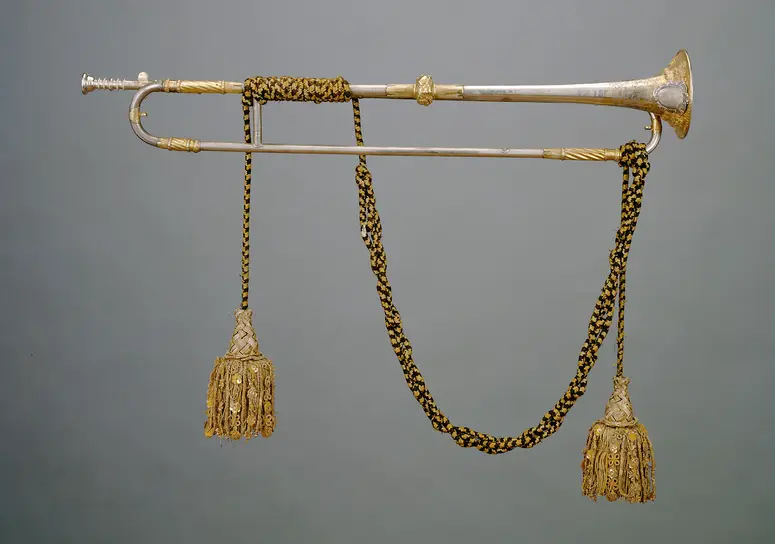
Manufacturer: Michael Leichamschneider 1741
Manufacturer: Fa. Bösendorfer 1867
Manufacturer: Anton Schnitzer 1581
Manufacturer: Wenzel Kowansky 1749
Manufacturer: Antonio Ciciliano presumably after 1602
Manufacturer: Girolamo de Virchis 1574
Manufacturer: Johann Baptist Streicher 1840