Timpani (kettledrums)
18th century | anonym
In the 18th century, kettle drums were always used in pairs and were usually tuned to the tonic and lower fourth. They are generally paired with trumpets, a combination that survived into the symphonic music of the Viennese Classical period. It took several craftsmen to make them: the coppersmith fashioned the semi-spherical kettle out of a circular sheet of copper. For acoustic reasons there is an opening on the bottom of the kettle with a funnel directed into the interior of the drum. The fixtures attaching the skin and the legs were riveted onto the kettle by the sieve-maker. The parchment-maker was responsible for the drumhead, which was usually made of calfskin. As well as their use in a military context and on court occasions, kettle drums, mainly coupled with trumpets, were employed in concert music from the Baroque period onwards. Neither the representative orchestral works of Handel or the symphonic and sacred music of the Viennese Classics are conceivable without the stirring dynamic effect of the instrument’s beat. (rh)
Lit.: Rudolf Hopfner: Masterpieces from the Collection of Historic Musical Instruments. A Short Guide through the Kunsthistorisches Museum Vienna, Vol. 1, Vienna 2019.
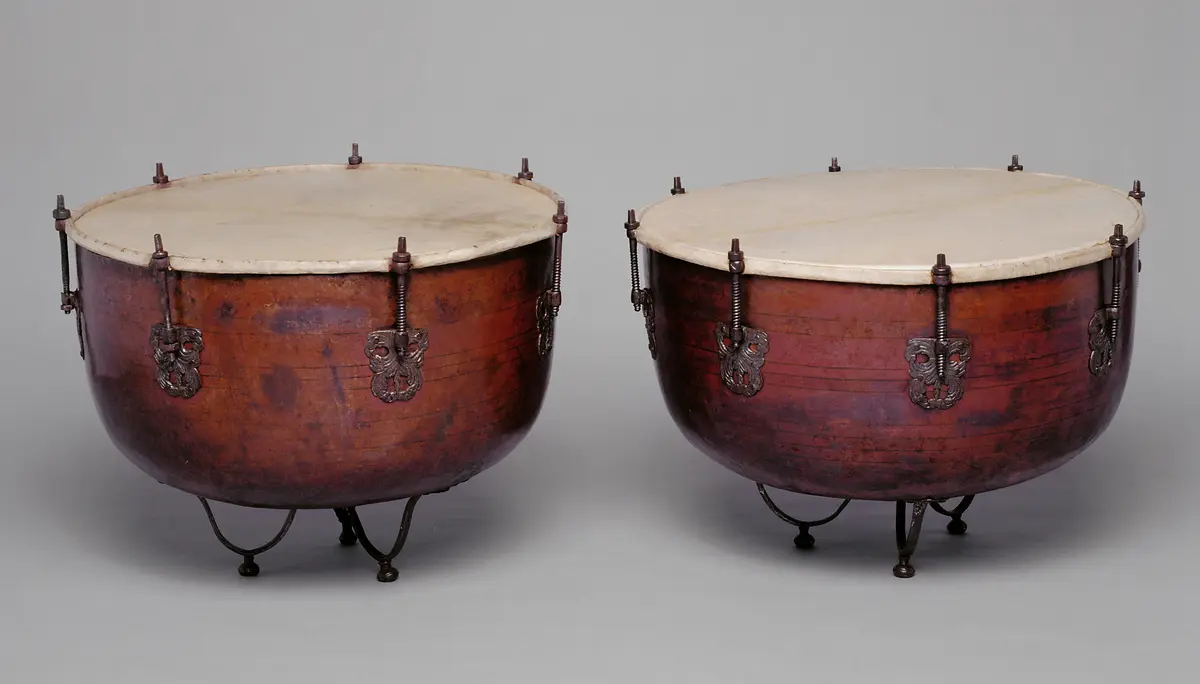
In the 18th century, kettle drums were always used in pairs and were usually tuned to the tonic and lower fourth. They are generally paired with trumpets, a combination that survived into the symphonic music of the Viennese Classical period. It took several craftsmen to make them: the coppersmith fashioned the semi-spherical kettle out of a circular sheet of copper. For acoustic reasons there is an opening on the bottom of the kettle with a funnel directed into the interior of the drum. The fixtures attaching the skin and the legs were riveted onto the kettle by the sieve-maker. The parchment-maker was responsible for the drumhead, which was usually made of calfskin. As well as their use in a military context and on court occasions, kettle drums, mainly coupled with trumpets, were employed in concert music from the Baroque period onwards. Neither the representative orchestral works of Handel or the symphonic and sacred music of the Viennese Classics are conceivable without the stirring dynamic effect of the instrument’s beat. (rh)
Lit.: Rudolf Hopfner: Masterpieces from the Collection of Historic Musical Instruments. A Short Guide through the Kunsthistorisches Museum Vienna, Vol. 1, Vienna 2019.
Manufacturer:
anonym
Time:
18th century
Object Name
Timpani (kettledrums)
Culture
Austria
Dimensions:
610 mm x 610 mm x 500 mm
Copyright
Kunsthistorisches Museum, Sammlung alter Musikinstrumente
Invs.
Sammlung alter Musikinstrumente, 753
Browse more
Similar items you might be interested in
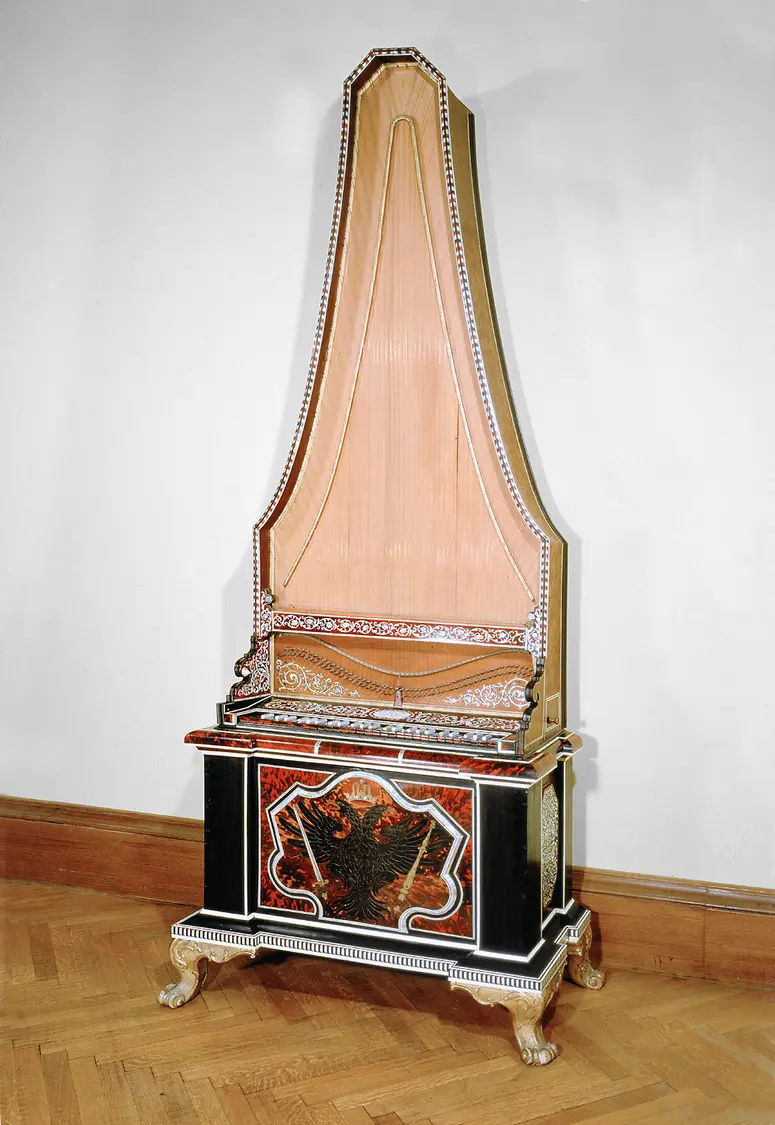
Manufacturer: Martin Kaiser 2nd half of the 17th century
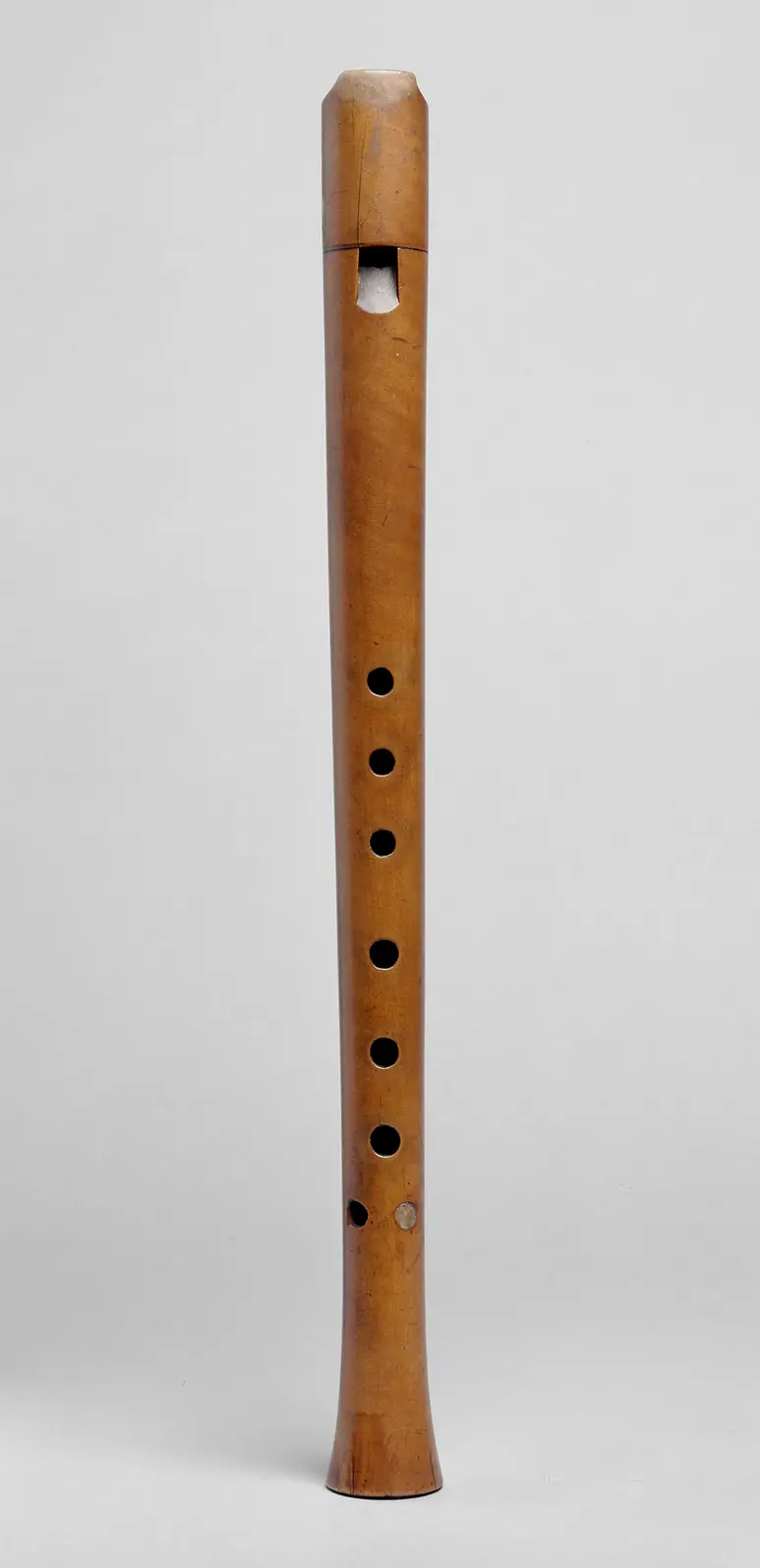
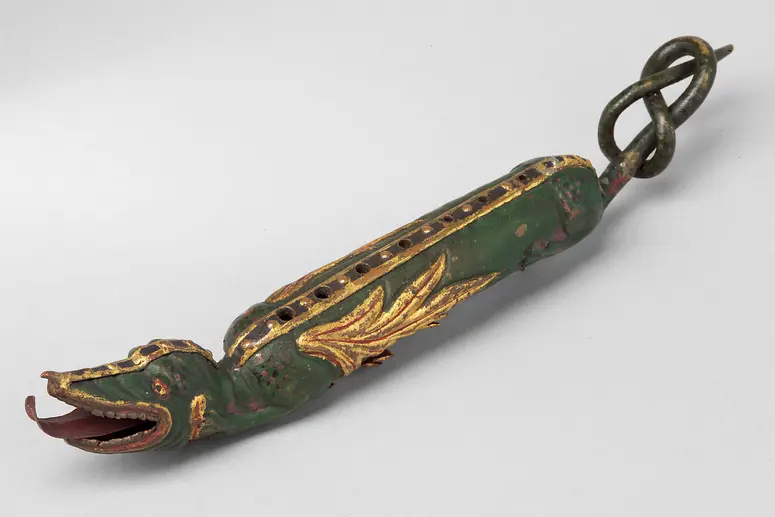
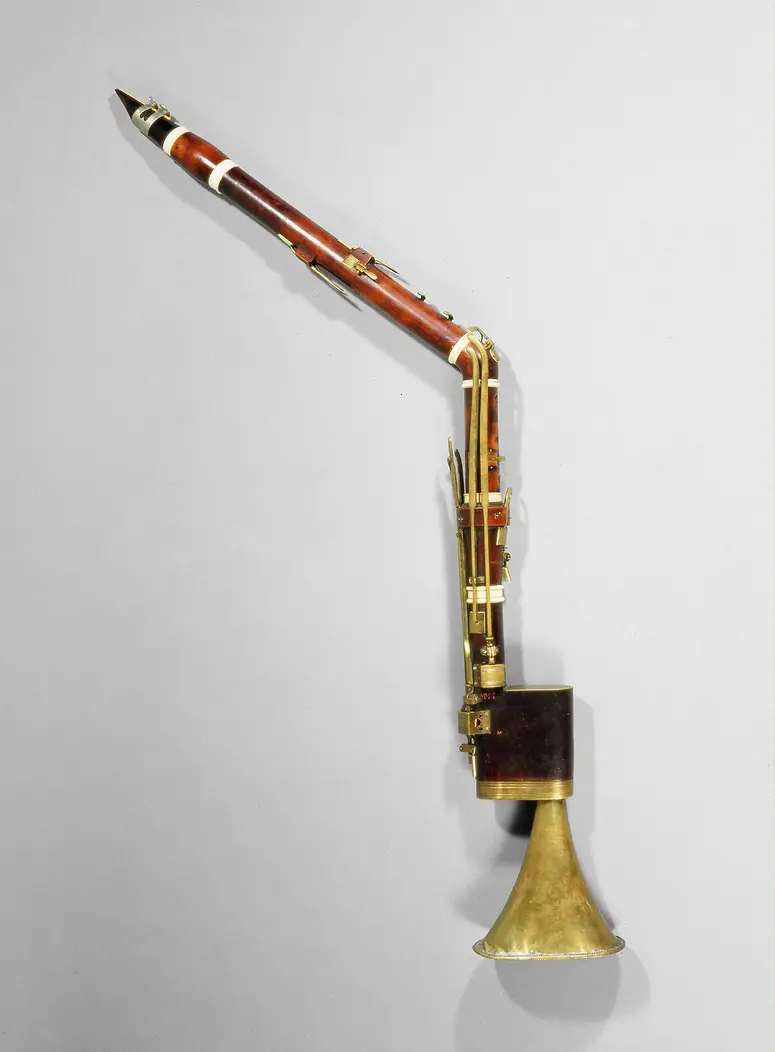
Manufacturer: Johann Baptist Merklein approx. 1800
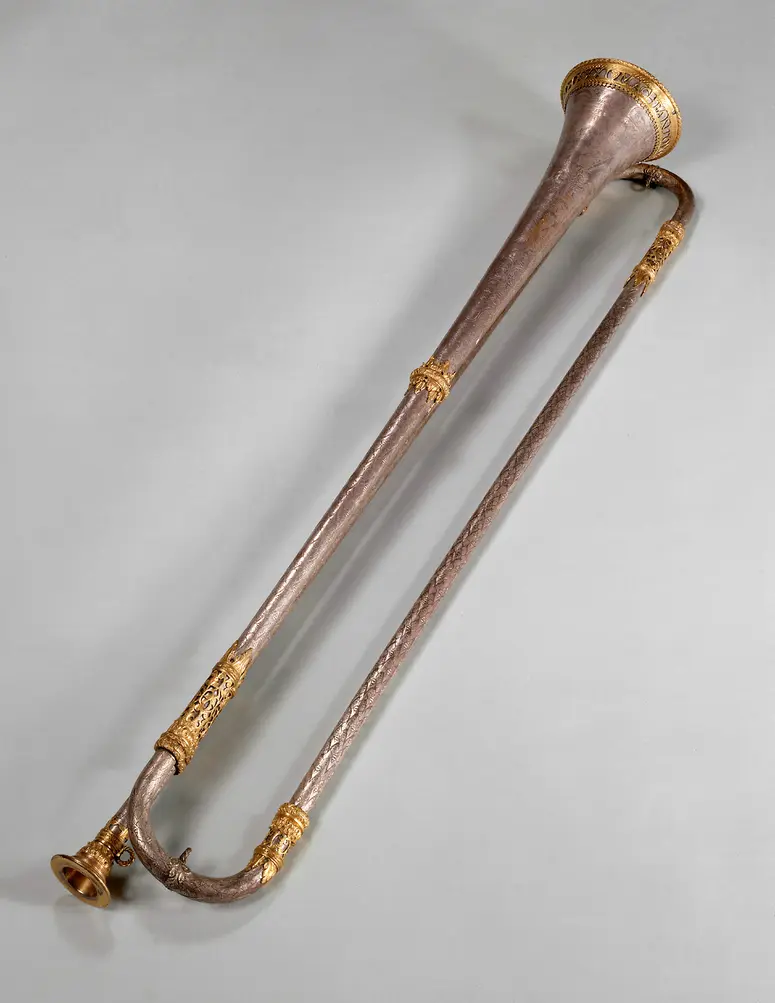
Manufacturer: Anton Schnitzer 1581
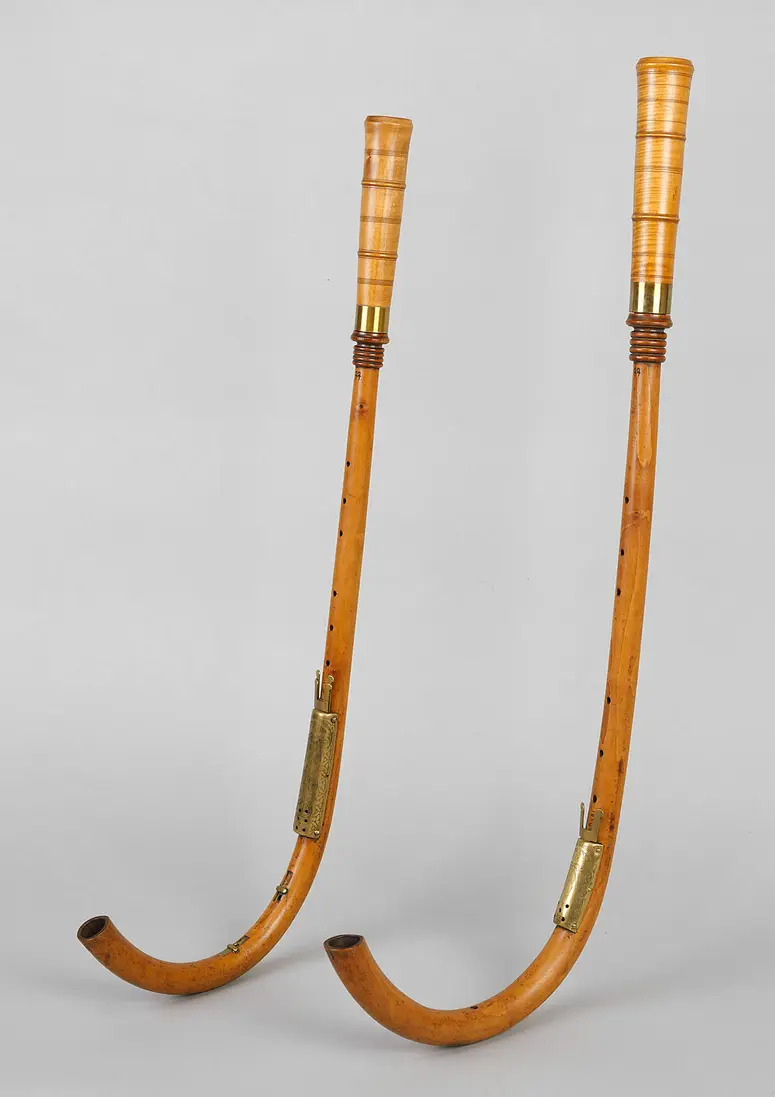
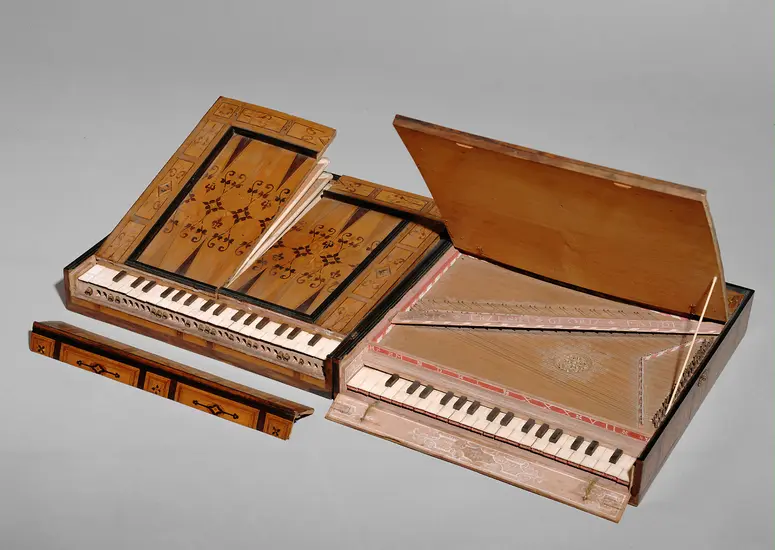
Manufacturer: Anton Meidting December 1587
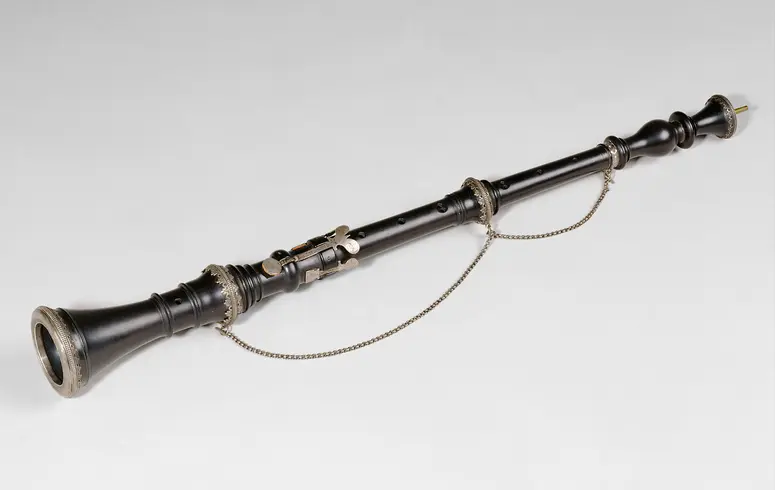
Manufacturer: Hendrik Richters beginning of the 18th century
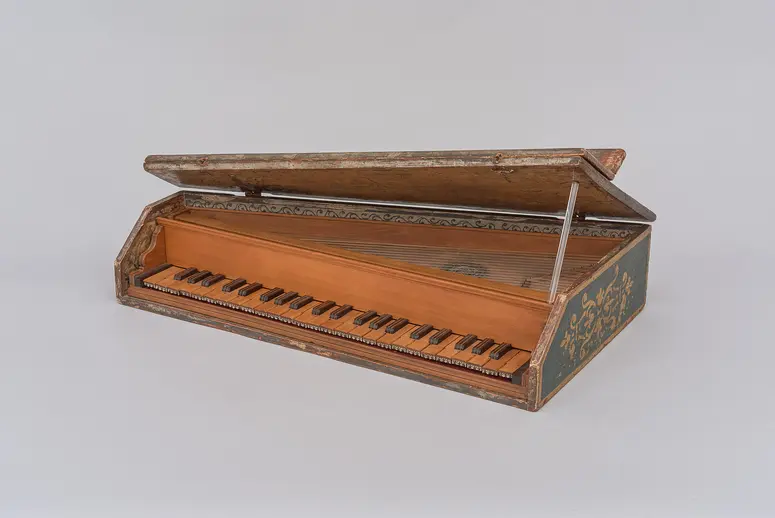
Manufacturer: anonym 2nd half of the 16th century (assigned)
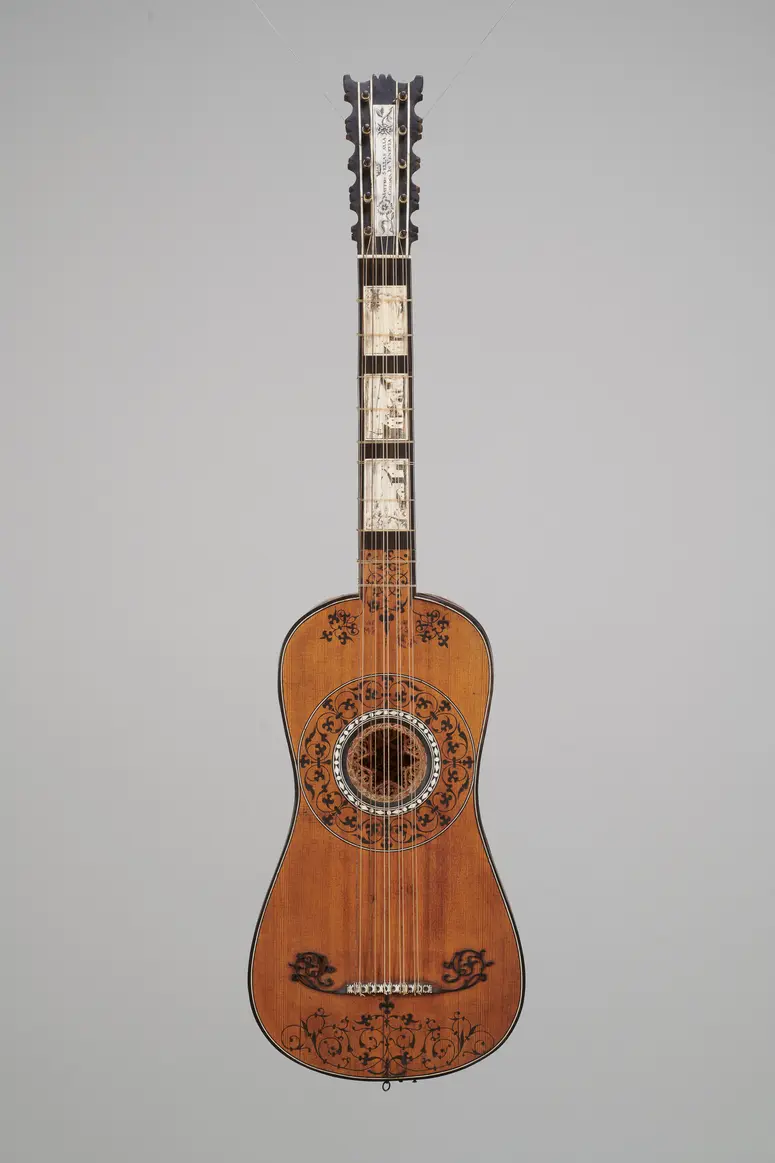
Manufacturer: Matthäus Seelos 1st half of the 17th century
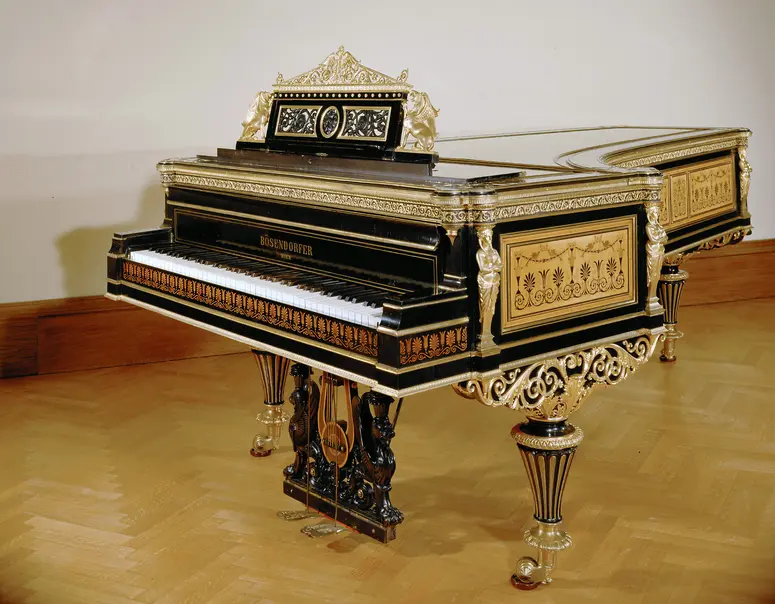
Manufacturer: Fa. Bösendorfer 1867
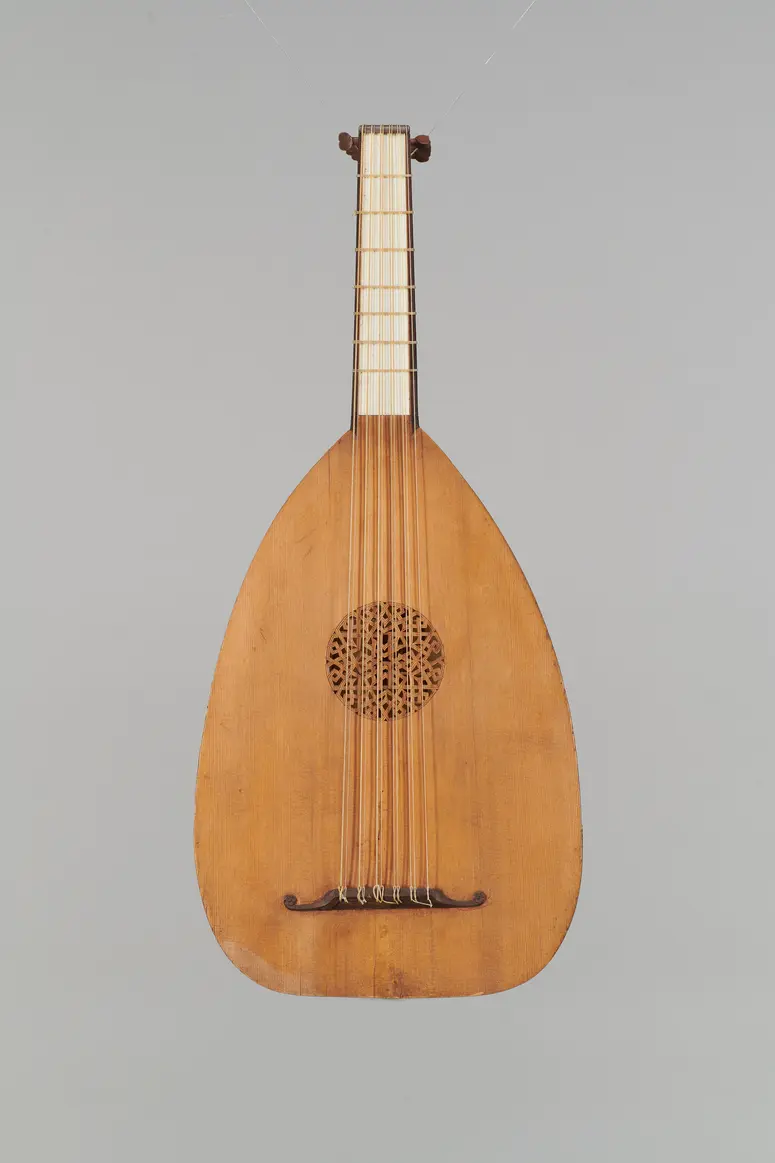
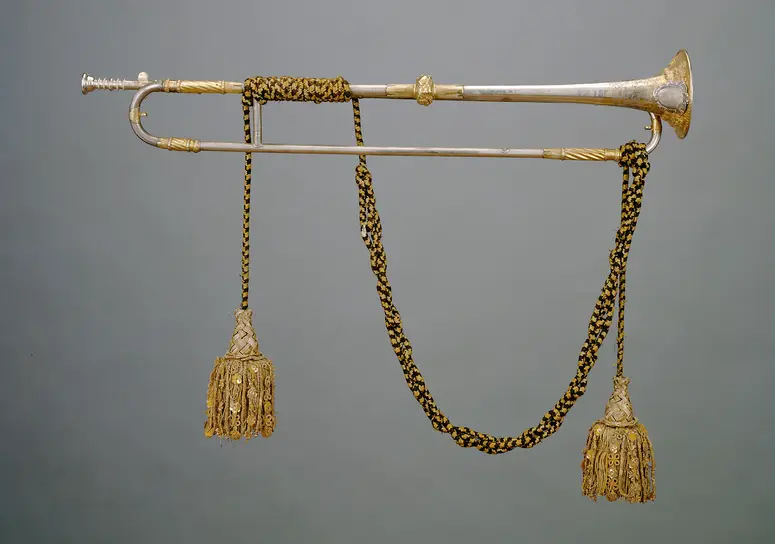
Manufacturer: Michael Leichamschneider 1741
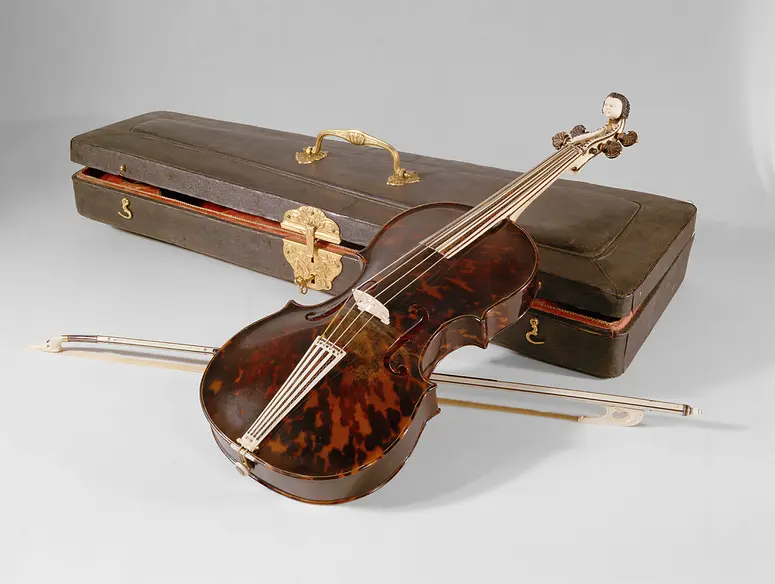
Manufacturer: Wenzel Kowansky 1749
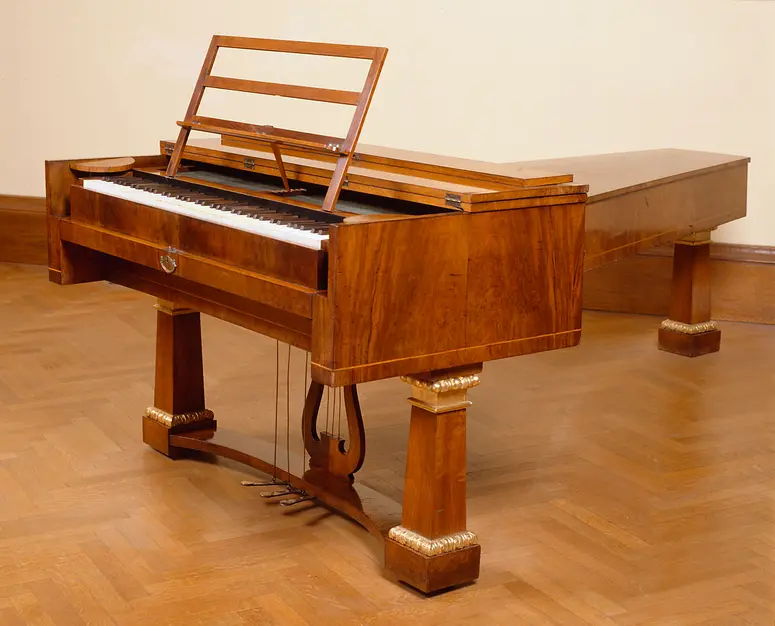
Manufacturer: Johann Baptist Streicher 1840
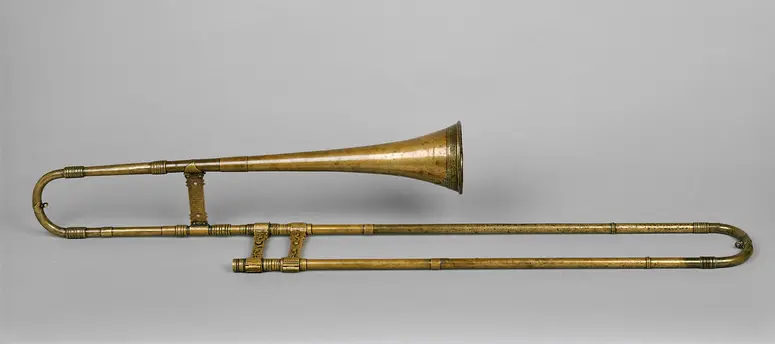
Manufacturer: Joerg Neuschel 1557
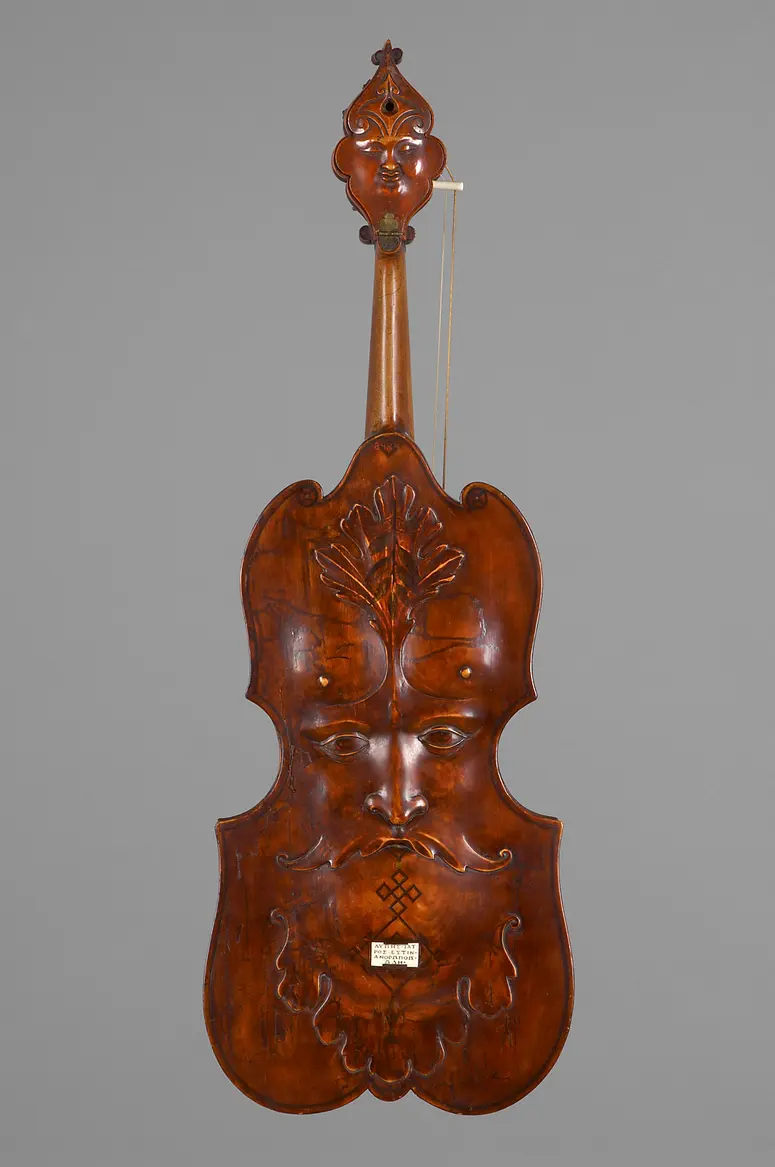
Manufacturer: Giovanni d'Andrea 1511
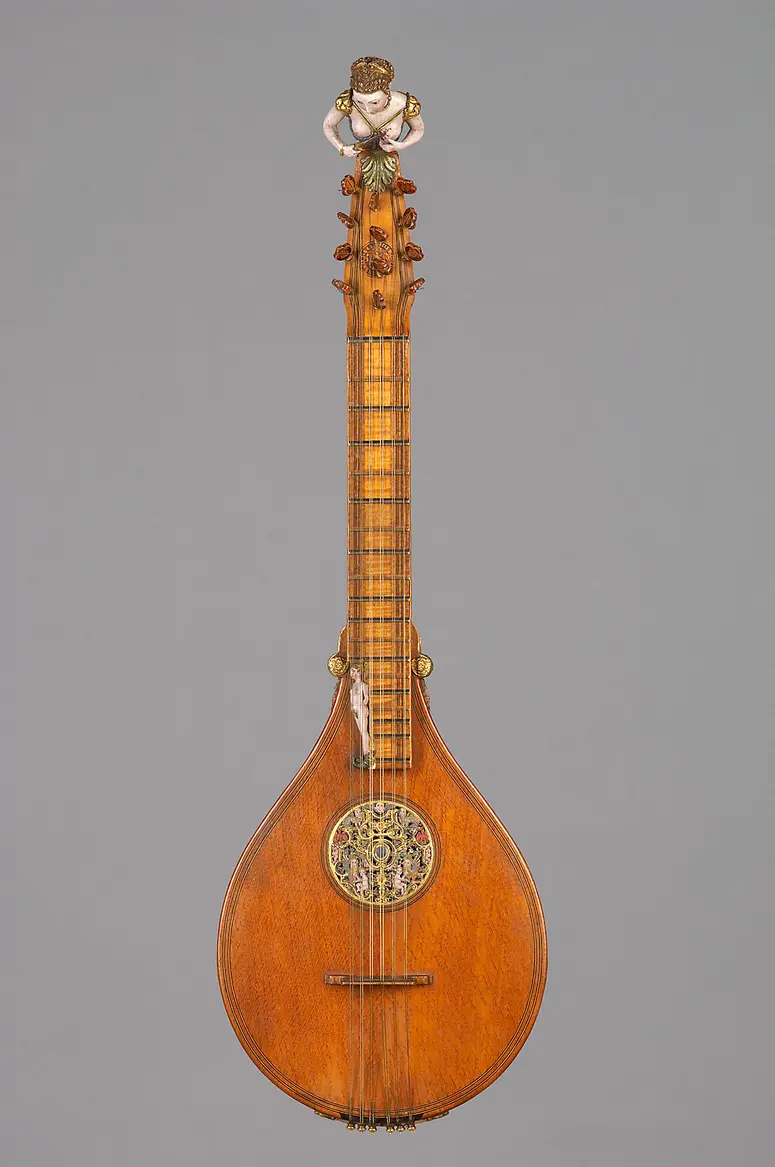
Manufacturer: Girolamo de Virchis 1574
Manufacturer: anonym 17th century (?)