Spieltisch
1. - 2. Jahrhundert
A game board has been incised into the top of this slab of marble; it was used for a game of XII scripta (twelve eyes) or alea (dice). Twelve pips was the maximum number of points, which means it was originally played with a pair of dices. The game is regarded as a precursor of backgammon (also known as tabla or tavli throughout the eastern Mediterranean). Initially the players threw the dices and then moved their gaming pieces accordingly along three, later two rows of twelve fields each. The recess in one of the corners to drain rainwater shows that this slab of marble was also used outdoors.
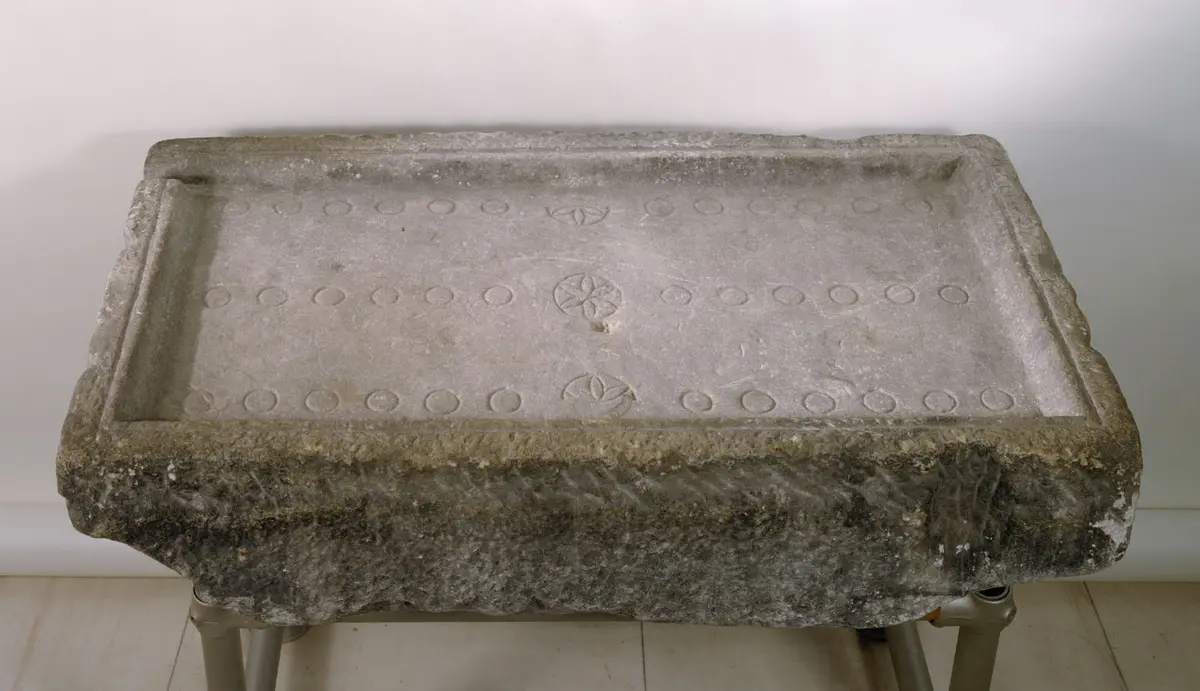
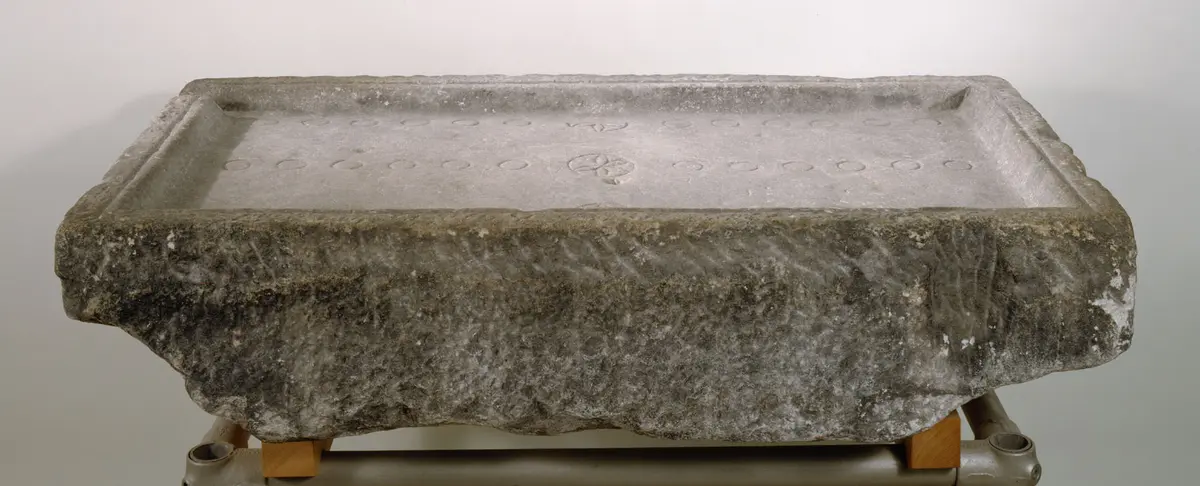
A game board has been incised into the top of this slab of marble; it was used for a game of XII scripta (twelve eyes) or alea (dice). Twelve pips was the maximum number of points, which means it was originally played with a pair of dices. The game is regarded as a precursor of backgammon (also known as tabla or tavli throughout the eastern Mediterranean). Initially the players threw the dices and then moved their gaming pieces accordingly along three, later two rows of twelve fields each. The recess in one of the corners to drain rainwater shows that this slab of marble was also used outdoors.
Time:
1. - 2. Jahrhundert
Object Name
Tisch
Culture
Römisch
Location of discovery:
Ephesos große Halle südlich der Südwand (Selçuk, Kleinasien, Türkei)
Material/technology:
Marmor
Dimensions:
L/H 120 × B 70 × D/T 26 cm
Copyright
Kunsthistorisches Museum, Antikensammlung
Invs.
Antikensammlung, I 1626
Provenance
Sultan, Abdul, Hamid, II.; Österreichische Ausgrabungen in Ephesos; Geschenk an Kaiser Franz Joseph; 1957 nachträglich inventarisiert
Browse more
Similar items you might be interested in
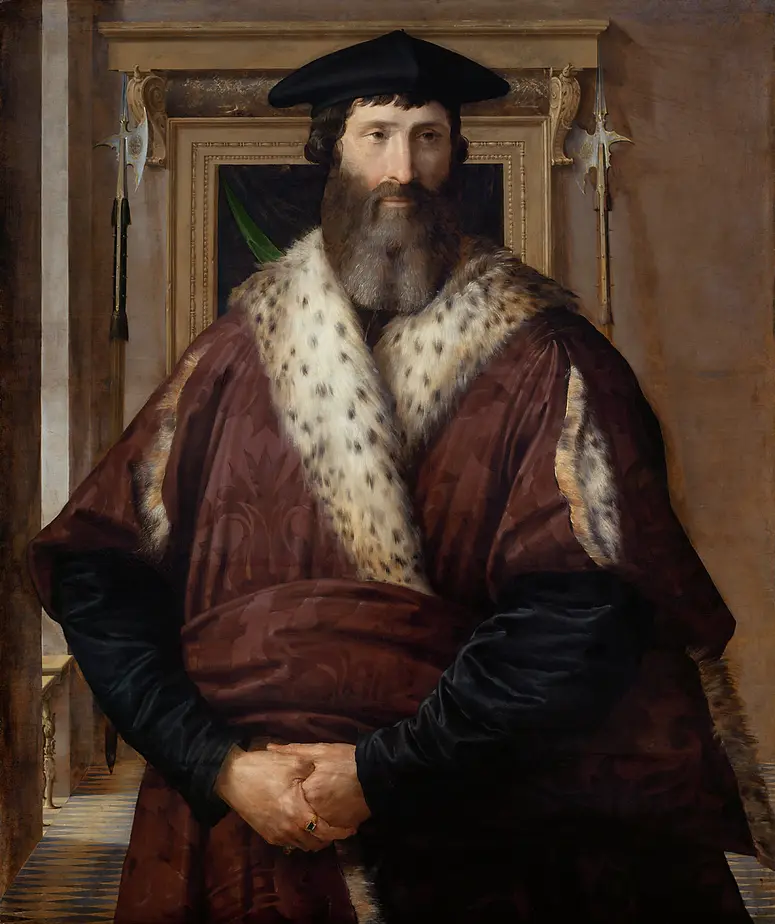
Manufacturer: anonym 16th century
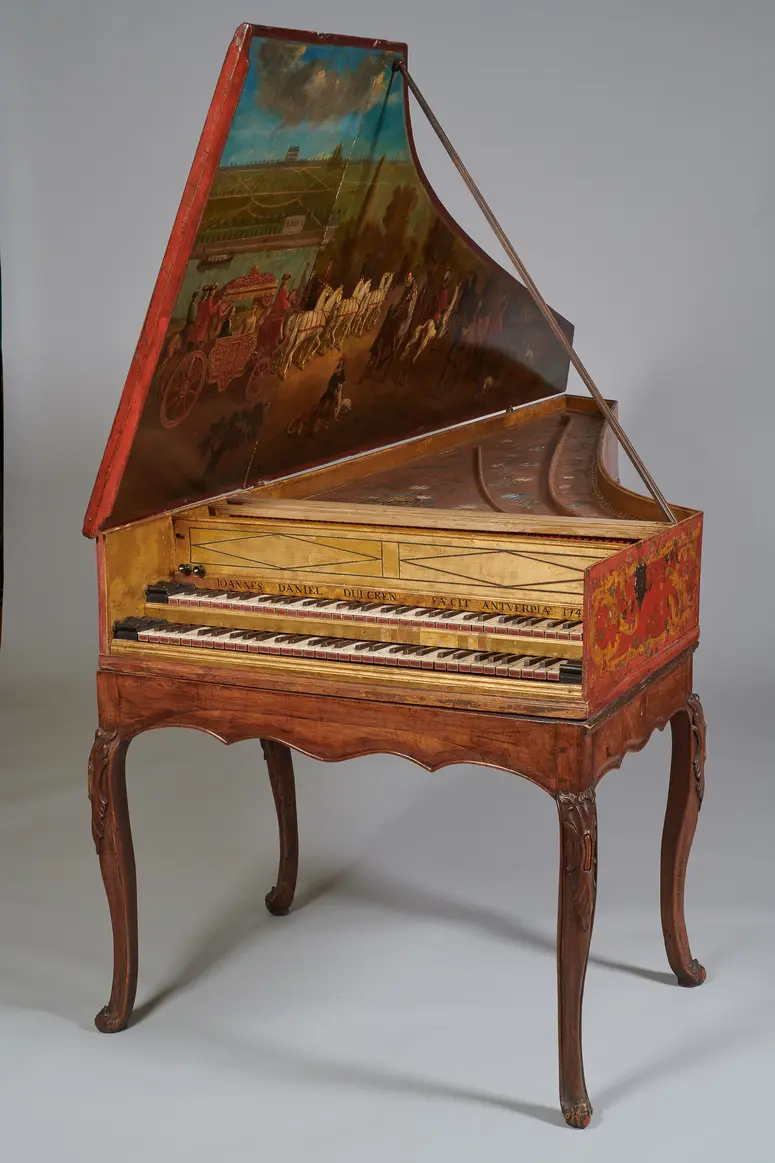
Manufacturer: Joann Daniel Dulcken 1745
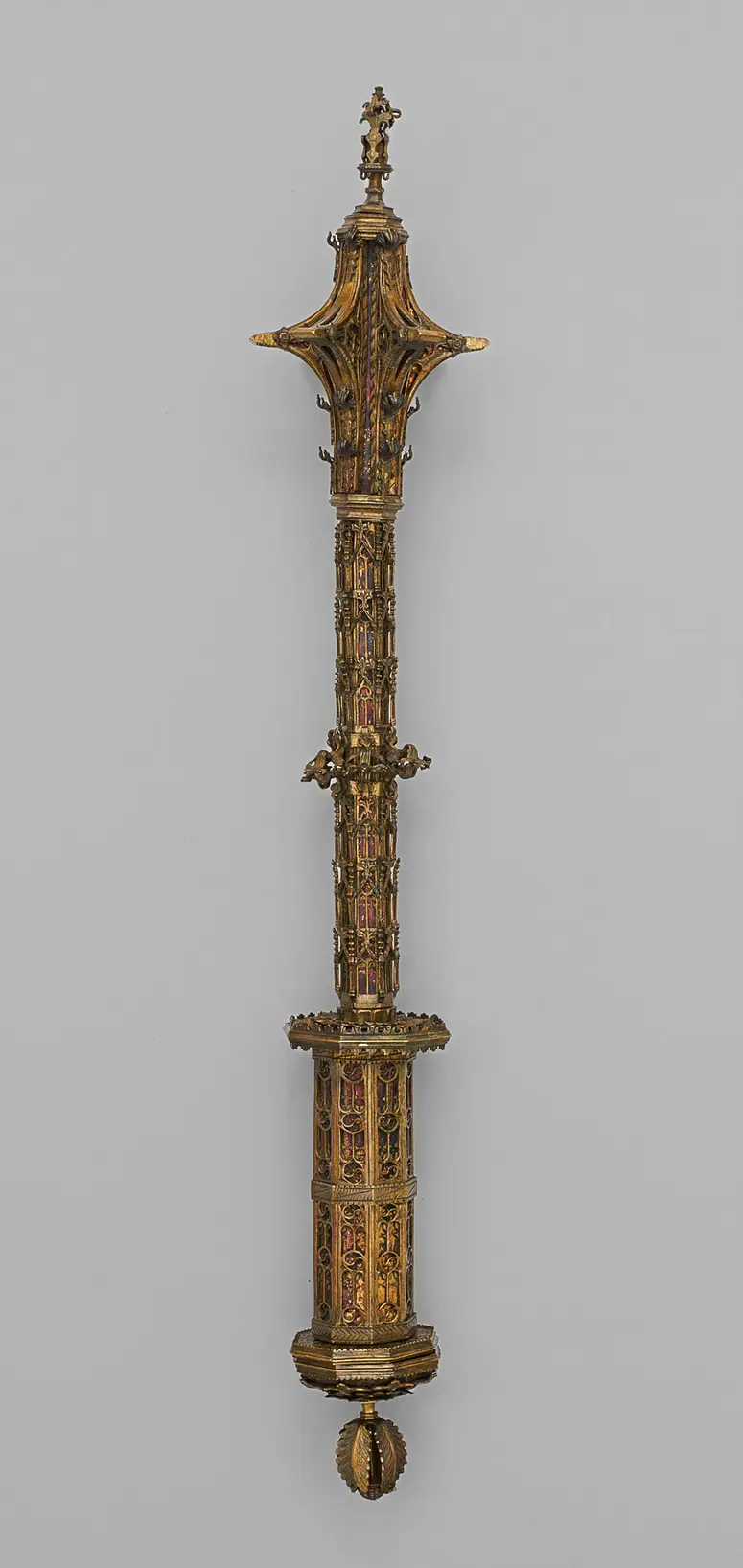
Friedrich III. (1439-1493), Erzherzog von Österreich, als F. V., seit 1440 König, 1452 Kaiser 2. Hälfte 15. Jahrhundert
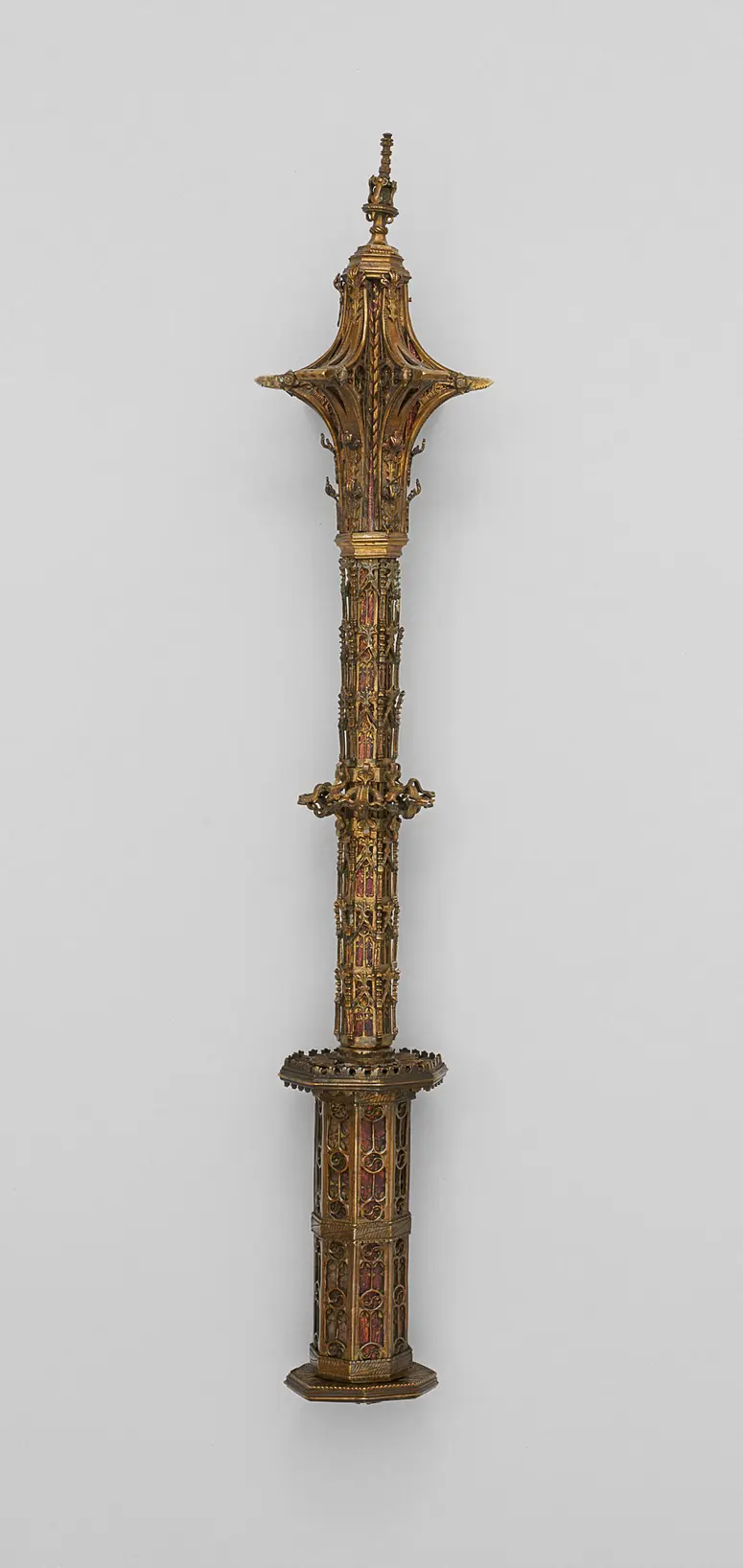
Friedrich III. (1439-1493), Erzherzog von Österreich, als F. V., seit 1440 König, 1452 Kaiser 2. Hälfte 15. Jahrhundert
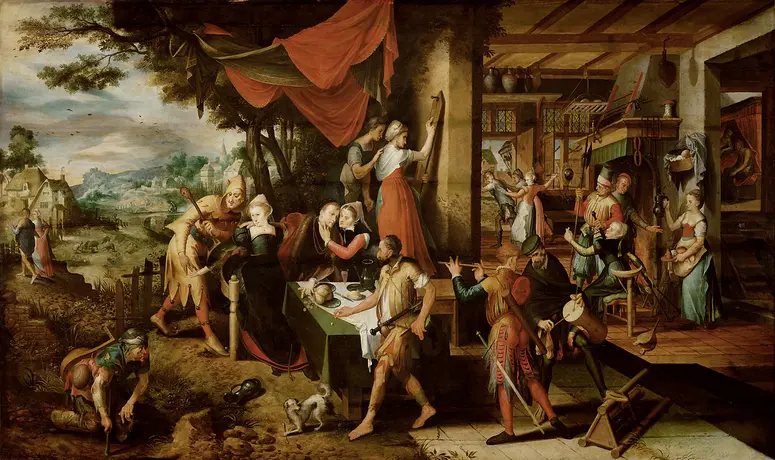
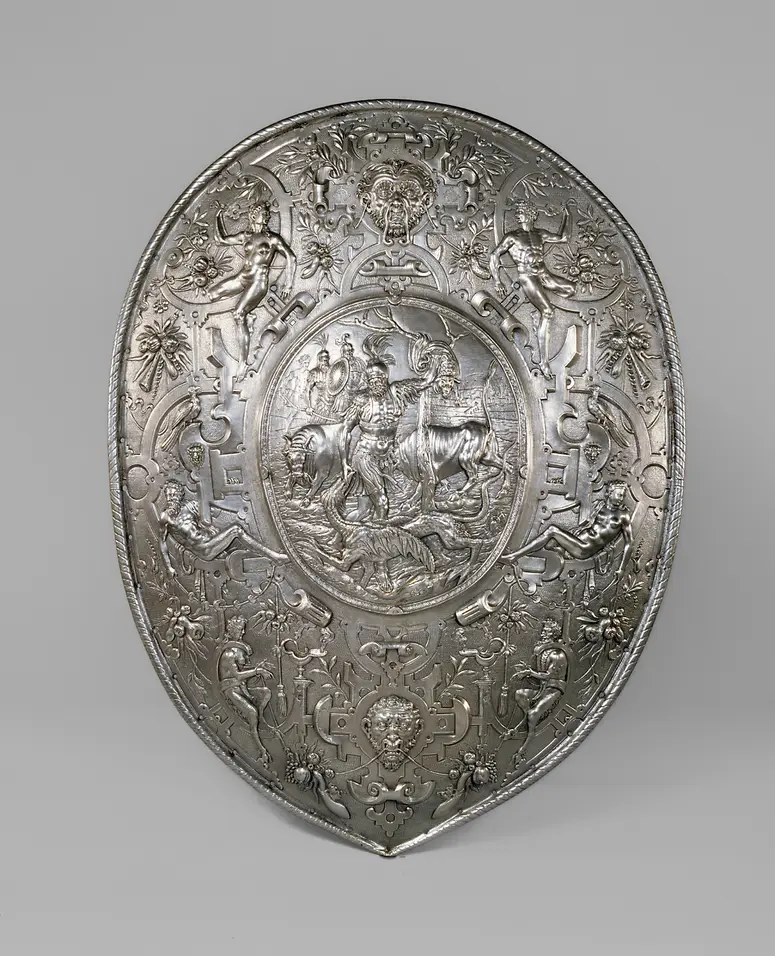
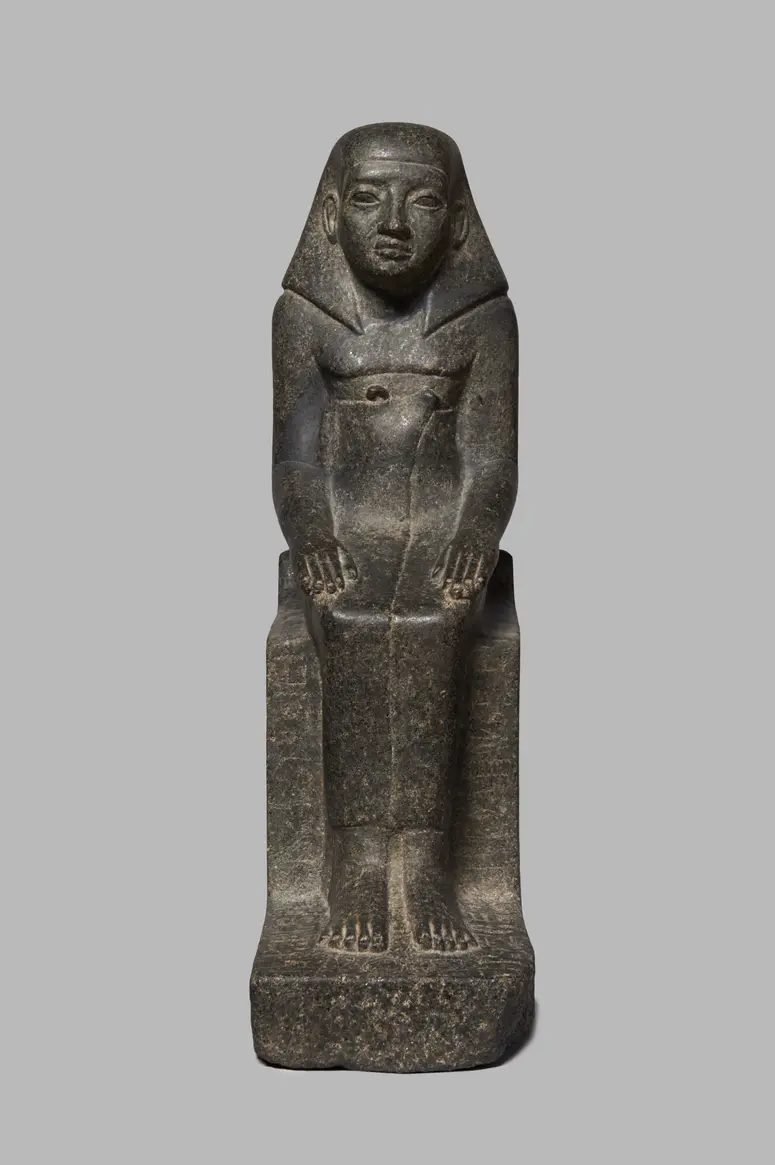
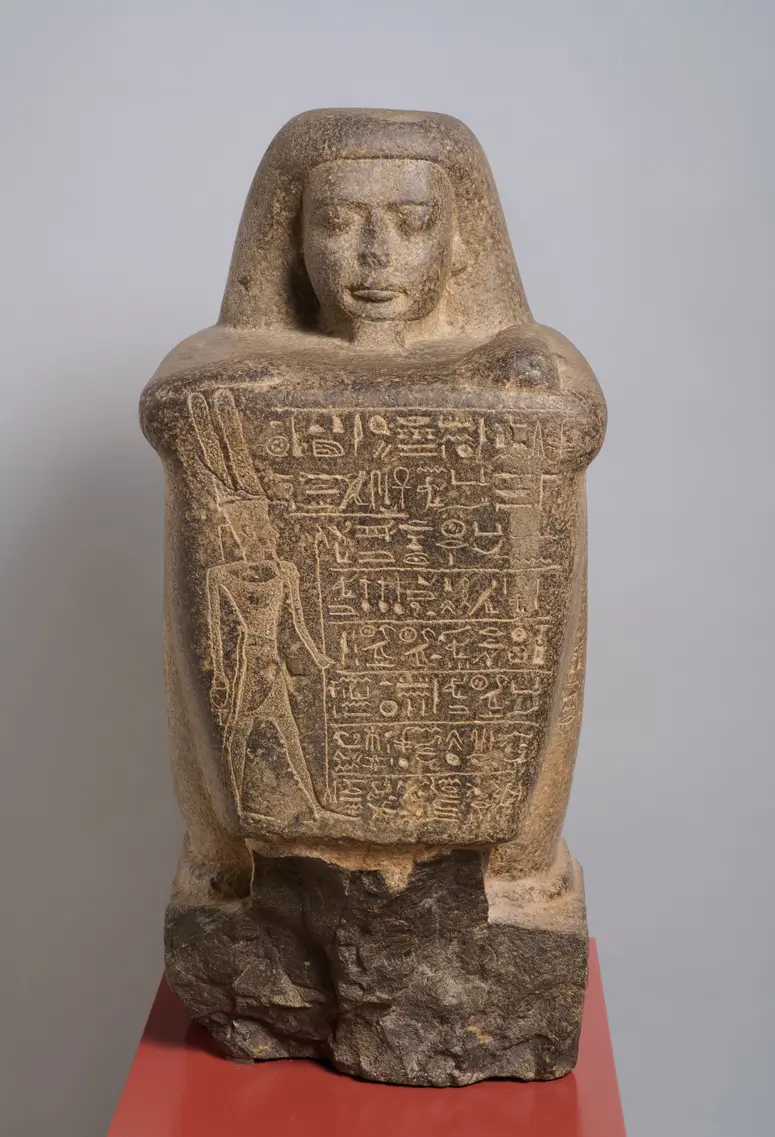
Squatting statue of Nimlot Heliopolis (vermutlich) 22nd Dynasty, reign of Osorkon I, 910–896 BC
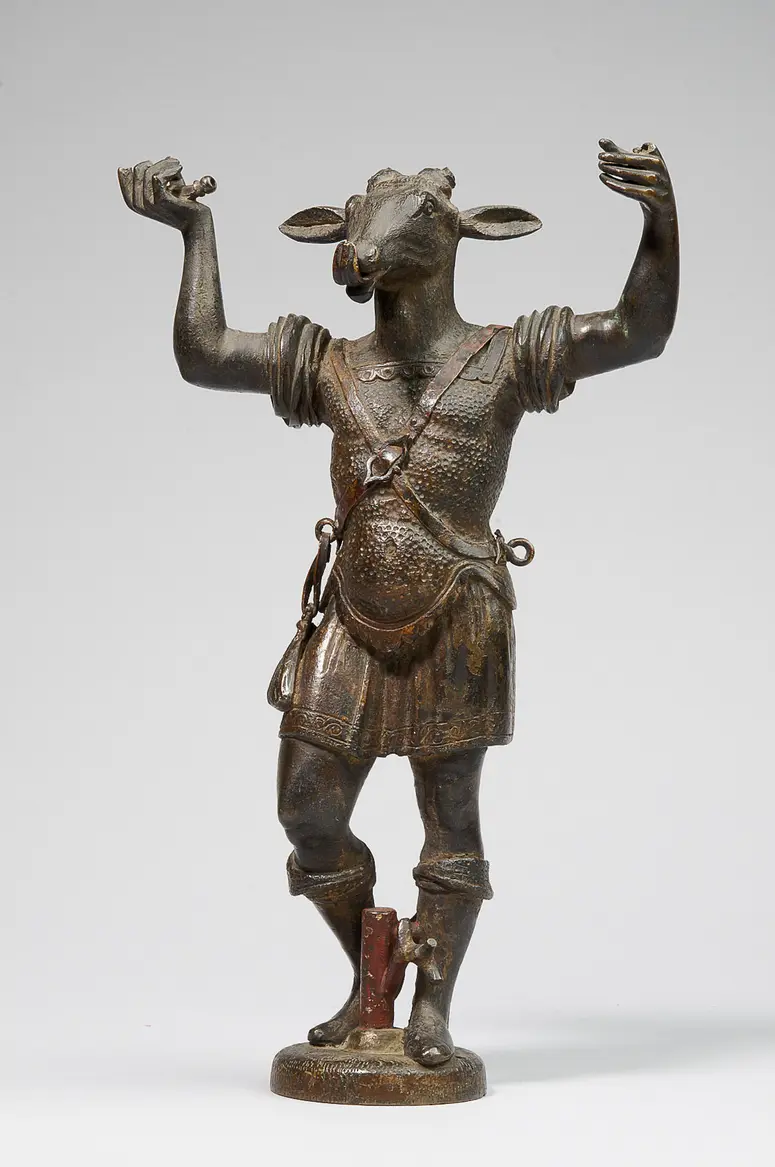
Statuette, Bronze, Kleinbronze, Aktäon, Brunnenfigur, Brunnenbekrönung Wenzel Jamnitzer 3. Viertel 16. Jahrhundert

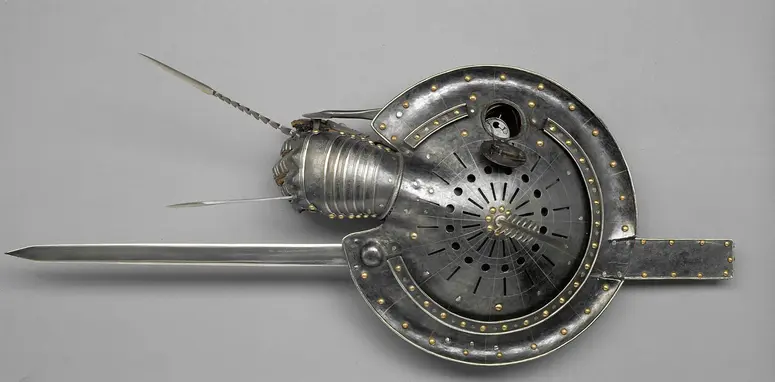
Ferdinand II. (1564-1595), Erzherzog von Österreich und Landesherr von Tirol vor 1596
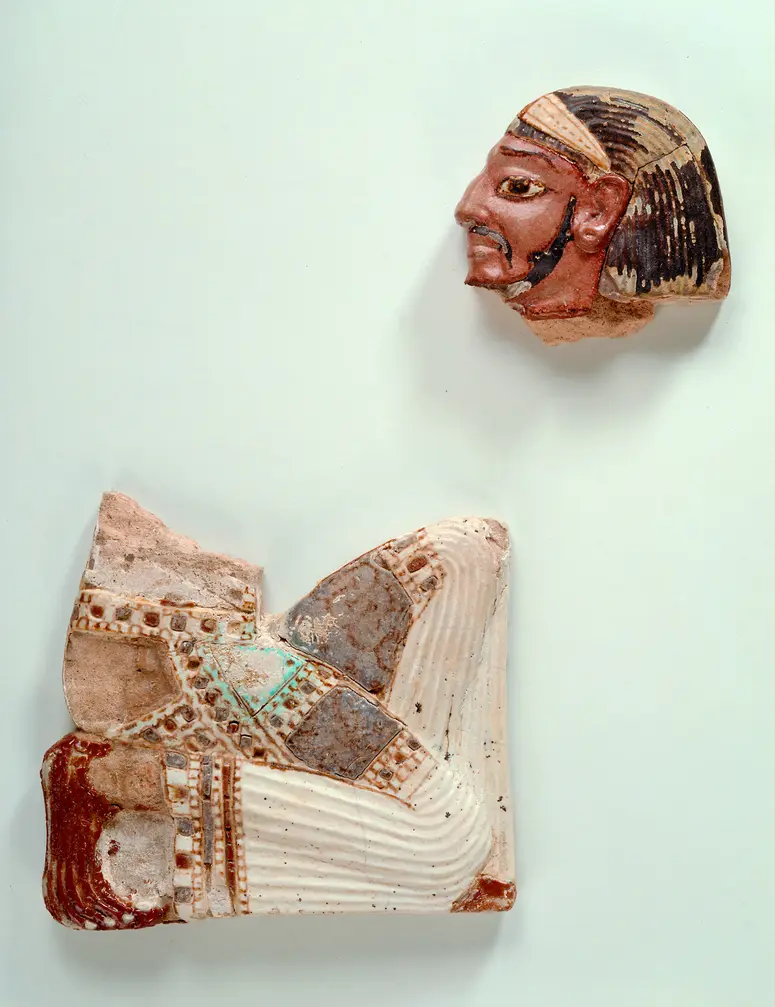
Körper eines Mannes (Syrer) Tell el-Jahudija 20. Dynastie, Zeit Ramses' III., 1198-1166 v. Chr.
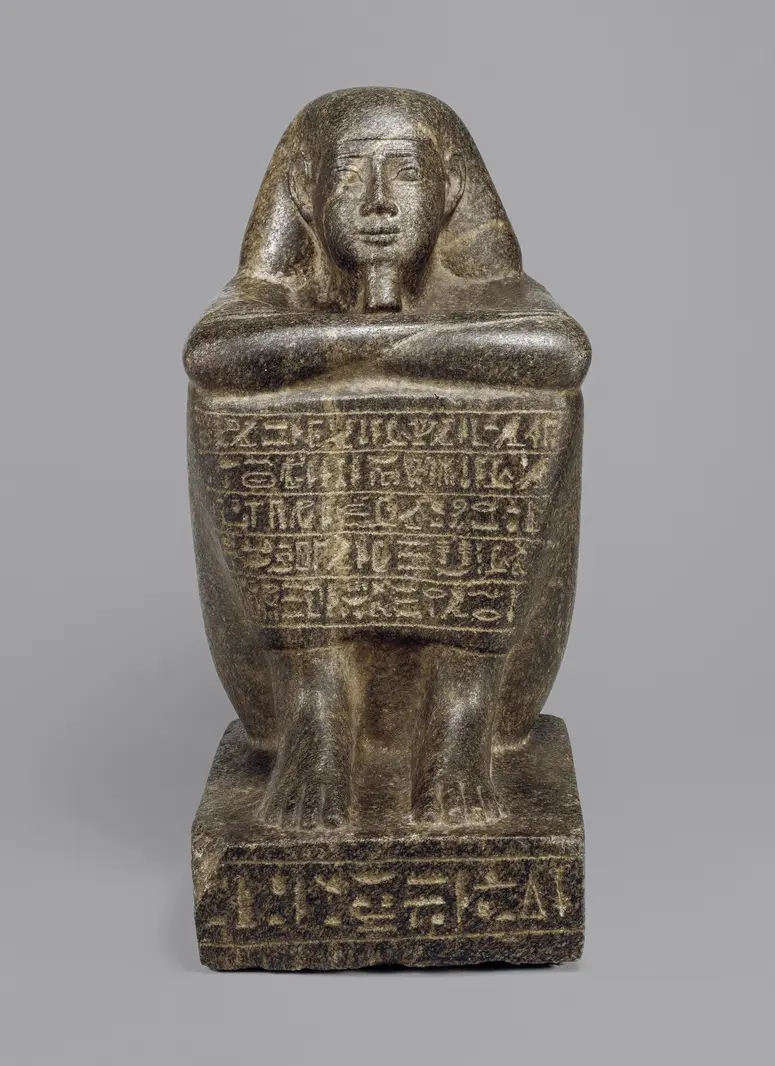
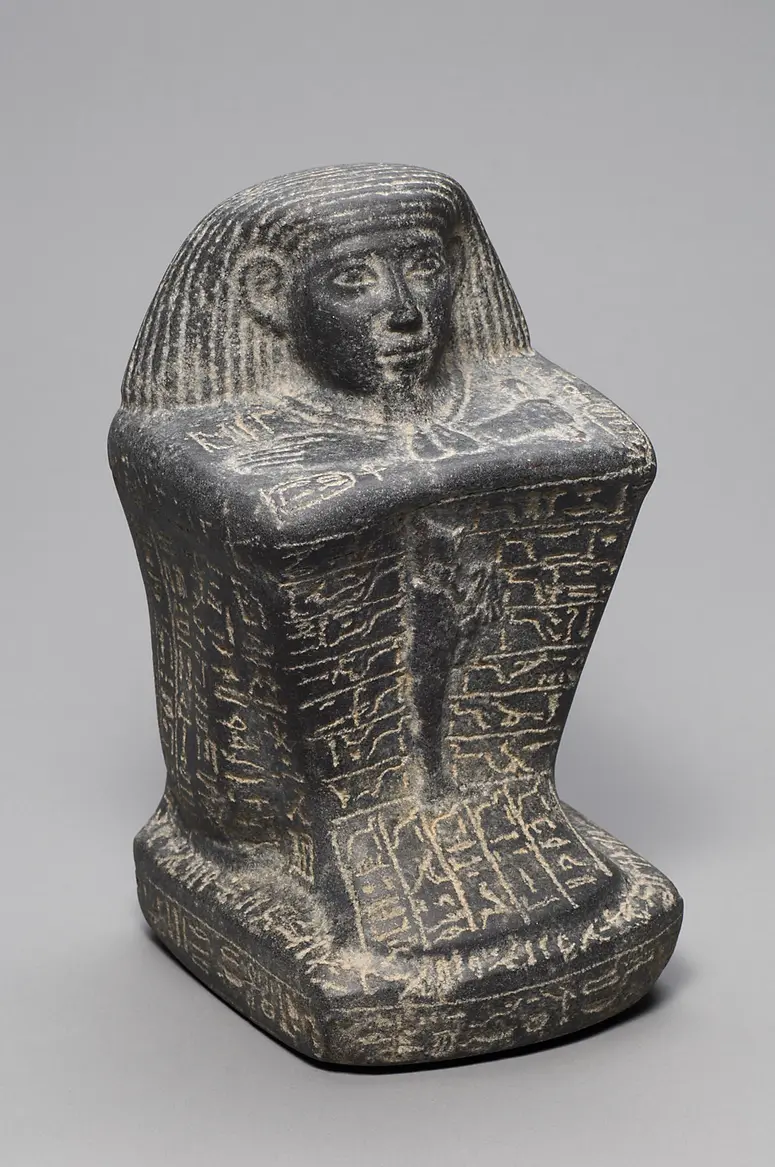
Squatting statue of Anch-takelot Theben (vermutlich) 2nd half of the 25th – early 26th Dynasty, ca. 680–650 BC
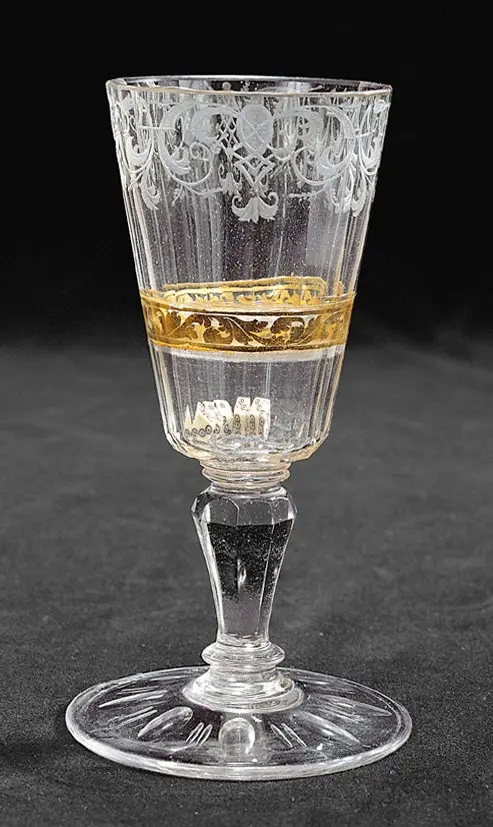
Zwischengoldpokal mit drei Würfeln aus Bein um 1730