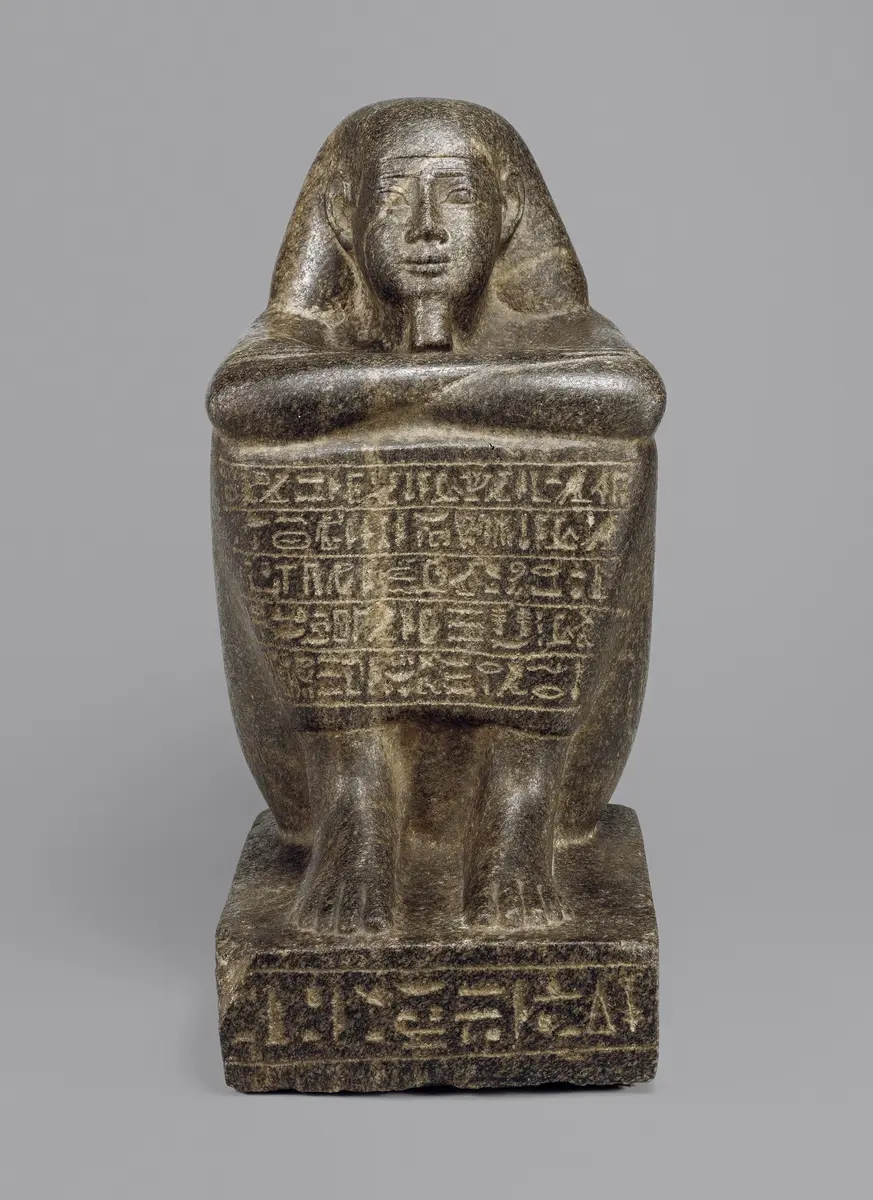
Squatting figure of Hor-em-ta-bat
early 26th Dynasty, ca. 650 BC
This type of sculpture – also known as a block statue – is only documented in the non-royal repertory. Set up in a god’s temple it enabled the owner to partake symbolically of the daily offerings presented to the deity. The inscriptions name Hor-em-ta-bat and his parents and request protection and longevity for the statue.
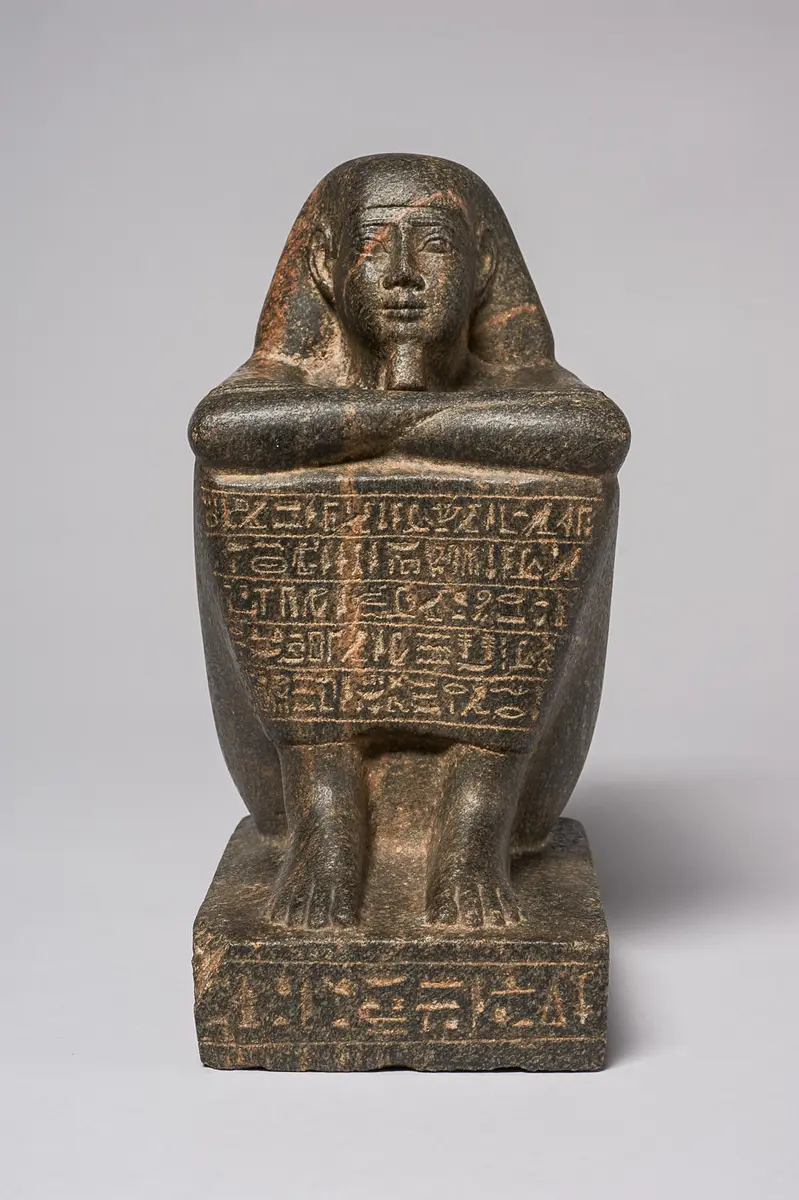
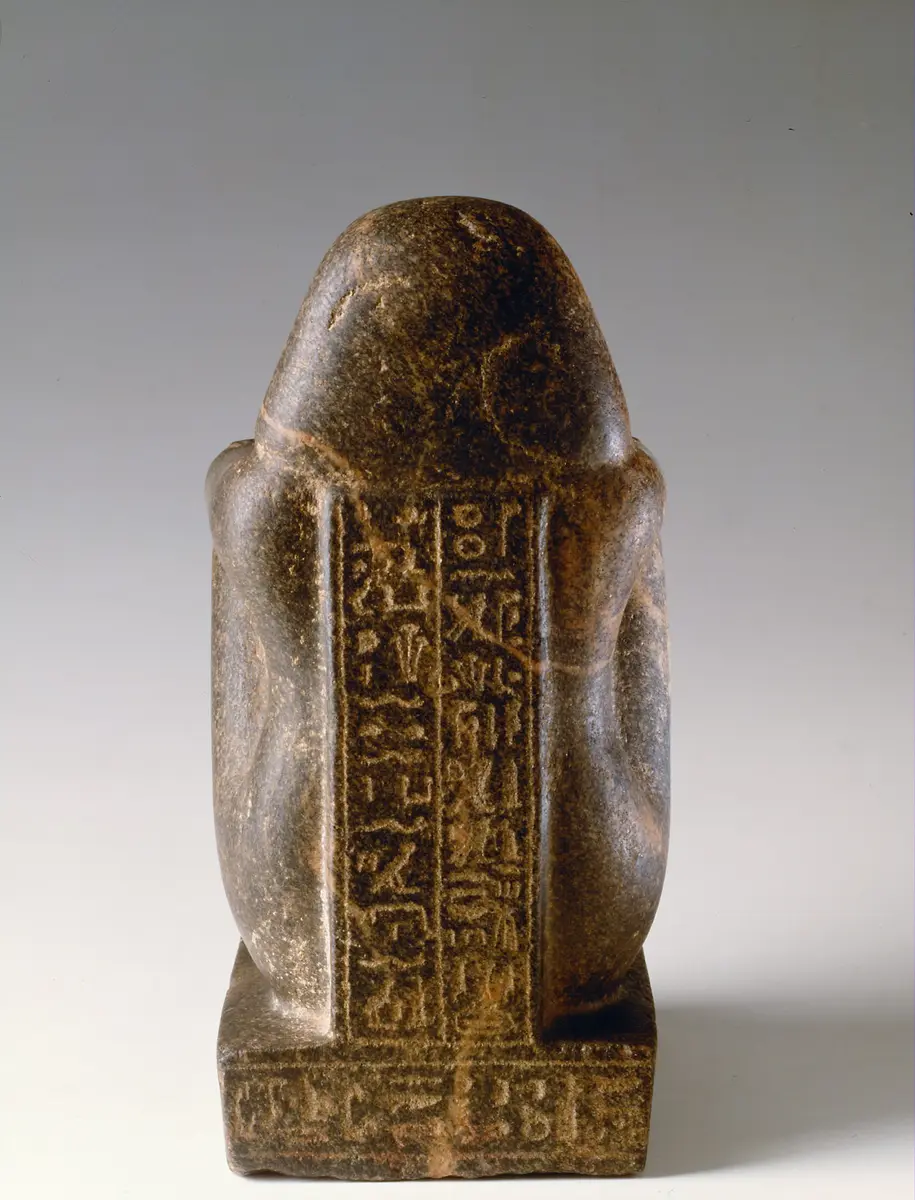
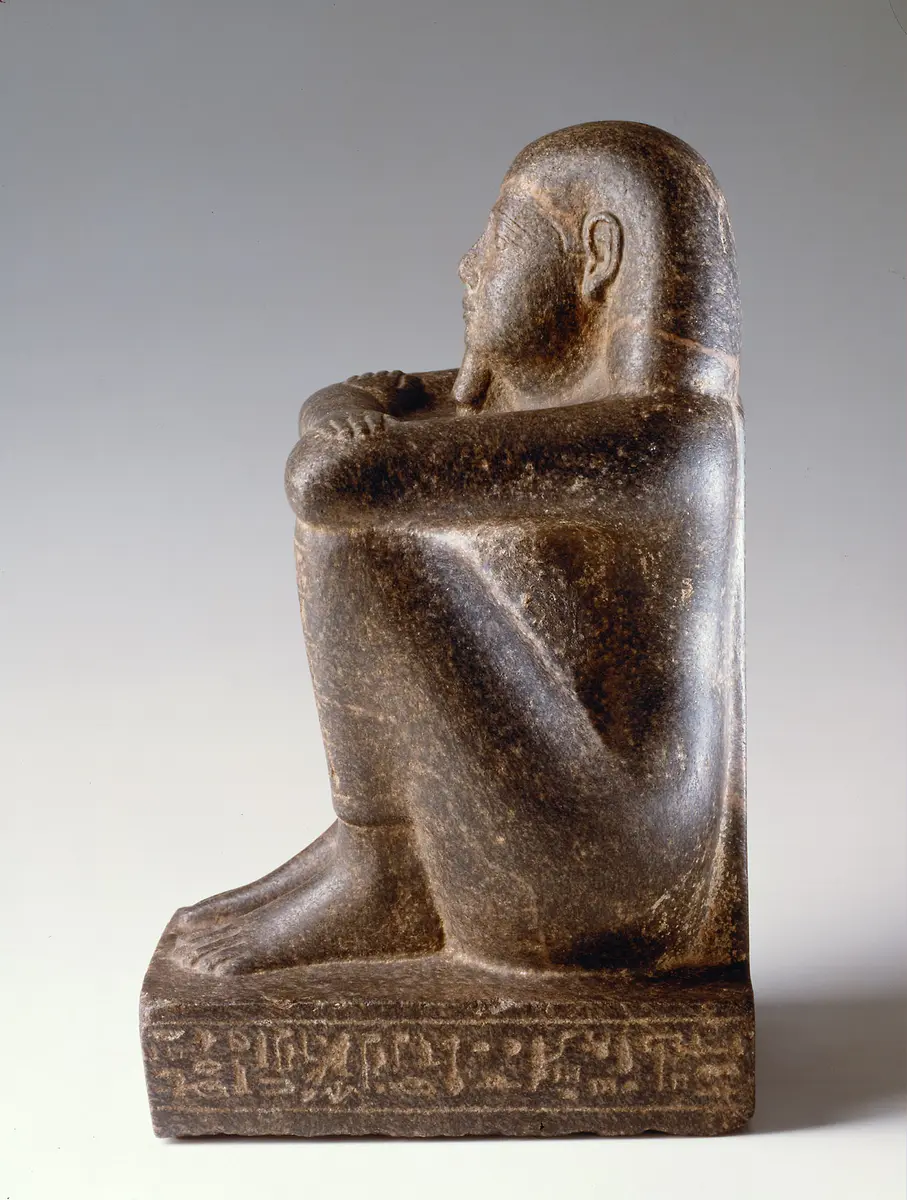
This type of sculpture – also known as a block statue – is only documented in the non-royal repertory. Set up in a god’s temple it enabled the owner to partake symbolically of the daily offerings presented to the deity. The inscriptions name Hor-em-ta-bat and his parents and request protection and longevity for the statue.
Time:
early 26th Dynasty, ca. 650 BC
Object Name
Statue
Culture
Ägyptisch
Location of discovery:
Theben (vermutlich)
Material/technology:
Granodiorite
Dimensions:
H 32 cm, B 15,8 cm, T 19,6 cm
Copyright
Kunsthistorisches Museum, Ägyptisch - Orientalische Sammlung
Invs.
Ägyptische Sammlung, INV 9639
Provenance
1991, purchased
Browse more
Similar items you might be interested in
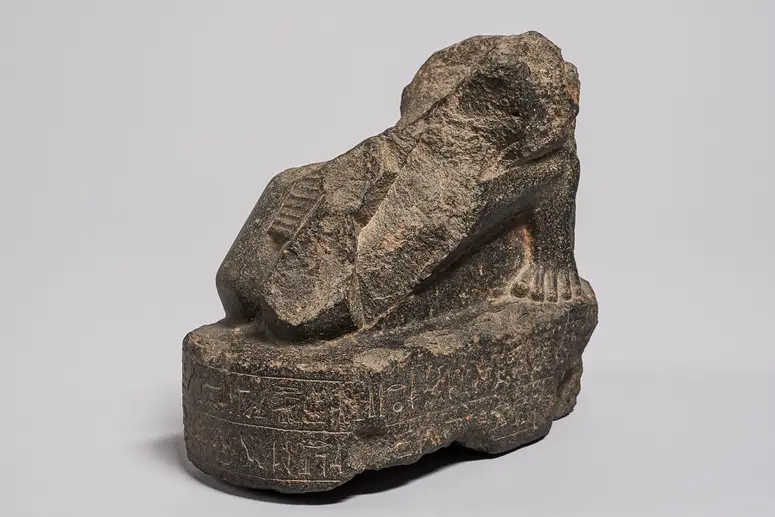
Unterteil einer knienden Statuette des Hor-em-achbit Fundort unbekannt Ende 25. bis Beginn 26. Dynastie, ca. 680-630 v. Chr.
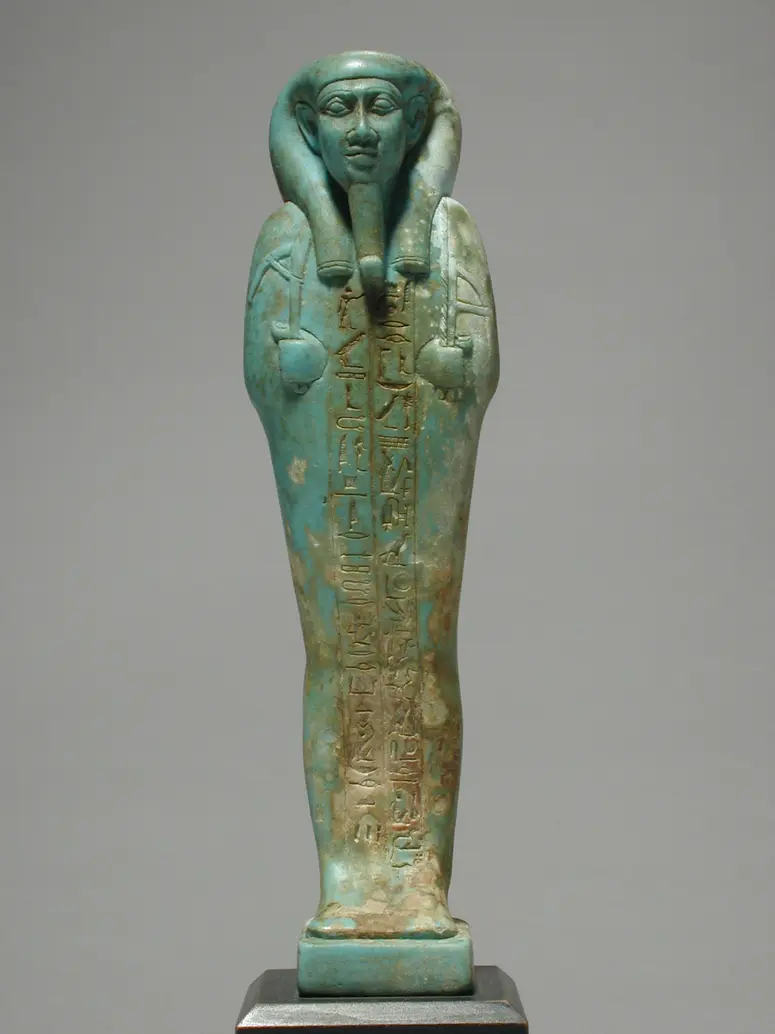
Uschebti für Hor-em-achbit Fundort unbekannt Ende 25. bis Beginn 26. Dynastie, ca. 680-630 v. Chr.
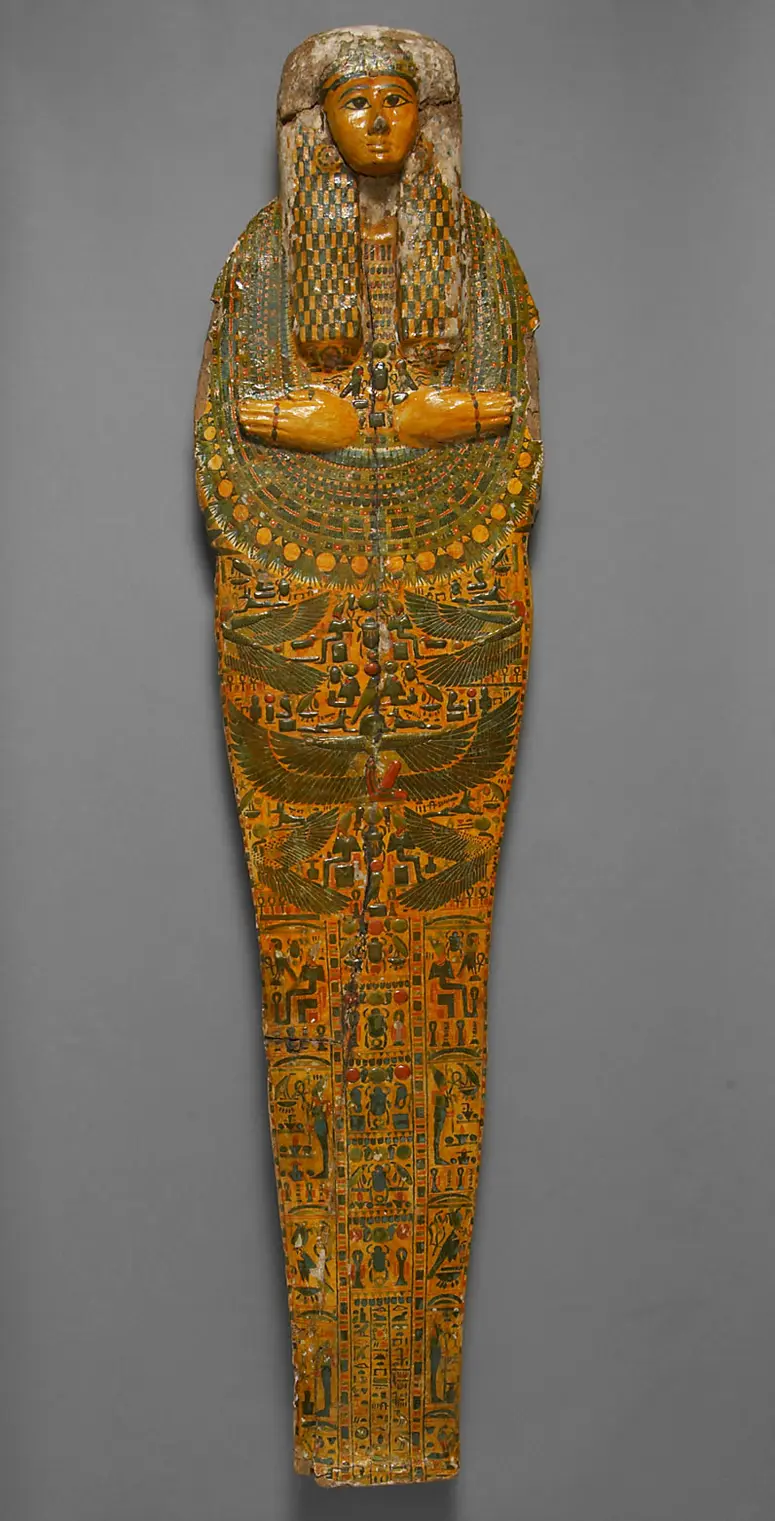
Mumienbrett der Ta-baket-nit-chensu Theben-West, Deir el-Bahari, 2. Cachette 21. Dynastie, 1000-931 v. Chr.
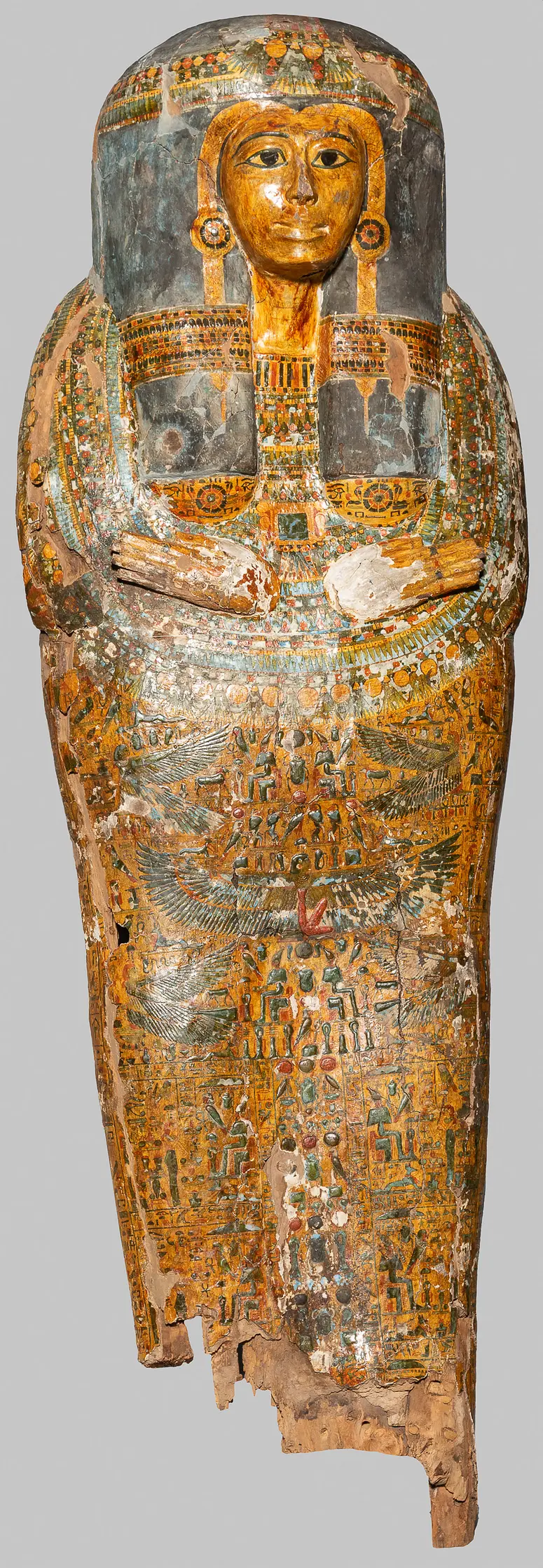
Mumienförmiger Außensarg der Ta-baket-nit-chensu Theben-West, Deir el-Bahari, 2. Cachette 21. Dynastie, 1000-931 v. Chr.
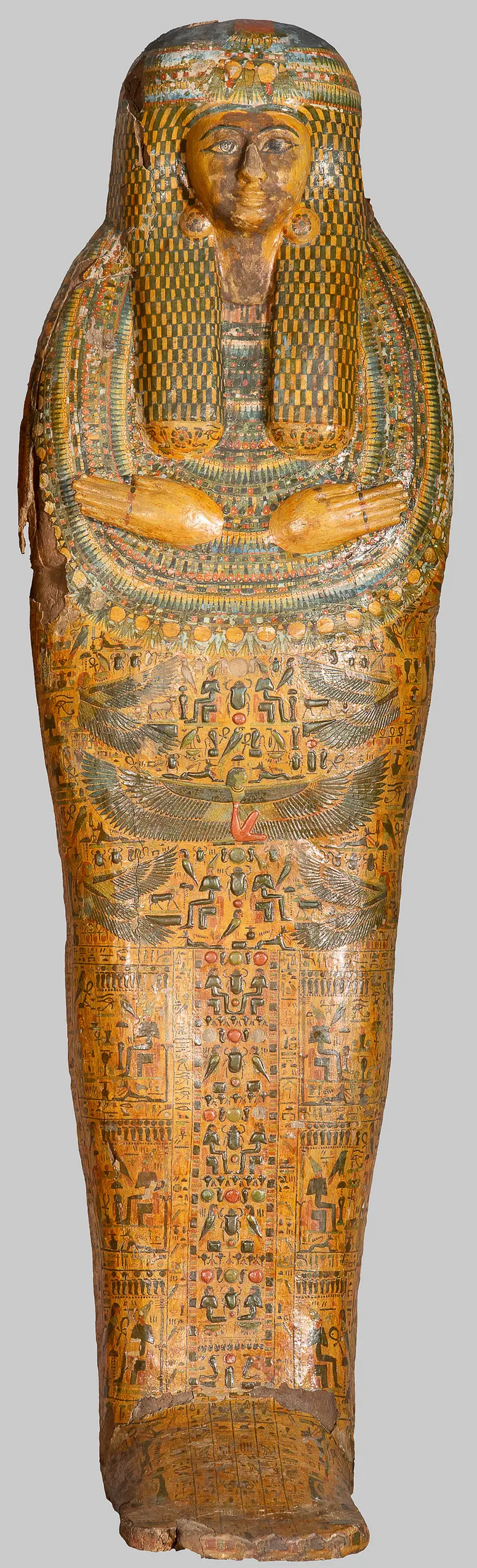
Mumienförmiger Innensarg der Ta-baket-nit-chensu Theben-West, Deir el-Bahari, 2. Cachette 21. Dynastie, 1000-931 v. Chr.
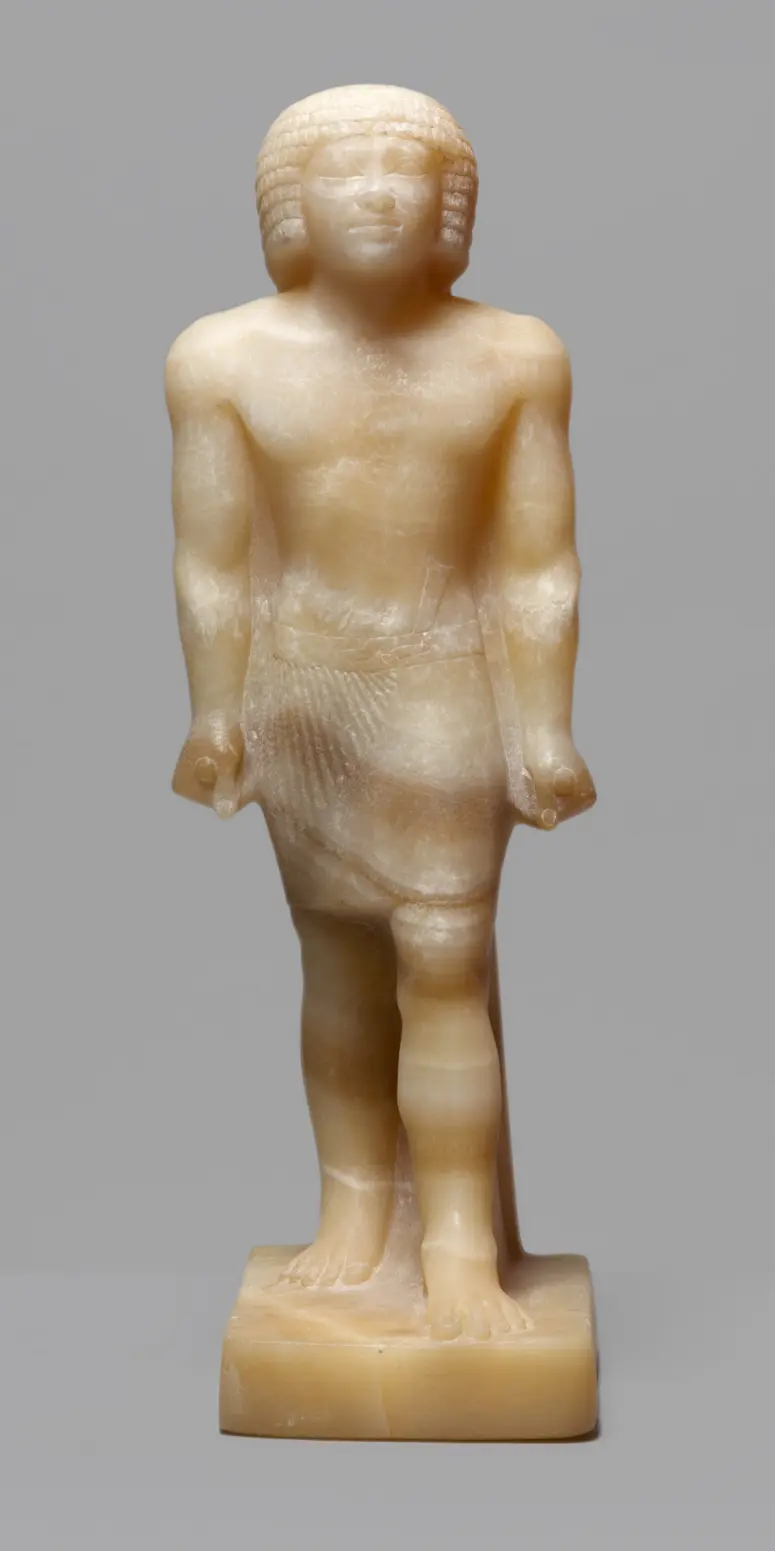
Standing statue of Ba-ba-ef Giza, Mastaba des Ba-ba-ef (G. 5230), Schutt der Nordwand early 5th Dynasty, ca. 2500 BC
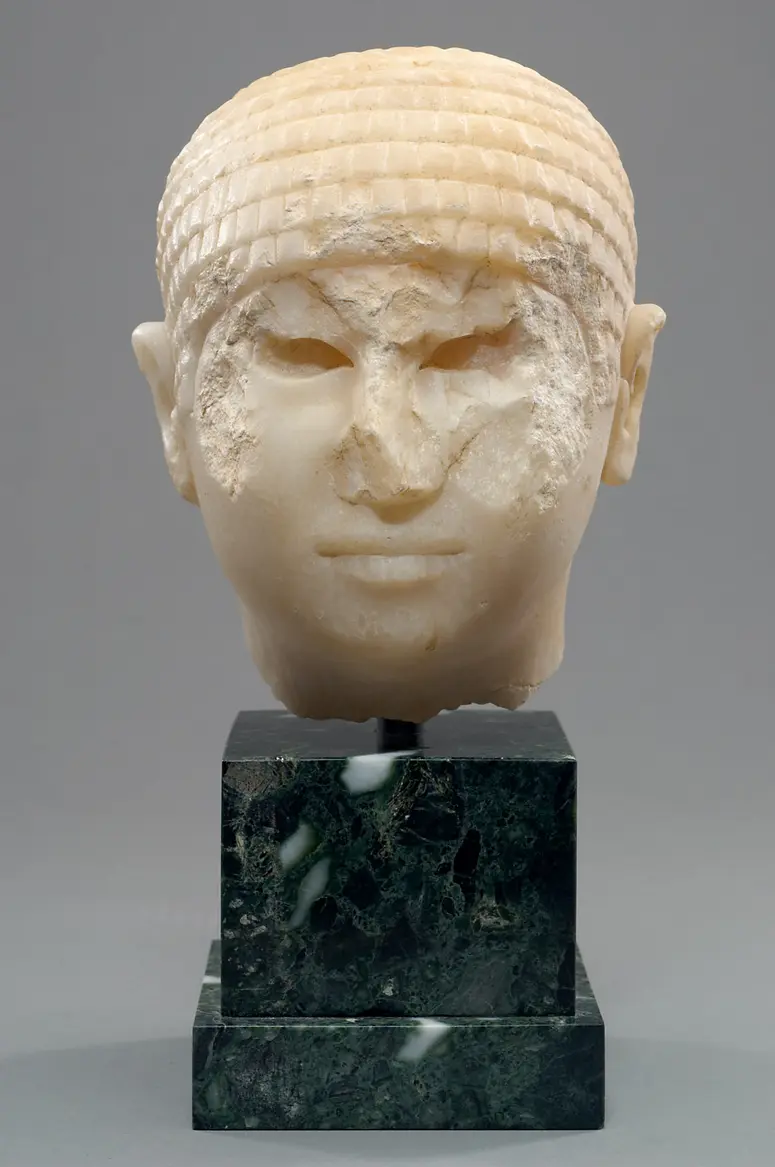
Kopf einer Statue des Ba-ba-ef Giza, Mastaba des Ba-ba-ef (G. 5230), Schutt der Nordwand Frühe 5. Dynastie, um 2500 v. Chr.
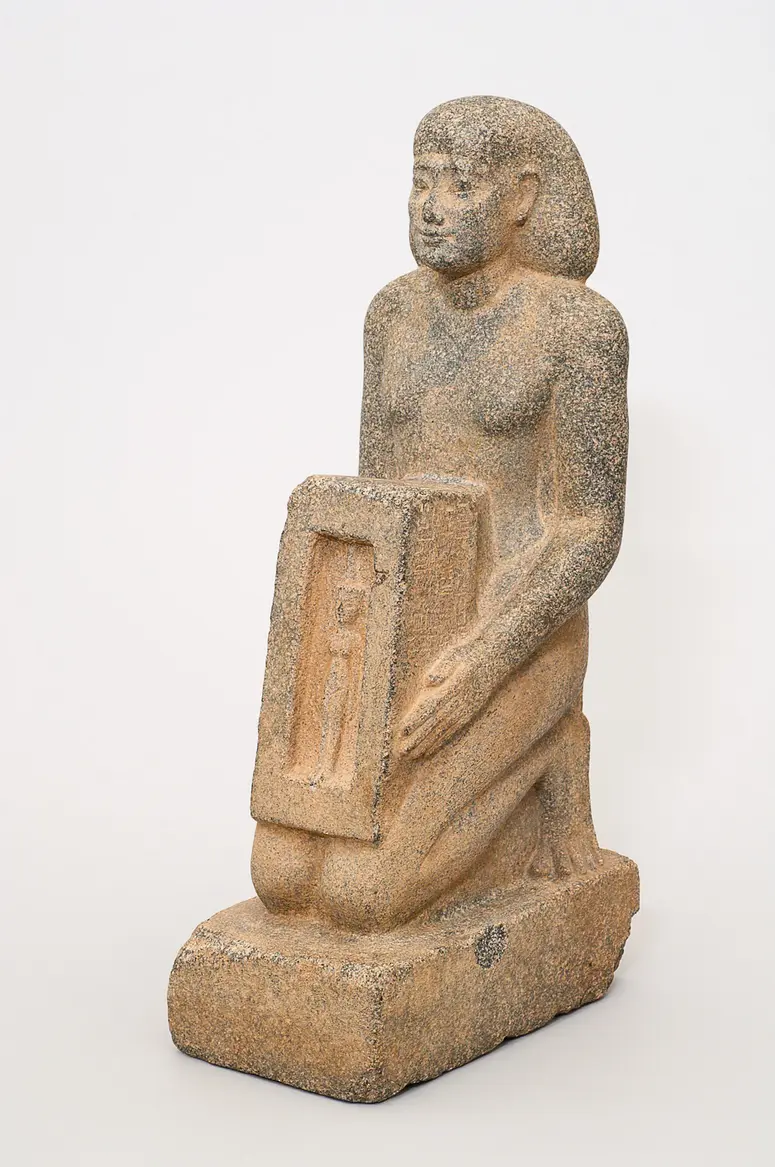
Naophorous statue of Gem-nef-hor-bak Sais (vermutlich) 30th Dynasty, 1st half of the 4th century BC
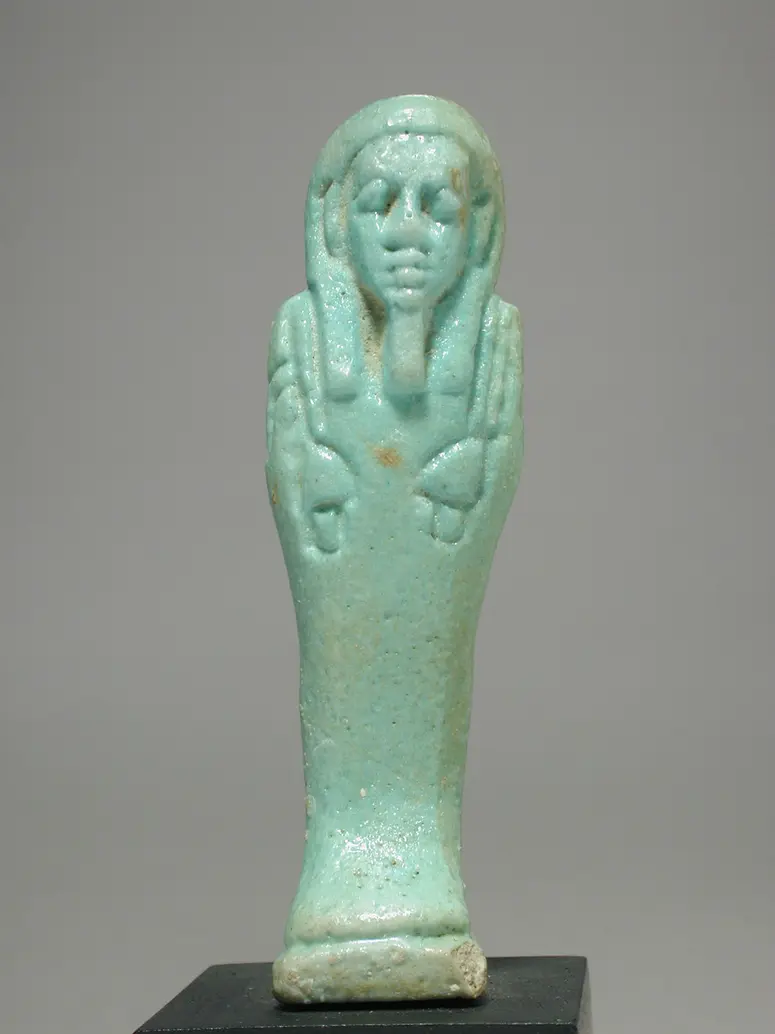
Uschebti des Pa-es-em-tjek (Psammetich) Fundort unbekannt 26. Dynastie, 664-525 v. Chr.
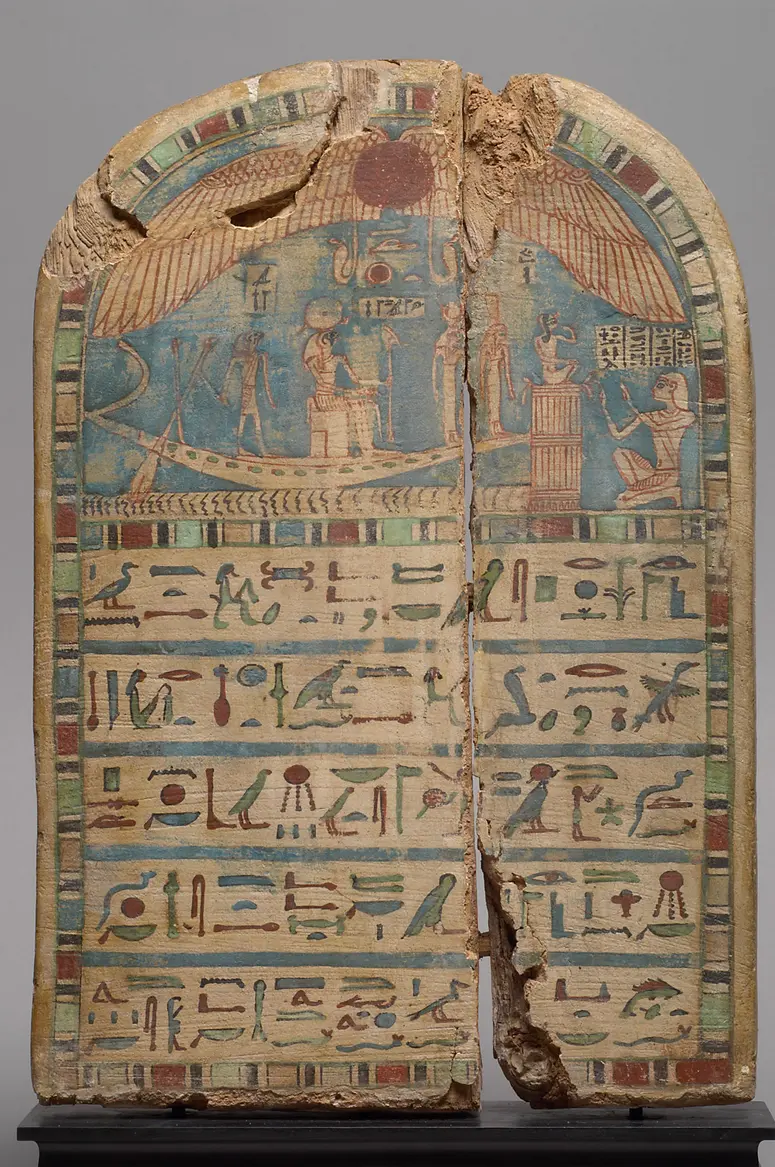
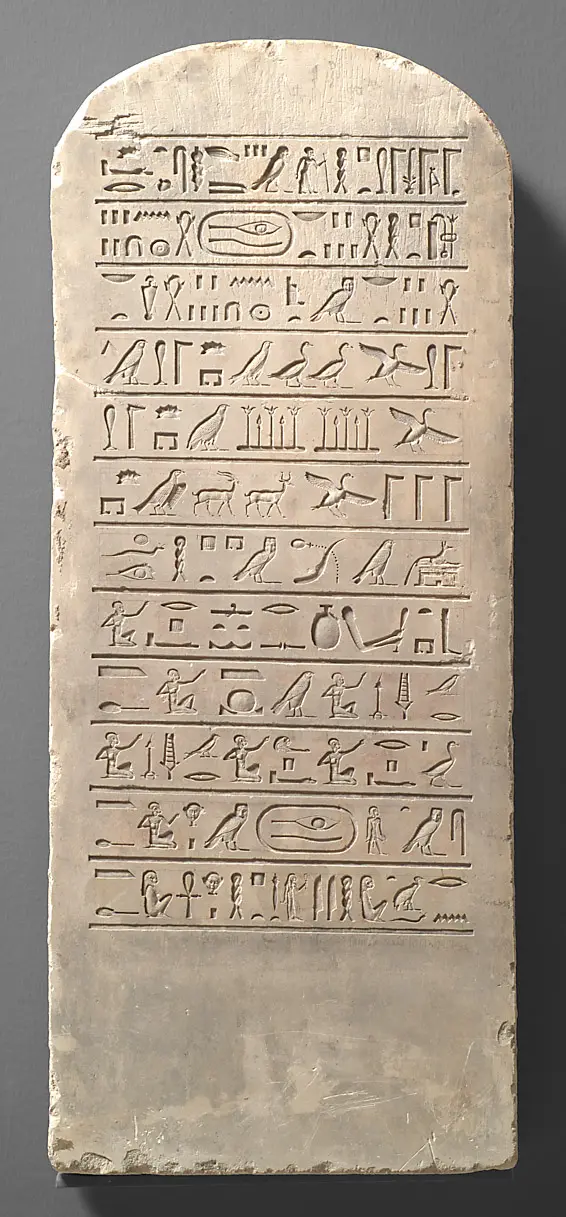
Stele des Pa-es-em-tjek-em-aui-en-nut Theben (vermutlich) 2. Hälfte 26. Dynastie, ca. 580-525 v. Chr.
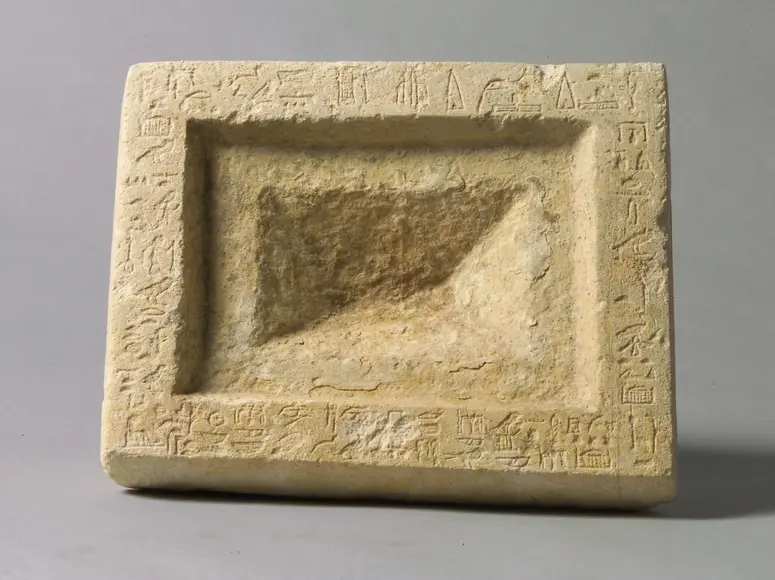
Opferbecken der Wem-tet-ka Giza, Westfriedhof, südlich von Mastaba D 21 6. Dynastie, ca. 2374-2191 v. Chr.

False door tablet of Nefer-en-chufu and Setjetit Giza (vermutlich) 5th Dynasty, ca. 2514-2374 BC;
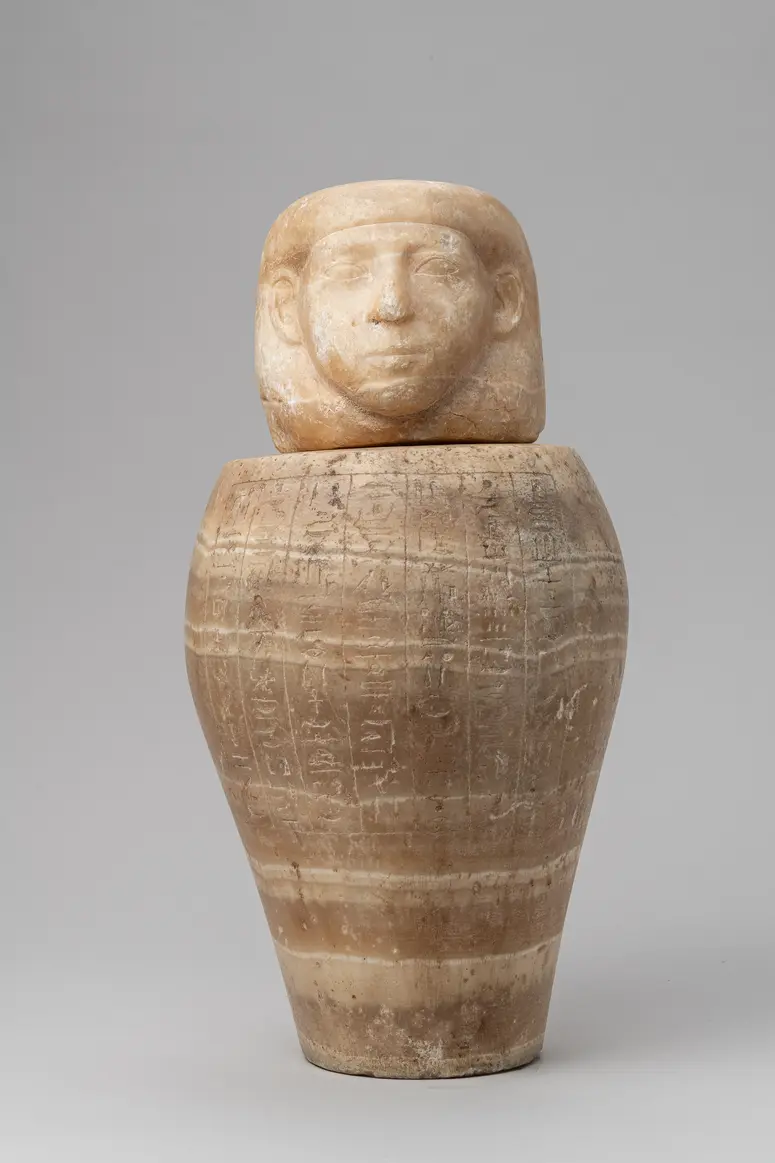
Kanope des Hor-sema-taui-em-achet mit Deckel in Form eines Menschenkopfes Unterägypten (vermutlich) 22. und 26. Dynastie, ca. 850 v. Chr. und 664-525 v. Chr.
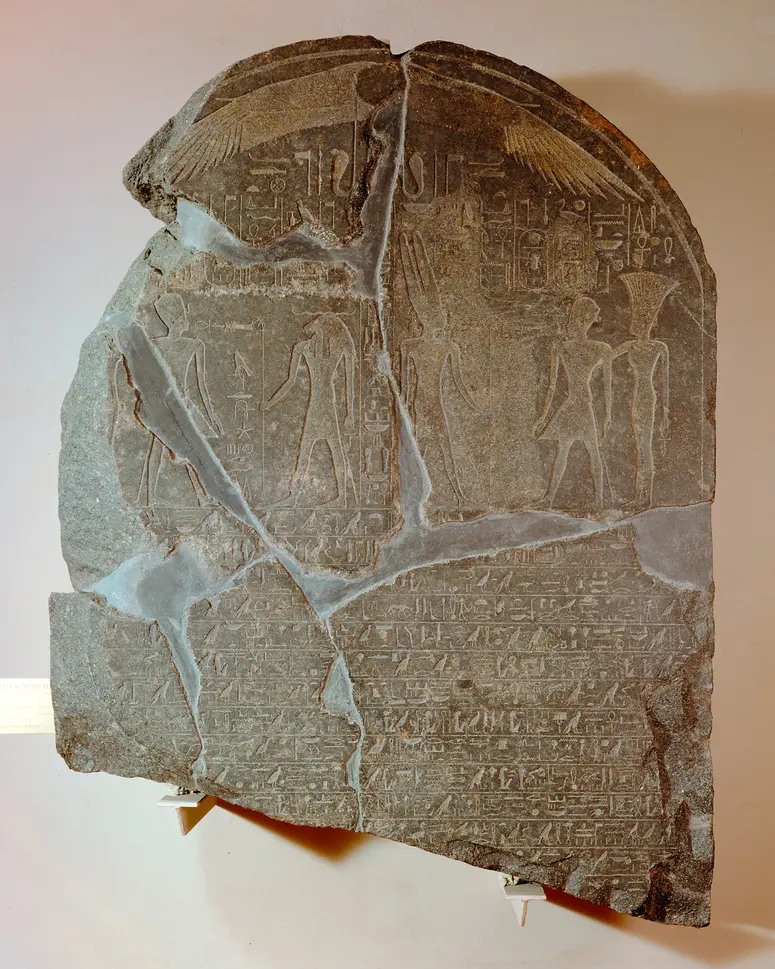
Elephantine stele of King Amenhotep II Elephantine (vermutlich) 18th Dynasty, Year 3 of Amenhotep II, ca. 1451 BC
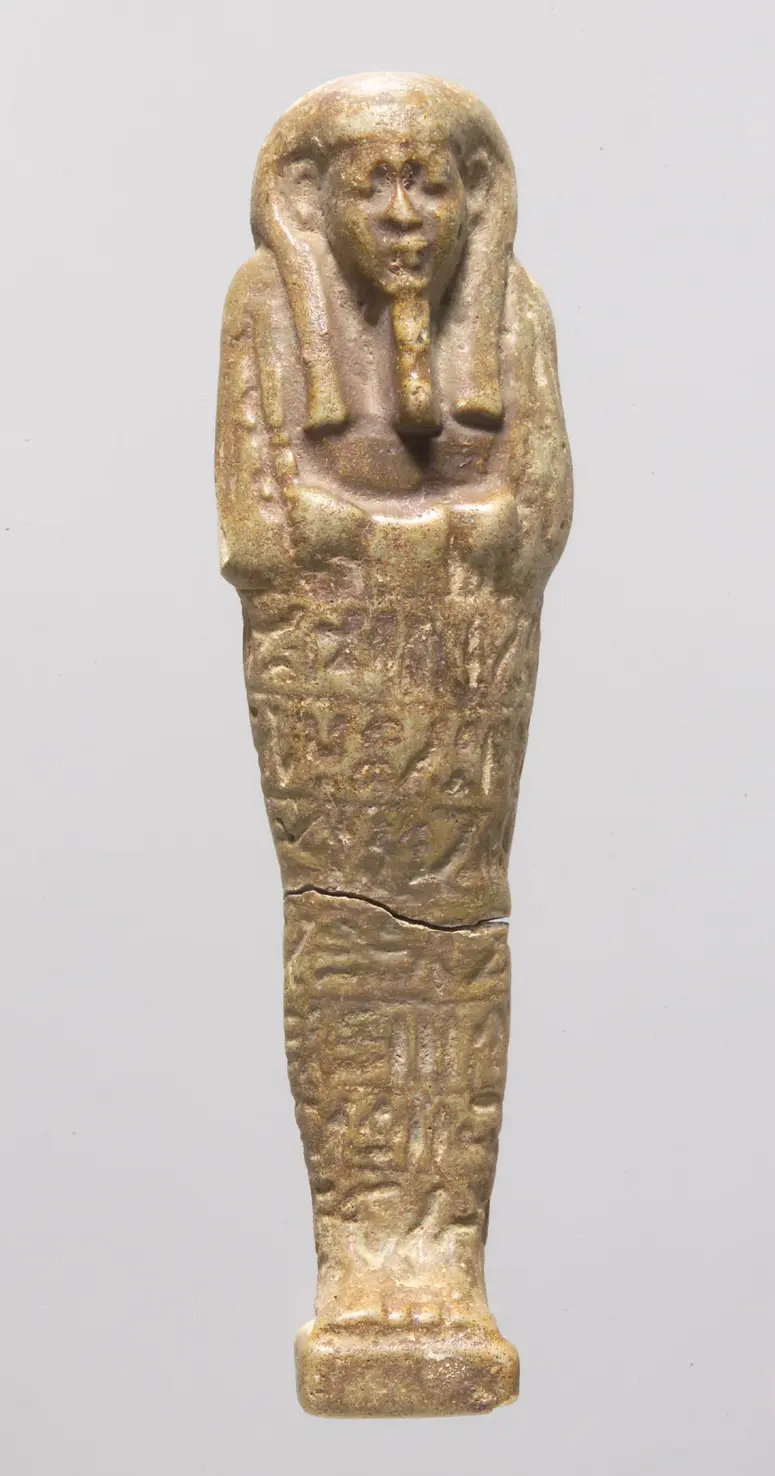
Stele des Djehuti-mes für Hor-mes Fundort unbekannt Frühe 18. Dynastie, ca. 1569-1504 v. Chr.