False door tablet of Nefer-en-chufu and Setjetit
5th Dynasty, ca. 2514-2374 BC;
This tablet was part of a so-called false door – an imaginary gateway between the here-andnow and the Hereafter. The central motif of this false door tablet is the depiction of the tomb owner and his wife seated at an offering table. The scene pictures the ritual funerary offering meal, essential for the couple’s continued existence in the Hereafter.
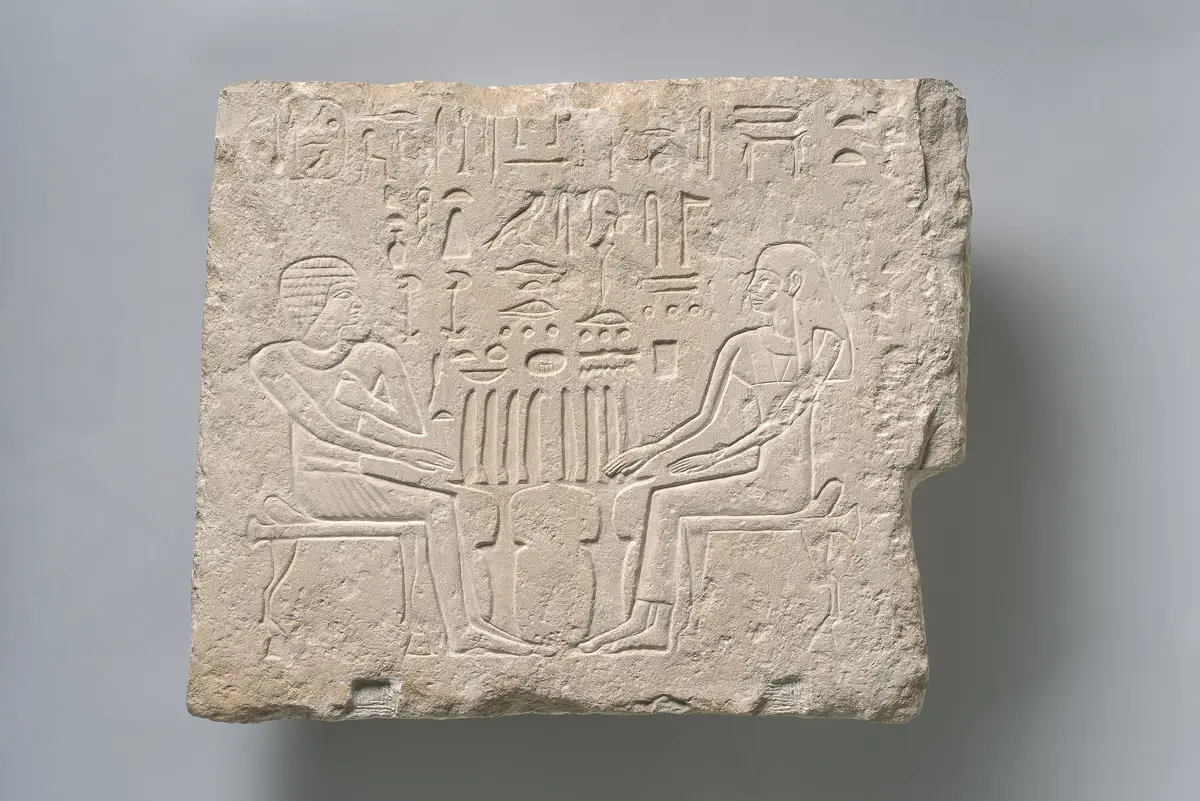
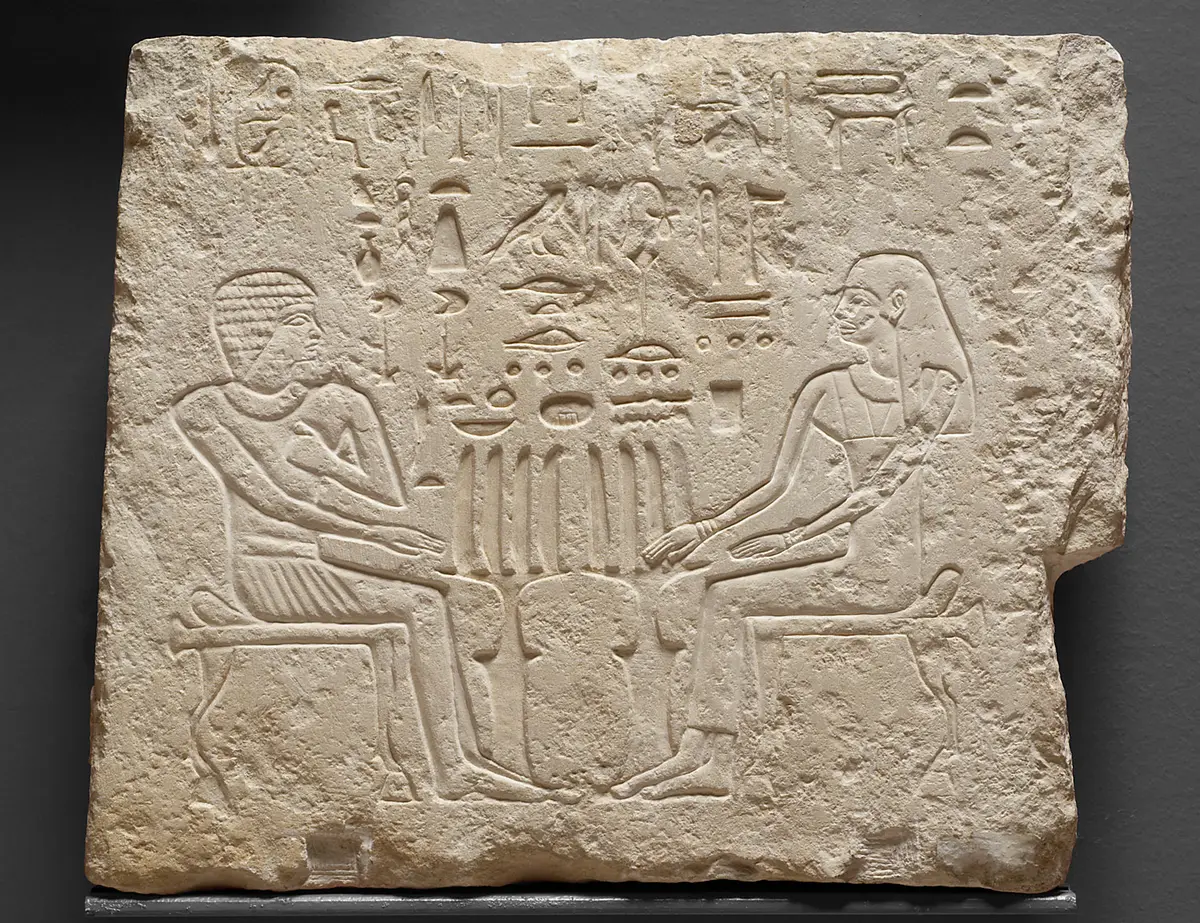
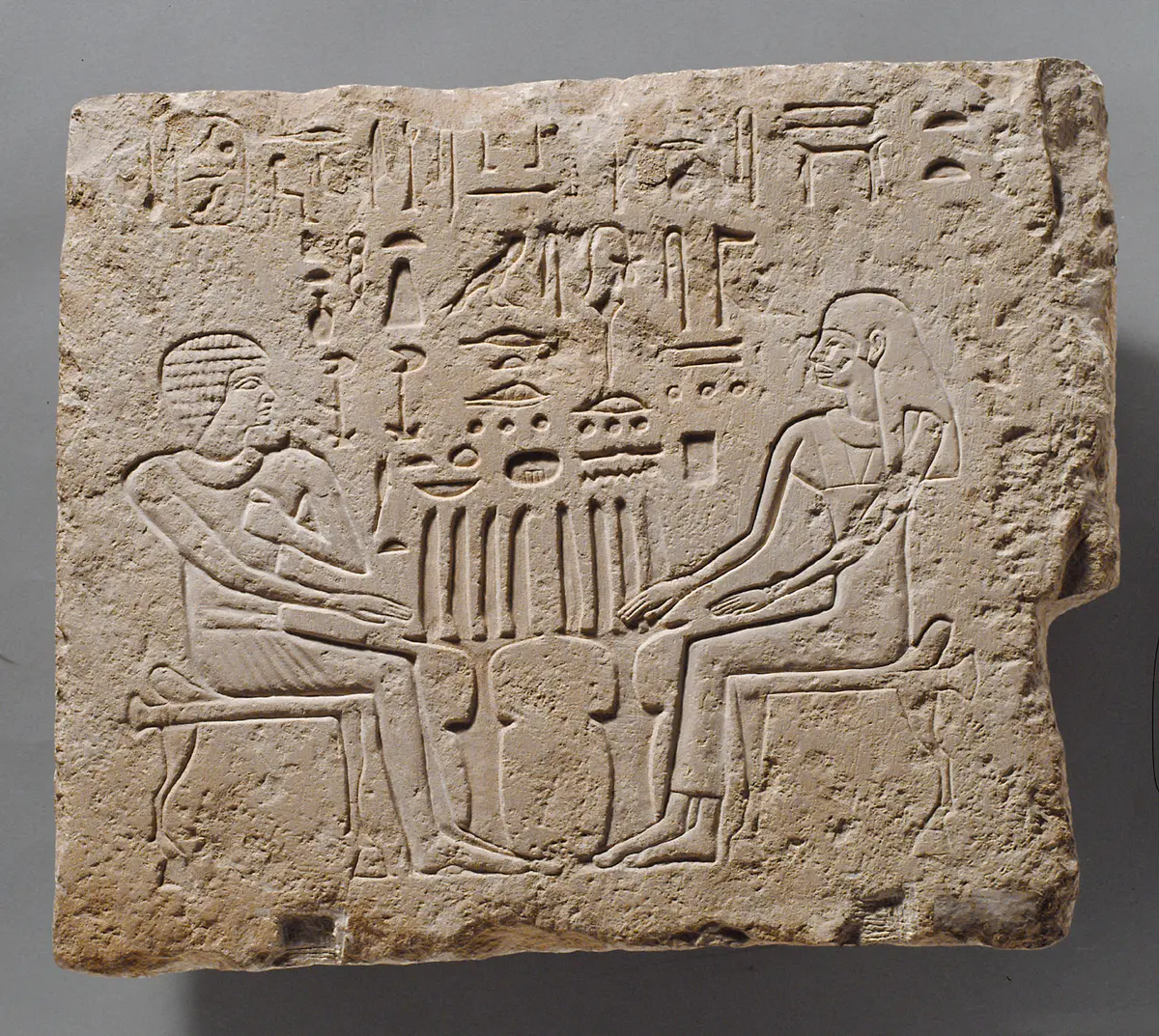
This tablet was part of a so-called false door – an imaginary gateway between the here-andnow and the Hereafter. The central motif of this false door tablet is the depiction of the tomb owner and his wife seated at an offering table. The scene pictures the ritual funerary offering meal, essential for the couple’s continued existence in the Hereafter.
Time:
5th Dynasty, ca. 2514-2374 BC;
Object Name
False door
Culture
Ägyptisch
Location of discovery:
Giza (vermutlich)
Material/technology:
Yellowish white limestone
Dimensions:
H 50 cm, B 49,5 cm, T 8,5 cm, G 38 kg
Copyright
Kunsthistorisches Museum, Ägyptisch - Orientalische Sammlung
Invs.
Ägyptische Sammlung, INV 7446
Provenance
Inventoried in 1913, presumably excavated by the Academy of Sciences, Vienna
Browse more
Similar items you might be interested in
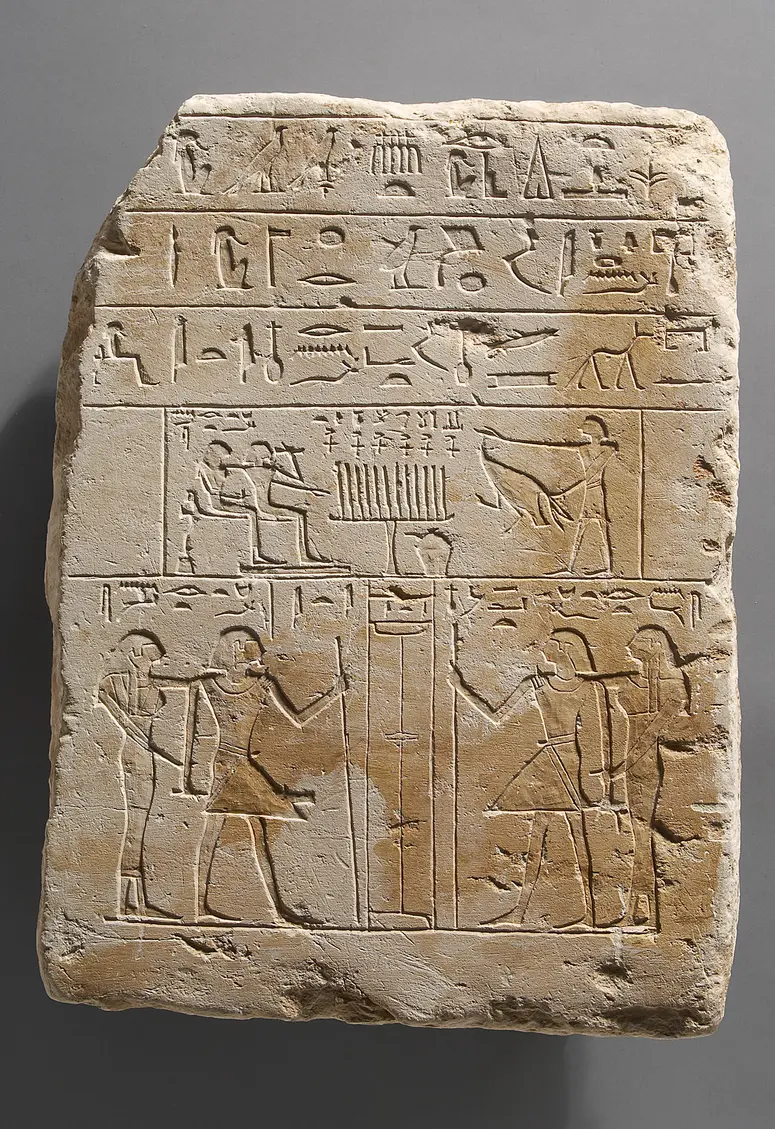
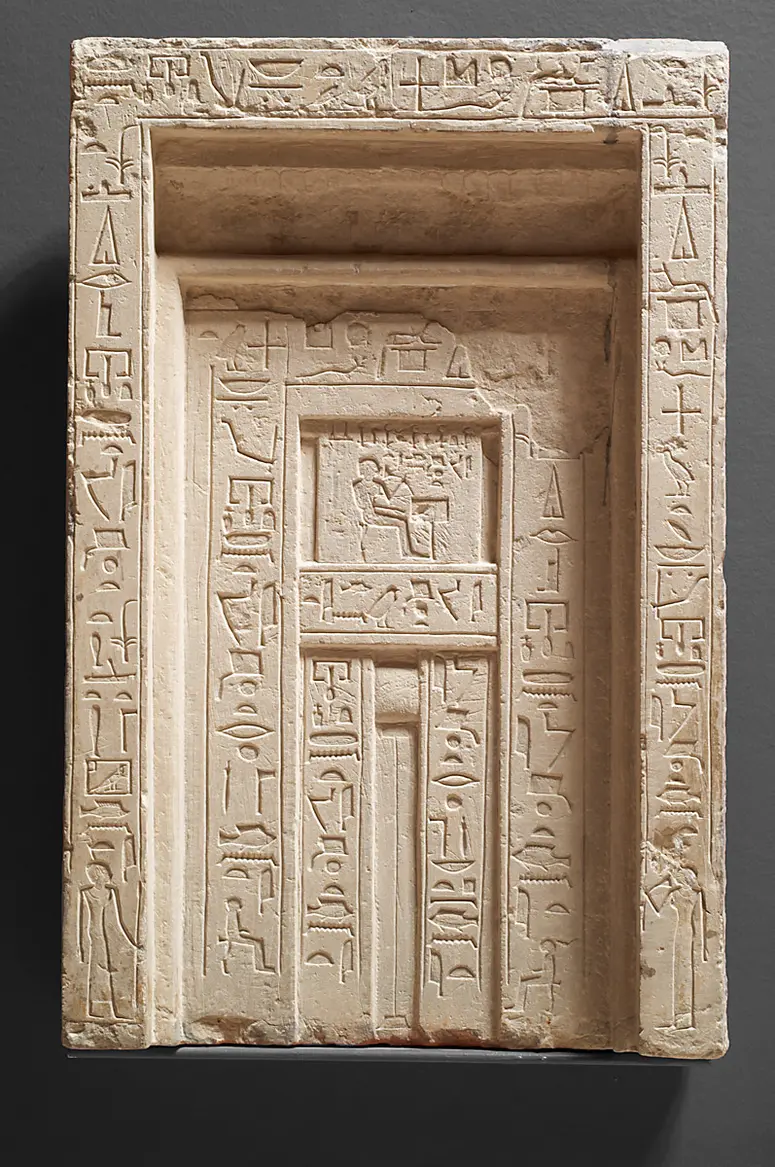
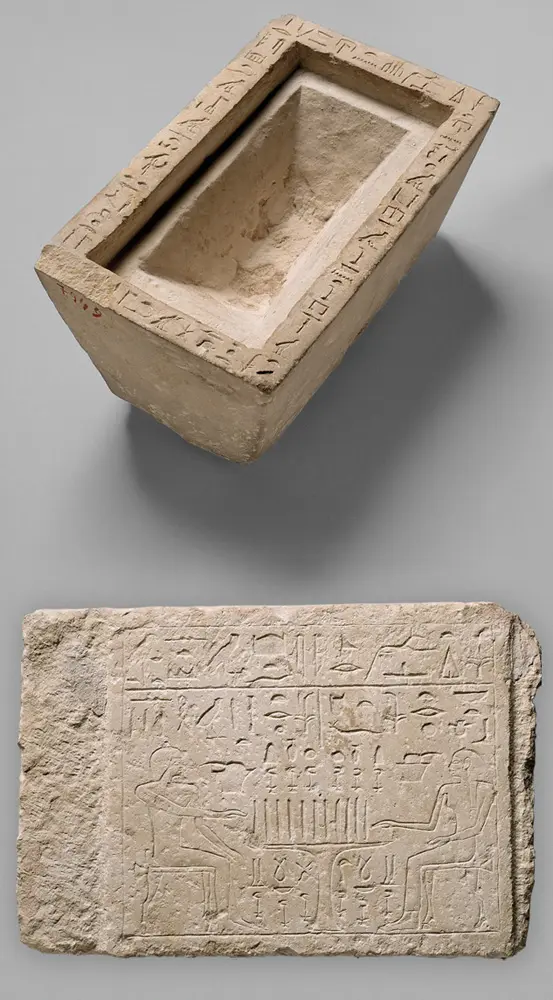
Kultbecken und Scheintürtafel des Hesi Giza, Westfriedhof, Mastaba des Hesi 6. Dynastie, ca. 2374-2191 v. Chr.
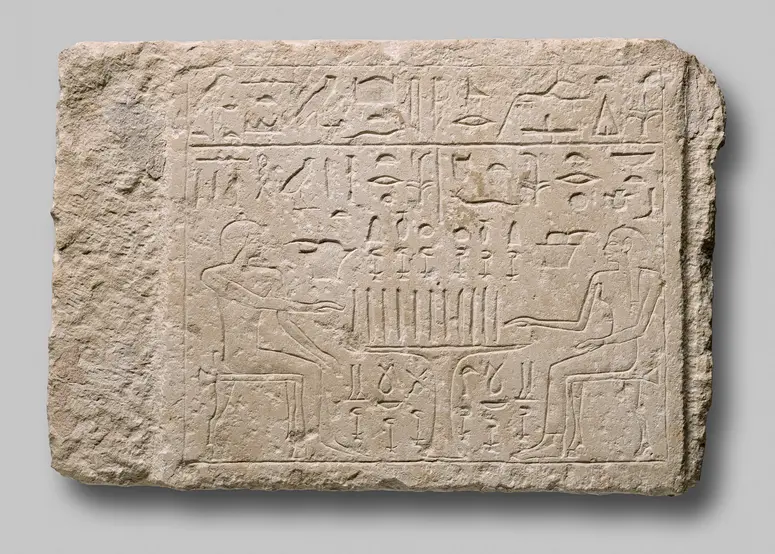
Scheintürtafel des Hesi Giza, Westfriedhof, Mastaba des Hesi 6. Dynastie, ca. 2374-2191 v. Chr.
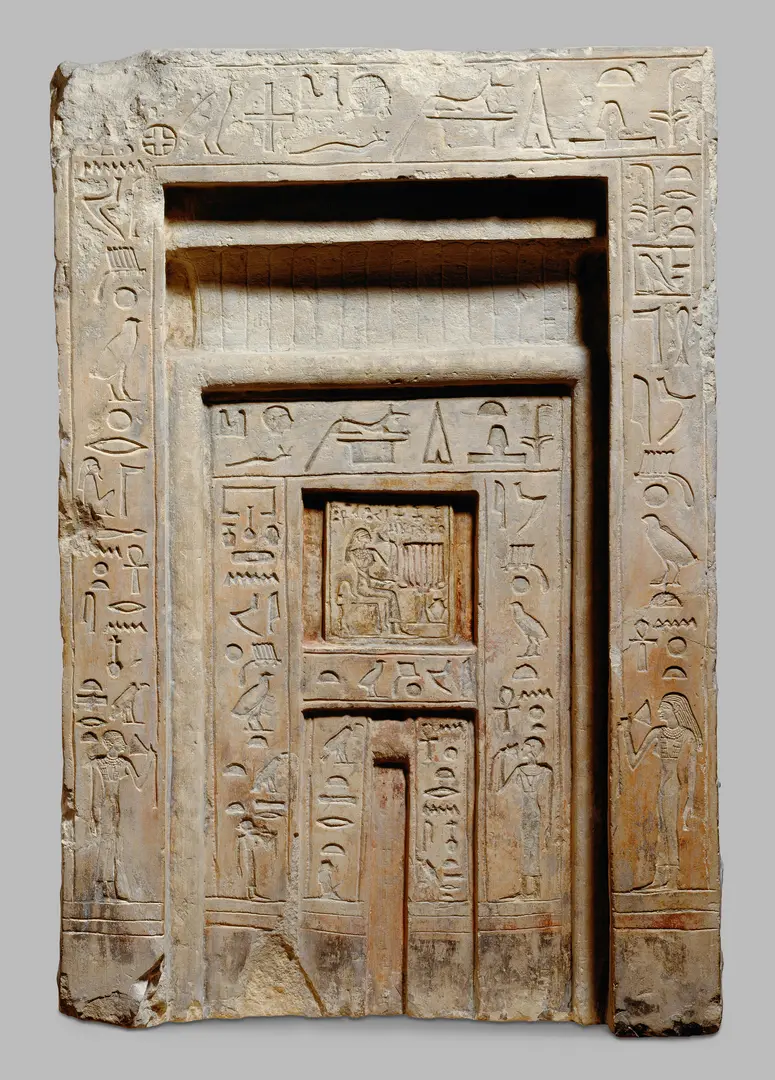
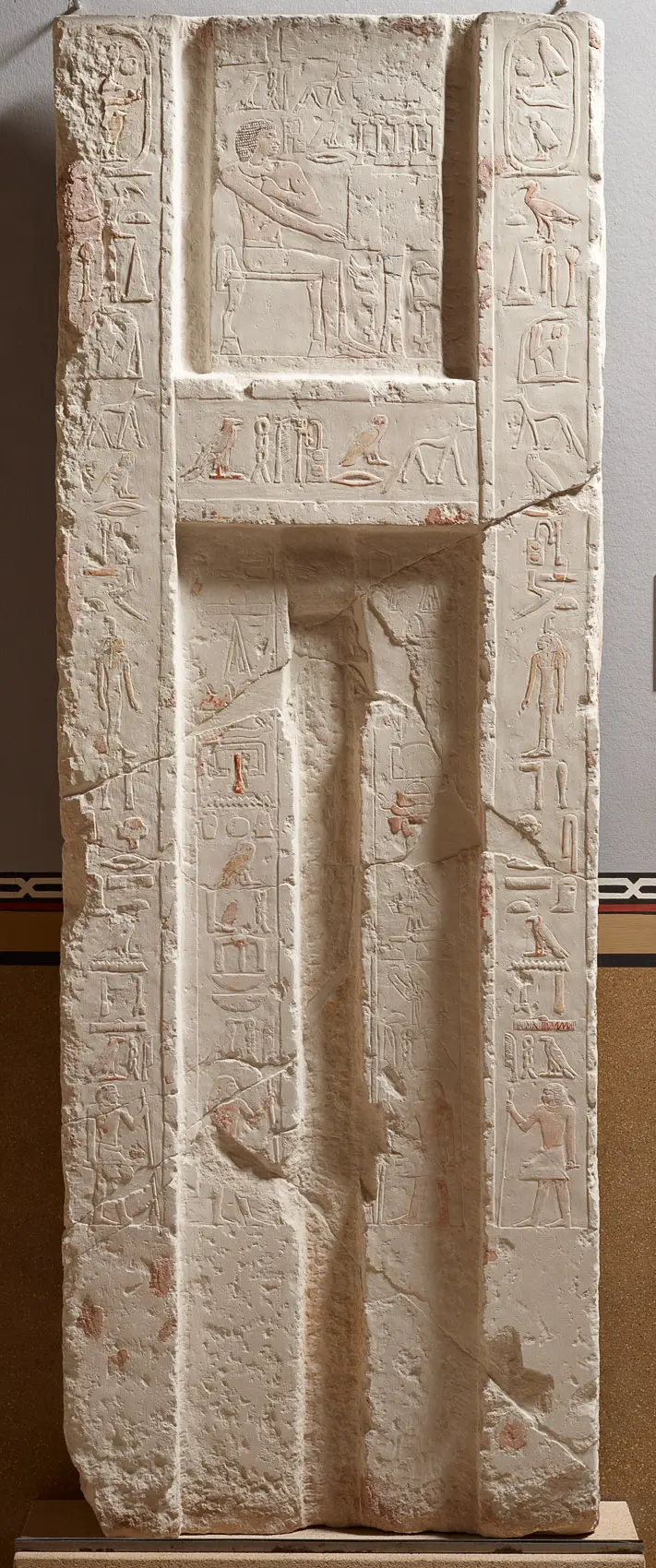
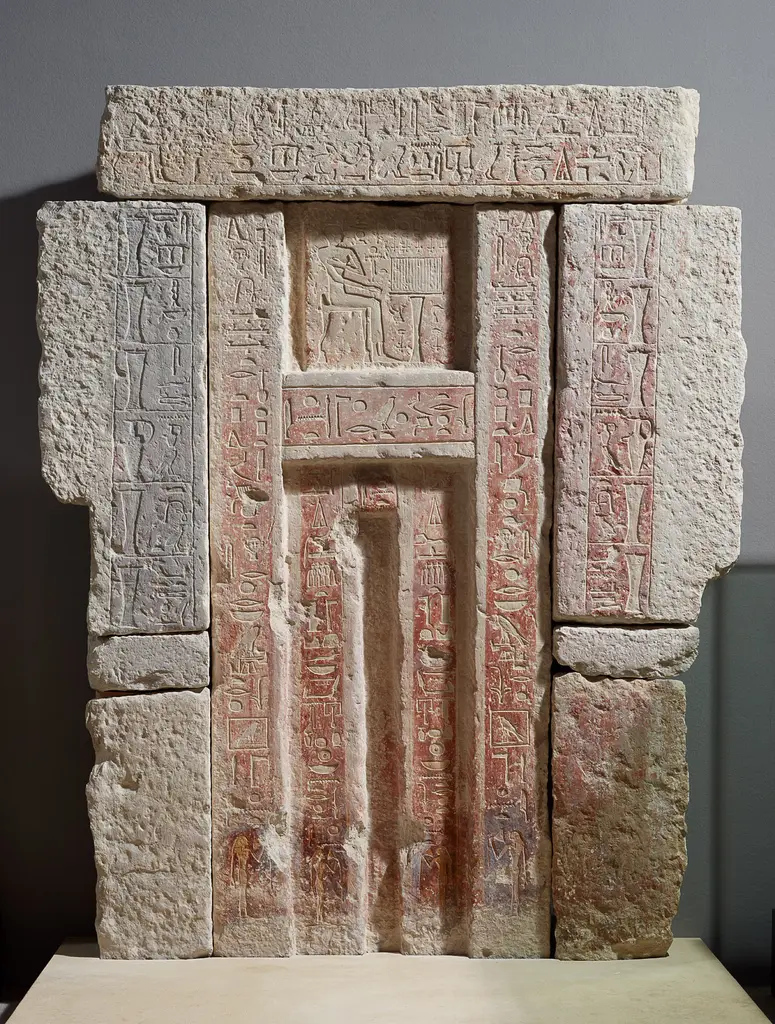
False door of Chenit Giza, Westfriedhof, Mastaba der Chenit 6th Dynasty, ca. 2374–2191 BC
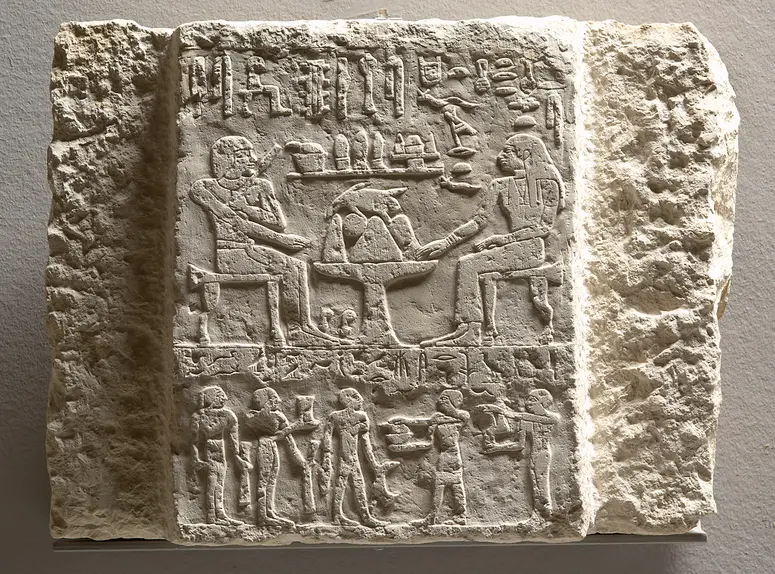
Tablet from the false door of Shepsi Giza, Westfriedhof, Mastaba des Schepsi 6th Dynasty, ca. 2374–2191 BC
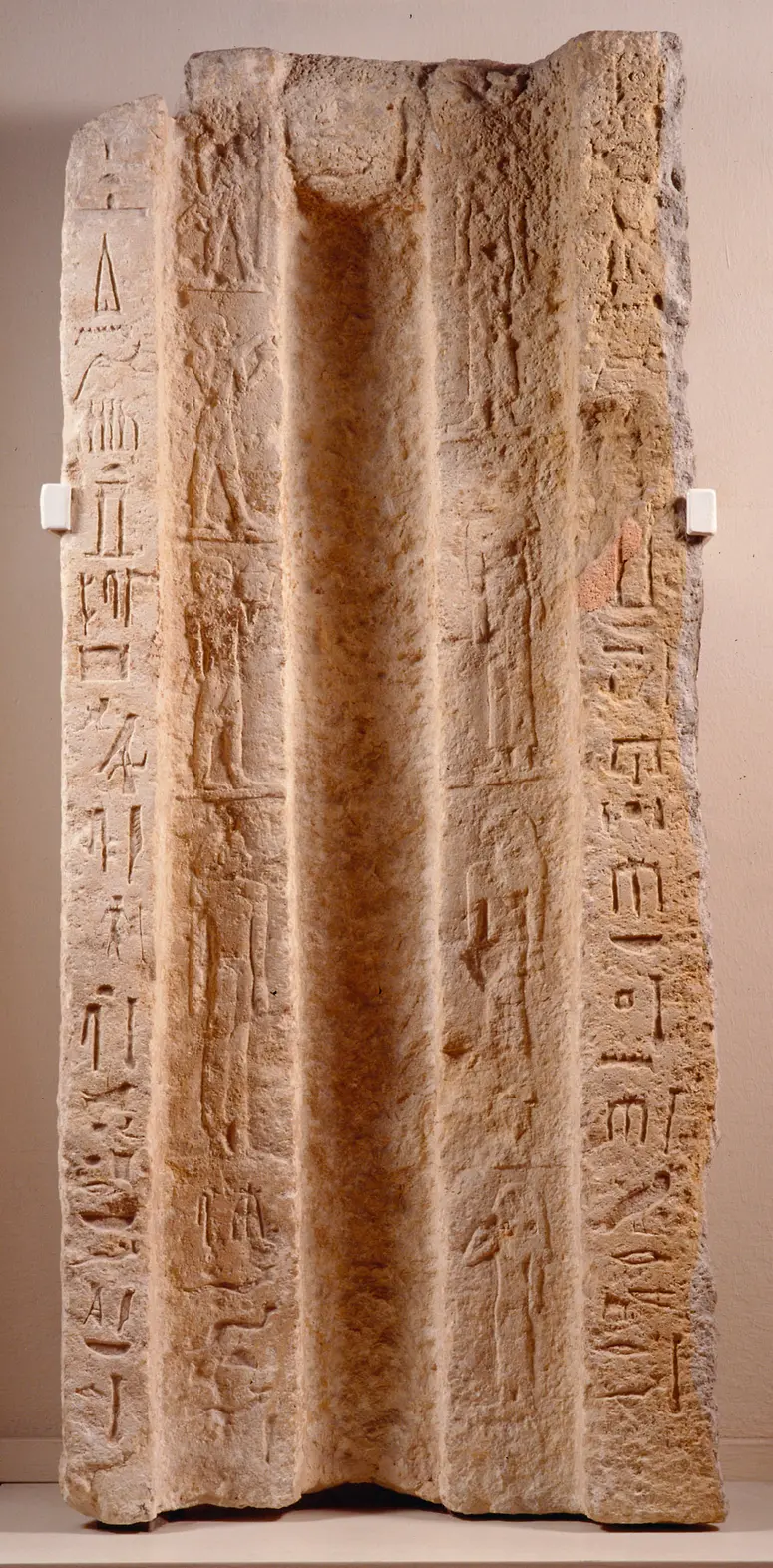
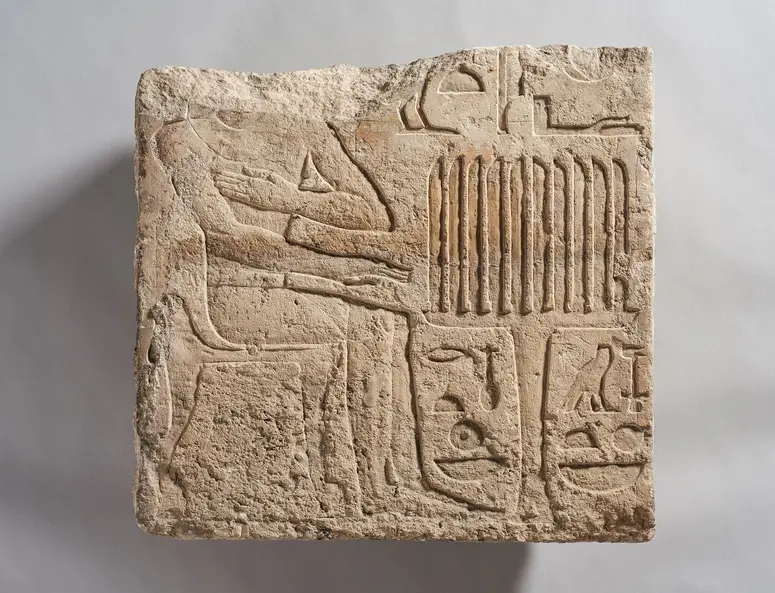
Scheintürtafel des Itusch mit Speisetischszene Saqqara, Mastaba des Semenech-ui-ptah, genannt Itusch 5. Dynastie, Zeit des Djedkare-Isesi, ca. 2436-2404 v. Chr.
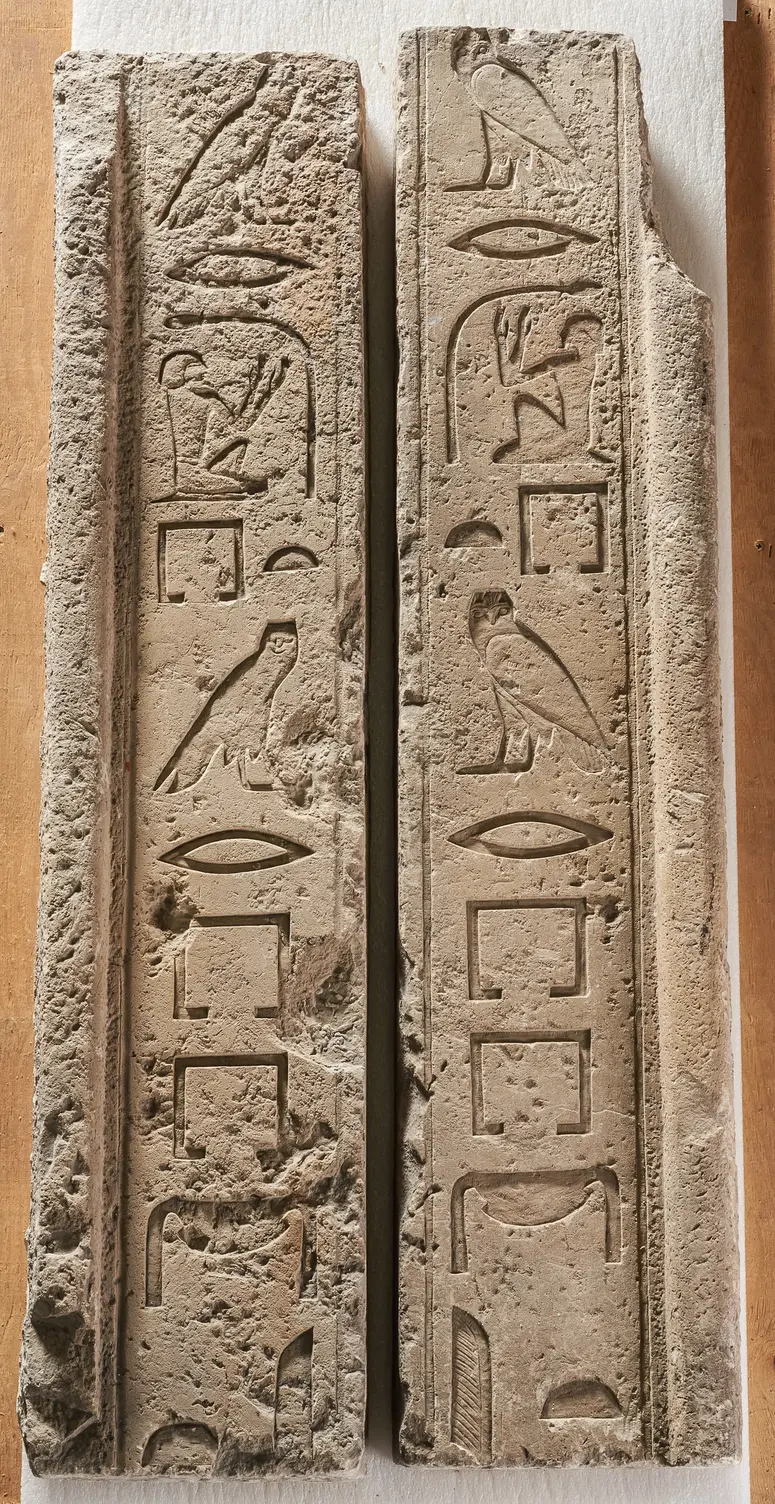
Rechter Scheintürpfosten des Itusch Saqqara, Mastaba des Semenech-ui-ptah, genannt Itusch 5. Dynastie, Zeit des Djedkare-Isesi, ca. 2436-2404 v. Chr.
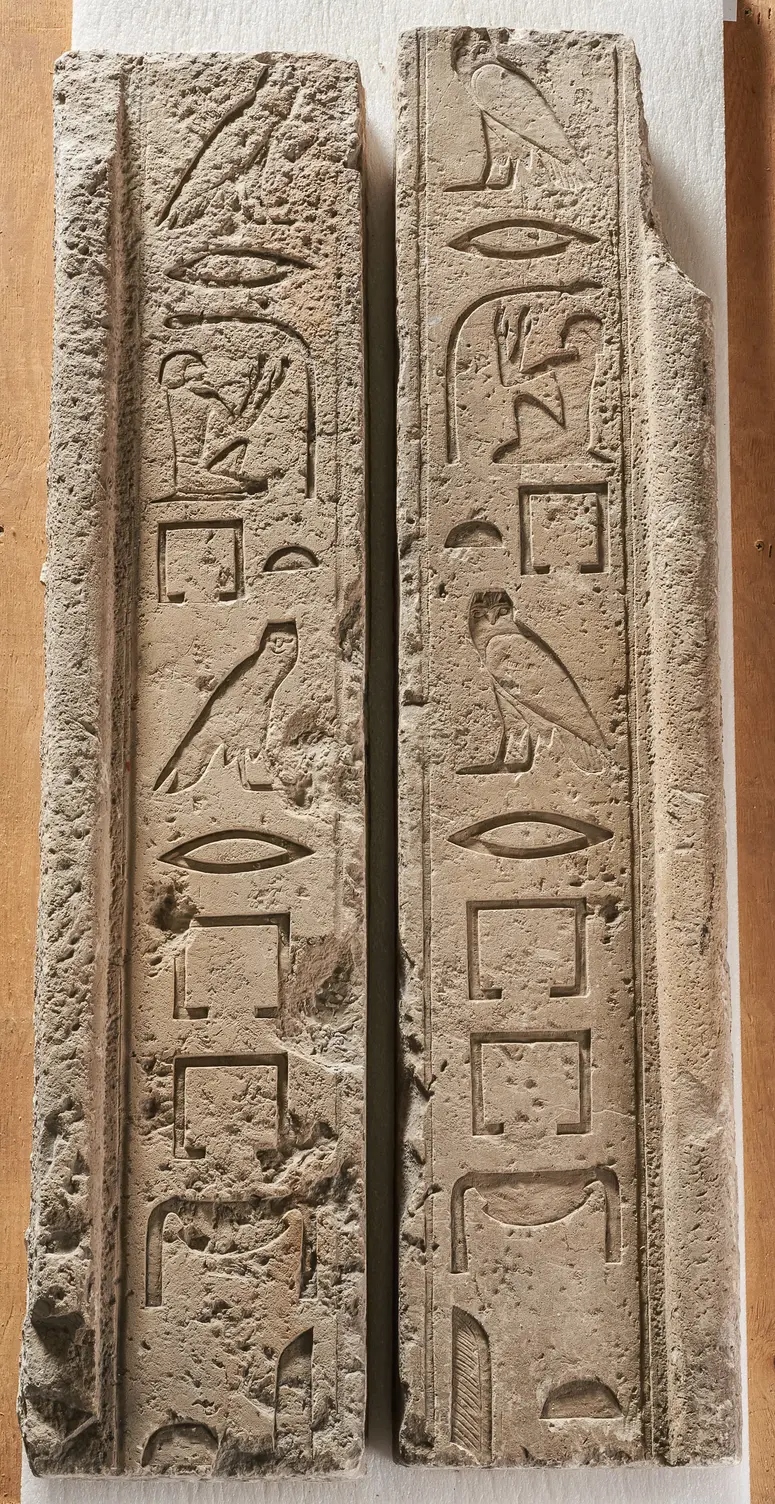
Linker Scheintürpfosten des Itusch Saqqara, Mastaba des Semenech-ui-ptah, genannt Itusch 5. Dynastie, Zeit des Djedkare-Isesi, ca. 2436-2404 v. Chr.
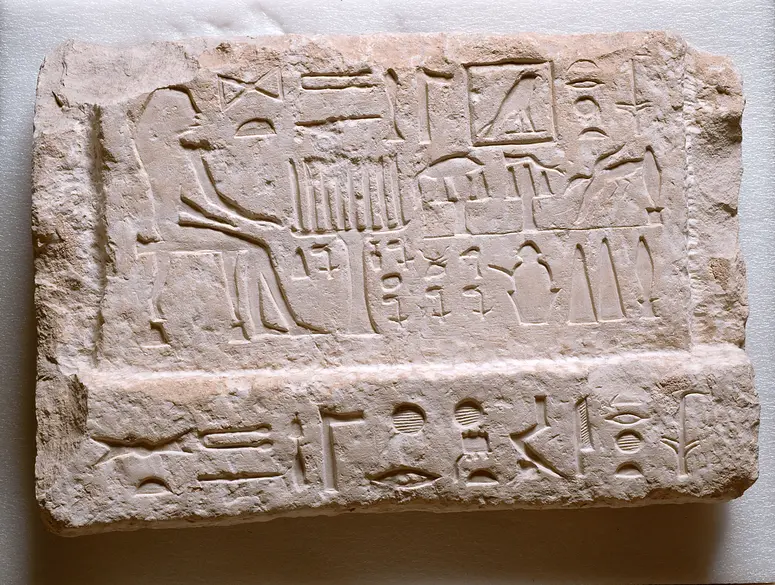
Scheintürtafel der Tjeset Giza, Westfriedhof, Mastaba des Anch-wedja, genannt Itji 6. Dynastie, ca. 2374-2191 v. Chr.
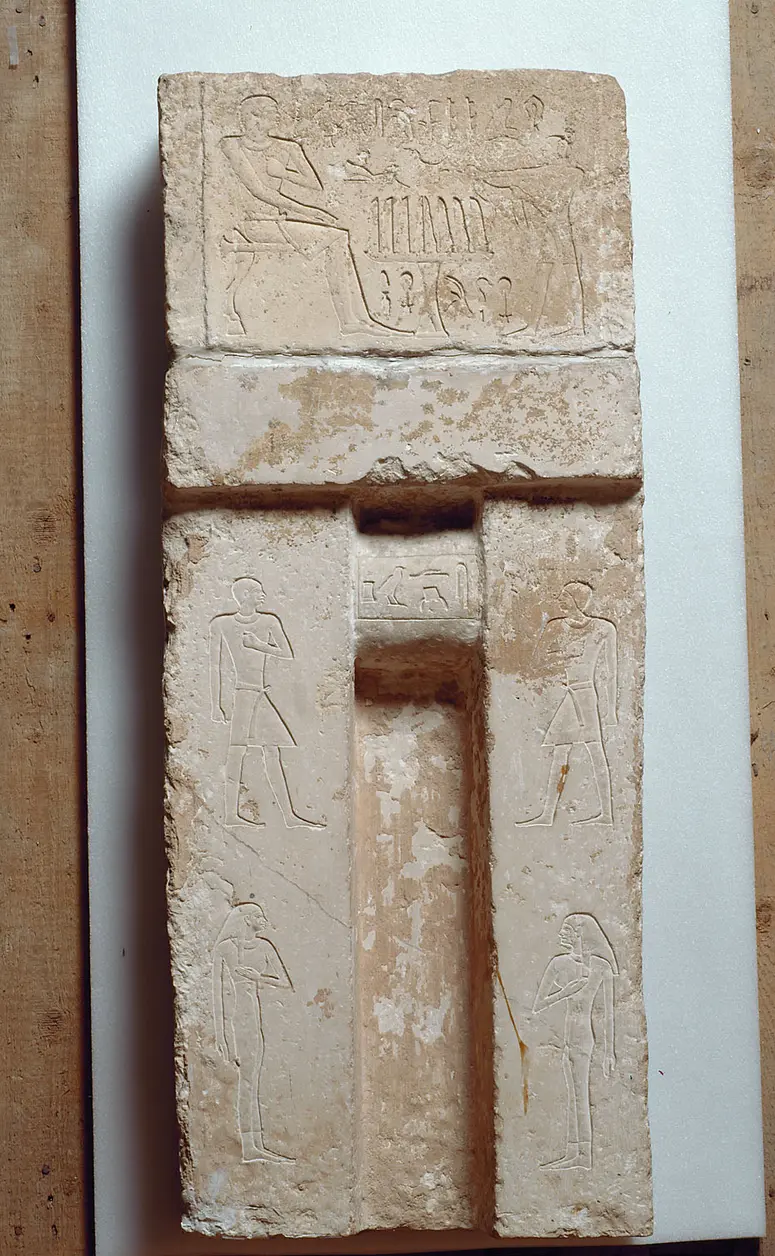
Scheintür des Seda-weg Giza, Westfriedhof, Mastaba des Seda-weg Späte 6. Dynastie, um 2200 v. Chr.
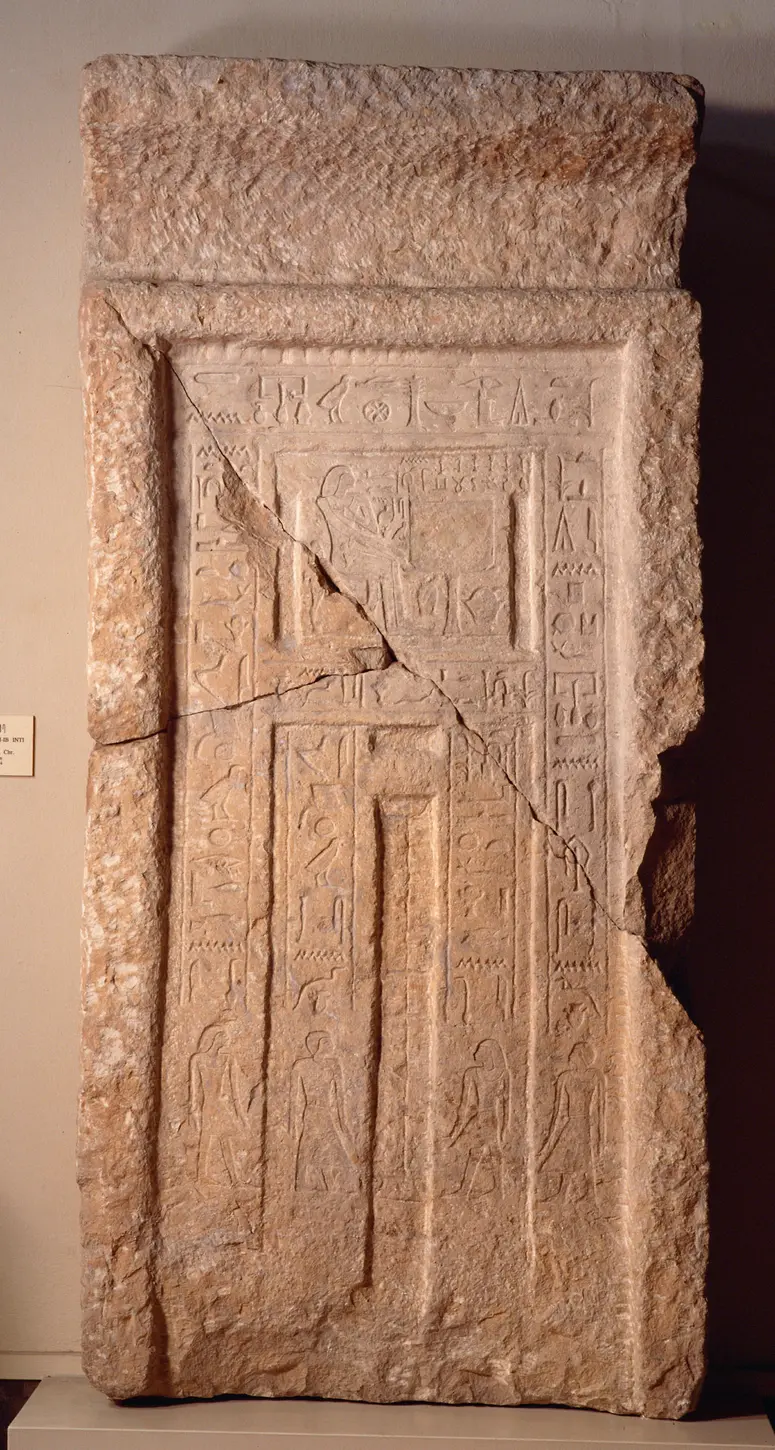
Scheintür des Senedjem-ib, genannt Inti Giza, Westfriedhof, Schacht 703 Späte 6. Dynastie, um 2200 v. Chr.
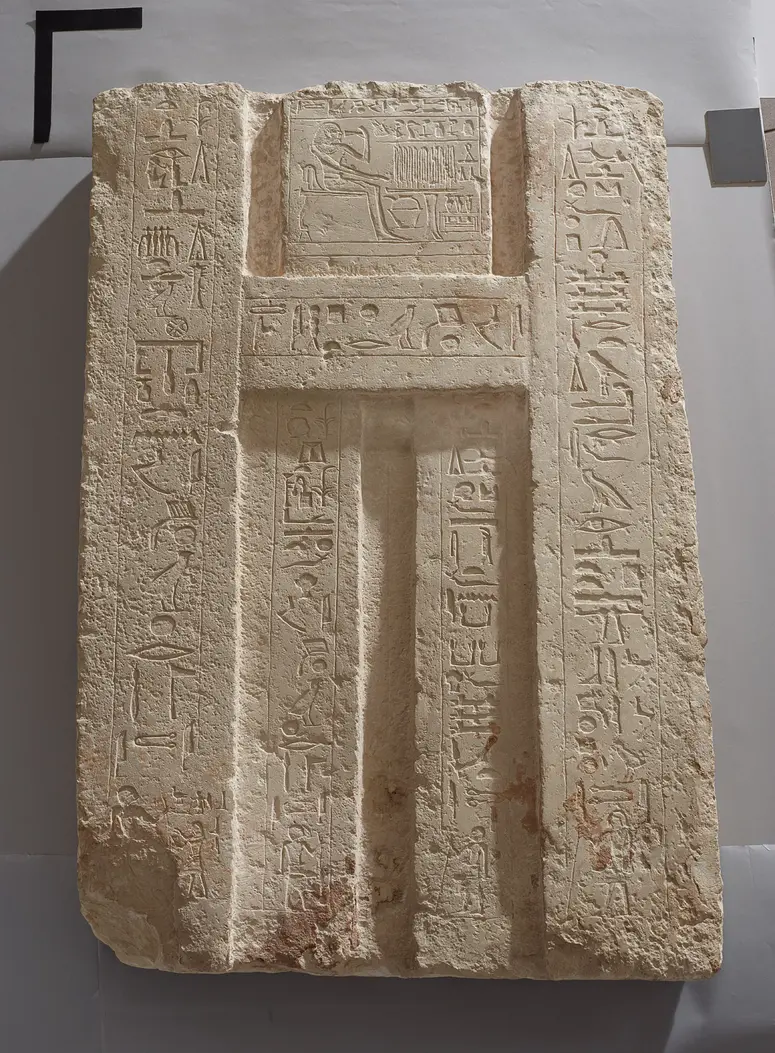
Scheintür aus der Mastaba des Itji Giza, Westfriedhof, Mastaba des Anch-wedja, genannt Itji späte 6. Dynastie, um 2200 v. Chr.

Scheintürarchitrav des Itusch Saqqara, Mastaba des Semenech-ui-ptah, genannt Itusch 5. Dynastie, Zeit des Djedkare-Isesi, ca. 2436-2404 v. Chr.
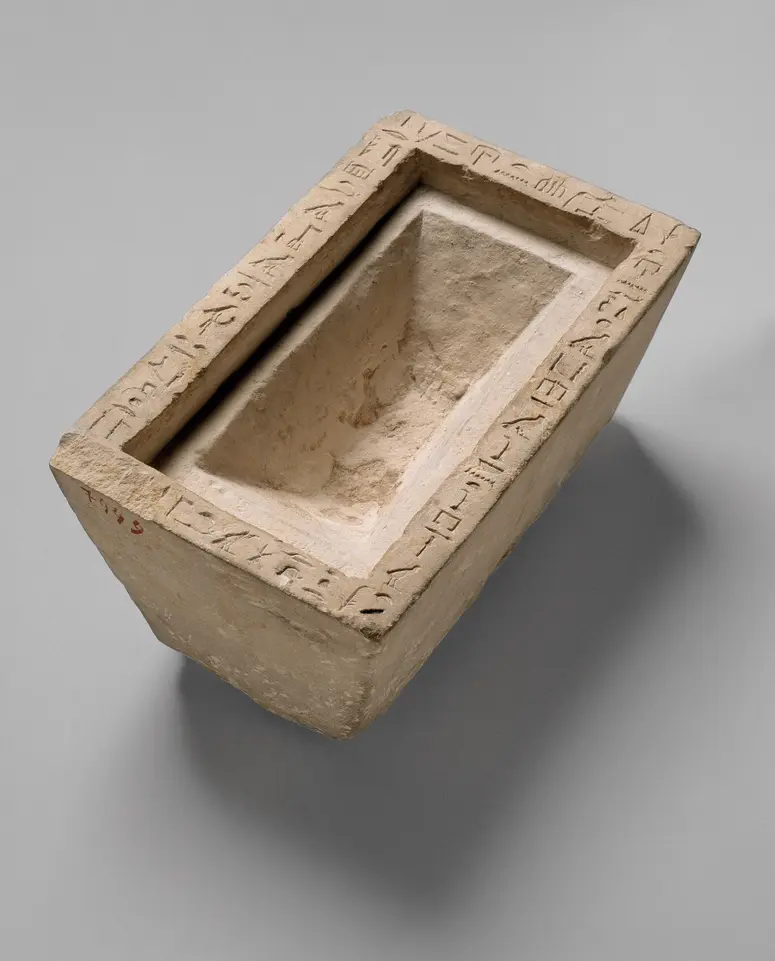
Kultbecken des Hesi Giza, Westfriedhof, Mastaba des Hesi 6. Dynastie, ca. 2374-2191 v. Chr.
Offering table Giza, Westfriedhof, vor Schacht S 684 des Grabes S 676/707 6th Dynasty, ca. 2374–2191 BC
Architrave of Hetepi Giza, Westfriedhof, Mastaba des Hetepi 6th Dynasty, ca. 2374-2191 BC