Oboe
1839 (?) | Wenzel Horak
In the first half of the 19th century, the key mechanism of the oboe experienced rapid developments. Whereas in about 1810 models with two keys were still common, in 1825 Joseph Sellner taught how to play instruments with ten keys in his oboe tutor. Thus, with the newer oboes, the range in the low register was expanded to the note of B, and keys for the notes of C sharp, F, (F sharp), G sharp and B flat (as well as the C trill key) were mounted. The ultimate goal was to play all of the slurs in all keys in a technically reliable manner, occasionally with alternative fingering (F key), and with clean intonation. (bd)
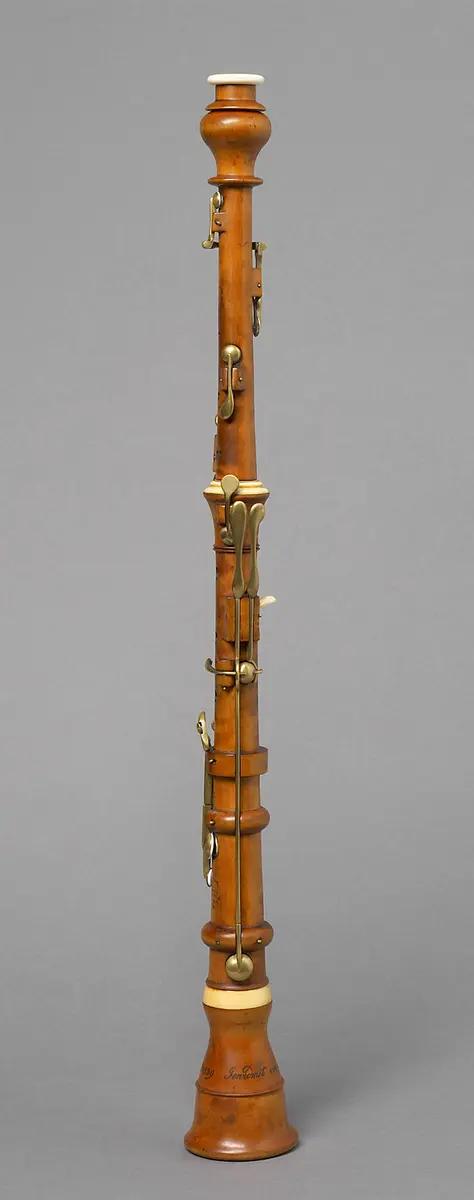
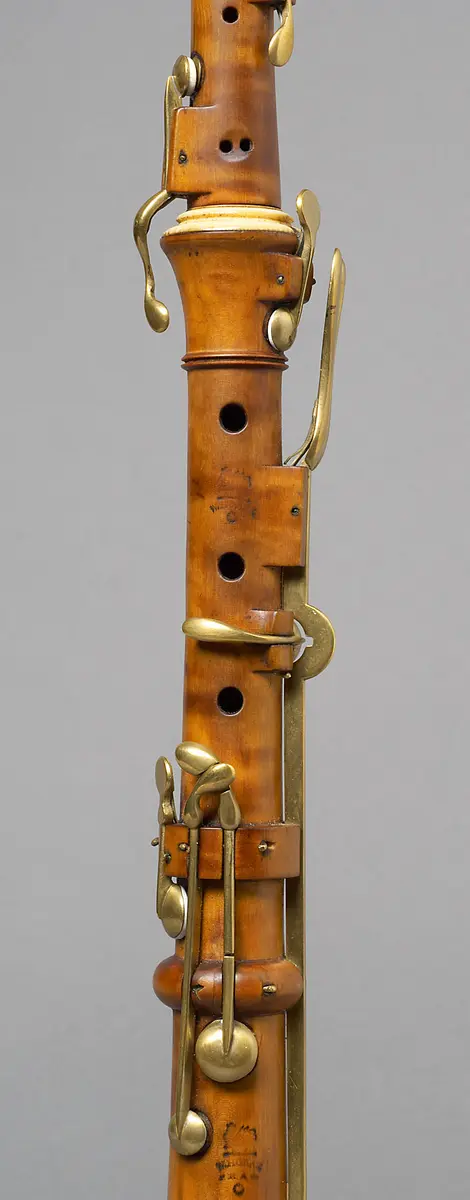
In the first half of the 19th century, the key mechanism of the oboe experienced rapid developments. Whereas in about 1810 models with two keys were still common, in 1825 Joseph Sellner taught how to play instruments with ten keys in his oboe tutor. Thus, with the newer oboes, the range in the low register was expanded to the note of B, and keys for the notes of C sharp, F, (F sharp), G sharp and B flat (as well as the C trill key) were mounted. The ultimate goal was to play all of the slurs in all keys in a technically reliable manner, occasionally with alternative fingering (F key), and with clean intonation. (bd)
Manufacturer:
Wenzel Horak
Time:
1839 (?)
Object Name
Oboe
Culture
Czech Republic, Prague
Dimensions:
551 mm x 60 mm x 60 mm
Copyright
Kunsthistorisches Museum, Sammlung alter Musikinstrumente
Invs.
Sammlung alter Musikinstrumente, 1086
Browse more
Similar items you might be interested in
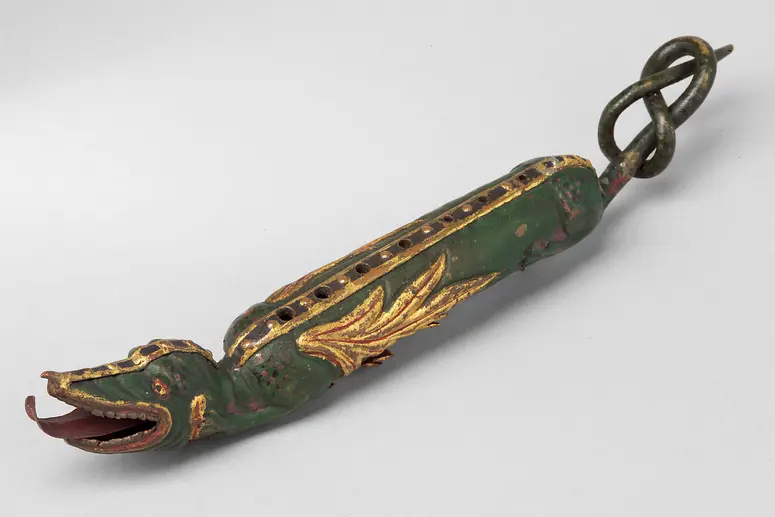
Manufacturer: Martin Kaiser 2nd half of the 17th century
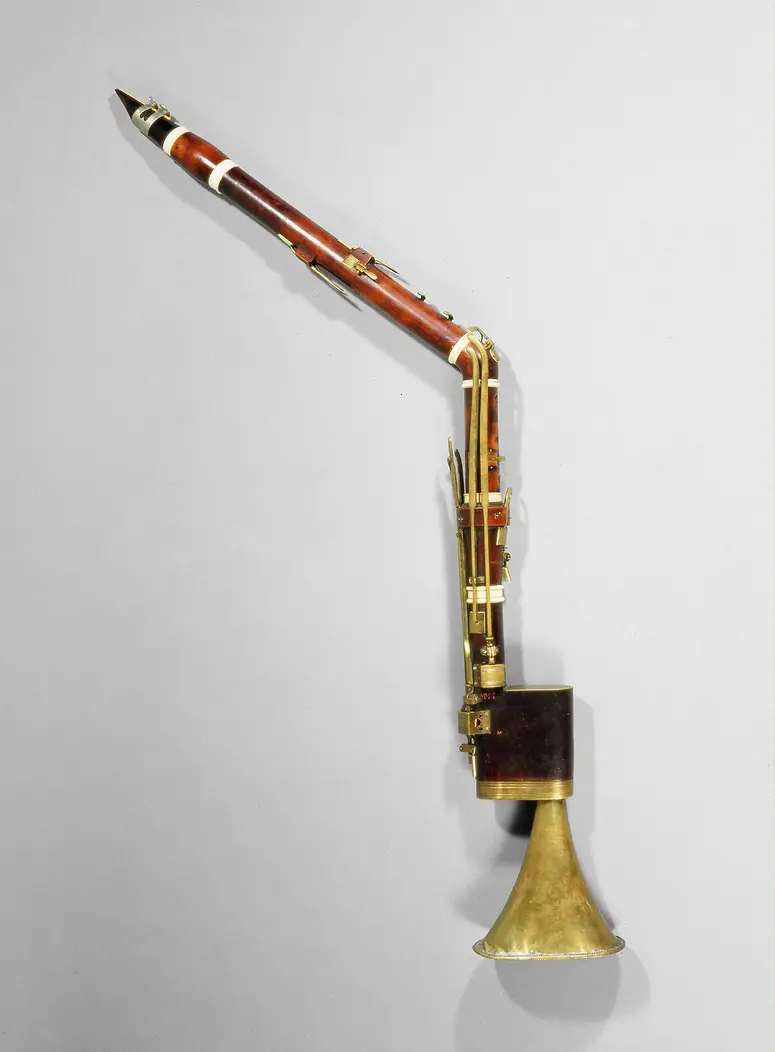
Manufacturer: Johann Baptist Merklein approx. 1800
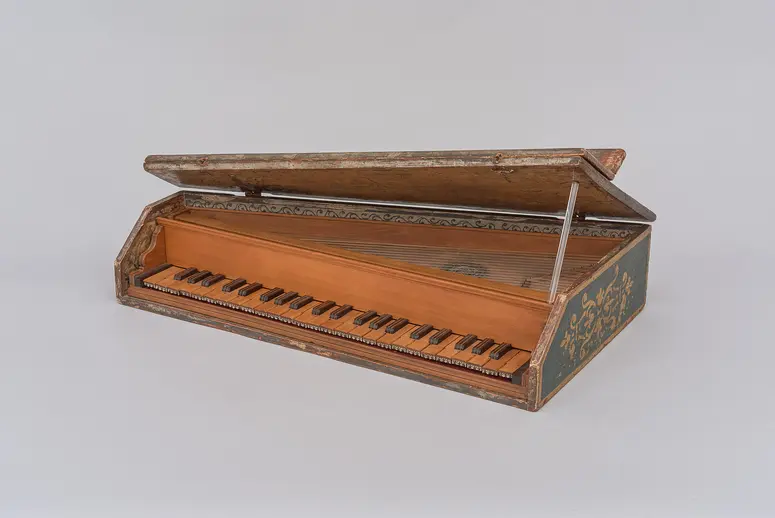
Manufacturer: anonym 2nd half of the 16th century (assigned)
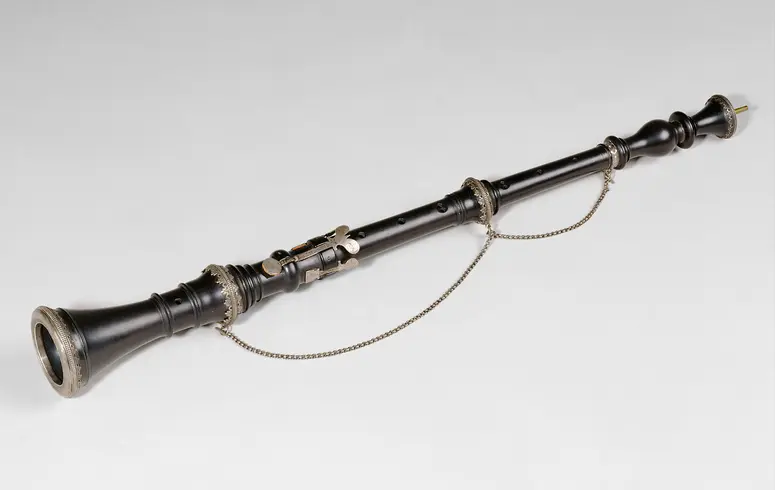
Manufacturer: Hendrik Richters beginning of the 18th century
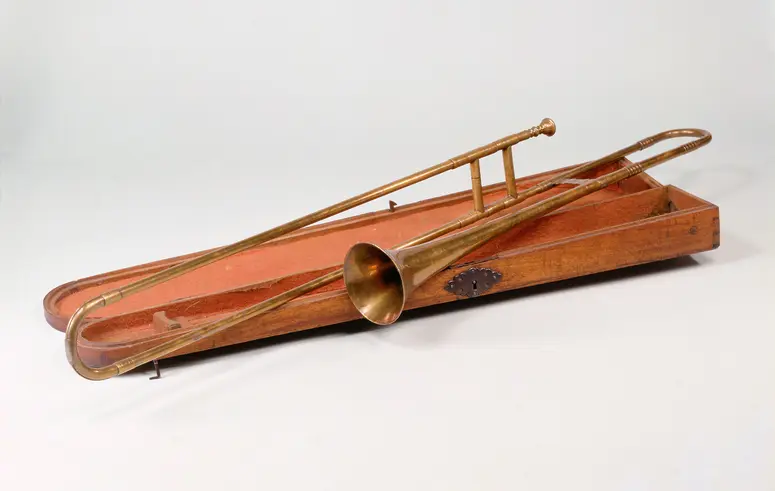
Manufacturer: Michael Leichamschneider 1732
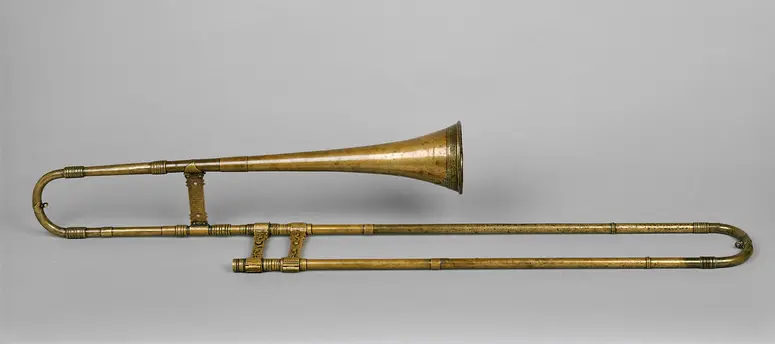
Manufacturer: Joerg Neuschel 1557
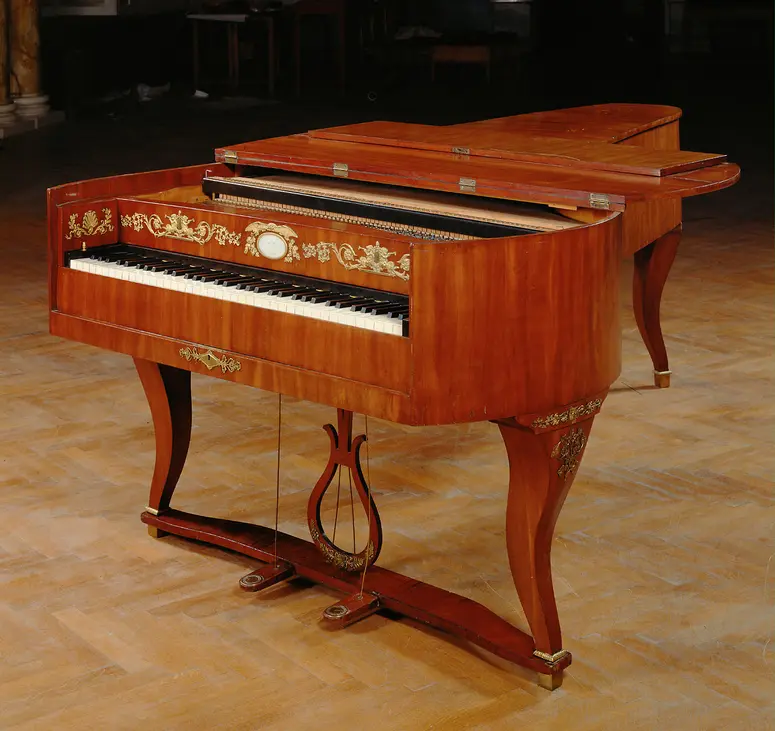
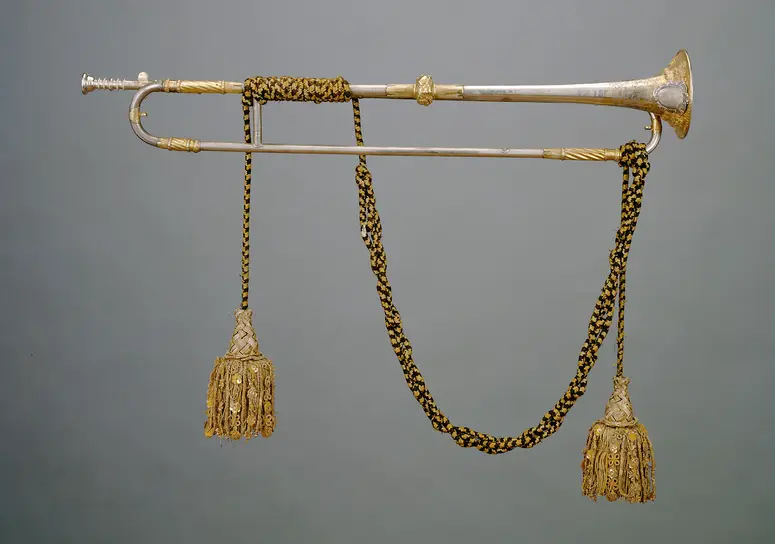
Manufacturer: Michael Leichamschneider 1741
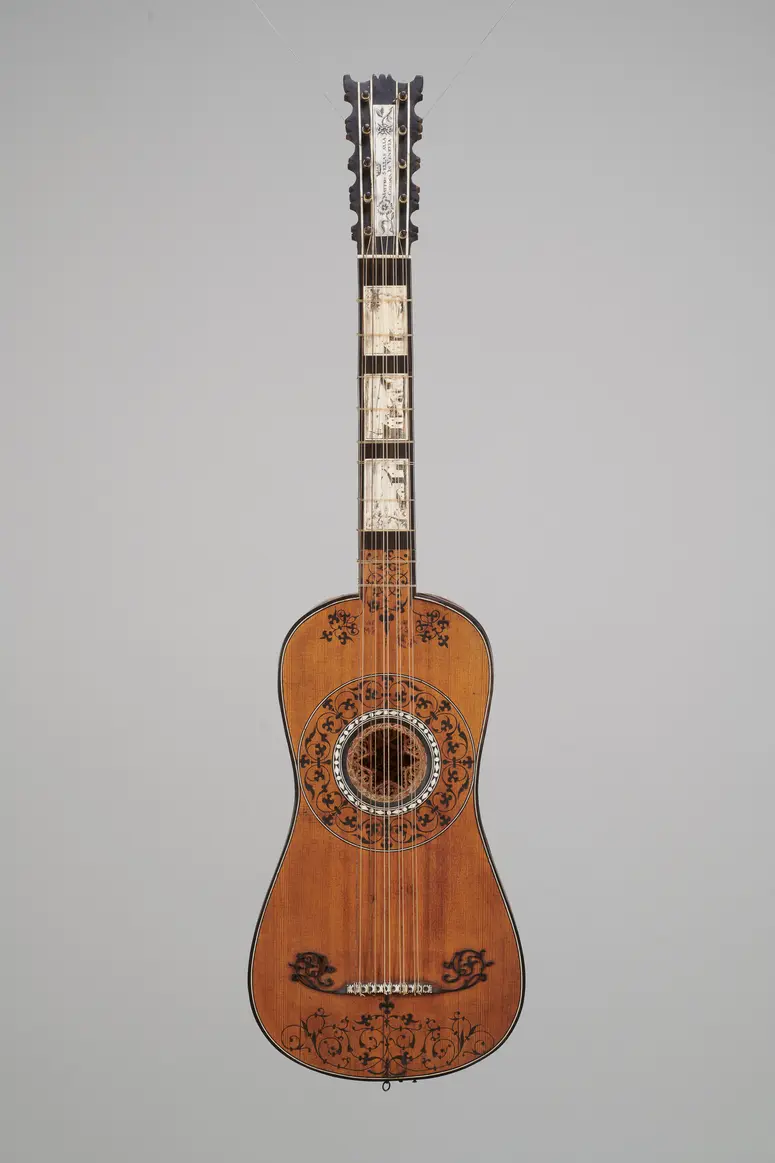
Manufacturer: Matthäus Seelos 1st half of the 17th century
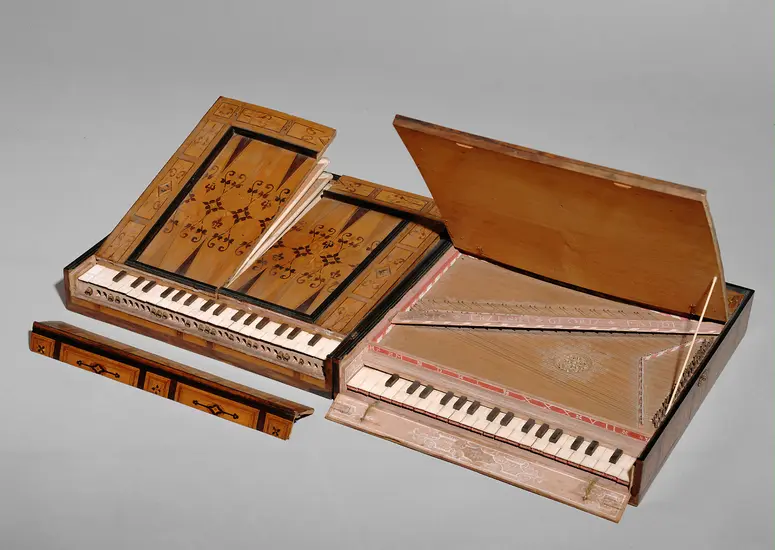
Manufacturer: Anton Meidting December 1587
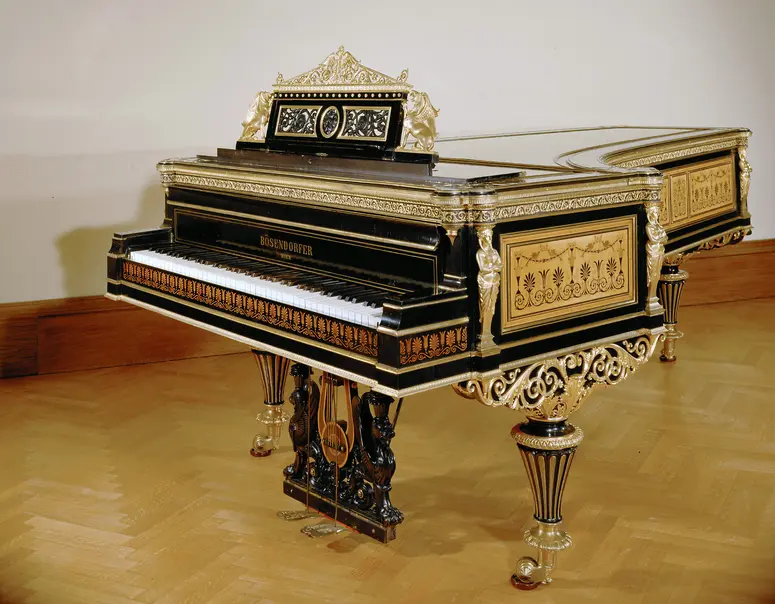
Manufacturer: Fa. Bösendorfer 1867
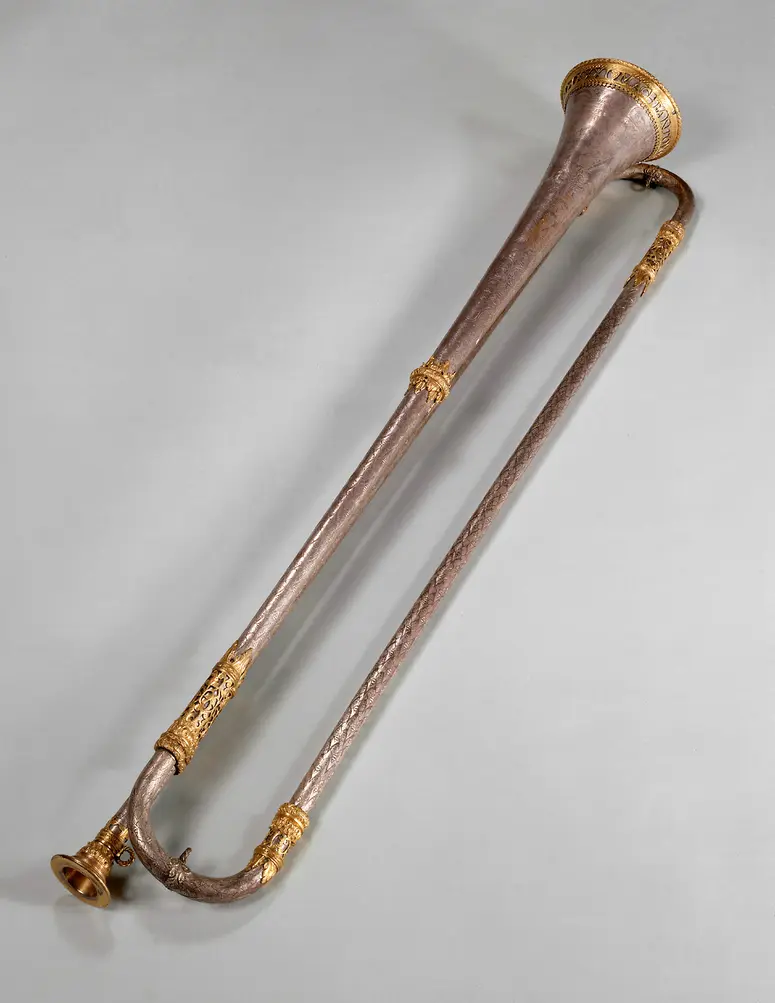
Manufacturer: Anton Schnitzer 1581
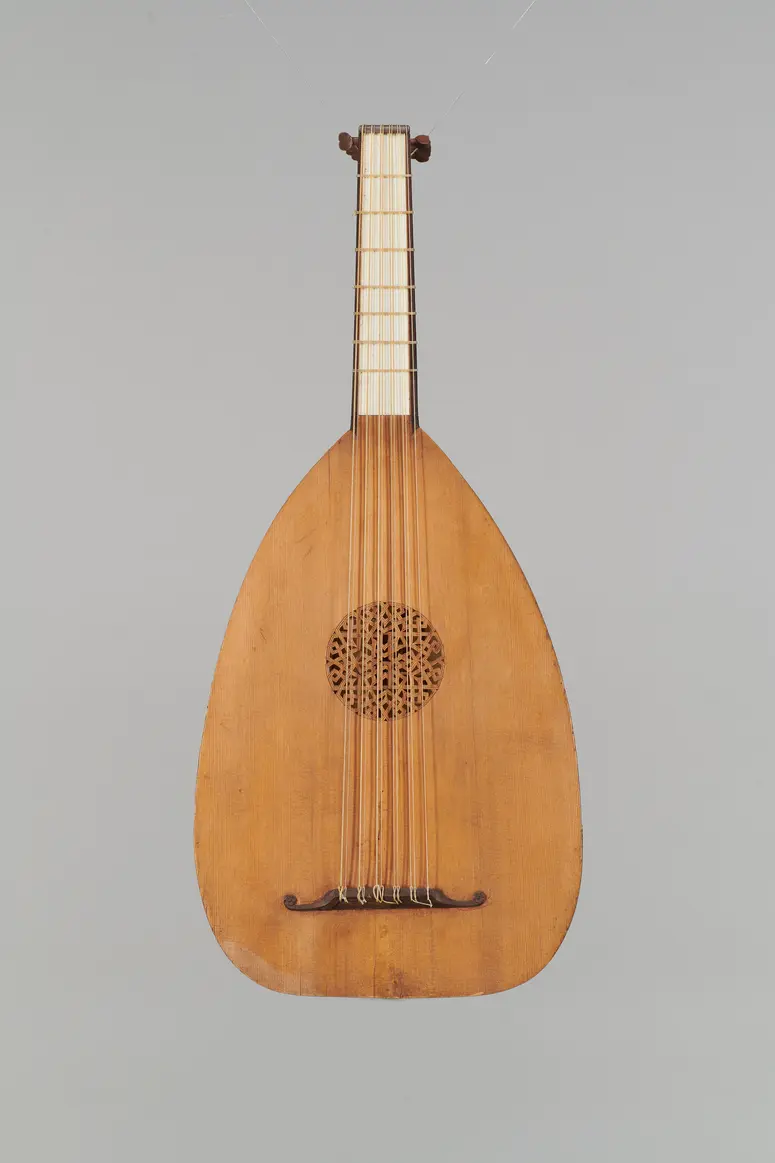
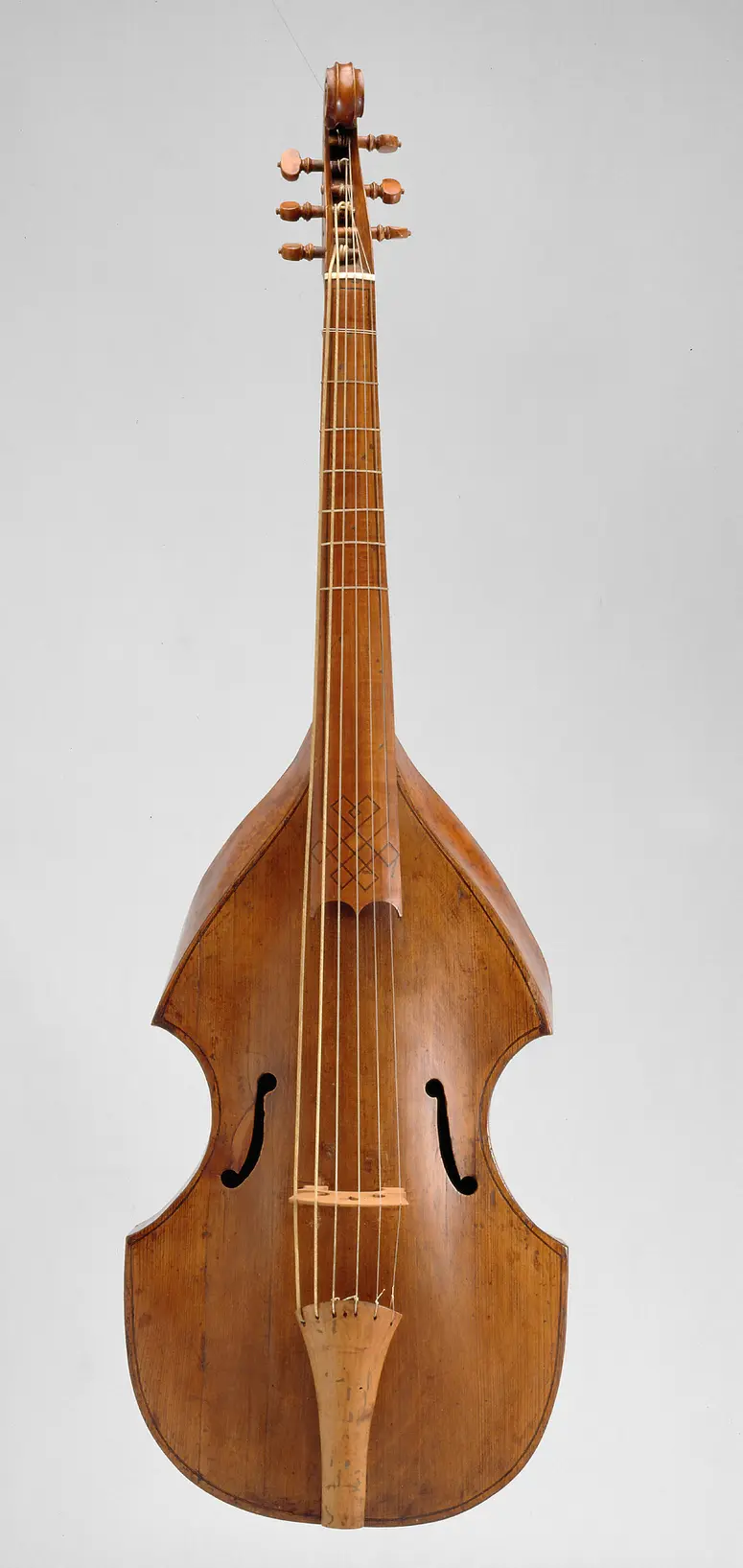
Manufacturer: Antonio Ciciliano presumably after 1602
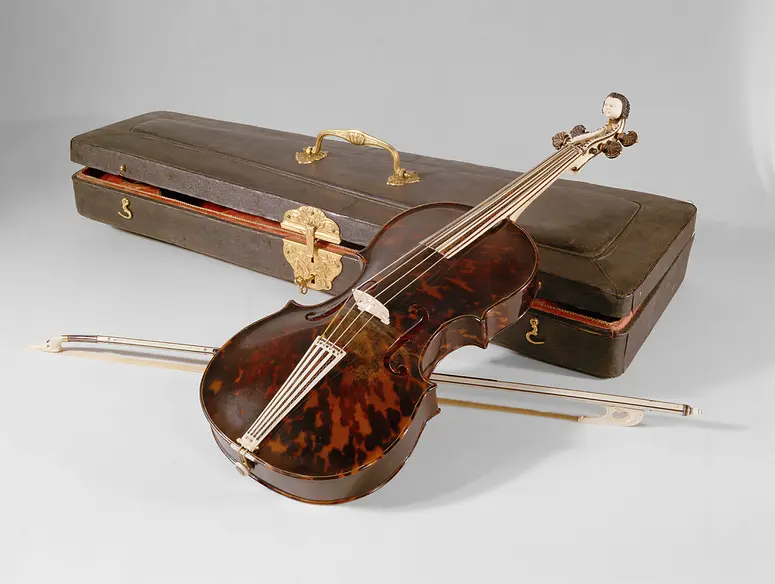
Manufacturer: Wenzel Kowansky 1749
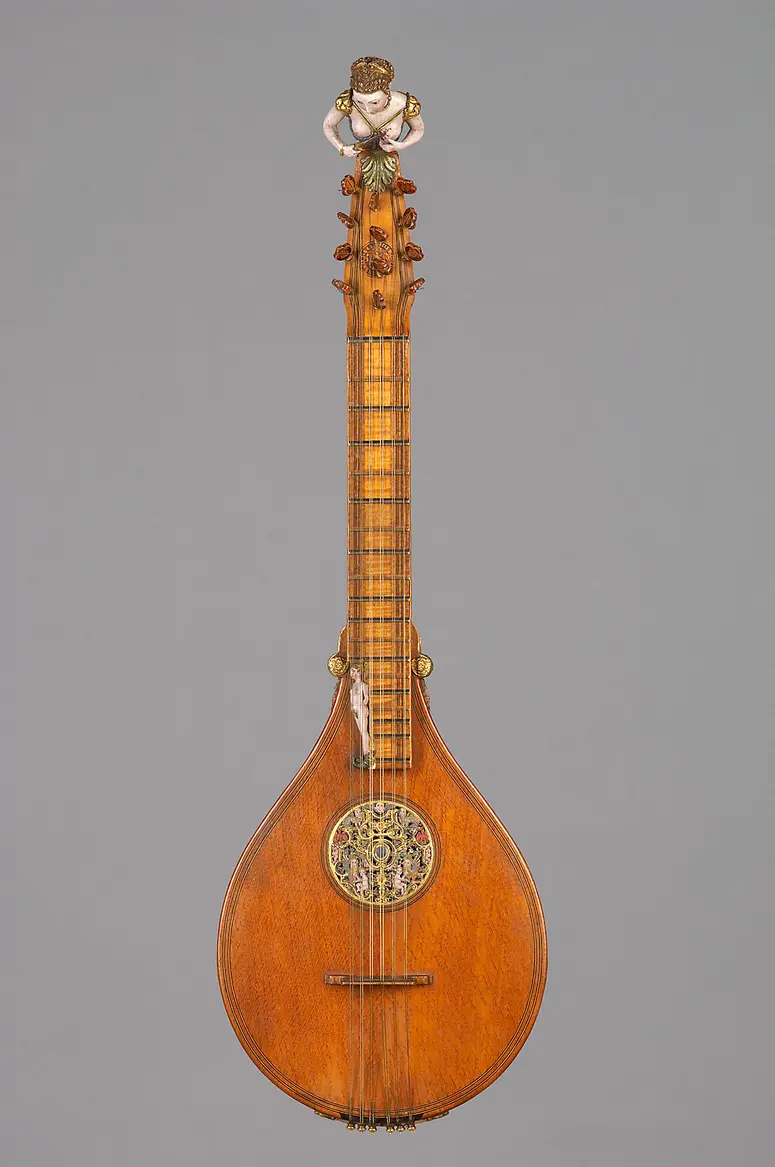
Manufacturer: Girolamo de Virchis 1574
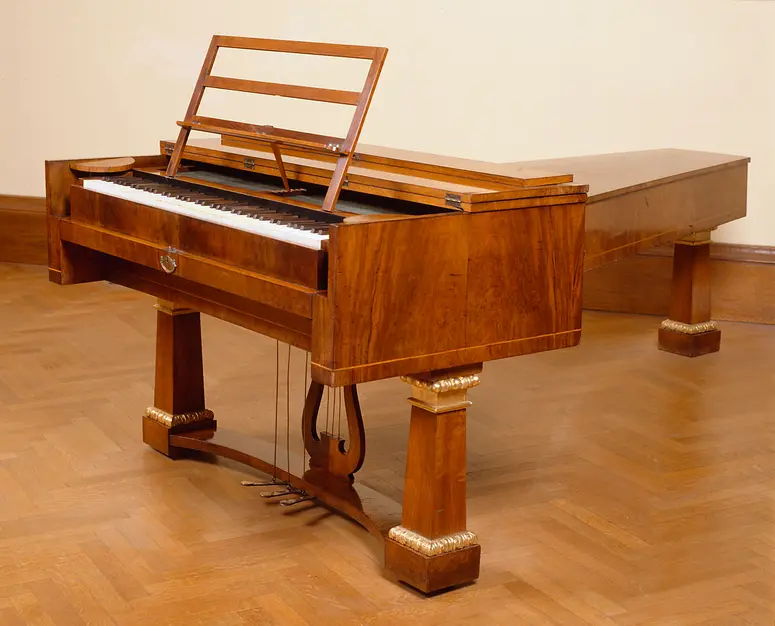
Manufacturer: Johann Baptist Streicher 1840