Stehende Frau (Artemis?)
6. Jh. v. Chr.
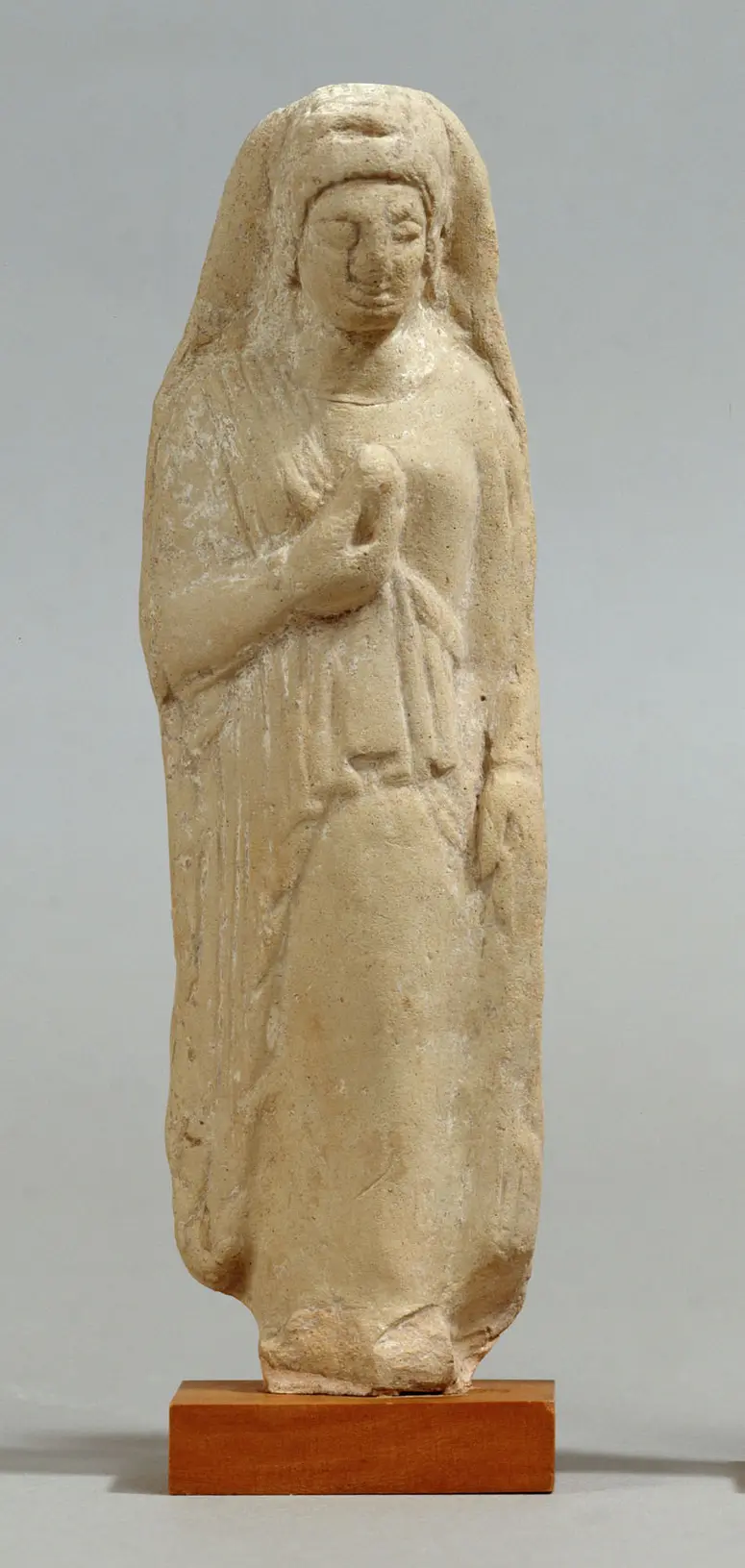
Figurine of a standing, draped female figure (Artemis?). Mold-made. The facial details are carefully rendered with ridged eyebrows, smiling lips and rounded cheeks. Fringe of hair below the lower border of a conical veil. The neck was heavily retouched, but a large necklace with oblong leaf-shaped beads is shown above the chest. She wears a long chiton and a short peplos with the folds carefully rendered with shallow grooves. Diagonally crossing straps against the chest with a round medallion at their junction. A girdle appears below the border of the peplos. The breasts are not prominently shown. Both arms are stretched along the sides of the body holding the edge of the drapery. Two armlets and one bracelet on each arm. Short sleeves with thin oblique grooves. The feet are showing below the lower border of the chiton. She stands on a low elliptical plinth. The back side is plain and flattened with a knife. There is a tenon on each side springing from each shoulder (they are both damaged). No traces of painted decoration. The figurine is of a rather unusual type. One might think that this piece once belonged to a group of dancers but the elliptical plinth and the position of her arms, stretched downwards, exclude this possibility. It dates to the sixth century B. C.
A. Bernhard-Walcher u.a., Die Sammlung zyprischer Antiken im KHM. Sammlungskataloge des KHM Bd. 2, Wien 1999 (V. Karageorghis)
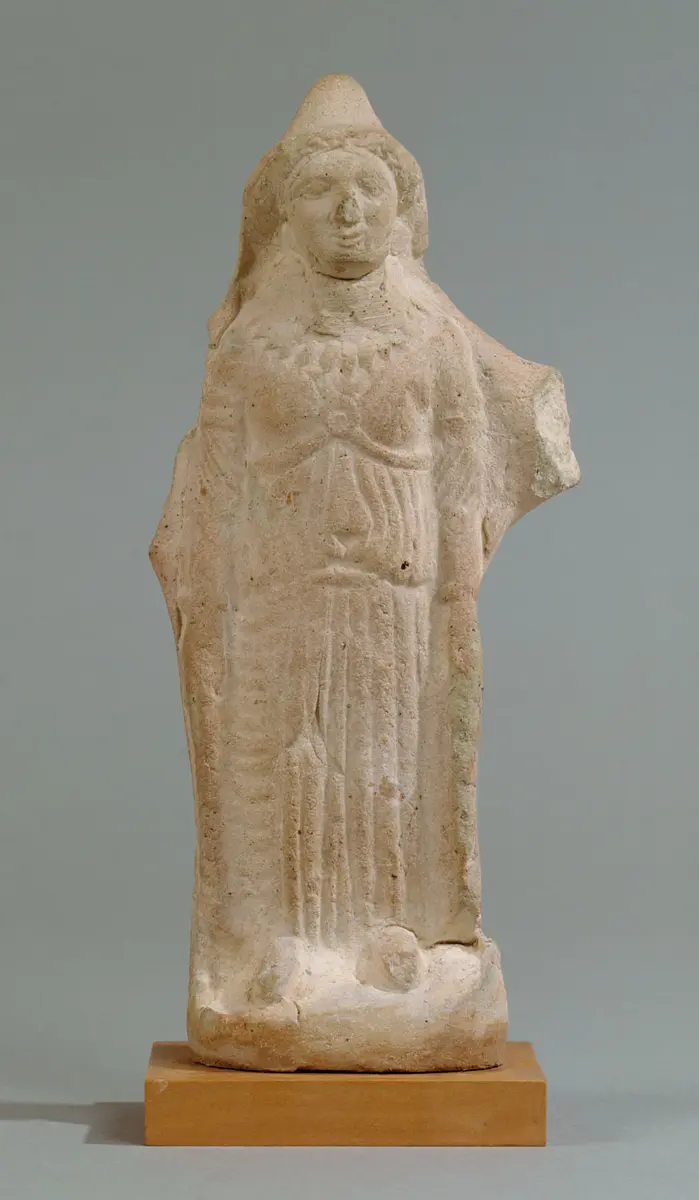
Figurine of a standing, draped female figure (Artemis?). Mold-made. The facial details are carefully rendered with ridged eyebrows, smiling lips and rounded cheeks. Fringe of hair below the lower border of a conical veil. The neck was heavily retouched, but a large necklace with oblong leaf-shaped beads is shown above the chest. She wears a long chiton and a short peplos with the folds carefully rendered with shallow grooves. Diagonally crossing straps against the chest with a round medallion at their junction. A girdle appears below the border of the peplos. The breasts are not prominently shown. Both arms are stretched along the sides of the body holding the edge of the drapery. Two armlets and one bracelet on each arm. Short sleeves with thin oblique grooves. The feet are showing below the lower border of the chiton. She stands on a low elliptical plinth. The back side is plain and flattened with a knife. There is a tenon on each side springing from each shoulder (they are both damaged). No traces of painted decoration. The figurine is of a rather unusual type. One might think that this piece once belonged to a group of dancers but the elliptical plinth and the position of her arms, stretched downwards, exclude this possibility. It dates to the sixth century B. C.
A. Bernhard-Walcher u.a., Die Sammlung zyprischer Antiken im KHM. Sammlungskataloge des KHM Bd. 2, Wien 1999 (V. Karageorghis)
Time:
6. Jh. v. Chr.
Object Name
Statuette
Culture
Zyprisch
Location of discovery:
Idalion (Dhali, Zypern)
Material/technology:
Ton hellgelblich-grün; in einem Model geformt
Dimensions:
H. 16,4 cm
Copyright
Kunsthistorisches Museum, Antikensammlung
Invs.
Antikensammlung, V 1487
Provenance
Millosicz, Georg von, Wien; 1890 Kauf aus dem Nachlass
Browse more
Similar items you might be interested in

Elisabeth von Görz-Tirol, Statue, Statuette, Terracotta Dominicus Custos um 1600

Reiterstatuette des Hl. Georg, Statuette, Kleinbronze, Bronze, Heiliger Georg Caspar Gras spätes 17. Jahrhundert (?)
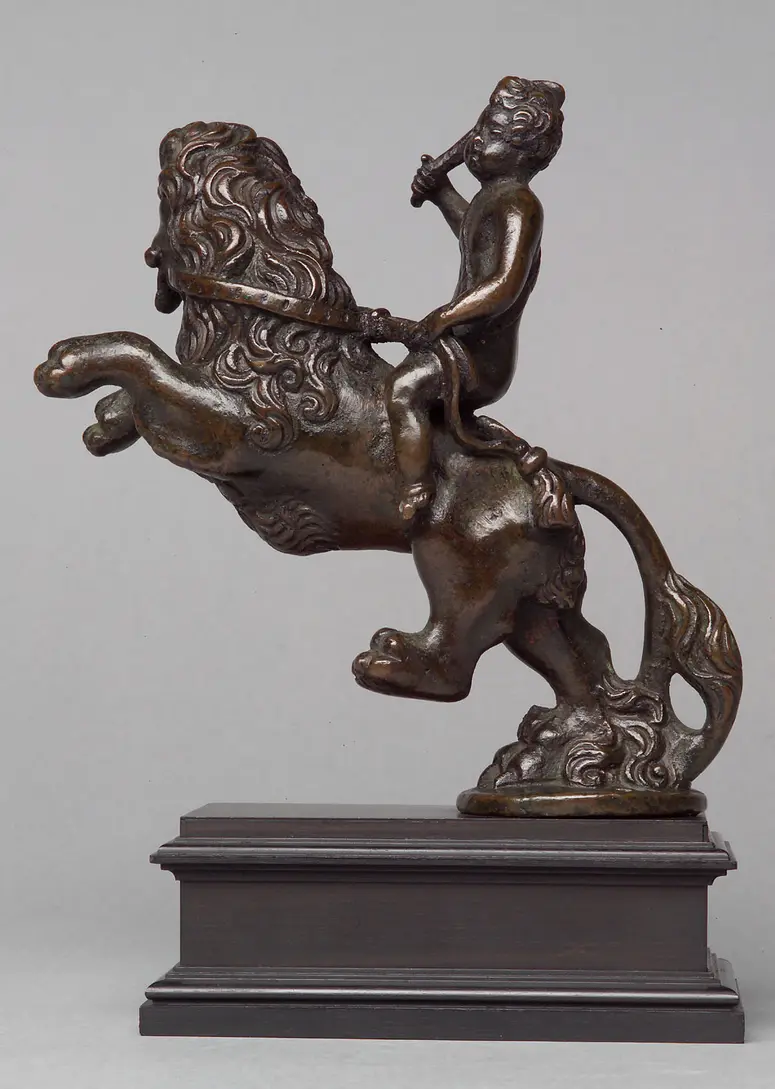
Amor mit Flammenkeule auf einem Löwen reitend, Statuette, Kleinbronze, Amor Nicolo Roccatagliata Ende 16. Jahrhundert
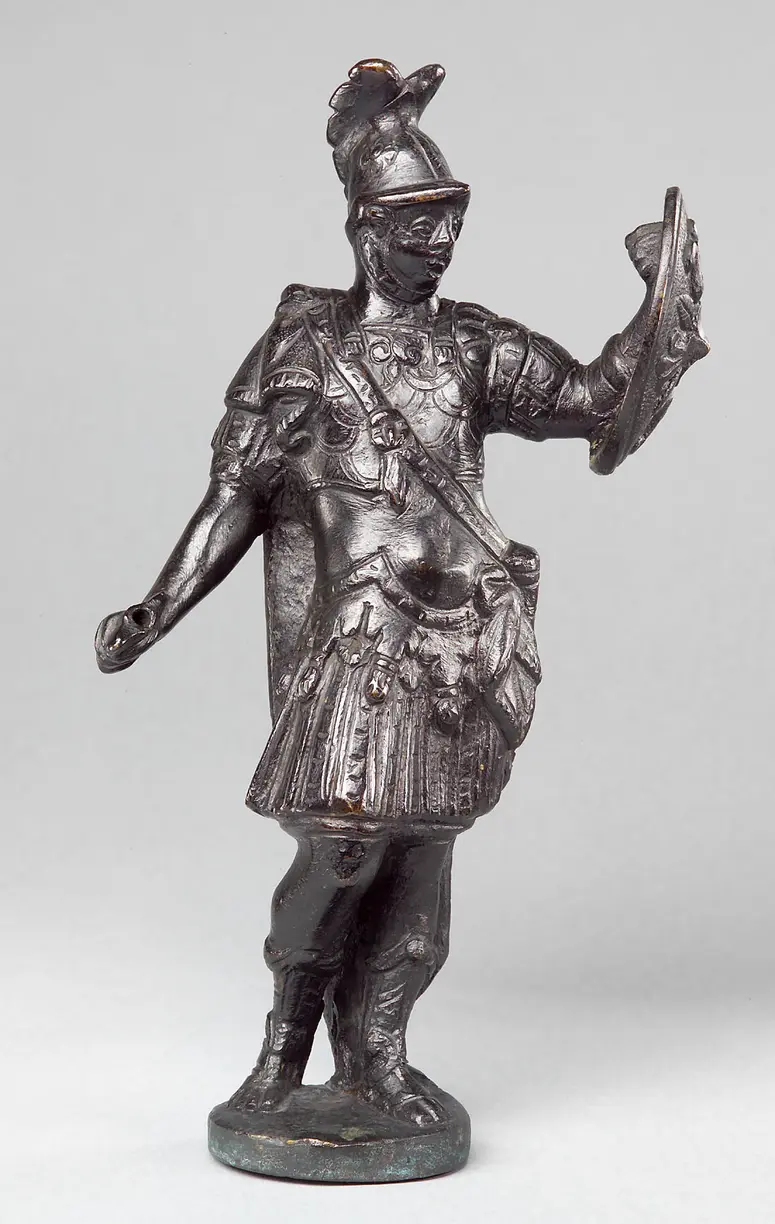
Statuette, Kleinbronze, Bronze, Mars Ende 16. Jahrhundert
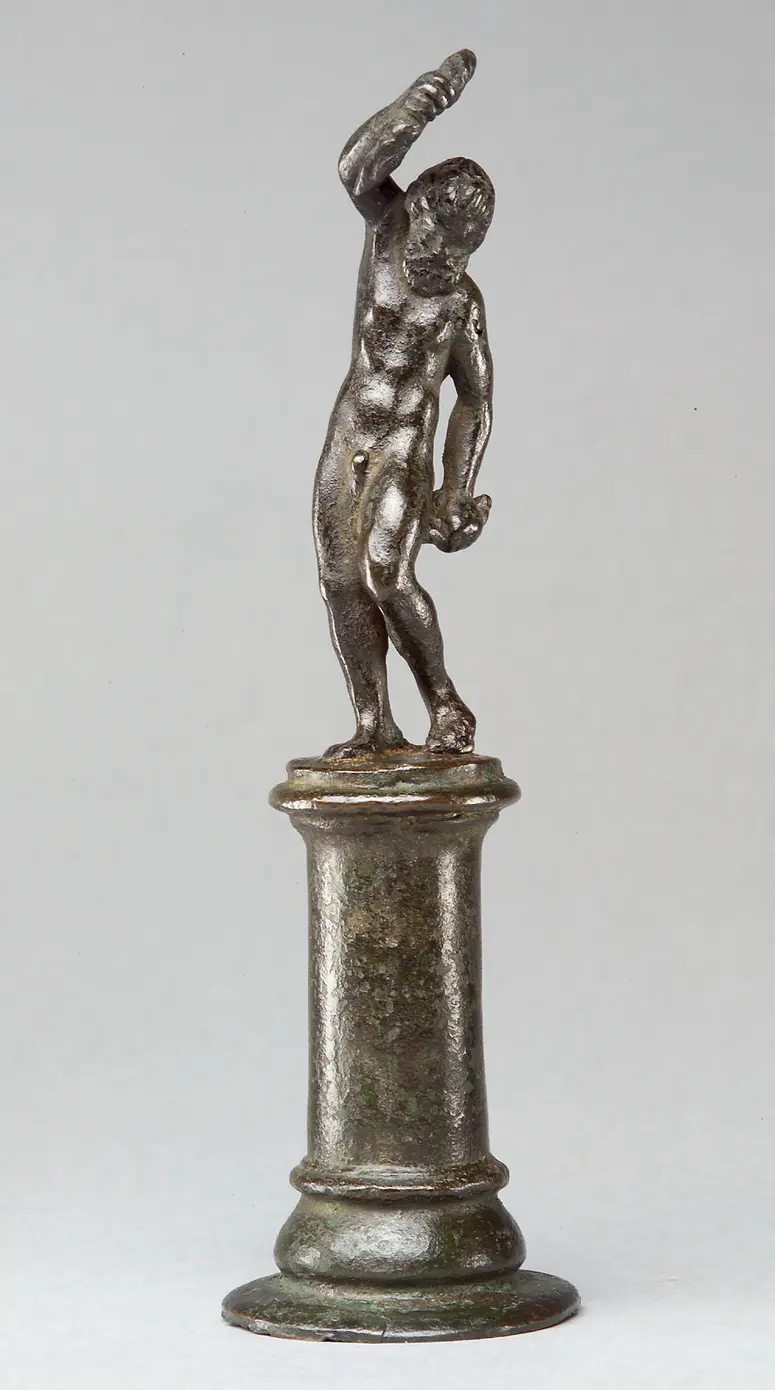
Statuette, Kleinbronze, Bronze, Jupiter, Zeus 16. Jahrhundert
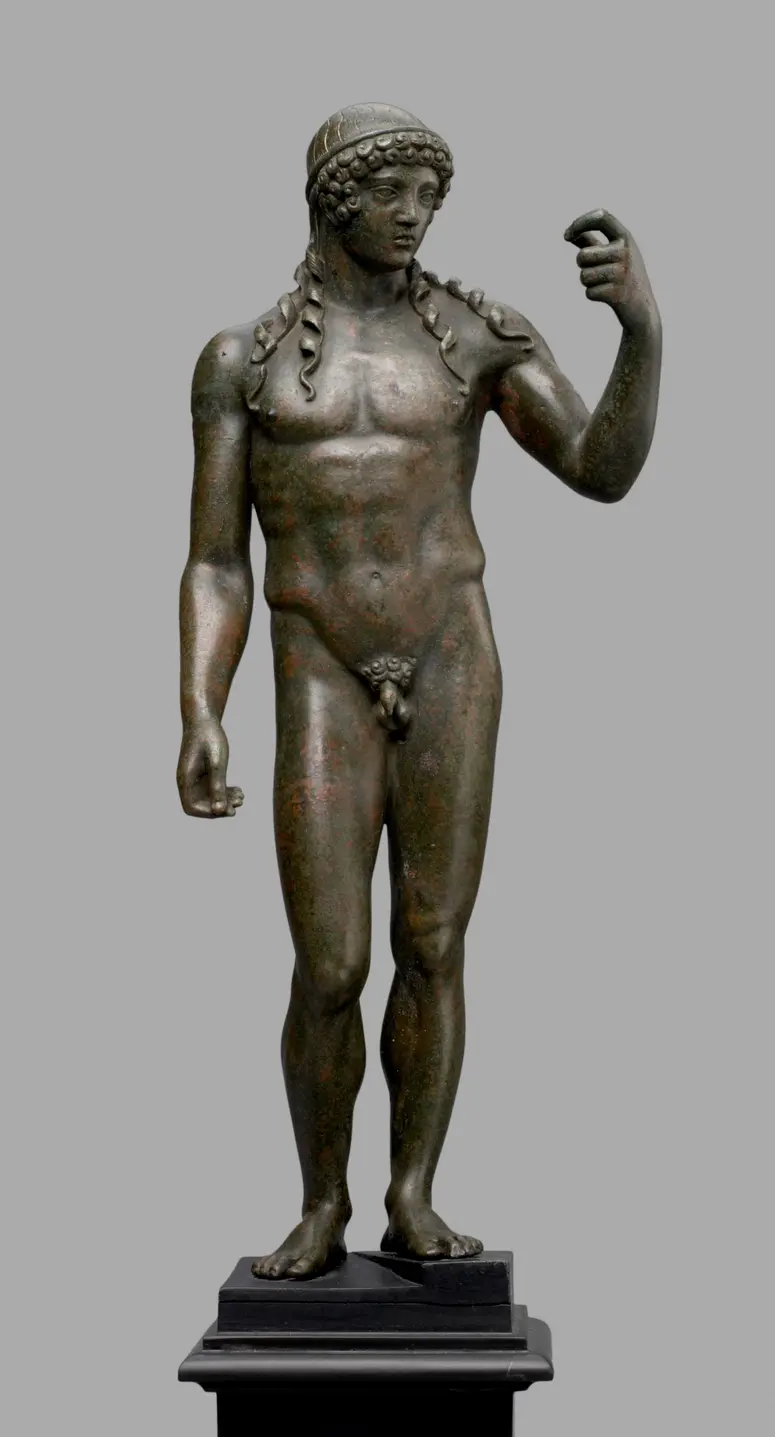
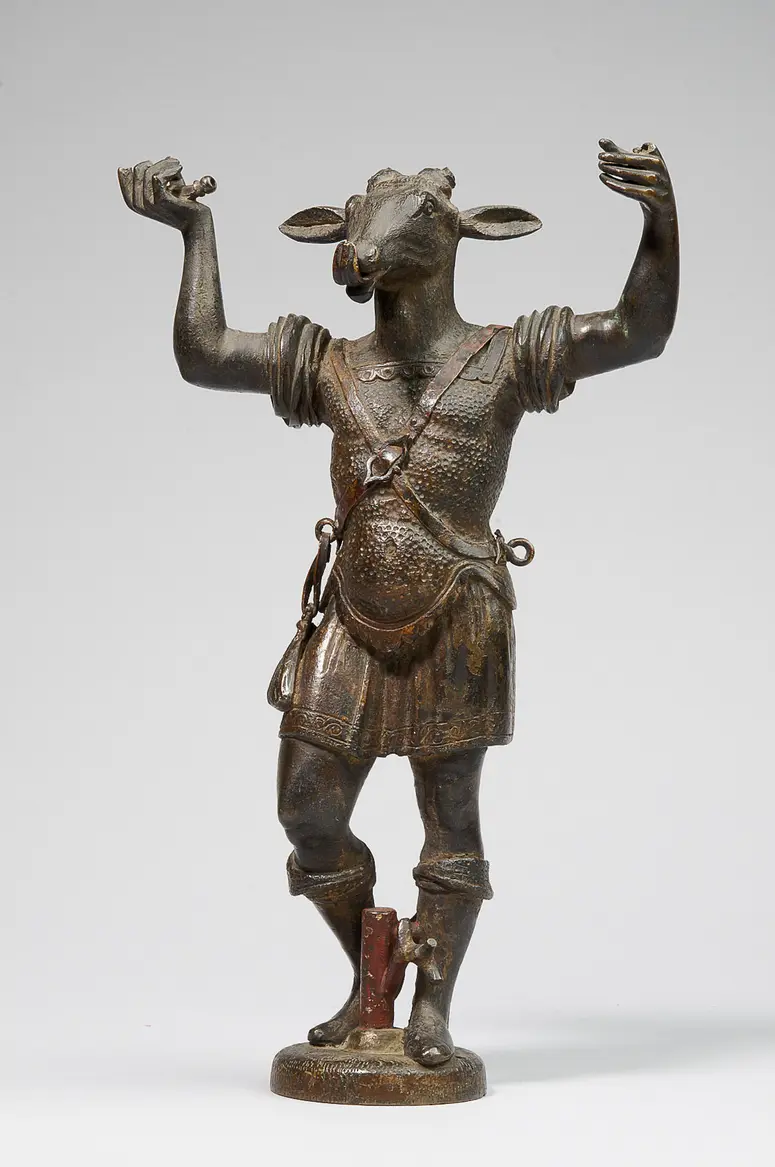
Statuette, Bronze, Kleinbronze, Aktäon, Brunnenfigur, Brunnenbekrönung Wenzel Jamnitzer 3. Viertel 16. Jahrhundert
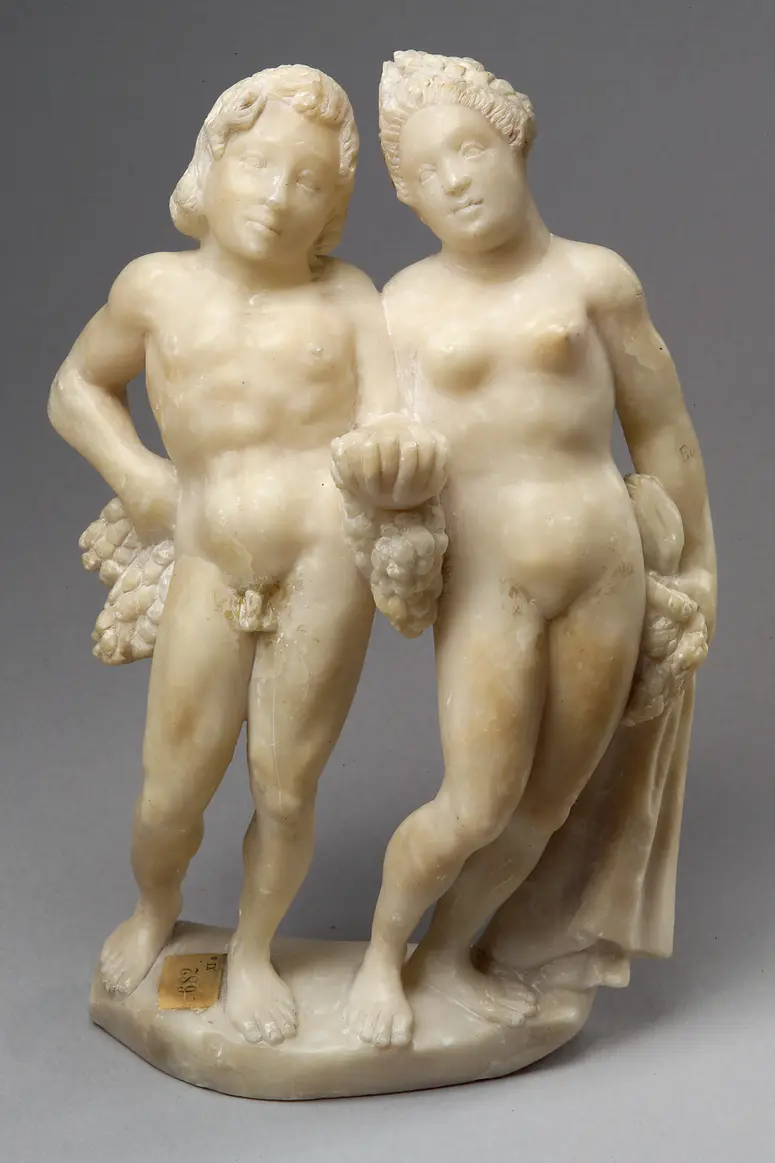
Statuette, Skulptur, Marmorgruppe, Bacchus und Ariadne 16. Jahrhundert
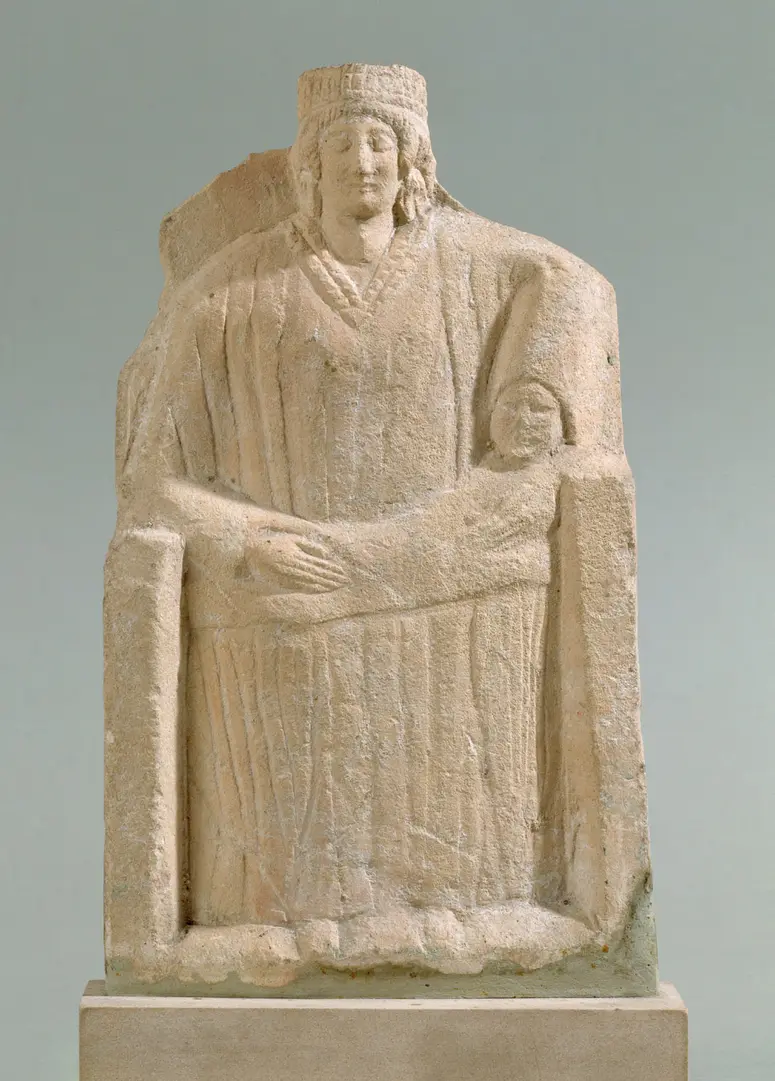
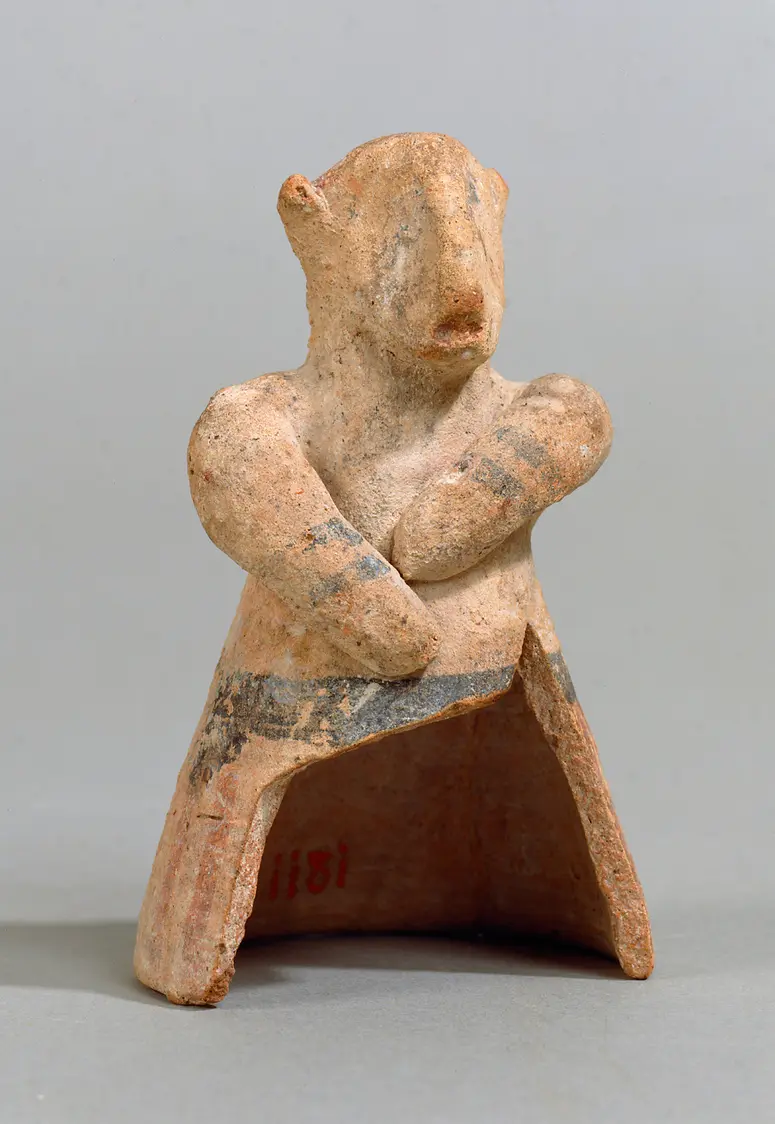
Statuette: Thronende Muttergöttin Zyprisch, Eisenzeit, hellenistisch 4. - 3. Jh. v. Chr.
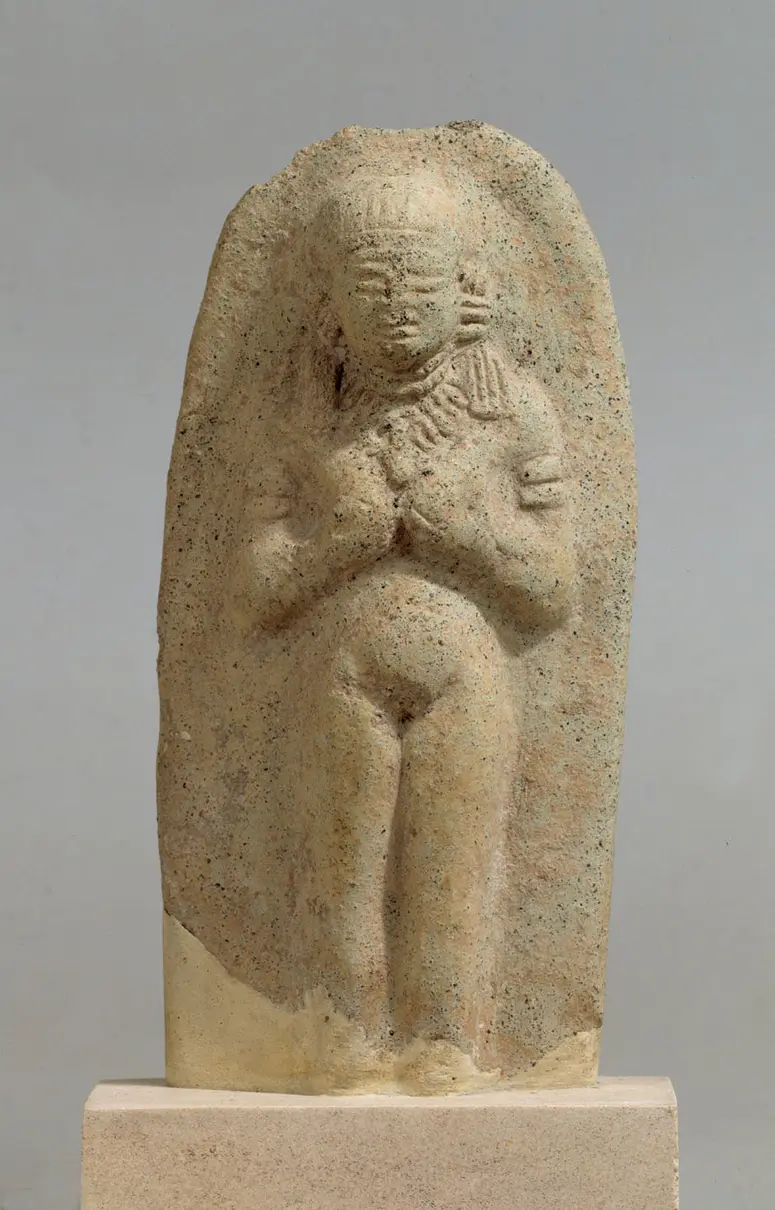

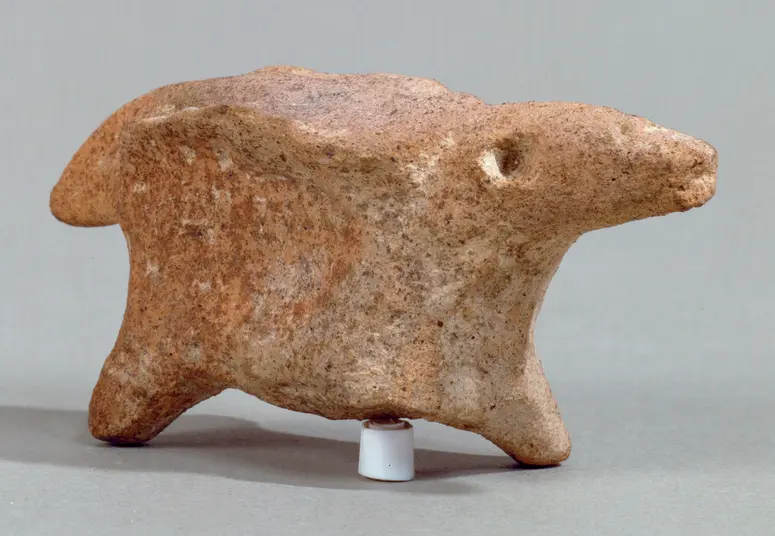
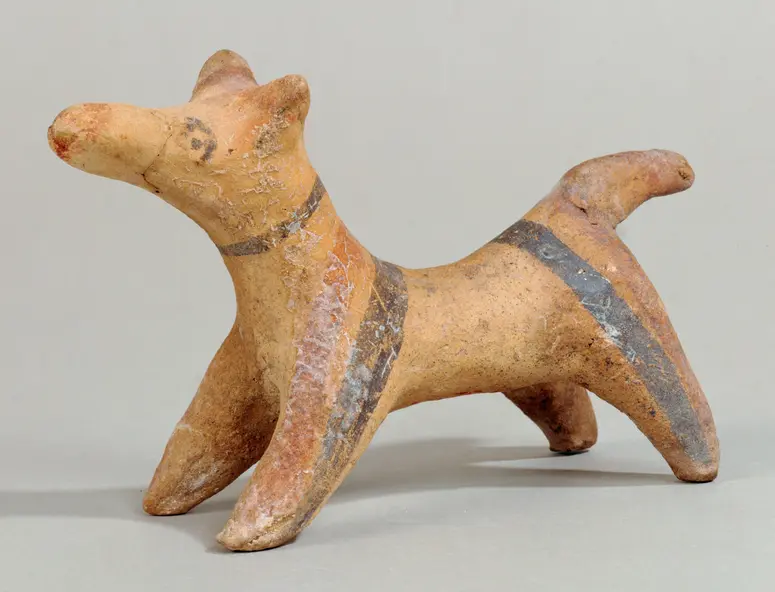
Statuette der Red Slip Ware: Tierfigur Zyprisch, Bronzezeit, Mittelzyprisch 1900 - 1800 v. Chr.
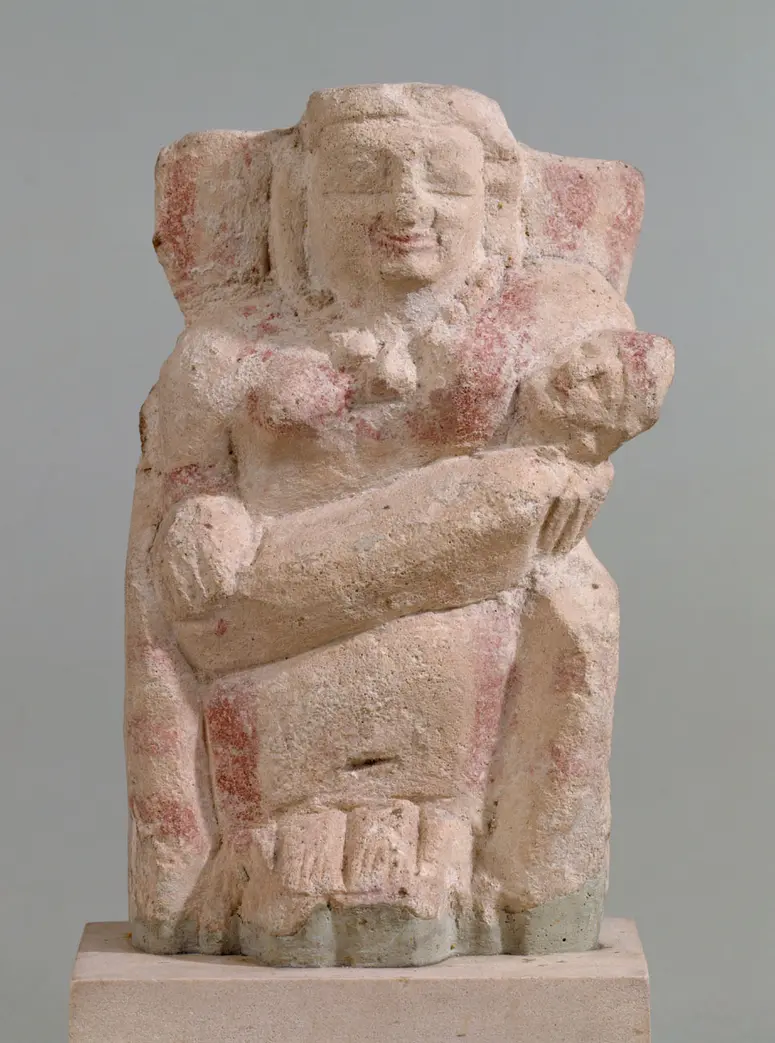
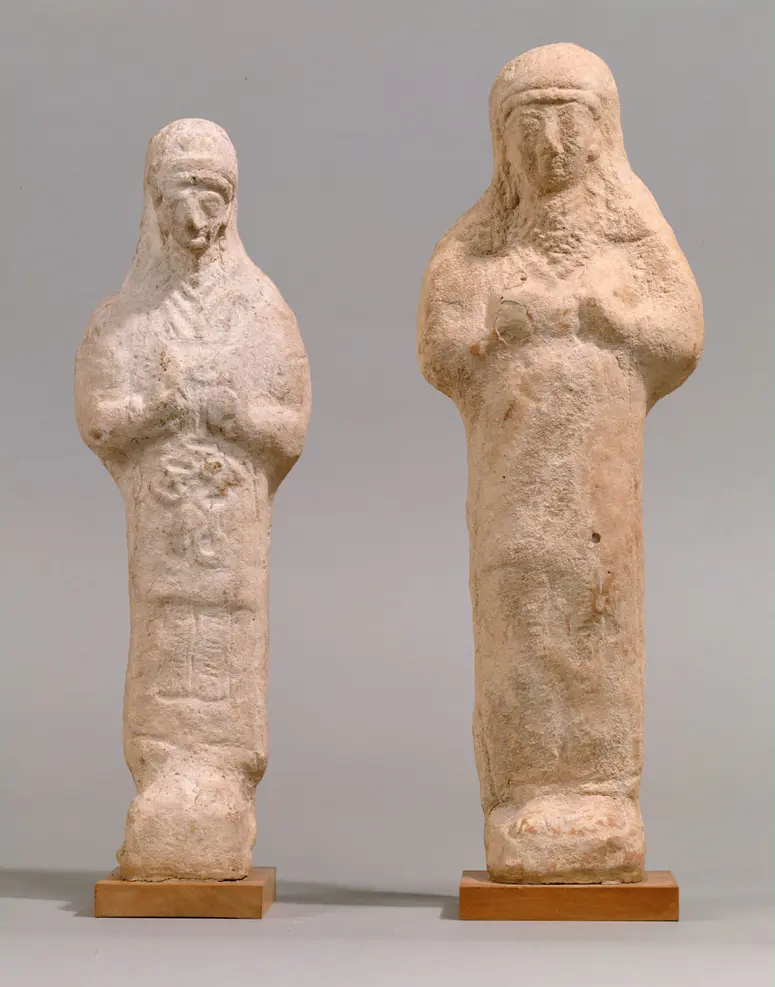
Statuette: Thronende Muttergöttin Zyprisch, Eisenzeit, archaisch 2. Hälfte 6. Jh. v. Chr.