Lederteller, Mosaik, Ledermosaik
1. Hälfte 16. Jahrhundert
Leather mosaics like the leather sets shown here are extremely rare testimonies of the handicraft skills in the art and culture of the Ottomans. They were used to put food on, like a table on the floor of a tent. The smaller leather plates are decorated with stylised flowers and inscriptions. The predominant motif, the tulip, (lalé), was seen as t h e Turkish flower in the second half of the 16th century.
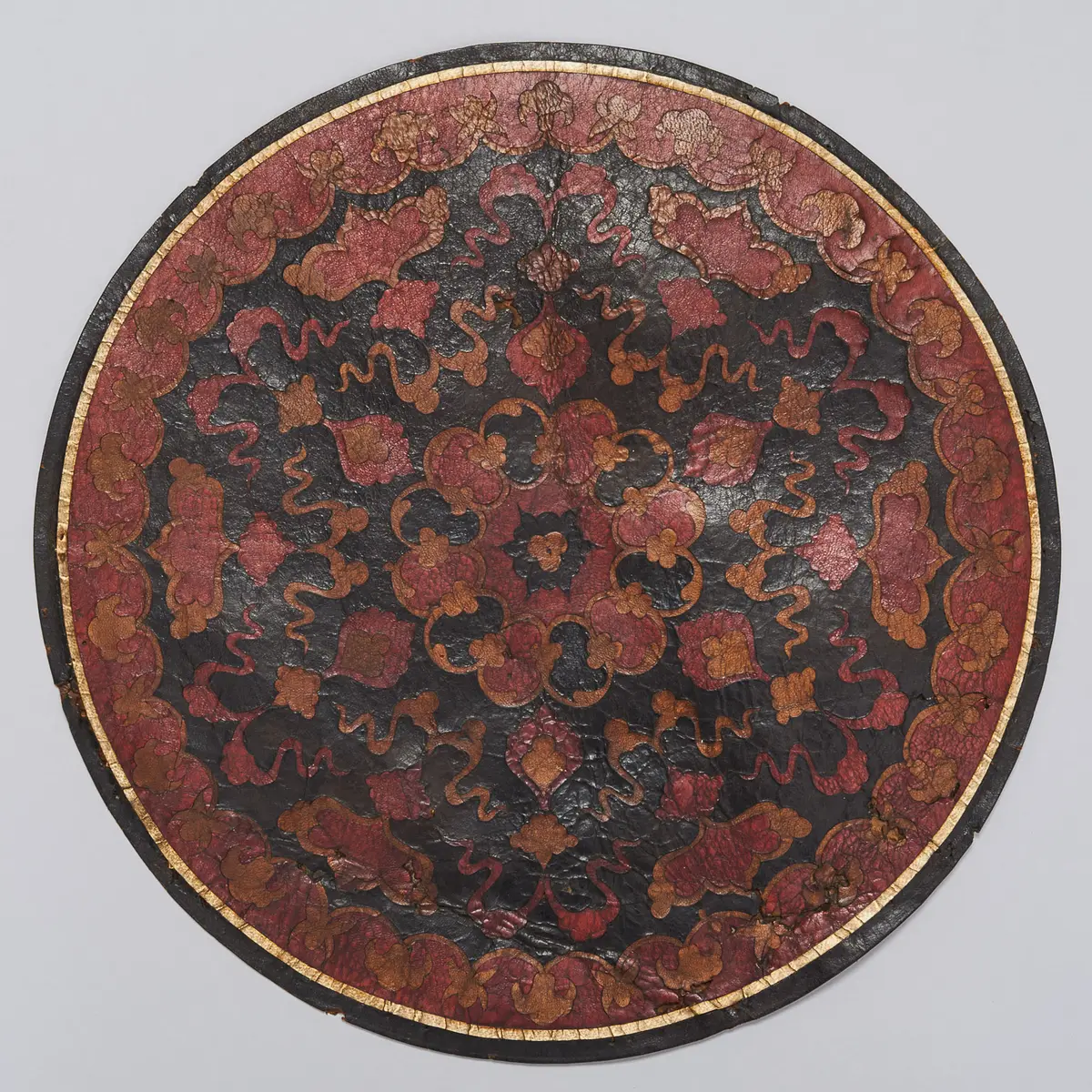
Leather mosaics like the leather sets shown here are extremely rare testimonies of the handicraft skills in the art and culture of the Ottomans. They were used to put food on, like a table on the floor of a tent. The smaller leather plates are decorated with stylised flowers and inscriptions. The predominant motif, the tulip, (lalé), was seen as t h e Turkish flower in the second half of the 16th century.
Time:
1. Hälfte 16. Jahrhundert
Object Name
Lederteller, Mosaik, Ledermosaik
Culture
Osmanisch
Material/technology:
Leder, gegerbtes Ziegenleder, gefärbt (schwarz, braun, rot), Klebemittel: Stärke, Lederintarsie auf Untergrund geklebt
Dimensions:
51 cm
Copyright
Schloss Ambras Innsbruck
Invs.
Schloss Ambras Innsbruck, PA 594
Browse more
Similar items you might be interested in
Lederteller, Lederintarsie, Intarsie, Mosaik 2. Viertel 16. Jahrhundert
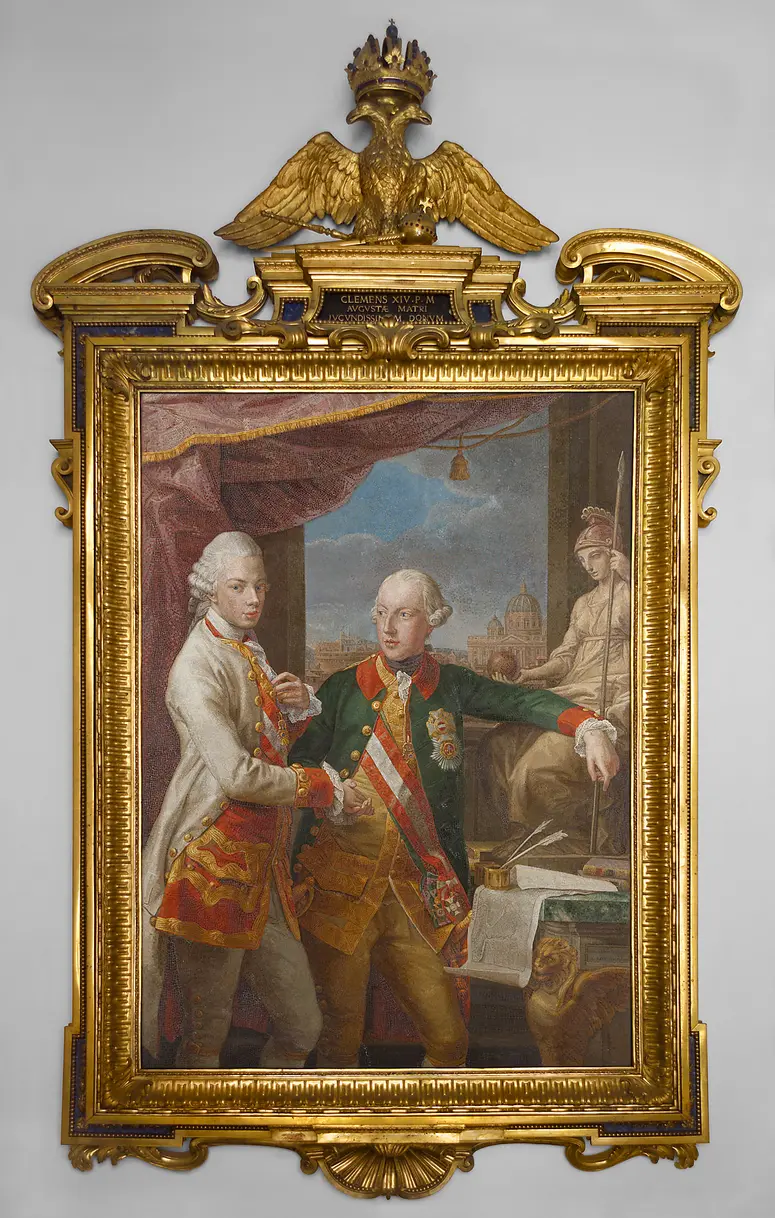
Emperor Joseph II with Grand Duke Pietro Leopoldo of Tuscany Bernardino Regoli 1769–73
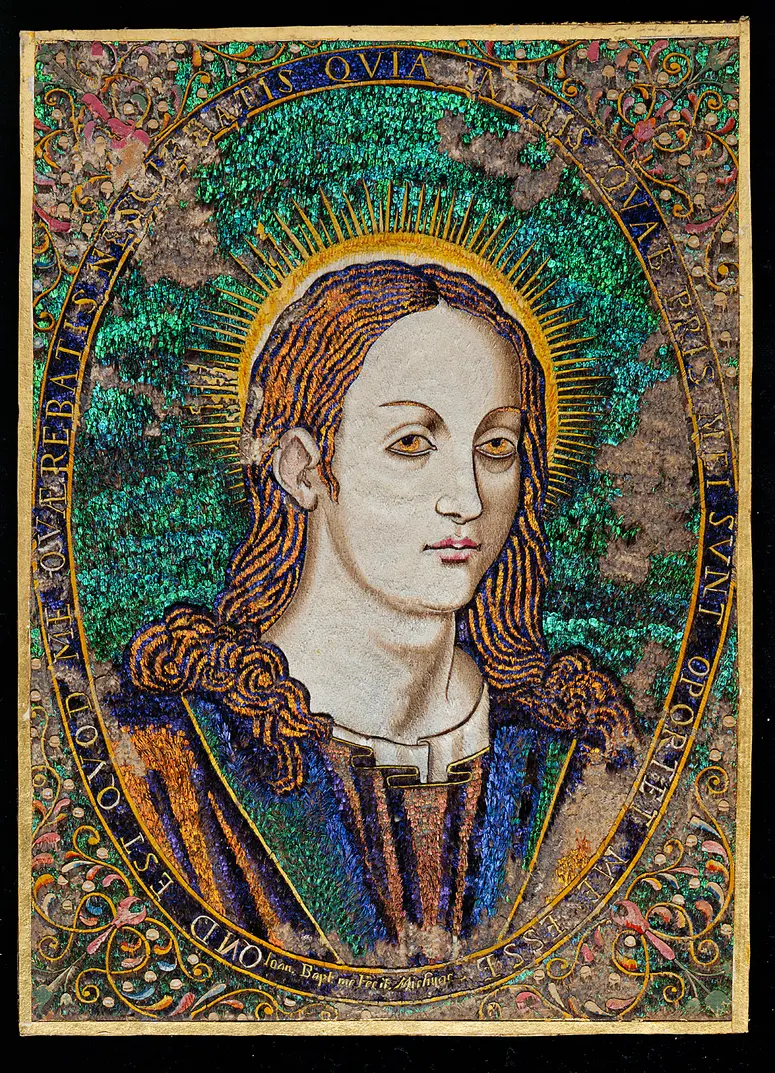
Christusbild aus Federn Juan Baptista Cuiris um 1590/1600
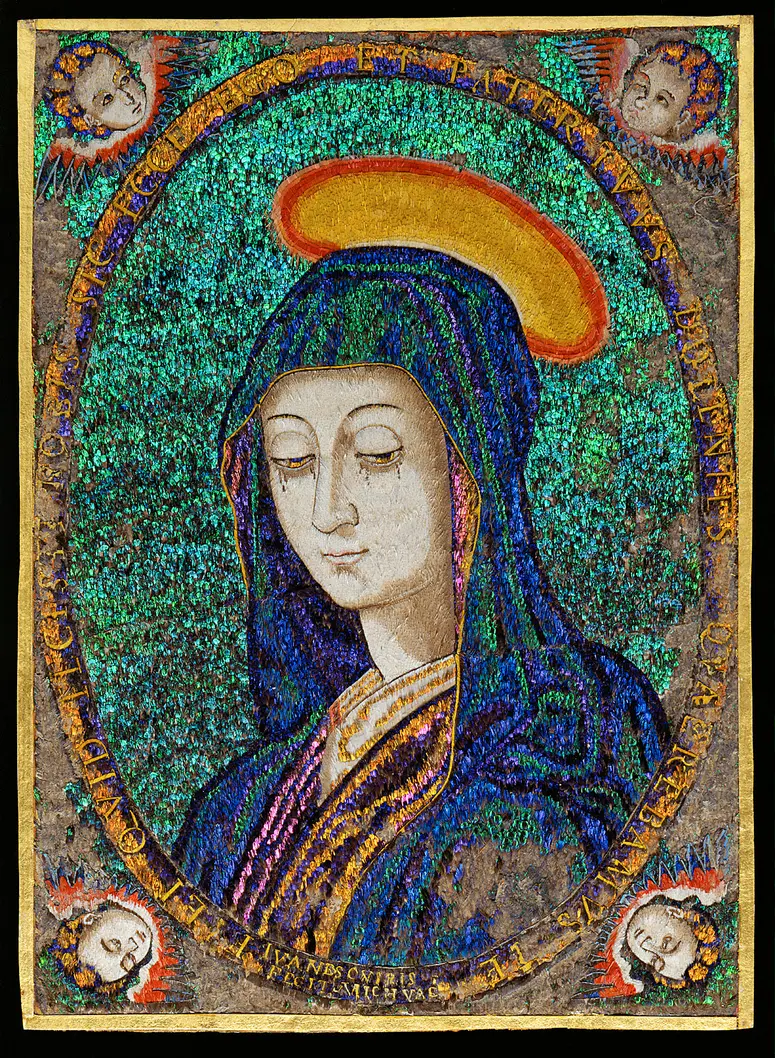
Madonnenbild aus Federn Juan Baptista Cuiris um 1590/1600
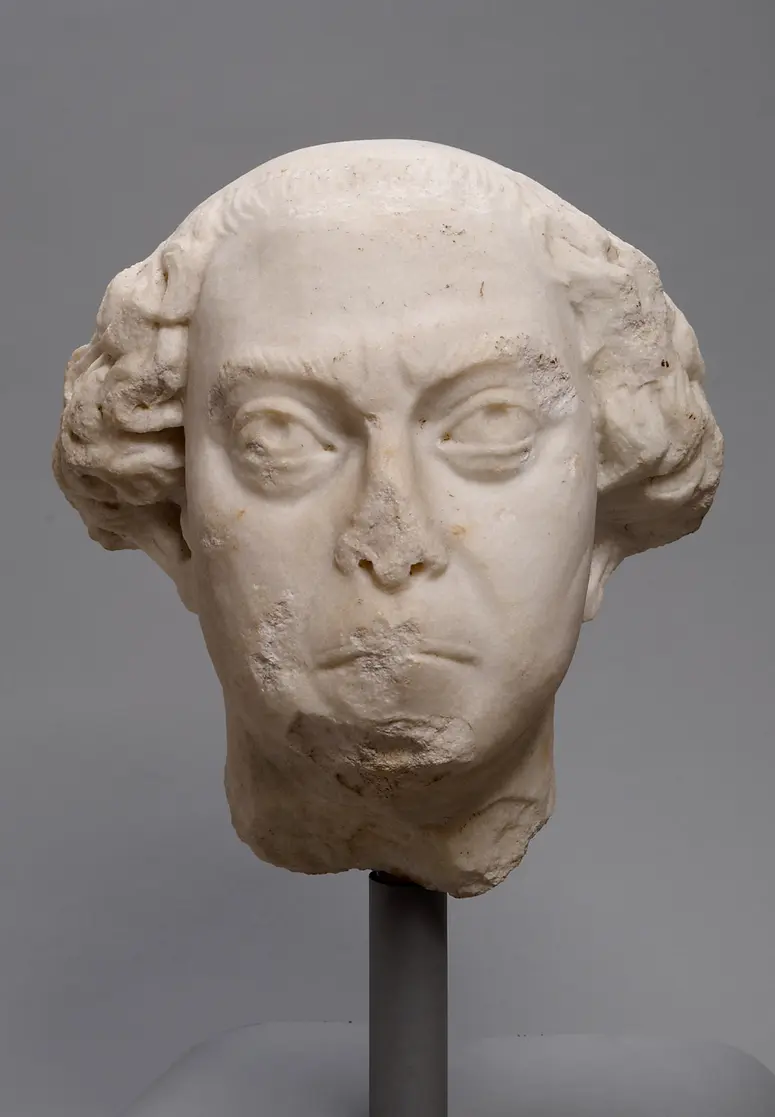
Porträtkopf: Porträt eines kahlköpfigen Mannes Römisch, Spätantik 1. Hälfte 6. Jh. n. Chr.
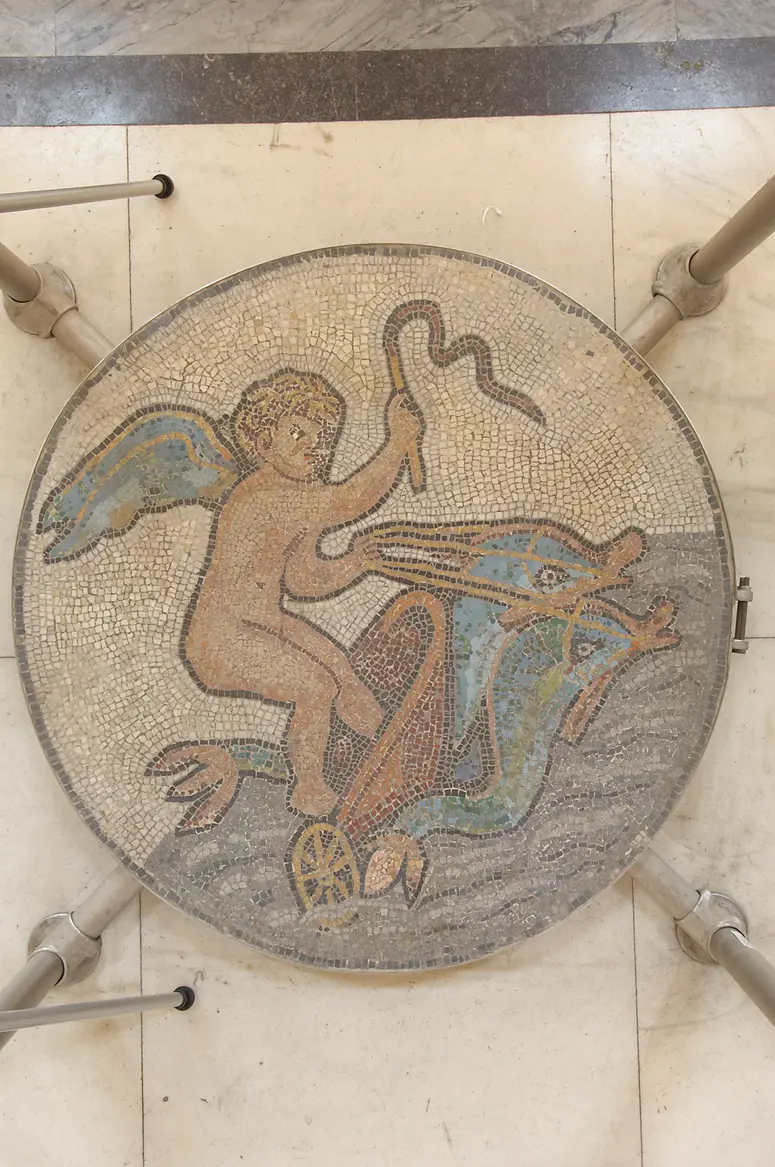
Mosaik: Mosaikfragment: Eros auf Biga Römisch, Spätantik 6. Jh. n. Chr.
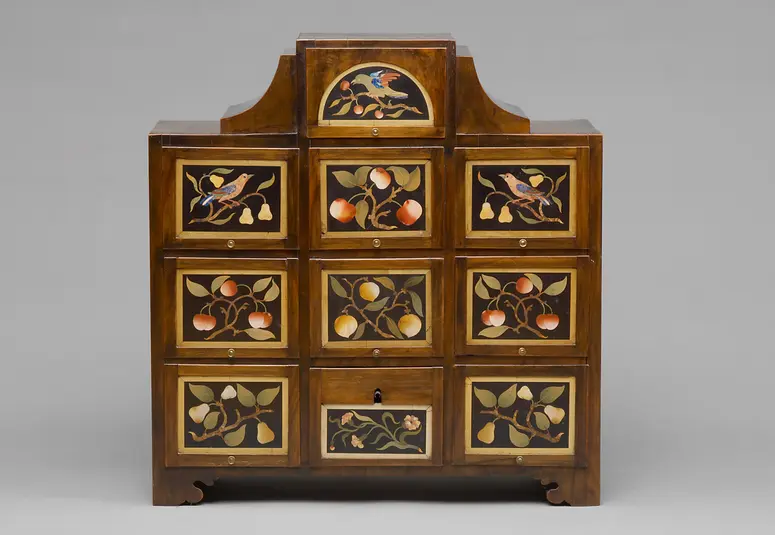
Schmuckkästchen, Kabinettschrank, Pietra-Dura-Kästchen Mitte 17. Jahrhundert
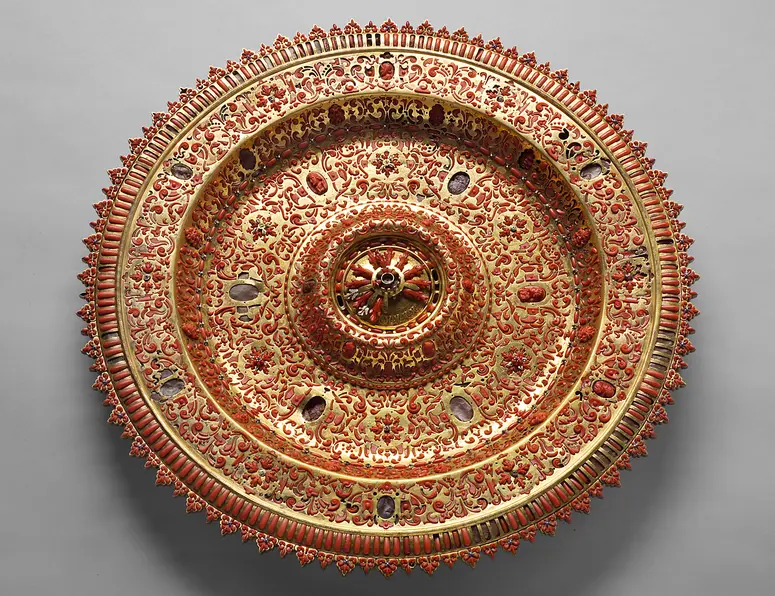
Becken, Teller, Rundteller, Platte, Korallenmosaik, Einlegearbeit Anfang 17. Jahrhundert
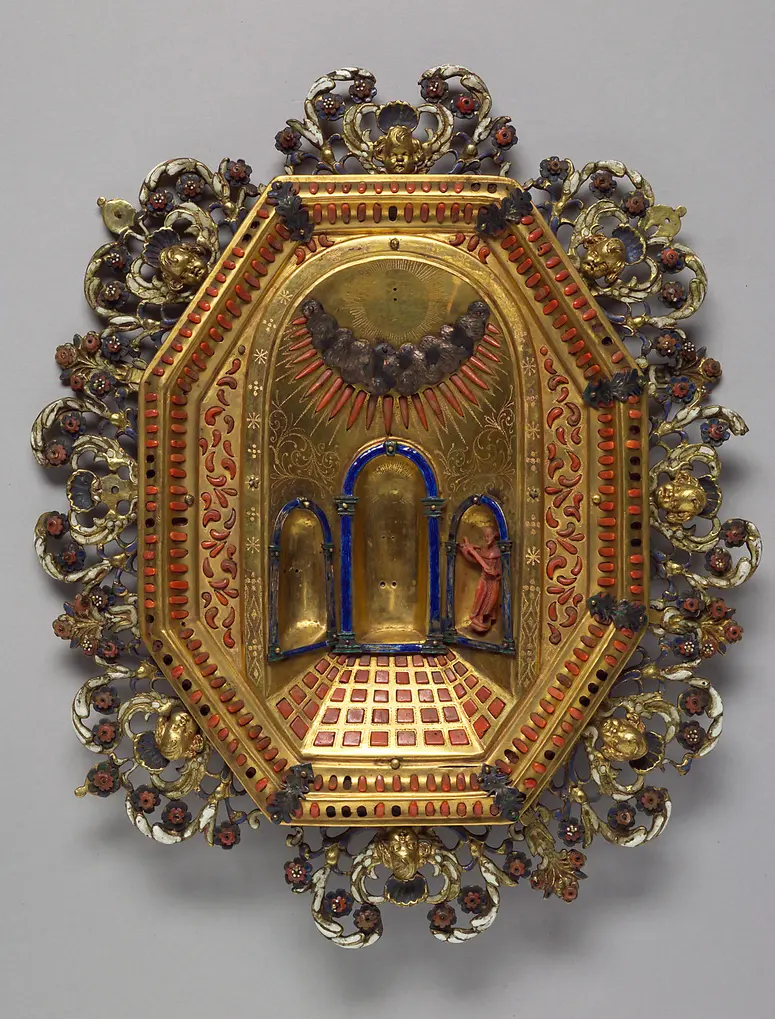
Wanddekoration, Relief, Einlegearbeit, Korallenmosaik 1. Hälfte 17. Jahrhundert
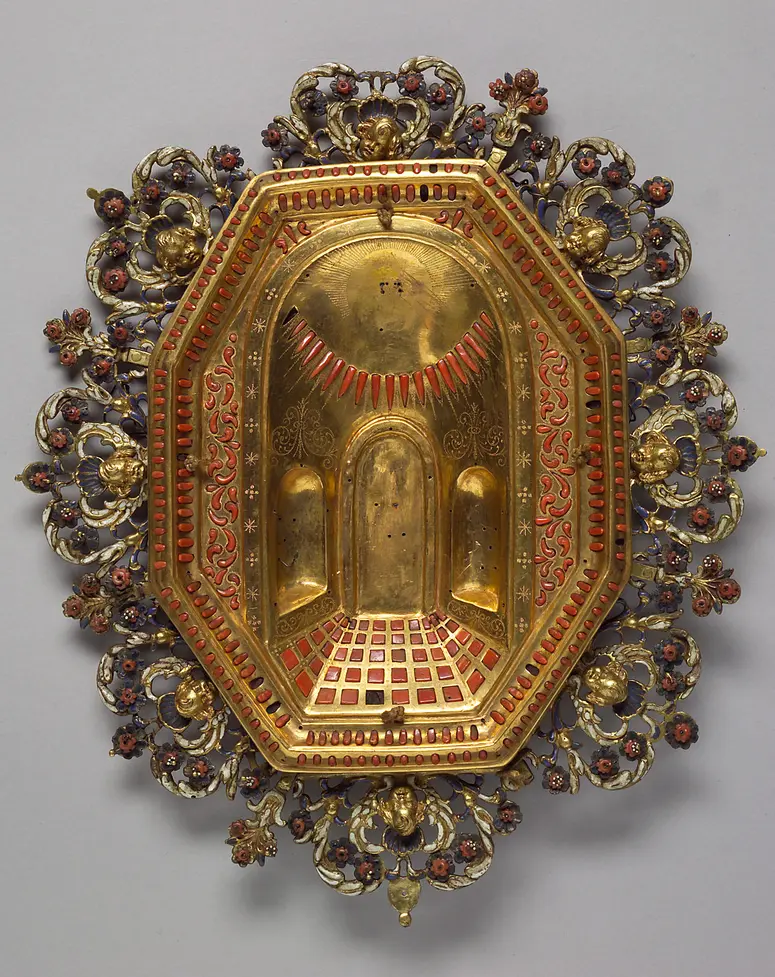
Wanddekoration, Platte, Teller, Einlegearbeit, Korallenmosaik 1. Hälfte 17. Jahrhundert
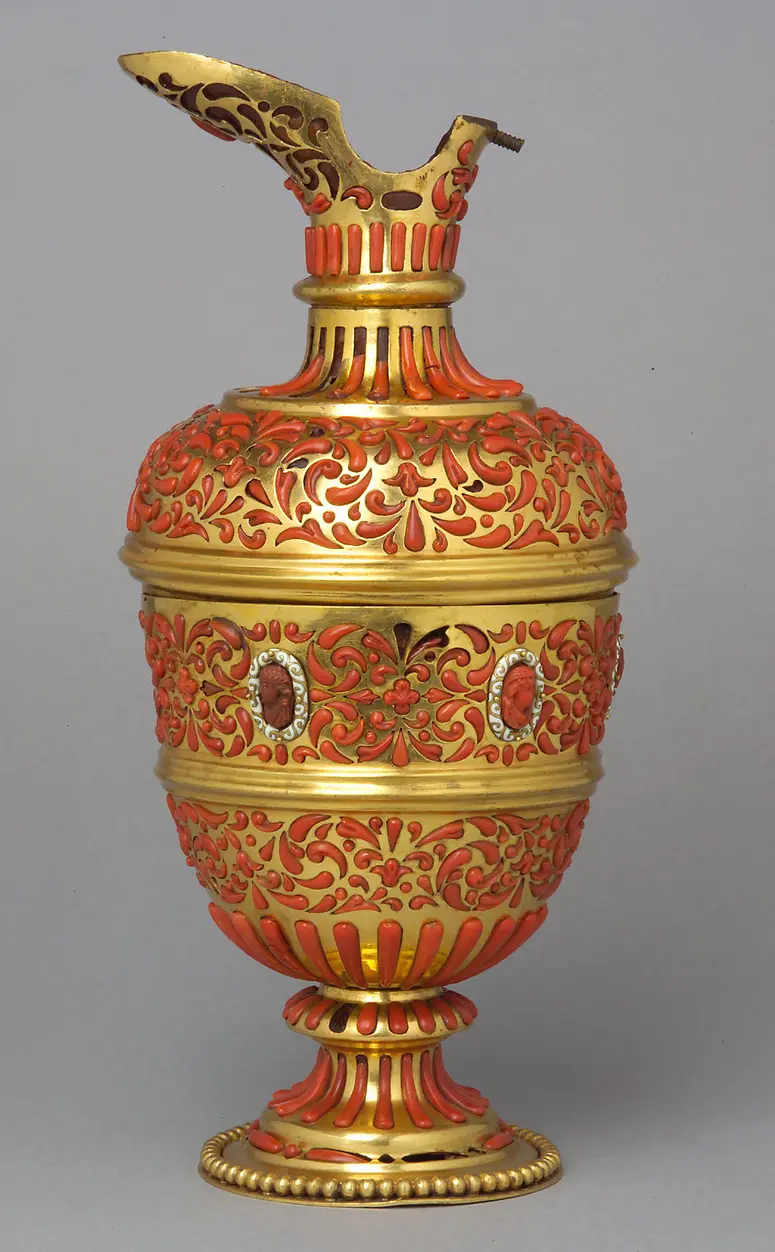
Gefäß; Krug, Kanne, Korallenmosaik, Einlegearbeit Ende 16. Jahrhundert / Anfang 17. Jahrhundert
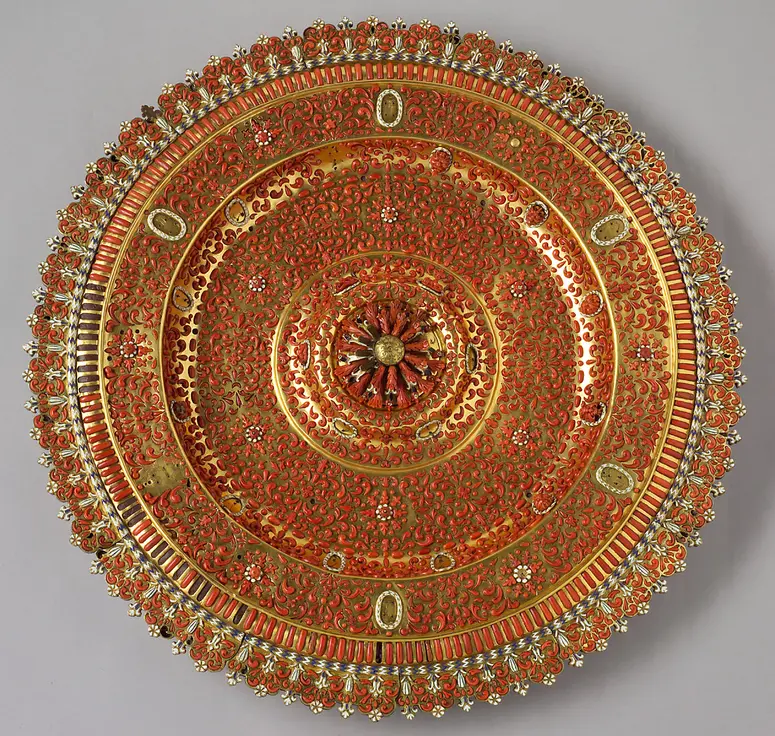
Becken mit durchbrochenen Verzierungen, Gefäß; Becken, Teller, Korallenmosaik, Einlegearbeit Anfang 17. Jahrhundert
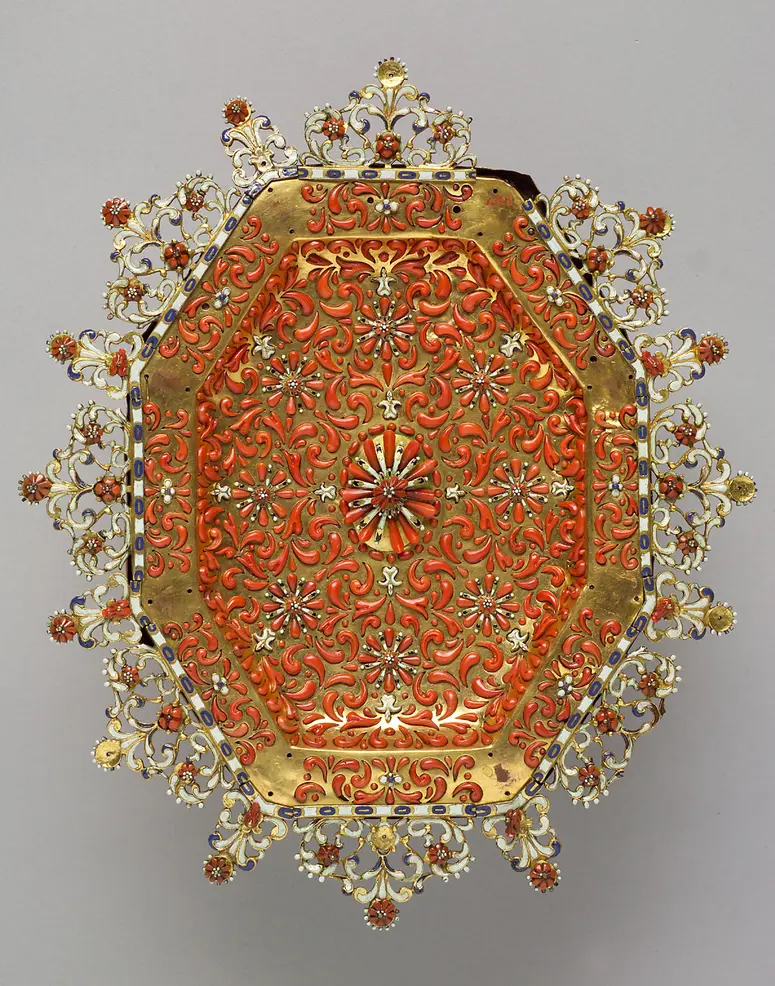
Gefäß, Teller, Platte, Korallenmosaik, Einlegearbeit Ende 16. Jahrhundert / Anfang 17. Jahrhundert
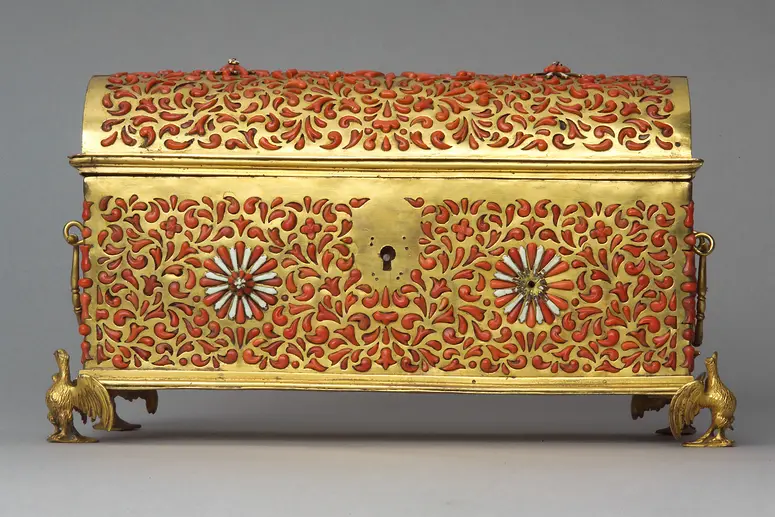
Kästchen mit Adlerfüßen, Korallenmosaik, Einlegearbeit Anfang 17. Jahrhundert